




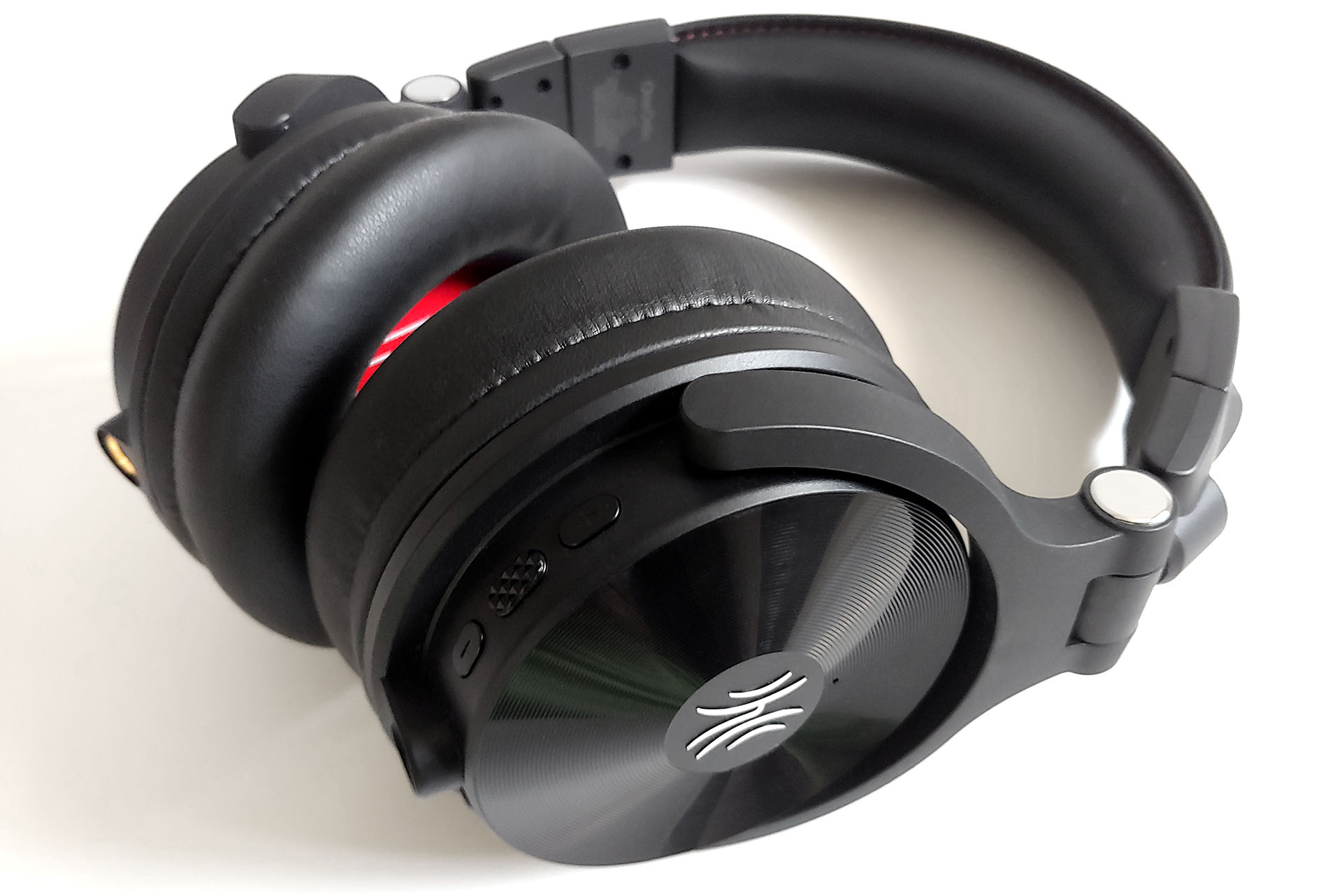
OneOdio Studio Max 2 hands-on: Ultra-low latency, high-resolution headphones
Versatile low-latency headphones.
The OneOdio Studio Max 2 headphones deliver ultra-low-latency audio through their RapidWill+ wireless transmitter, with excellent separation of instruments and voices for music production, video editing, gaming, and DJing.David Chien Published 🇳🇱 🇫🇷 ...
Verdict – Delivering the details
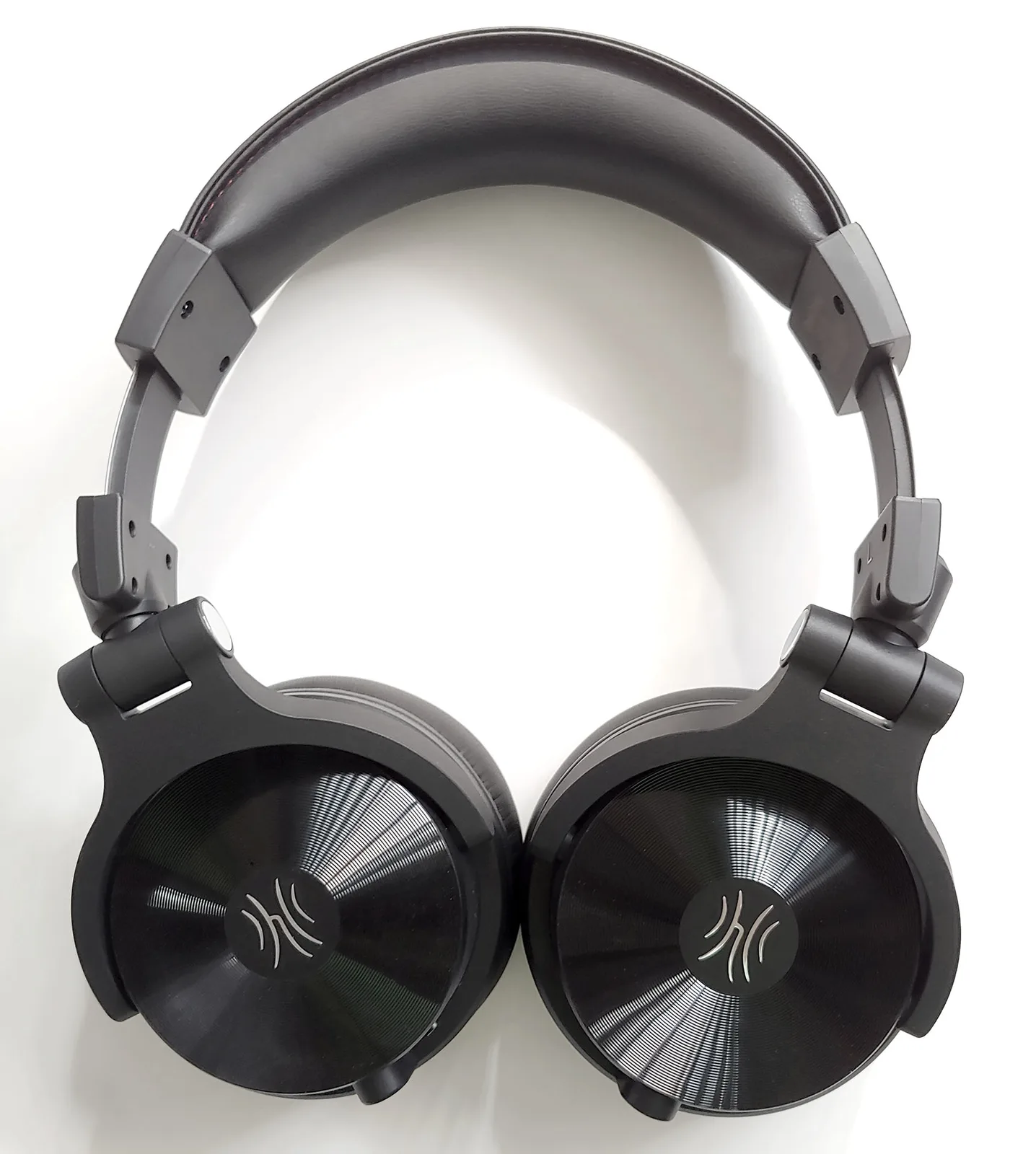
The Studio Max 2 delivers clear separation of instruments and vocals across a wide stereo soundstage, giving editors the ability to focus on individual elements while maintaining an energetic overall presentation. Its improved wireless transmitter dongle enables ultra‑low‑latency wireless use with any audio source, fast enough for gaming.
However, the headphone’s highly detailed, analytical presentation demands the listener’s attention, making it less suitable for those who prefer a smoother, more relaxed sound for hours of relaxing listening. It also lacks noise cancellation, as it is designed primarily for DJing and music mastering.
For DJs, its tuning trades a deeply emotional presentation for an analytical one, with clearly separated instruments and vocals that enable accurate mixing on beat drops.
Pros
Cons
Price and availability
The OneOdio Studio Max 2 Wireless DJ Headphones are available from OneOdio or Amazon for $189.99. The limited-edition DJ KSHMR model is only available from OneOdio for $199.99, and a discount code BKR9MI6I provides 15% off until August 11, 2026.

The Studio Max 2 is designed for DJs and editors demanding clear audio reproduction, with thick padding for long hours of comfortable wear and articulated hangers for one-handed use.
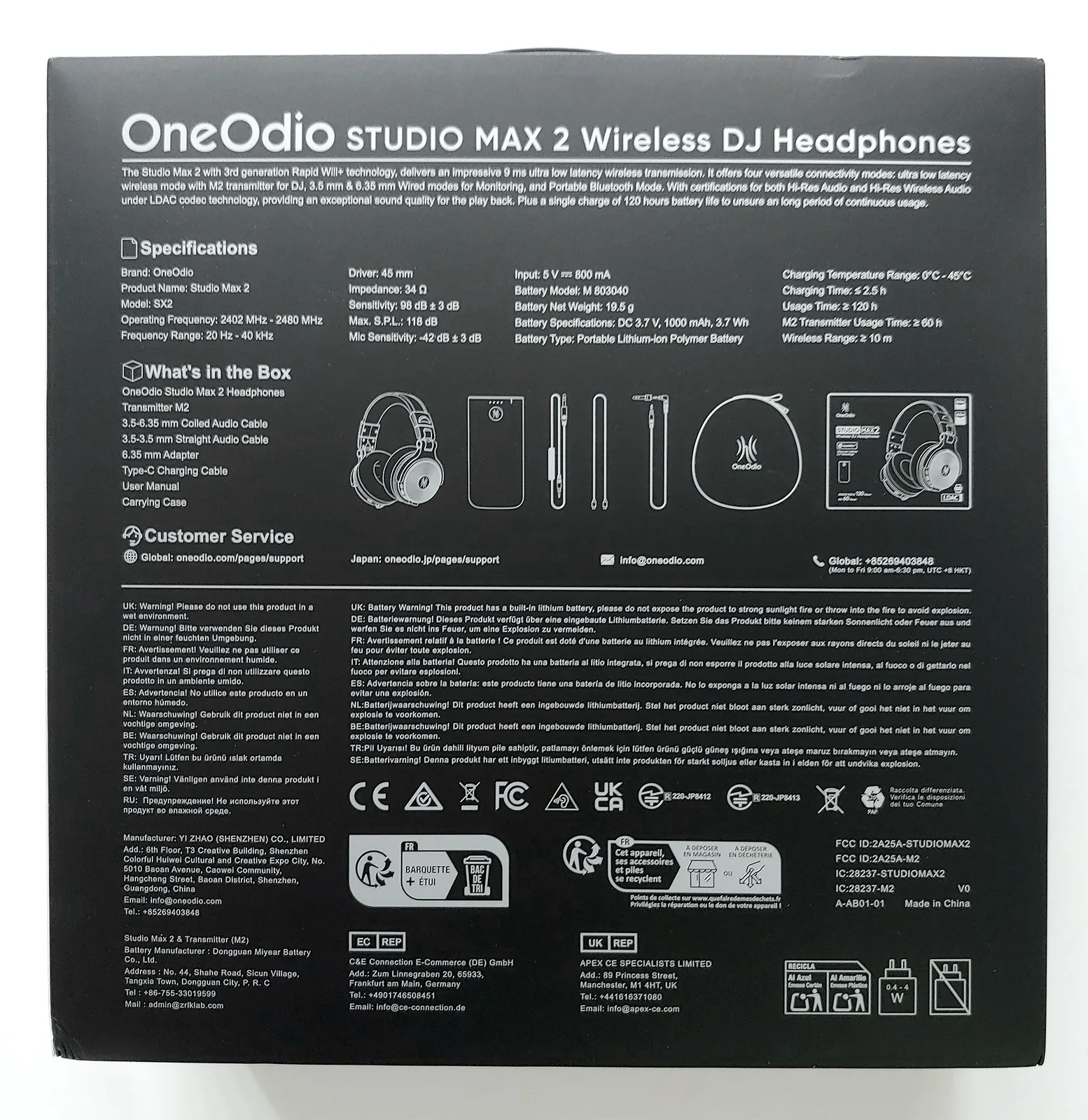
Specifications
| Drivers | 45 mm |
| Frequency Response | 20 Hz to 40 kHz |
| Microphones | Two ENC microphones |
| Connectivity | RapidWill+ 3.0 wireless (~9 ms latency, 400 kbps) |
| Bluetooth 6.0 (As low as 60 ms latency in game mode) | |
| 3.5 mm (1/8-inch) & 6.35 mm (1/4-inch) jacks | |
| USB-C for charging only | |
| Battery | 1,000 mAh Lithium-ion polymer |
| Headphone Runtime | 60 hours (RapidWill+ mode) |
| 120 hours (Bluetooth mode) | |
| Transmitter Runtime | 50 hours |
| Transmitter Range | 10 m (33 ft.) |
| Charge Time | Headphones or transmitter: 2.5 hours |
| Bluetooth Codecs | SBC, AAC, LDAC |
| Dimensions | ~23 x 20.5 x 9.7 cm (9.1 x 8.1 x 3.8 in.) Extended |
| ~21 x 12.5 x 9.7 cm (8.3 x 4.9 x 3.8 in.) Folded | |
| Weight | 380 g (13.4 oz.) |
Packaging
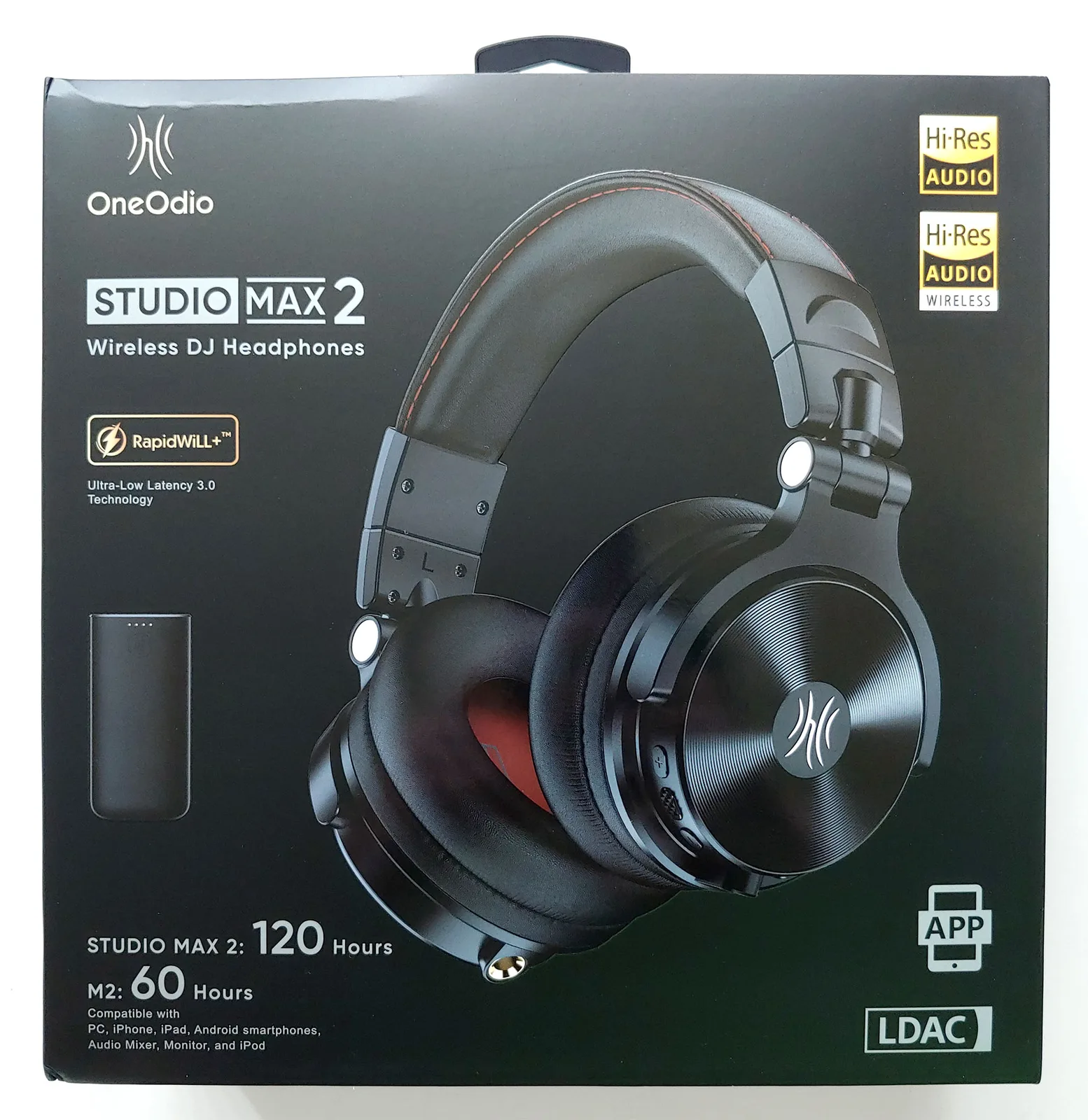
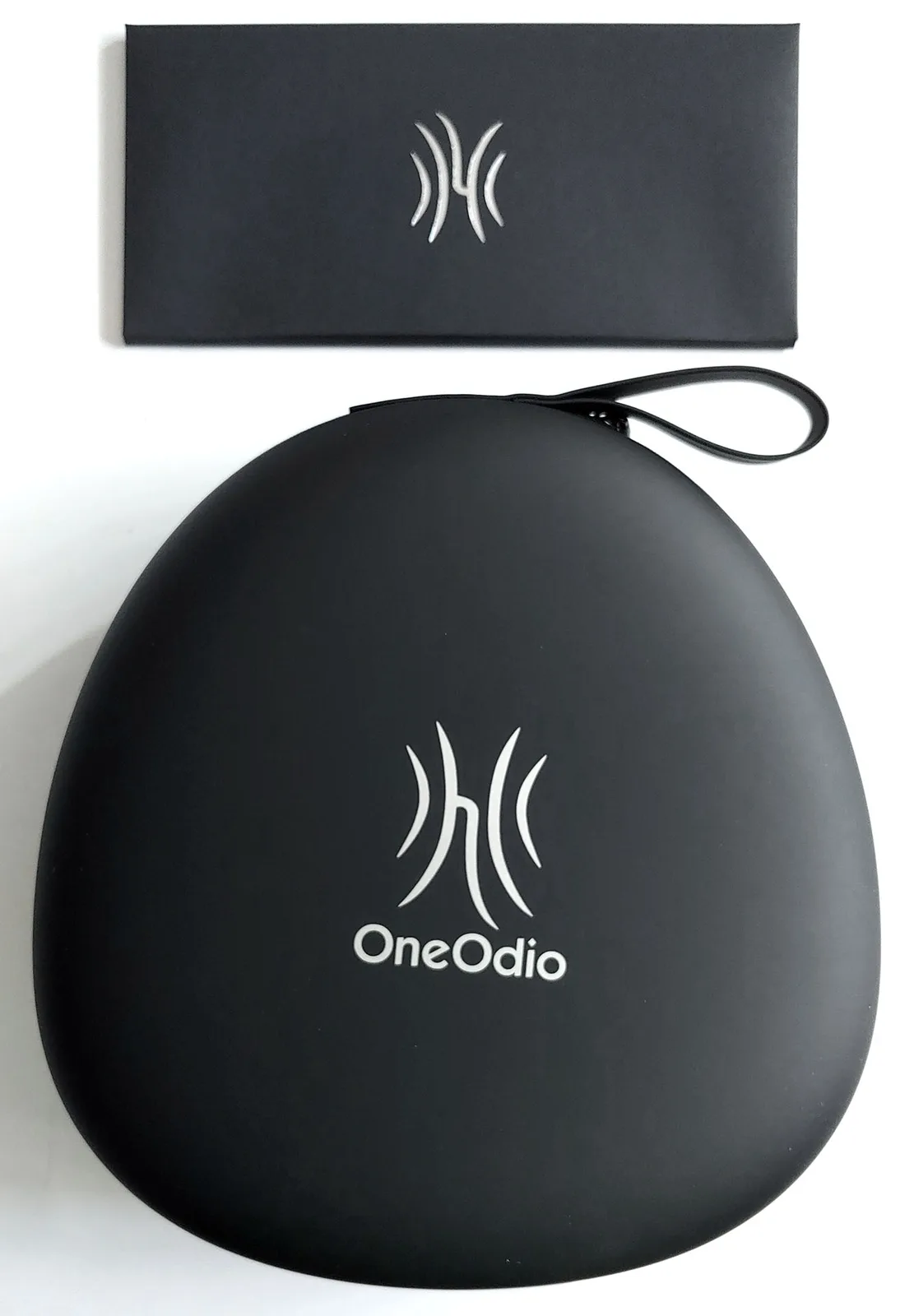
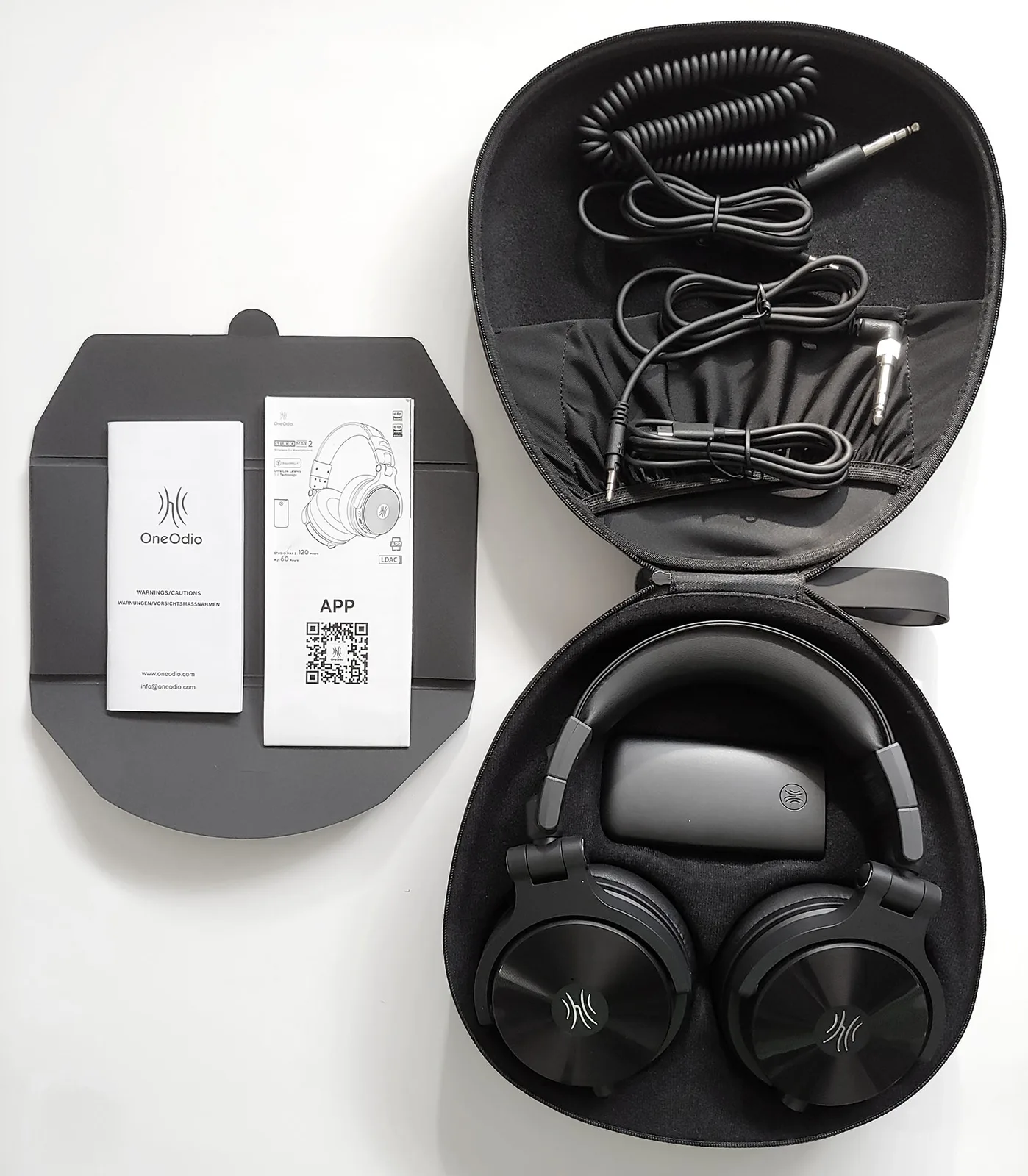
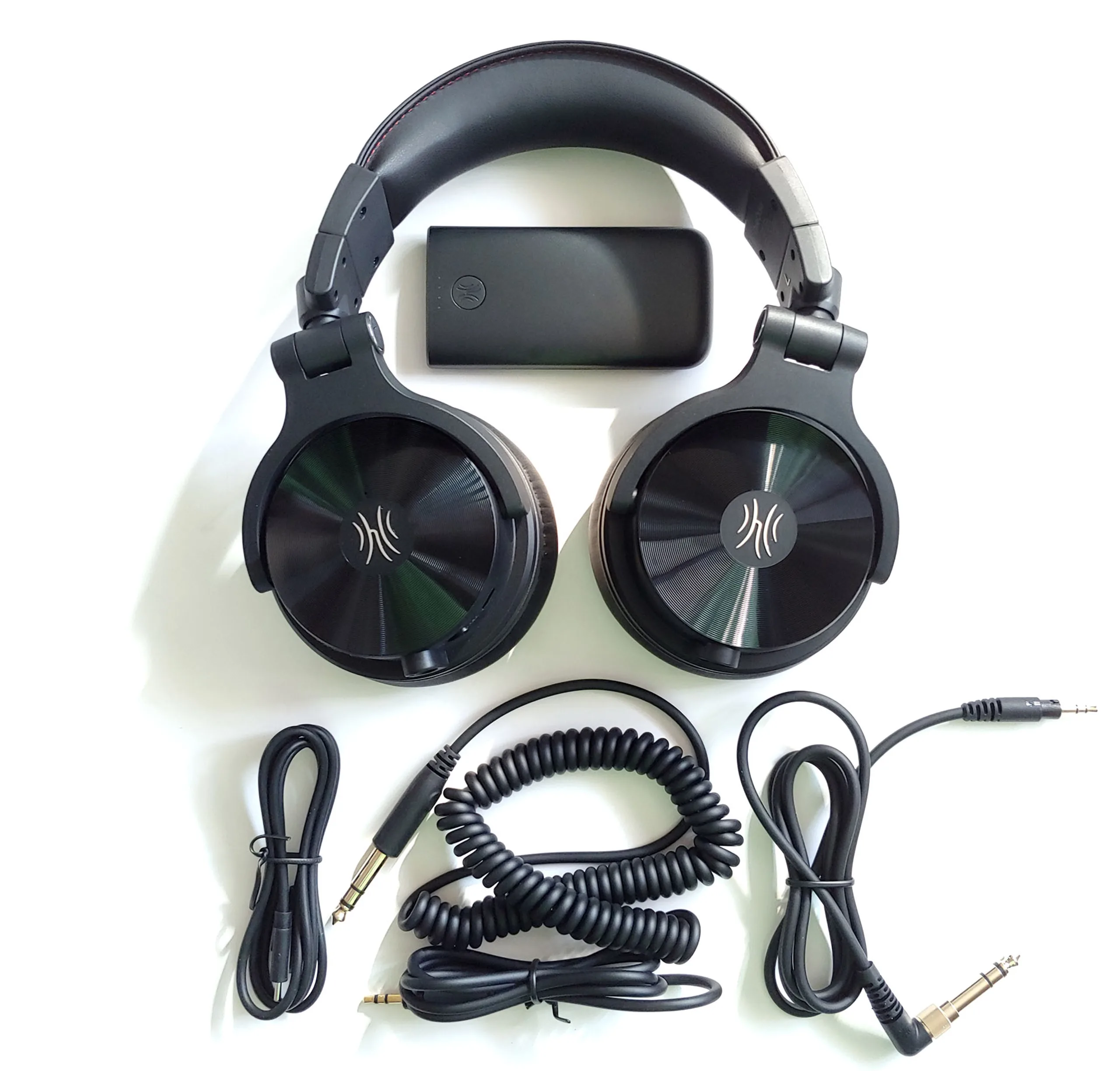
The headphones come with a case, an ultra-low-latency wireless transmitter, a USB-C charging cable, a 3.5 mm to 3.5 mm cable, a 3.5 mm to 6.35 mm cable, a 3.5 mm to 6.35 mm adapter, and a manual.
A limited-edition model in collaboration with DJ KSHMR includes a collector’s signature card, along with a sound pack of 50+ samples, and only 1,000 units are available worldwide.
Design
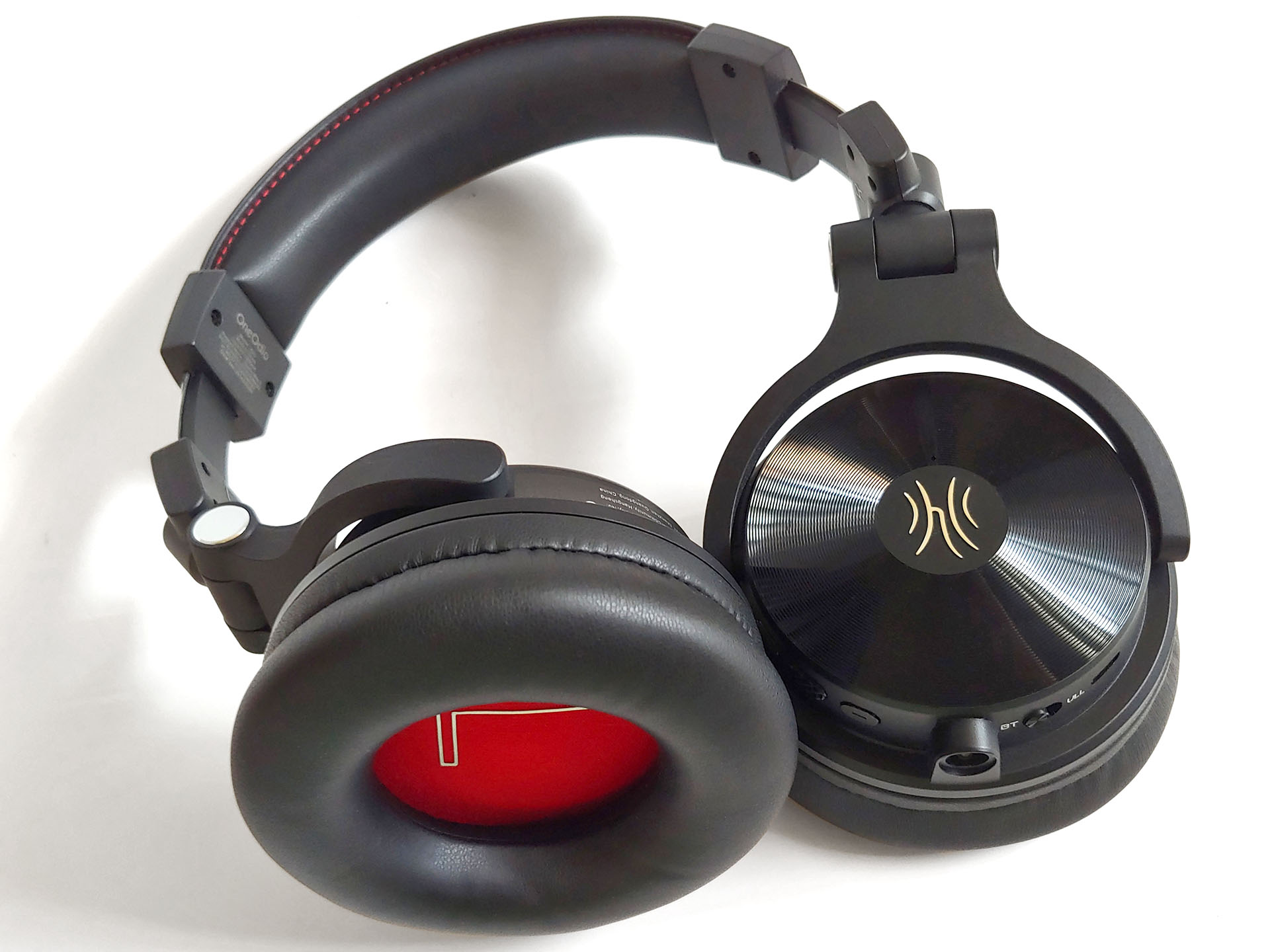
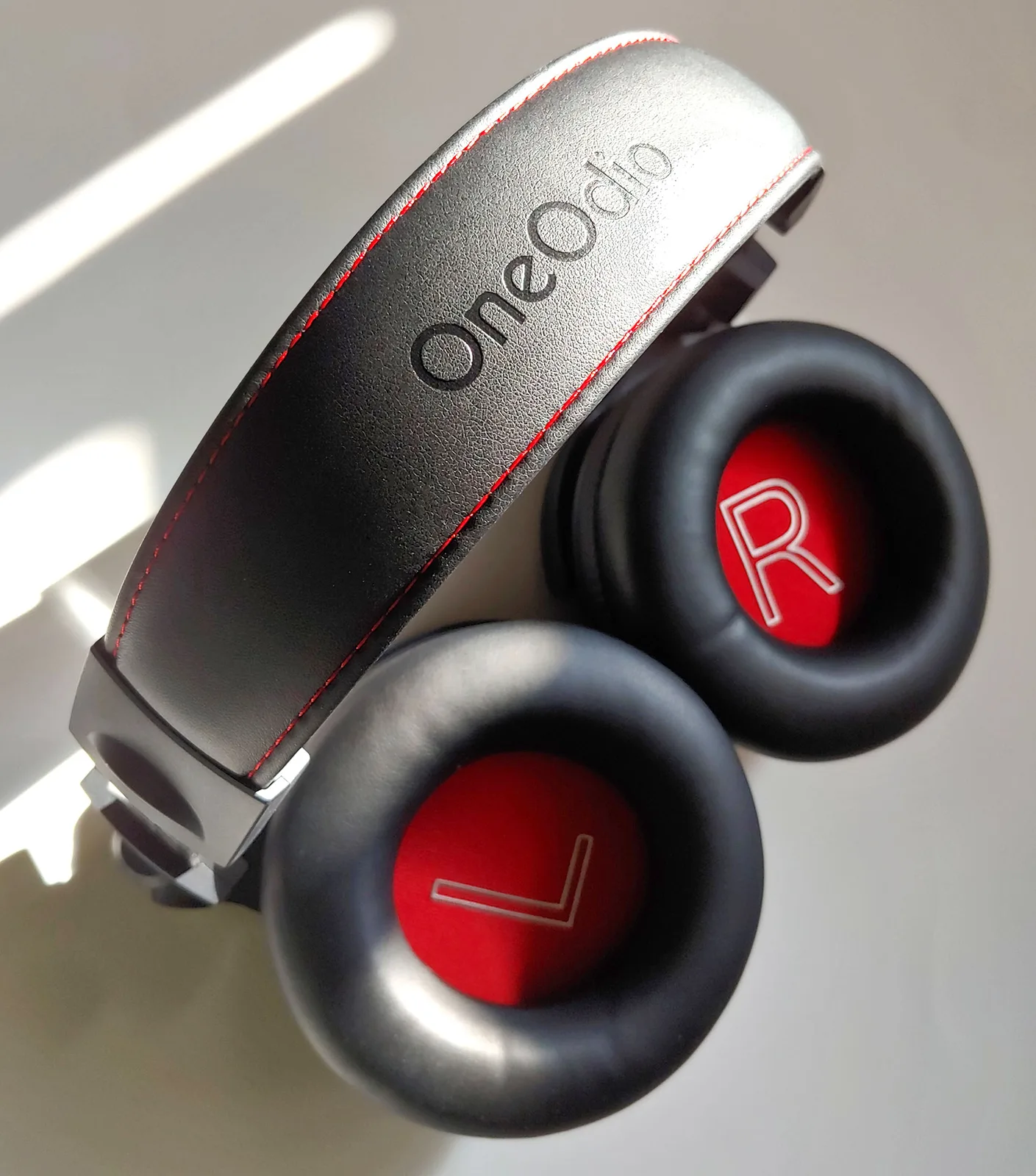
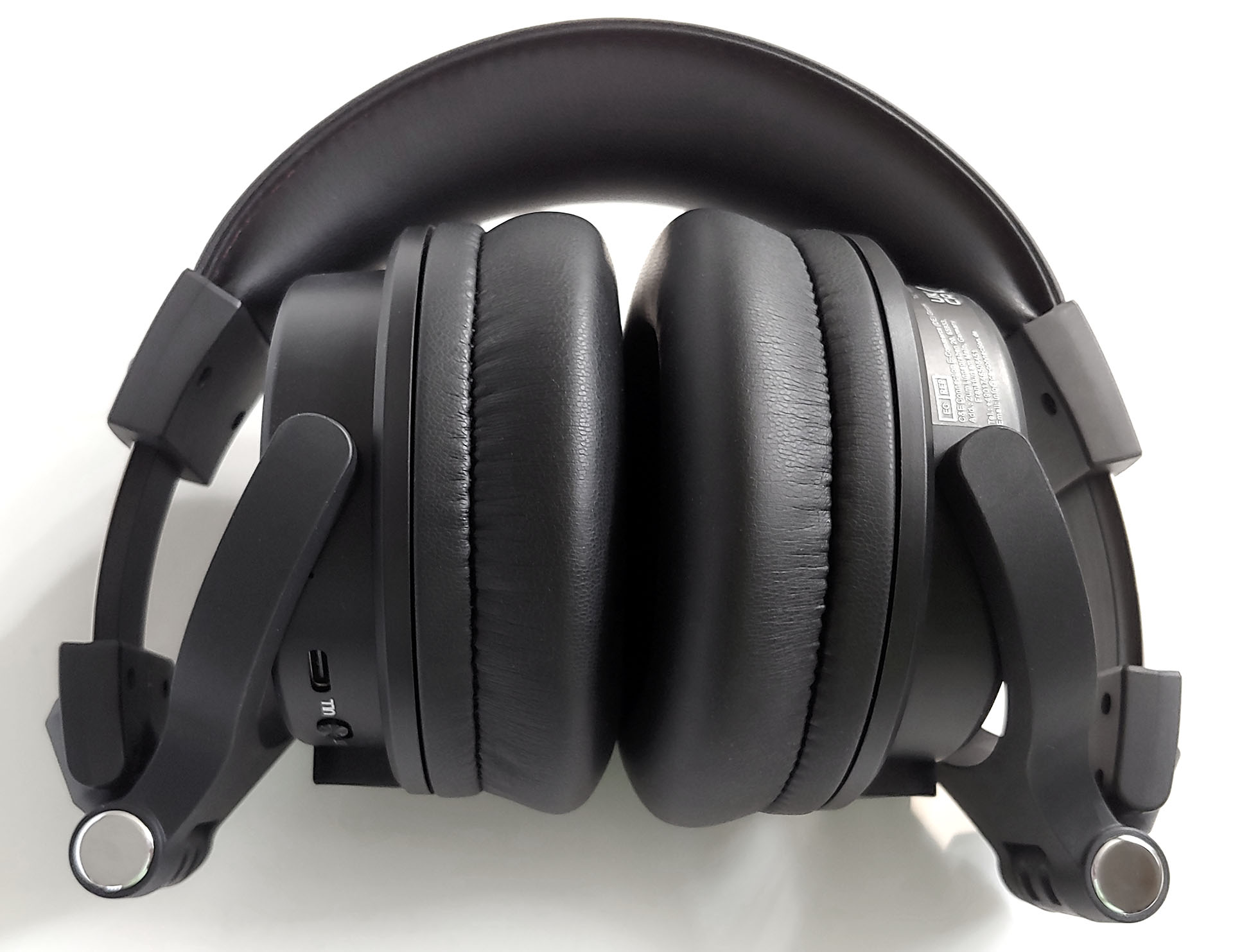
The earcups are clearly labeled and feature distinctive faceplates. They swivel for flexible wear, including one-handed monitoring. The Studio Max 2 is comfortable to wear for hours, even with eyeglasses, thanks to very soft padding and moderately low clamping pressure. The earcups easily fit around large ears.
Controls
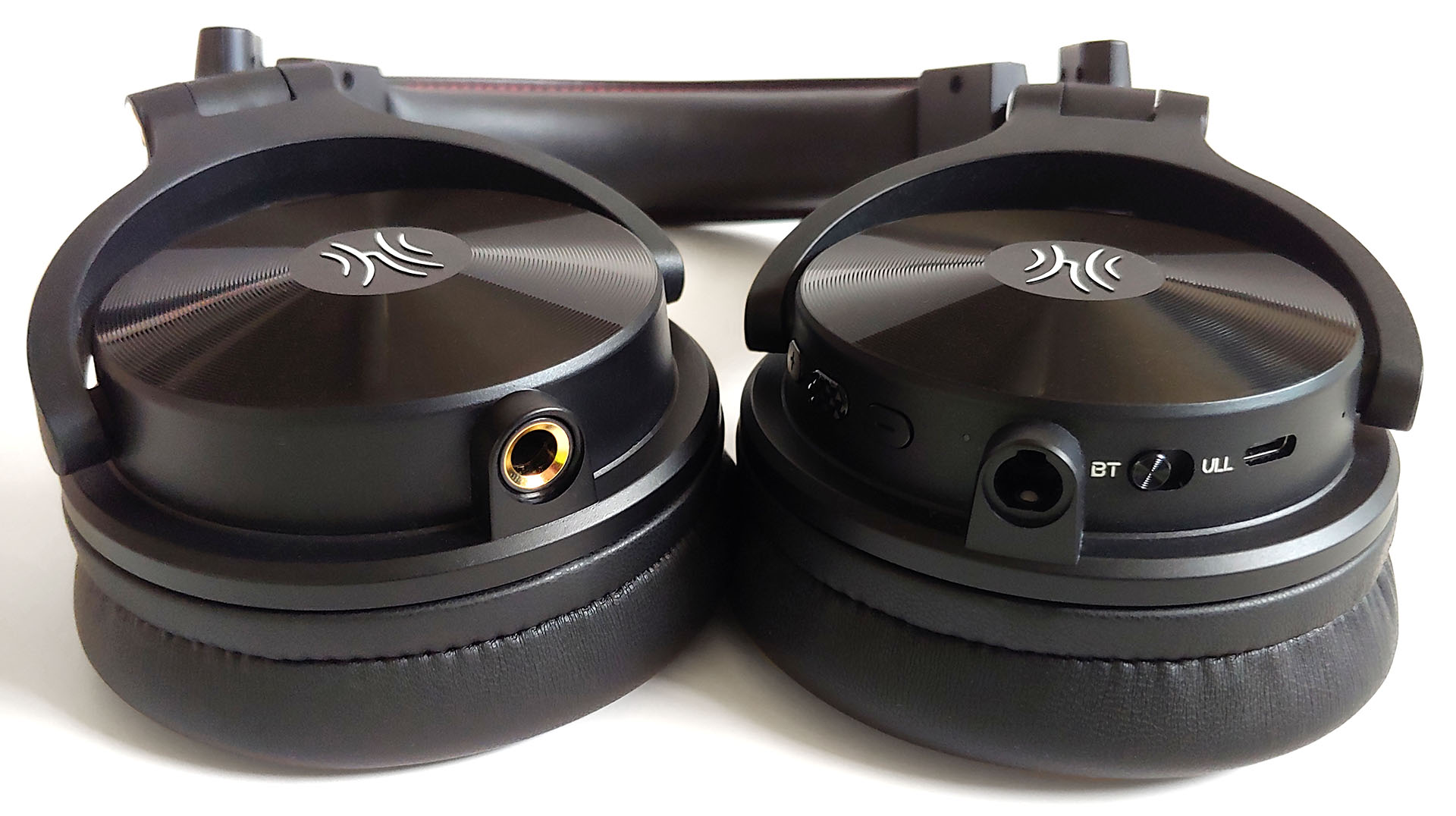
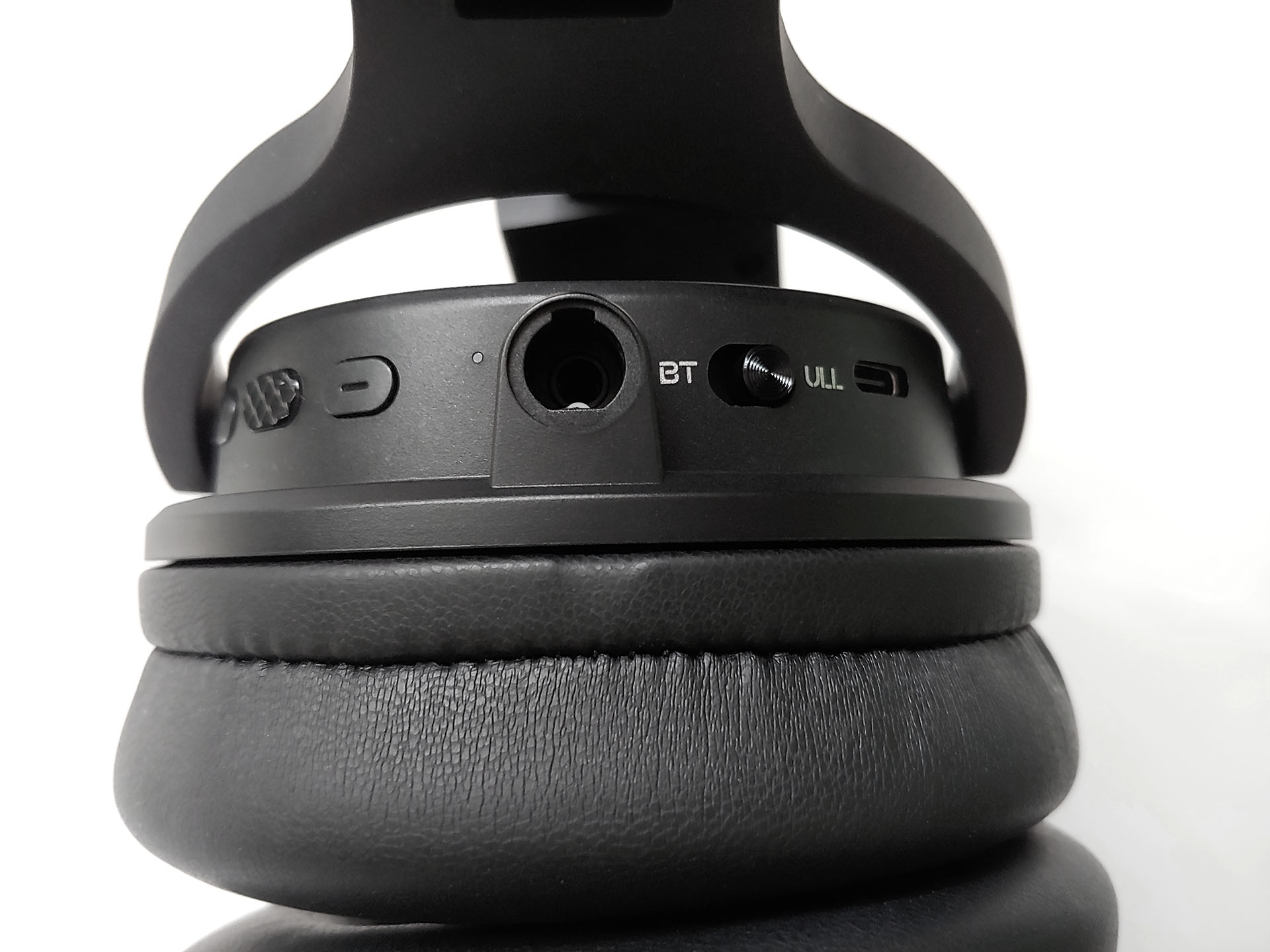
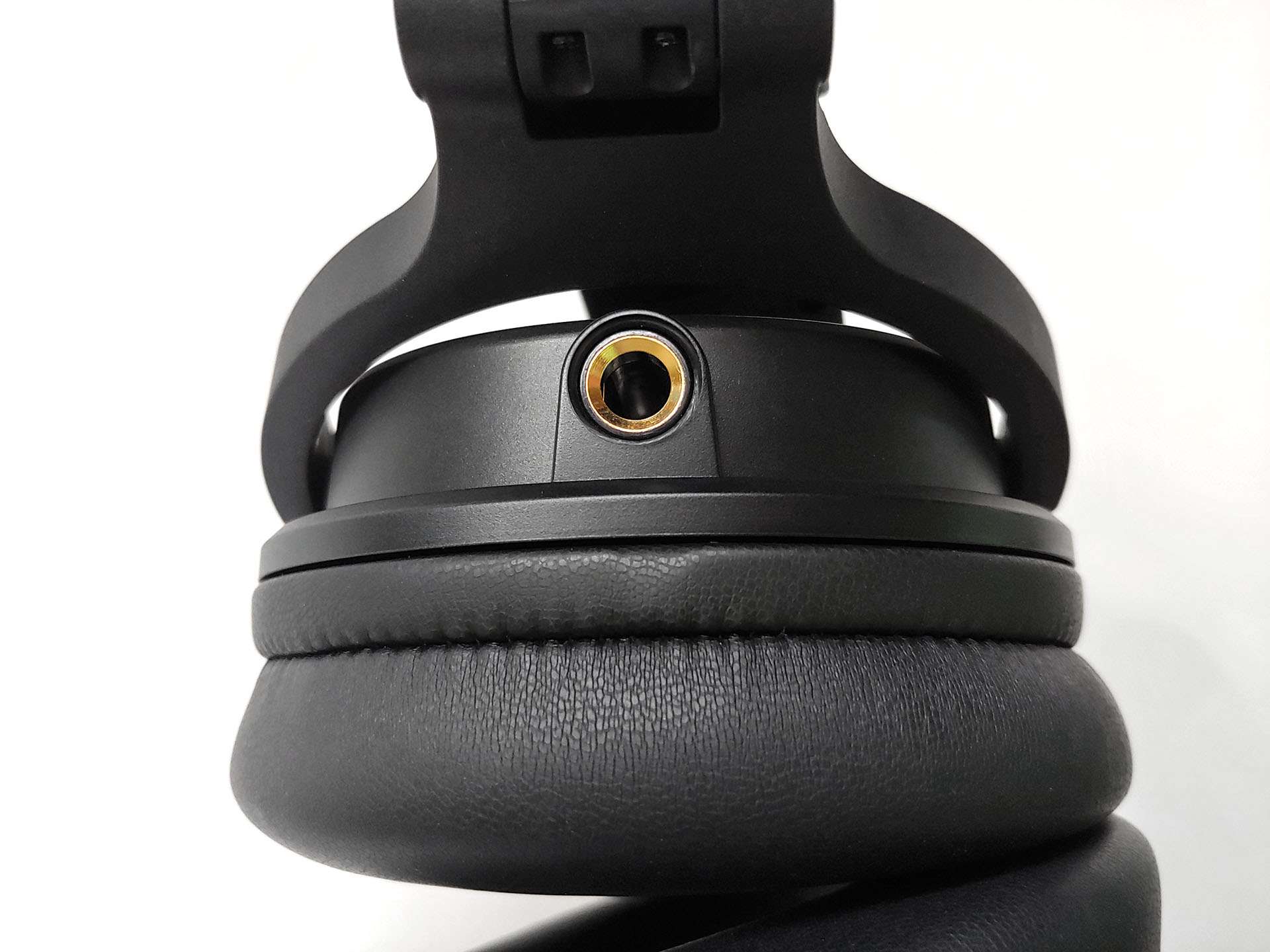
Large buttons control the power and volume, and double-pressing the power button switches EQ modes. A switch selects between Bluetooth and RapidWill+ wireless modes, while plugging in a cable immediately switches to wired input.
RapidWill+ transmitter
When used with the RapidWill+ transmitter, the Studio Max 2 connects to audio sources with 9 ms latency, better than the 20 ms latency of the Studio Max 1, allowing musicians, producers, and DJs to use the headphones in place of wired headphones. The transmitter comes with cables for 3.5 mm (1/8”) and 6.35 mm (1/4”) jacks, and four white LEDs indicate the battery level.
App
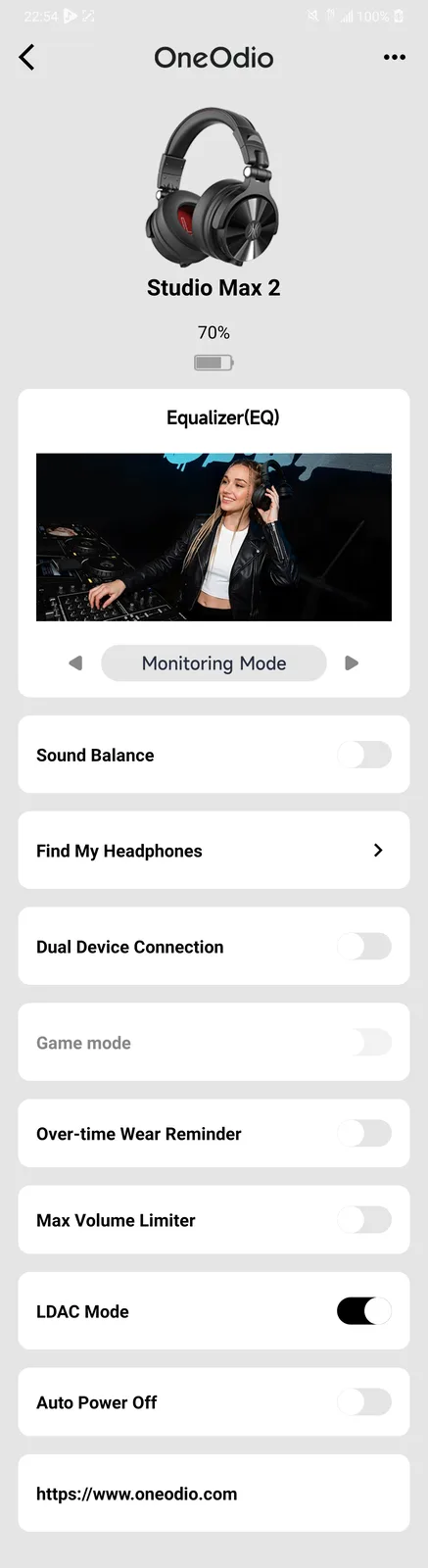
The OneOdio smartphone app allows users to switch between Music, Bass, Monitoring, and custom EQ modes, or adjust a variety of settings, including EQ, max volume, wear time, auto power-off, LDAC mode, and game mode. The app will only work when the headphones are connected using Bluetooth, but it is not required to use the transmitter.
Call quality
User voices during calls outdoors while standing next to a 45 mph (72 kph) street with three lanes in both directions were audible to others, although some degradation in the quality of speech occurred. The following sample contains a five‑second recording of the traffic noise from an LG G7, followed by a recording from the headphone microphones.
In-use
The Studio Max 2 was tested in Monitoring mode using its RapidWill+ wireless transmitter.
The first impression upon hearing the Studio Max 2 is its impressive clarity, with all the instruments and voices separated across a wide soundstage, making it easy to focus on individual elements, including each syllable and note.
Fine details are present, so the subtle vocalization of each word in Fiona Sit’s August Issue and the angelic highs of Filippa Giordano’s S’Apre Te Il Mio Cuor come through very clearly. The sonic presentation is energetic and active, injecting songs like Twice’s Fancy and Rihanna’s Where Have You Been with a powerful liveliness. At the same time, bass is well-controlled and never excessive.
On the flip side, this means the accurate OneOdio headphones will never become as fully engaging as other headphones with a more emotional tuning, even in Music mode, where the vocals are pushed back and the soundstage is narrowed. For example, other headphones can create a more ephemeral rendition of Billie Eilish’s Birds of a Feather, a more immersive rendition of Lola Young’s Messy, or a harder hitting bass in Double & Namie Amuro’s Black Diamond.
VIDEO EDITING
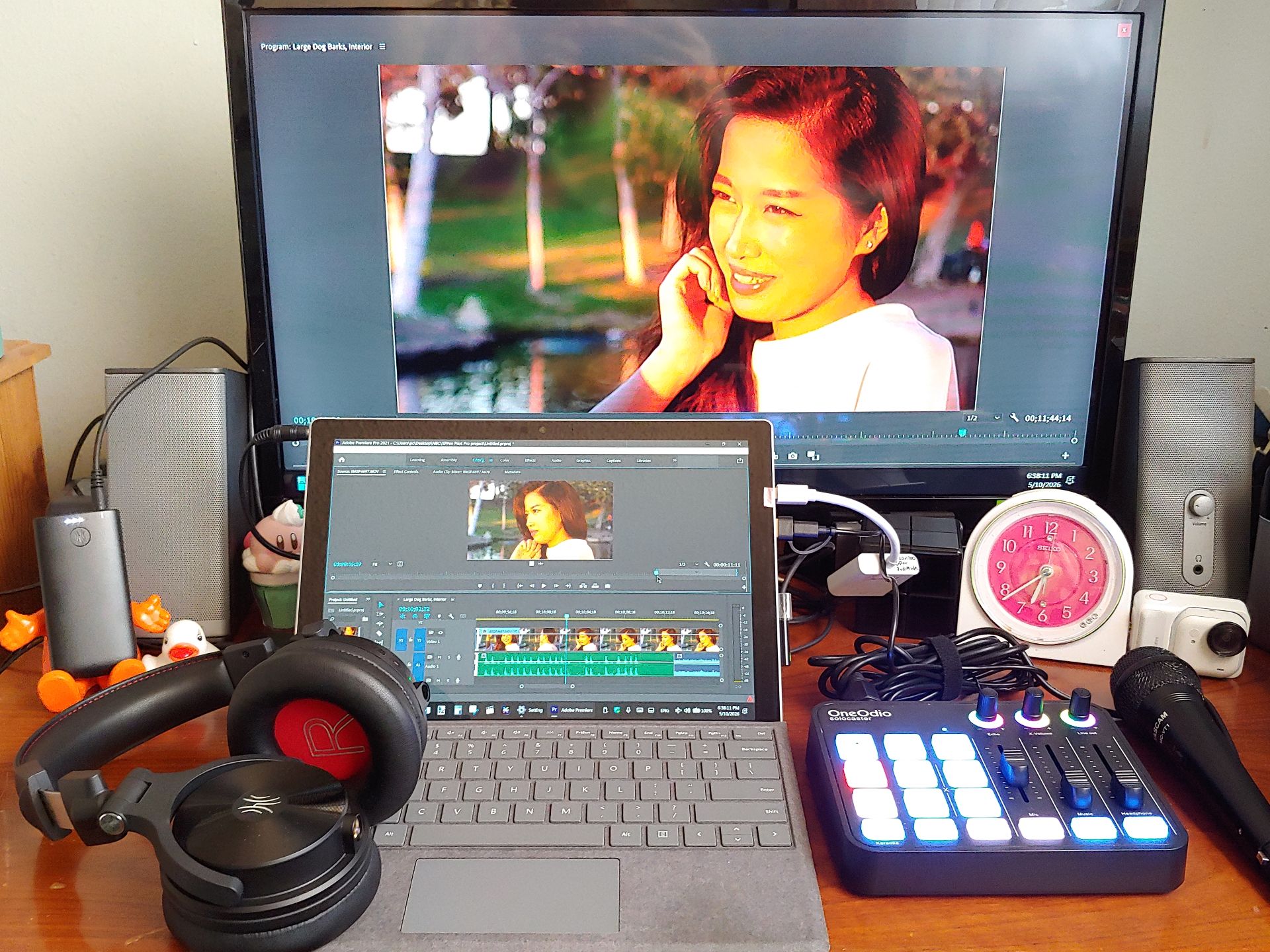
The Studio Max 2 excels in Monitoring mode, and its clarity comes in handy during video editing and music production, where unwanted background noise, radio interference and hum, sibilant “s” sounds, and other imperfections are made quite noticeable. They pair well with desktop monitors to check and fix the technical quality of raw recordings before subjective tuning and mixing begin.
GAMING
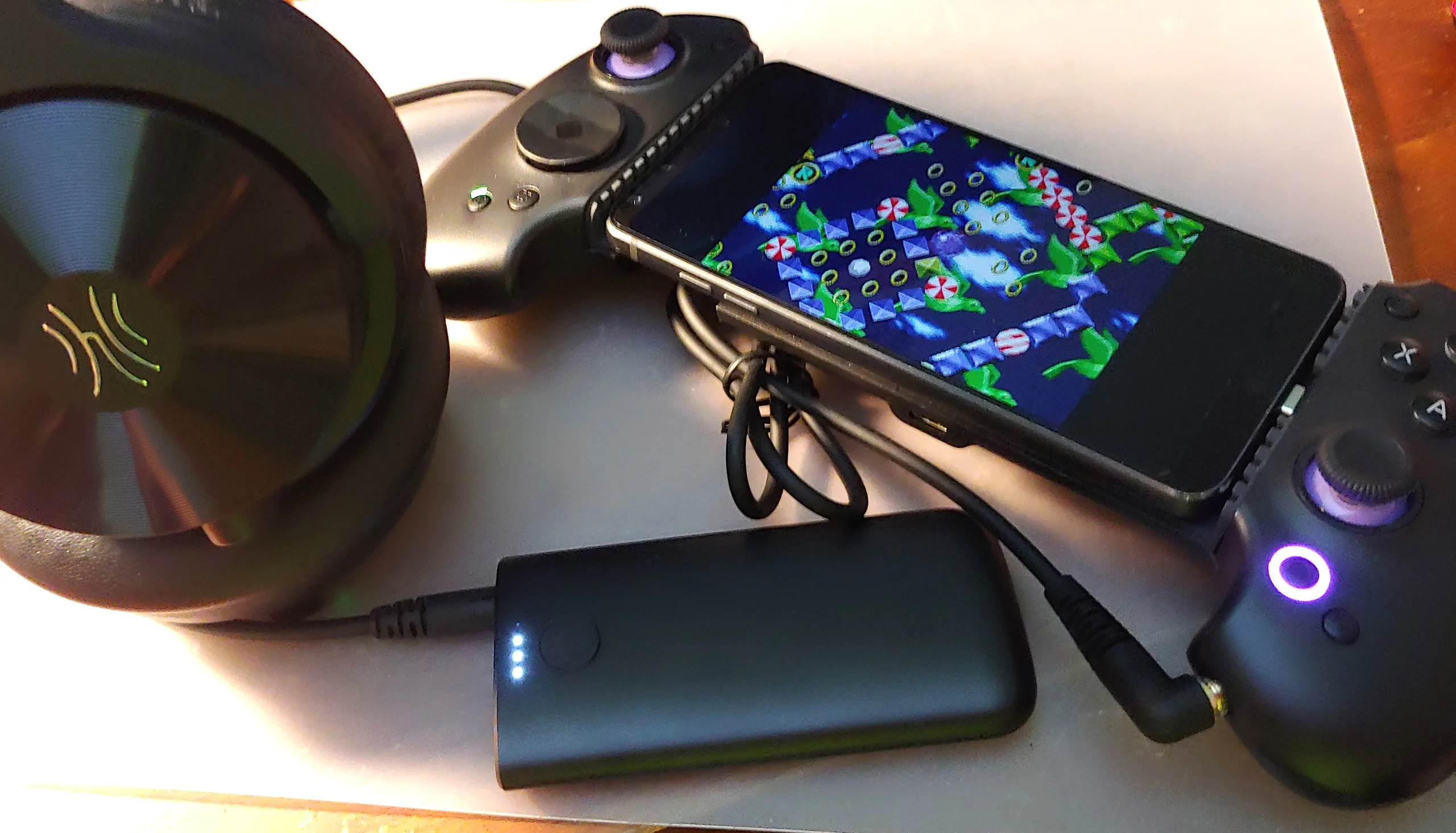
The transmitter connects easily to game consoles and controllers with a 3.5 mm audio cable. Its 9 ms latency provides cable-like performance across a variety of casual games, including Taiko no Tatsujin when tested with an Abxylute S9 controller, but it is close to a one-frame difference when gaming at 120 Hz, so top FPS gamers may still notice slight audio lag.
DJing
The Max 2 improves upon the Max 1 with lower latency and better-restrained low bass, allowing for perfectly timed beat drops. Top-25 DJ KSHMR offers his perspective on the headphones below.
Conclusion
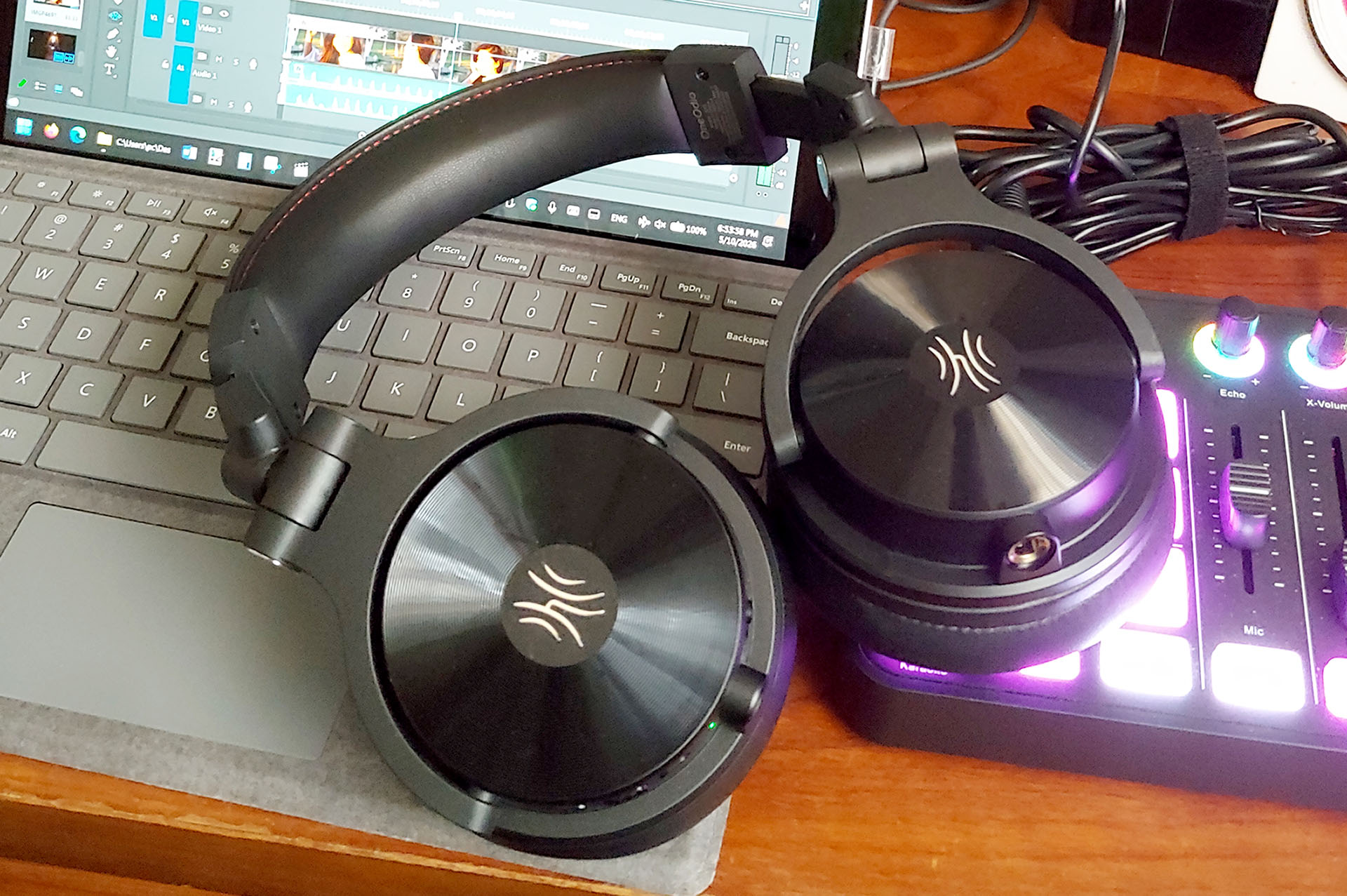
The Studio Max 2 separates instruments and vocals with surprising clarity for monitoring music productions, video editing, gaming and DJing, and comes with an ultra-low-latency transmitter that frees users from cables.
Transparency
The selection of devices to be reviewed is made by our editorial team. The test sample was given to the author by the manufacturer free of charge for the purposes of review. There was no third-party influence on this review, nor did the manufacturer receive a copy of this review before publication. There was no obligation to publish this review. As an independent media company, Notebookcheck is not subjected to the authority of manufacturers, retailers or publishers.
 Add as a preferred source on Google


