Nvidia CEO Jensen Huang questions investment in OpenAI: No 100 billion for ChatGPT
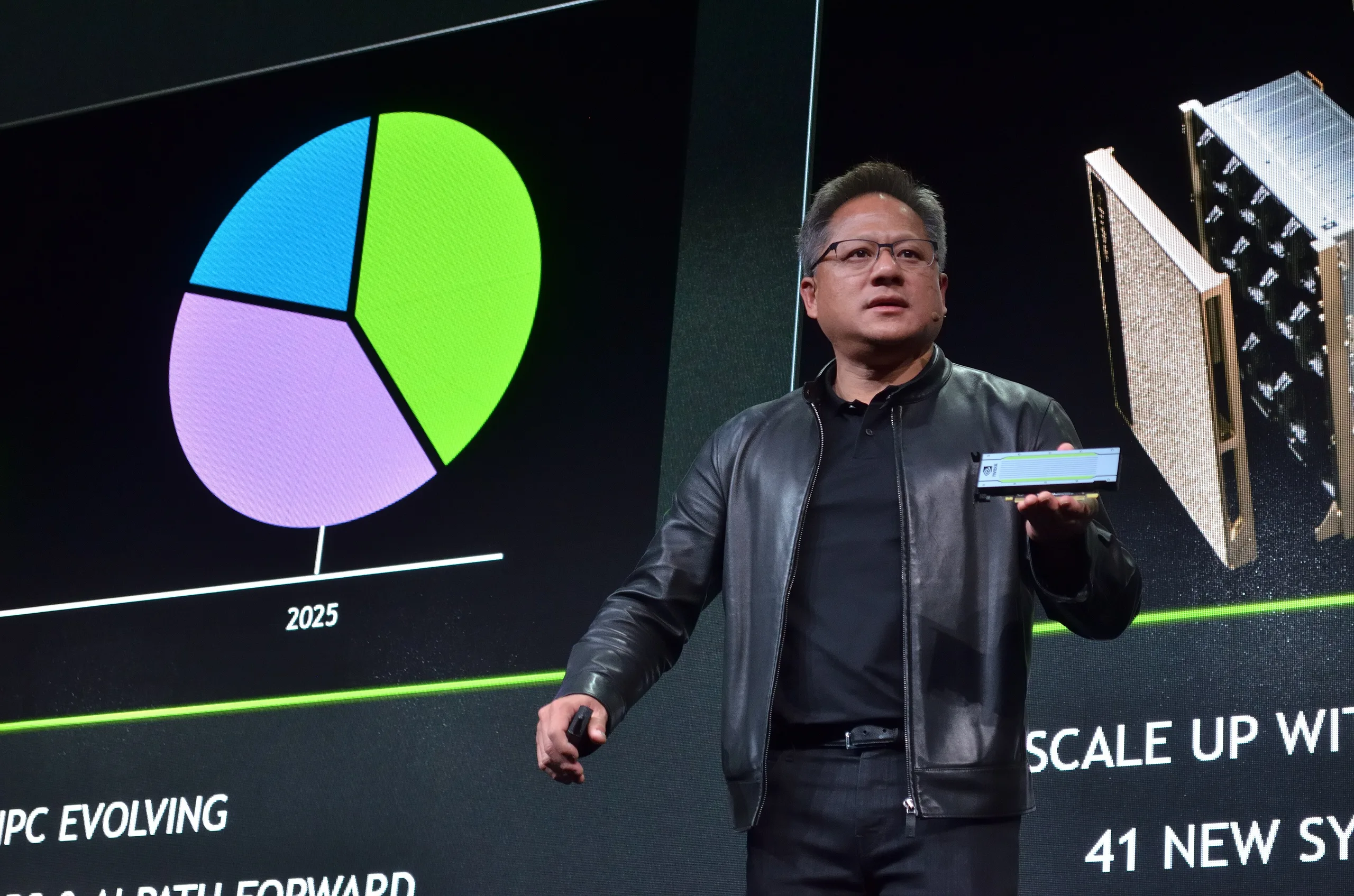
In September, Nvidia announced plans to invest up to $100 billion in OpenAI. According to recent reports in the Wall Street Journal, this is now more or less on hold. The project, which CEO Jensen Huang at the time described as "the largest computing project in history", envisioned Nvidia building a computing power of at least 10 gigawatts and providing financial support to OpenAI so the startup could lease the necessary chips.
However, according to insiders, internal doubts at Nvidia prevented negotiations from progressing beyond the early stages. Jensen Huang has reportedly stressed to industry colleagues that the initial letter of intent was non-binding and privately criticized a lack of discipline in OpenAI's business approach.
Both companies are now reconsidering the future of their partnership. Instead of a massive infrastructure deal, current discussions are focusing on a classic equity investment by Nvidia in the tens of billions of dollars as part of OpenAI's ongoing funding round. This reluctance is also due to increasing competitive pressure: Google's Gemini has slowed the growth of ChatGPT and caused internal alarm, while Anthropic's "Claude Code" is also threatening market share. Nvidia itself is now pursuing a dual strategy and has already committed up to $10 billion worth of investments in Anthropic, a competitor to OpenAI.
For OpenAI, which is aiming for an IPO by the end of 2026, the stalled deal is a setback in securing the necessary computing capacity. OpenAI CEO Sam Altman had previously mentioned liabilities totaling $1.4 trillion, which has made investors nervous given the company's revenue.
Nevertheless, reaching an agreement remains important for both sides: Nvidia wants to prevent OpenAI from falling behind competitors like Google or Anthropic, who are increasingly relying on their own chipsets such as TPUs or Amazon's Trainium, instead of using Nvidia's GPUs. At the same time, Amazon is reportedly negotiating its own investment in OpenAI, which could amount to as much as $50 billion.
Source(s)
 Add as a preferred source on Google