




Premium ergonomic wireless mechanical keyboard to get Space Mouse-like 3D navigation module in late December
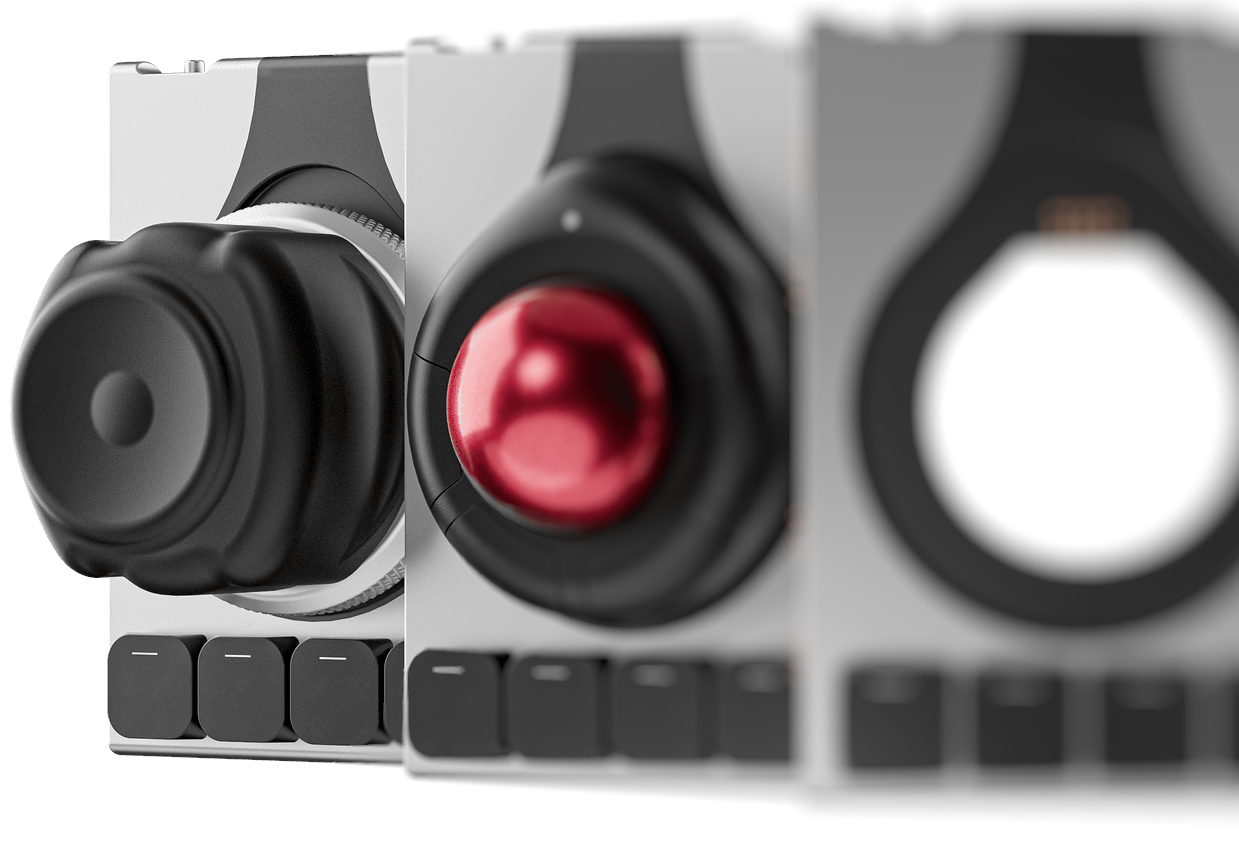
Not too long ago, we covered the launch of the Naya Create, a new ergonomic low-profile wireless mechanical keyboard with some handy add-on modules that effectively aim to replace your entire desktop input device stack in one clean, ergonomic package. At the time, the Naya Float module, a 3D navigation input device with 6 degrees of freedom and an integrated touch surface was not yet ready for prime time, with the company stating that "a certain competitor took issue with one of Float's design aspects," necessitating a redesign to avoid what is assumed to be an intellectual property conflict. Now, however, Naya has announced in a message on the project's official Discord server, that the Float module will launch "in the third week of December" accompanied by a Q&A session to answer some of the more common questions about the new input device. No official shipment date has yet been announced, but it seems as though this will also be revealed during the late December launch of the Float module.
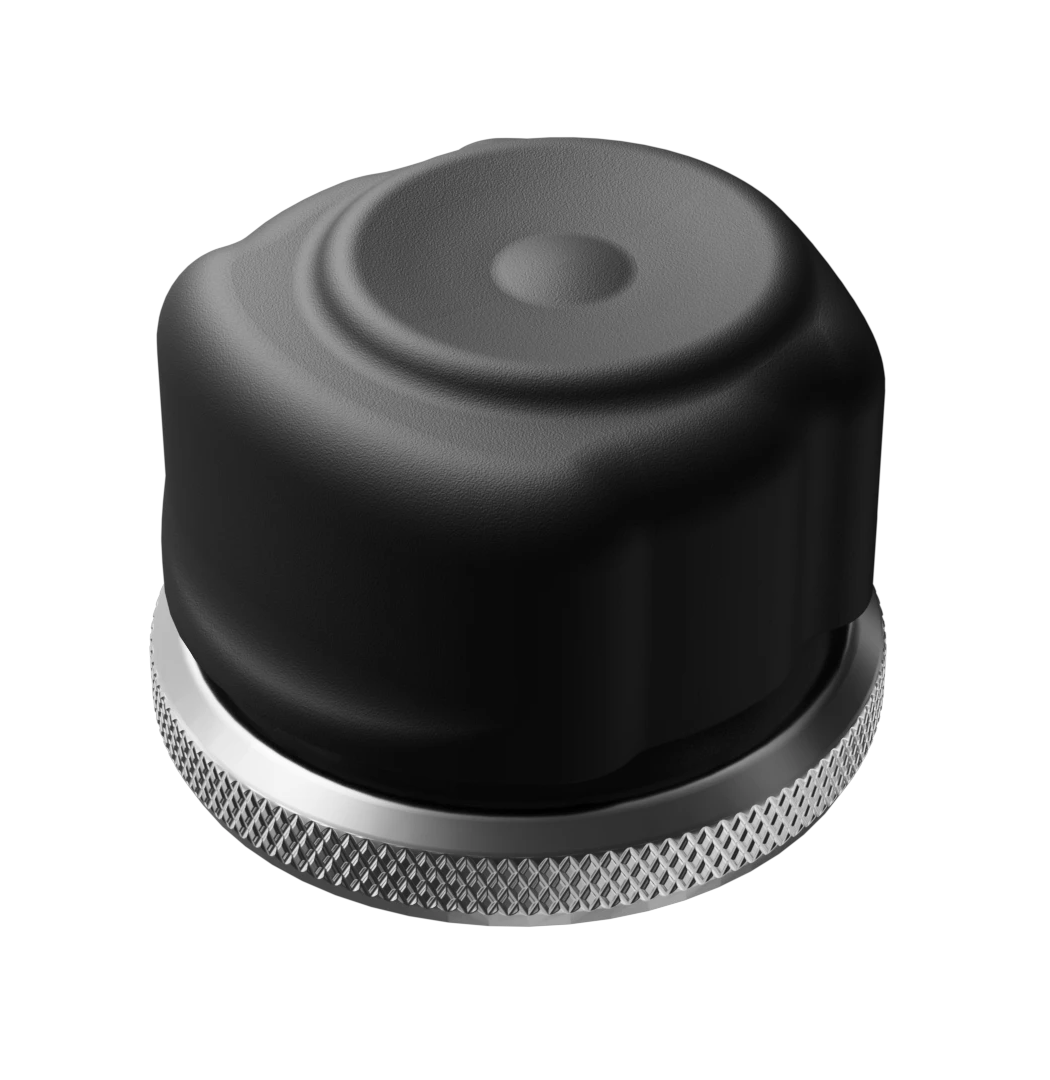
Since the last update, Naya reports that it has changed the design of the top cap of the Float module significantly, in order to get around the issues, and apparently the design has been improved for the better in the process. Naya has also announced that its engineering team is working on streamlining processes in order to more quickly deal with issues with the existing Naya Create low-profile wireless mechanical keyboards that have already been shipped to customers. This means that software and firmware updates should be more frequent and potentially more feature rich going forward. Naya has teased the new Float module design in a preview page for its upcoming Kickstarter for the Naya Connect, another modular wireless low-profile mechanical keyboard.
If you're after an ergonomic wireless keyboard that doesn't cost $500+, we liked the Keychron Q13 Max when we tested it, and its smaller sibling, the Q10 Max, is available for $249.99 on Amazon.
The Naya Create uses a somewhat strange configuration, where the Float, Touch, Track, and Tune modules contain the wireless antennae and batteries to allow the ergonomic mechanical keyboard to function wirelessly. The wireless keyboard and its modules are powered by ZMK firmware, which is known for its long battery life, although the Float module's current site only claims a battery life of around 80 days from a 1,000 mAh battery. These specifications may well change when the Float module re-launches in late December, but even if the battery capacity is bumped down, the efficient firmware should still mean impressive battery life figures, especially compared to keyboards like the Keychron Q13 Max we reviewed not too long ago — which managed 83 hours from 4,000 mAh.
Source(s)
 Add as a preferred source on Google


