




Musk pegs Optimus better than Chinese robots as new Helix 02 humanoid platform opens bottle caps on its own
Tesla is betting the house on "physical AI," discontinuing its premium Model X and Model S vehicles to start producing Optimus humanoid robots in their place.
According to Elon Musk at Tesla's Q4 investor call, only Chinese robots can challenge Optimus, yet it is beating them in several aspects. When asked whether Optimus will be competitive with Chinese robots by the likes of Ubtech or XPeng that show some amazing design and dexterity and are already in mass production, Musk demurred that "Optimus will be much more capable than any robot that we are aware of under development in China."
He cited cognition and hand design as Optimus advantages but acknowledged that the Chinese companies have mastered AI-powered awareness and mass production scalability as the other two pillars of humanoid robot feasibility.
China, however, is leading the industry, with more than $400 million in sales and an 18,000-strong army of humanoid robot units moved just last year. Moreover, its robots can do some rather tricky factory manipulations, while Tesla is yet to release its Optimus robot, even though Elon promises it will do amazing things.
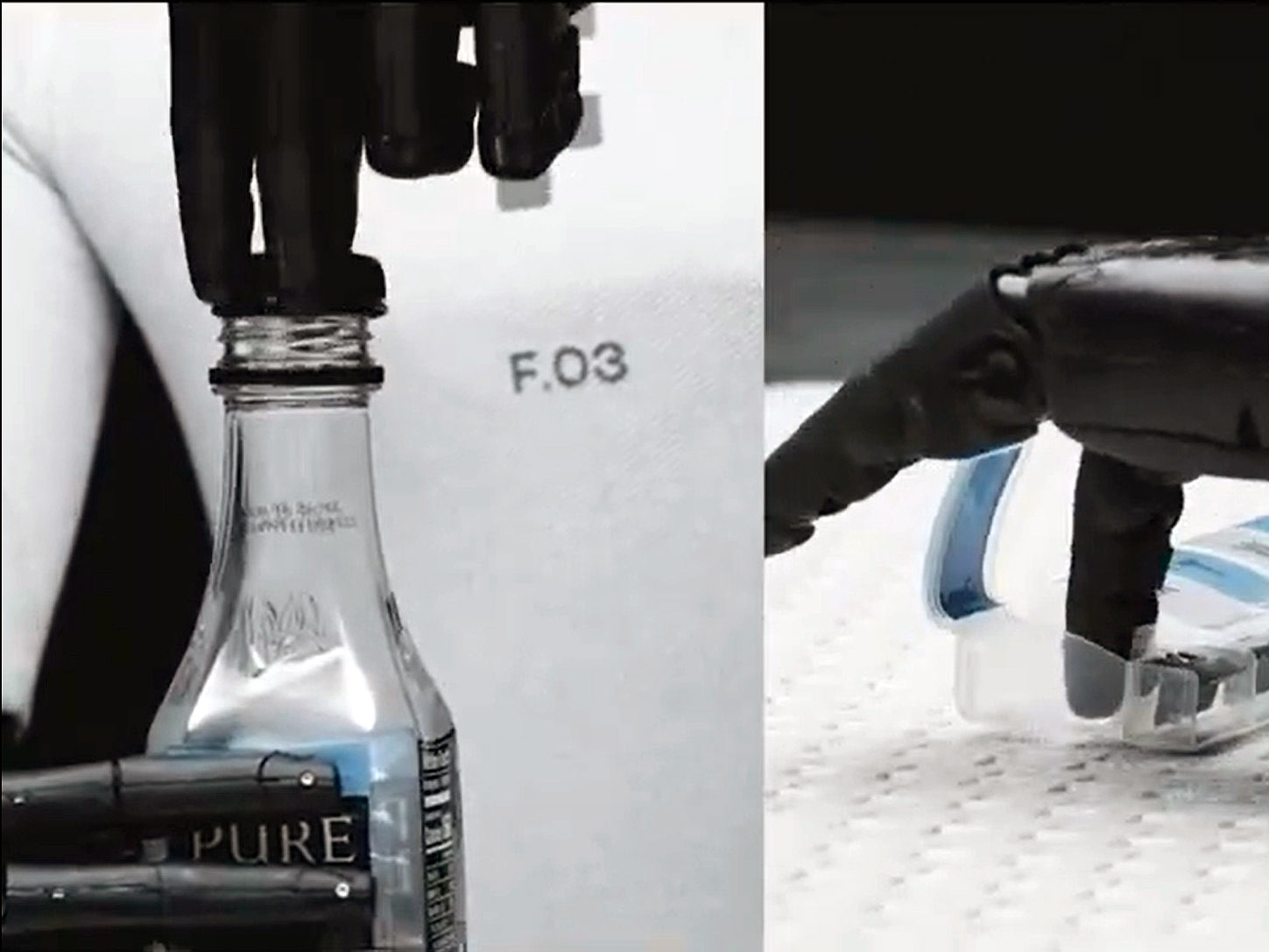
There are other humanoid robots that seem to have mastered hand dexterity no worse than Optimus, however, and they are not hailing from China, either. Besides having the strength to crack skulls, Figure AI's robots with the recent Helix 02 full-body autonomy platform have the fine motor skills to open a pesky bottle cap without struggling or pull the tiniest of stickies out of the box, too.
The new Helix 02-guided robot hand has tactile sensors and cameras embedded in the palm so that it can "extract individual pills, dispense precise syringe volumes, and separate small, irregular objects from clutter despite self‑occlusion," tips Figure AI. In any case, it seems that Tesla may have plenty of competition by the time Optimus enters mass production, both in and outside of China, so it remains to be seen if its stated goal of producing one million humanoid robots a year will pan out.
Only then may Tesla be able to lower the price of an individual Optimus to the level of $30,000 apiece, as often cited by Musk. Boston Dynamics, for instance, is learning the hard way that its Atlas humanoid robots may be too expensive to replace skilled Hyundai factory workers even if it manages to lower their at-scale cost to $130,000 from the current $300,000 tag by 2030 as planned.
Source(s)
 Add as a preferred source on Google


