




Replacing workers with Atlas humanoid robots may not be feasible due to the high price
While Elon Musk is on record saying that Tesla Optimus will cost between $20,000-$30,000 when produced at scale, other humanoid robot makers with more manufacturing experience are putting a big question mark after that number.
Granted, Elon did caution that a $30,000 Optimus price is only feasible if the robot is produced in the tens of millions like cars, but it may never reach that stage due to the ever increasing competition, including by Boston Dynamics.
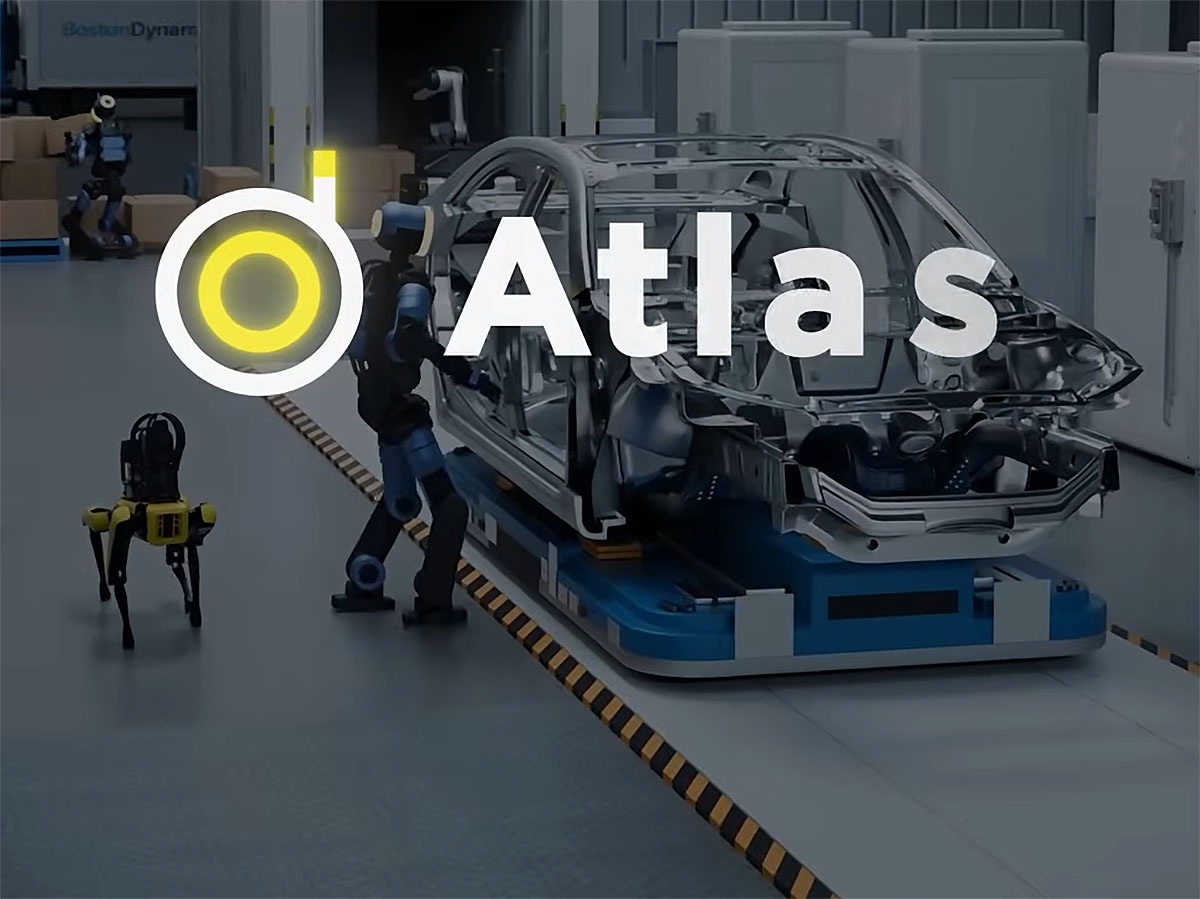
While its Atlas humanoid robot can do backflips from a standing position on an even surface and can swap its own battery for increased autonomy, its latest model reportedly costs $300,000 to make. Hyundai, the parent company of Boston Dynamics, intends to lower those costs significantly by introducing more affordable actuators in the assembly which, by the time 30,000 Atlas robots are supposed to be introduced to factory floors in 2030, could cut the per-unit costs down to $130,000.
That is still too expensive to feasibly replace a skilled worker, tip analysts. Currently, humanoid robots are prone to balance issues, overheating joints, autonomy limitations, imprecise object manipulation and plenty of other issues that people don't have. For a robot to replace a human worker for any but basic tasks it has to be cheap and durable, and it will be hard to reconcile those two requirements.
Hyundai plans to lower the price of the joint gears and actuators that are over half of the price of the Atlas robot by 70% until 2030 to make its manufacturing cost at scale palatable, but producing components at a much lower cost with the same or increased durability may be challenging. Moreover, this will result in a humanoid robot that will cost $130,000 at a minimum but may still not offer the same flexibility and productivity as a human worker.
Hyundai only plans to introduce Boston Dynamics Atals robots in its own factories, so scale will be in an issue, too. In contrast, Tesla is developing Optimus as a general purpose robot to be released in 2027, but it is not immune from all the aforementioned durability issues and Elon is notorious for overpromising and underdelivering.
It remains to be seen what Optimus can do and, above all, at what price, especially compared to the recent onslaught of affordable and capable humanoid robots like the XPeng Iron hailing from China that are already in mass production. Currently, China dominates the market with more than $400 million in sales in 2025 and more than 18,000 units shipped, planning to beat Optimus to space with Engine AI's PM01 robot becoming the first humanoid astronaut.
Get the Unitree Go2 Pro AI robot dog quadruped on Amazon
Source(s)
 Add as a preferred source on Google


