




Huawei launches new MacBook Air rival with OLED display and up to 32GB RAM
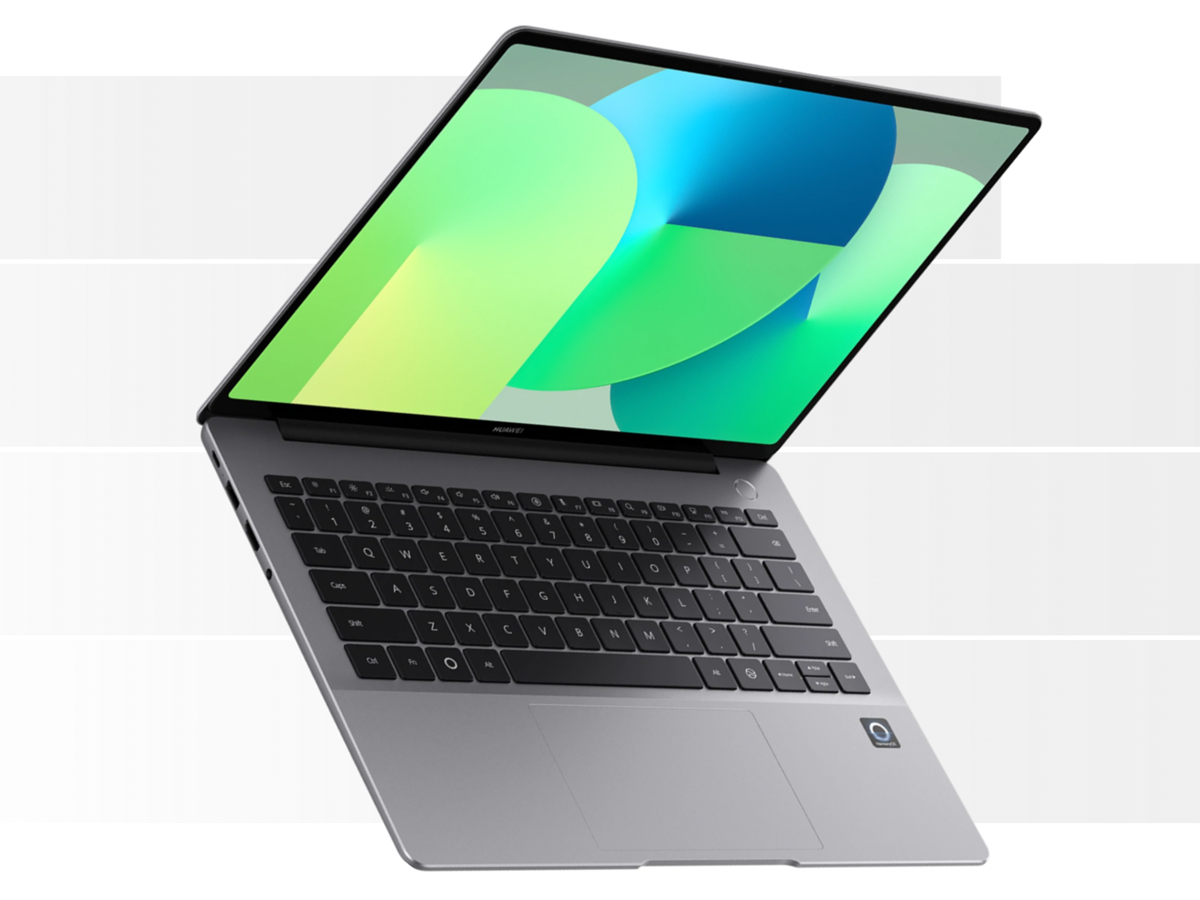
Huawei has released a new laptop in China, and it seems to be positioned straight against the Apple MacBook Air in terms of design. Called the MateBook 14 HarmonyOS edition, it measures 14.5mm at its thinnest and weighs around 2.86 pounds.
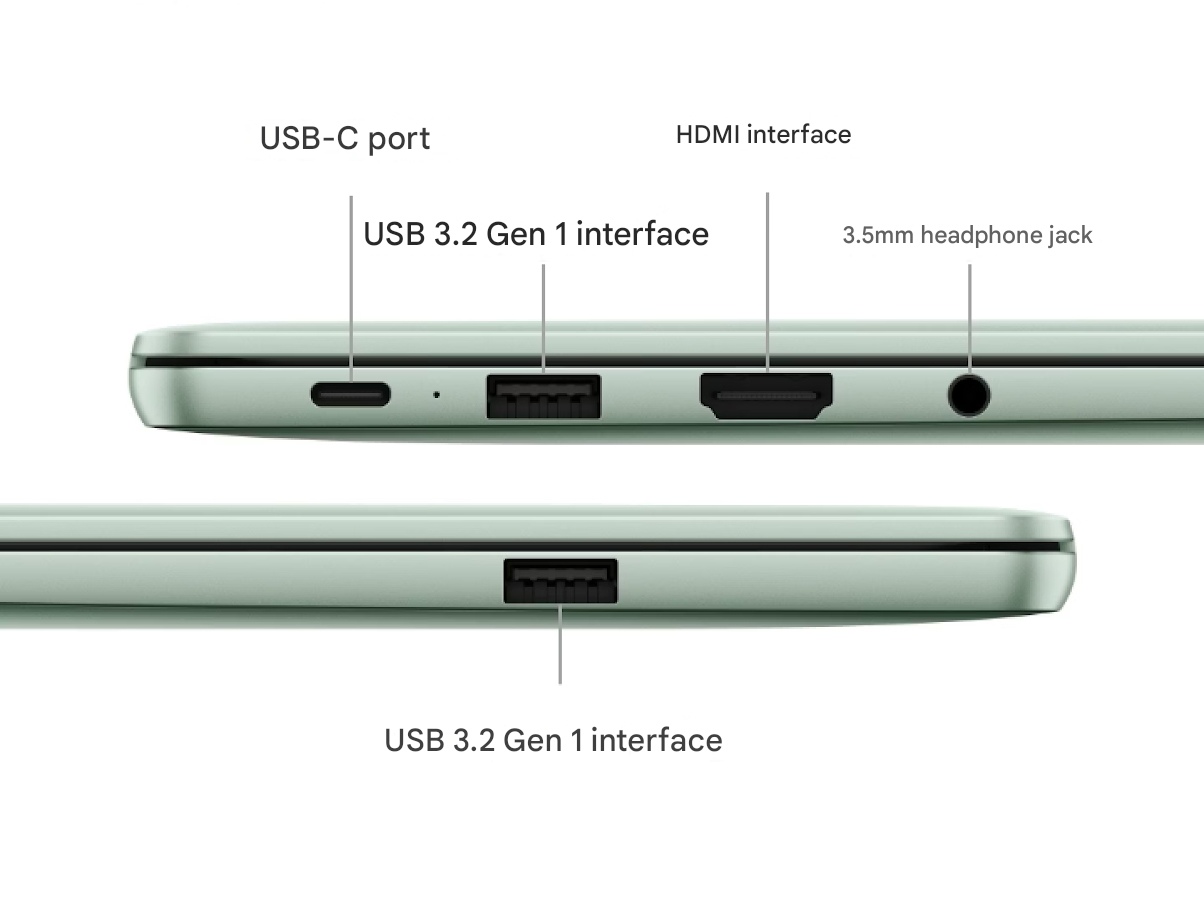
While it has a thin and light build, there's a decent selection of ports. The laptop features two USB 3.2 Gen 1 Type-A, one HDMI, one 3.5mm audio, and one USB Type-C port. Huawei also touts that the battery life of the laptop gives it an edge over the competition.
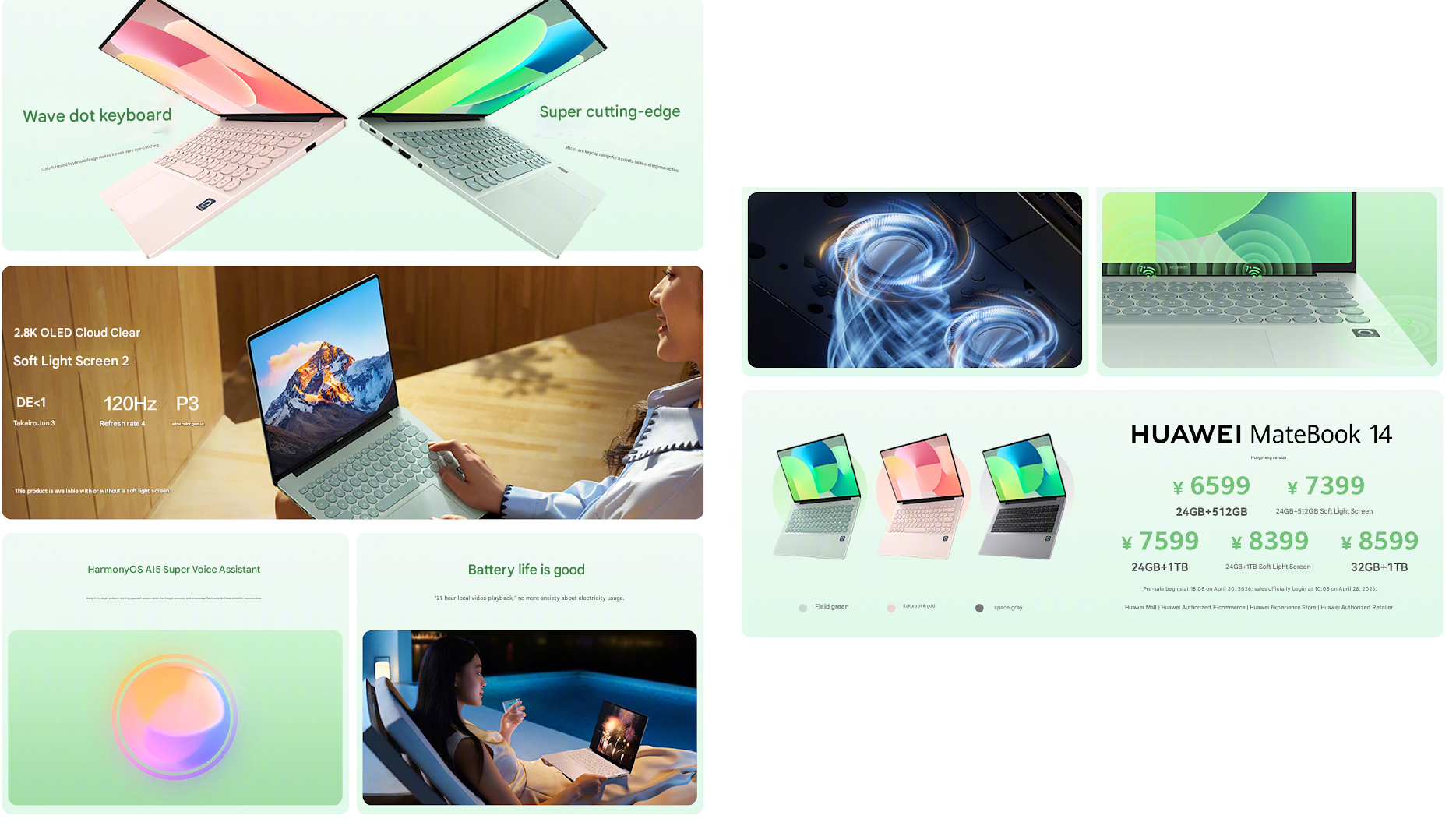
There's a 70Wh battery that promises up to 21 hours of local video playback. The laptop supports 66W reverse charging and protocols such as SCP, UFCS, and PD. Huawei says that these make the MateBook 14 HarmonyOS edition ideal for content creators who remain on the go.
As for the display, the laptop has a 14.2-inch OLED panel with a 120Hz refresh rate, 500 nits peak brightness rating, and a resolution of 2880x1920 pixels. There's support for the company's M-Pen 3 stylus, which, with its Air Mouse mode, promises to make browsing and managing tabs easier.
Under the hood, the laptop is powered by the Kirin X90 SoC. Huawei didn't go much into this processor, but the company says that it can smoothly handle AI workloads and day-to-day applications. The laptop's dual-fan setup is said to keep the thermals low during heavy workloads without getting too loud.
Speaking of applications, the laptop runs on HarmonyOS, which is Huawei's proprietary operating system. The company notes that it currently supports over 17,000 applications, and Huawei pushes updates quite regularly.
Price-wise, the MateBook 14 HarmonyOS edition has a starting launch price of CNY 6,599, around $968. This base configuration features 24GB of RAM and 512GB of storage. The top-end option with 32GB of RAM and 1TB of storage goes for CNY 8,599, about $1,261.
It's unclear whether Huawei will release this laptop outside China, but it's worth noting that no HarmonyOS PC products have officially seen a global release yet. The non-HarmonyOS version, however, is already available outside China.
 Add as a preferred source on Google


