




How to run a PC without RAM – Memory shortage pushes YouTuber to an extreme experiment
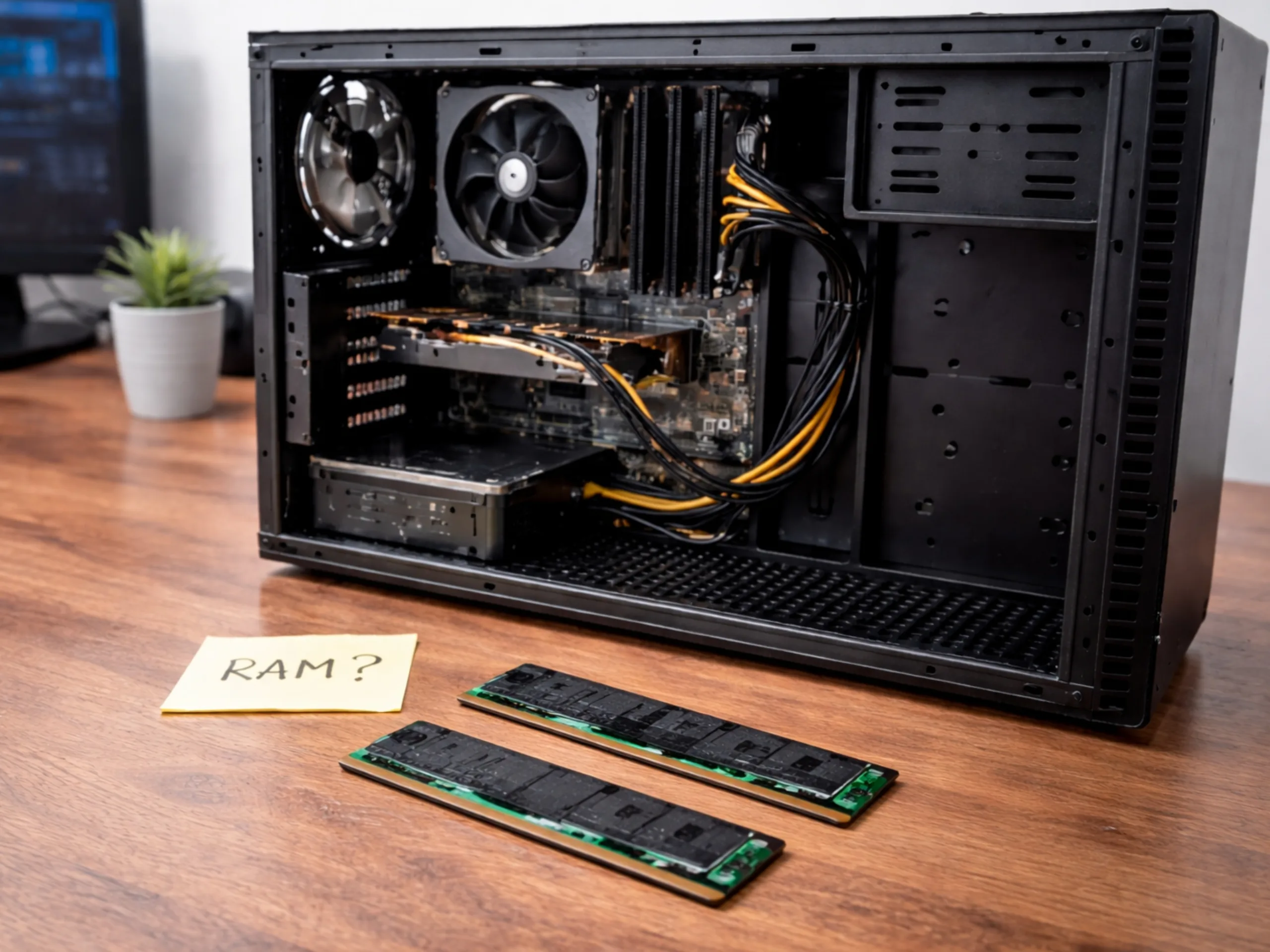
Anyone who has found themselves having to build a PC in recent months has probably been in for a shock when looking at current RAM prices. That was also the case for YouTuber PortalRunner, who began to wonder just how essential RAM really is in a computer – and whether it could somehow be replaced or even left out entirely. The answer is: in theory, yes, but in practice, barely at all.
The system is built around an old ASRock motherboard and an Intel Core 2 Duo CPU. PortalRunner first tries the most obvious alternatives, including Linux swap space and the Windows page file. Both are designed to offload data to a drive when RAM is running low. However, they are not true substitutes for RAM, because the system still needs physical memory to function. Unsurprisingly, the outcome is the same in both cases: the computer becomes painfully slow, to the point that even simple games refuse to run.
Using VRAM as a substitute may sound promising at first, but in practice it barely works. The reason is that video memory cannot be accessed directly and instead has to pass through several software layers. That creates a heavy CPU load, effectively wiping out VRAM’s speed advantage. The result is overheating and performance so poor that the setup becomes unusable. A GTX 1660 Super was used for the test.
The workaround that proved most effective relied on the CPU cache. It is tiny, but extremely fast. To make this work, PortalRunner uses a modified version of coreboot that bypasses normal RAM detection and instead keeps the system in its early cache-as-RAM state. In the end, a simple game of Snake actually runs on a PC without conventional RAM. That is, of course, still nowhere near a practical solution, but given the ongoing memory shortage, it remains an interesting experiment.
Source(s)
PortalRunner via YouTube
 Add as a preferred source on Google


