


How this robot aims to support nurses and keep patients entertained
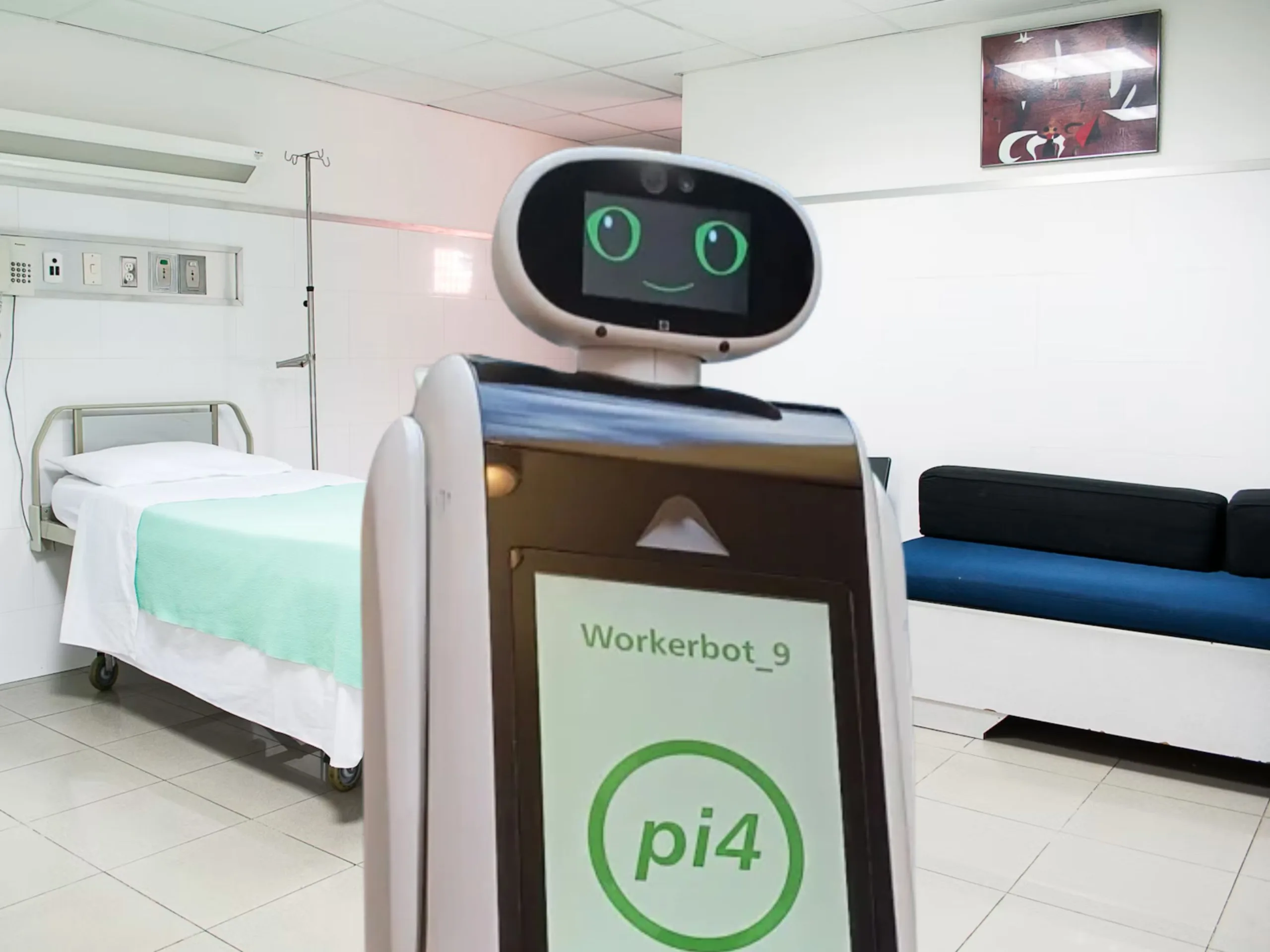
Restocking gloves, fetching compresses or bringing necessary supplies to patient rooms – tasks like these take up a considerable amount of nurses' time in hospitals. According to the Fraunhofer Institute for Manufacturing Engineering and Automation (IPA), logistics account for around 15% of their working hours. As part of the MuRoC research project, the institute is therefore working with Berlin-based company Pi4_robotics and Charité to develop a robot capable of taking over some of these errands and routine tasks. The project was recently announced in a press release (in German).
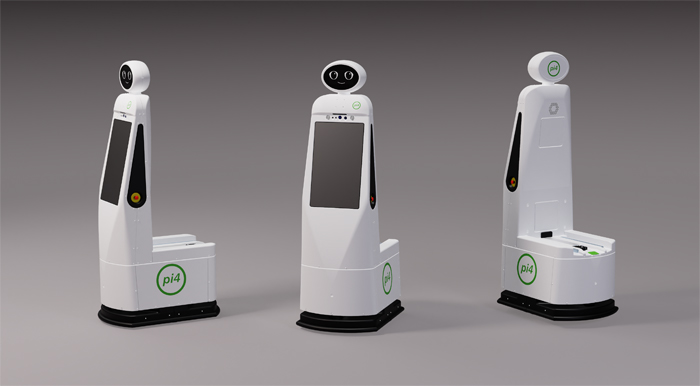
The system is based on the Workerbot9, a service robot that is already in series production. For hospital use, the mobile robot will be equipped with a robotic arm, additional sensors and new object recognition software. This should allow it to use cameras to check inventories of nursing supplies and independently retrieve missing items from ward storage rooms. It is also intended to handle urgent deliveries directly to nursing staff.
Transport robots have been used in hospitals for decades. The key difference lies in how they interact with their surroundings. While basic robots can only navigate from one location to another, the Workerbot9 is intended to open doors, cabinets and drawers on its own, pick up objects and place them where they belong. This could also eliminate tasks that currently require staff to manually load and unload other transport systems.
Further applications – including patient entertainment
When the robot isn't busy transporting or sorting supplies, it could also help keep patients entertained. For example, the Workerbot9 is intended to read stories aloud or offer digital crossword puzzles. Contactless monitoring of heart and respiratory rates is also planned. Combining different functions is intended to keep the robot as busy as possible and make its operation economically viable.
The project partners are working with nursing staff to determine which functions would actually be useful in everyday hospital operations. Interviews and nine observational visits to different hospital wards have already been conducted. Initial tests are planned for the halfway point of the three-year project at the Berlin Simulation and Training Center (BeST). The robot will then undergo further testing on a trial ward at Charité. The Workerbot9 will be presented at the German Nursing Day event in Berlin on November 12 and 13, 2026. However, the hospital-specific functions described above are still development goals. How well they will work in practice remains to be seen.
Source(s)
IDW (in German)
Image source: Martha Dominguez de Gouveia / Unsplash, Pi4_robotics (edited)
 Add as a preferred source on Google


