


First solid-state battery for humanoid robots goes to anthropomorphic Iron
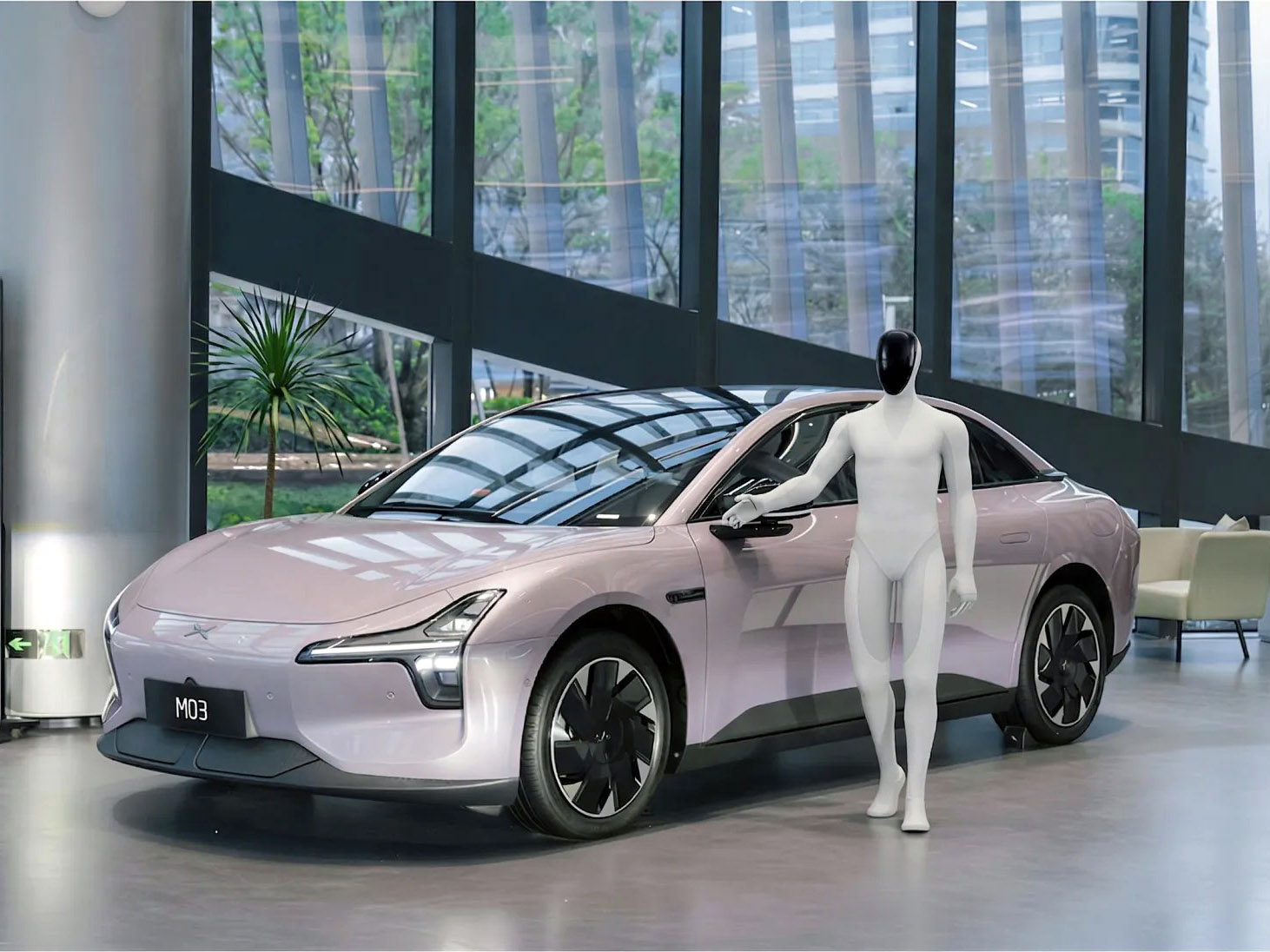
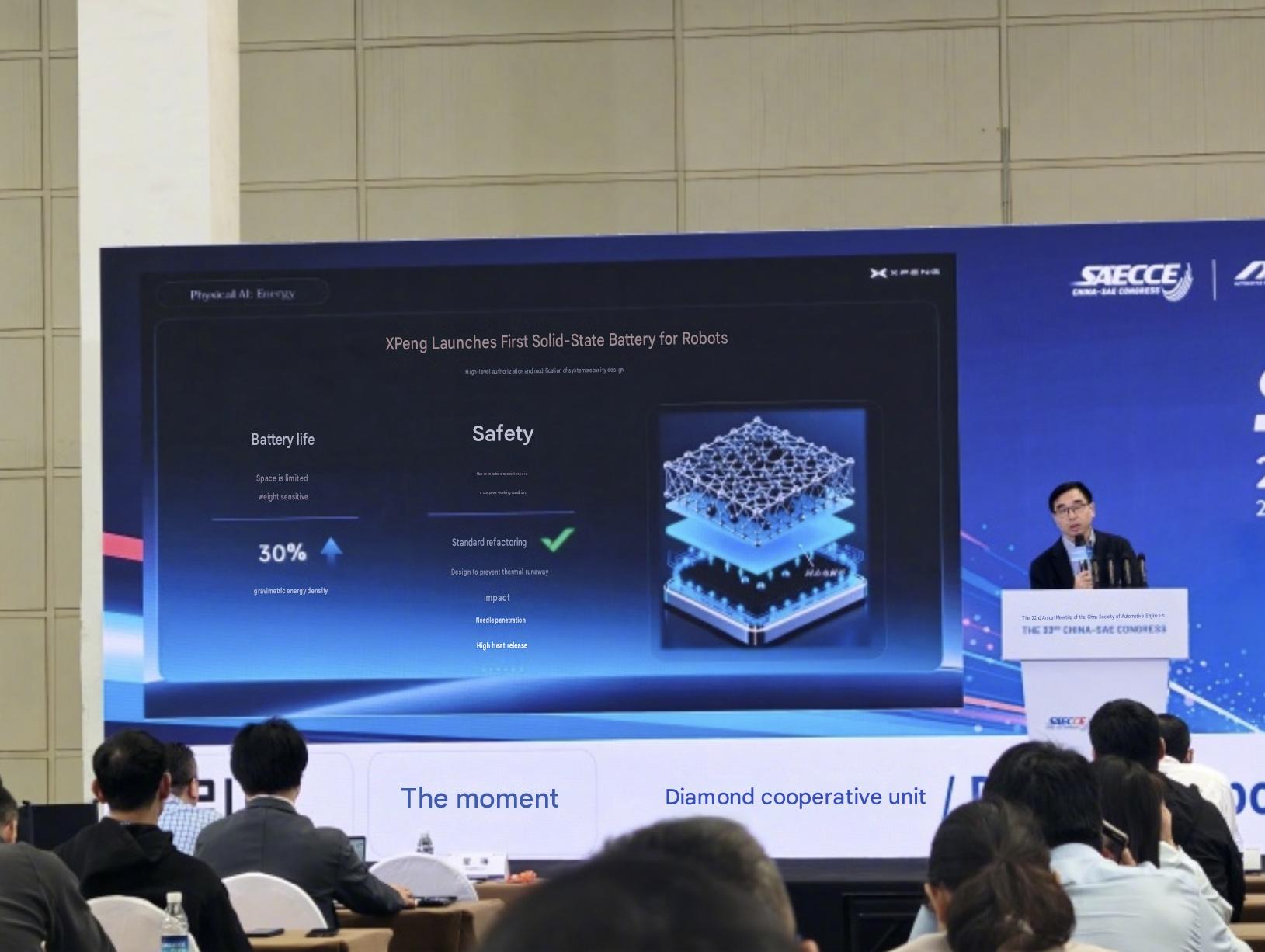
Xpeng has started small-batch production of solid-state batteries designed specifically for its Iron humanoid robot, according to the EV company's vice president. Speaking at the annual conference of the Society of Automotive Engineers of China, he said the cells are already rolling off the line, even though Iron itself has yet to reach the start of production.
The battery uses a high-energy-density design, which makes sense given how little internal space a humanoid frame offers. Every cubic centimeter counts when you are packing actuators, computing, and cooling into a body meant to walk around a store. In fact, Tesla battery suppliers like CATL or Panasonic are both of the opinion that solid-state batteries will make more mass production sense first for drones and robots and then for electric vehicles. CATL now slates the big solid-state EV battery packs for mass production in 2030 and beyond. That doesn't mean that it isn't starting to make solid-state battery cells for electric vehicles as soon as 2027, but those will initially be smaller batches aimed at premium electric cars.
Gu also said Xpeng redefined its battery standards for robots, adding protection against thermal runaway spreading between cells. The packs reportedly survived impact and nail penetration tests, which is a reassuring detail for a machine that will work near customers, and higher safety is one of the promises that solid-state batteries hold.
The Iron production line was commissioned on September 8, with the robot completing final assembly and walking off the line on its own. More than 80 percent of the core processes are automated. Mass production is targeted for the end of 2026, while formal launch and deliveries in China and overseas are planned for 2027.
Early roles will include shopping assistance and product introductions in retail settings, but whether the cells are truly all-solid-state or a hybrid solid-liquid affair, getting a purpose-built battery into production before the robot is a sensible move. Power density and safety are arguably the biggest hurdles for humanoids, and Xpeng seems to have sorted those out before the Iron humanoid's launch.
Get the Group 48 solid-state car battery on Amazon
 Add as a preferred source on Google


