




Ford Transit City: New electric cargo van offers 2,800-lbs payload capacity
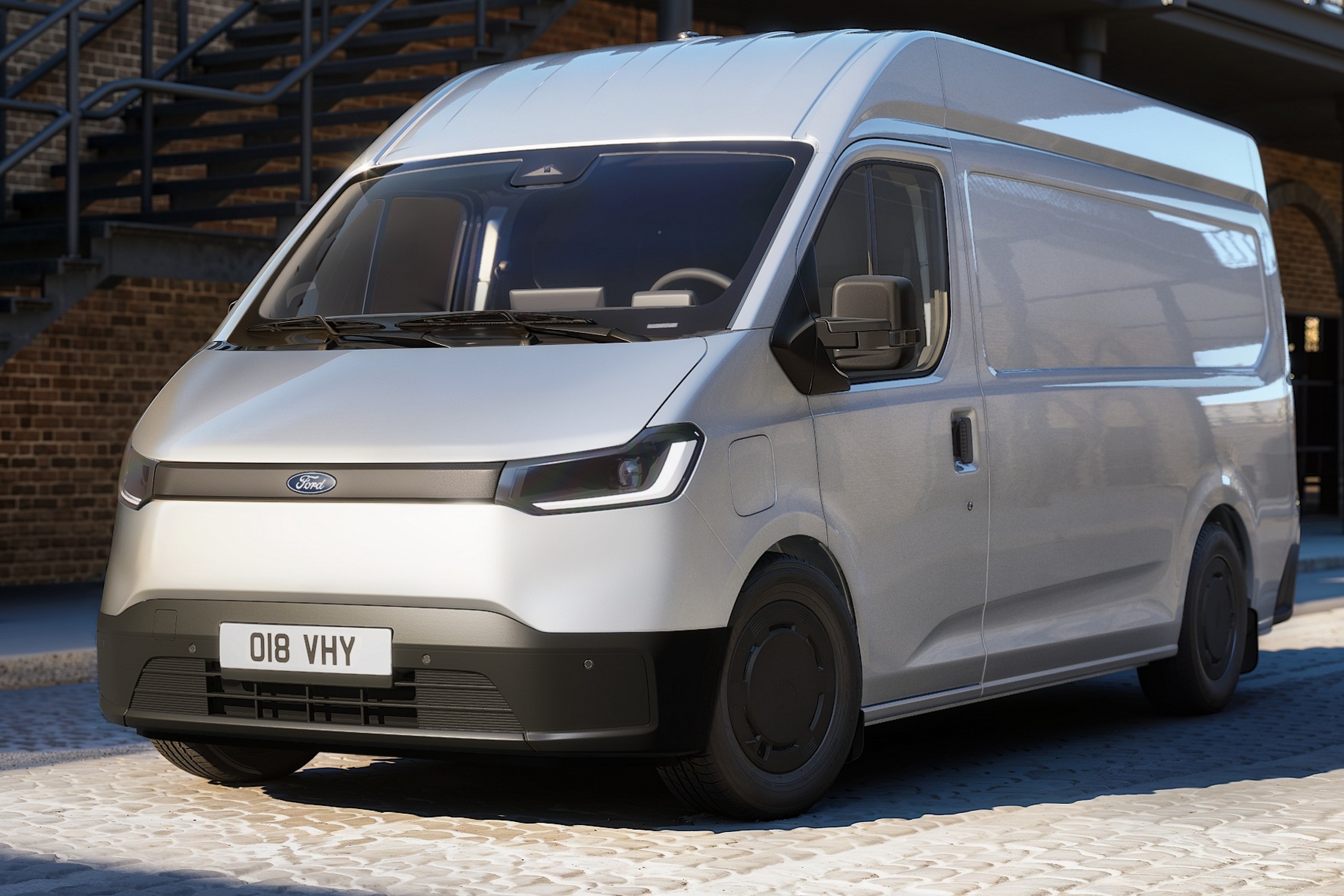
Ford Pro is entering the compact commercial vehicle segment with the new Transit City. After previously announcing the electric cargo van's technical specifications, the company has now confirmed European pricing. The Transit City starts at €35,990 excluding taxes. Commercial customers can choose between two cargo van sizes. The entry-level L1H1 measures 16.4 feet long, while the larger L2H2 is about one foot longer and taller. In its top configuration, the cargo van offers up to 283 cubic feet of cargo space and a payload capacity of up to 2,800 lbs.
A notable first in the one-ton payload class is the chassis-cab version with a single cab. It provides tradespeople, landscapers, and delivery services with a flexible platform for custom bodies, including flatbeds and box bodies, available directly from the factory or through certified partners. Standard equipment on the electric Transit City includes front and rear parking sensors, a rearview camera, traffic sign recognition, an anti-theft alarm, and one-pedal driving for congested city traffic.


The 110-kW (148-hp) electric motor draws power from a 56 kWh lithium iron phosphate (LFP) battery and drives the front wheels. LFP batteries are considered particularly durable and well suited to commercial use. The Transit City has a combined WLTP range of 158 miles, more than enough for most daily urban routes. Ford claims a range of up to 237 miles in city driving. If the battery needs to be recharged between trips, a DC fast charger can take it from 10 to 80 percent in around 33 minutes.
Operating costs are likely to be a key consideration for fleet operators and self-employed workers. Since electric powertrains do not require conventional wear components such as timing belts, clutches, or exhaust systems, Ford Pro estimates that the Transit City will cost around 40 percent less to maintain than a comparable diesel cargo van. This is also reflected in the service interval of two years or 25,000 miles. Combined with lower energy costs per mile, the electric cargo van is intended to reduce the total cost of ownership in demanding commercial use.
Source(s)
 Add as a preferred source on Google


