




Fierce AMD Zen 6 vs Intel Nova Lake gaming battle on cards as Zen 6 CPUs could pack up to 288 MB 3D V-Cache
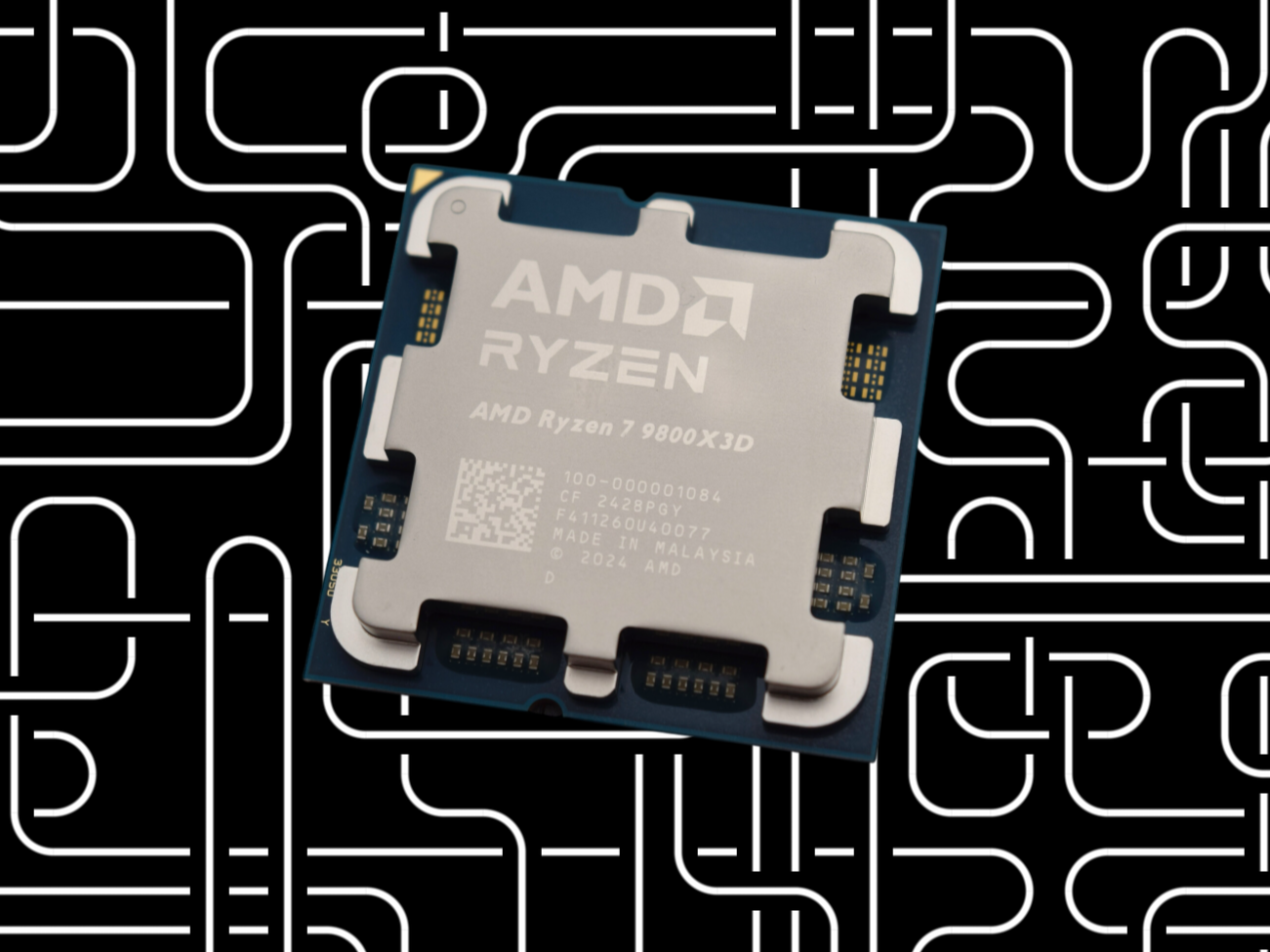
The AMD Zen 6 CPUs were previously expected to pack 96 MB of 3D V-Cache, a 50% increase compared to the 64 MB of 3D V-Cache available on the Ryzen 7 9800X3D. Combined with a potential 10%+ single-core IPC increase, AMD Zen 6 looked set to retain the gaming crown. However, it appears that Intel Nova Lake could pack up to 288 MB of last-level “bLLC” cache, which could swing the gaming battle in Intel’s favor.
It now appears that AMD might have an ace up its sleeve. Per leaker HXL, for Zen 6 CPUs, a single 3D V-Cache die could be 144 MB instead of the 96 MB previously rumored. This means that Zen 6 X3D CPUs with a single 3D V-Cache die could enjoy 144 MB of last-level cache, while SKUs with dual-3D V-Cache dies could come with 288 MB of extra L3 cache.
This 3D V-Cache configuration of Zen 6 CPUs matches the Intel Nova Lake CPUs, as NVL-S desktop chips with dual-bLLC reportedly bring 288 MB of last-level cache. However, this much extra L3 cache could become prohibitively expensive. So, you should get ready to spend quite a bit of cash if you plan on getting Zen 6 or Nova Lake CPUs with 288 MB of last-level cache.
Pricing concerns aside, the presence of 288 MB of extra L3 cache is quite a big deal for gaming. The Ryzen 7 9800X3D already shows what a 64 MB slice of 3D V-Cache can do for gaming performance. So, we can expect both Intel Nova Lake and AMD Zen 6 CPUs with extra L3 cache to deliver phenomenal gaming performance.
We can’t yet say which side will come out on top, since neither Intel nor AMD has yet revealed any performance numbers. If both Intel Nova Lake and AMD Zen 6 pack the same amount of last-level cache, the outcome of the gaming performance battle will depend on factors like the per-core IPC increase and clock speeds.
Source(s)
HXL on X, Teaser image source: Vaidyanathan Subramaniam for Notebookcheck, AcatXIo on Pixabay, edited
 Add as a preferred source on Google


