




Farewell, flagship killer – A personal look back as OnePlus leaves Europe
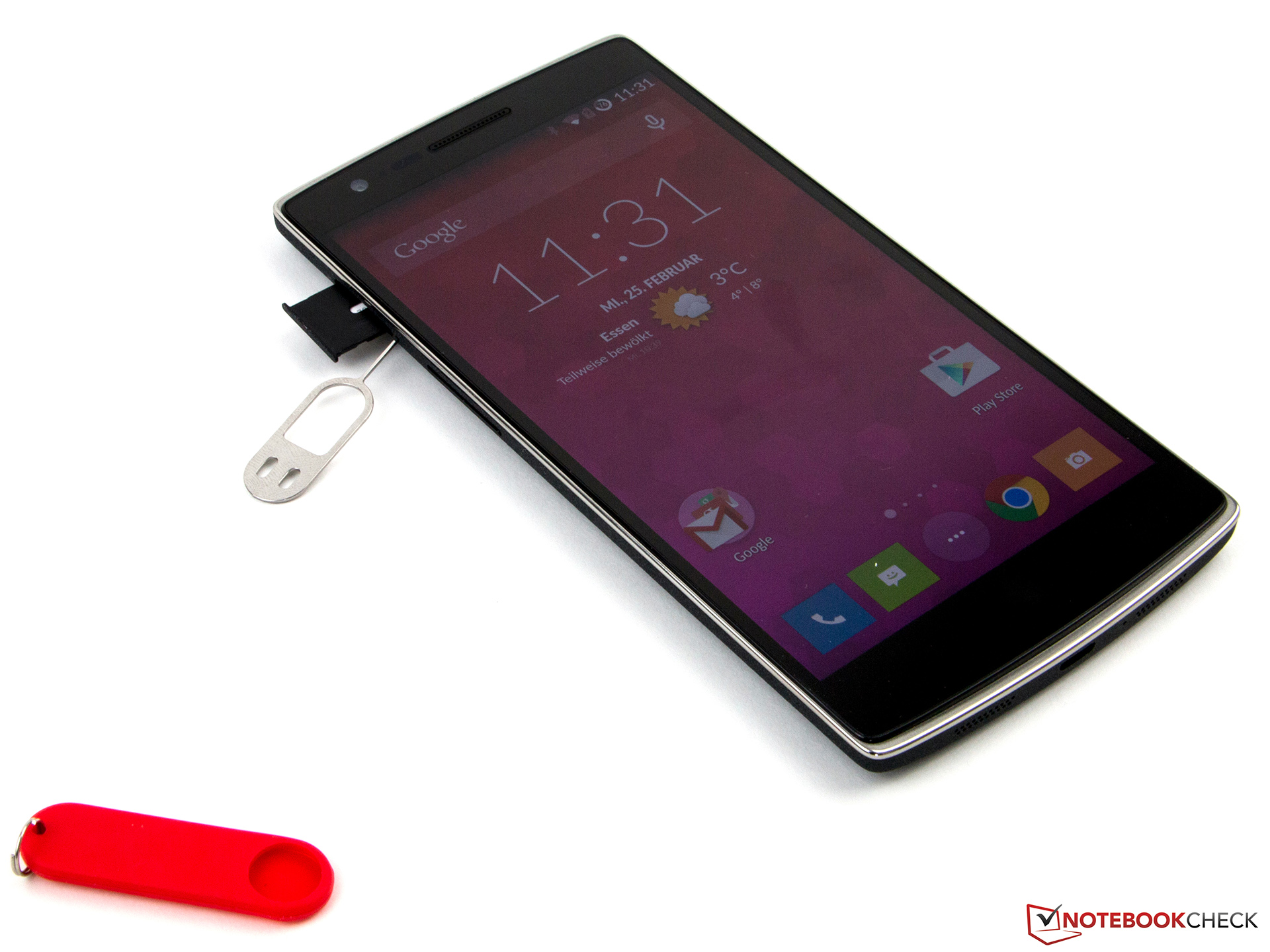
Imagine it’s 2014 and you’re a smartphone review editor at Notebookcheck. It’s an exciting occupation, but ever since Apple and Samsung have more or less divided the market between themselves, things have gotten a bit boring. But something stirs in the East, and Chinese manufacturers like Huawei and Xiaomi are releasing exciting new phones.
A startup is taking on the established manufacturers
One manufacturer in particular caught my attention: OnePlus. The unusual name comes from the fact that they always want to be one step ahead of other manufacturers. It’s a startup that received significant funding from Oppo Electronics and unveiled its first smartphone on April 23, 2014: the OnePlus One.
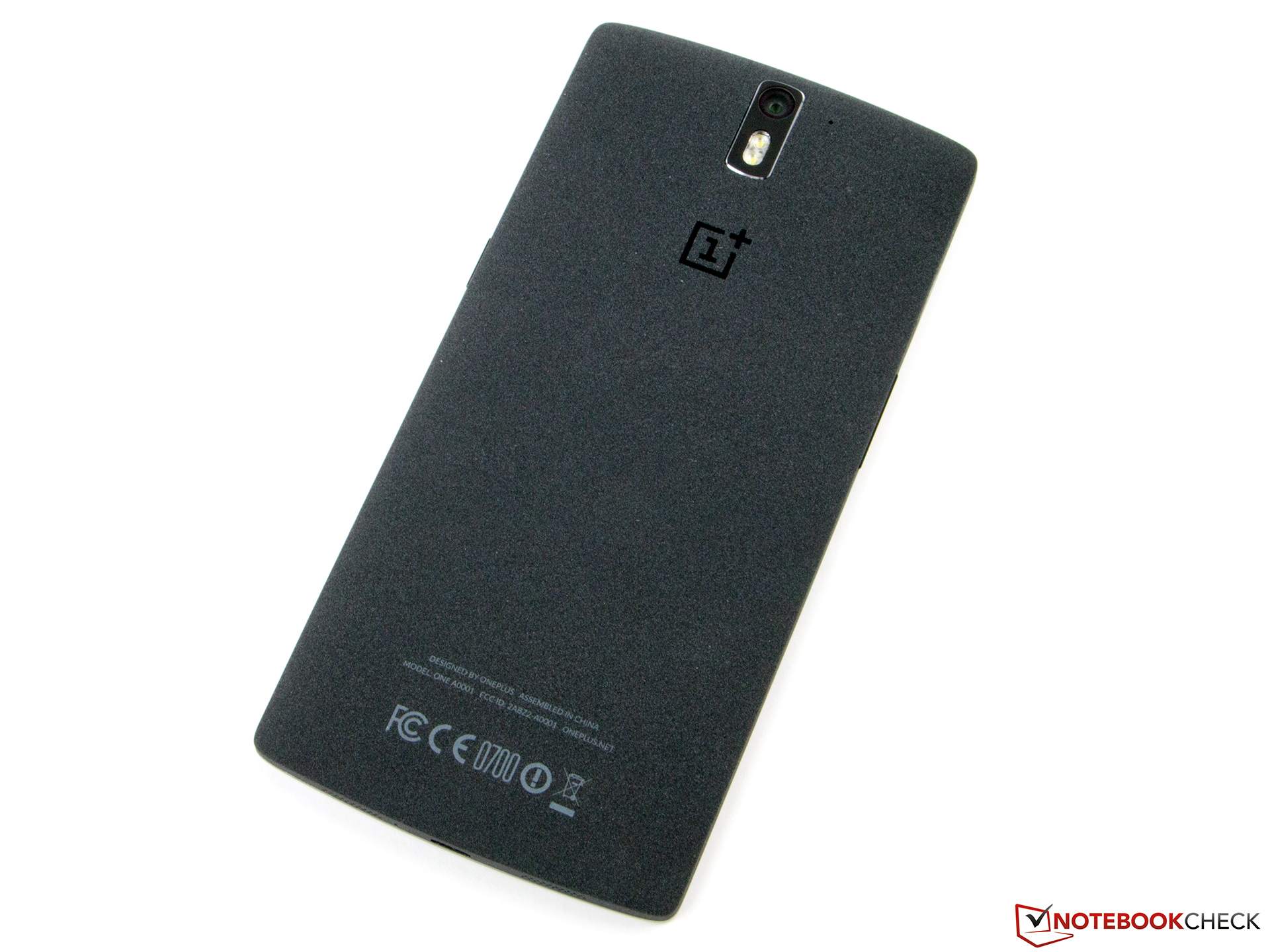
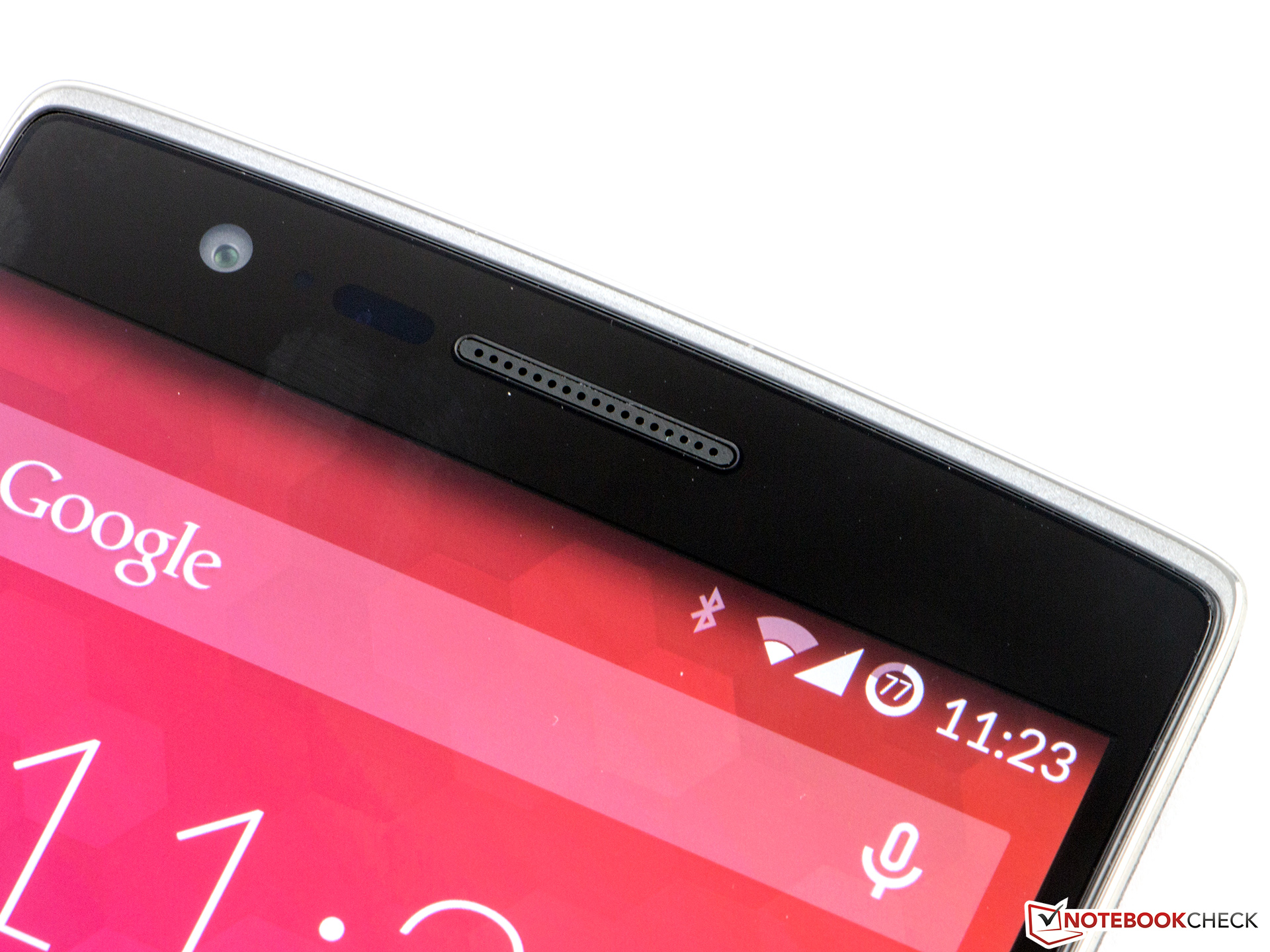
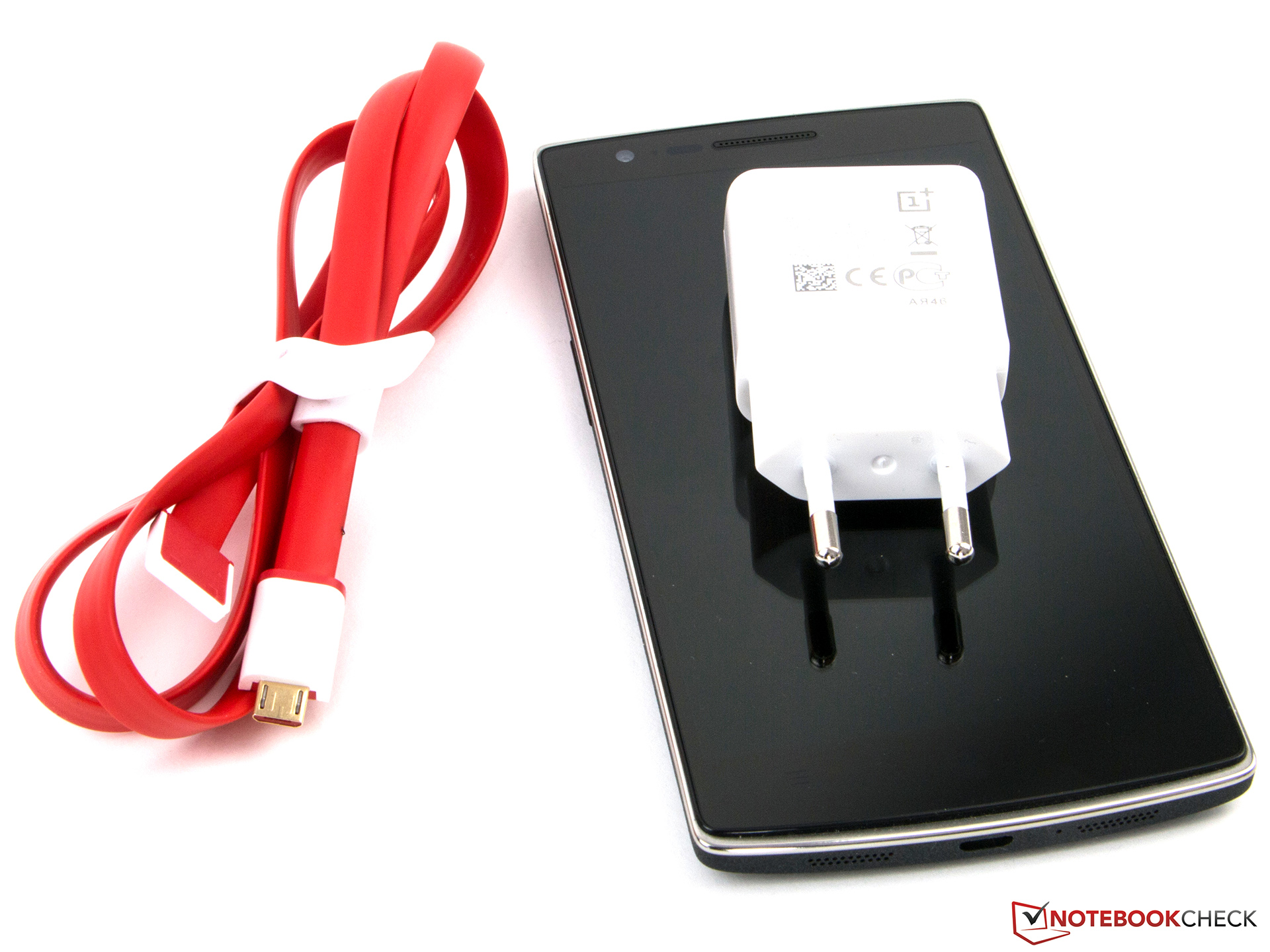
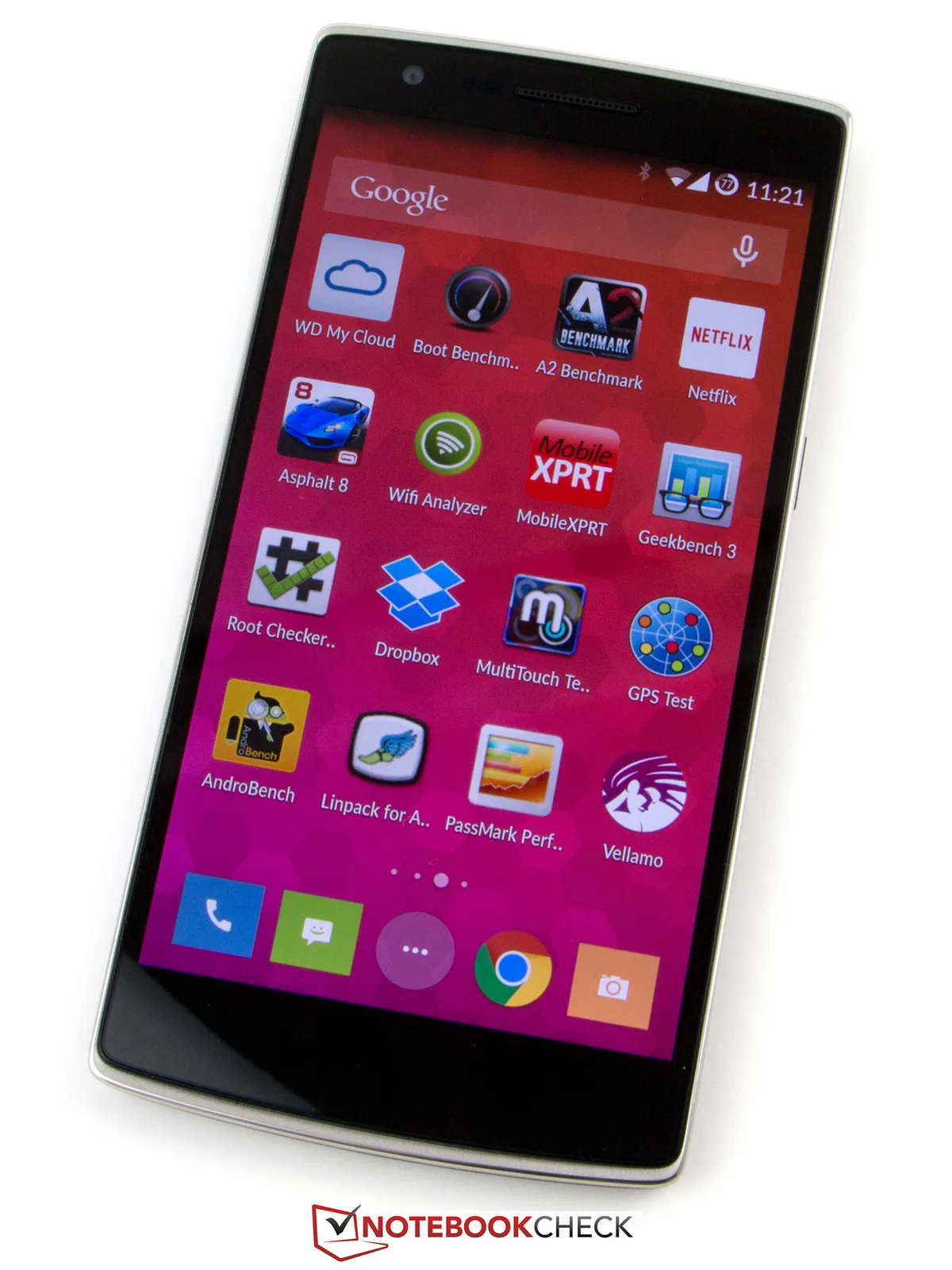
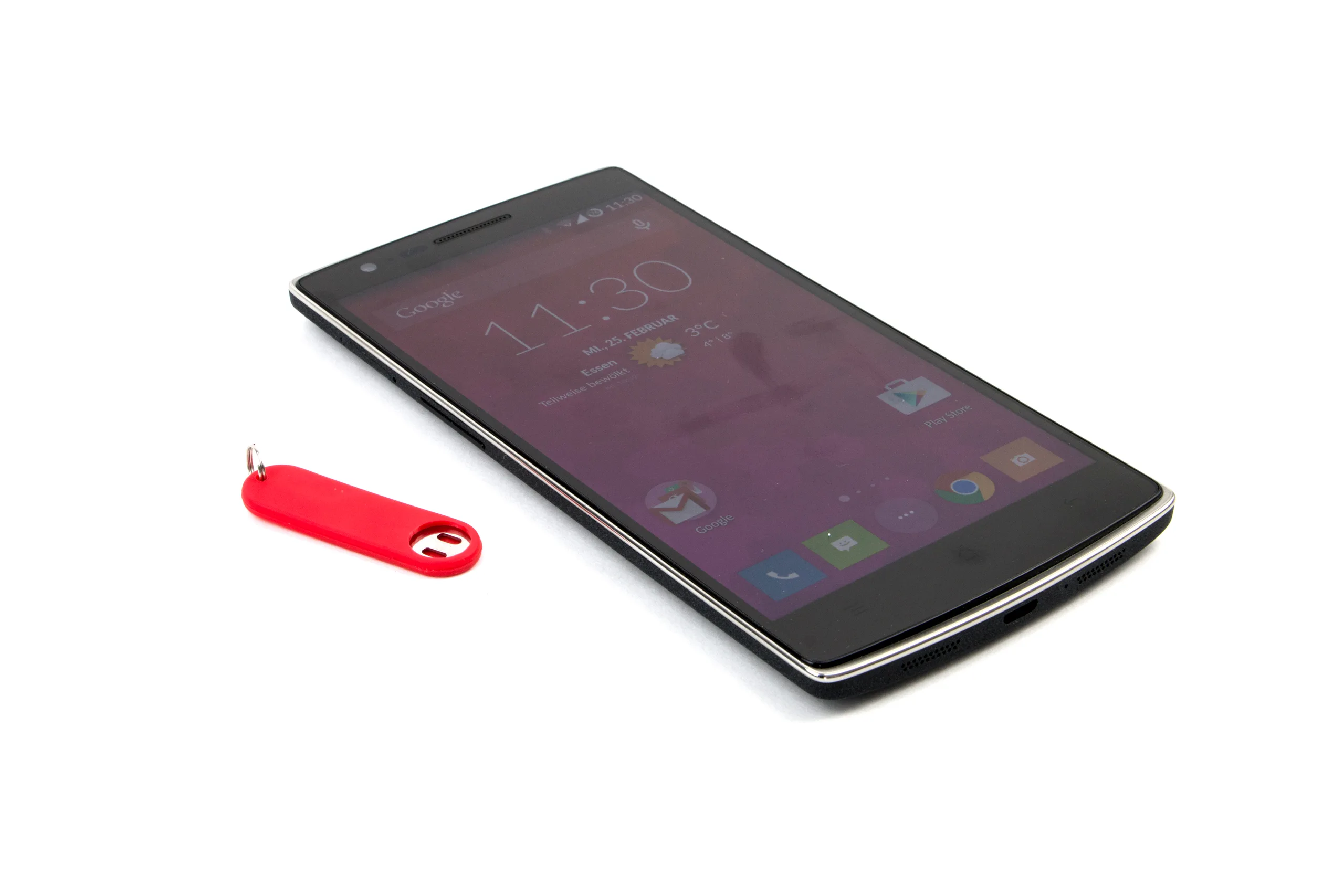
And this smartphone was something special: Not only was it instantly recognizable thanks to its textured sandstone finish on the back, its angular design, and the curved back cover—and it felt great in the hand—but it was also very well-built, and the battery was relatively easy to remove.
Off the Beaten Android Path
But the software was unique, too: It didn’t run Google’s standard Android, but rather CyanogenOS, based on Cyanogen MOD, which, in turn was based on Google’s open-source framework and did many things differently: It ran very smoothly and supported ideas that were revolutionary at the time, such as gesture control.
Above all, though, it was the price that made this phone a “flagship killer,” as OnePlus very cleverly dubbed it: US$ 300 was, at the time, pretty much exactly half of what a flagship phone from Samsung cost.
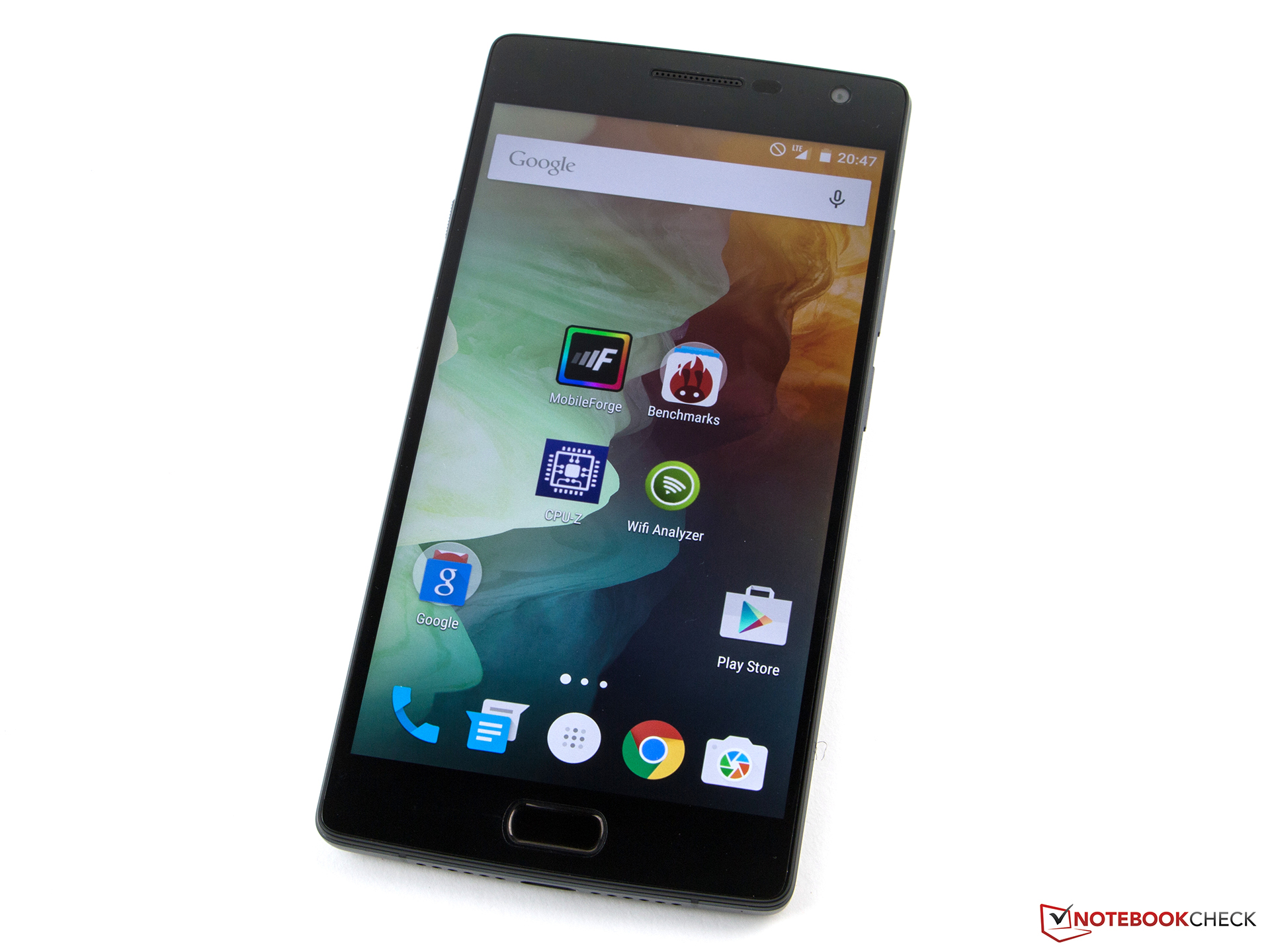
An Unusual Sales Promotion via an Invitation System
Back then, it wasn’t that easy to get review units—after all, OnePlus didn’t have official presence in Europe, and sales of the OnePlus were handled through a hype-generating but annoying invitation system.
My colleague Daniel ended up doing the review in March 2015, but of course I had to get my hands on one of these “flagship killers” that were suddenly everywhere. If I remember correctly, I bought one on eBay back then. In any case, I was able to test it out extensively while on vacation in Hungary.
The phone immediately won me over; it ran very smoothly by the standards of the time, and the unusual feel and the then-ultra-stylish design of the user interface were groundbreaking. Even the camera was a dream.
And so it continued in the years that followed: I remained loyal to OnePlus in my personal life, and soon there was even a dedicated agency in Germany that provided test devices and was always available to answer questions.


Lack of LTE and Other Controversies
It’s clear that not everything that glitters is gold at OnePlus either: There was the initial lack of LTE bands for Europe, and the somewhat inglorious departure of founder Carl Pei, who went on to found Nothing.
Then there was a data scandal, the controversy when OxygenOS was suddenly merged with Oppo’s ColorOS, devices that frequently overheated under prolonged, heavy use, and the temporary sales ban in Europe due to patent issues. Prices, too, have increasingly aligned with competition levels in recent years.
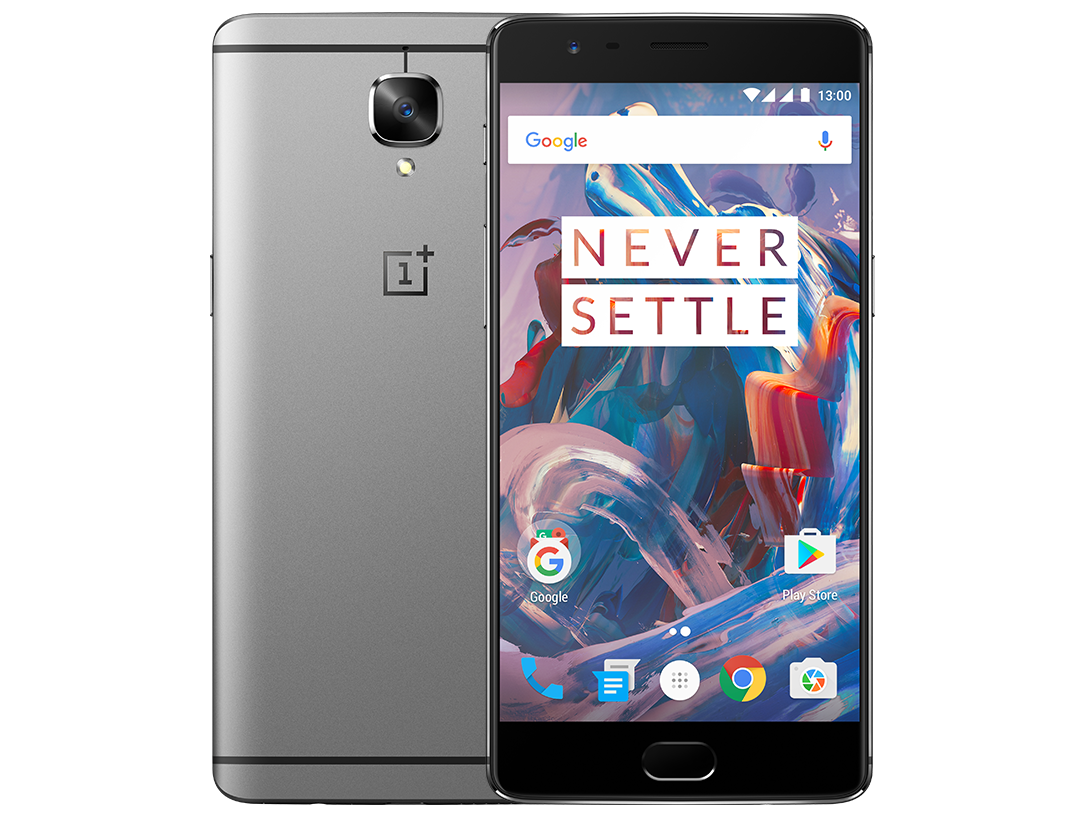
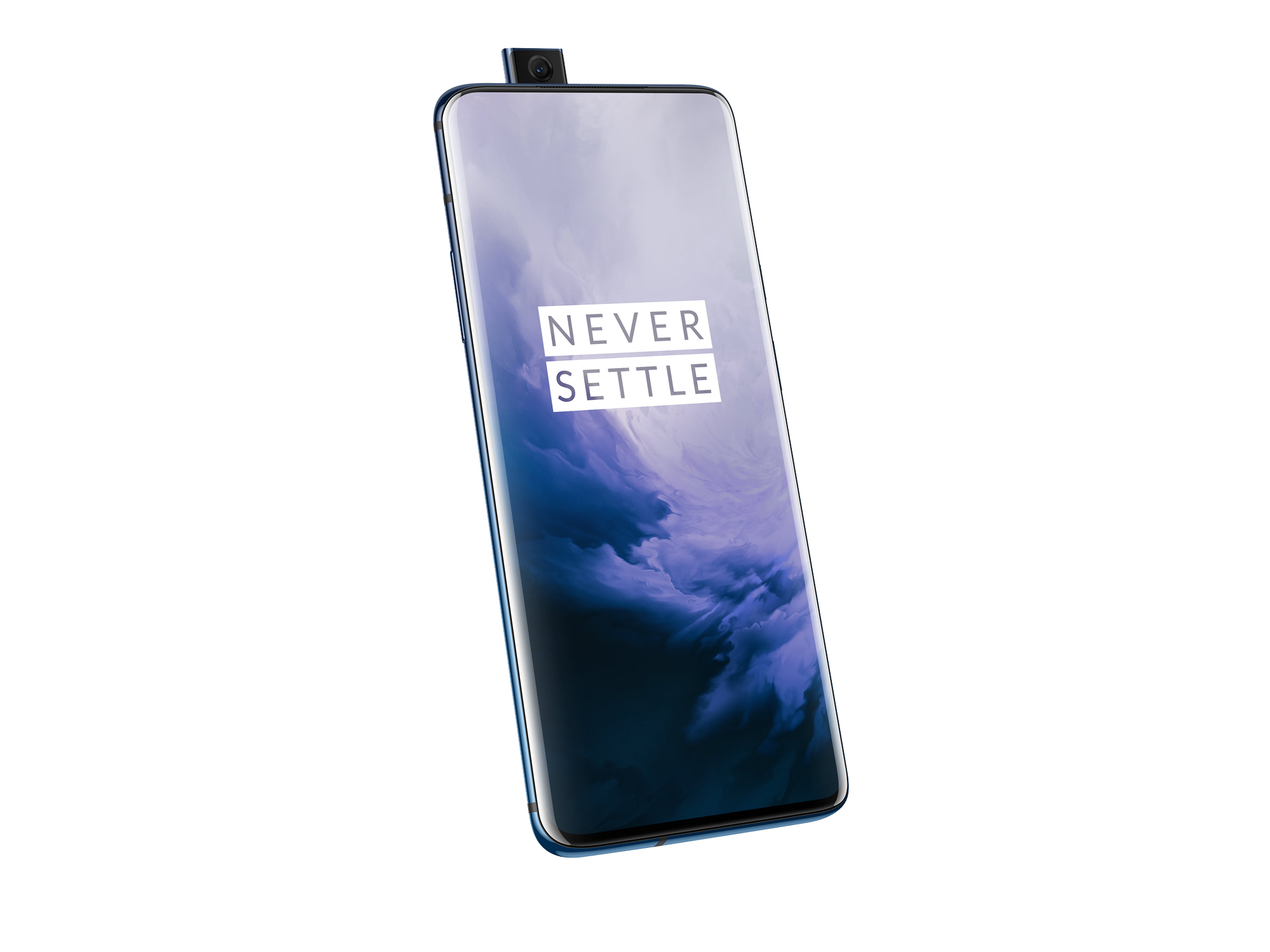
Nevertheless, in 2014, OnePlus reignited competition in the smartphone market with clever marketing and a very good phone at an exceptionally affordable price. And over the years, the manufacturer has released many high-quality and often extraordinary phones (I’m just saying, the OnePlus 7 Pro with its pop-up camera), tablets, earbuds, and accessories—some of which have set new standards in design.
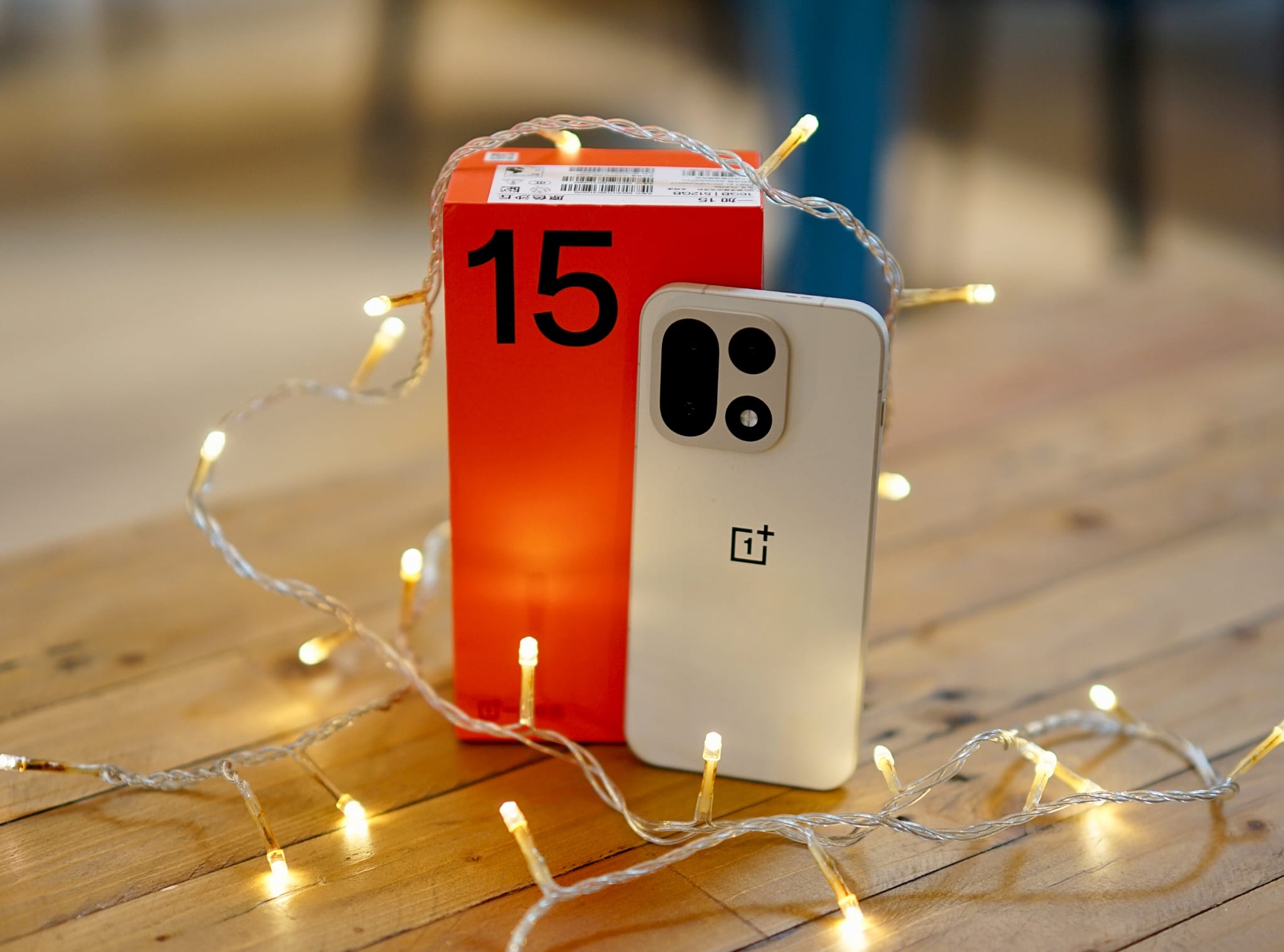
Current phones like the OnePlus 15R (about US$ 650 at amazon.com), on the other hand, seem almost boring by comparison—after all, Oppo offers models that are virtually identical.
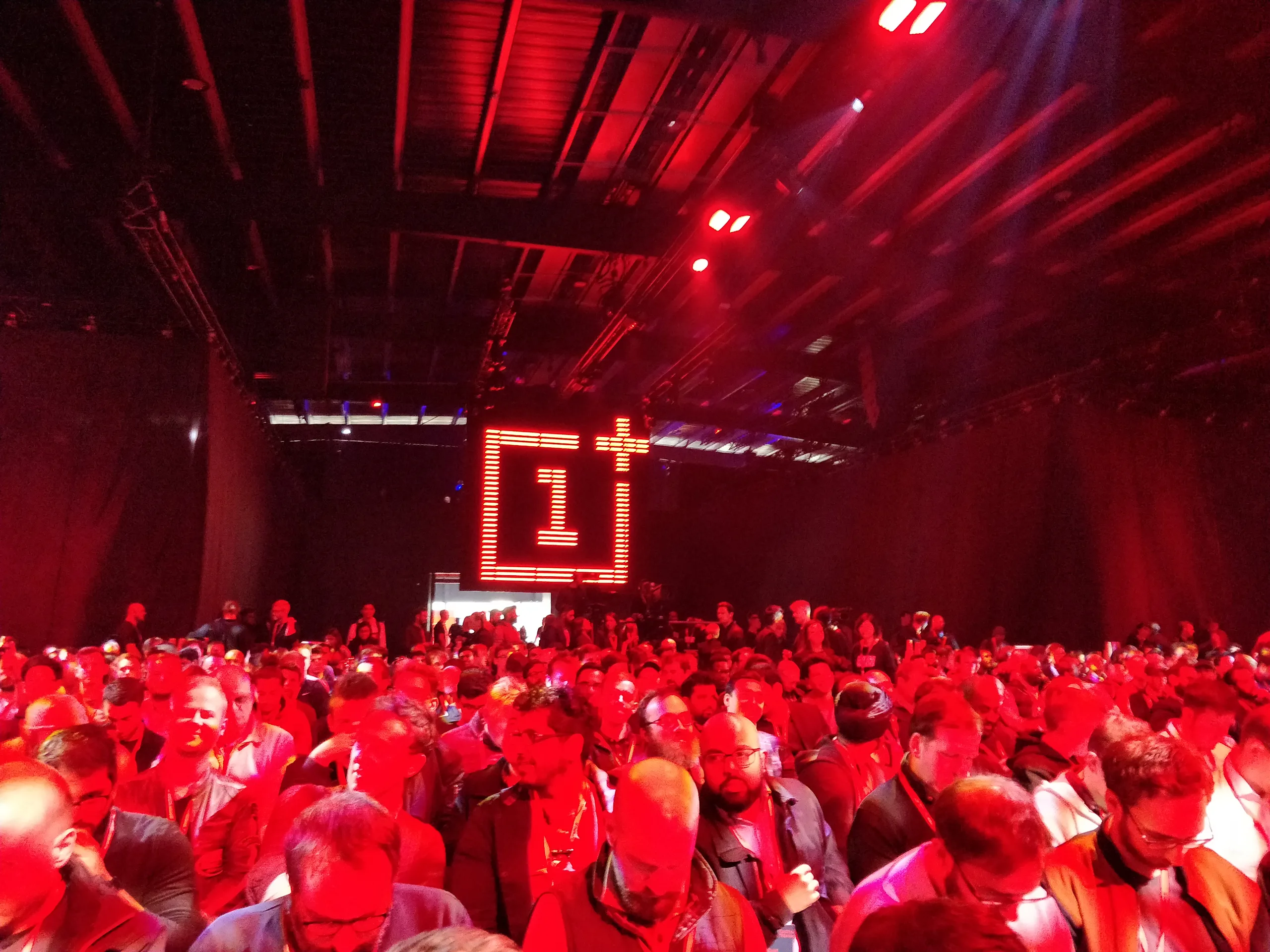
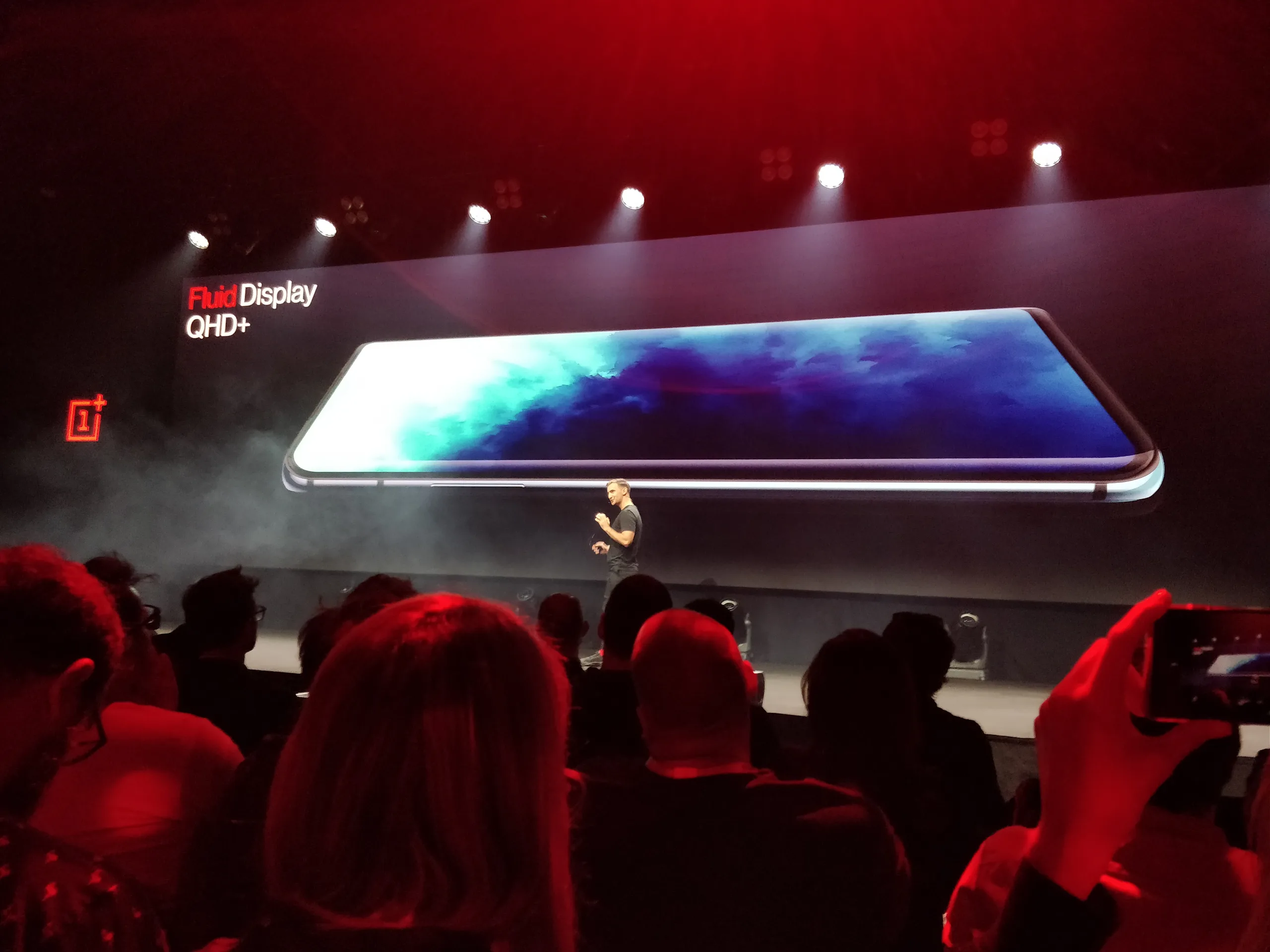


Goodbye, OnePlus
I’ll miss the OnePlus brand, because I associate it with innovation and high product quality—qualities that have been with me for many years.
Sure, there’s Nothing and Oppo as successors, but I just don’t associate the same pioneering spirit with them. Not to mention that the competitive landscape is getting a little smaller with the departure of OnePlus.
So, take care, OnePlus—I hope we will still see each other again in import reviews.
 Add as a preferred source on Google


