




Crimson Desert painfully reminds me that I'm not 16 anymore
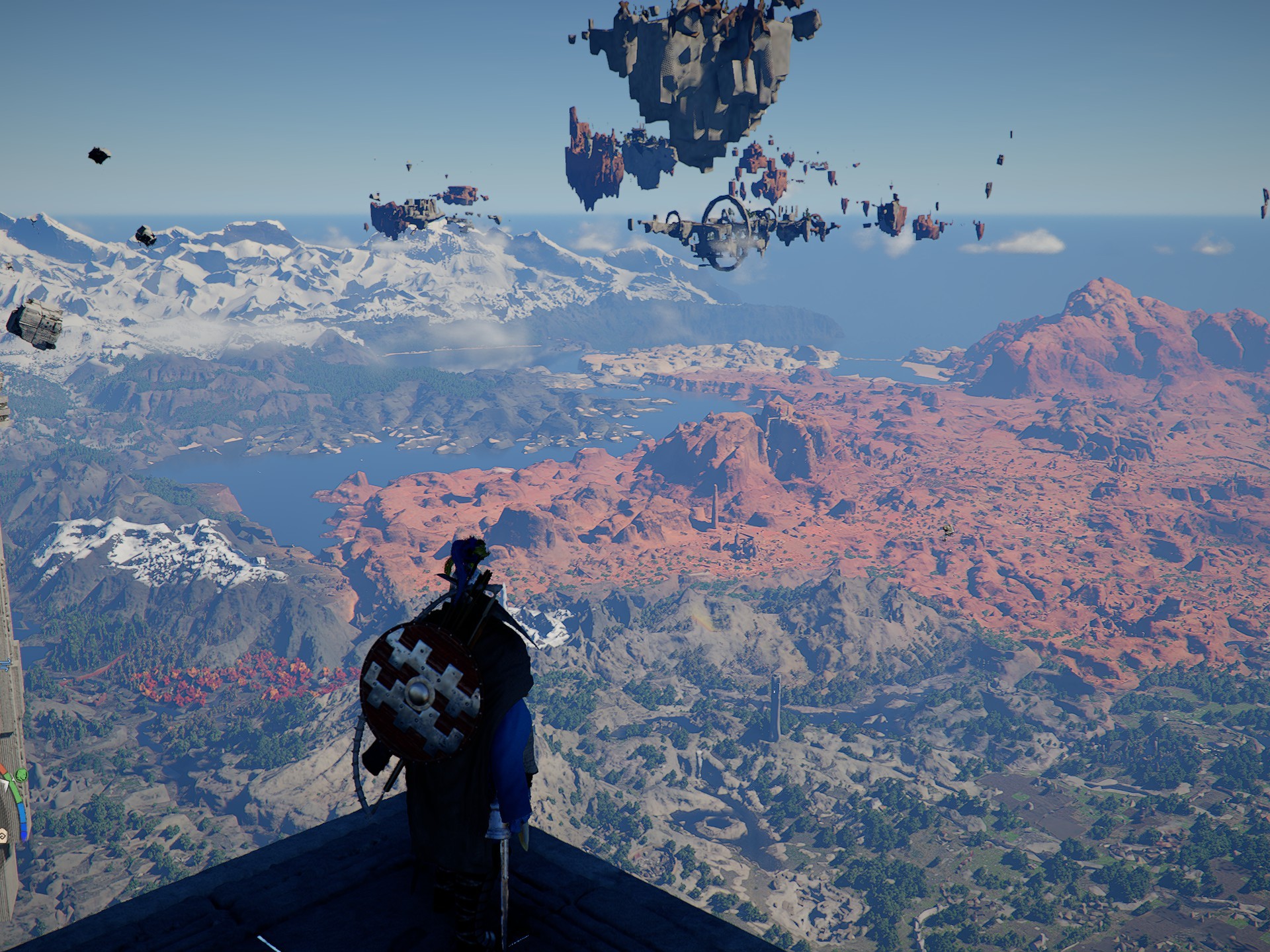
I remember the launch of Fallout 3 pretty well: with the lunchbox in hand, there was nothing but the game for the next two days. I was young, responsibilities were few, and the hours of gameplay per dollar were a vital factor in my purchasing decision due to a very limited gaming budget. In 2026, the situation is different: now that I am in the workforce and have a massive backlog of titles, there is no shortage of alternatives. Every video game is therefore measured, at least indirectly, not only against other leisure activities and obligations, but also against hundreds of other titles.
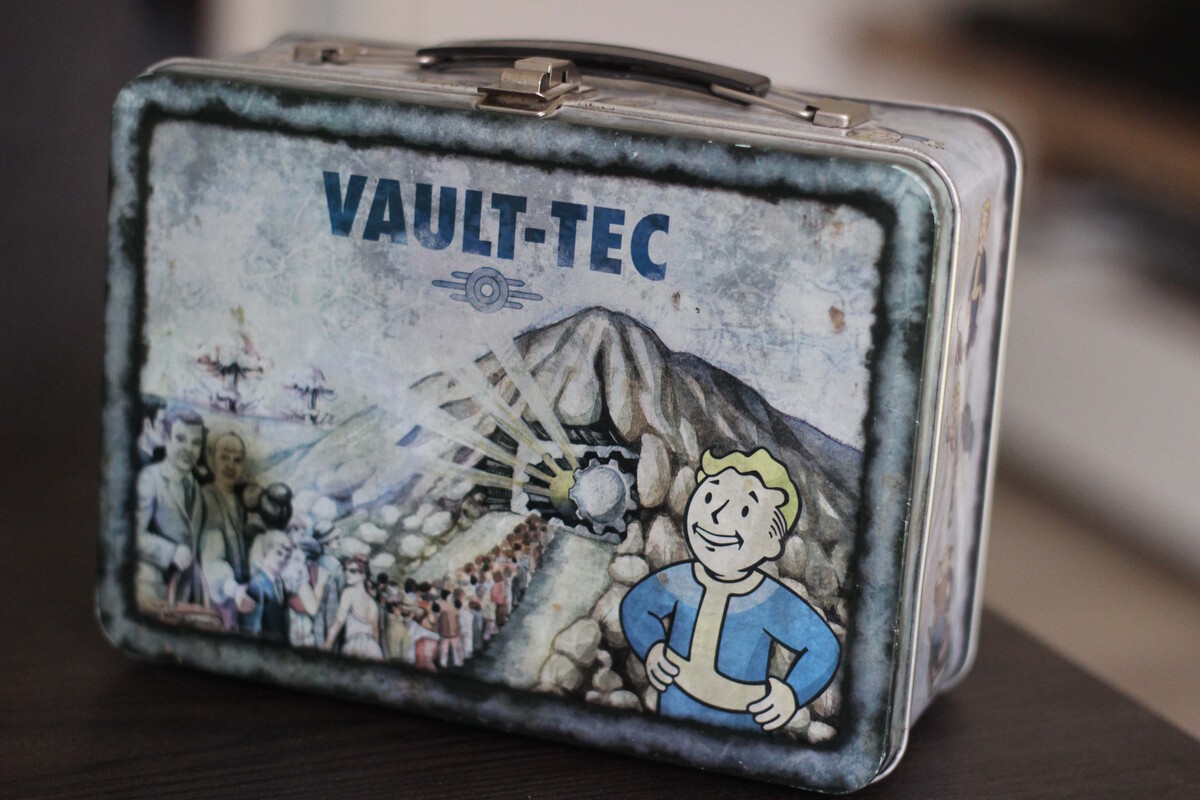
A great deal has already been written about Crimson Desert, including by us. I do not intend to provide a final assessment of whether the game is ultimately good or bad here. What is clear, however, is that Crimson Desert could become a must-play title for gamers who want to witness and experience recent industry trends firsthand, even if not necessarily at full price. Alongside Grand Theft Auto VI, Crimson Desert could very well represent a pinnacle for open-world titles, as it features countless systems, high complexity, boss fights, and even camp management.
Crimson Desert can be approached as a game from several different angles. A combination of Assassin's Creed and Zelda: Tears of the Kingdom is an accurate description, though the title clearly shows that its spiritual predecessor, Black Desert Online, is an online role-playing game. Nevertheless, the story is linear, and there are no choices to pick certain plot options over others. In some instances, this feels like a major missed opportunity, such as the inability to make a deal with a criminal instead of turning them in. The main character, Kliff, allows us to experience his story vividly, but we do not control his decisions.
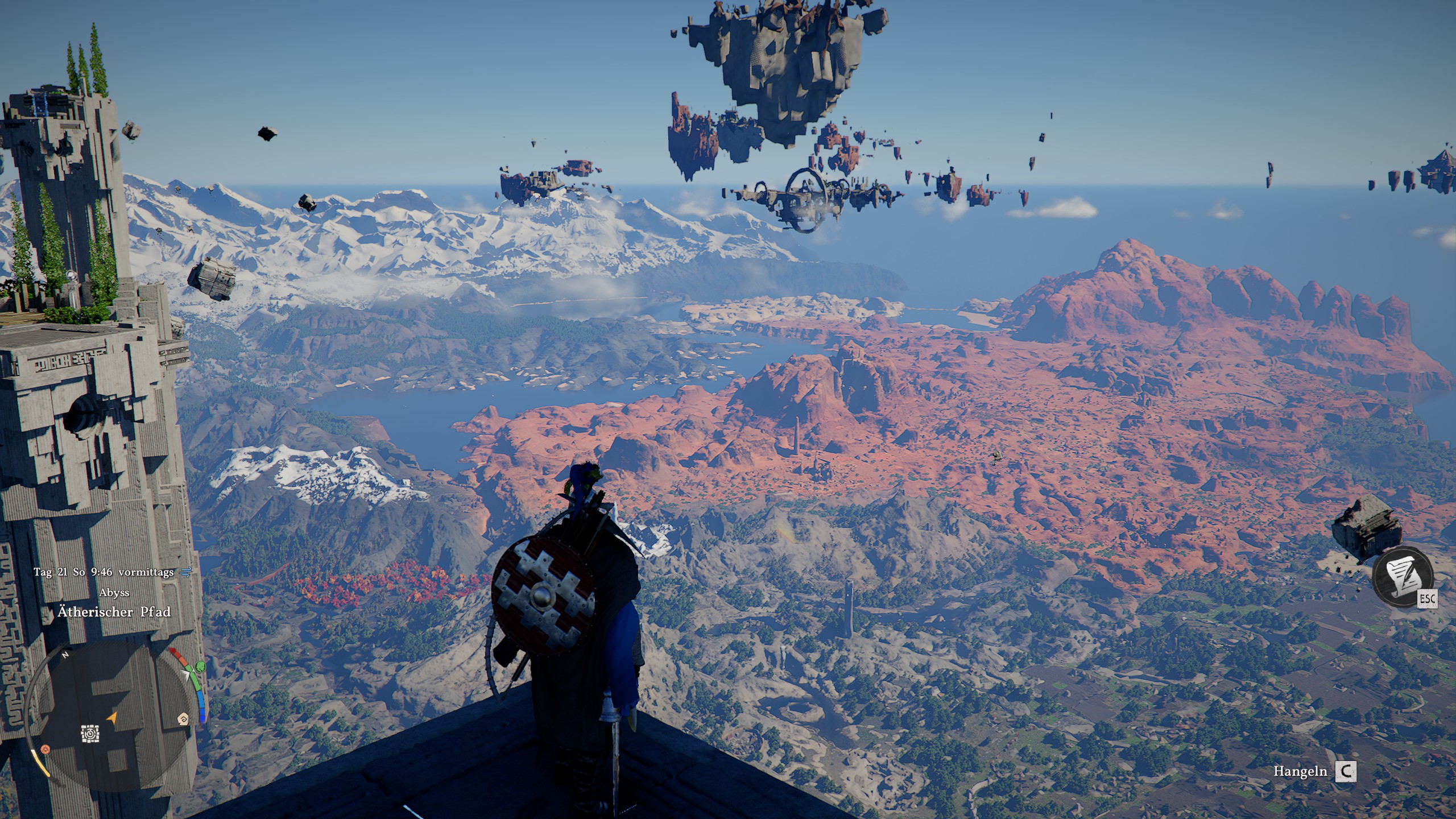
We do have decisions on a systemic level, and certainly no shortage of them. For instance, we cannot choose to resolve a conflict peacefully, but we can certainly choose how we want to handle the inevitable fight. A camp is waiting to be expanded, and we can also take control of other main characters within certain limits. This switch occurs via a zoom-in similar to the one in GTA V. The fact that the game is heavily reminiscent of other titles becomes clear in the flying Abyss or when using wings. Both are strongly reminiscent of Breath of the Wild and Tears of the Kingdom.
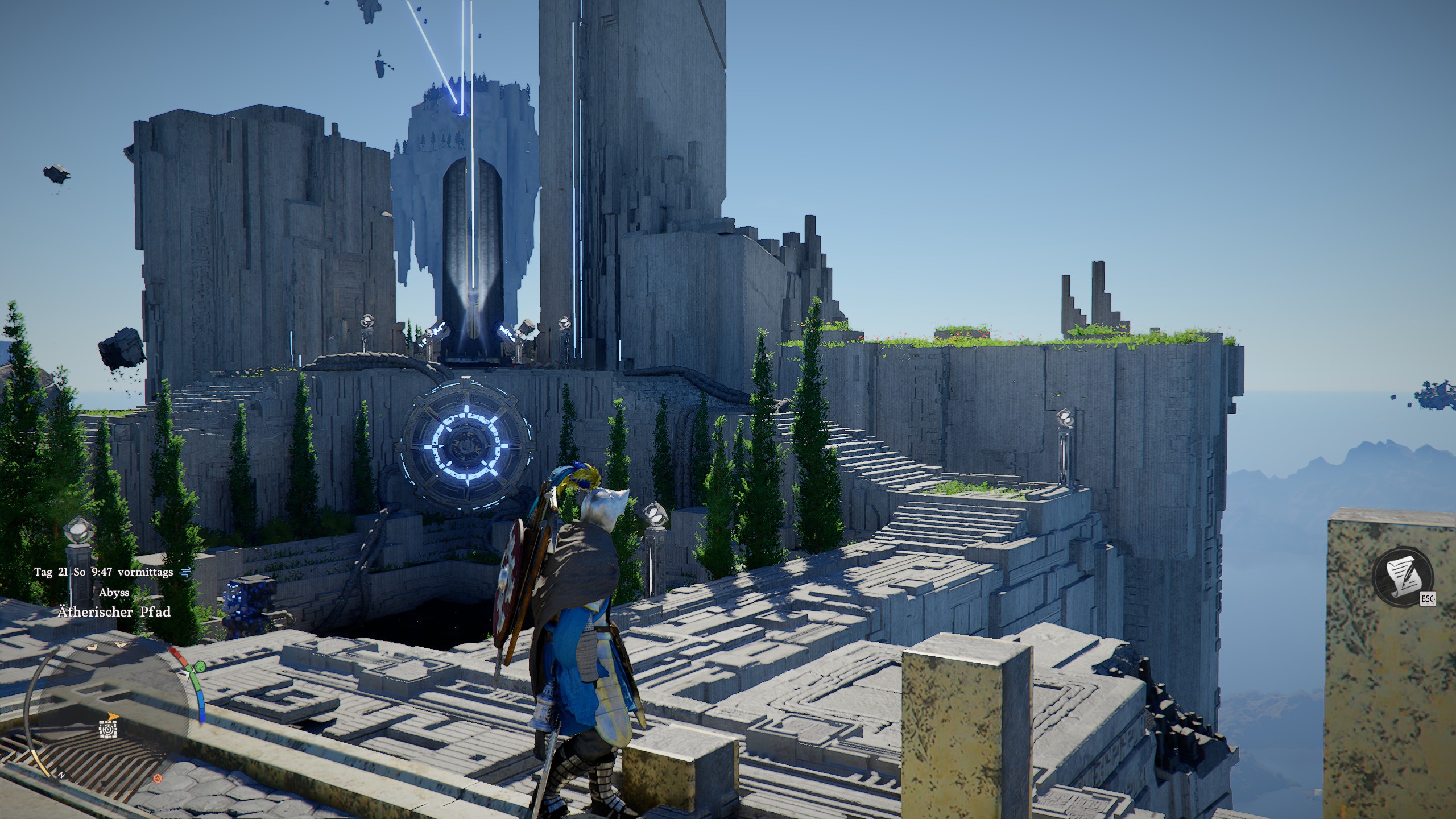
It is entirely reasonable for games to stick to a predefined narrative path, and Crimson Desert is explicitly described as an action-adventure. That makes it more frustrating when the open world invites exploration and is visually appealing, yet the developer does not meaningfully integrate it into the quest design. One example illustrates this: a saddler wonders how a saddle was received by a customer. The quest consists of locating the customer and asking for feedback. Crimson Desert then even mishandles the conclusion of this otherwise trivial quest. Despite the customer expressing satisfaction, the saddler or her assistant thanks them for feedback that will supposedly help with the next saddle. A slightly different line of dialogue could easily have added more depth. This is just one example among many repetitive quests that lack depth and emotional weight.
This is not to suggest that repetitive quests are inherently bad. On the contrary, clearing map markers, gaining experience points, and learning more about the world can be relaxing. However, Crimson Desert makes less efficient use of the player’s time than it could. Notably, even online RPGs now manage to deliver at least a solid level of presentation in this regard.
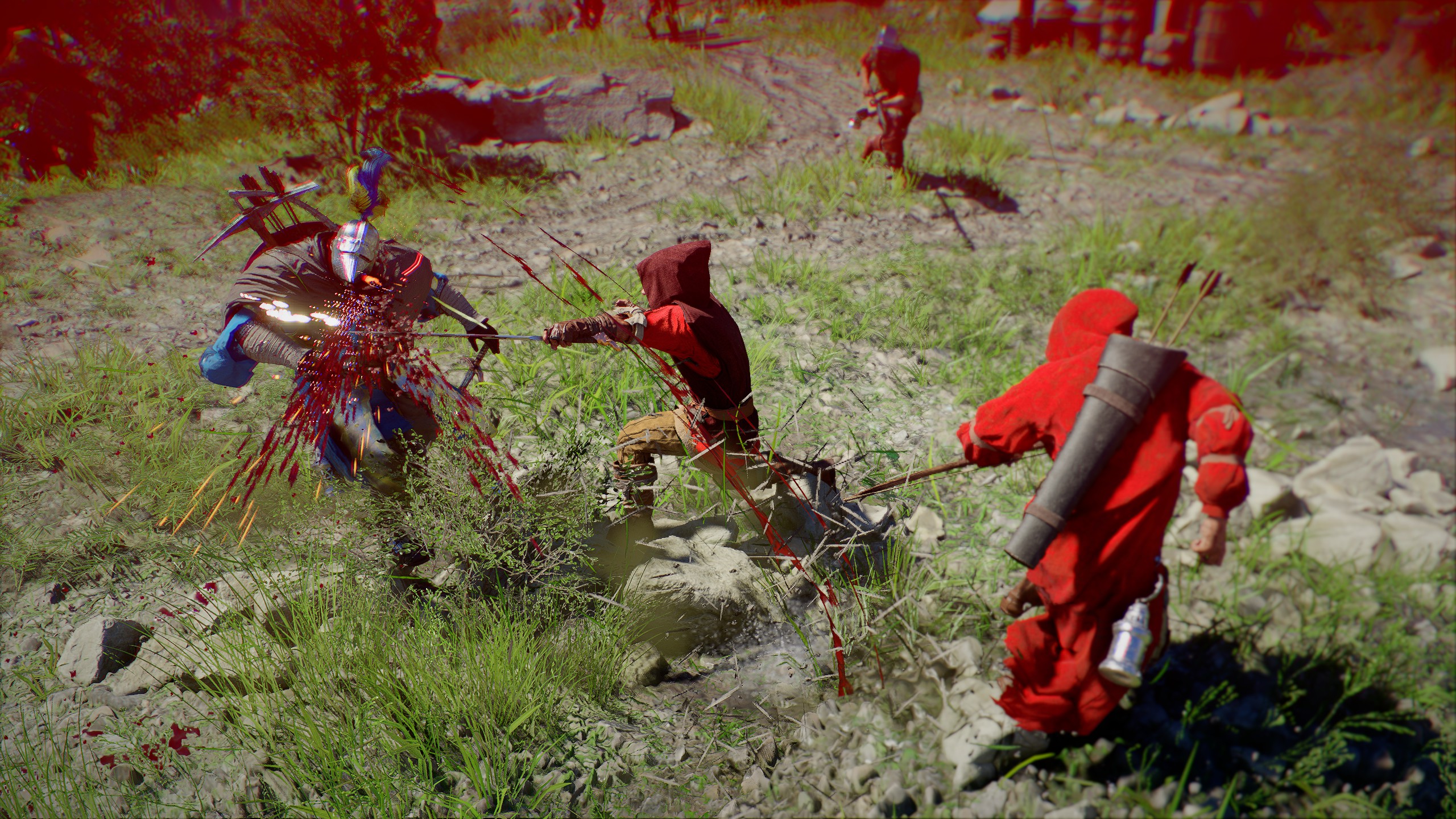
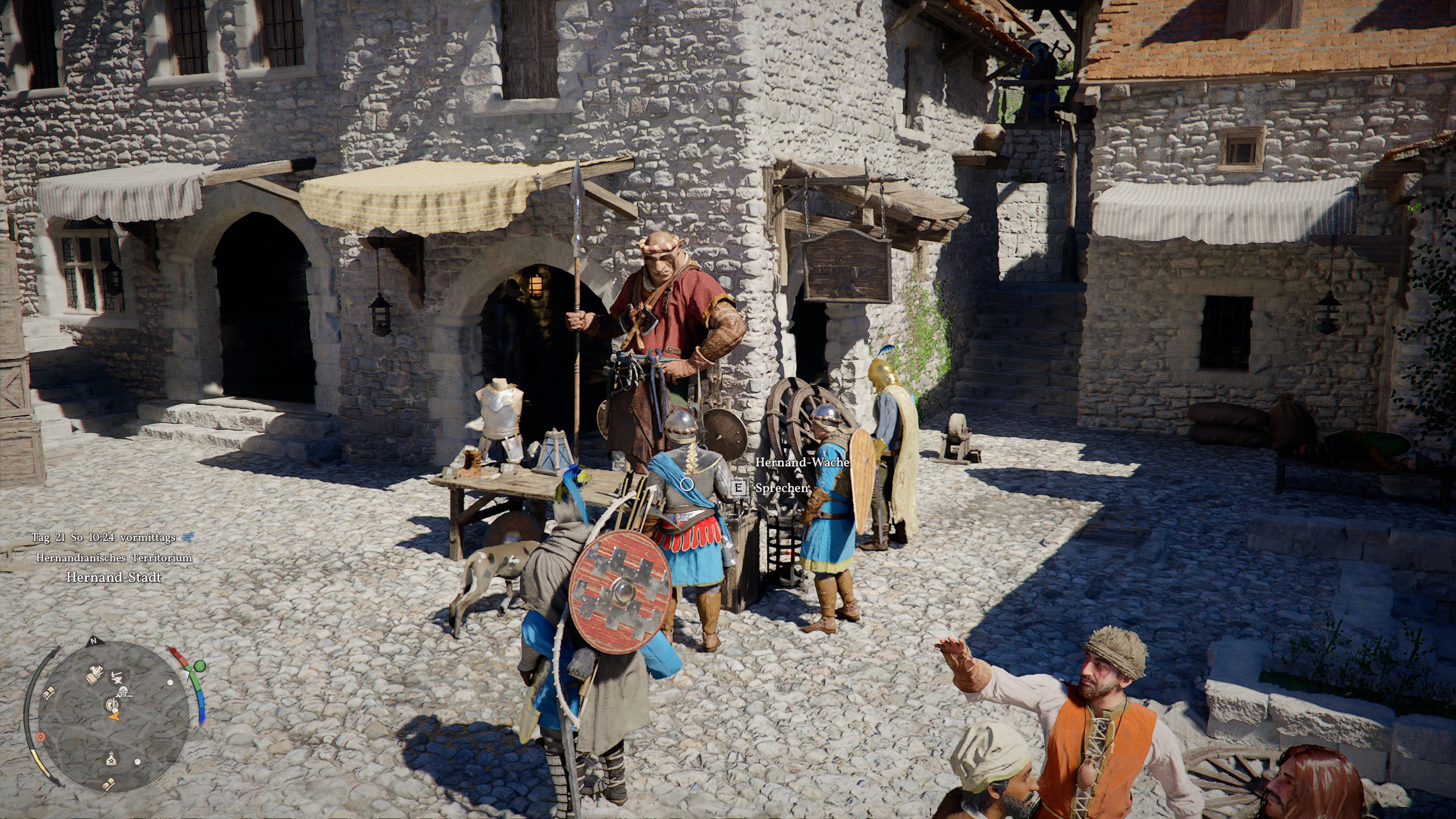
Crimson Desert still has areas where it stands out. The sheer size of the world is impressive, and the game offers not only striking landscapes but also atmospheric cities. At times, though, it feels more like a diorama, where simply exploring ends up being more rewarding than completing trivial, low-impact fetch quests. From a gameplay perspective, Crimson Desert delivers both breadth and depth, particularly in its combat system and challenging boss fights. If those become too difficult, it is possible, as in Dark Souls or Elden Ring, to level up and improve gear. Healing items in the form of meals play a major role. Their preparation is animated, and Kliff presents the finished dish. While that is commendable in principle, navigating menus and watching animations when preparing different meals takes time. This is where a shift becomes noticeable: what once felt engaging now feels more frustrating.
As a teenager, Crimson Desert would very likely have been more enjoyable than it is today. Two familiar breakup phrases capture this well: “It’s not you, it’s me.” The value placed on personal time and the availability of alternatives have likely evolved even more over the past 18 years than the open-world genre itself. “Let’s stay friends” fits just as well. Crimson Desert is not a bad game, and there are stretches where it is genuinely enjoyable. It is systemic, broad in scope, and at times deep, but also surprisingly shallow in places, which can reflect the modern gaming landscape: a lot of content, a lot of hype, and emotionally charged discussions around it, but often formulaic. This includes patches that significantly adjust difficulty. Bosses can feel punishing at one point, then much more accessible after balance updates. That, too, is standard in 2026, often under an early access model.
Disclaimer: Notebookcheck received two copies from Pearl Abyss at launch.
 Add as a preferred source on Google


