




Court ruling against OpenAI: 20 million ChatGPT logs must be disclosed
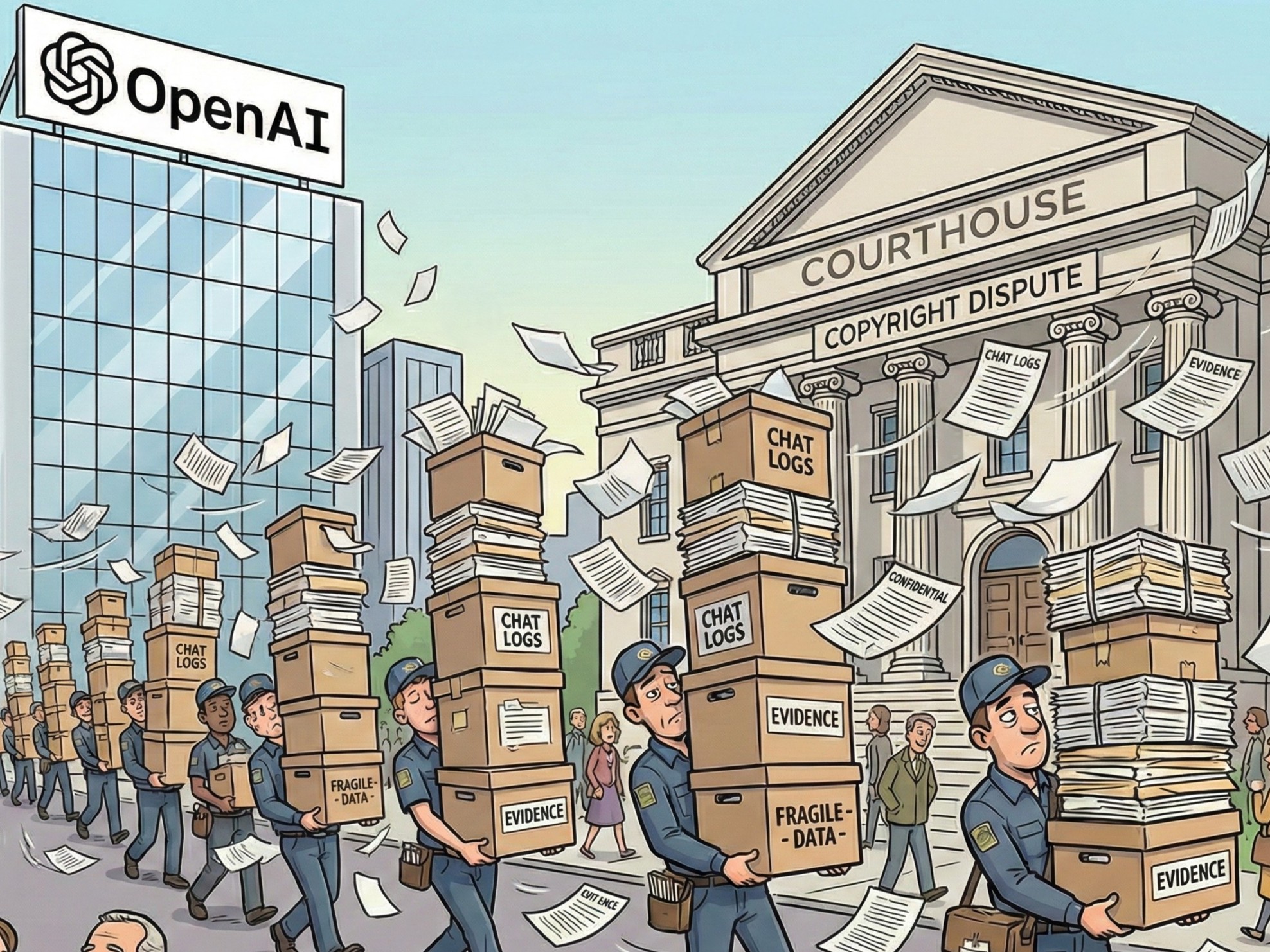
Now people may feel uneasy if they believed the deep or even ridiculous conversations they had with ChatGPT would remain hidden forever. Due to an ongoing copyright dispute, a New York court ordered OpenAI to turn over approximately twenty million chat logs to attorneys representing media outlets like the Chicago Tribune and the New York Times. Even though the data is going to be anonymized, there is still a lot of information being exchanged here. It remains questionable whether anonymization of regular users can truly succeed given this volume.
The background is a lawsuit in which the media companies accuse OpenAI of using their articles for AI training without permission. The plaintiffs want to use the chat logs to prove that ChatGPT regularly reproduces copyrighted content and not just when the bot is forced to do so through targeted manipulation ("hacking"), as OpenAI had claimed. Judge Sidney H. Stein has now confirmed an earlier order and brushed aside OpenAI's concerns. Data compilation was too onerous and might compromise customer privacy, according to OpenAI.
The court saw things differently and decided that anonymizing the data was sufficient as a protective measure and that the relevance to the trial outweighed the risks. For OpenAI, this is a legal defeat that security experts are already describing as a debacle. Dr. Kolochenko from ImmuniWeb noted that this is likely to inspire copycats in similar cases. This decision significantly disrupts user privacy regardless of whether the 20 million data sets contain explosive copyright infringements.
 Add as a preferred source on Google


