




ChatGPT ads: where they run now and how to switch them off
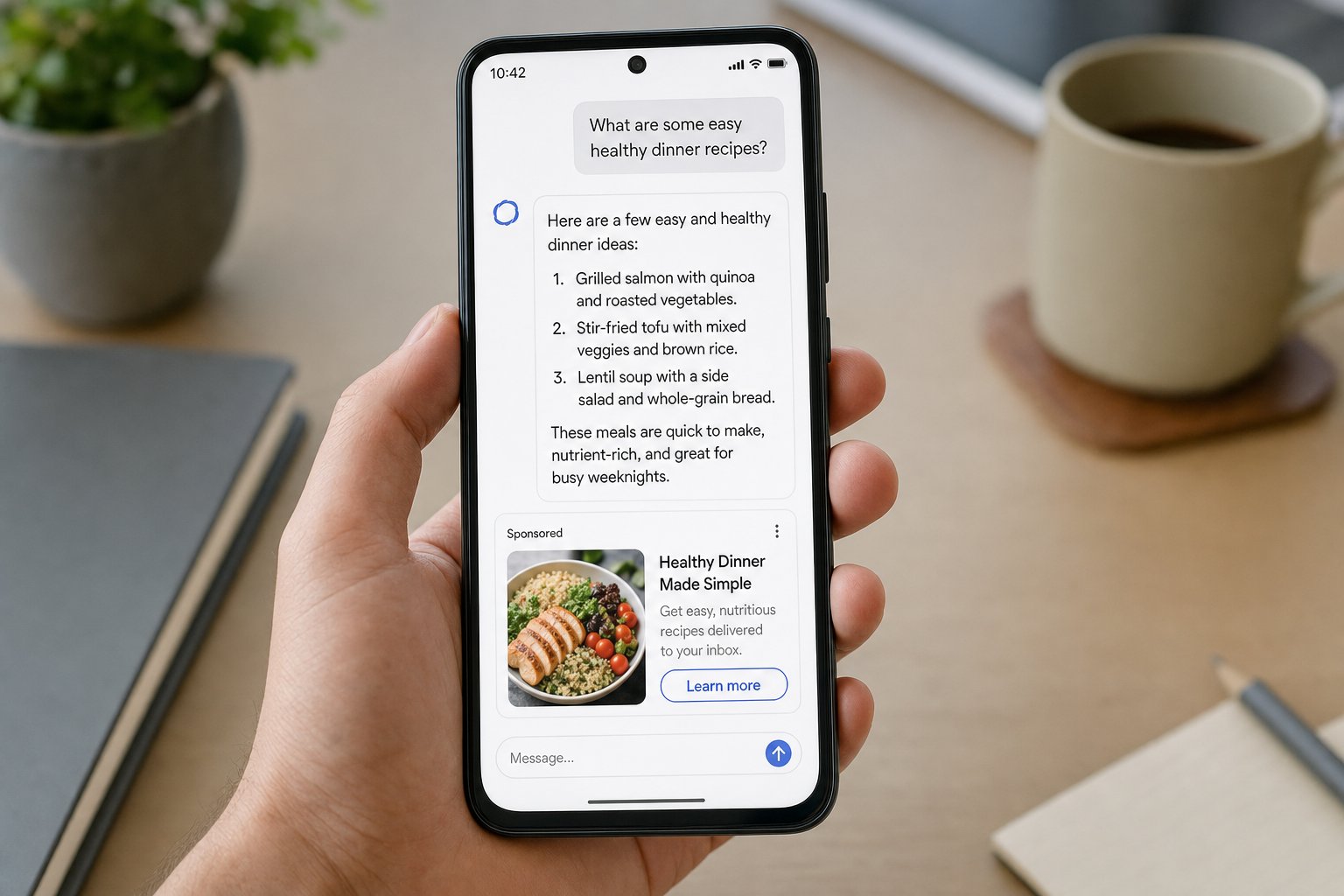
OpenAI started showing ads inside ChatGPT on 9 February 2026. The move had been flagged since January. At first the test ran in the US only, only for signed-in adults, and only on the Free and Go plans. Half a year on, the company's own country list shows how far it has actually got. And where it has not arrived yet.
Seven countries live, two still waiting
The Ads Manager Availability page in the OpenAI Help Center listed Australia, Canada, Japan, Korea, New Zealand, the United Kingdom and the United States as available as of 6 August. Brazil and Mexico carry the note Coming Soon. Germany does not appear in the table at all.
That list covers the advertiser side, meaning where companies can buy ads. For users, a second detail matters more. In its FAQ, OpenAI says the ad controls inside ChatGPT are still limited to Free and Go users in the US.
More had been announced. On 7 May OpenAI said it planned to expand to the United Kingdom, Mexico, Brazil, Japan and South Korea in the coming weeks. Three of those five markets now show as available. Brazil and Mexico still do not, three months later.
Who sees ads and who does not
Ads can appear on the Free and Go plans. Plus, Pro, Business, Enterprise and Edu stay ad-free. Accounts that OpenAI believes belong to minors get no ads. Temporary chats get none either. Ads also do not run in the ChatGPT Atlas browser during the test, though Atlas is being shut down on 9 August anyway.
Ads sit below a response, are labelled sponsored and are visually separated. OpenAI stresses that they do not influence answers because they run on systems separate from the chat model. Ads are barred from appearing near sensitive topics, specifically physical health, mental health and politics. Political advertising is not allowed in ChatGPT at all right now.
How to get rid of the ads
There are three routes. The first is upgrading to Plus or Pro, both of which are ad-free. If you would rather not pay, promotions with free access turn up from time to time.
The second is the Ads-Free switch on the Free plan. Under Settings, then Ads controls, then change plan, you can remove the ads at no cost. The catch sits in the small print. Your message limit drops and some tools disappear. OpenAI specifically names image generation and deep research. If you later want more headroom, a banner at the limit lets you switch back to the ad-supported version.
The third route is the temporary chat, which never shows ads.
One point gets mixed up a lot. Turning off personalization removes no ads at all. It only changes what they are picked from. Without personalization, only your current chat thread counts. With it, past chats, saved memories and your own behaviour towards ads feed in as well.
What advertisers actually get to see
Nothing from your conversations. According to OpenAI, advertisers only receive aggregated figures such as views and clicks. Chats, chat history, saved memories, name, email address, precise location and IP address stay out of reach. If you message an advertiser directly through an ad, they see exactly those messages and nothing more.
The ad data collected can be deleted in the settings. After that it takes up to 30 days to disappear from OpenAI's servers.
Rivals are using the topic as an angle of attack. Around a Super Bowl spot, Anthropic committed to keeping its assistant Claude ad-free.
Quelle(n)
 Add as a preferred source on Google


