




CheckMag | Buyer's remorse: Jack of all trades, master of none, 3 months with the Pixel 10 Pro Fold
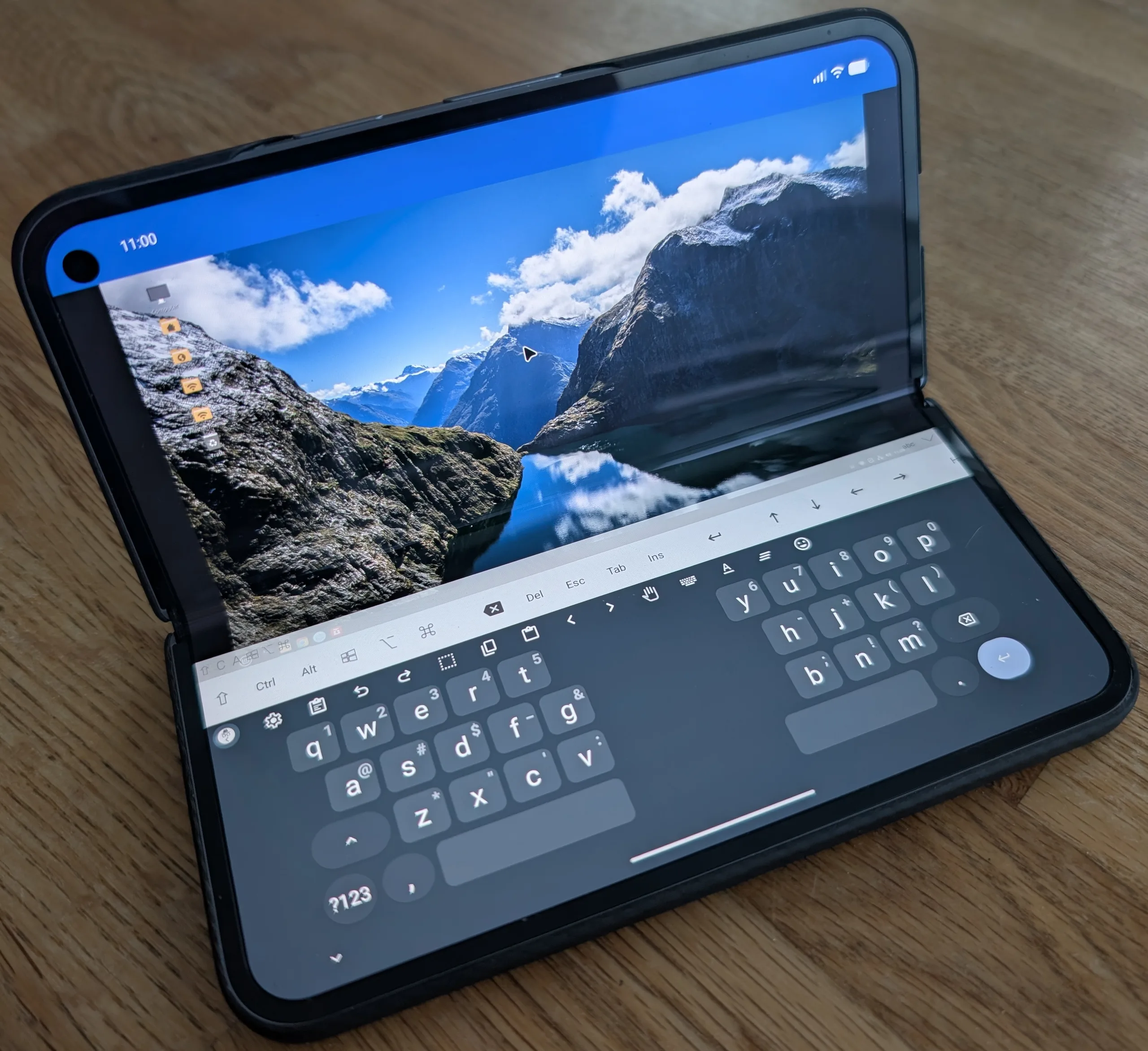
It has taken a number of years for me to finally jump on the foldable train, largely due to concerns around durability. However, when the Pixel 10 Pro Fold launched with an IP68 dust and water resistance rating, I decided to give it a go. After 3 months with the device, while I wouldn't say foldables are a complete failure, I struggle to justify the expense and the compromise over the added screen real estate.
The Display
On paper, having an 8-inch display seemed awesome. There is no denying that unfolding a foldable for the first time and seeing the expansive internal display is a sight to behold. Especially when you've been used to the candy bar-style displays on traditional phones, even the XL models.
However, I hadn't appreciated how totally impractical a square display actually is. The obvious and most common use case is with media consumption. Whether you are watching YouTube or Netflix, any modern media type is inherently widescreen. While watching content on the internal display is certainly immersive, the reality is that it's barely larger than a regular phone.
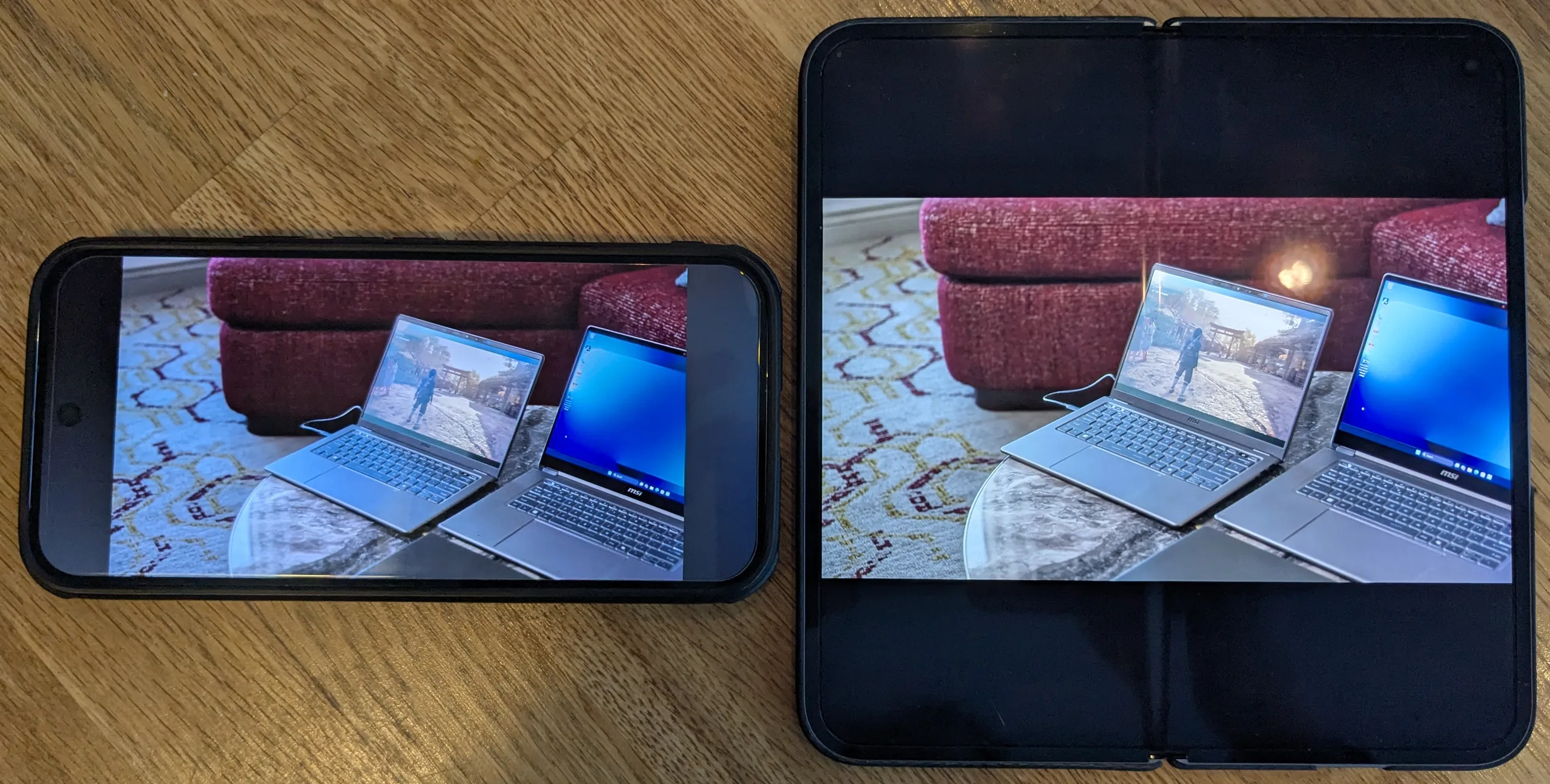
Having the extra screen real estate for browsing the web is certainly appreciated, and there are plenty of sites that scale well to the foldable display. However, there are plenty of sites that don't, leaving large swathes of empty space to the side of the text. In addition, aside from Google's proprietary apps, barely any utilise the extra screen space. Sure, you get more content on a single page, or a larger window to work with, but aside from one or two apps, the experience is largely unchanged from a traditional phone screen.
In my head, the ability to run apps side by side was appealing, but the reality after 3 months is that it never gets used. On the rare occasions I need to copy something from one app to another, there is barely any difference in speed between setting them up side by side and using the traditional task switcher. If anything, it actually takes longer to set 2 apps running side by side.
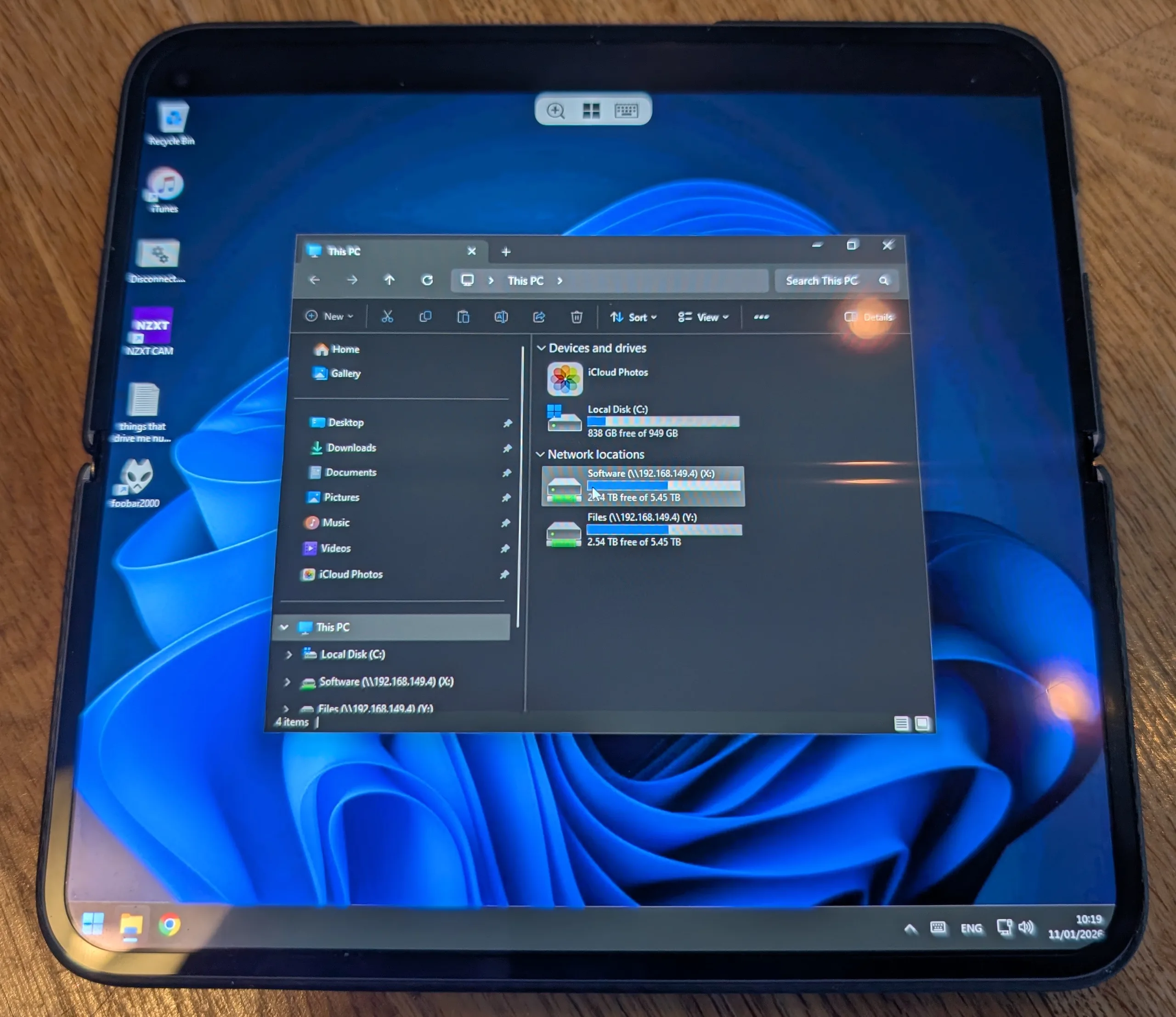
One thing that convinced me to go with a foldable was the extra screen real estate for use when administering remote machines through Remote Desktop or VNC. I won't deny that a foldable has the edge here. However, as most PCs use widescreen displays, you are left with the same issue as media consumption, unless you set your host machine to use 5:4 or 4:3 aspect ratios. When you do, the experience is great, and you can utilise almost all of the foldable's square display. However, the next time you connect from a different machine, you'll have to switch the resolution back to the more traditional widescreen resolution.
Of course, none of these compromises are unique to the Pixel Fold series and apply largely to any square foldable. However, it does serve to highlight how Google had the perfect foldable form factor with the original Pixel Fold (available on Amazon), before they caved to peer pressure from Samsung. It also might indicate why Samsung is working on a Galaxy Z Fold Wide, in addition to the more traditional screen on the Galaxy Tri-Fold.
Tensor G5 is awful
While Google has never been known for its top-tier in-house processors (Tensor), the G5 in the Pixel 10 series is awful. For day-to-day tasks, such as browsing the web and switching apps it's fine, and it certainly manages to sip battery, but for anything even mildly demanding, prepare to be severely underwhelmed.
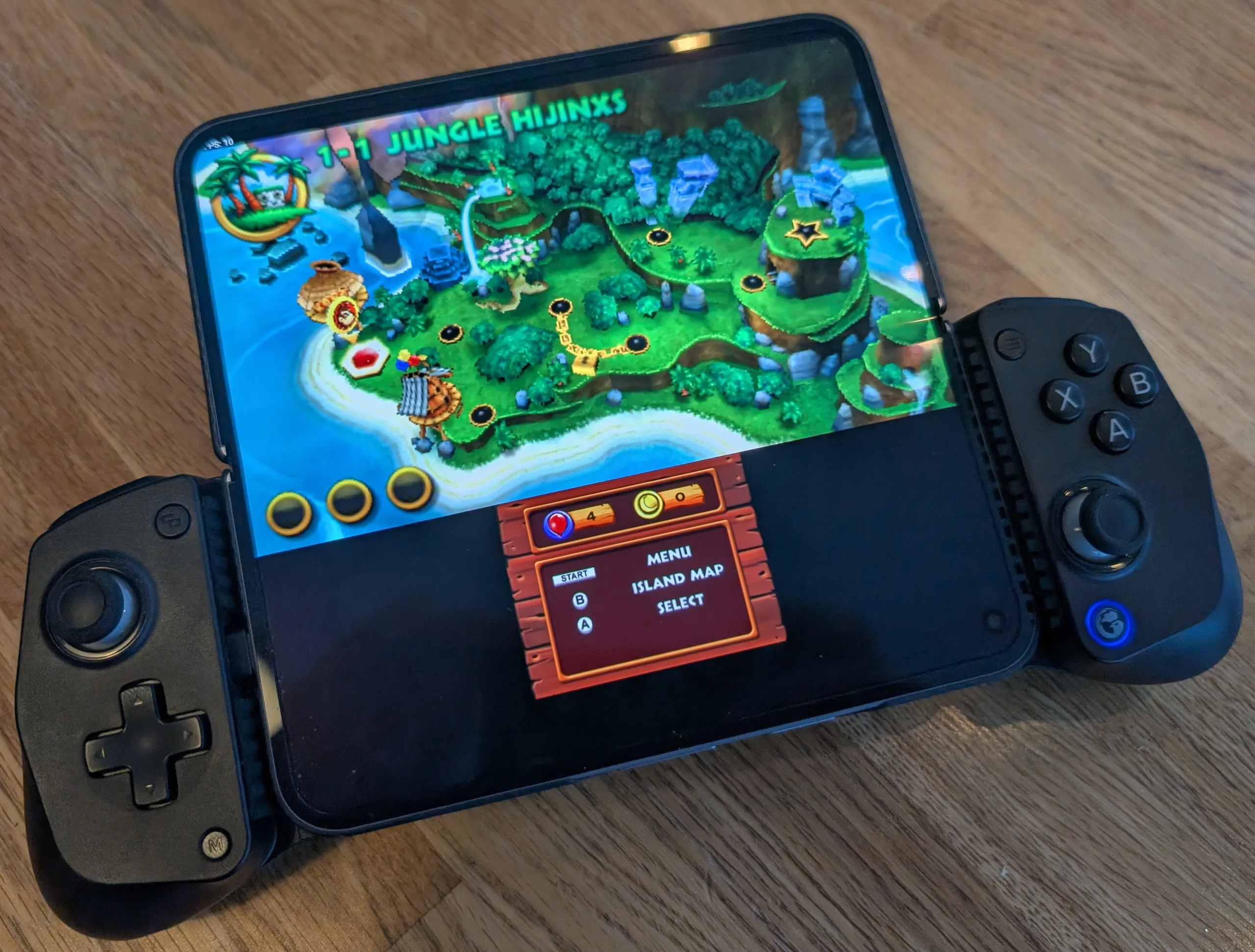
I didn't buy the Pixel 10 Pro fold explicitly for emulation, but the large screen makes it perfect for a bit of 3DS gaming. Something I have never explored on traditional handsets due to the limited space when displaying 2 screens of the 3DS side by side.
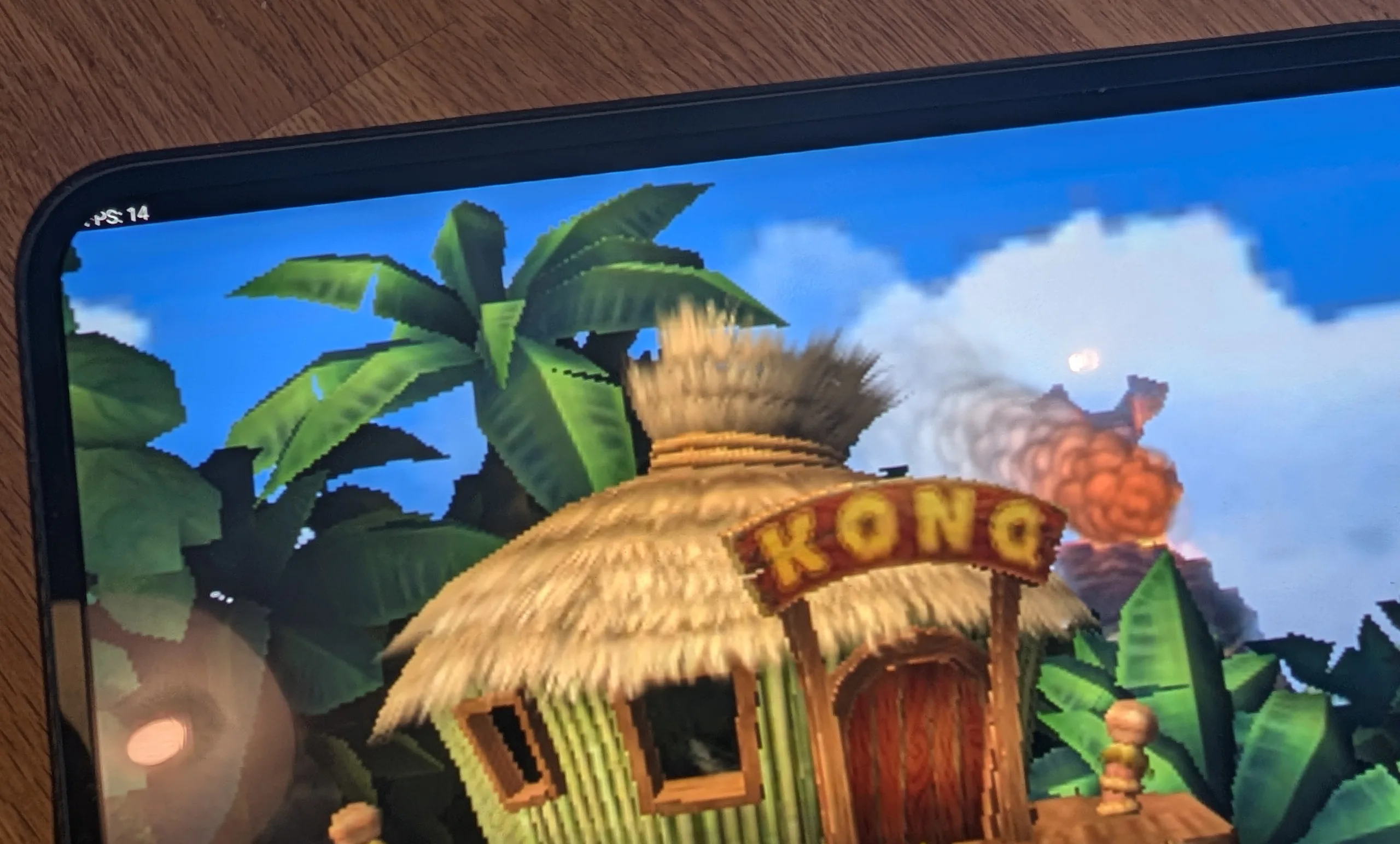
While the Pixel 10 Pro Fold is capable of emulating lighter titles at the native resolution of the 3DS (400 x 240), such as New Super Mario Bros 2 and Super Mario 3D Land (barely), you can forget pretty much everything else, especially at 2x resolution and higher. With Donkey Kong Country Returns 3D, the Tensor SoC was barely able to pull double digits, topping out at around 15 FPS at 1x resolution.
Cameras
The Pixel 10 Pro Fold doesn't carry the same camera setup as its non-folding brethren, despite the "Pro" branding. That in itself is a compromise. In reality, the compromise is significantly less than you might think. Despite the smaller sensors, the cameras in my experience are largely indistinguishable, particularly the zoom, which was my biggest concern when deciding to pull the trigger.
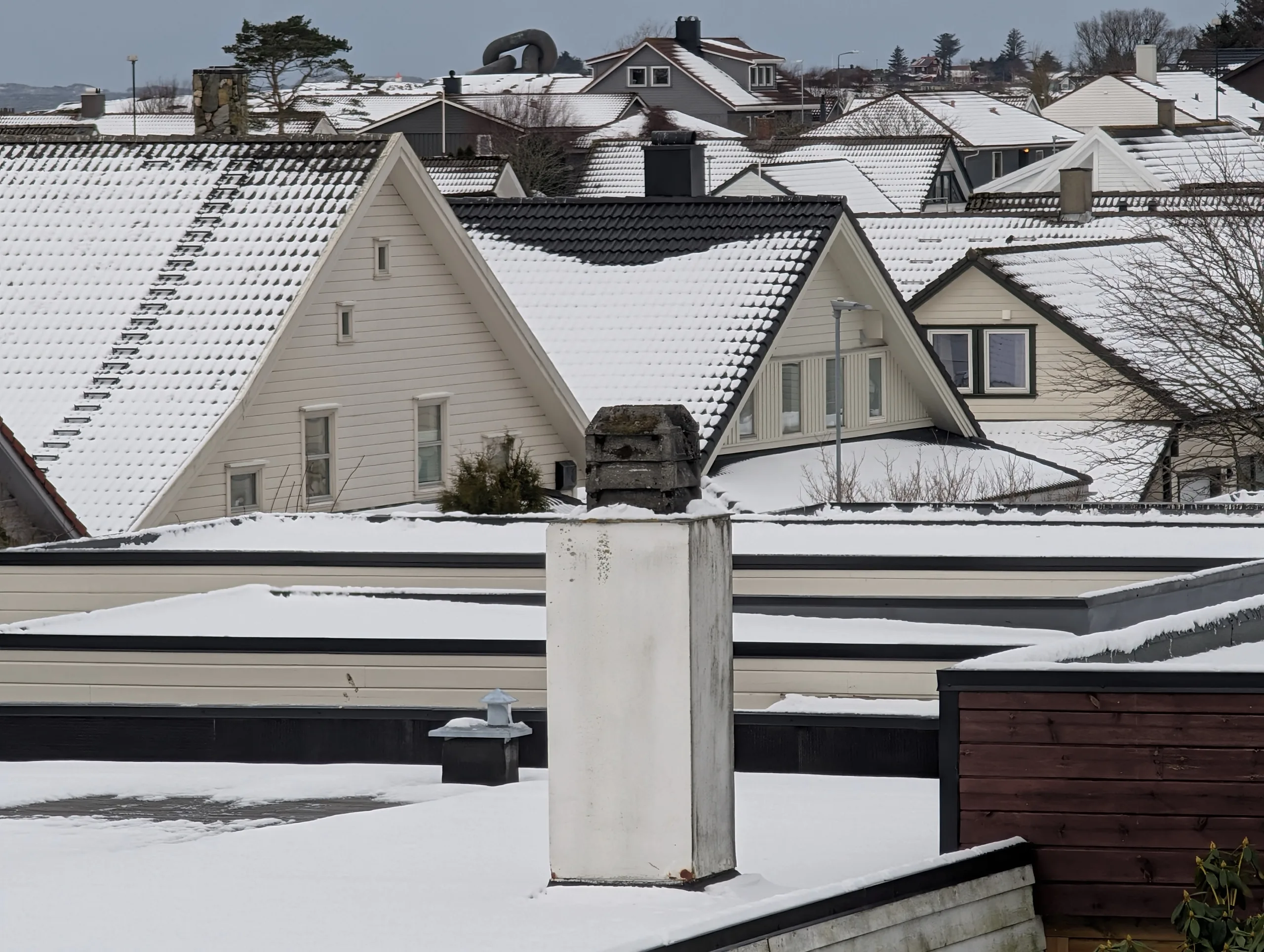
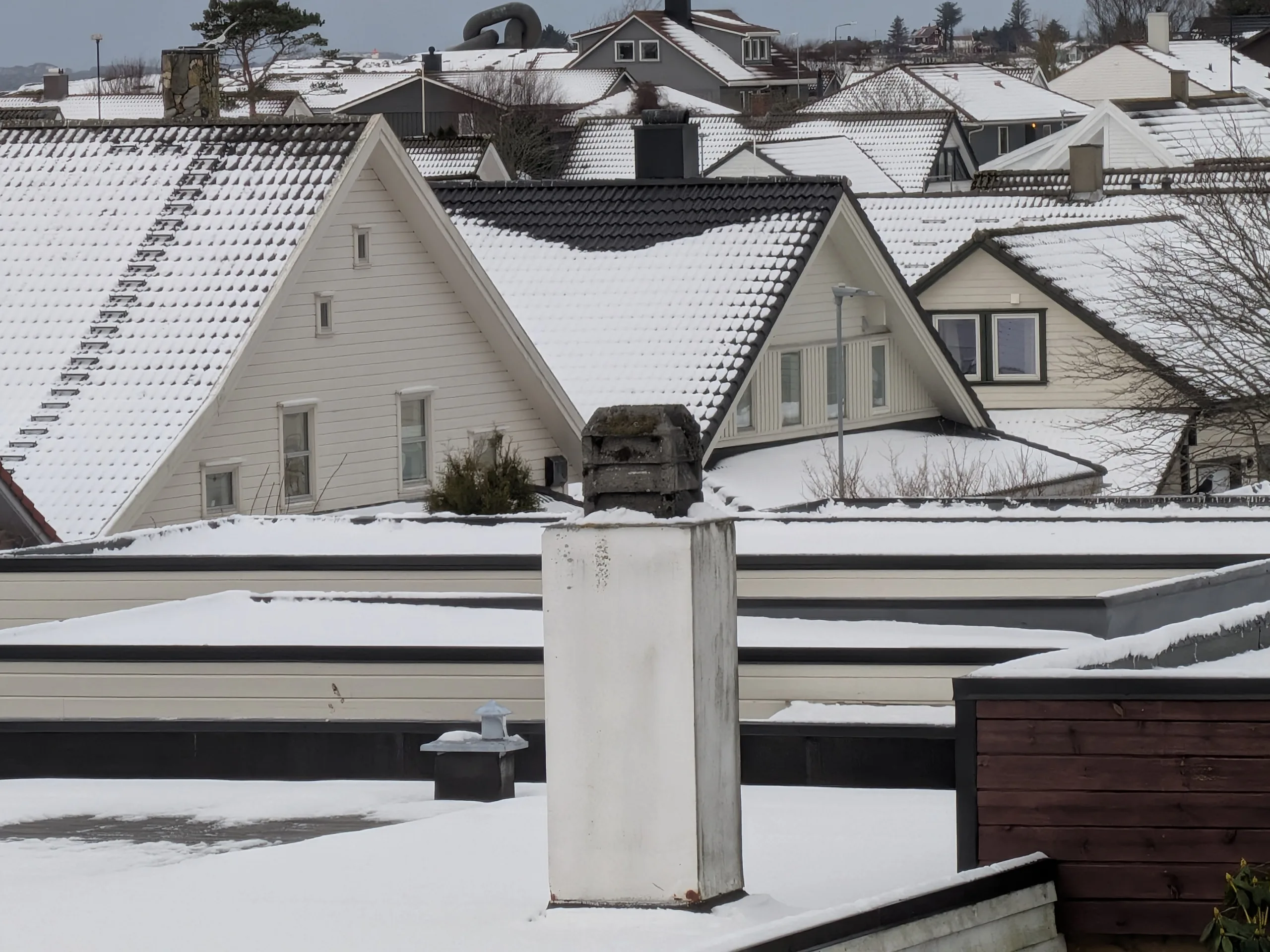
That being said, one of the biggest selling points for me, was the ability to use the rear cameras as selfie cameras when the device was unfolded. Again, something that on paper might be very appealing, but in reality is almost totally impractical. It took several weeks for me to develop what I refer to as the "devil horns" grip. The only practical way to hold the phone and take a selfie simultaneously, somewhat reducing the risk of dropping an $1800 investment.
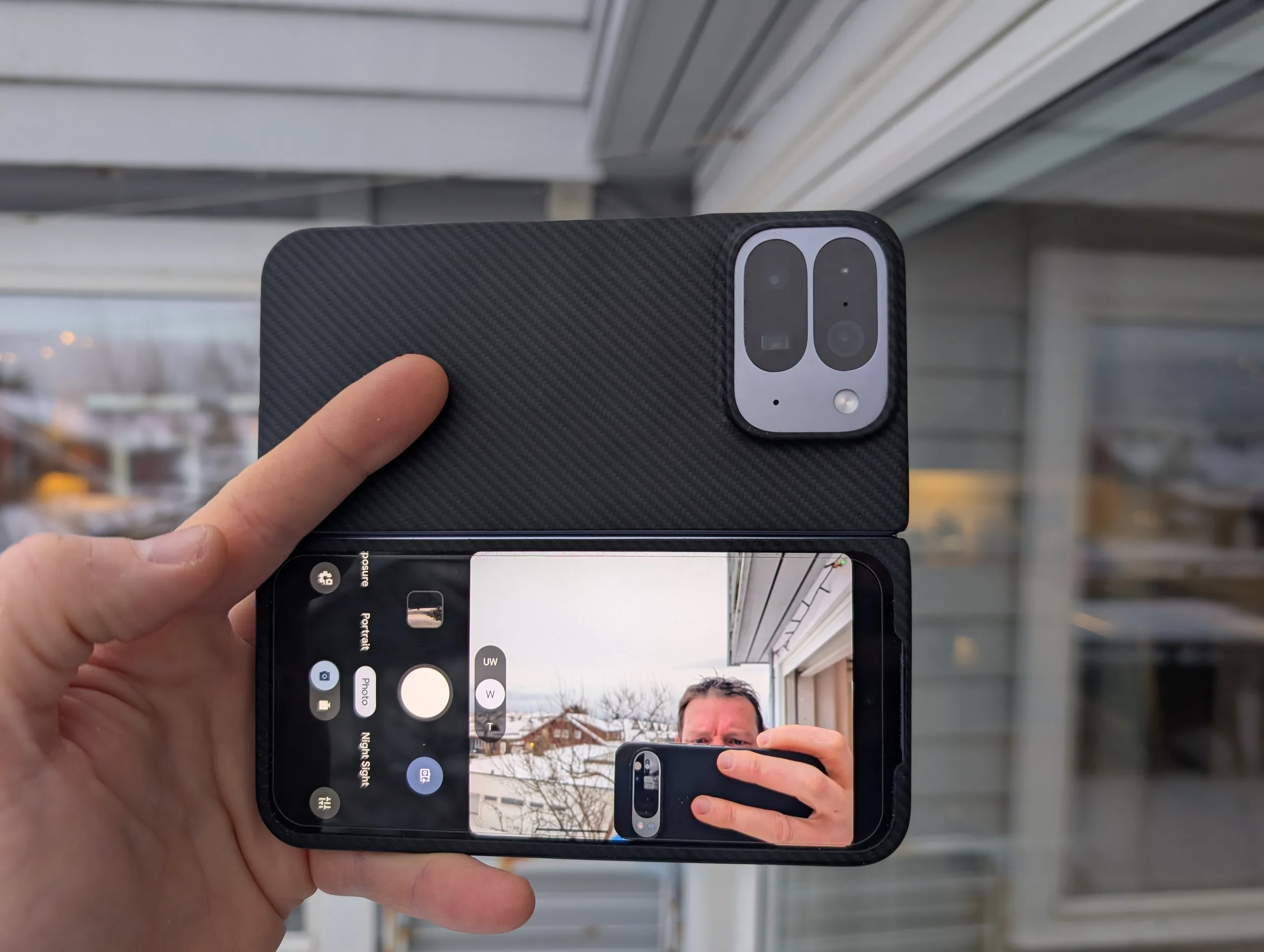
While it works, there are a good few seconds of establishing a firm grasp, and this method certainly isn't as practical as a traditional phone, even if the results are significantly better. The ability to make use of the utrawide for selfies should not be underrated. However, you can forget any sort of landscape selfies when taken with your right hand. Unless you have extendable thumbs, it's almost impossible to reach the shutter button.
Wrap Up
Of course, all of these experiences are just this writer's humble opinion, and your experience, alongside your use case, may well be entirely different. However, when foldable phones cost almost twice as much as a regular phone (or even more in the case of the Tri-Fold), they certainly don't carry twice the value proposition. The screen, while nice to have, doesn't add a great deal of additional value in terms of usage, and the less said about the Tensor G5, the better.
I wanted to love the Pixel 10 Pro Fold, but until we get foldables without compromise, this will likely be my last.
Source(s)
Personal experience; Reddit.com/r/PixelFold
 Add as a preferred source on Google


