




Apple iPod gets USB-C, Bluetooth and music streaming with Sprout upgrade kit
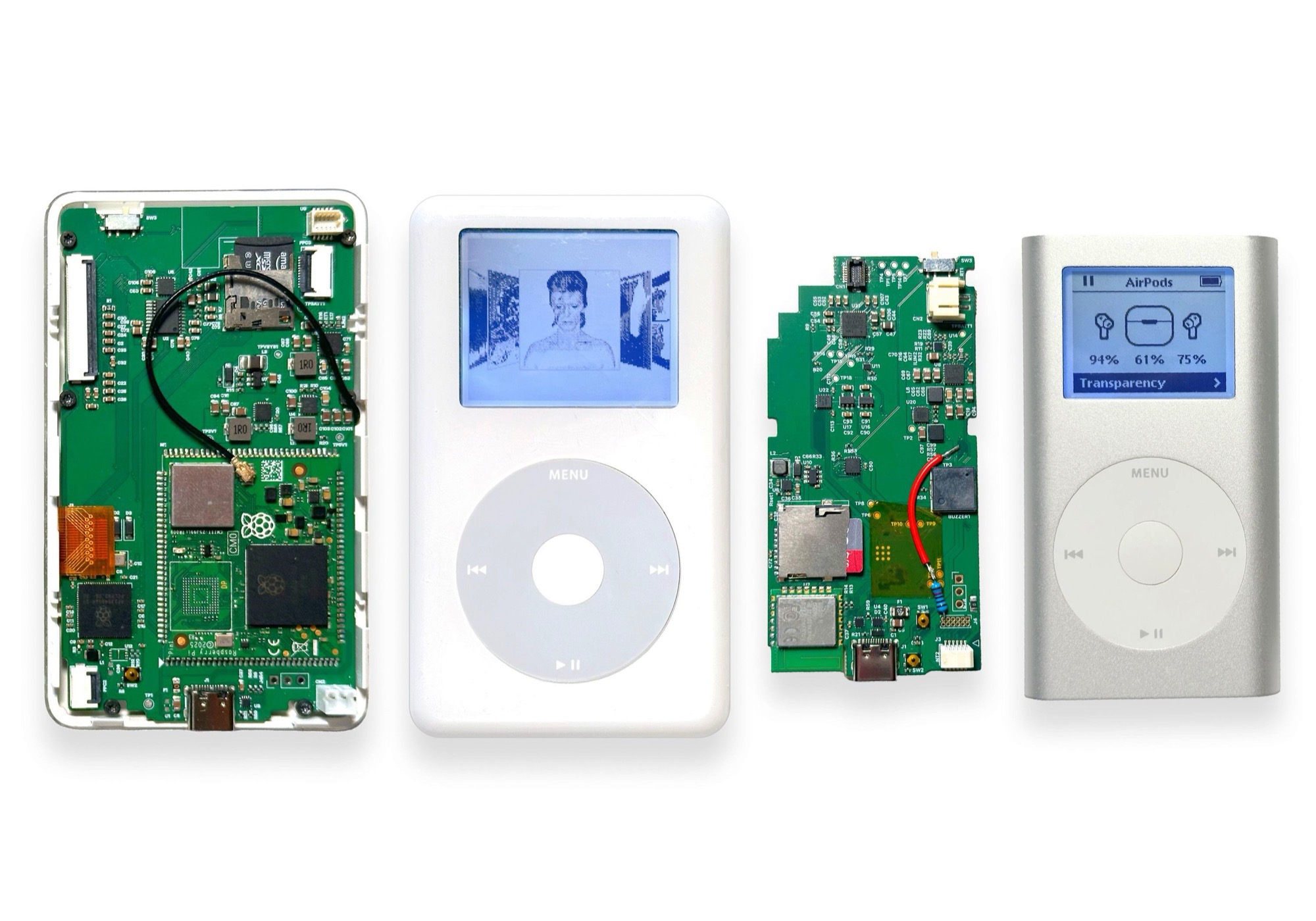
Classic Apple iPods are still functional, at least after a battery replacement, as the music players can be synced with modern Macs without any software modifications. However, the sometimes rather short battery life, the 30-pin charging connector and the restriction to locally stored music and wired headphones are no longer up to date.
A tinkerer now wants to address precisely these issues. Sean from Certain Things has published the first details of the Sprout Pi Mainboard on CrowdSupply, a mainboard based on the same microcontroller already used in the Raspberry Pi Pico 2 W ($17 on Amazon). The mainboard will be offered in versions for the third- and fourth-generation Apple iPod as well as the first- and second-generation iPod mini. Once it is installed in the iPod, the music player looks unchanged on the outside but gains a range of new features.
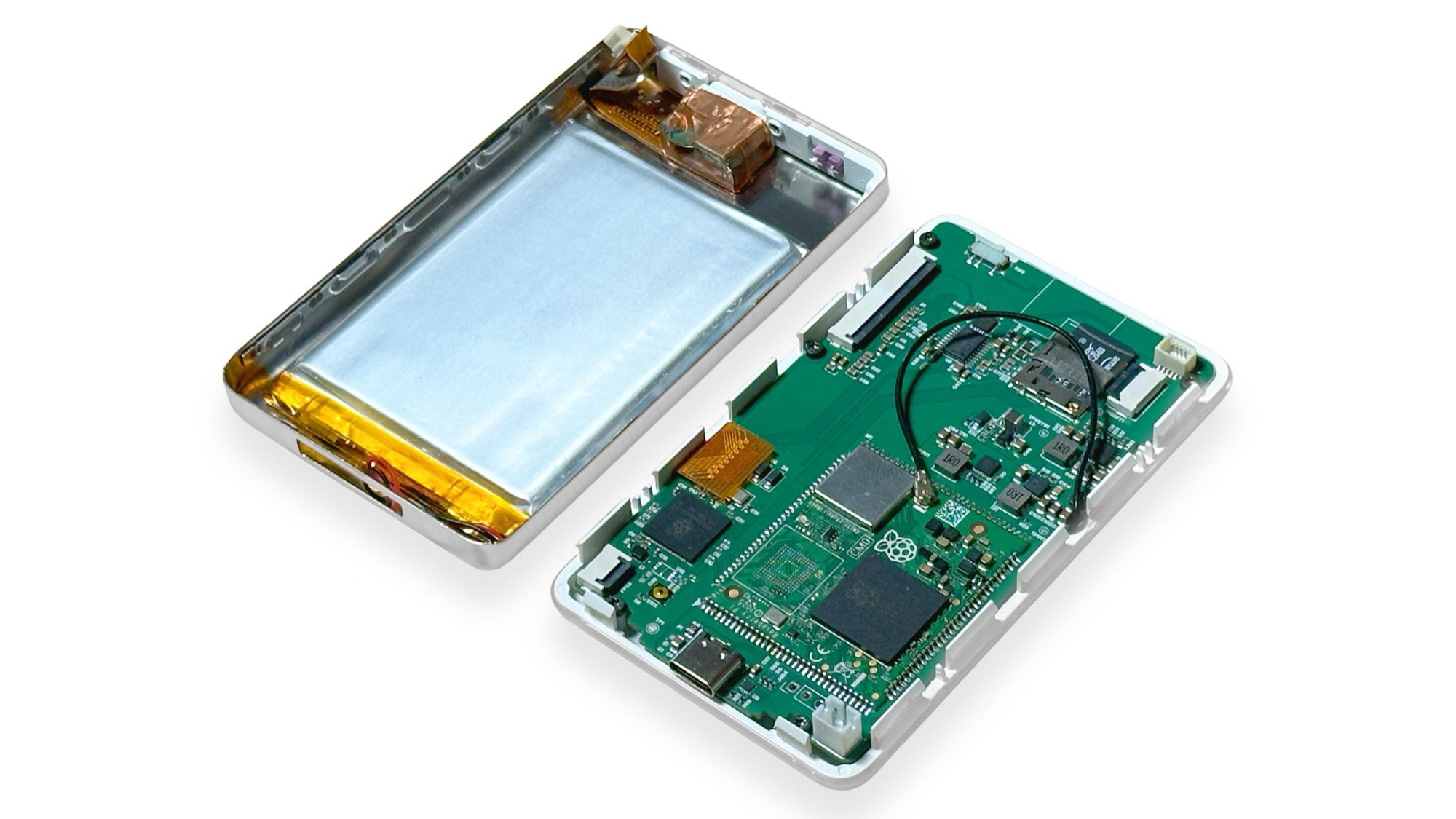
First and foremost, the battery can be charged via USB-C, with the iPod mini using a 1,200 mAh battery offering 20 hours of battery life, and the larger iPod using a 2,500 mAh battery offering 40 hours of battery life. The mainboard not only includes a modern DAC for better sound, but also a Bluetooth chip for wireless earbuds and the option to output audio via USB-C. Music can be stored on a microSD memory card. The display, Click Wheel and 3.5 mm headphone jack are retained from the iPod.
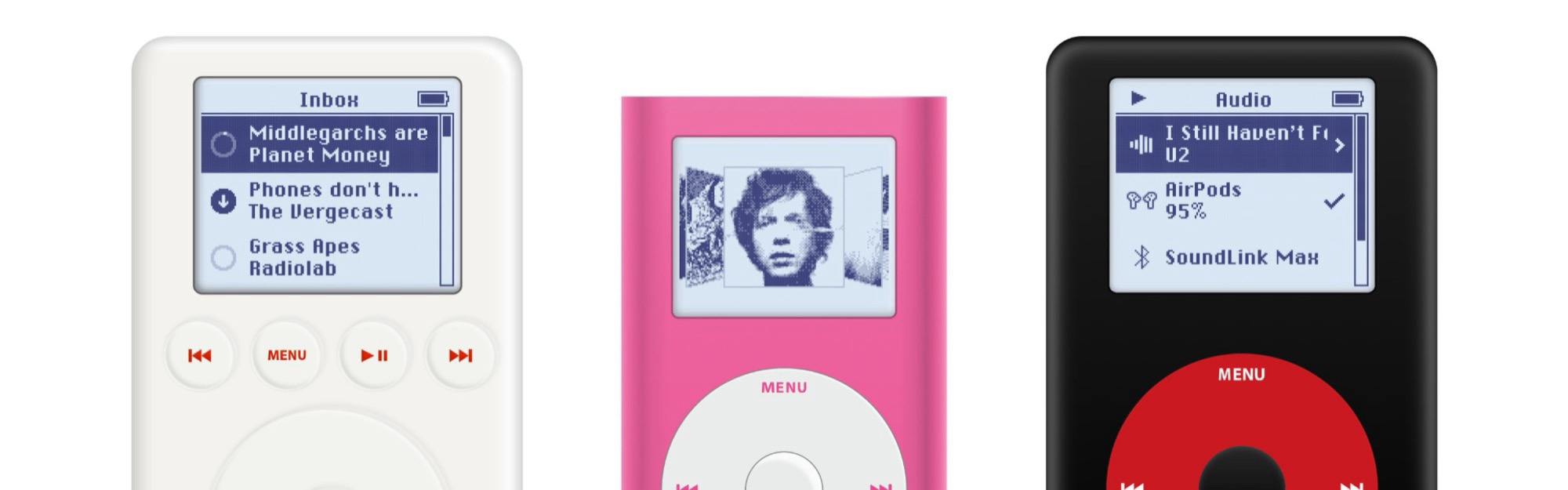
While Sprout Pico is limited to locally stored music, there is also a version for the larger iPod called Sprout Pi, which also supports Apple AirPlay, Apple Music and Spotify thanks to a Wi-Fi chip. The Raspberry Pi Compute Module Zero also makes it possible to install custom apps on this model. Modifying an iPod is said to be possible without specialized tools or a soldering iron. Although the firmware is replaced, the user interface closely resembles that of the iPod.
Open-source project is still work in progress
Both the hardware and firmware for Sprout will be released under an open-source license, allowing hobbyists to build the project themselves. Once development is complete, the mod kit can be ordered on CrowdSupply while the open-source files will be published on GitHub.
Source(s)
 Add as a preferred source on Google


No comments for this article
