



An ultra-compact robot vacuum that reaches almost every corner: Lefant L12 Pro review
With a mop roller.
The Lefant L12 Pro is much smaller than other robot vacuums, so it gets into corners far more easily. Our review looks at what else sets this affordable model with a mop roller apart and whether it’s worth buying.Marcus Schwarten (translated by Marcus Schwarten (AI-supported)) Published 🇩🇪
Lefant L12 Pro verdict: Its compact size is its biggest strength
The Lefant L12 Pro’s biggest strength in our tests was undoubtedly its compact size. It gets into corners and through tight gaps far more easily than many other robot vacuums, giving it better coverage. The dock also takes up less space, and mopping performance is solid. However, our tests revealed a few weaknesses, including obstacle avoidance.
At a list price of just under €700 (in Germany), the Lefant L12 Pro delivers respectable performance. It can’t match the Ecovacs Deebot T90S Pro Omni, for example, which lists for only €100 more. However, the L12 Pro usually sells for well below its list price, which makes it better value. If you can get it at a bargain price and don’t have especially demanding cleaning needs or a tricky home layout, it’s a solid choice.
Pros
Cons
Price and availability
In Europe, the Lefant L12 Pro has a list price of €699.99, but it’s often available for much less on Amazon. It cost €459.99 at the time of testing.

Table of Contents
- Lefant L12 Pro verdict: Its compact size is its biggest strength
- Features: Much smaller than the competition
- Setup & app: Simple and easy to use
- Navigation & obstacle detection: Reaches more corners than other models
- Cleaning performance: Vacuums and mops effectively on smooth surfaces
- Battery life & power consumption: Efficient but loud
Lefant has made a name for itself with relatively affordable robot vacuums. That holds true for the L12 Pro we tested: its list price of just under €700 is relatively low for a model with a mop roller. Like many of Lefant’s other models, it also tends to sell for considerably less than its list price.
But is it worth buying? We put it to the test to see where the Lefant L12 Pro stands out and where it falls short.
Lefant L12 Pro specifications
| Feature/model | Lefant L12 Pro |
|---|---|
| Navigation | DToF + LiDAR |
| Obstacle avoidance | DToF + LiDAR |
| Suction power | 25,000 Pa |
| Hair anti-tangle design | Yes |
| Extendable side brush | No |
| Mopping technology | Mop roller |
| Mop can extend/lift/be left behind | Yes/Yes/No |
| Obstacle clearance | 1.5 cm |
| Robot height | 95 mm |
| Self-emptying dock | No |
| Clean/dirty water tanks | 3 / 2 L |
| Mop washing | Yes |
| Mop drying | Yes (cold air) |
| Cleaning solution | No |
| Voice assistant | No |
| Live video | No |
| Matter | No |
| Standout feature | Only 28 cm in diameter |
| List price | €699 |
Features: Much smaller than the competition
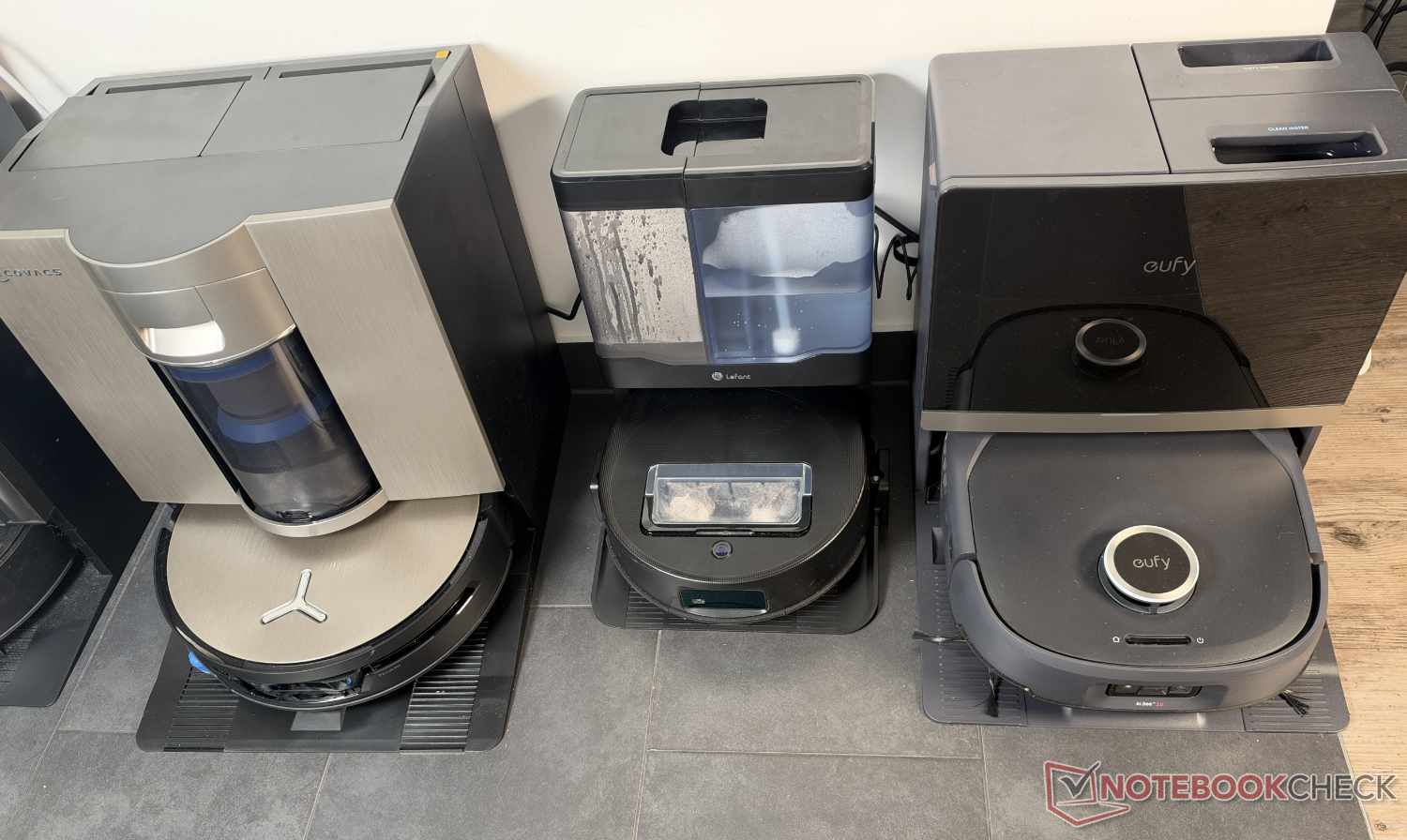
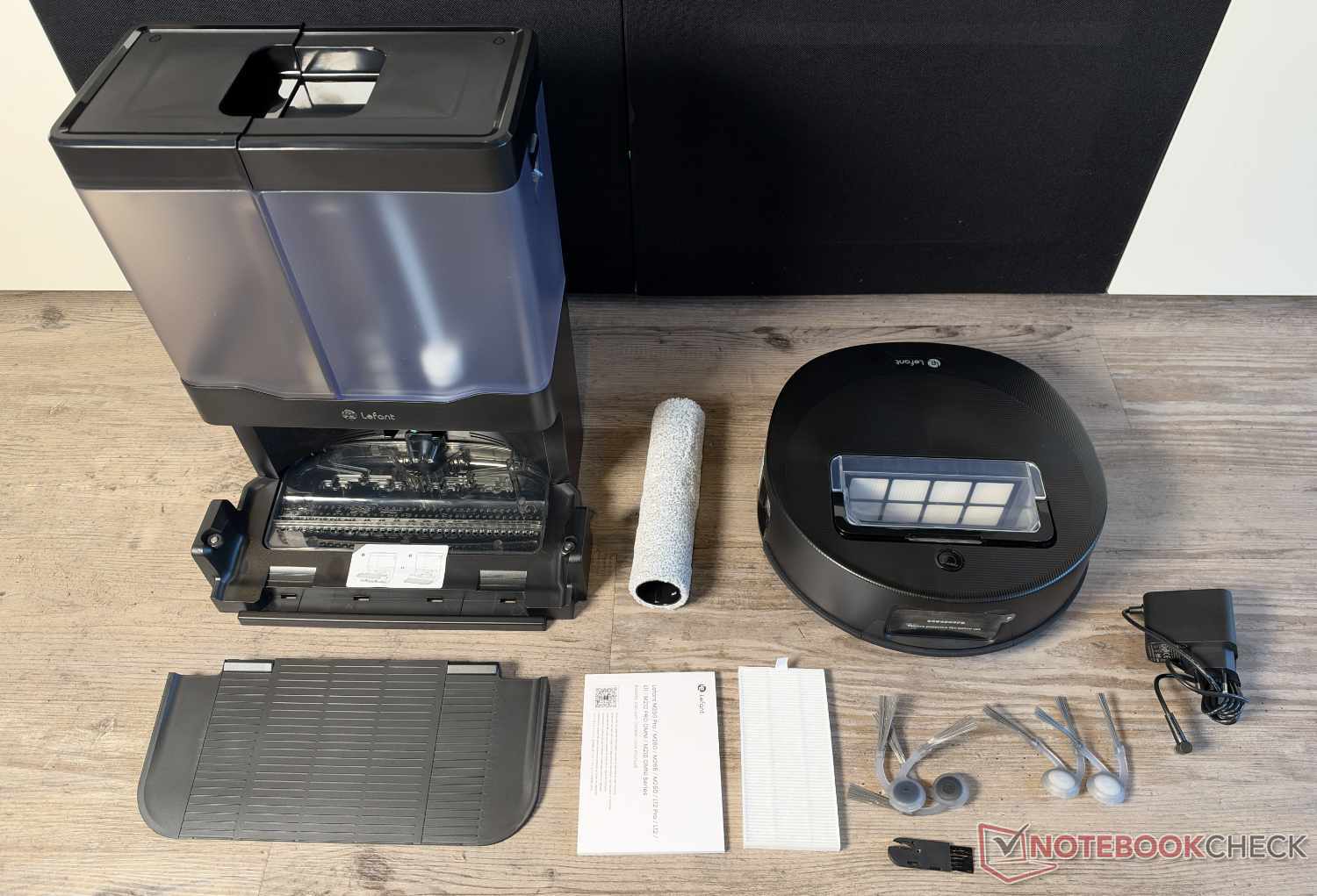
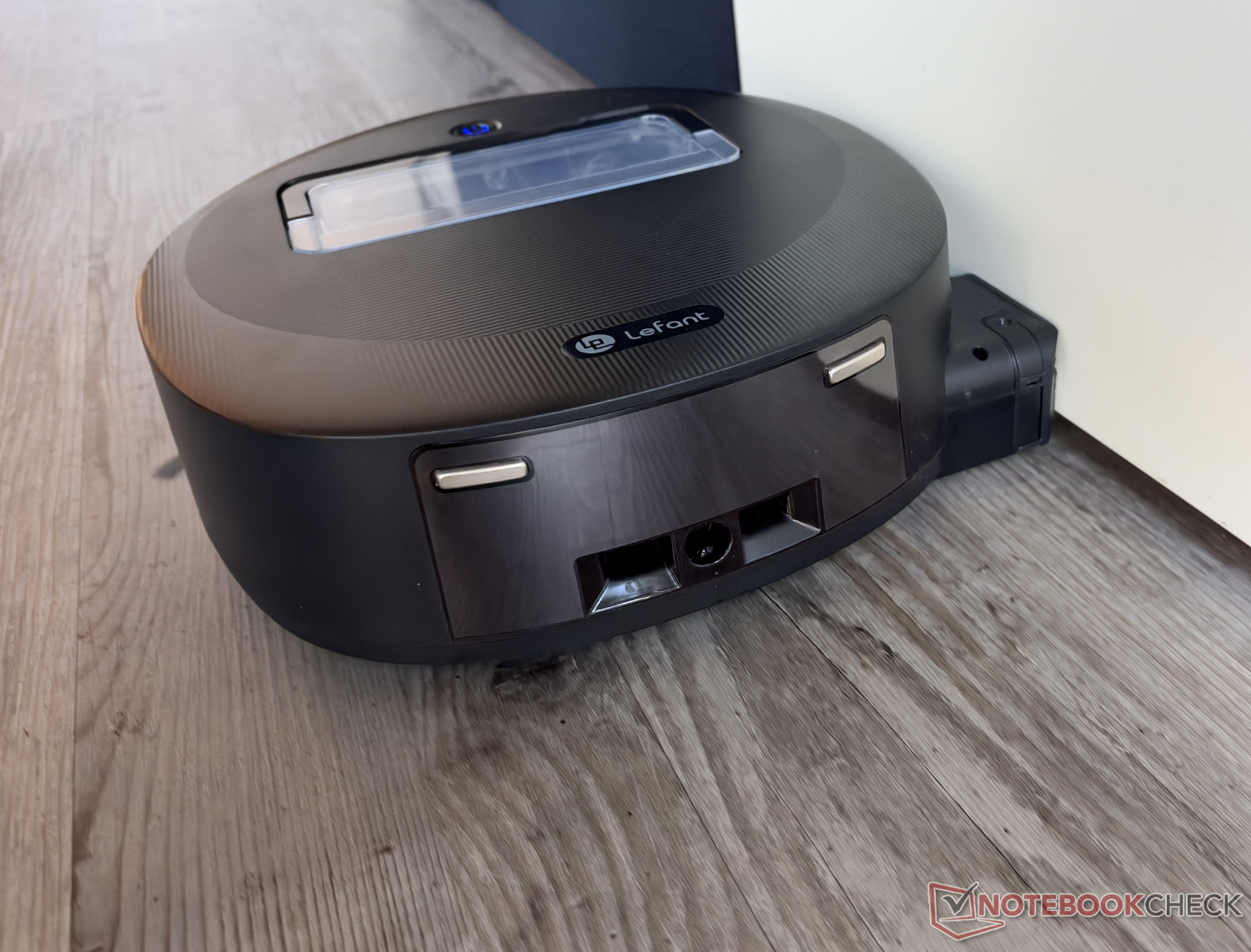
It’s immediately obvious that the Lefant L12 Pro is much smaller than the vast majority of robot vacuum-mop combos on the market. At just 28 cm across, it’s about 5 to 8 cm narrower than typical competing models. The included dock is also much smaller, which saves a fair amount of space. It looks almost like a toy next to other models we’ve tested, such as the Anker Eufy HydroJet E35 (about €800 on Amazon) or even the Ecovacs Deebot X12S OmniCyclone (about €800 on Amazon).
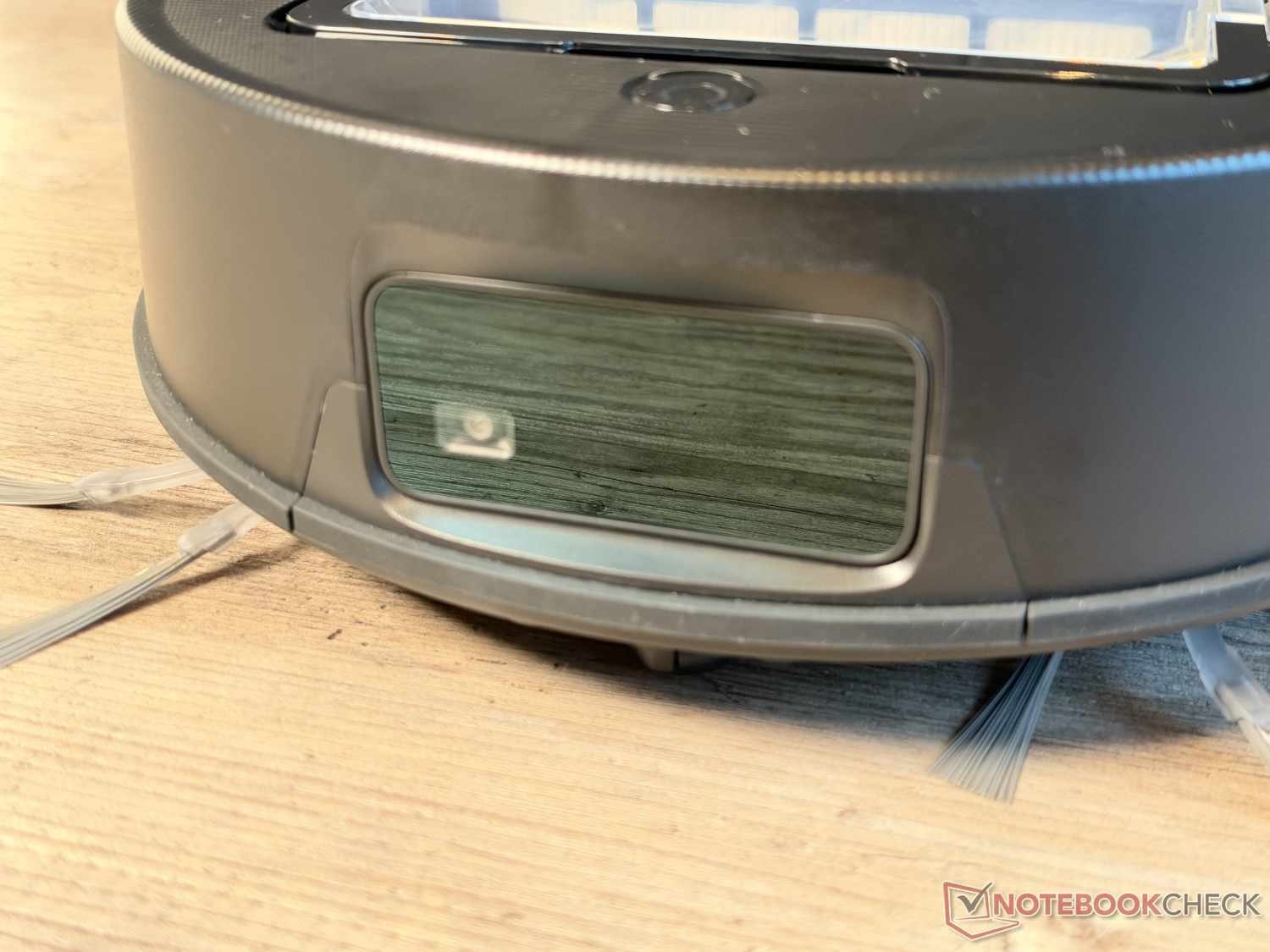
Lefant still manages to fit a number of features into the L12 Pro, though there are some trade-offs, particularly in detecting and crossing obstacles. It navigates using dToF and a line laser, for example, but it doesn’t have a front-facing camera. We’ll explain below how much we missed it in testing.
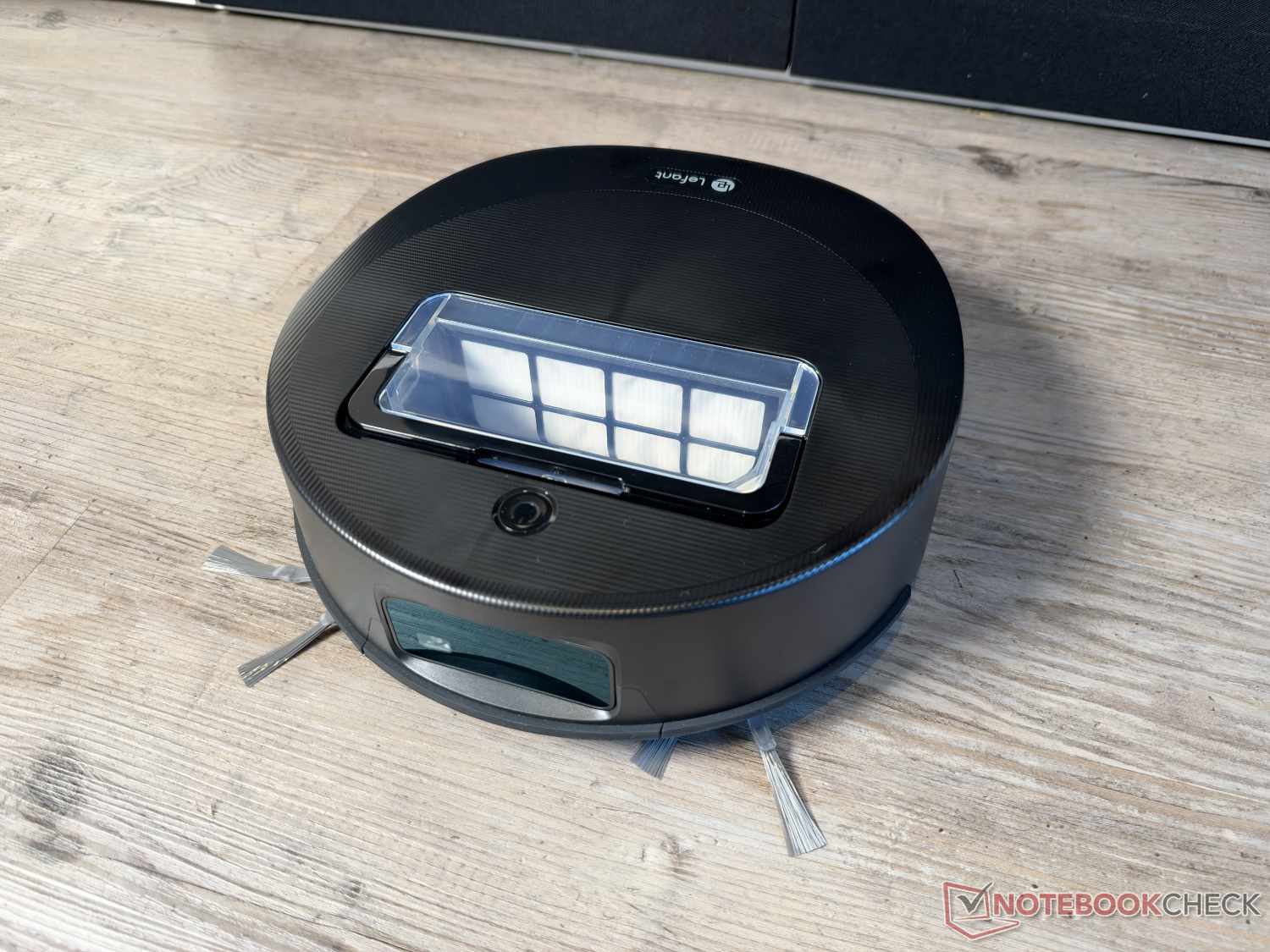
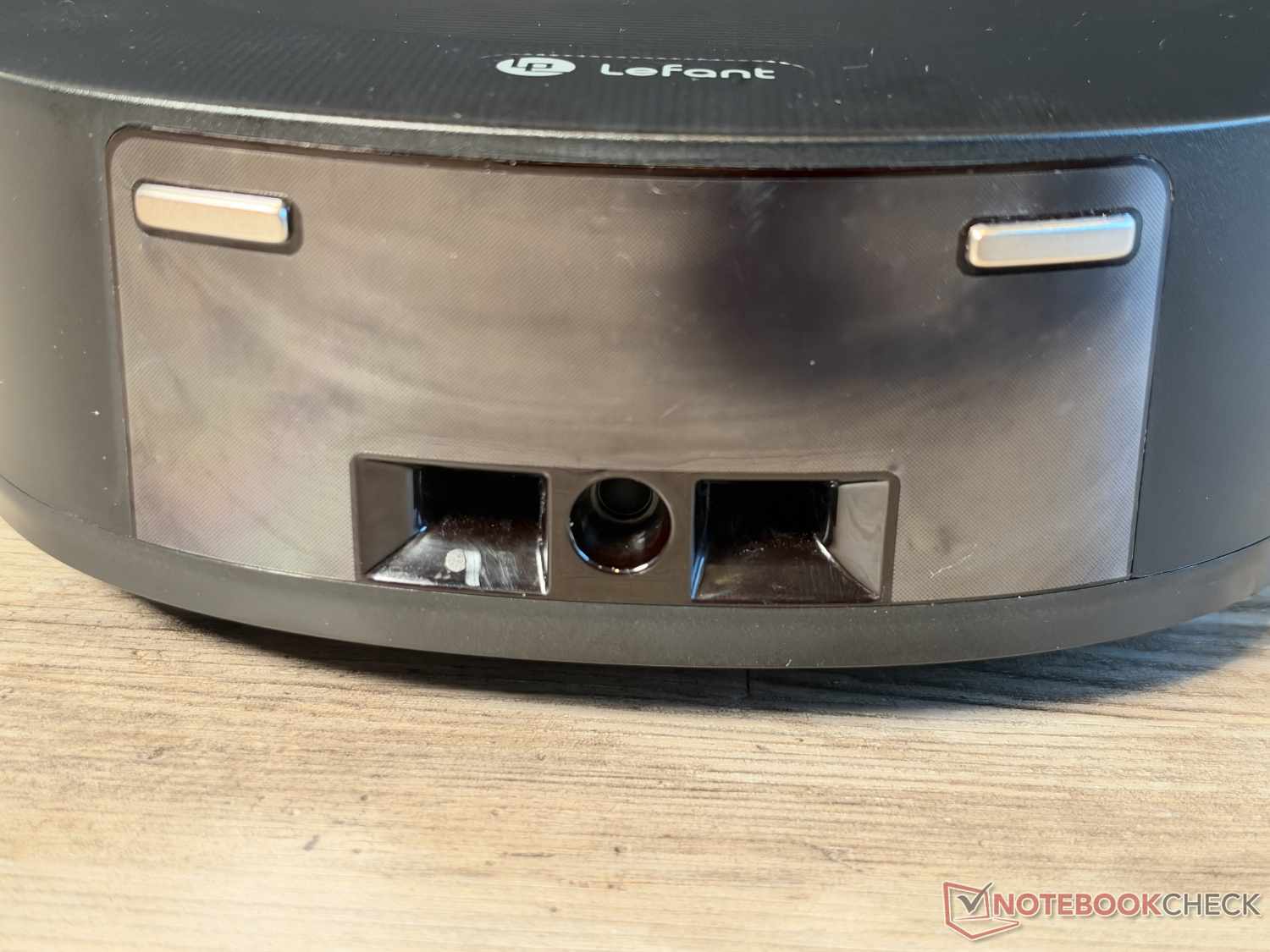
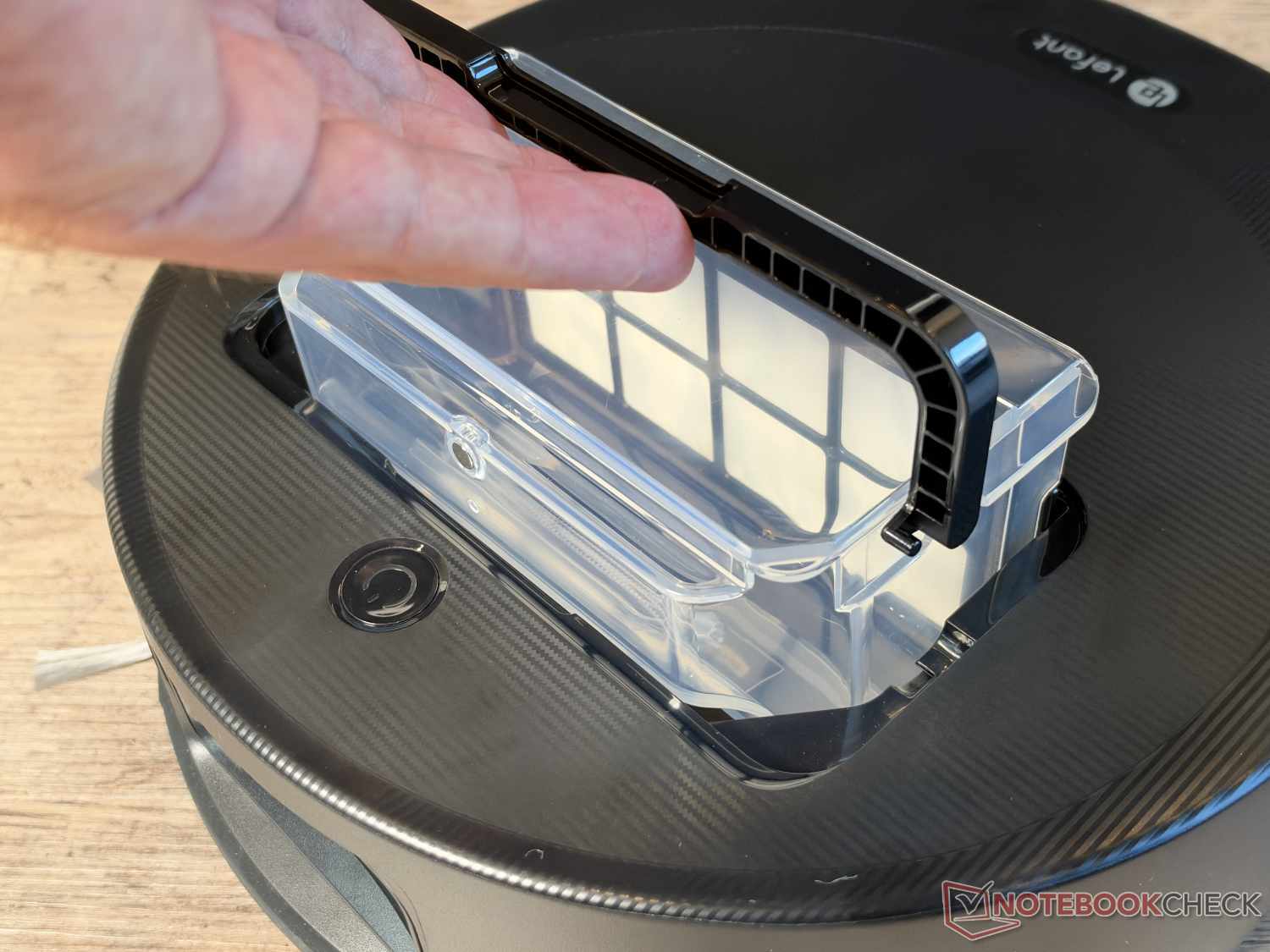
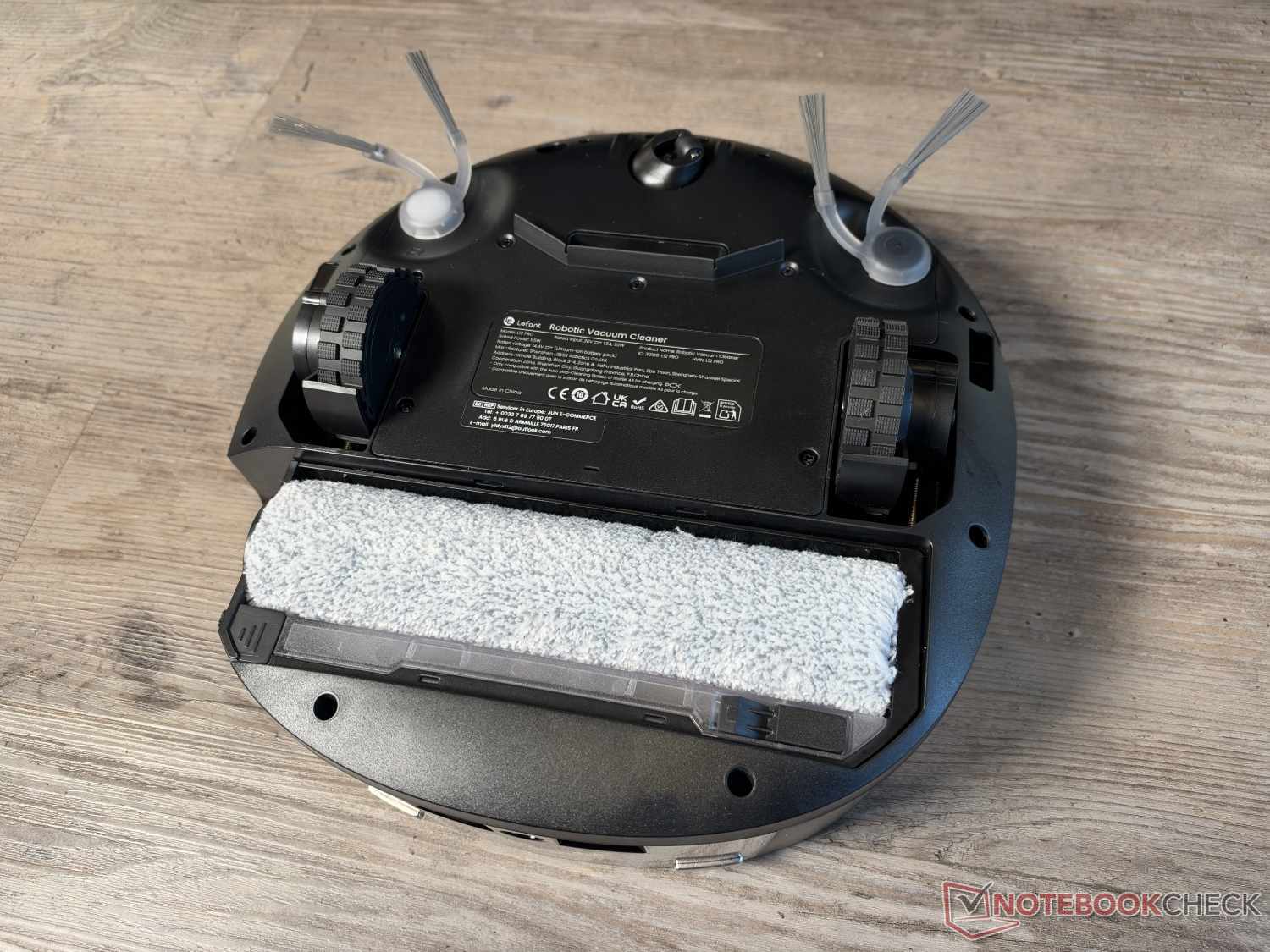
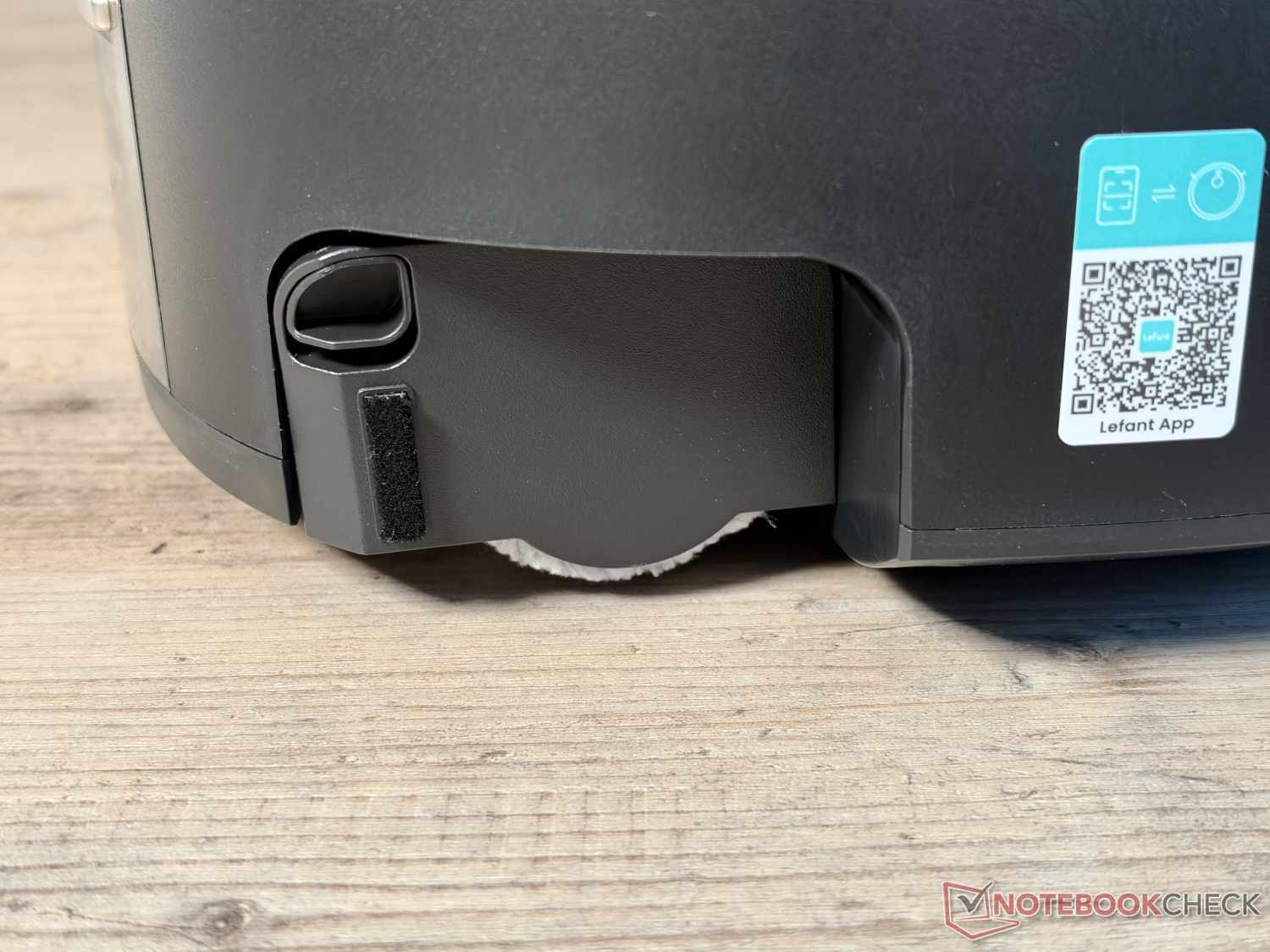
At 25,000 Pa, suction power isn’t especially high, but it’s fine for this price range. Aside from its compact size, the standout feature is the mop roller. At 20 cm wide, it’s smaller than the rollers in many other robot vacuums that use this advanced mopping technology. Even so, it’s rinsed with fresh water, extends for edge cleaning, and can lift by 10 mm to clear carpets.
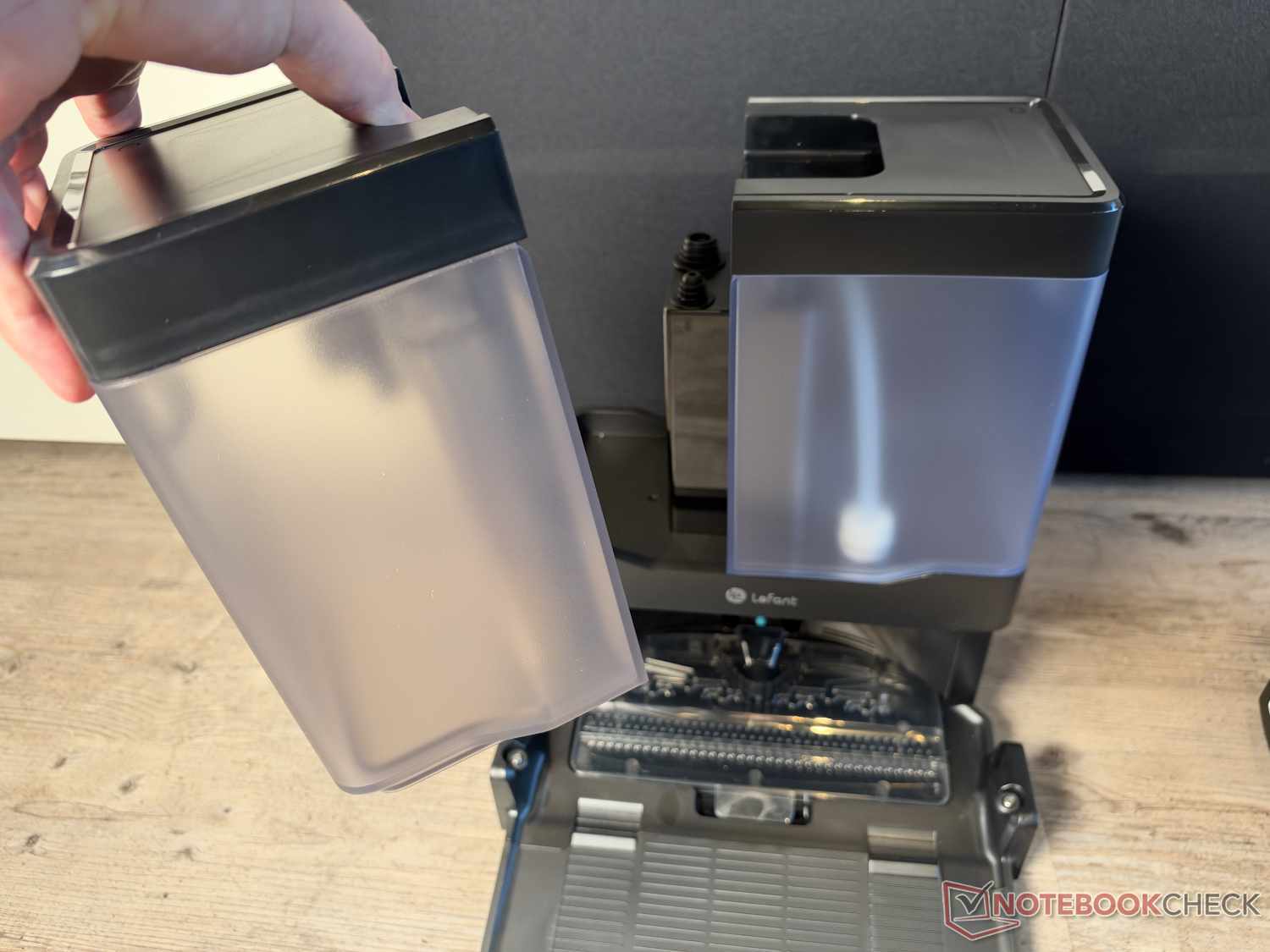
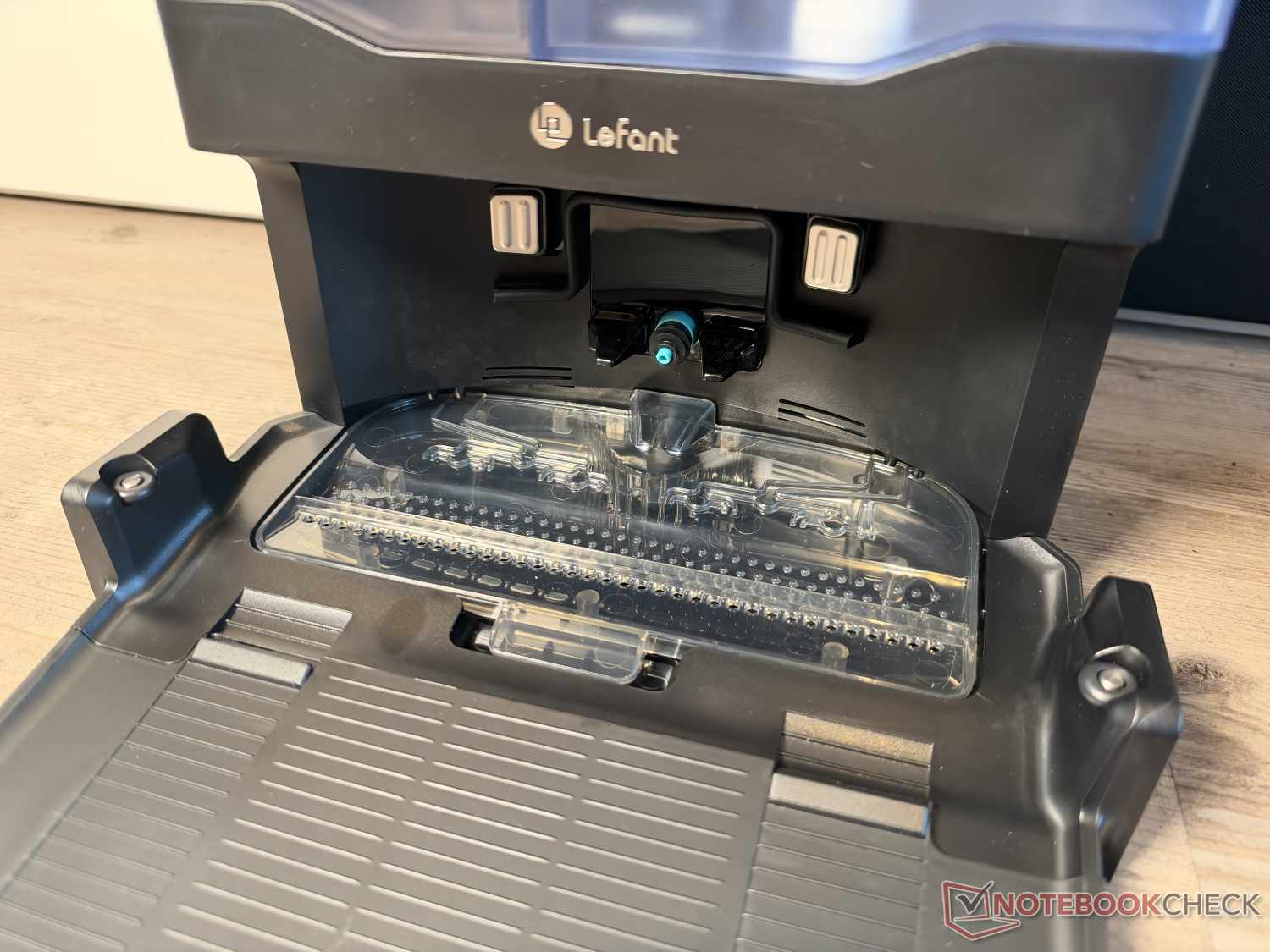
The dock has a 3 L clean-water tank and a 2 L dirty-water tank for washing the mop roller. It then dries the roller with cold rather than warm air. There’s also no automatic emptying into a dust bag, which keeps running costs down. Instead, the robot has a 1 L dustbin that needs to be emptied by hand from time to time. The bin is transparent and has no cover, so the dirt is always visible. That makes it easy to see how full it is, but it’s not particularly pleasant to look at.
Setup & app: Simple and easy to use
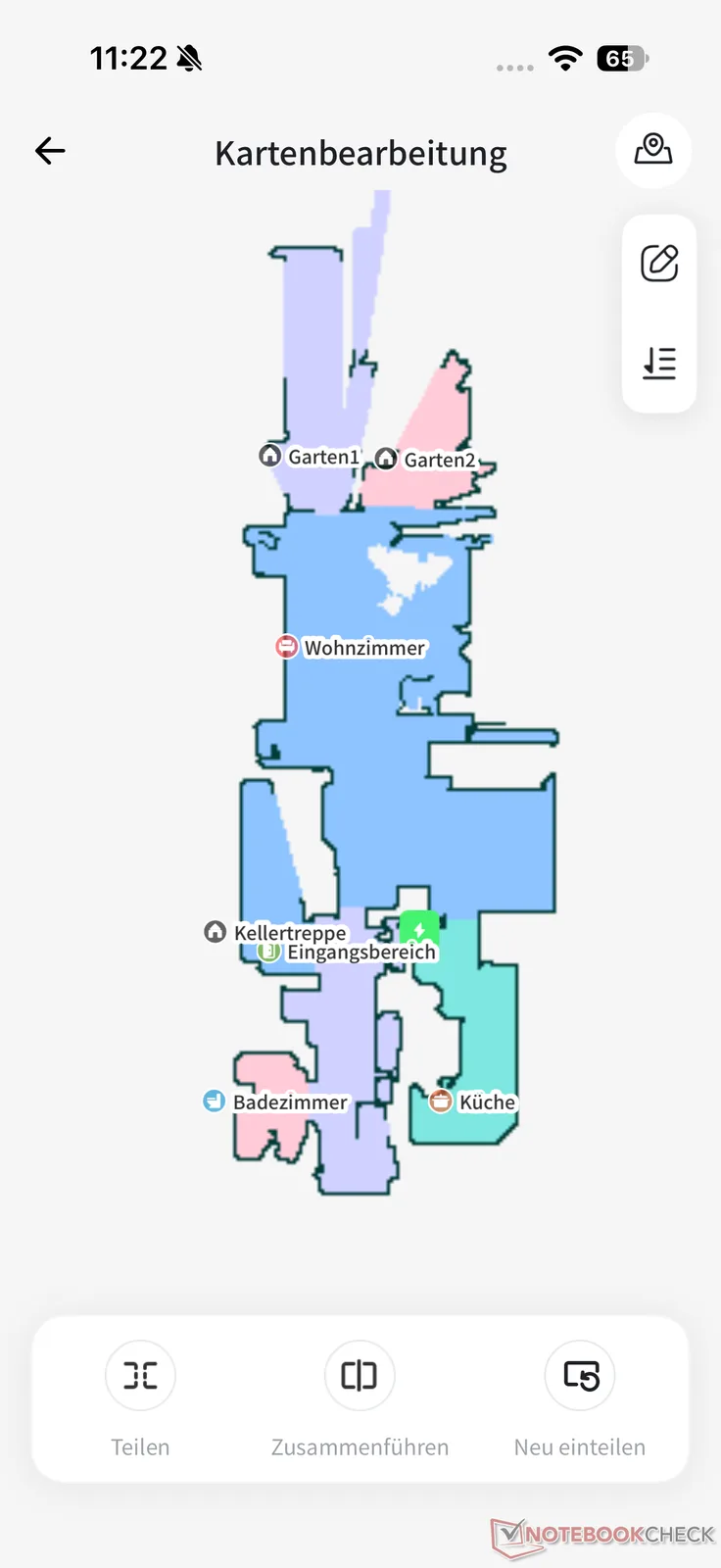
Setting up the Lefant L12 Pro was straightforward in our tests. The Lefant app first connects to the robot, then to your home Wi-Fi. The robot then makes the usual mapping run to create a virtual map. Here, the L12 Pro couldn’t quite keep up with more expensive competitors. It mapped the boundaries accurately, but it wasn’t as good at identifying individual rooms. It even mistook an adjacent patio visible through floor-to-ceiling windows for another room.
Map editing is fairly basic. You can split, merge, and name rooms and set the order in which they’re cleaned. You can also draw no-go zones on the map, which shows the robot’s progress as it cleans.
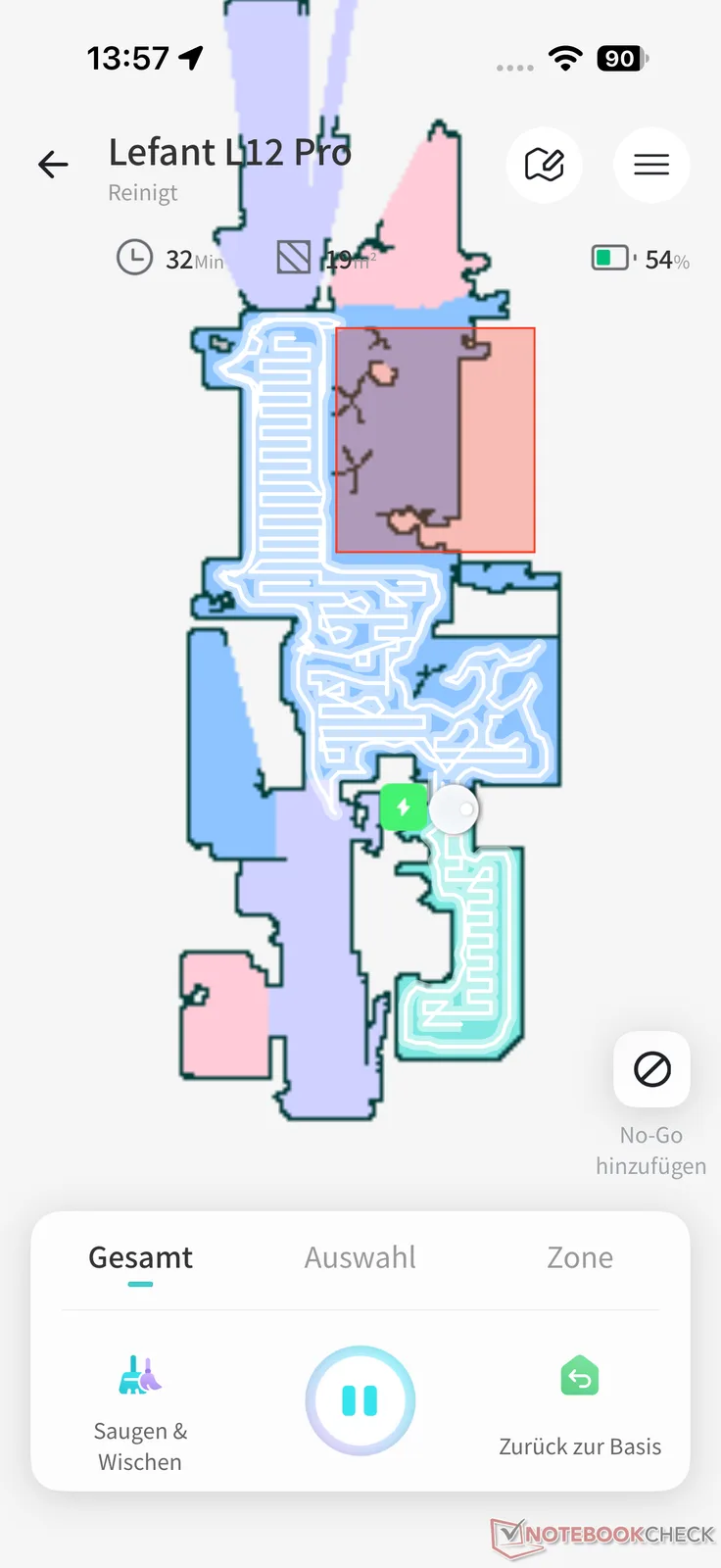
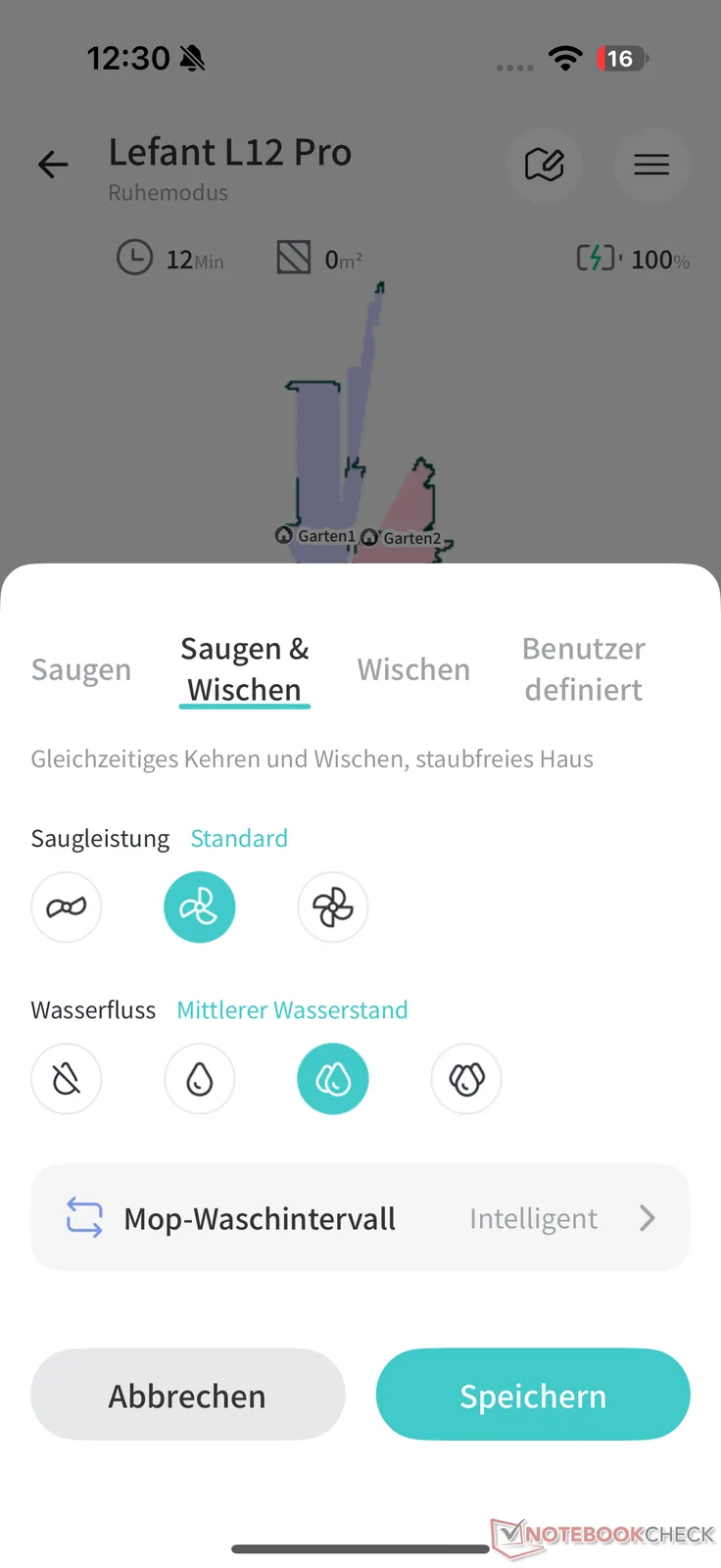
At the bottom of the screen, you can start or stop cleaning and adjust the settings for the run. The available modes are “Vacuum,” “Vacuum & mop,” “Mop,” and “Custom,” which lets you set preferences for each room. There are three suction levels (quiet, standard, and turbo) and four water flow settings (off, low, medium, and high). You can also set how often the mop is washed. There are no further options for things like the cleaning route.
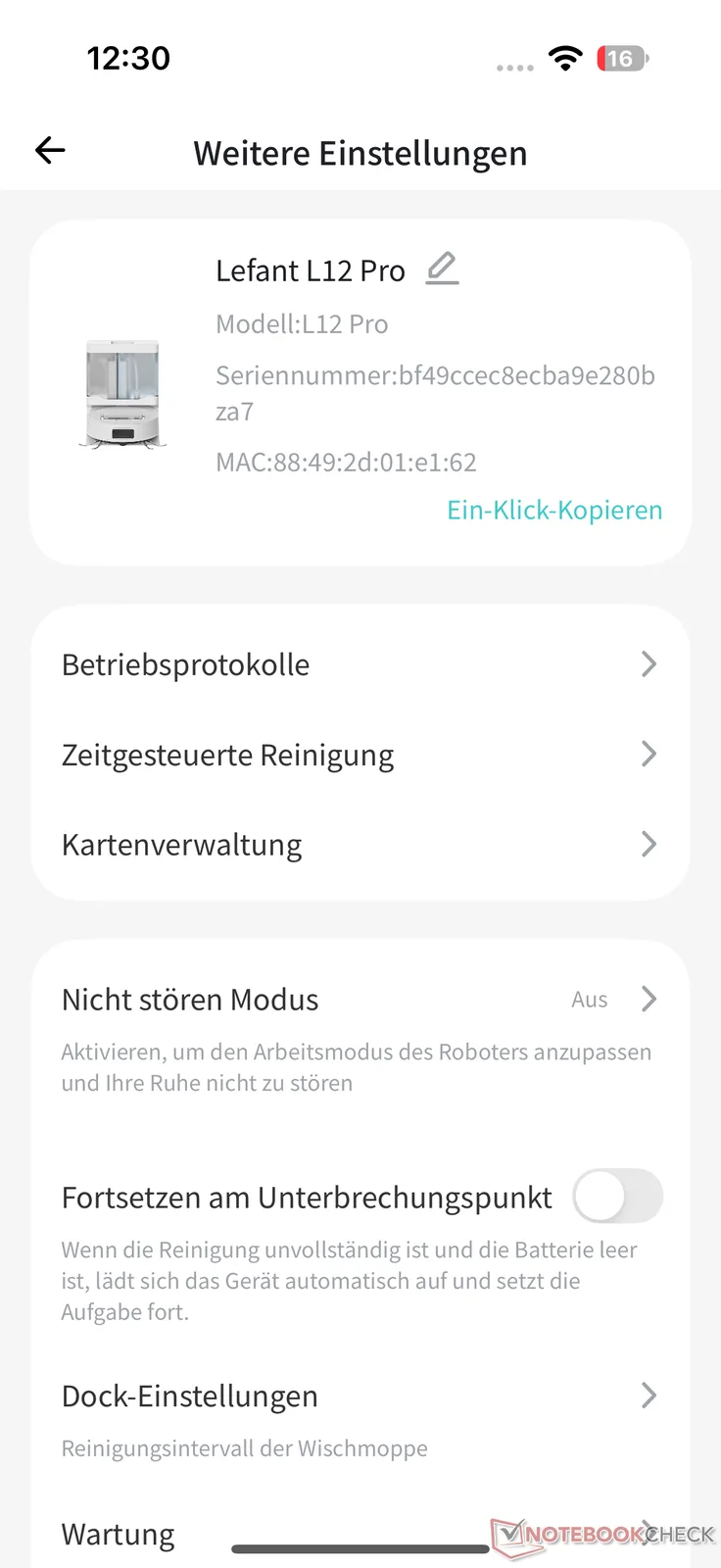
The settings menu is fairly basic, too. Alongside activity logs and scheduled cleaning, there are a few options for the dock and carpet cleaning. Overall, there are far fewer options than on many competing models from Roborock, Dreame, Ecovacs, and others. The German translation of the Lefant app is also rough in places.
Navigation & obstacle detection: Reaches more corners than other models
For navigation, Lefant uses a combination of dToF and LiDAR, both mounted at the front. This makes for reliable navigation, but without a 360-degree view, the robot occasionally spins in place. Between that, its narrow body, and its relatively slow pace, it’s not among the fastest models. It took over 45 minutes to clean 25 square meters in our test, partly because it sometimes chose an inefficient direction to clean in.
Obstacle avoidance is more of a problem. Lefant has left out the front-facing camera. The L12 Pro handles larger obstacles such as furniture, but it often bumps into thin chair legs, let alone the smaller obstacles we set out. It ran into one test item after another, including shoelaces and interlocking building bricks. It did detect larger items such as a sock, although its two side brushes sometimes made contact with them and pushed them out of place.
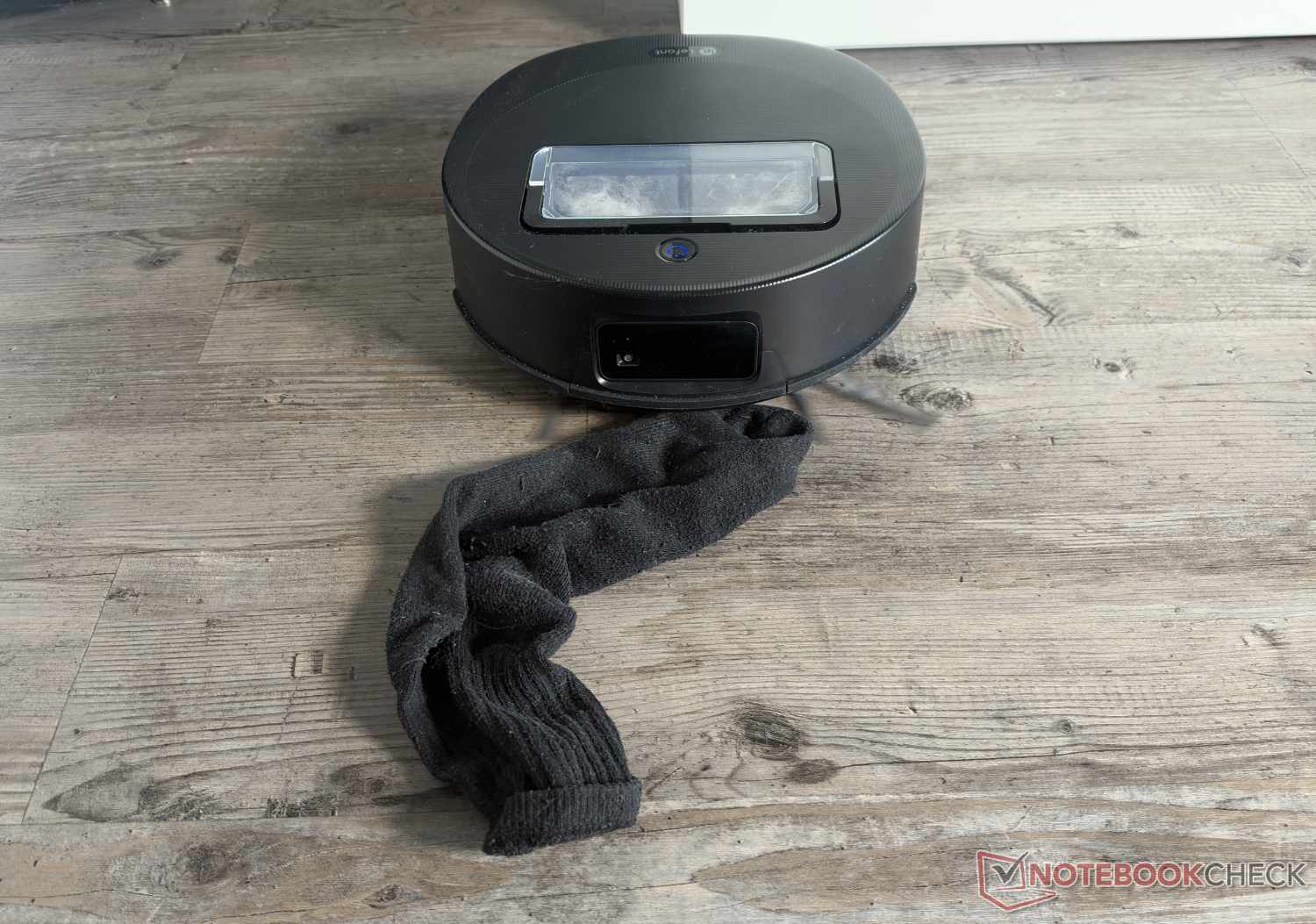
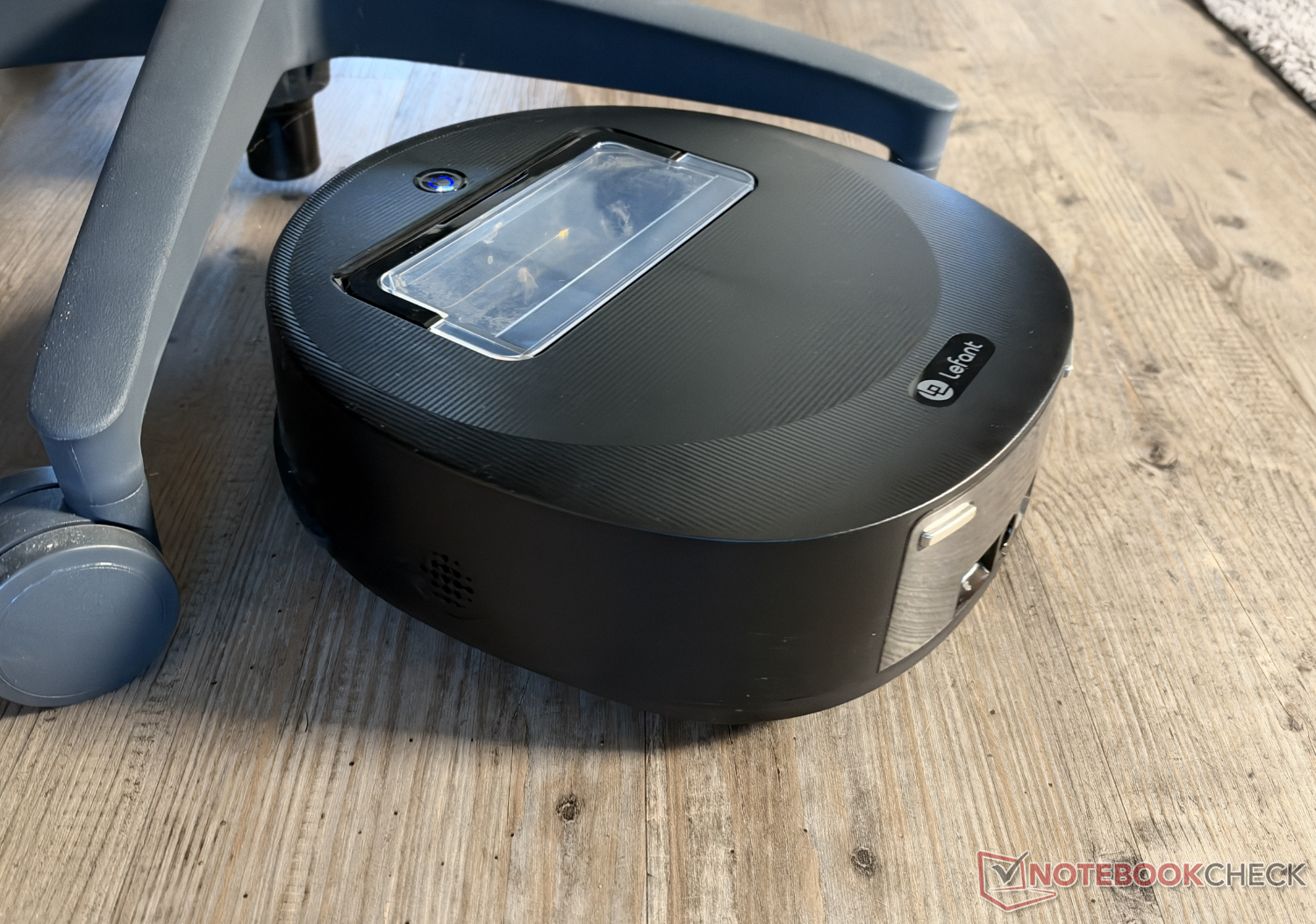
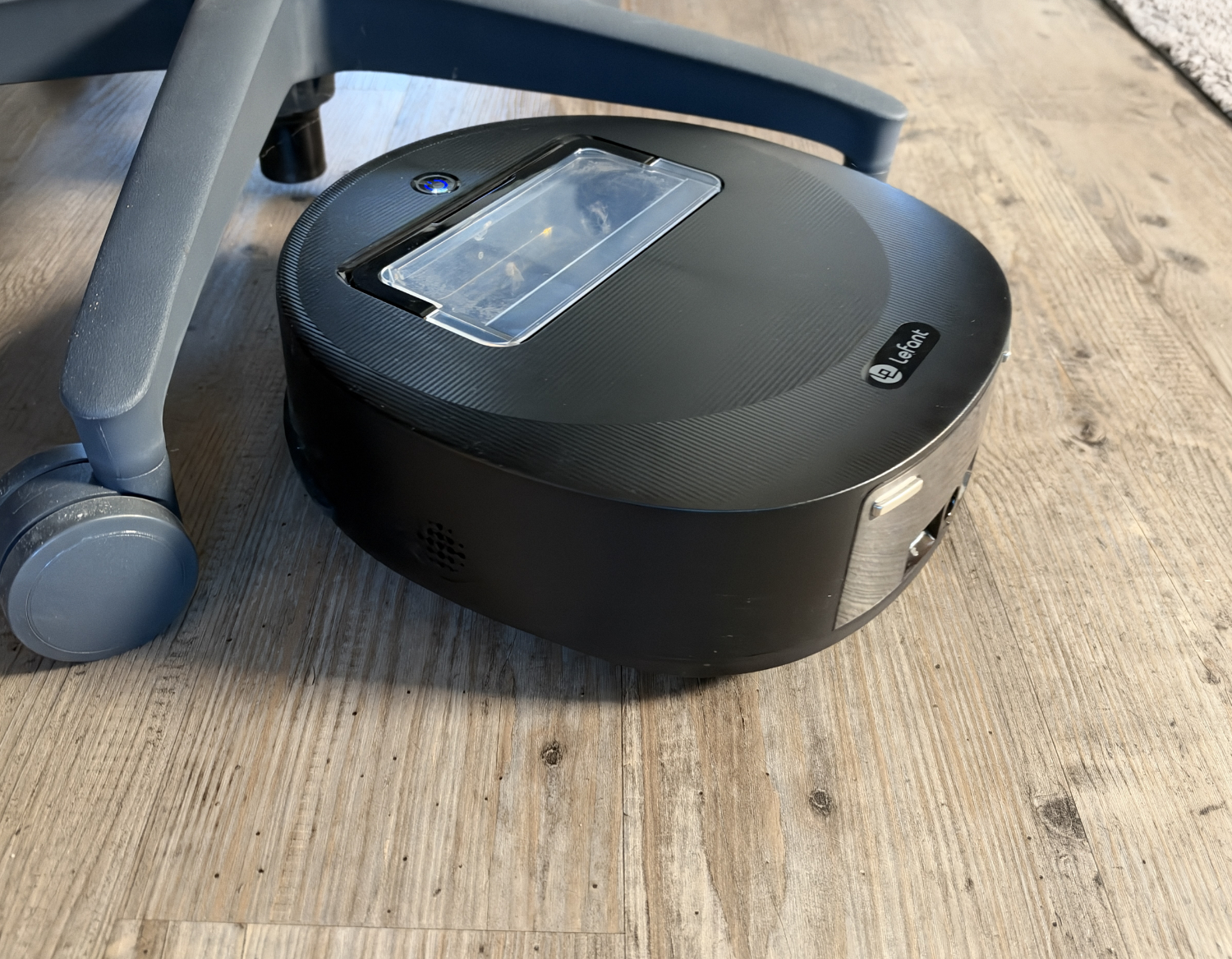
The robot’s compact size is particularly useful in tight spaces. It fits into more gaps and reaches farther into them than many other robot vacuums, such as between the spokes of an office chair base. That gives it better coverage than larger models. The L12 Pro can also get under some furniture with legs. At 95 mm, it isn’t ultra-slim, but it’s still lower than many other budget models with a fixed laser turret.
Cleaning performance: Vacuums and mops effectively on smooth surfaces
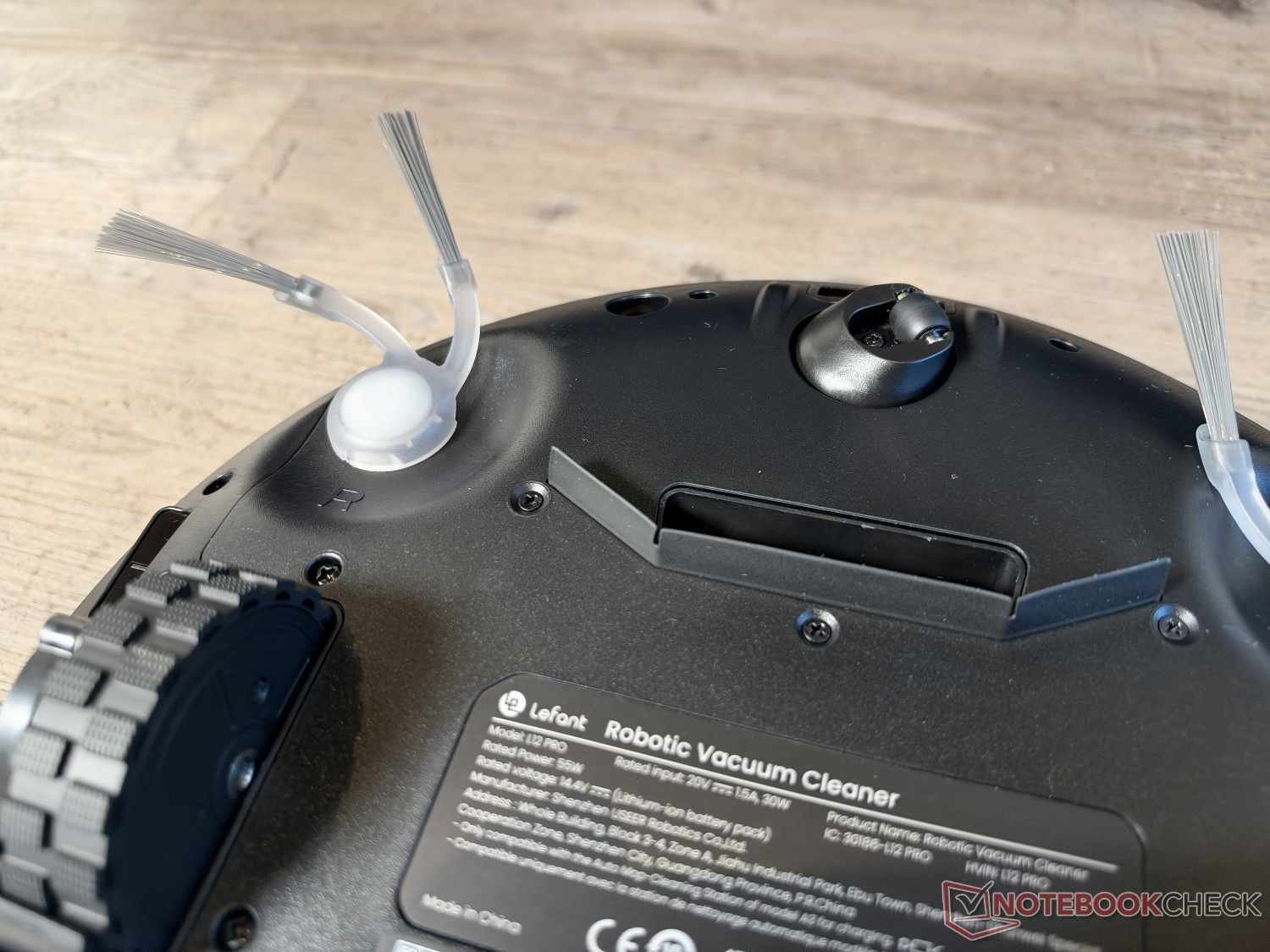
Suction power of 25,000 Pa is respectable, but it’s no longer especially high. Unusually, Lefant skips the rotating main brush and uses a simple suction inlet on the underside instead. The two spinning side brushes sweep debris toward it. Neither brush extends, and both rattle audibly as they turn. The setup works fairly well on smooth floors. The results weren’t perfect in our tests, but it handled everyday dirt well enough.
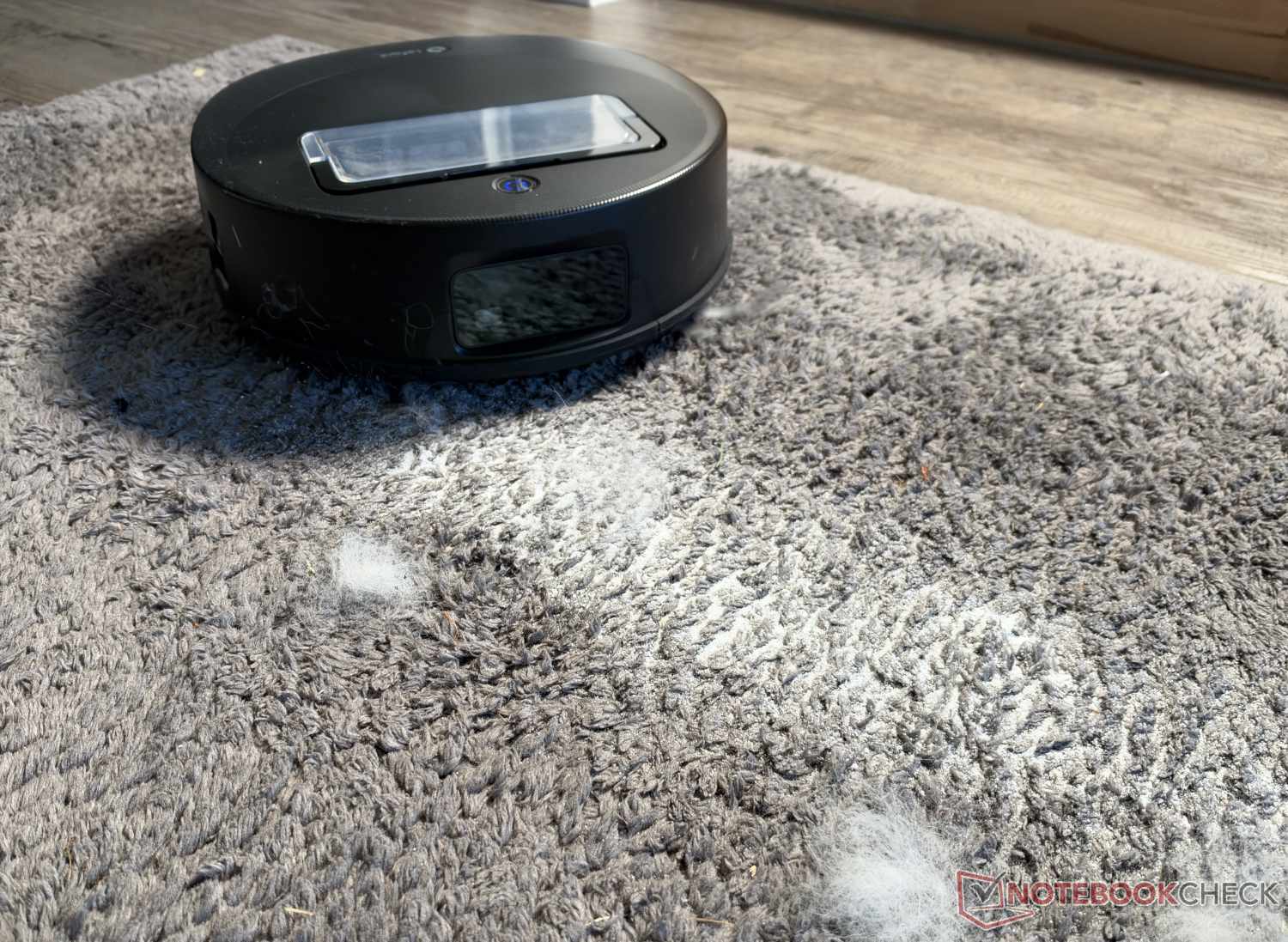
The Lefant L12 Pro has more trouble on carpet, especially with a longer pile. On a medium-pile carpet, the robot left behind a substantial amount of fine test debris and quite a bit of dog hair. The results were only slightly worse than those of the more expensive Anker Eufy HydroJet E35, but the L12 Pro couldn’t keep up with many other models we’ve tested, though those often cost more. That’s worth keeping in mind if you have thick carpets.
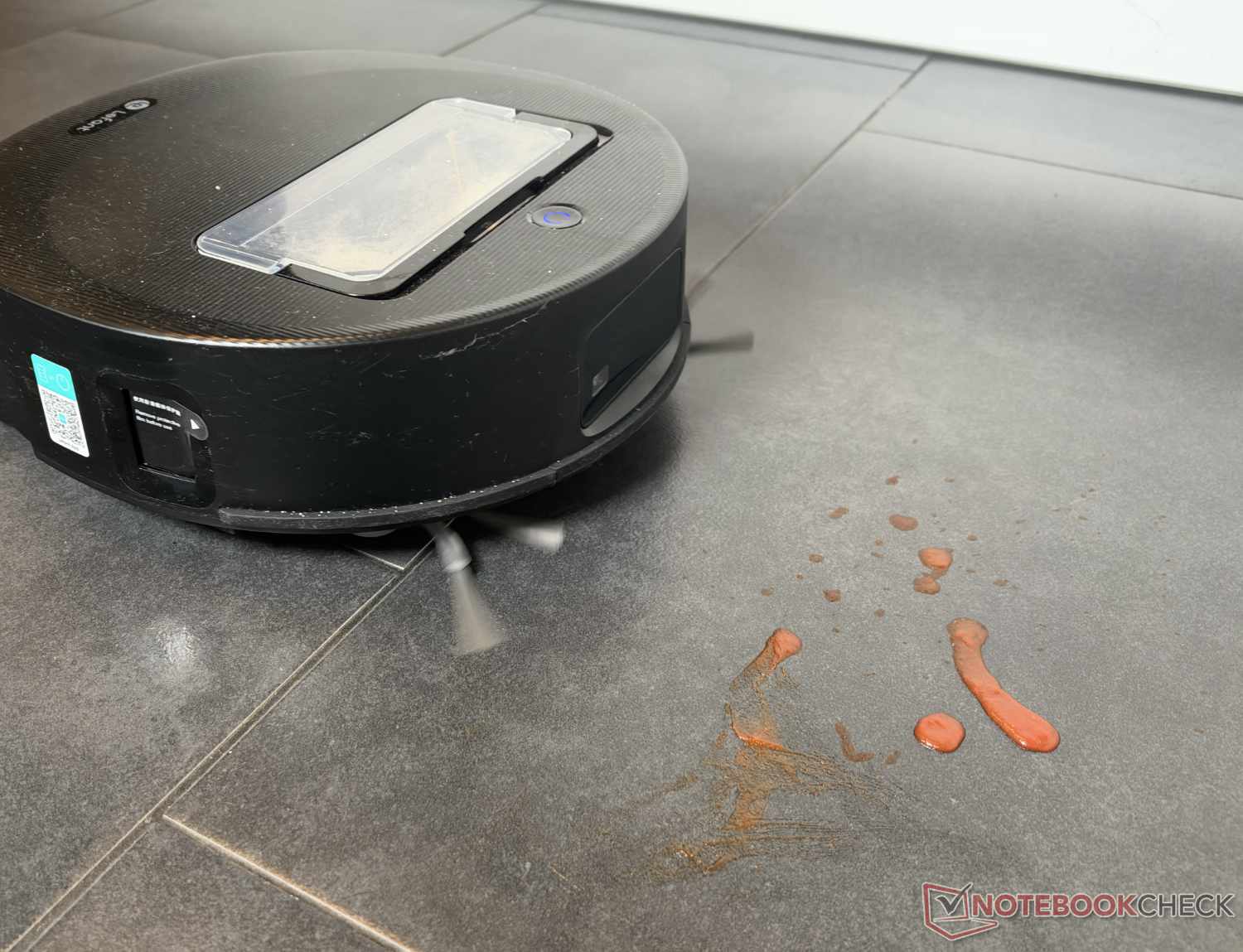
Mopping performance is decent, although it leaves some streaks. The Lefant L12 Pro struggled with a dried-on ketchup stain and left obvious traces. The test also exposed another weakness: Both side brushes kept spinning even in “Mop only” mode. That’s a real drawback with stains that can smear or stick.
Battery life & power consumption: Efficient but loud
The basic dock, which lacks automatic emptying and hot-air drying, helps keep the Lefant L12 Pro’s energy use down. To make our results comparable, we have every robot vacuum clean about 50 square meters on its default settings. The L12 Pro had just under 50 percent battery left after that run, so it should be able to clean around 75 square meters per charge.
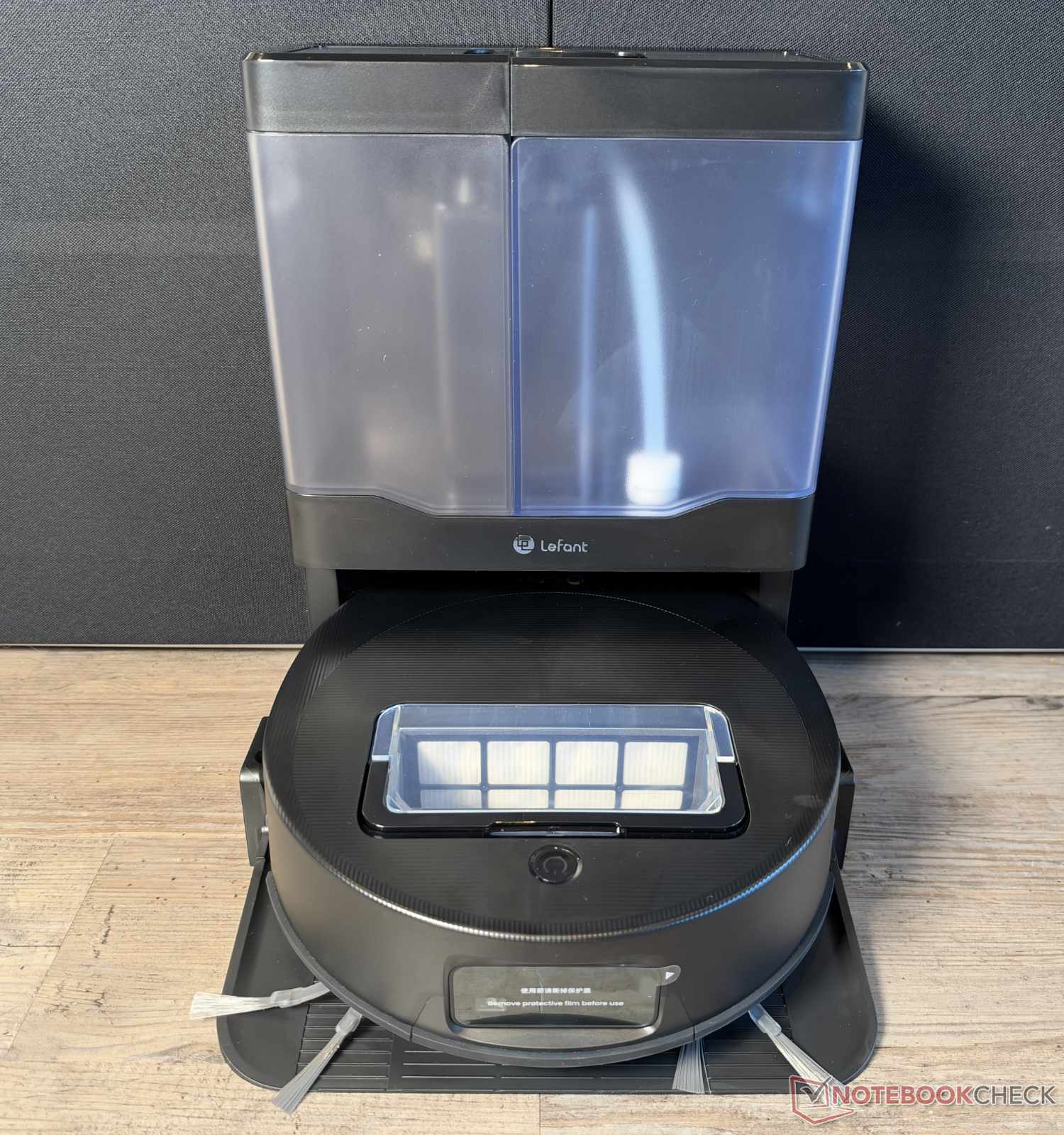
After cleaning, the robot returns to the dock for its usual maintenance cycle and a recharge. Based on our measurements, running it once a day would use only about 4 kWh a month, including its low standby consumption the rest of the time. That makes the Lefant L12 Pro very energy-efficient.
Noise was less impressive. The vacuum itself is about as loud as you’d expect for each suction setting, but both side brushes rattle against a rubber lip under the robot with every rotation, which gets annoying over time. The dock is also louder than many others: It exceeds 50 dB while drying the mop for several hours, even though it only uses cold air.
Transparency
The selection of devices to be reviewed is made by our editorial team. The test sample was given to the author by the manufacturer free of charge for the purposes of review. There was no third-party influence on this review, nor did the manufacturer receive a copy of this review before publication. There was no obligation to publish this review. As an independent media company, Notebookcheck is not subjected to the authority of manufacturers, retailers or publishers.
 Add as a preferred source on Google


