




AI slop is winning the battle for the internet front page

It's safe to say that the internet has reached a tipping point where finding a human voice is becoming more of a skill than anything. As of 2026, industry experts and reports from Europol are seeing their predictions become true in front of their eyes, with as much as 90% of all new web content - from product reviews to breaking news - now being AI-generated "slop." In case you're confused, this isn't high-level synthetic data used for research; instead, it is the low-effort, unverified, and (often) hallucinated filler generated by autonomous agents designed to practically game search engine algorithms. For the average user, the front page of the internet is now comparable to a hall of mirrors where the "best" results are often just the most effectively automated ones.
What's more, the current failure of major search engines to gatekeep this content is very much quantifiable. A longitudinal study by the University of Leipzig and Bauhaus-University Weimar found that search engines are losing the arms race against SEO spam, contributing to a 25% drop in traditional search volume by 2026 as predicted by Gartner. Google’s latest algorithm updates have tried to prioritize "EEAT" (Experience, Expertise, Authoritativeness, and Trustworthiness), but AI-driven SEO farms have already cracked the code, thanks to agentic LLMs that can mimic human tone and even fabricate credentials. What we're getting now is a cycle where AI generates the content, AI optimizes the SEO, and AI-powered crawlers index it. This removes humans from the loop entirely.
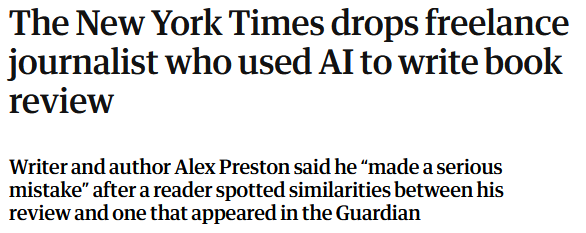
"The pace of acceleration is so incredible that these tools - which are shocking and awing us at the beginning of 2023 - are going to seem quite quaint by the end of the year because the capabilities are just going to increase so powerfully" - these are Nina Schick's words from 2023, and they hold more weight now than ever. For reference, Nina is a leading generative AI author and advisor.
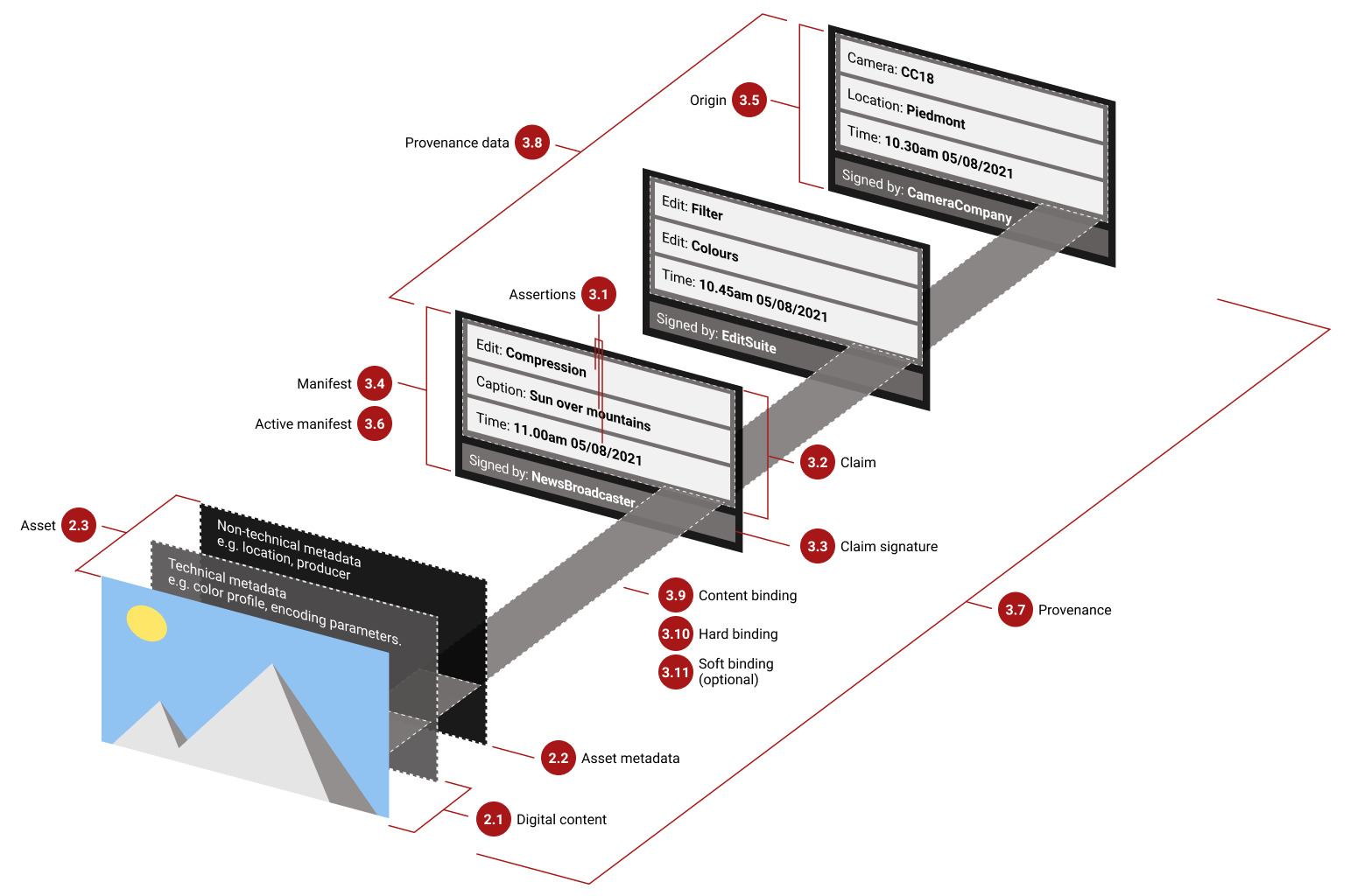
In 2026, the value of a piece of information is no longer in its accessibility, but in its provenance. If we can’t see the digital chain of custody, we have to assume it’s synthetic. Because of this, we got C2PA (Content Provenance and Authenticity) standards, which are being integrated into the CMS of major tech publications. Very similar to how the old "blue check" verified identities on social media like X/Twitter, C2PA provides a seal that tracks an article from a human-operated keyboard to the final published page.
For readers of websites like ours (and others, of course) this "slop" crisis has a direct financial cost. Those looking for in-depth benchmarks or long-term reports on laptops such as MacBook Pros (the M5 variant is curr. $1,799 on Amazon) or smartphones keep getting led to AI-generated "roundups" that practically scrape spec sheets. These articles often hallucinate thermal performance or battery life based on previous models, and consumers legitimately end up making $1,000 mistakes based on data that never actually existed. The premium for human-authored content is actually becoming a reality, if you really think about it. Some reputed, specialized websites like Rtings have now shifted to "Verified Human" paywalls to fund the high cost of manual testing, which is somewhat understandable, considering the extensive effort they put into testing their products.
What we can do is stop trusting the first page of results by default. To avoid the slop, one of the best strategies is to move toward a "whitelist" model of consumption. You can curate a private list of trusted, human-led URLs - via RSS feeds, specialized Discord servers, or direct bookmarks - and ignore the algorithmic feed entirely. Right now, as the front page of the internet is changing radically, the best way to find credible, accurate information is to go directly to those who still put their hands on the hardware.
Speaking of hands on the hardware, we reviewed the Asus Zenbook A16 with the Snapdragon X2 Elite Exreme recently - you can read more about that here.
Source(s)
Own, Yahoo Finance, The Guardian, C2PA, Cornell University, Gartner
 Add as a preferred source on Google


