




AI demand could leave PC makers fighting over shrinking DRAM supply in 2027
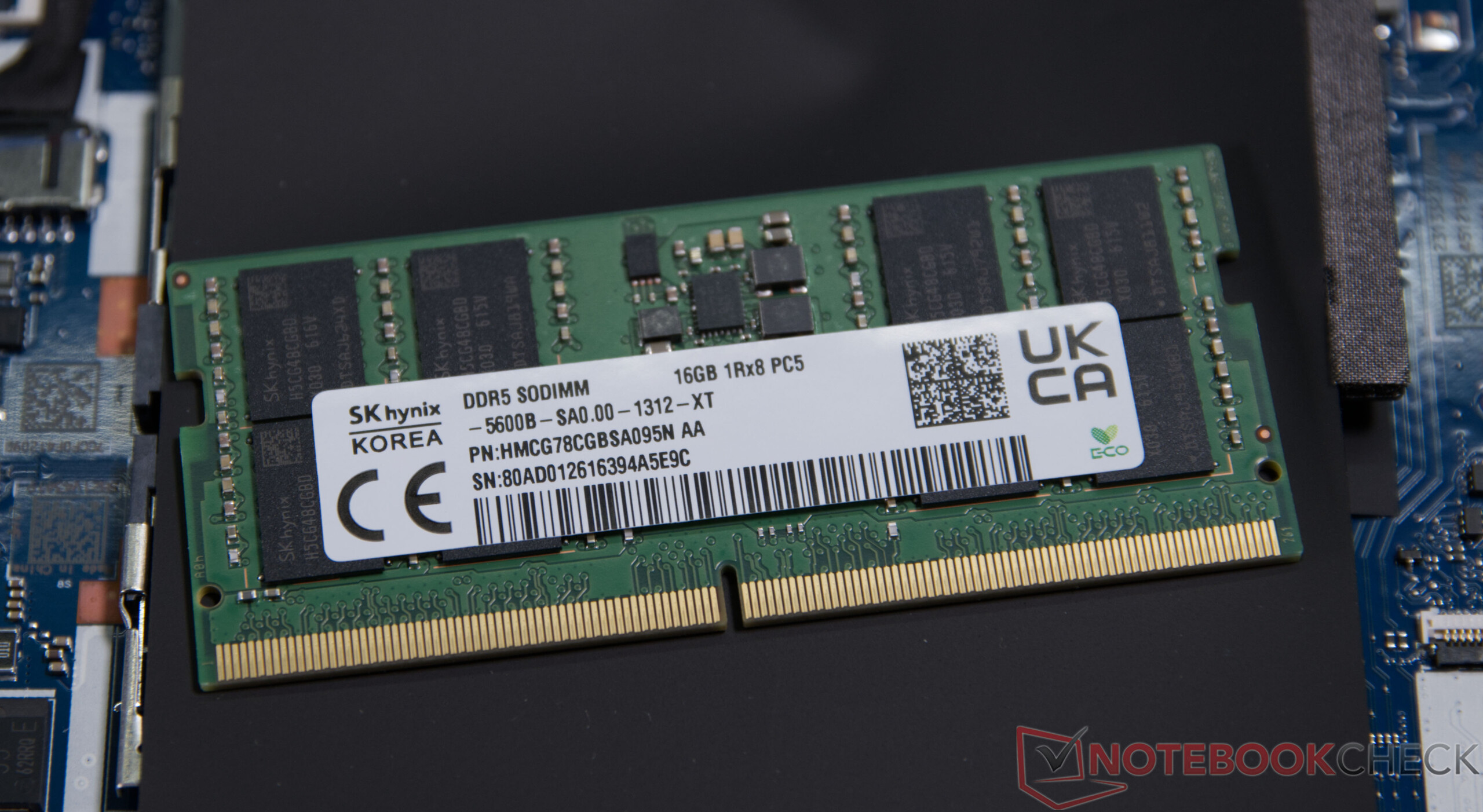
The AI boom may be fundamentally changing how memory is bought and sold. Fresh comments from memory manufacturers this week suggest DRAM supply conditions in 2027 are expected to tighten further. According to a Digitimes report published earlier this week, Samsung, Micron and SK hynix have reportedly completed negotiations covering nearly all of their 2027 DRAM and High Bandwidth Memory (HBM) production capacity. Citing industry sources, the publication claims hyperscale cloud providers, AI companies and smaller buyers have already been informed of their production quotas, with advance deposits reportedly required in many cases to secure future supply.
The report has since been reinforced by comments from memory vendors during recent earnings calls. Adata chairman Simon Chen has previously said HBM and AI server applications could account for nearly 70% of global DRAM output in 2027, a view echoed by recent industry commentary warning of tighter memory supply next year. It leaves considerably less capacity for conventional PC and smartphone memory. Winbond also noted that some customers are already pursuing long-term supply agreements stretching into 2029 and 2030, reflecting expectations that tight market conditions could persist for years rather than quarters.
That shift could have tangible consequences for PC manufacturers. If a growing share of DRAM production continues to be redirected toward HBM, notebook and desktop vendors may find themselves competing for a smaller pool of conventional memory despite continued investments in expanding fabrication capacity. Digitimes claims many customers are being allocated only around 60 to 70% of the volumes they originally requested, effectively forcing OEMs to prioritize higher-margin products, reduce the number of available configurations or rethink default memory capacities in future systems.
The tightening market may not be limited to DRAM. Digitimes claims Samsung, Micron and SanDisk have apparently allocated their entire 2027 NAND Flash production, while Kioxia and SK Hynix could complete their own process before the end of August. If confirmed, that would contradict recent forecasts suggesting NAND supply could begin to increase in the second half of 2027 as additional production capacity gradually comes online. Neither company has publicly confirmed the reported 2027 production allocations. Even so, the combination of supply-chain reporting, increasingly cautious commentary from memory vendors suggests the current shortage may represent more than another cyclical squeeze.
Interestingly, memory manufacturers are already acknowledging that simply producing more DRAM may not be enough to satisfy AI's rapidly growing appetite for memory. SK Hynix recently introduced High Bandwidth Flash (HBF), a proposed new memory tier positioned between HBM and conventional NAND Flash. Rather than attempting to replace DRAM, HBF is designed to offload massive AI datasets that no longer require HBM-class bandwidth while still delivering substantially higher performance than traditional SSDs. The technology remains years away from commercialization, but its introduction may signal that the industry is beginning to redesign the memory hierarchy itself instead of relying solely on additional DRAM production to keep pace with AI workloads.
 Add as a preferred source on Google


