




A ride through Dresden: Testing Pelago’s premium commuters
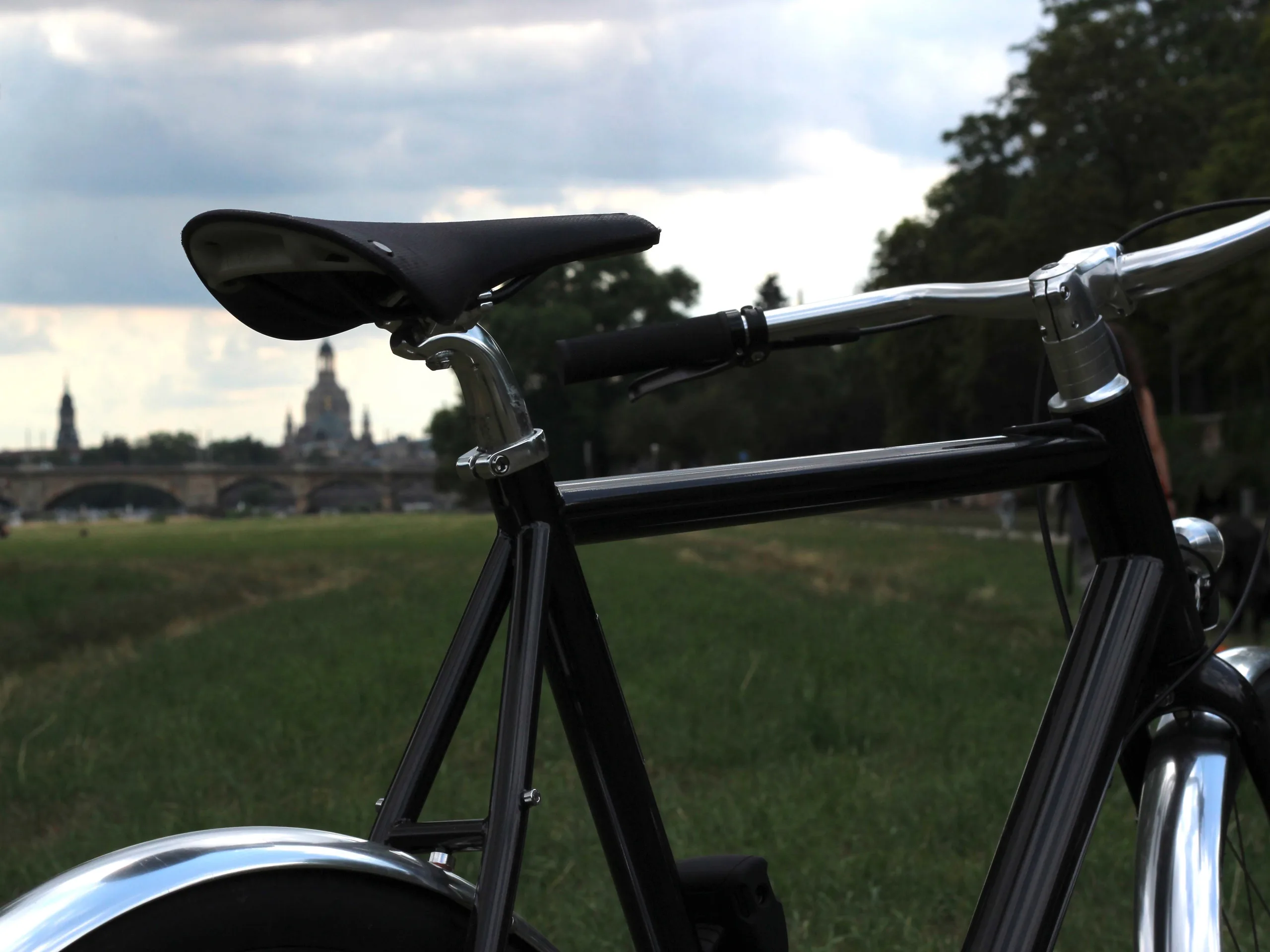
Pelago should already be familiar to our readers, as we have previously covered the manufacturer’s e-bikes. We had the chance to take two of its models out for a short ride. This was not a comprehensive test covering every aspect of what defines a great e-bike, but rather an initial hands-on impression. That said, evaluating a bicycle is always somewhat subjective and driven by emotion—often, the first few kilometers are enough to form a clear sense of how a bike performs.
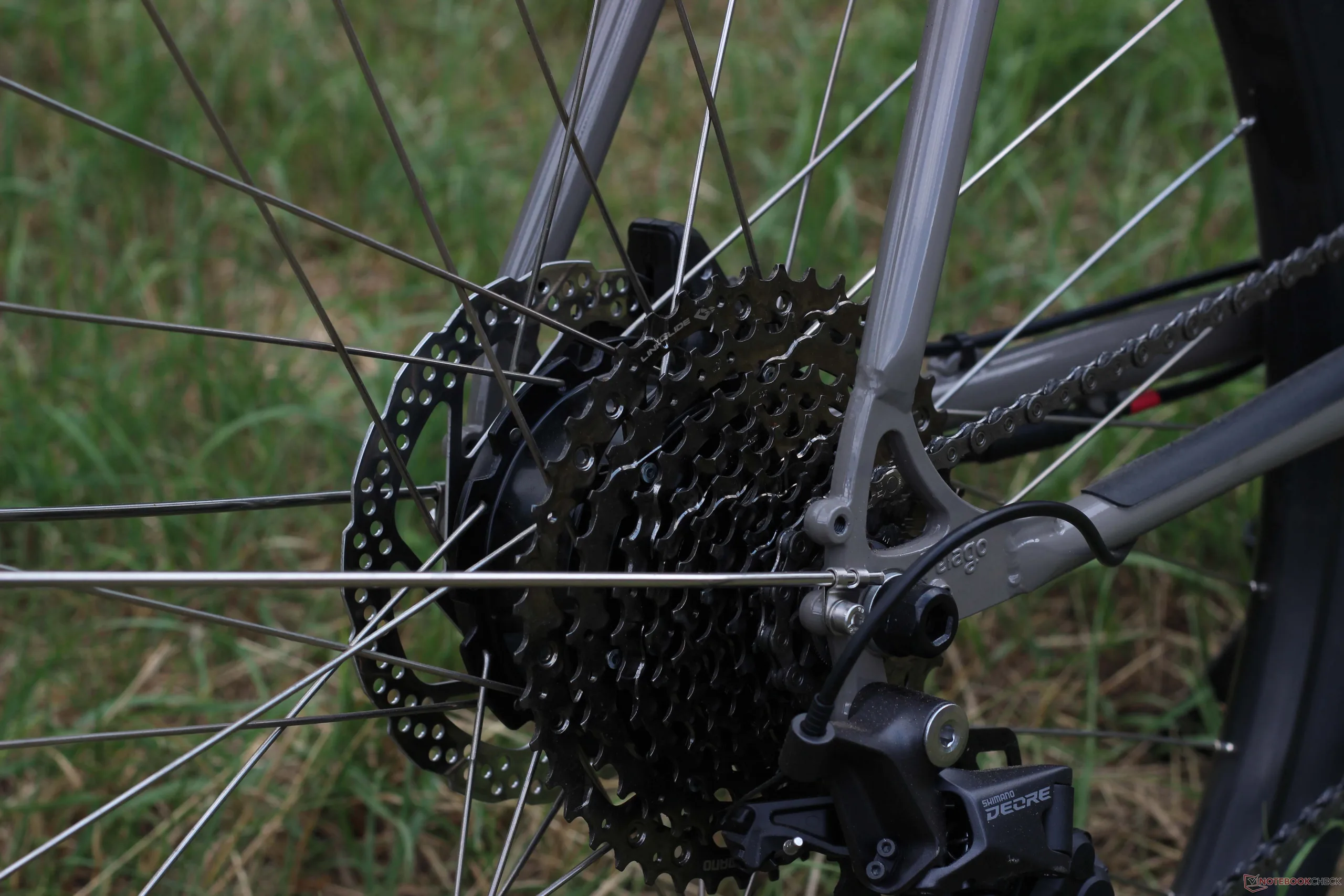
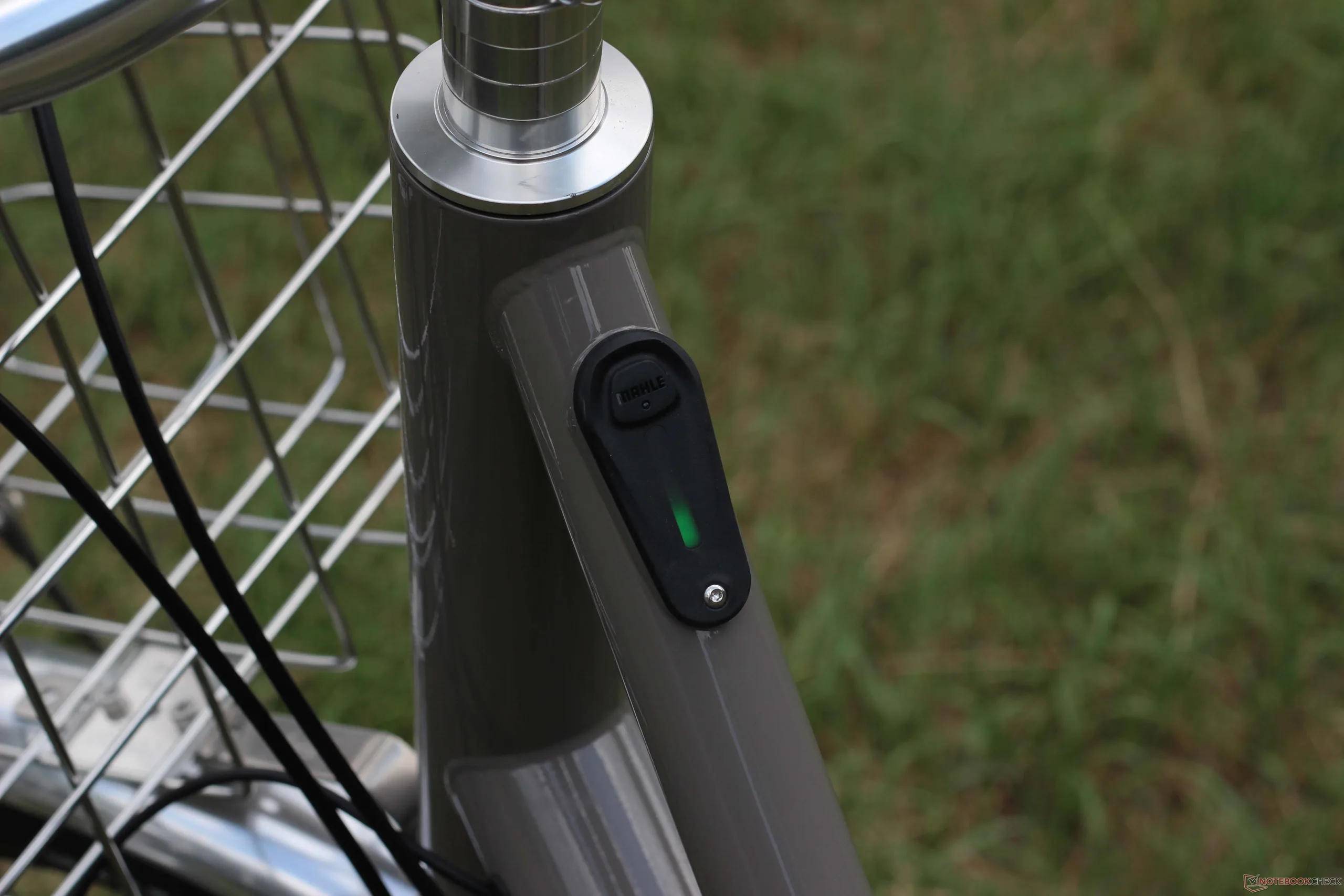
We tested the Pelago Olari and the Pelago Wellamo. From a technical standpoint, the two models are very similar: both feature a Mahle X30 hub motor paired with a 250 Wh battery integrated into the frame, which can be removed for servicing. Instead of a traditional display, Pelago uses a minimalist head unit with a single button and LED indicator. While a companion app is available, it is not required for operation. Overall, both bikes integrate the electric drive system very discreetly, although the slightly larger rear hub subtly reveals their e-assist nature.
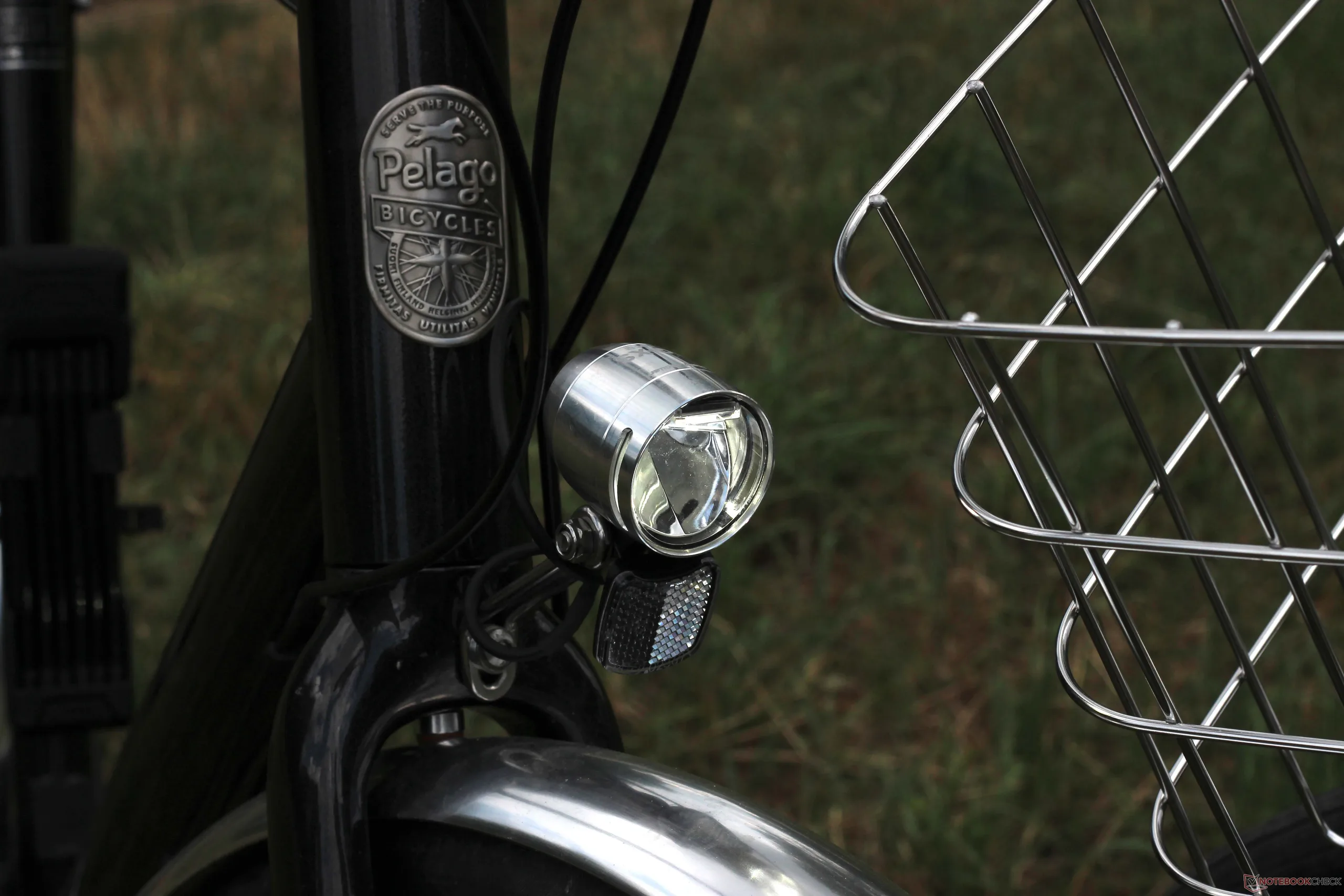
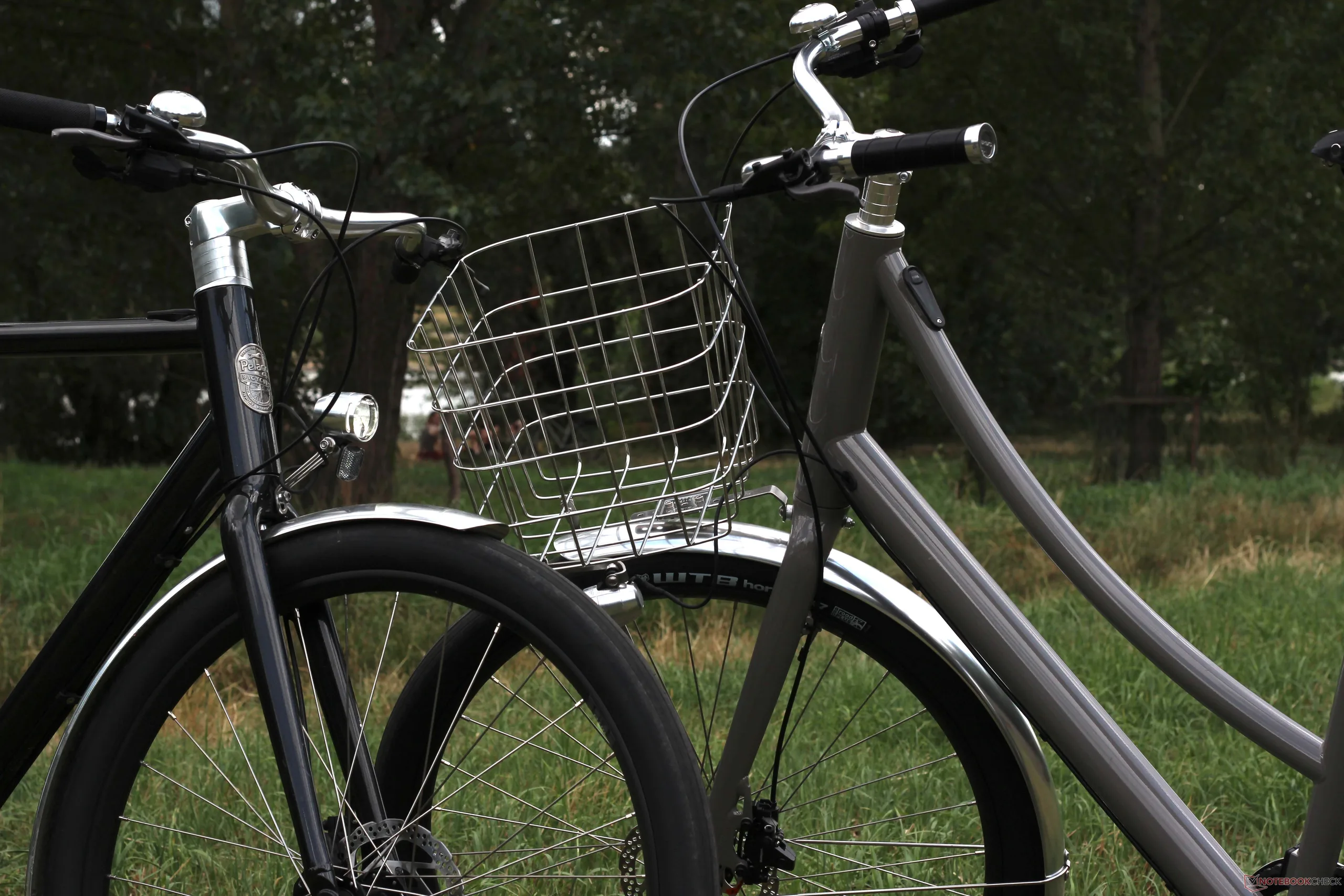
The Wellamo features a low-step frame and comes equipped with a front basket, resulting in a notably upright and comfortable riding position. Compared to the Olari with its classic diamond frame, this becomes more apparent at higher speeds, where increased air resistance is noticeable. That said, both e-bikes handle faster riding with ease. As is typical for Mahle systems, there is virtually no additional pedaling resistance—neither with the motor switched off nor beyond the 25 km/h assistance limit. Both models clearly remain bicycles with electric support rather than electric motorcycles with token pedals that merely qualify as registration-free e-bikes. The motor assistance is well-tuned, and acceleration is more than sufficient for everyday riding.
With these models—and its broader lineup—Pelago is not aiming for the mass market. At an MSRP of €3,799, the bikes sit firmly in the premium segment, unless their classic design is factored into the value proposition. Even so, the test ride was thoroughly enjoyable, and while aesthetics are subjective, both models present a distinctly stylish appearance. The Wellamo, in particular, stands out in daily use thanks to its practical front basket. Another highlight is the relatively low weight of around 19 kilograms, especially considering the steel frame and full commuter specification, including lights, fenders, kickstand, and front basket. According to the manufacturer, the Olari is even around 500 grams lighter when equipped with a front rack.
Source(s)
Own
 Add as a preferred source on Google


