




80% iPhone charge limit worth it? Test and community hint at an answer
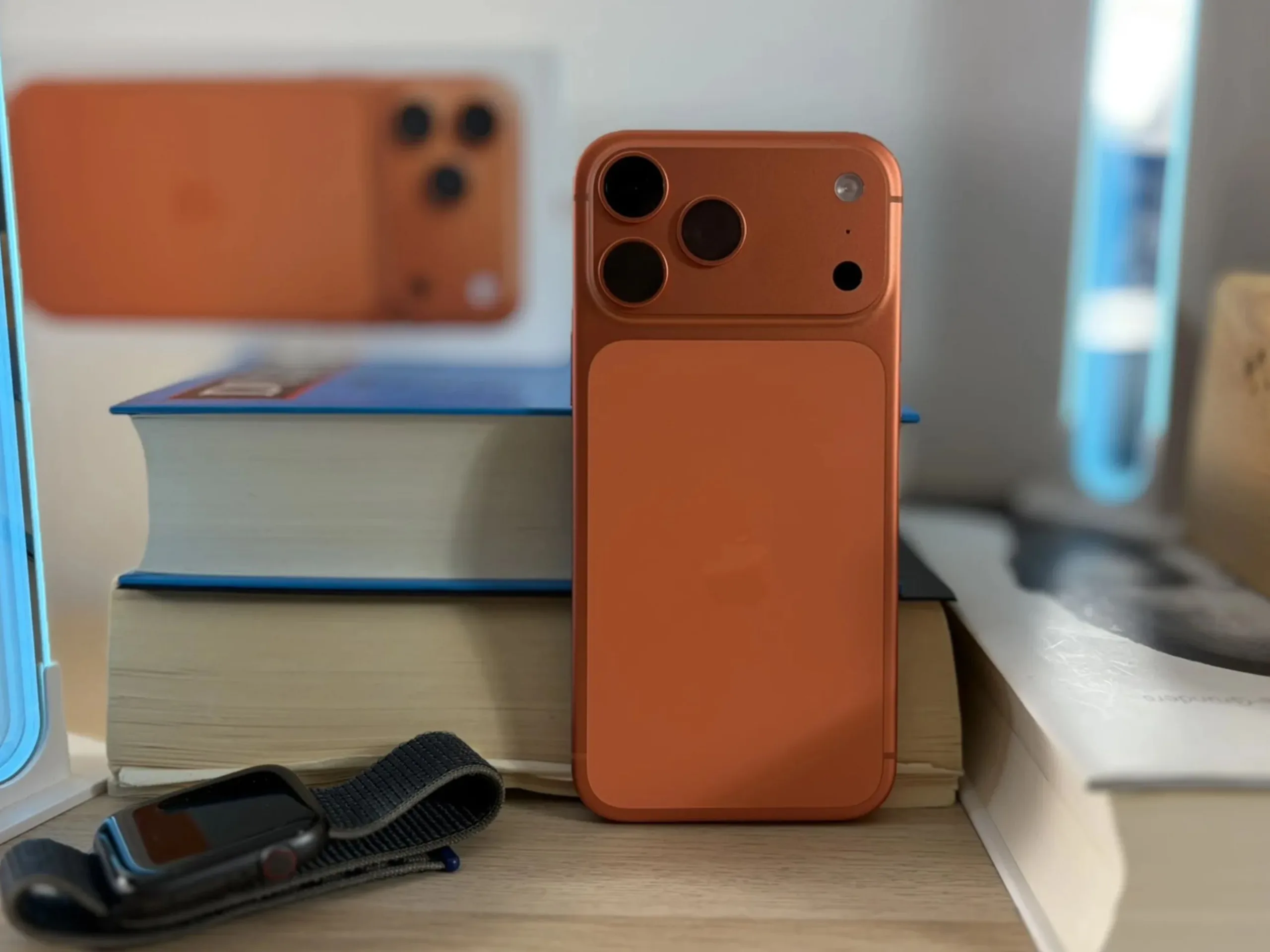
According to Apple, charge limits can help preserve the battery. But does that really work? MacRumors writer Juli Clover set out to find out as part of a long-term test. Starting with the iPhone 15 Pro Max, she has limited her personal primary device to a maximum charge of 80% each year and then compared battery health and charge cycles. After one year, the iPhone 15 Pro Max retained 94% battery capacity after 299 charge cycles. The iPhone 16 Pro Max produced virtually identical results: 94% after 299 cycles.
The iPhone 17 Pro Max performed better. After around a year, iOS still reported 97% capacity after 277 charge cycles. However, this time the phone was charged more frequently via USB-C rather than MagSafe or Qi2, and the battery level was kept from dropping below 20% whenever possible. The iPhone 17 Pro Max also features improved cooling. Which of these factors ultimately made the biggest difference can't be determined with certainty. This highlights one problem with the test: There is no control group.
Since Clover didn't have a second, identically used iPhone that was regularly charged to 100%, it's impossible to determine how much of the result can actually be attributed to the charge limit. Clover herself also remains skeptical. With the first two devices, she questioned whether it was worth permanently giving up 20% of the available battery capacity in everyday use just to end up with 94% battery health after one year. The iPhone 17 Pro Max delivered better results, but the author still isn't fully convinced. The experiment isn't over yet, either: On her new iPhone 18 Pro Max, Clover is once again using an 80% charge limit and plans to continue the test until September 2027.
Community points to a trend
The comments under the MacRumors article at least reveal a general trend: Several users report having iPhones that were always charged to 100% and still retained 96% to 100% battery health after one year. Many therefore suspect that heat, the number of charge cycles and how often the battery is completely drained may be more important than whether charging stops at 80% or 100%. These are still only anecdotal experiences, but they at least support doubts that an 80% charge limit alone provides clear benefits.
Source(s)
 Add as a preferred source on Google


No comments for this article
