




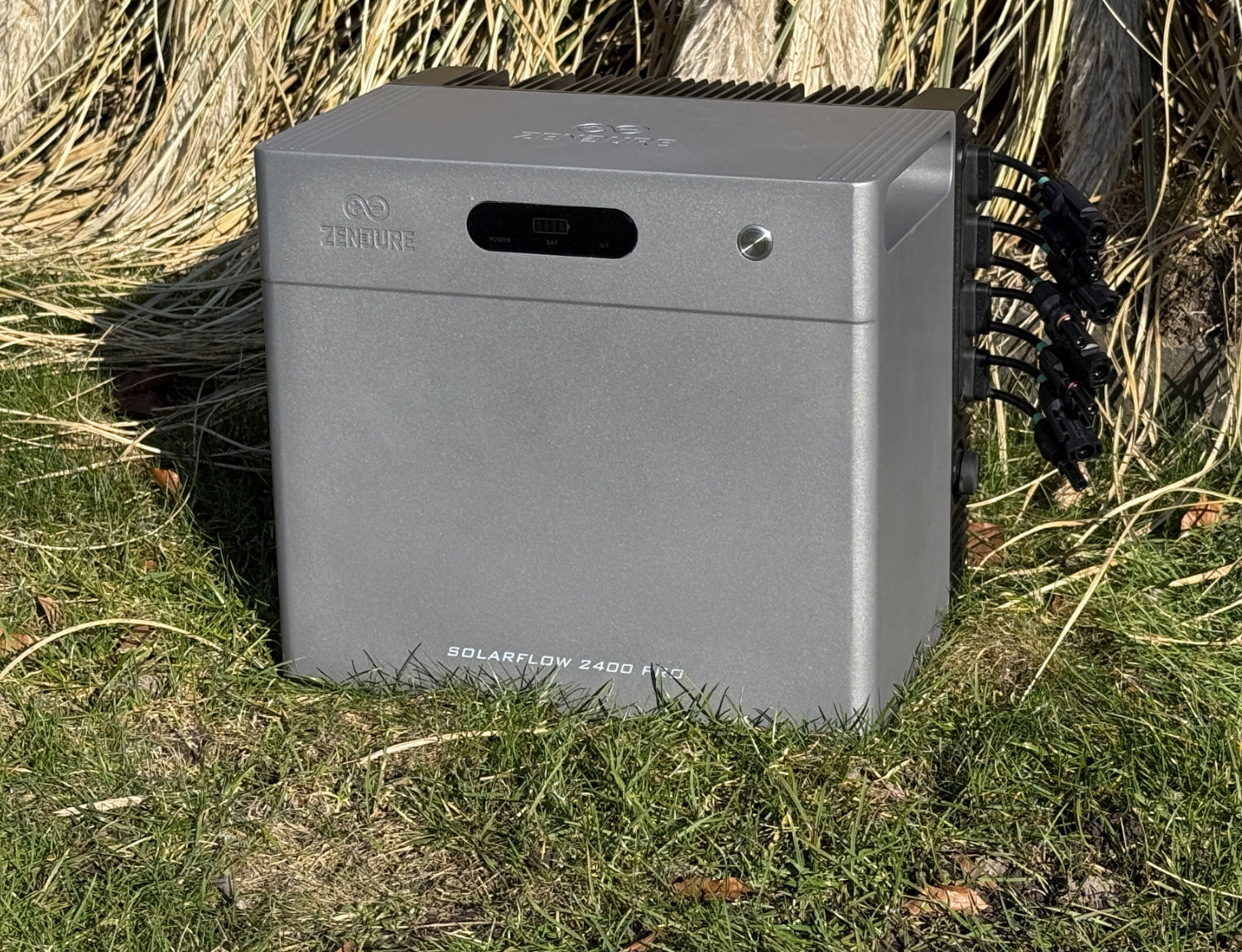
Zendure SolarFlow 2400 Pro review: Is the XXL balcony solar system with 2,400 W & AI worth it?
BKW overkill?
A balcony solar system that works almost like a large PV system? That's exactly what the Zendure SolarFlow 2400 Pro promises - with AI, dynamic electricity tariffs and up to 16.8 kWh of storage. Is the expensive XXL storage system worth it in everyday life or is it simply too much?Marcus Schwarten 👁 (translated by DeepL / Marcus Schwarten) Published 🇩🇪 🇳🇱 ...
Zendure SolarFlow 2400 Pro at a glance:
- Power: up to 2,400 W
- Storage: 2.4 to 16.8 kWh
- PV: 4 MPPT with up to 3,000 W
- Special feature: AI control + dynamic electricity tariffs
- Worthwhile for: large balcony solar & high electricity costs
- Weakness: expensive and only useful with a full setup

Pros
Cons
Zendure SolarFlow 2400 Pro Conclusion: Powerful, efficient, versatile
With SolarFlow 2400 Pro, Zendure offers an excellent all-in-one solution with up to 2,400 W, 16.8 kWh and AI optimization for maximum savings. It can be used in conjunction with balcony solar, but can also be optionally combined with small PV systems.
In the test, SolarFlow 2400 Pro not only made a positive impression with its versatility, but also with its four MPPT inputs, outstanding efficiency and modular design. The interaction with smart meters and smart sockets worked well in the test. The HEMS offers numerous possibilities including AI optimization, interaction with dynamic electricity tariffs and networking in the smart home.
Zendure SolarFlow 2400 Pro is currently one of the most powerful solutions for balcony solar - but only really makes sense when high power consumption, several solar modules, smart meters and ideally dynamic electricity tariffs come together. If this is not the case, a smaller and cheaper solution will do.
Price and availability
Zendure SolarFlow 2400 Pro is currently not available in the USA. The recommended retail price in Europe is €1,199. It is available directly from the manufacturer and from Amazon, for example, currently at an introductory price.
The MSRP for the Zendure AB3000L is 699 euros. The manufacturer also offers various bundles with additional battery(ies) and solar modules at special prices in its own store and on Amazon.

Table of Contents
- Zendure SolarFlow 2400 Pro Conclusion: Powerful, efficient, versatile
- Specifications: Zendure SolarFlow 2400 Pro and AC+ in comparison
- Equipment: Powerful PV system with up to 2,400 W and 16.8 kWh
- Installation: Modular system with LAN and MQTT
- App & control: With AI for maximum savings
- Practice: Particularly efficient with smart meters
- FAQ about the Zendure SolarFlow 2400 Pro review
At the beginning of 2026 Zendure launched its most powerful storage systems to date for balcony solar and small PV systems with the new SolarFlow 2400 series. This consists of the SolarFlow 2400 Pro and SolarFlow 2400 AC+ models, supplemented by the weaker SolarFlow 1600 AC+.
We took a closer look at the top model over a longer period of time. Our Zendure SolarFlow 2400 Pro review shows what the new "2400W bidirectional AC AI-AI-assisted balcony storage system" offers and what it can do.
Specifications: Zendure SolarFlow 2400 Pro and AC+ in comparison
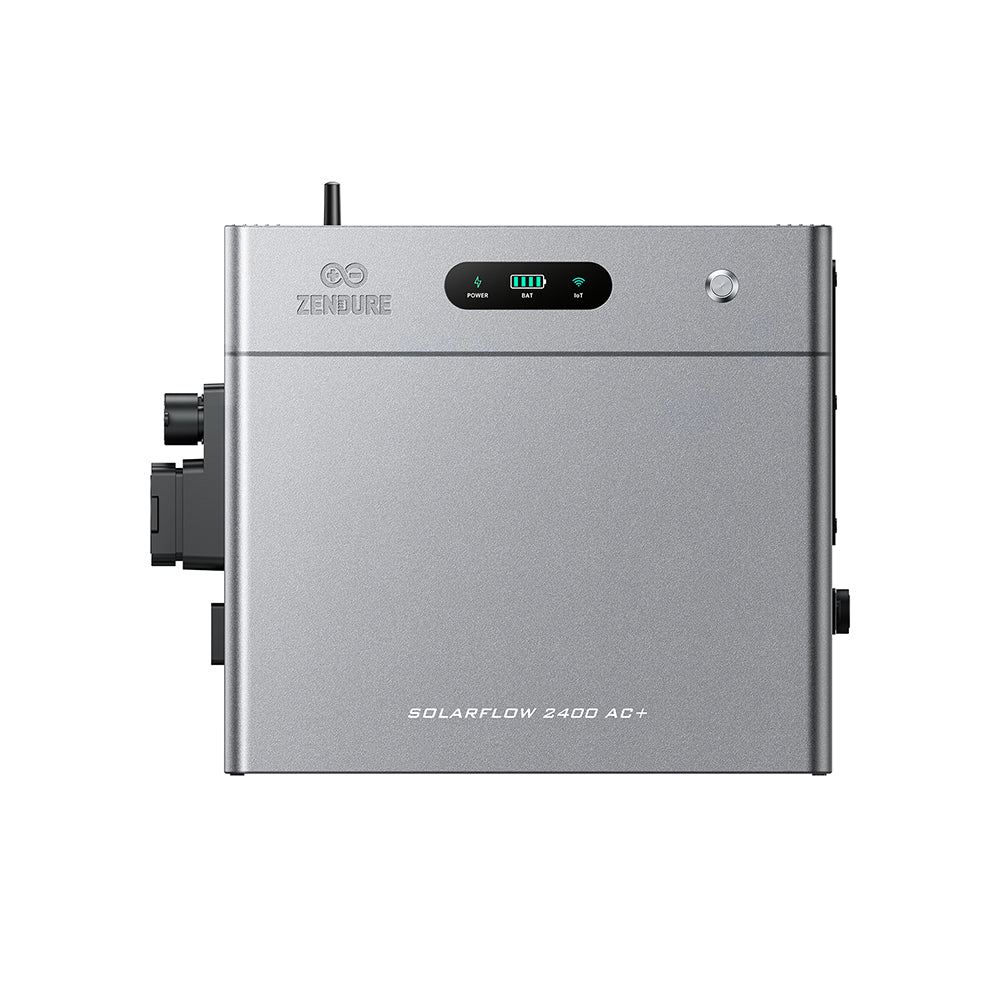
Before we go into our experiences and test impressions with the SolarFlow 2400 Pro, a brief overview of the differences between the two variants SolarFlow 2400 Pro and SolarFlow 2400 AC+. As a glance at the technical data in the table below shows, the only difference (apart from the price) is the fact that the SolarFlow 2400 Pro has four MPPTs with up to 3,000 W PV input power, while the AC+ does not.
The latter model is therefore not designed for direct connection to photovoltaic modules, but can only be charged grid-connected. Zendure SolarFlow 2400 AC+ is therefore a retrofit solution for existing PV systems including inverters and is intended for the utilization of dynamic electricity tariffs.
| Zendure SolarFlow 2400 Pro | Zendure SolarFlow 2400 AC+ | |
|---|---|---|
| Capacity | 2.4 kWh | 2.4 kWh |
| expandable up to | 16.8 kWh | 16.8 kWh |
| Battery type | LiFePO4 | LiFePO4 |
| Number of MPPT | 4 | - |
| PV input power | 3,000 W | - |
| Max. Output power (grid-connected) | 2,400 W | 2,400 W |
| AC charging power | 2,400 W | 2,400 W |
| Output power (not grid-connected) | 3,200 W | 3,200 W |
| Dimensions | 326 × 294 × 251 mm | 326 × 294 × 251 mm |
| Weight | 27.8 kg | 27.8 kg |
| MSRP | 1,199 euros | 999 euros |
Equipment: Powerful PV system with up to 2,400 W and 16.8 kWh
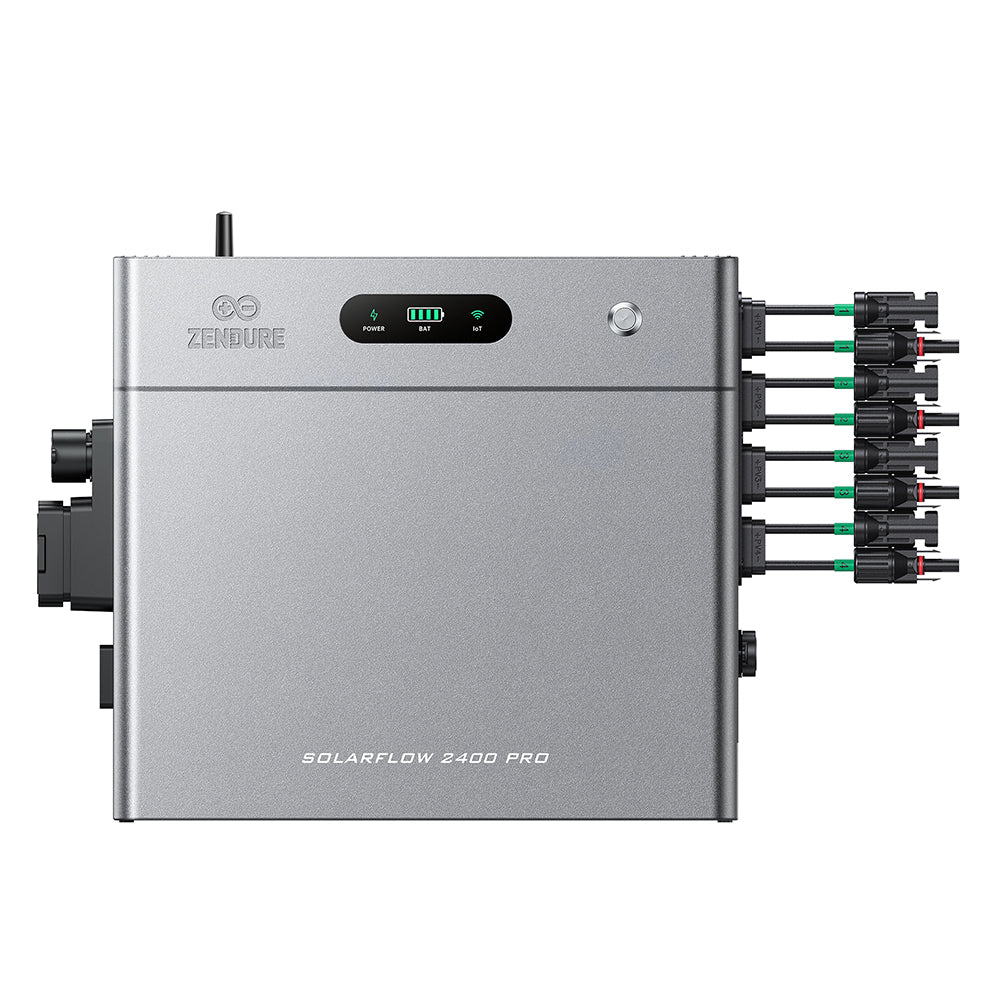
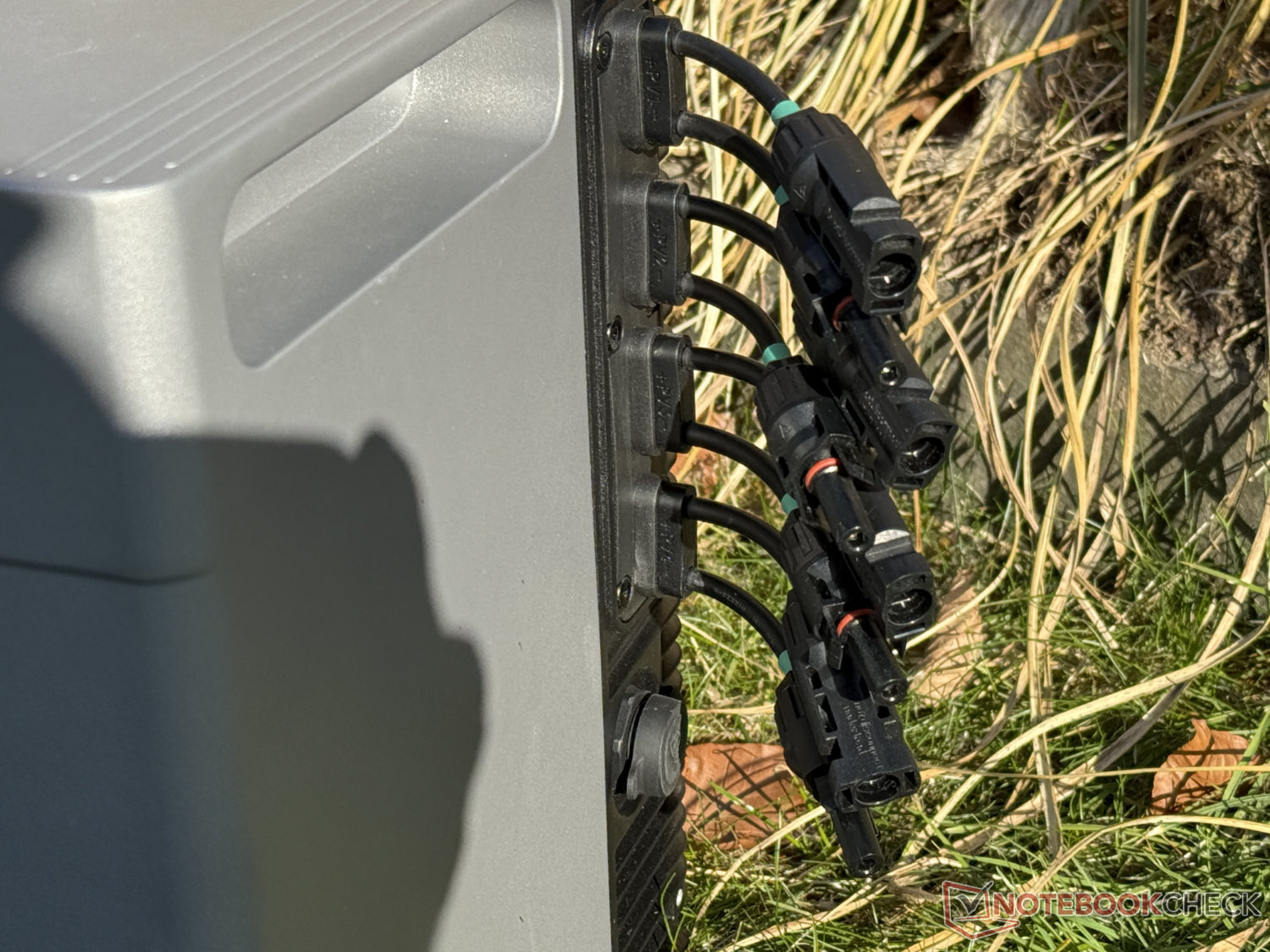
The Zendure SolarFlow 2400 Pro we tested is designed for use with balcony solar or small PV systems. Inside, four MPPTs accept up to 3,000 W of PV input power. This is a clear advantage over smaller solutions with only two MPPTs, for example when individual modules are partially shaded.
Depending on the installation, around eight PV modules can be connected to the system. The starting voltage is a low 14 V. This improves the input power at dusk, for example, and is a clear advantage that can tease a few percent more out of the solar modules in everyday use.
On the other hand, SolarFlow 2400 Pro can also be charged AC-coupled (via the power grid) with up to 2,400 W, whereby the charging power decreases in the usual manner as the battery level increases. This is useful for taking advantage of dynamic electricity tariffs, for example. More on this below.
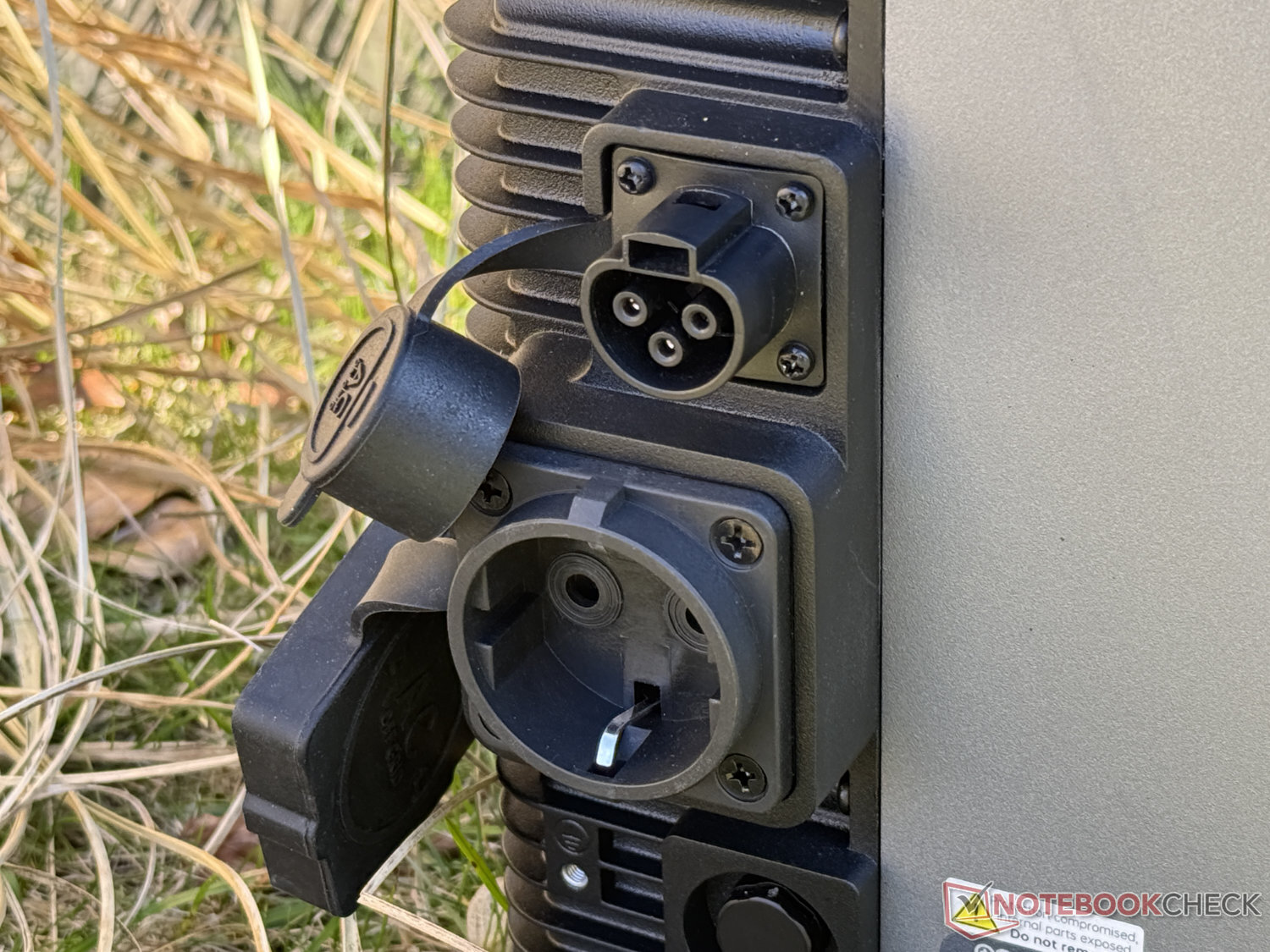
Up to 800 / 2,400 W feed-in and off-grid socket
Depending on the operating mode and installation, the system can feed in the specified maximum of 800 W as a balcony power station. According to Zendure, it has official VDE certification and can therefore be legally operated in Germany as a balcony power station or plug-in solar device (subject to the regulations). The output power can be increased to up to 2,400 W in Pro mode with professional installation.
The system also features an off-grid socket. This can be used to connect electrical appliances directly to the SolarFlow 2400 Pro, for example to provide emergency power in the event of a power grid failure. Or it can also be used for an AC-coupled inverter, for example to connect an existing PV installation to the storage system.
2.4 to 16.8 kWh capacity
SolarFlow 2400 Pro comes with its own nominal capacity of 2,400 Wh. As is familiar from Zendure and many other manufacturers such as Anker Solix, Jackery and others, the storage system can be expanded on a modular basis. Zendure has introduced the new AB3000L battery for this purpose.
This LiFePO4 storage system is designed to work with SolarFlow 2400 Pro/SolarFlow 2400 AC+, has a nominal capacity of 2,880 Wh and charges with up to 1,680 W (with one additional battery) or 1,920 W (with two batteries). Zendure clearly recommends the AB3000L battery for the new SolarFlow 2400 series. Ultimately, however, it is also compatible with the old batteries such as the AB2000X/S. Due to the different housing sizes, however, the installation is not so easy to stack.
A total capacity of 16.8 kWh can be achieved with up to five AB3000L additional batteries. If you want, you can scale (and escalate) even further and use up to six devices per HEMS. In the Balkonkraftwerk test, we had the SolarFlow 2400 Pro with an additional AB3000L battery, i.e. with a total capacity of 5,280 Wh.
Installation: Modular system with LAN and MQTT
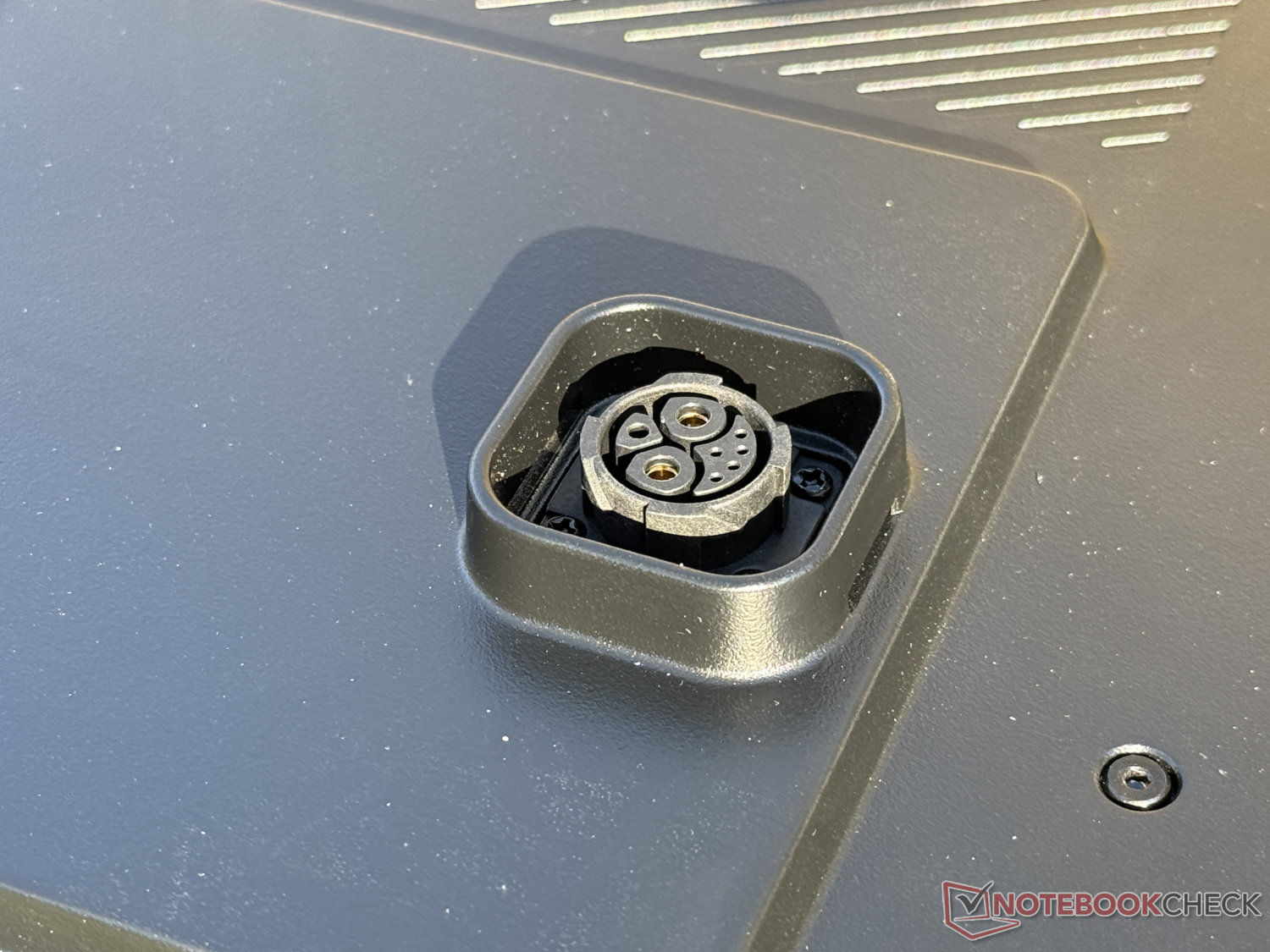
The installation of SolarFlow 2400 Pro as a balcony power plant system is extremely simple and can be completed in just a few steps. First, the head section is stacked on the optional additional batteries. This is basically straightforward thanks to the precisely fitting plug-in connections, but requires quite a bit of strength with a weight of just under 28 kg.
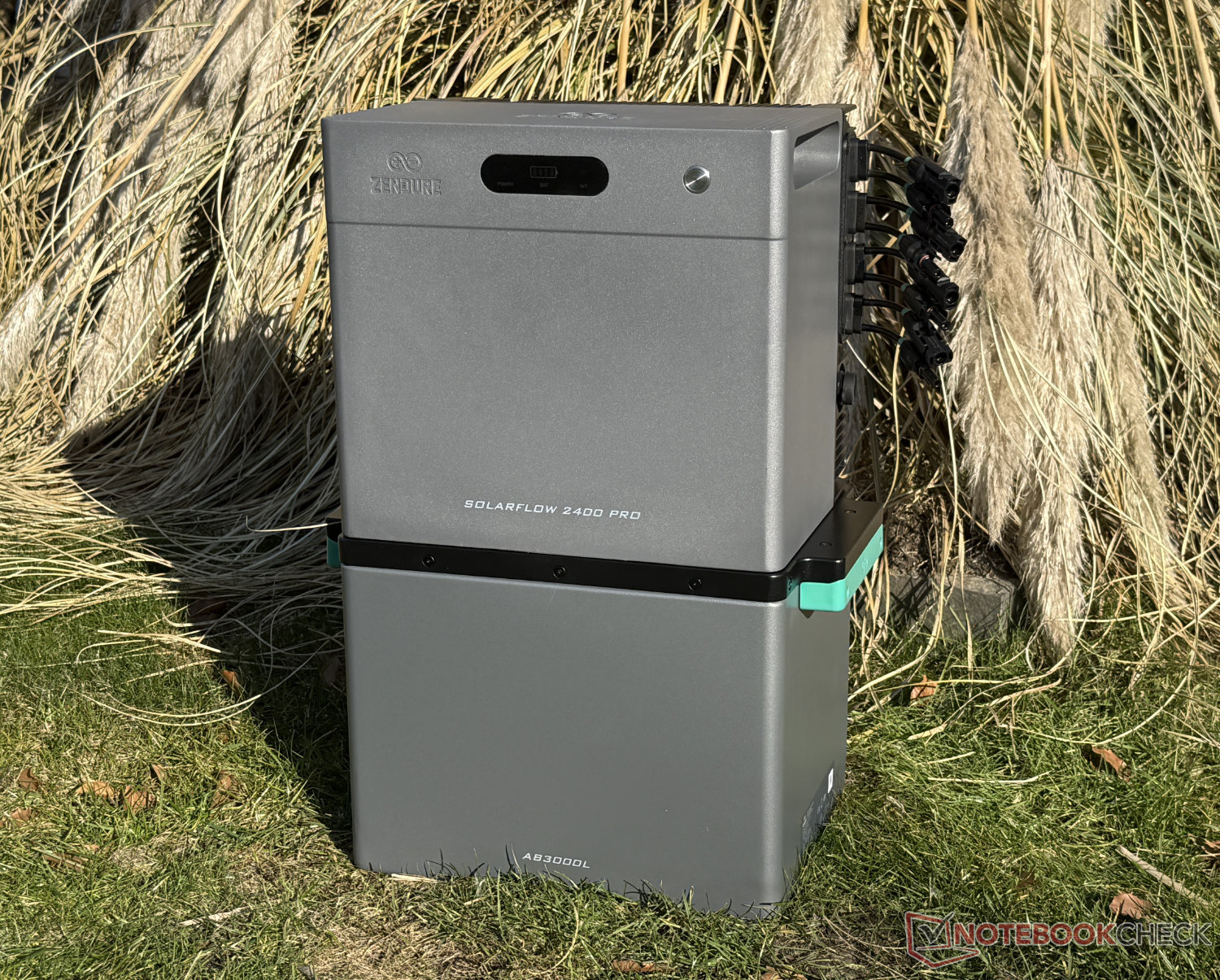
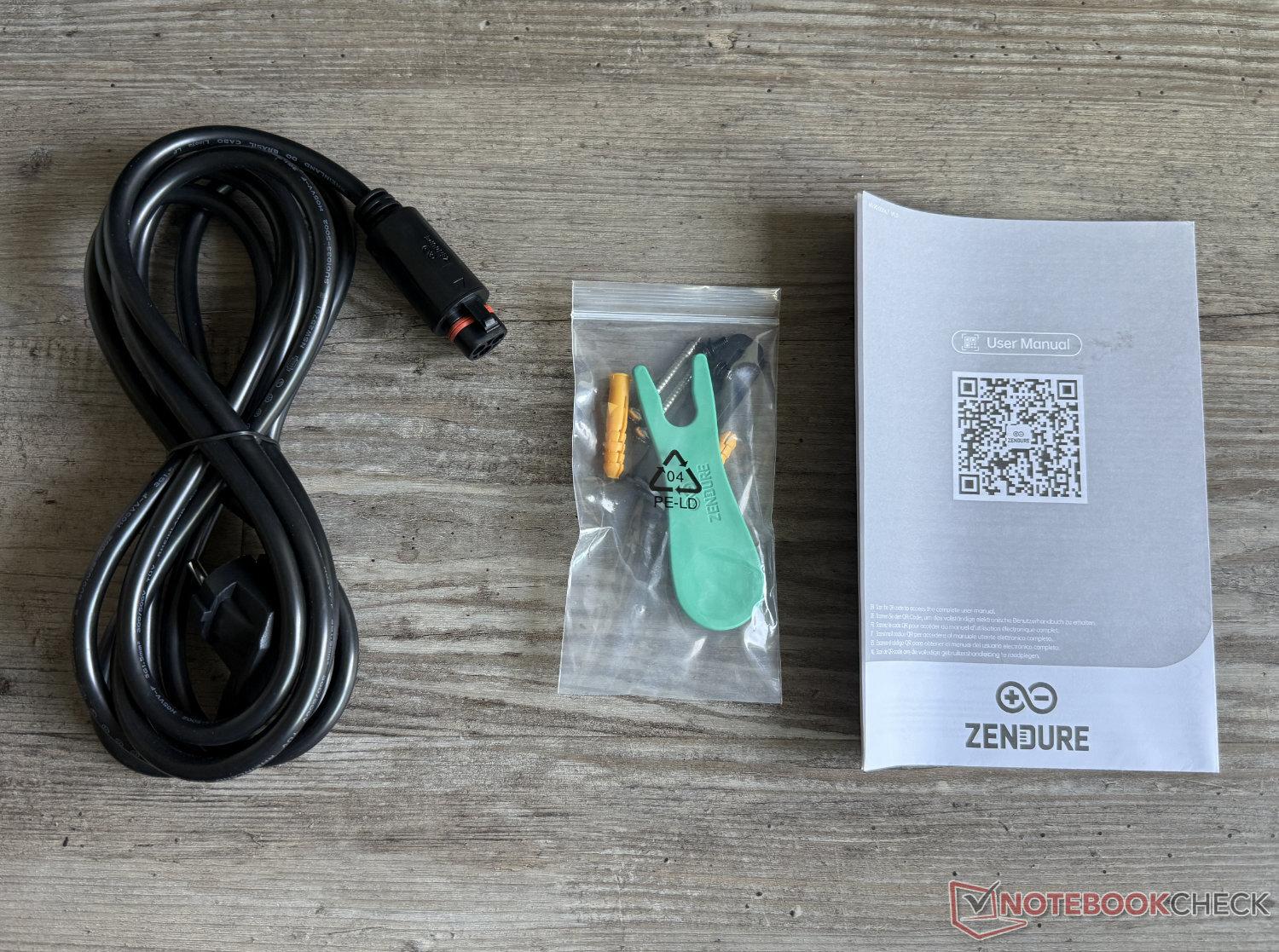
Now connect the solar modules to the four pairs of MC4 connectors. The system is then connected to a socket using the 3 m AC cable supplied. SolarFlow 2400 Pro is now ready for operation and can be set up via the app.
WLAN or LAN possible
In practice, it has been shown that setup via the Zendure app (for Android and iOS) is just as quick and easy. There are only a few steps to go through, including creating a Zendure account (or login if you already have one), a few basic settings and (if necessary) firmware updates.


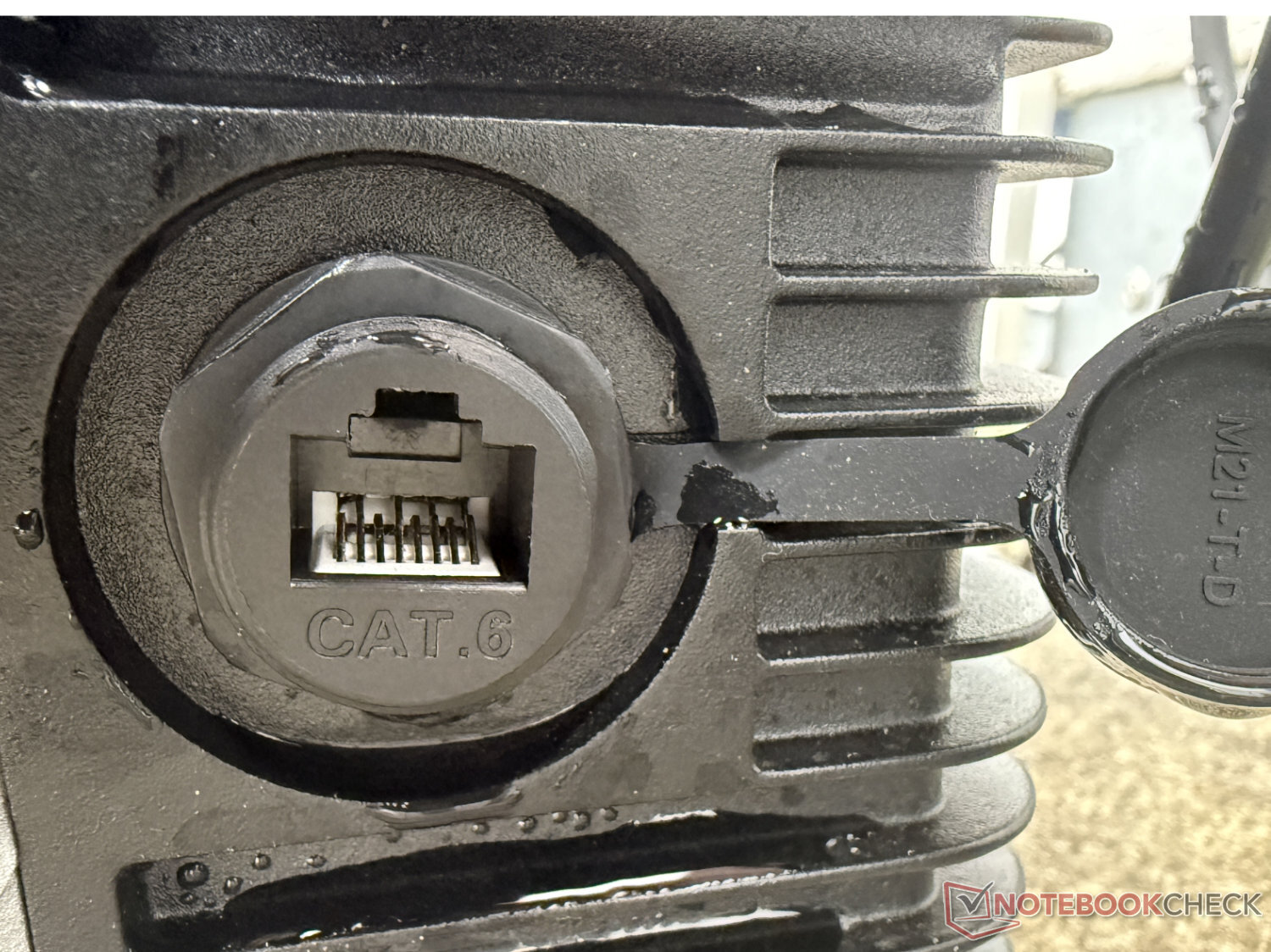
Setting up the Wi-Fi connection is also part of establishing a connection between the storage unit and the app. Surprisingly, however, this is not absolutely necessary. In addition to Wi-Fi and Bluetooth, the SolarFlow 2400 Pro also has an Ethernet connection (Cat.6) for (more reliable) wired networking. This is an absolute rarity for balcony solar systems. This means that Wi-Fi reception is not necessarily required at the location of the storage unit.
Integration in Home Assistant and co
In addition to the LAN port, Zendure SolarFlow 2400 Pro has another special feature. Thanks to the support of MQTT it can be integrated relatively easily into smart home systems such as Home Assistant, Homey and co. This enables local readout and control without any cloud constraints.
App & control: With AI for maximum savings
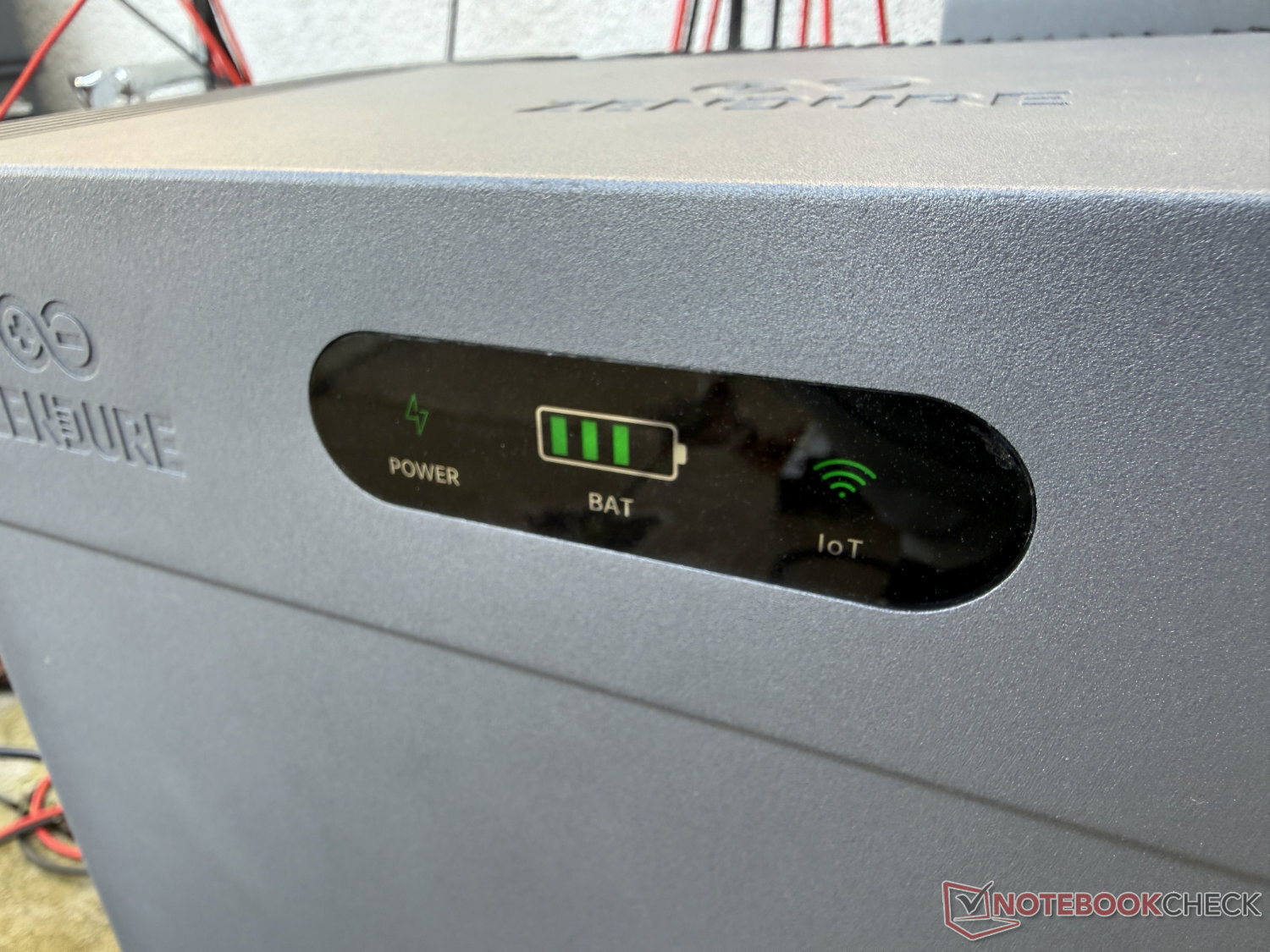
Once the connection between the SolarFlow 2400 Pro and the Zendure app has been established, the balcony power plant storage system is listed under "Devices". There are rudimentary options here, such as setting a fixed value for feed-in or AC charging and viewing statistics. Various settings can also be made in the menu, including the charging and discharging limit of the battery and the off-grid socket control.
Many more possibilities with HEMS
Adding the system to HEMS (Home Energy Management System) opens up even more possibilities. The start screen shows an overview of the current energy flows in the household (if known) and provides an overview of important statistics (PV generation, battery status, power consumption and grid consumption).
In addition to the connection to smart meters and the like (more on this further down in the test report), various energy plans can be defined in HEMS. In addition to the "Automatic mode" for simple interaction with smart meters and smart plugs, the AI-controlled ZENKI mode is also available for optimized charging, discharging and energy distribution based on solar forecasts, usage patterns and dynamic prices for maximum savings. The expert modes "Smart meter mode", "Smart socket mode", "Base load mode" and "Electricity tariff mode" round off the options.
Interaction with various heat pumps from Vaillant, Viessmann, Bosch, Stiebel Eltron and others as well as Tesla EV charging is also advertised, but was not tried out during our test. In addition, further setting options and the ZENKI AI assistant, which can answer questions about the system, round off the possibilities of the HEMS area in the Zendure app.
Support for dynamic electricity tariffs
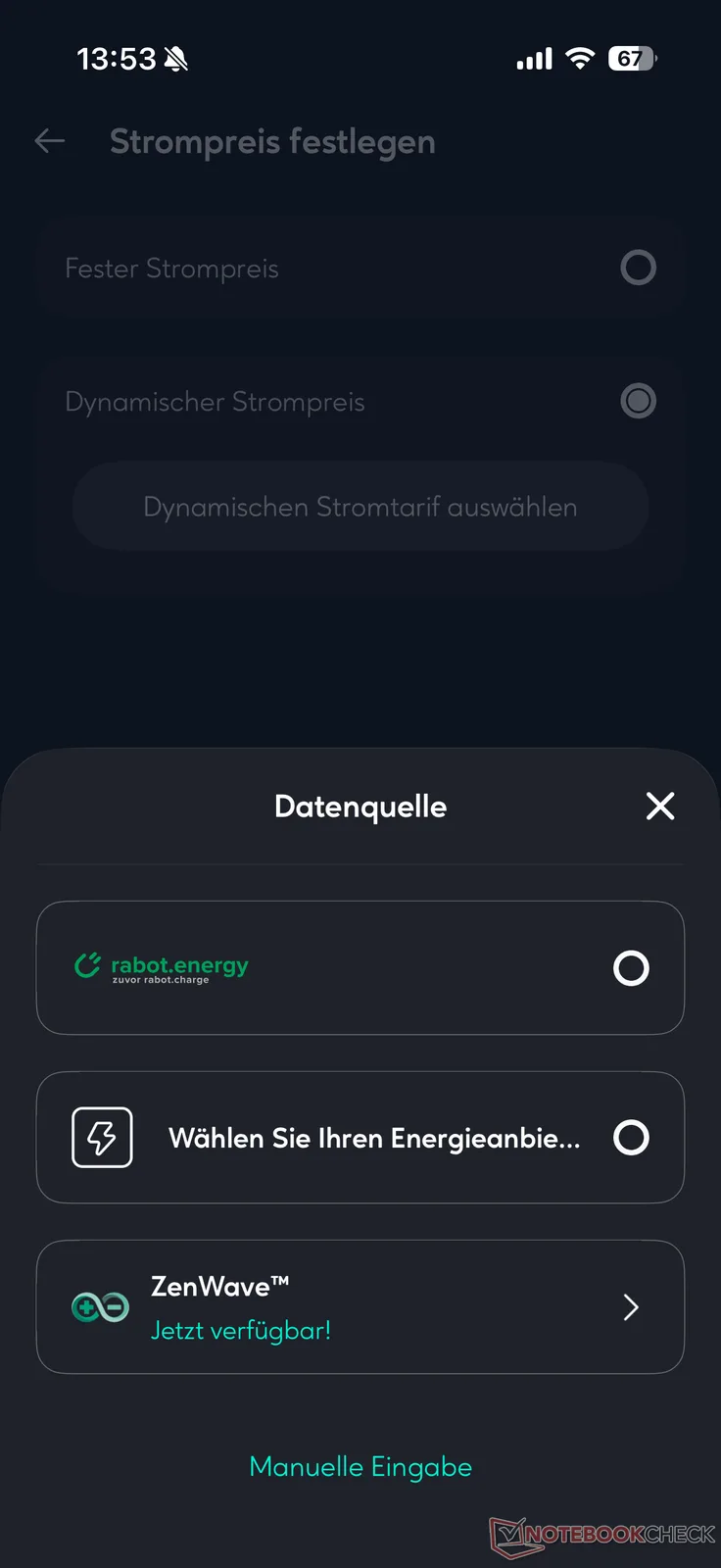
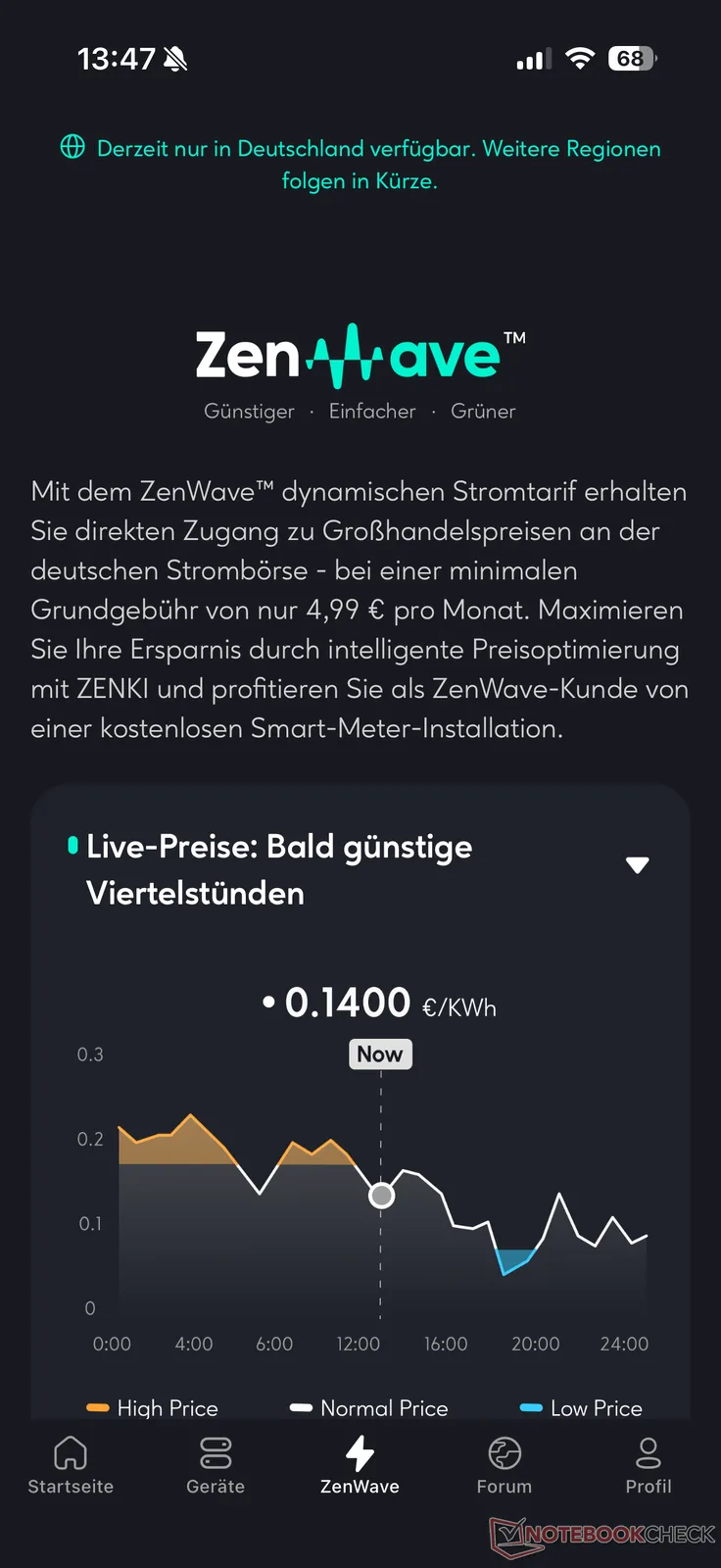
The yield of the system can be increased even further by using dynamic electricity tariffs. Here, the storage system is filled when prices are low and emptied when electricity costs are high. ZENKI uses AI to intelligently predict the corresponding planning in conjunction with expected PV generation and consumption volumes.
Zendure has recently started offering its own dynamic electricity tariff called ZenWave, but also enables interaction with numerous other energy providers in the EU. However, as no dynamic electricity tariff was available for our test, we cannot make any reliable statements about the savings potential, especially as these would vary from household to household anyway.
Practice: Particularly efficient with smart meters
Let's move on to our test impressions, collected over a longer period of time. We do not want to go into specific detail about the potential yield of a PV system with SolarFlow 2400 Pro. On its website, the manufacturer promises annual savings of up to 2,121 euros. Of course, this can only be achieved under ideal conditions, which no household is likely to achieve in practice.
Is the purchase worthwhile?
Whether the system is really worthwhile depends on many factors. It is therefore not possible to give a general answer to the question of whether the purchase is worthwhile or how high the savings are. Ultimately, many things play a role, such as the number and orientation of the PV modules, the use of dynamic electricity tariffs, the electricity consumption of your own household and, ultimately, the weather.
As a general rule, the system pays for itself all the faster if many solar modules with 2,000 Wp or more PV power, smart meters and, ideally, a dynamic electricity tariff are used. In any case, you get the great and priceless feeling of generating your own electricity for free - which of course also applies to all other balcony solar systems and PV solutions.
Perfect in combination with smart meters
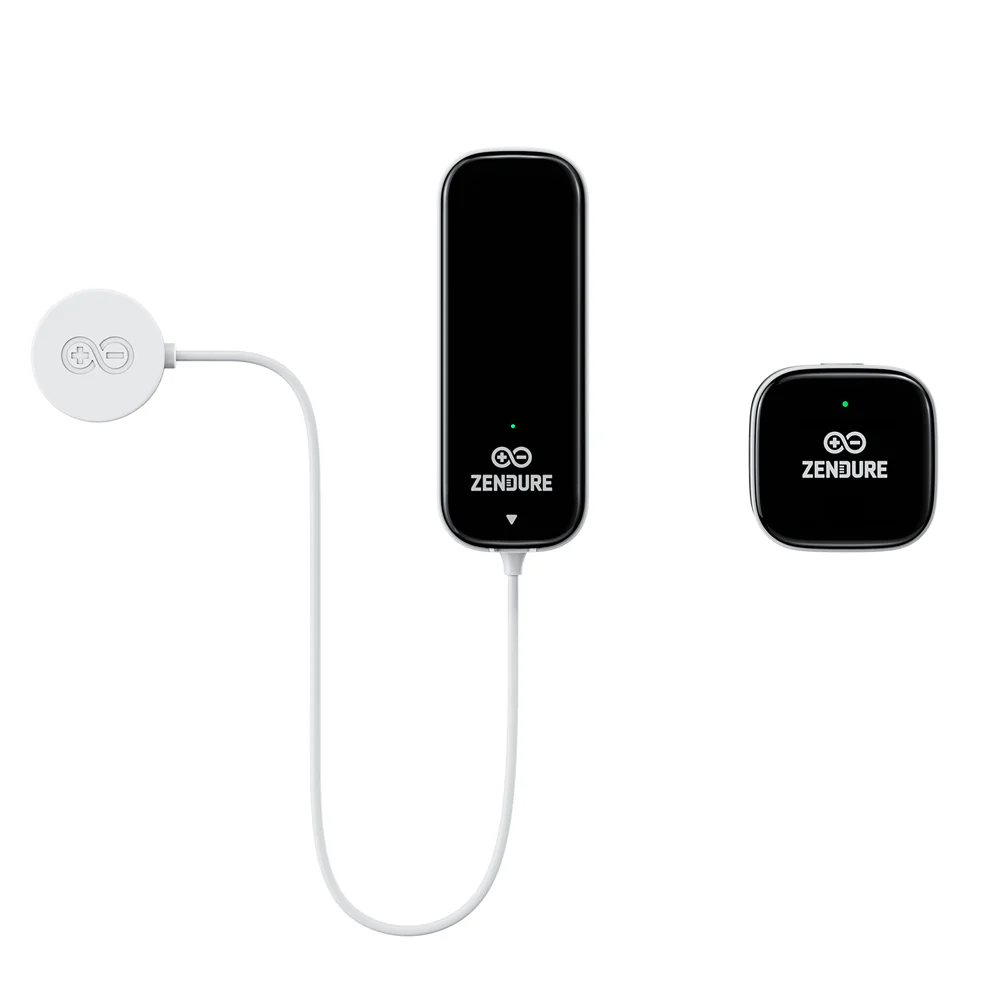
What we were able to assess in our test was the reliability, accuracy and effectiveness of the SolarFlow 2400 Pro. We tested the storage system in combination with four PV modules with a peak output of around 1,800 W and a Shelly Pro 3EM Pro Smart Meter. Other Shelly and EverHome models are also compatible.
In addition to its own smart meter, Zendure has recently started offering an intelligent D0 meter (approx. 80 euros from Zendure). This is simply connected to the D0 connection of the electricity meter and saves the expensive installation of a smart meter by a specialist. Interaction with various smart sockets/plug-in adapters plugs is also possible.
It is always advisable to transmit the current power consumption to SolarFlow 2400 Pro. This allows the system to precisely adjust the amount of electricity fed in and ideally achieve "zero energy waste". In practice, of course, this does not work perfectly due to the system's short reaction times of a few seconds and the constantly changing energy requirements of a household, so that a few watts are still drawn or fed in below the set feed-in limit. Overall, however, Zendure SolarFlow 2400 Pro, like the previous SolarFlow 800 series, worked reliably and well and responded quickly.
Efficiency at a high level
The efficiency of the SolarFlow 2400 Pro is another factor that determines the cost-effectiveness of the system. This is particularly relevant in combination with dynamic electricity tariffs, as the losses during AC charging reduce the profit as the difference between low and high tariffs.
In our test measurements, we can attest to the system's very high efficiency. We were able to draw almost 90 percent of the energy charged via AC from the battery in the same way. However, it should be noted that the value depends on the feed-in and output power.
Overall, Zendure SolarFlow 2400 Pro works very efficiently according to our findings. Standby consumption is also low at just a few watts. This means that the energy loss through conversions and the system itself is low.
FAQ about the Zendure SolarFlow 2400 Pro review
Below we provide brief answers to some important and frequently asked questions about the Zendure SolarFlow 2400 Pro.
How much power does SolarFlow 2400 Pro offer?
The system supports up to 3,000 watts of PV input power via four MPPTs and offers up to 2,400 watts of output power in grid-connected operation. This makes it one of the most powerful balcony power plant storage systems currently on the market.
How much storage capacity does SolarFlow 2400 Pro offer?
SolarFlow 2400 Pro is equipped with 2.4 kWh battery capacity. This can be expanded modularly to up to 16.8 kWh using AB3000L additional batteries. The system is therefore very flexible and can grow or be adapted over time depending on requirements.
Is Zendure SolarFlow 2400 Pro worthwhile?
SolarFlow 2400 Pro is particularly worthwhile for larger balcony solar systems with high PV output and for households with high electricity consumption. However, the system only unfolds its full potential in combination with a smart meter (requires expert installation) and dynamic electricity tariffs. SolarFlow 2400 Pro is often oversized for small setups.
How much can you save with SolarFlow 2400 Pro?
The potential savings depend heavily on various factors such as PV output, your own electricity consumption, location and electricity tariff. The system can significantly reduce electricity costs, especially in combination with dynamic electricity tariffs.
What are the benefits of the ZENKI AI function?
The AI analyses consumption, weather data and electricity prices in order to automatically optimize charging and discharging times in conjunction with dynamic tariffs. This allows the storage system to be charged when prices are low and discharged when electricity costs are high, which increases savings, especially on days without sunshine.
Transparency
The selection of devices to be reviewed is made by our editorial team. The test sample was provided to the author as a loan by the manufacturer or retailer for the purpose of this review. The lender had no influence on this review, nor did the manufacturer receive a copy of this review before publication. There was no obligation to publish this review. As an independent media company, Notebookcheck is not subjected to the authority of manufacturers, retailers or publishers.
 Add as a preferred source on Google


