




YouTuber builds private "global" internet with $20 radio boards and Reticulum
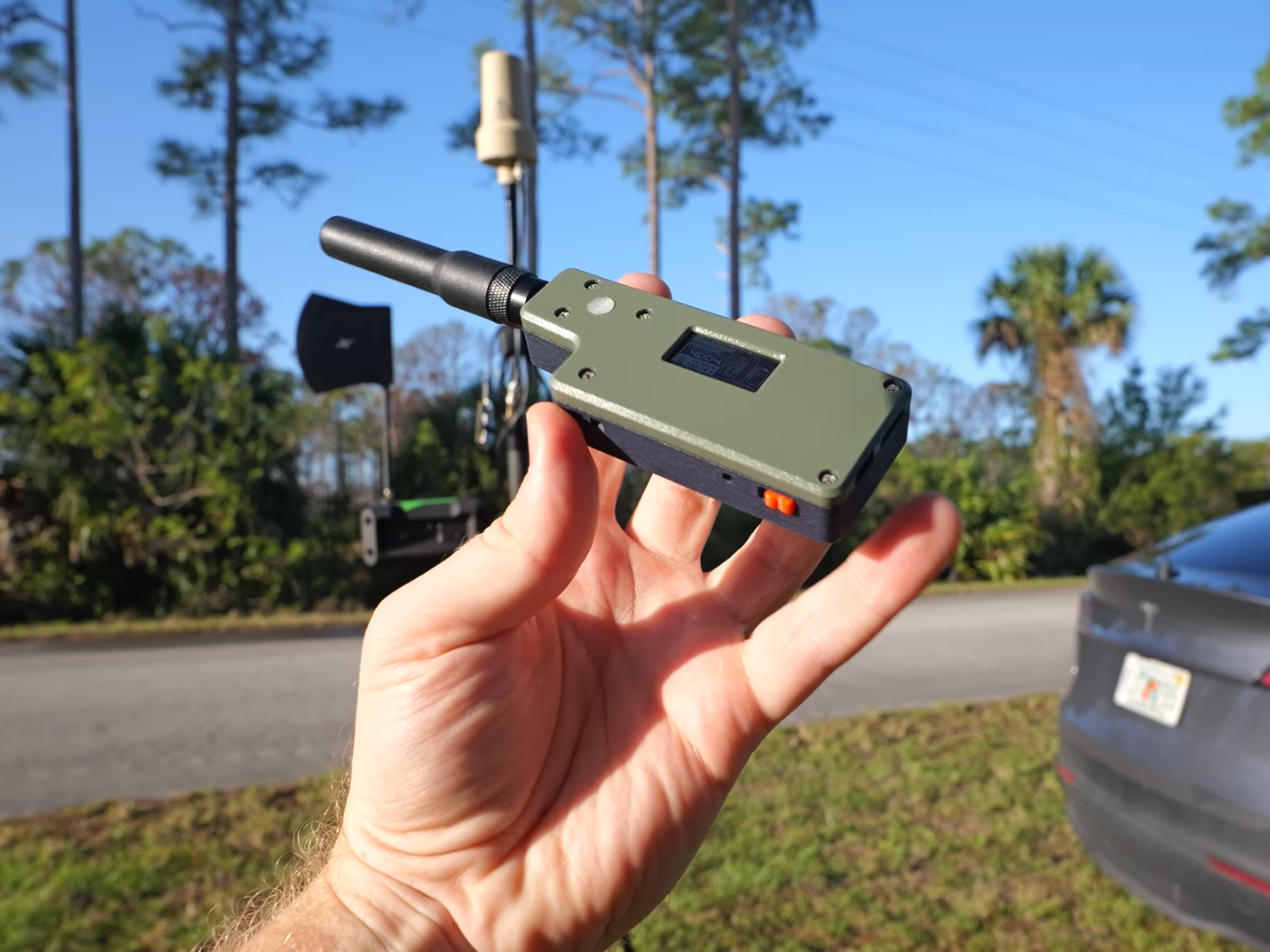
YouTuber Data Slayer recently posted a video about a functional international mesh network made using the Reticulum protocol. The project steps away from standard ISP control; instead, it utilizes sub-gigahertz radio hardware alongside private networking tunnels. He has used affordable off-the-shelf components for this build, and it proves that achieving decentralized communication is no longer for high-budget research labs alone.
The hardware itself relies on Raspberry Pi units and Heltech radio boards. During the initial tests, Wi-Fi HaLow handled local traffic through concrete walls, but Data Slayer eventually switched to LoRa (both HaLow and LoRa are sub-GHz, low-power wireless technologies) for wider neighborhood coverage. These radio nodes managed stable pings at distances over 3 miles (~4.8 km) with clear line of sight. The Heltech nodes, which typically retail for around $20 to $30, are a pretty affordable entry point for building independent infrastructure.
Now, a little more information regarding the software, which makes the hardware talk. The builder used Mesh Chat and Sideband to manage the actual messages, showing that the Reticulum Network Stack (RNS) can bridge different devices like Android phones and Linux desktops with ease. Because Reticulum is protocol-agnostic, it does not care whether the data is moving over radio waves, ethernet cables, or even Morse code.
Bridging the nearly 2,500-mile (~4,000 km) gap between Florida and Venezuela required Tailscale for encrypted tunneling. Reticulum treats these VPN links as simple carriers. Using this, data can move across the world while staying inside a private, unobservable mesh. The legacy internet acts only as the physical medium for the packets. Because of this somewhat hybrid approach, the data (which technically moves through public infrastructure) is fully encrypted end-to-end and invisible to the providers carrying it.
The final part of the experiment involved a gritty ethos of using whatever is available - drones and even kites - to get nodes high enough for a clean signal. It's a neat project that is proof of the fact that community-run networks are more practical than ever.
 Add as a preferred source on Google


