




The rise of AI slop: How "brainrot" is taking over YouTube Shorts
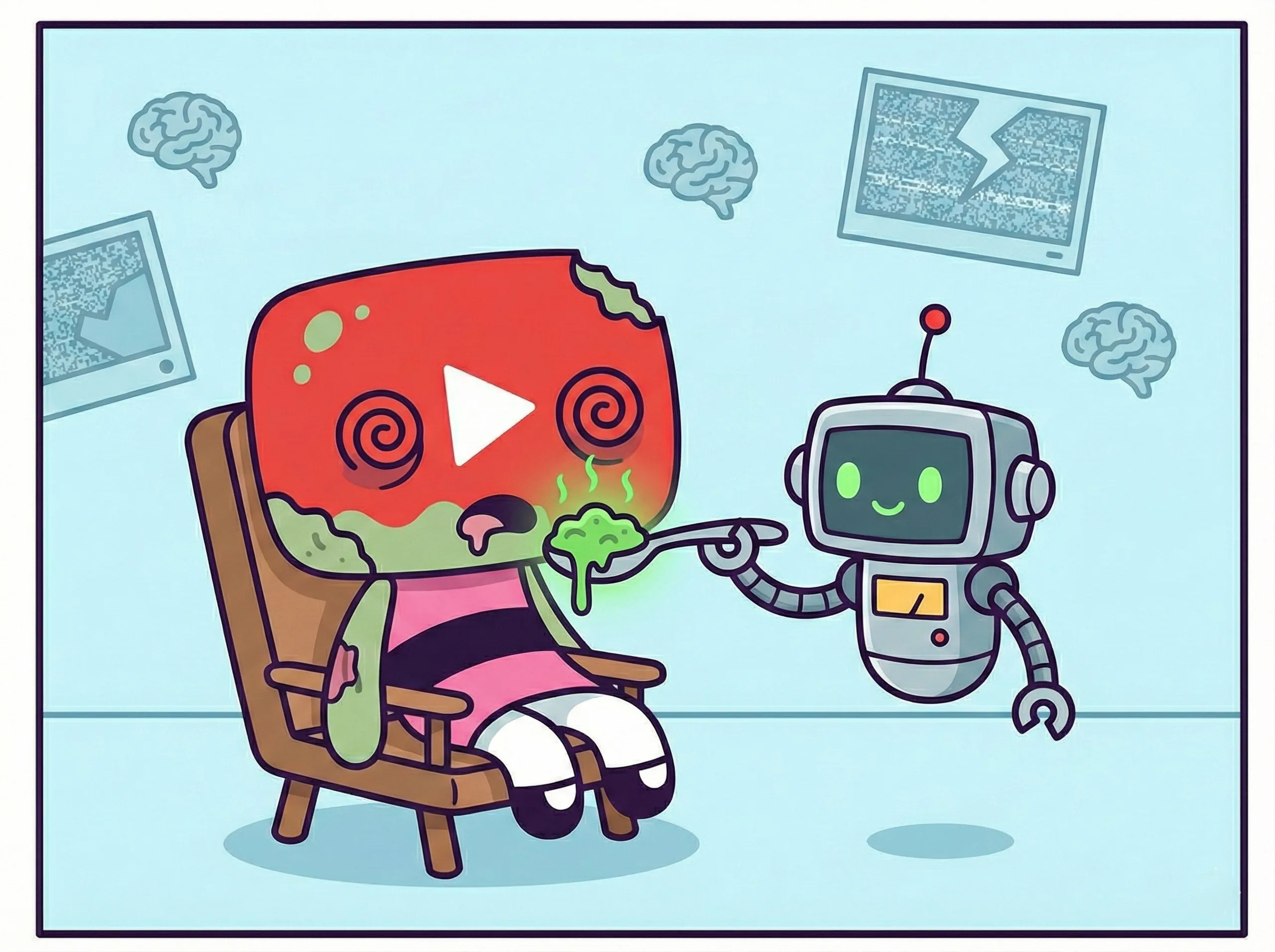
Making money with AI-generated digital trash has become a harsh reality for traditional creators. A study by the video editing platform Kapwing highlights a concerning behavior: new YouTube users encounter up to 33% AI slop or "brainrot content" in their Shorts feeds. These aren't creative works but bizarre, automated clips designed to hijack attention through absurd stimuli. While manual editing used to require weeks of planning, algorithms now flood the platform every second.
The methodology
To gather this data, the Kapwing team simulated the experience of an entirely new user and manually evaluated the first 500 suggested Shorts. They also analyzed the top 100 trending channels per country and used tools like Social Blade to estimate subscriber growth and revenue.
The profit behind the trash
The financial success of these channels stands in stark contrast to the minimal creative effort involved.
- India: The channel "Bandar Apna Dost" (Monkey Friend) leads the pack with over 2.4 billion views. It generates an estimated $4.25 million annually with surreal, AI-generated monkey clips.
- USA: The US-based channel "Cuentos Fascinantes" has become the world’s most-subscribed slop channel with nearly 6 million followers. Overall, trending AI slop channels in the US have already amassed over 3.39 billion views.
While professional creators spend weeks on research and post-production, "sloppers" dominate feeds through sheer volume, increasingly displacing handmade content.
YouTube’s dilemma
YouTube is currently stuck in a difficult position. The platform promotes generative AI as a major driver of innovation, yet it risks losing advertisers if their commercials appear next to mindless, low-quality filler. This flood of content could erode trust in digital media, making it harder to find genuine value in the "noise" of the algorithm. The system threatens to suffocate on its efficiency if automated clutter permanently drowns out human creativity.
A different approach
However, not all AI use is low-effort. Some creators prove that these tools can be used for high-quality production when combined with real creativity.
Sources
 Add as a preferred source on Google


