




Tesla may eat the ticket for robotaxi traffic violations in China with new responsibility law
Tesla's publicly available FSD option doesn't face the restrictions and scrutiny that fully autonomous platforms like Waymo or its own Robotaxi service operate under, as it is still certified as a Level 2 driver-assist service.
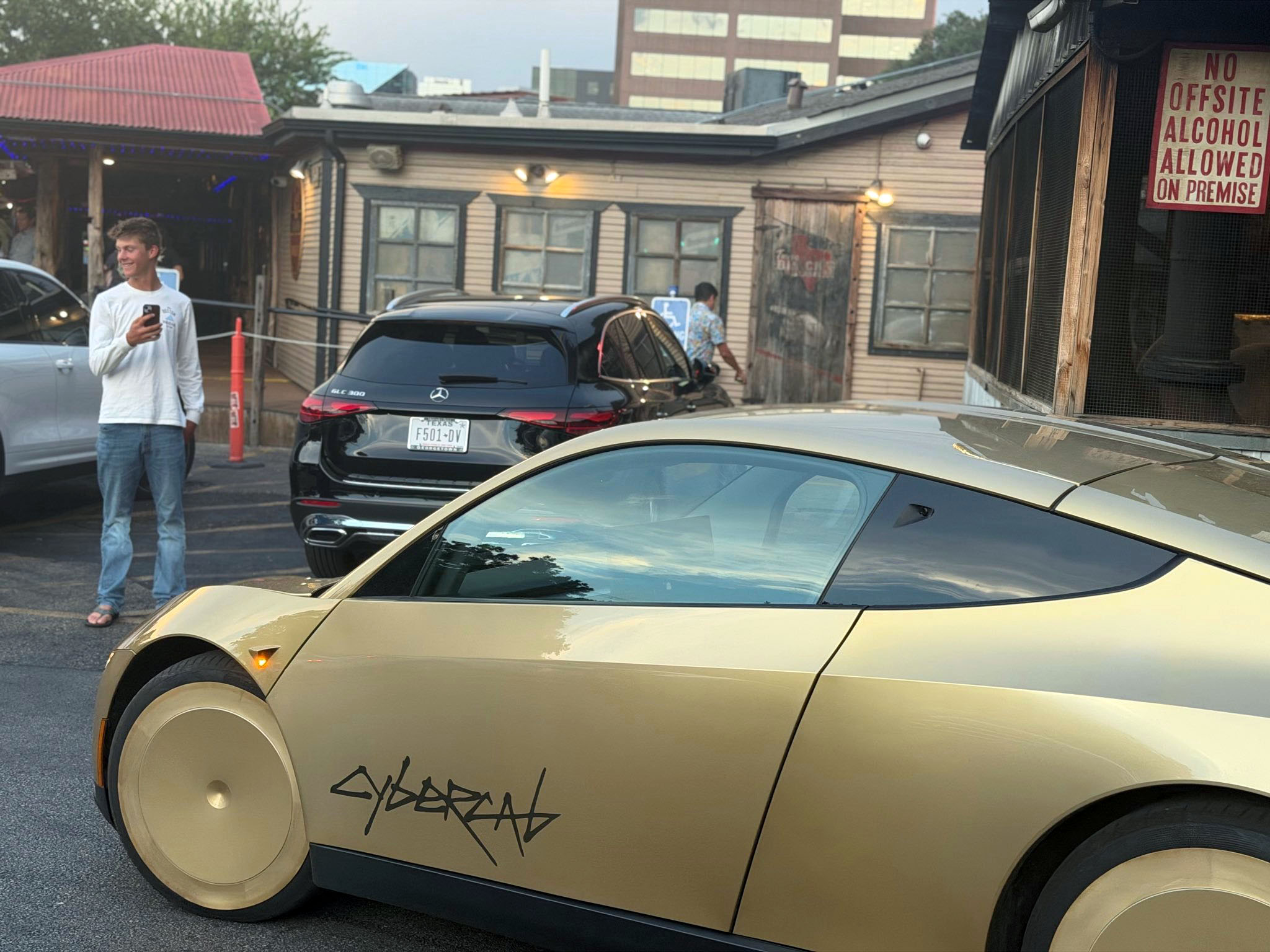
Uber drivers, for instance, can use it anywhere at all times, as long as they agree to supervise it, but when an accident happens, the responsibility still lies with the dirver. If there is nobody behind the wheel, however, and even if there is no wheel like in Tesla's Cybercab, China is preparing to charge the robotaxi automaker for traffic violations.
Robotaxi makers take the blame for traffic accidents
China has drafted a legal change that would make automakers, not passengers, answer for traffic violations committed while a vehicle is driving itself. The proposal, submitted this week to the Standing Committee of the National People's Congress as part of a broader revision to the Road Traffic Safety Law, adds a new chapter specifically covering autonomous vehicles, how their traffic violations are handled when they operate on public roads, and how insurance should work.
If a car's fully autonomous mode is switched on when it runs a red light or breaks a speed rule, it's the manufacturer or importer on the hook for that violation, not the person sitting behind the wheel. Beijing is careful to draw a line here, as this regulation will only apply to genuine autonomous driving, not the assisted-driving systems most EVs already ship with. If the driver-assist features are active but a human is still nominally responsible, normal traffic law still applies to the human in the car.
According to China's Ministry of Industry and Information Technology, over 70% of passenger cars sold this year already have some form of L2 driver-assist abilities, while roughly a third use autopilot systems, and none of those would fall under this new rule. It's aimed squarely at the smaller cohort of L3 and L4 systems that have only just started getting regulatory approval.
For automakers building toward full autonomy of the type that Waymo, Tesla's Robotaxi platform, or Baidu's Apollo Go in China, this means that if they sold the car's autonomous decision, they would also own the consequences of it.
That is a heavier ask than most markets currently place on manufacturers. In Texas, where Tesla's Cybercab is likely to operate first, for instance, there is no specific robotaxi legislation, but the autonomous cars are governed under general traffic regulation laws.
This lands right as Tesla is trying to scale its robotaxi ambitions with the Cybercab launch scheduled for September 3, as well as push its FSD option into China. Any company wanting to offer true hands-off, eyes-off driving there will need complete logging of when autonomy was actually engaged since that distinction now determines who would eventually get the blame or the ticket. Still, the draft is in its early review stages, and a lot could change before it becomes law.
Get the Tesla Universal Wall Connector EV Charger with Dual Plug on Amazon
Source(s)
 Add as a preferred source on Google


