




Scientists find a freezing cold "Earth"
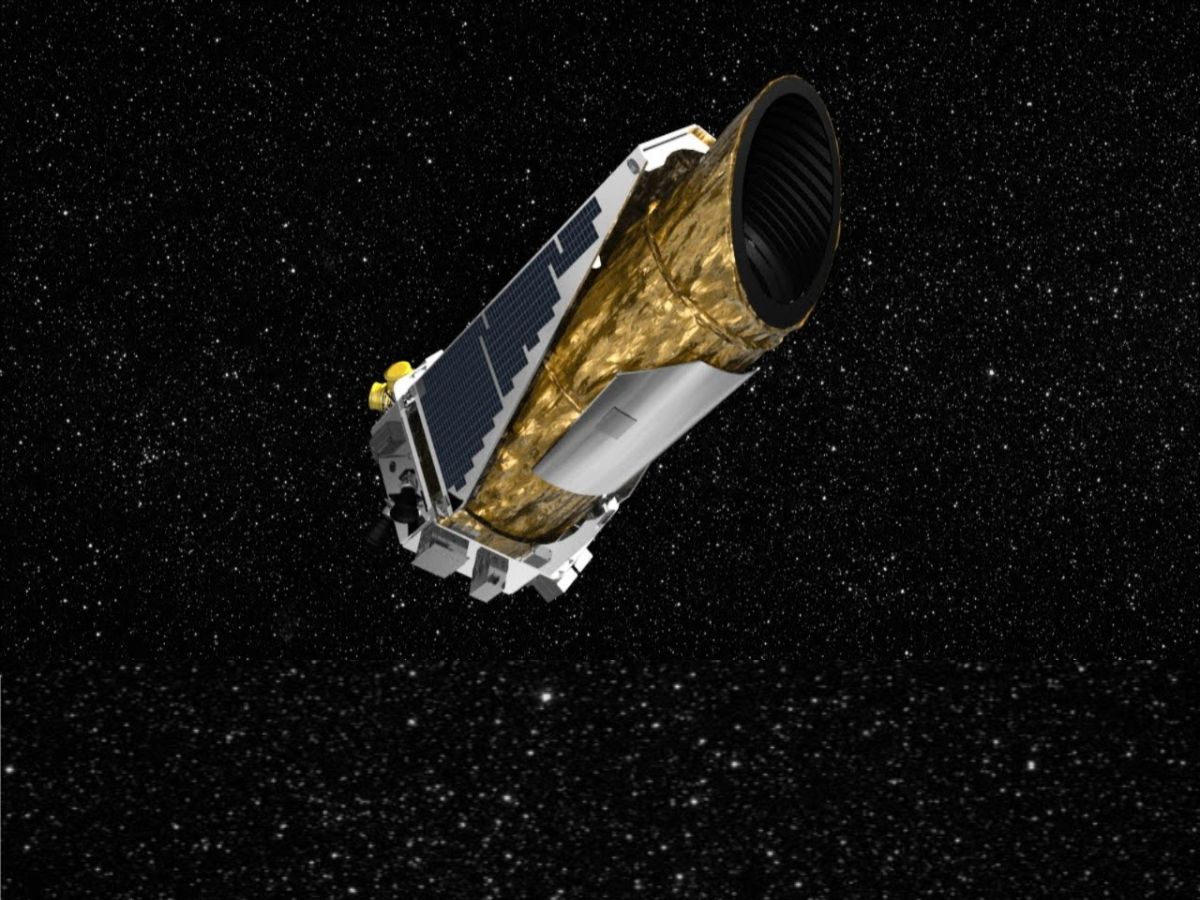
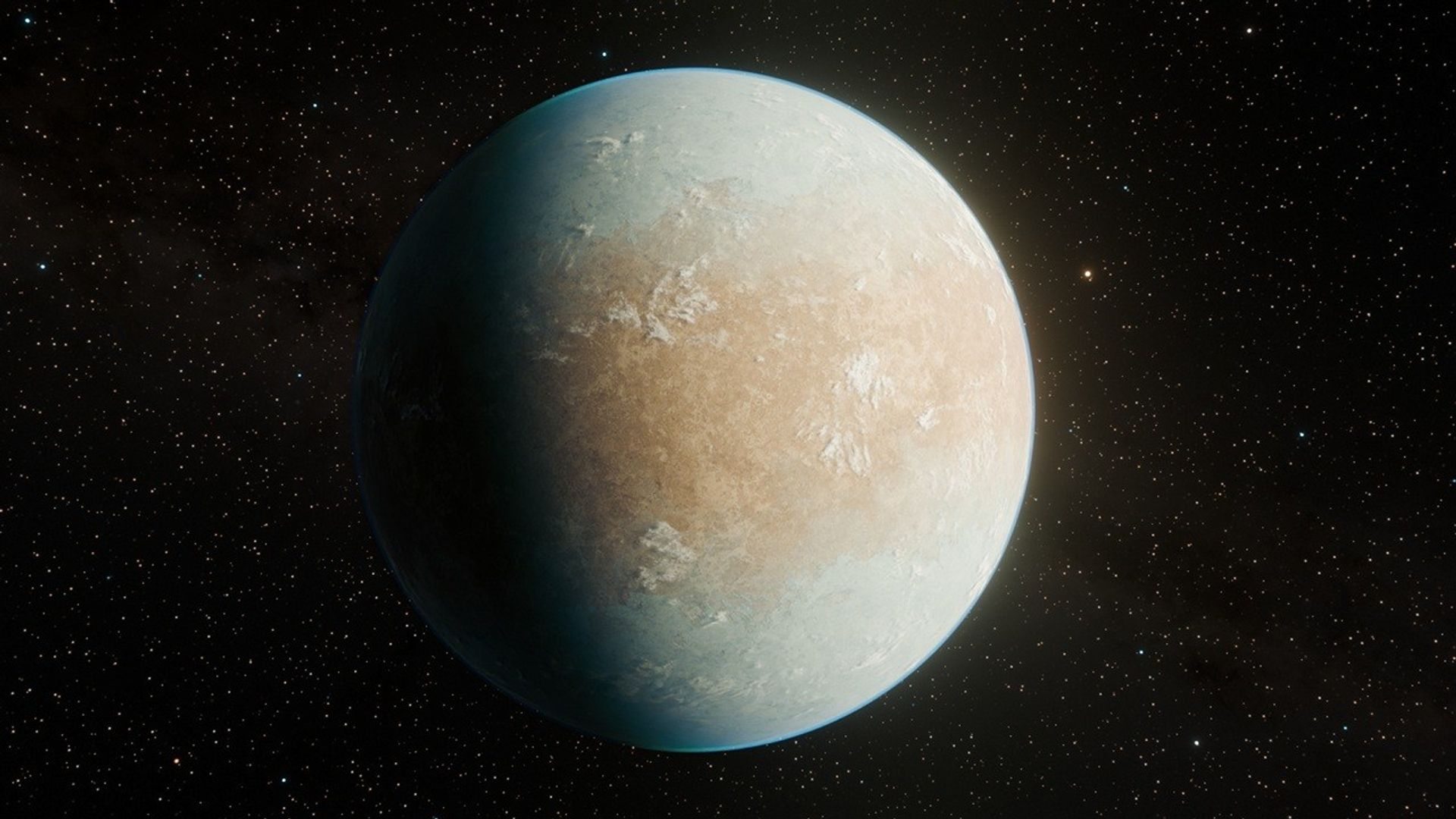
From NASA’s retired Kepler Space Telescope data, an international science team has found a candidate exoplanet that is similar to Earth but way cooler — even cooler than Mars. The candidate planet is called HD 137010 b.
HD 137010 b is possibly a rocky planet that orbits a Sun-like star about 146 light-years away. It likely takes it around one year to orbit its star just like Earth. From the findings, the HD 137010 b is likely to fall just within the outer edge of the star’s habitable zone. This orbital distance could still allow liquid water to form on the candidate planet’s surface under a suitable atmosphere. The science team’s models suggest that HD 137010 b has a 40% chance of falling within the “conservative” habitable zone and a 51% chance of falling within the broader “optimistic” habitable zone. But the authors of the study say that the planet has a 50-50 chance of falling beyond the habitable zone entirely.
HD 137010 b’s Sun is similar to Earth’s, but unlike Earth’s Sun, it is cooler and dimmer. As a result, the planet would only receive one-third of the heat and light that Earth receives. This is why the expected temperature on HD 137010 b is no higher than minus 90° Fahrenheit — much cooler than Mars’s minus 85° Fahrenheit temperature. At that temperature, finding liquid water on HD 137010 b would be highly unlikely except that it has an atmosphere richer in carbon dioxide than Earth.
The researchers’ discovery comes from a single transit. A transit is a period where a planet’s shadow moves across a star, dimming the star’s light. For HD 137010 b, its transit lasted 10 hours. Studying that single transit qualified HD 137010 b to be considered a candidate planet. Scientists will dig further to confirm whether it is truly a planet.
Buy the beginner-friendly Gskyer Astronomical Refracting Telescope for $96.99 on Amazon.
Source(s)
 Add as a preferred source on Google


