SSD prices explode by 303 % in a year as AI fuels NAND flash shortage
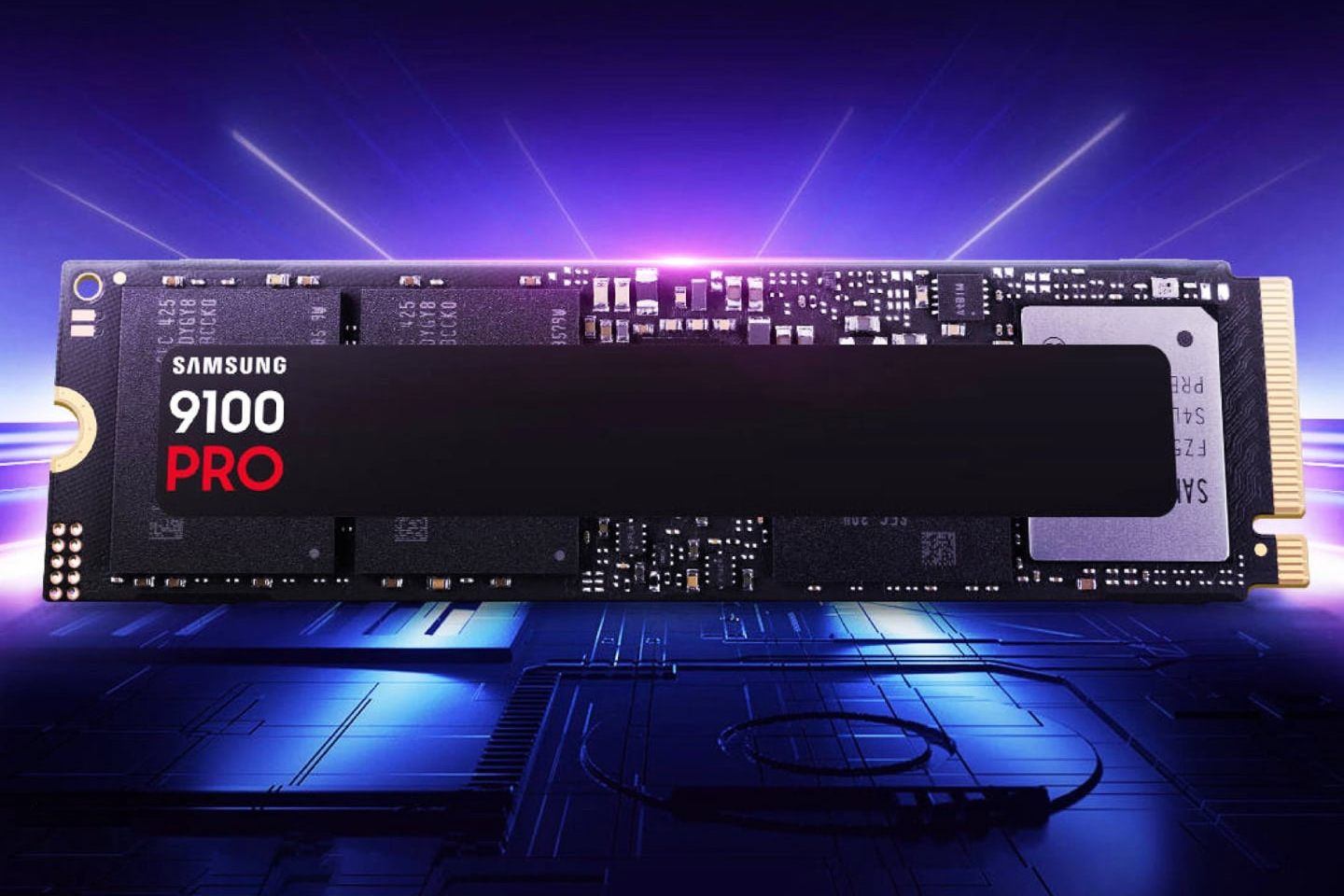
SSD prices continue to climb as an AI-driven NAND flash shortage reshapes the memory market. Contract prices for some SSDs have reportedly jumped 303 % in a year, and further increases are expected.
The contract price of a 256GB TLC SSD reached approximately $134.20 in the third quarter of 2026, up from $33.30 a year earlier. That represents a 303 % increase year over year and a roughly 20 % rise from the previous quarter. A 512GB equivalent reportedly rose from about $62.40 to $252 over the same period, while the price of a 1-terabit TLC NAND component reportedly increased by 123 % in the six months to October 21.
These figures refer to contract prices rather than retail prices, so they do not mean every consumer SSD has become four times more expensive. However, they illustrate the pressure on storage costs as NAND flash supplies tighten.
Prices are likely to keep rising, although the pace of increases may vary by product. TrendForce forecasts that NAND flash contract prices will increase by another 15 % to 20 % quarter over quarter in the fourth quarter of 2026. Enterprise SSD prices are expected to rise even faster, by 23 % to 28 %, as cloud providers expand their AI inference infrastructure.
Much of the pressure comes from demand for high-capacity QLC enterprise SSDs used in AI inference systems. TrendForce expects enterprise SSD demand, measured by storage capacity, to grow by more than 80 % year over year in 2026.
Major NAND manufacturers are prioritizing enterprise customers, leaving less capacity available for consumer products. SK hynix has reportedly allocated its NAND production through the end of 2026, while Micron said more than 75 % of its expected fiscal 2027 output is already committed to customers. Industry analysis suggests that new capacity from SK hynix and Micron may not meaningfully increase supply until mid-to-late 2027.
SanDisk’s capacity constraints are adding to the pressure. The company says its NAND capacity remains roughly 30 % below its 2022 peak after the retirement of about 560,000 wafers per month during the previous industry downturn. Bringing new manufacturing capacity online is expected to take years.
Consumers are already feeling the effects. A 1TB Gen4 NVMe SSD reportedly cost an average of about $144 in mid-October, while a Samsung 990 Evo Plus 1TB drive was listed at $237, compared with a previous low of around $59. Meanwhile, PC makers are trying to contain costs by using existing inventories, trimming orders, and reducing SSD capacities in some mainstream laptops and desktops.
Source(s)
 Add as a preferred source on Google