Newly launched pendant monitors daily sun exposure and skin health
Summer has arrived in the Northern Hemisphere, accompanied by scorching sun and record-breaking temperatures. A colleague at Notebookcheck recently reported 40 degrees (104 Fahrenheit) from Córdoba, Spain. Or, if you're like me, you either live close to the equator or in the Southern Hemisphere, where the sun is stronger. Little wonder then, that Australia has the highest rate of skin cancer in the world, with about two in three Australians diagnosed by the age of 70.
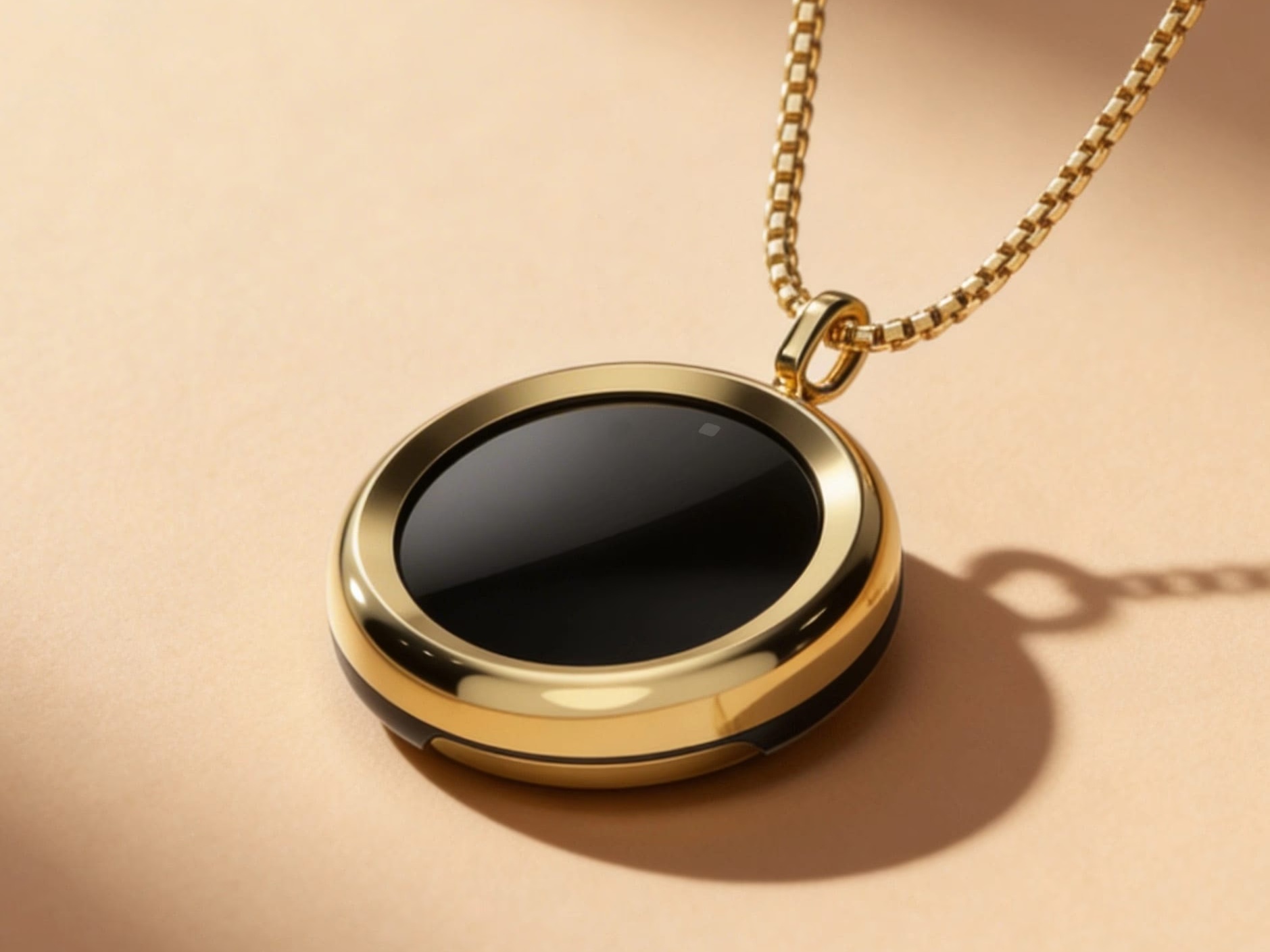
In this context, preventative skin-health company The90 has just launched a pendant necklace and companion app designed to track real-time UVA and UVB exposure. The Gem aims to do for sun exposure what smartwatches did for the step-obsessed: give trackable, visible data of how much sun exposure users are getting throughout the day.
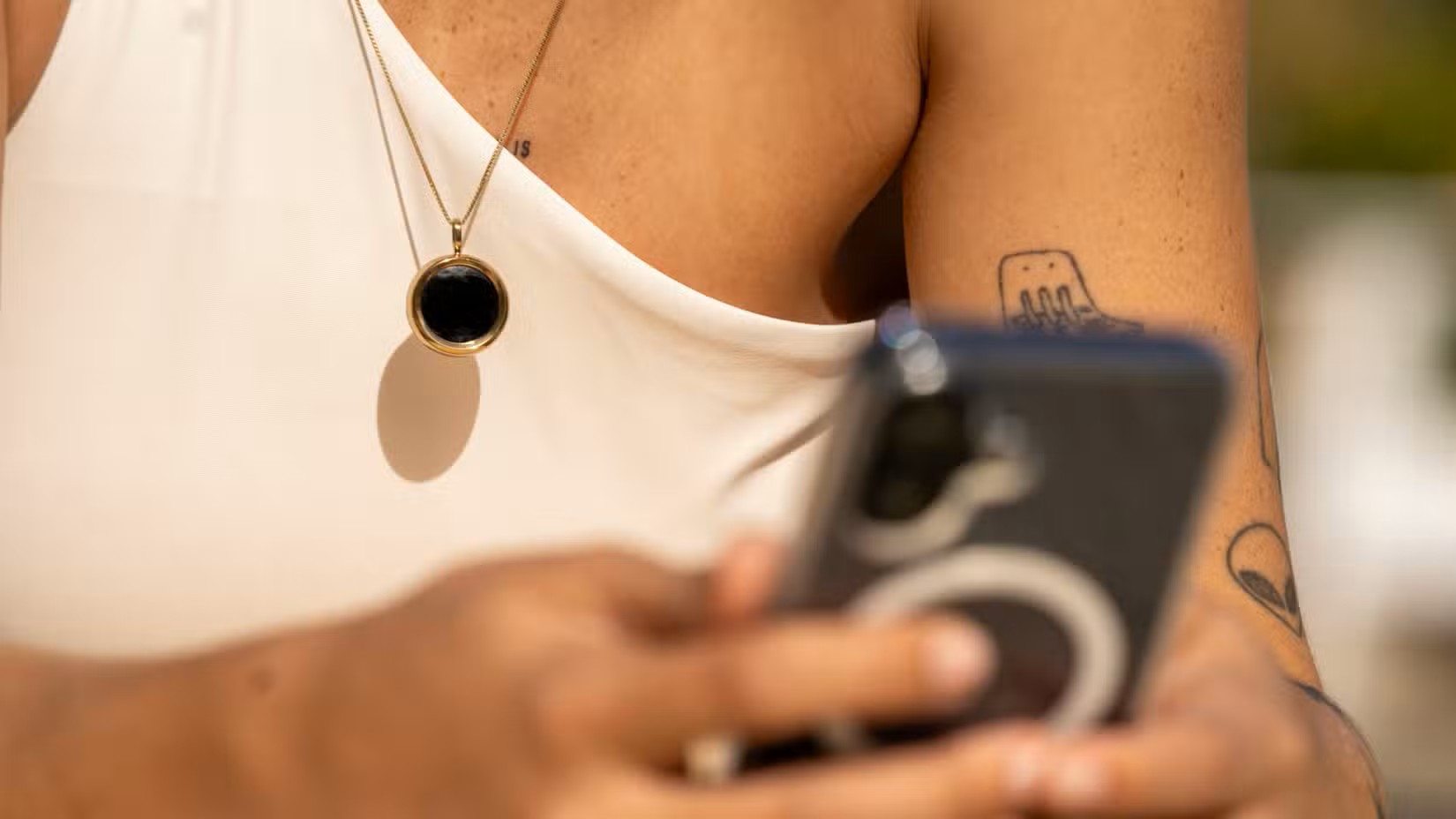
Similarly to activity- or sleep tracking on wearables such as the Amazfit Active 2 (available here at Amazon), the Gem houses a special, circular sensor in a titanium case that measures exposure to ultraviolet (UV) light. This measures how long your skin is exposed to both UVA and UVB rays. The former penetrates deep into the skin, causing premature aging and wrinkles. The latter primarily affects the skin's surface layers, causing sunburns and direct DNA damage. In short, both increase the risk of skin cancer and require protection.
An inbuilt rechargeable battery is said to last a week on a single charge, while the sensor itself is reportedly splashproof. The companion app, available for both Android and iOS, takes into account your skin type and tracks your UV exposure in real time, reminding you when to reapply sunscreen, cover up or move to better shade. It also offers vitamin D targets, clothing recommendations for current UV levels and post-sun care tips.
Currently priced at $199, the Gem comes in either a silver or gold finish and is designed for women, but the company also has plans to introduce models for men and children in the future, as well as other ways of wearing the sensor. Interested buyers, however, would do well to wait to see if the device's claims hold up to third-party testing.
 Add as a preferred source on Google