




New study shows interstellar comet 3I/ATLAS is packed with alcohol
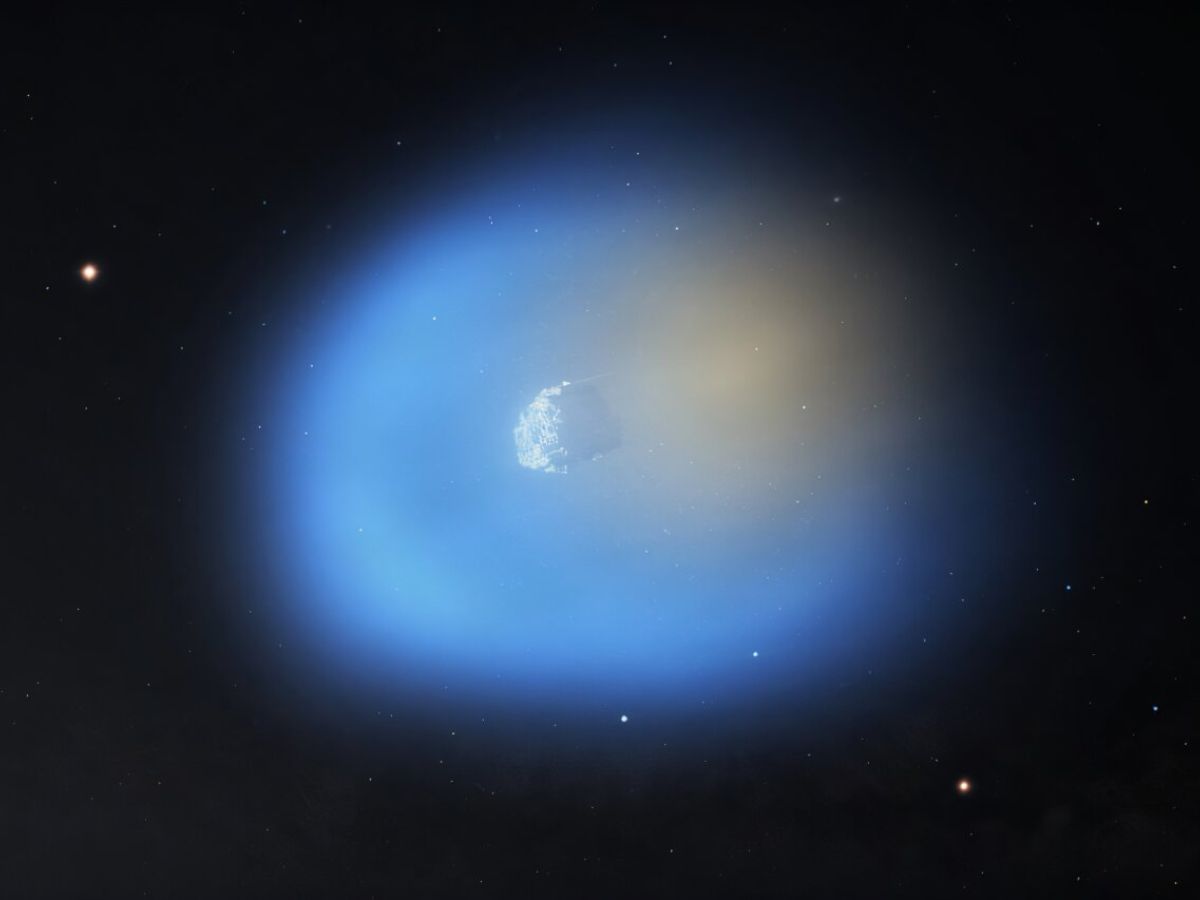
Most of the comets we study formed in the early solar system. However, сomet 3I/ATLAS was formed in another planetary system, wandering into our solar system much later, which makes it an interstellar comet. When a comet gets close to the Sun, the solar heat warms the comet’s icy surface, sublimating the ice into gas, which then escapes into space. This forms a glowing cloud around the comet called a coma.
Astronomers used the Atacama Large Millimeter/submillimeter Array (ALMA), which consists of dozens of radio telescopes, to make the observations. Spectral fingerprints of molecules were detected at specific wavelengths and identified. The specific molecules measured were methanol and hydrogen cyanide, which are common molecules found in comets. Usually, the ratio of methanol to hydrogen cyanide is much lower in other comets. However, Comet 3I/ATLAS contains 70–120 times more methanol than hydrogen cyanide. This makes it one of the most methanol-rich comets ever studied. This unusual chemical composition suggests that this comet was formed under different physical conditions.
ALMA also studied how different gases escape from the comet. Hydrogen cyanide comes directly from the comet’s nucleus. Methanol comes from the comet’s nucleus and small icy grains floating in the coma, which act as mini-comets. Solid methanol ice sublimates into gas, releasing additional molecules in a process called extended outgassing. This discovery has helped scientists study the chemistry of other solar systems in greater depth and compare them with our own.
 Add as a preferred source on Google


