




New flexible chip promises faster, cheaper, and more power-efficient smart wearables
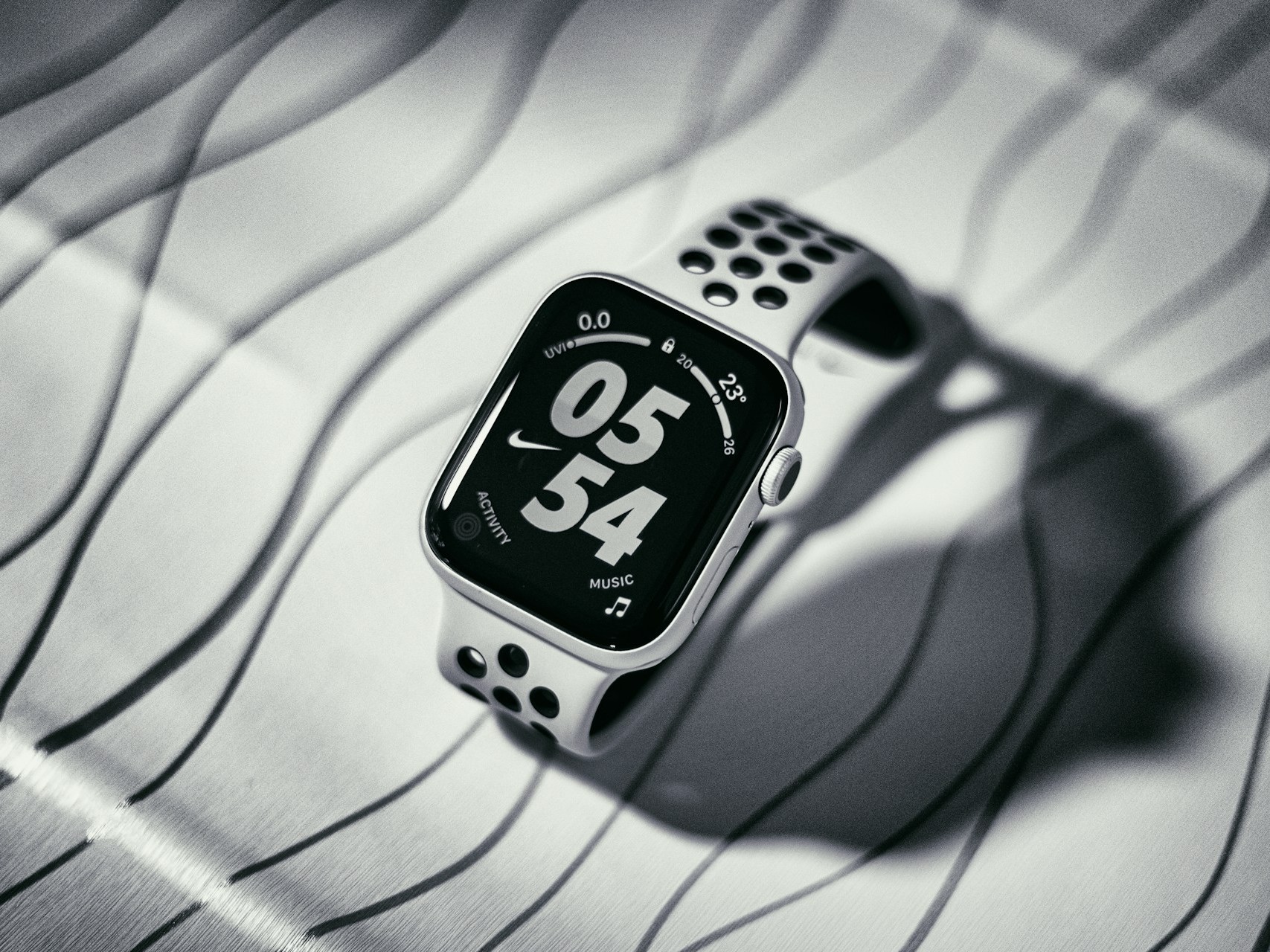
The promise of smart wearables has long been hindered by rigid, power-hungry chips. Researchers from Tsinghua University and Peking University have now bridged this gap with FLEXI, a new family of flexible AI chips thinner than a human hair.
The research — published in the journal Nature — highlights a significant architectural shift: compute-in-memory. Unlike current wearables that must offload data to external processors or cloud backends, FLEXI processes information directly on its circuitry. Per the researchers, this on-device capability eliminates the energy cost of shuttling data between memory and a processor, allowing the chip to consume less than 1% of the energy used by standard silicon.
The chip's physical design is equally striking. Built using low-temperature polycrystalline silicon (LTPS) on a flexible plastic base, the device can be stretched, twisted, and even crumpled. In bend tests, FLEXI survived over 40,000 bending cycles and was folded to a radius of just one millimeter without any loss in performance.
Real-world trials with volunteers showcased the chip's medical potential. FLEXI identified irregular heartbeats (arrhythmia) with 99.2% accuracy and tracked physical movements like walking and cycling with 97.4% accuracy.
Interestingly, FLEXI is designed for mass adoption. With production costs targeted at less than $1 per unit, this technology could pave the way for smart textiles and AI-embedded garments that are currently not economically feasible. While the team aims to integrate more complex sensors in the future, FLEXI currently stands as a high-fidelity, low-power solution for the next generation of physically adaptable electronics.
Source(s)
Nature via Tech Xplore
 Add as a preferred source on Google


