




Hiroshima University researchers successfully 3D print ultra-hard tungsten carbide
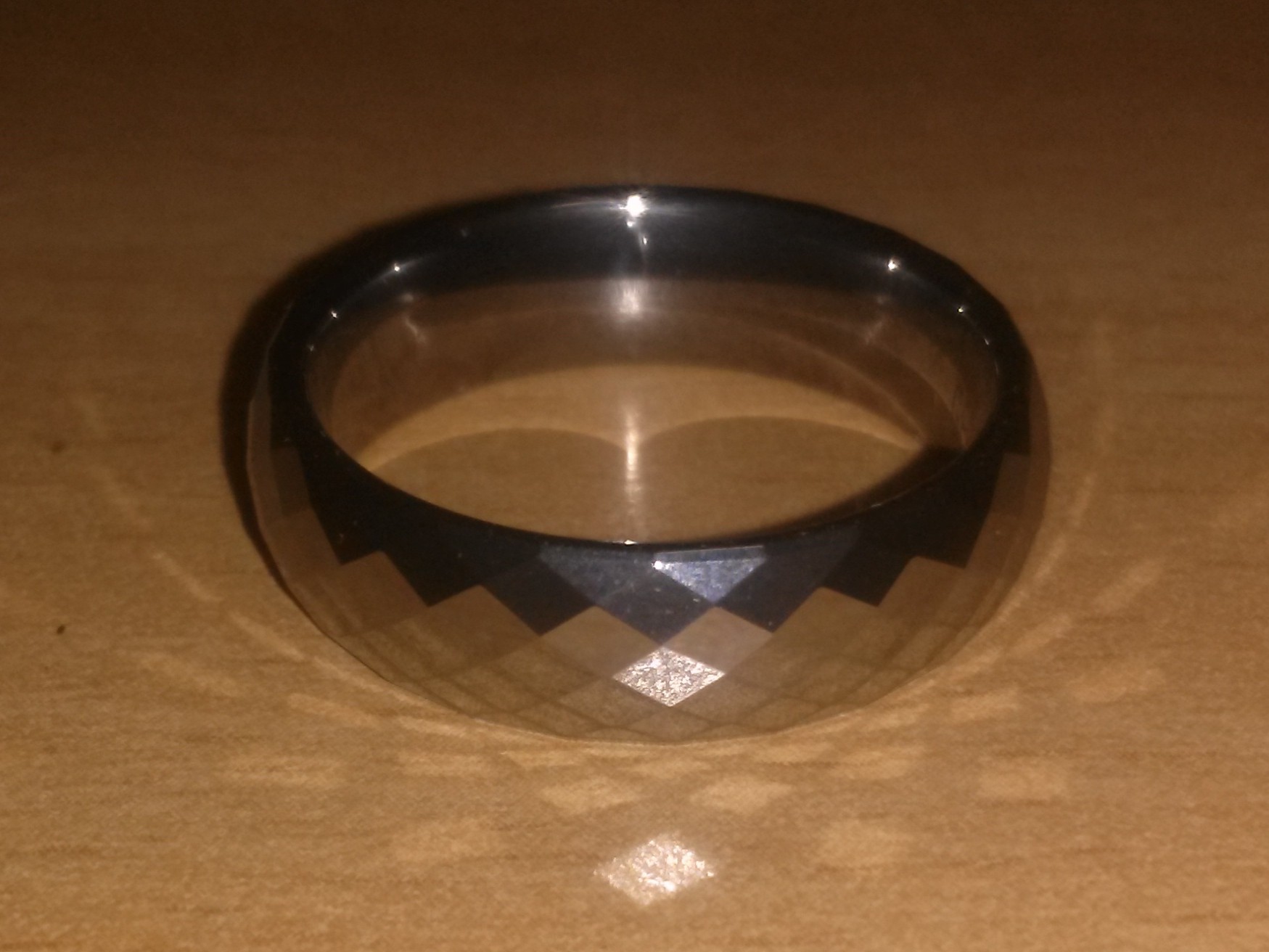
Tungsten carbide–cobalt (WC–Co) is a staple of the manufacturing industry, prized for a hardness that rivals sapphire and diamond. However, its extreme durability makes it incredibly expensive and wasteful to shape using traditional powder metallurgy. Now, researchers at Hiroshima University have developed a way to 3D-print this material without sacrificing its legendary toughness.
The study — published in the International Journal of Refractory Metals and Hard Materials — utilizes a technique called hot-wire laser irradiation. Unlike standard additive manufacturing that might fully melt the feedstock, this method combines a laser beam with a preheated filler wire to merely soften the metals.
Cemented carbides are extremely hard materials... but they are made from very expensive raw materials such as tungsten and cobalt, making reduction of material usage highly desirable. By using additive manufacturing, cemented carbide can be deposited only where it is needed, thereby reducing material consumption. — Assistant Professor Keita Marumoto, corresponding author of the paper.
The team tested two fabrication orientations: rod-leading and laser-leading, but initially faced issues with defects and material decomposition. They achieved success by introducing a nickel alloy-based middle layer and strictly controlling temperatures to stay above cobalt's melting point but below the level where grain growth occurs. The final result was a defect-free material boasting a hardness of over 1,400 HV, matching conventionally manufactured carbides.
The researchers are now looking to refine the process to prevent cracking and allow for the fabrication of complex shapes, potentially revolutionizing how cutting tools are made.
Buy the Flashforge AD5X Multi-Color 3D Printer for $339 on Amazon.
Source(s)
 Add as a preferred source on Google


