




Musk pitches pie-in-the-sky Terafab 2 nm foundry for SpaceX and Tesla AI chip fare
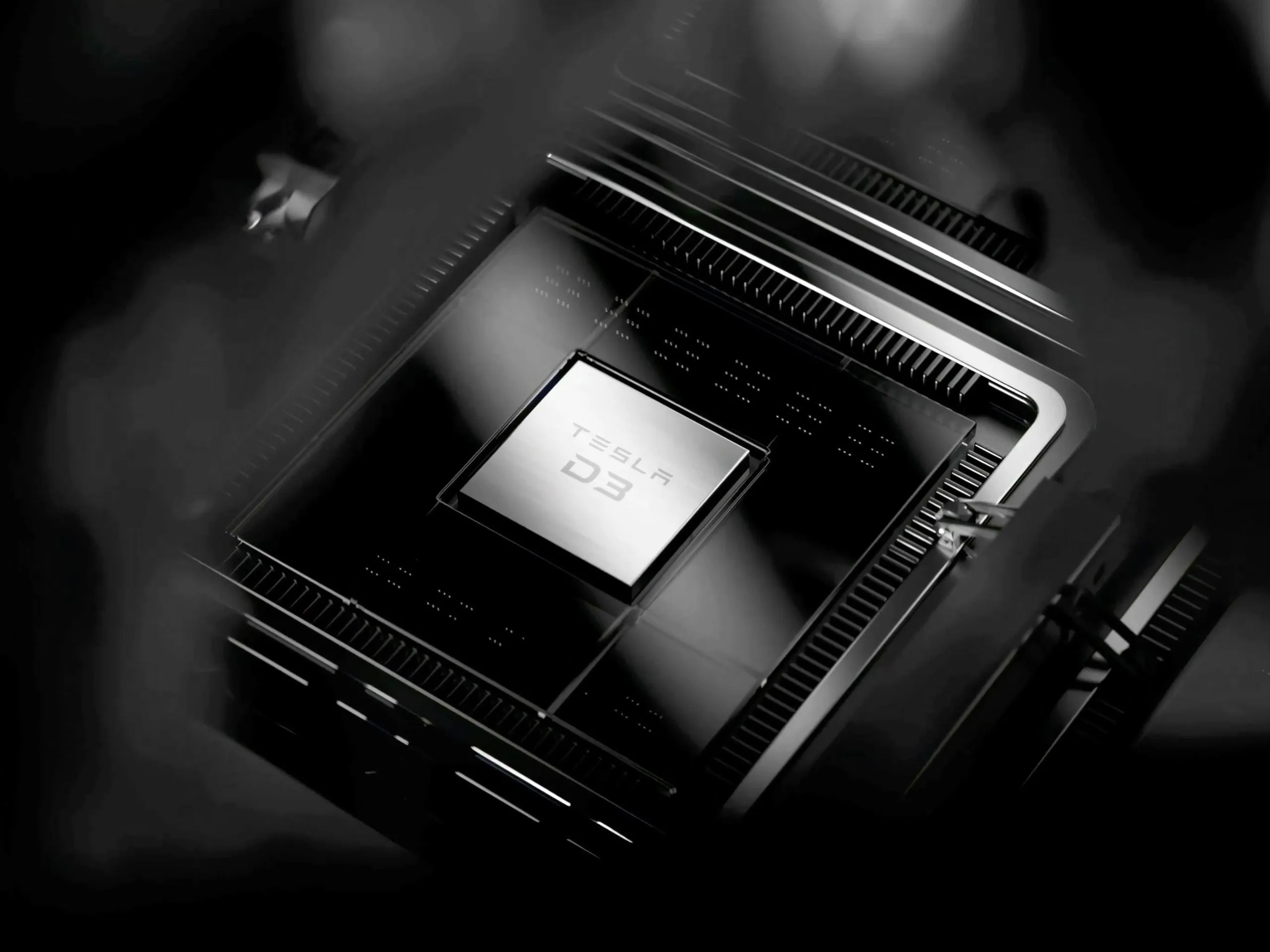
Elon Musk has announced another moonshot project ahead of the SpaceX IPO and with Tesla stock losing 16% of its value since the beginning of the year.
He teased a Terafab chip foundry as "the most epic chip-building exercise in history by far," trying to tie SpaceX and Tesla fortunes prior to the IPO. The joint venture between Tesla, SpaceX, and xAI is designed to produce one terawatt of computing power annually, consolidating every stage of semiconductor production like logic, memory, packaging, and testing.
Given that Tesla currently relies on TSMC and Samsung for its chip supply, while the Terafab is targeting 2 nm process technology, the most advanced production node, there is plenty of hubris in Musk's announcement. TSMC spent decades and hundreds of billions of dollars getting there, building knowledge and supply chain relationships that no amount of good intentions can catch up with.
Tesla, on the other hand, has little background in semiconductor manufacturing, and the machines needed for that have a multi-year waiting list. Musk envisions sending 100 million tons of solar energy capture equipment into space annually to power AI satellites, with Optimus robots alone requiring 100–200 GW of chips, and satellite arrays demanding terawatts that exceed the output of every current and projected chip manufacturer combined through 2030.
The capex math is equally murky, as Tesla's $20 billion budget this year is its largest ever, while it made less than $4 billion in profit in 2025. The Terafab facility carries a price tag of $25 billion, and that is before the inevitable overruns that have been accompanying every Musk moonshot. Tesla's 4680 battery cell program is a good example; Musk promised 10 GWh of production within a year of Battery Day 2020, as well as 50% of the costs. Coming back to reality, Tesla is at about 2% of that original volume goal, and the 4680 battery is still riddled with price and performance challenges like the slow Cybertruck charging curve.
Chipmaking is orders of magnitude more complex than battery cell production, too, so the success of this pivot will depend on whether Musk can overcome the significant engineering and financial hurdles inherent in modern semiconductor manufacturing. That is a challenge that has humbled far more experienced players, so the Terafab and orbital data centers may well be the future, but it will take many years to even partially accomplish Musk's promises.
Source(s)
 Add as a preferred source on Google


