




Moss: The Forgotten Relic translates beautiful VR storytelling to PC
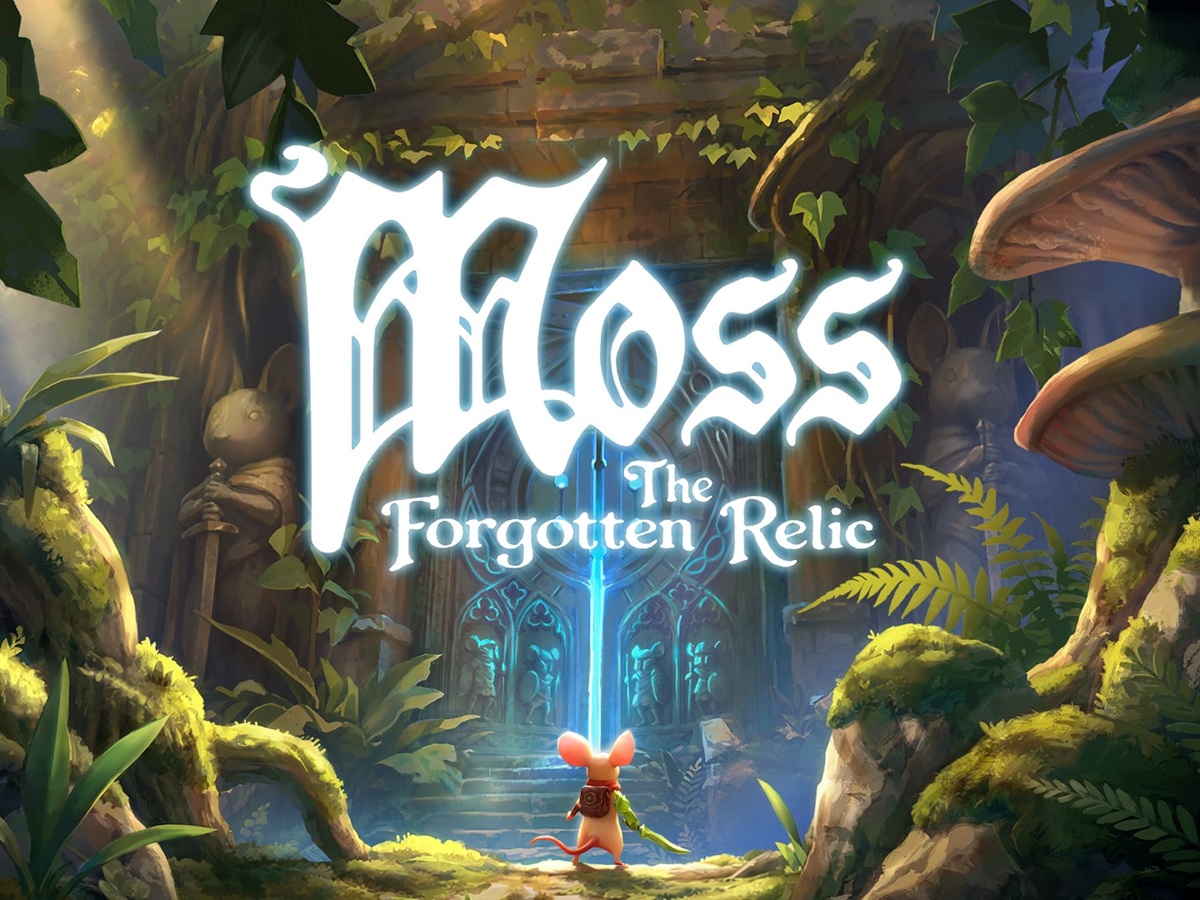
Moving an experience designed entirely around virtual-reality immersion to a traditional flat panel is a massive gamble. For years, Polyarc’s Moss series stood as a shining example of what spatial design could achieve, letting players physically lean into a world to connect with its tiny mouse protagonist, Quill. With the release of Moss: The Forgotten Relic, the studio is removing the headset requirement entirely, bundling Moss, Moss: Book II, and the Twilight Garden DLC into a cohesive flat-screen experience.
Testing the Steam demo on a Lenovo LOQ equipped with an Intel Core i7-13620H and an Nvidia GeForce RTX 4050 reveals that this mechanical leap is not just functional; it is incredibly compelling.
Living dioramas on a flat screen
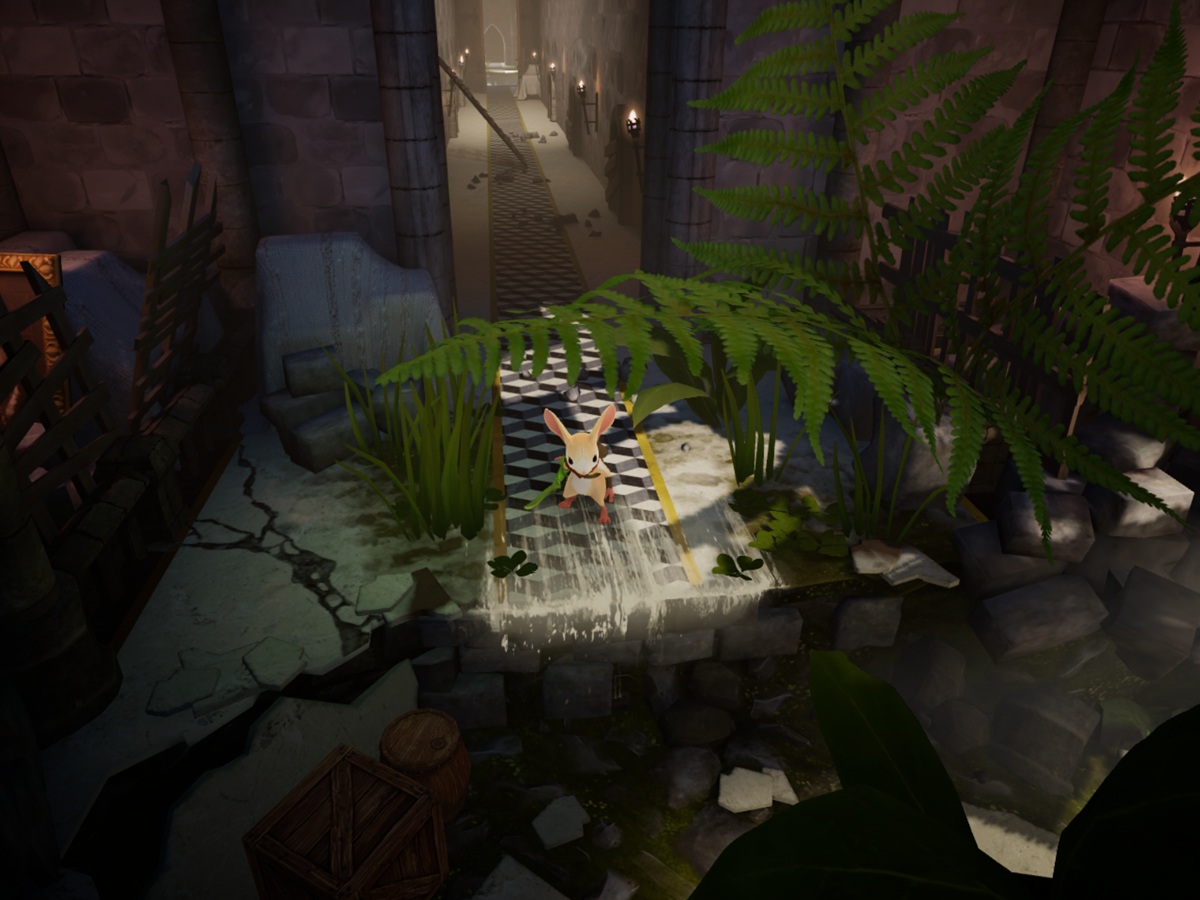
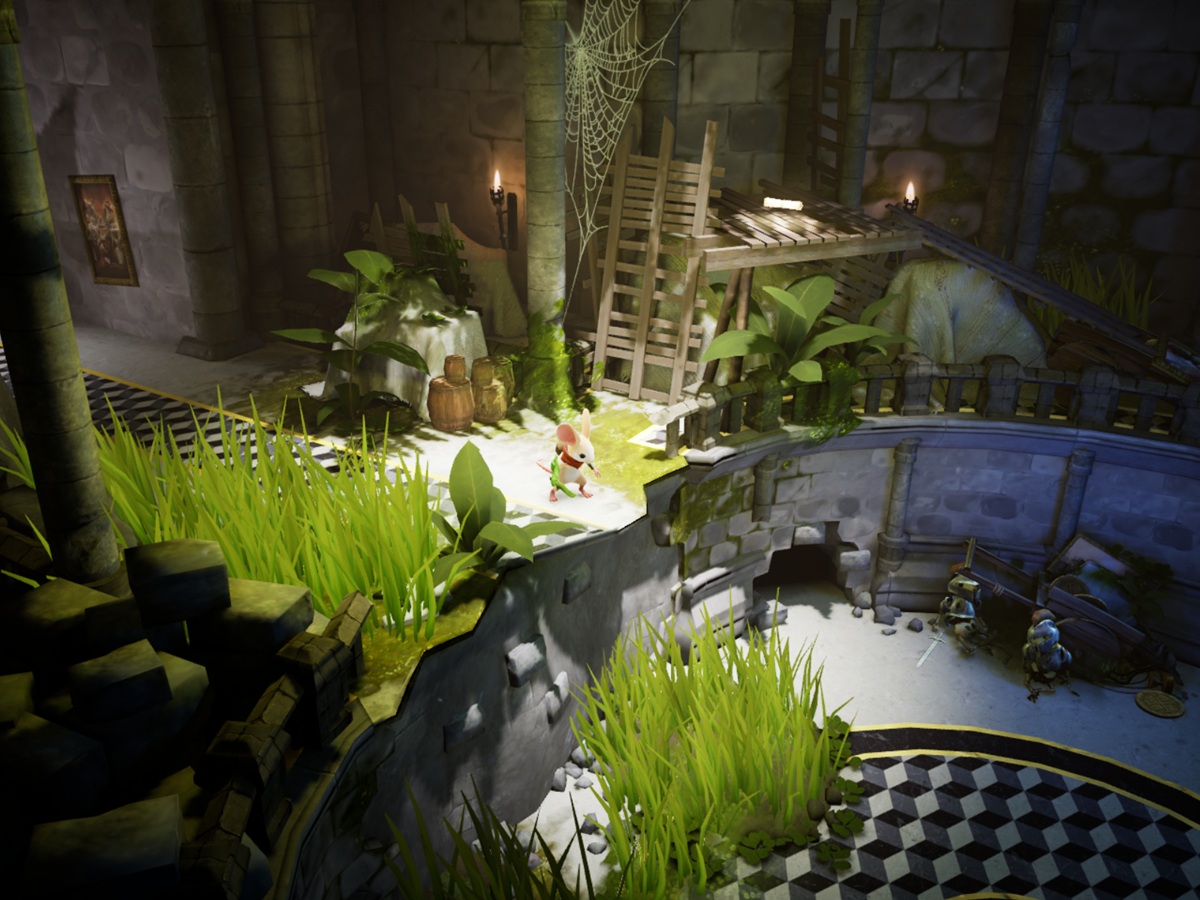
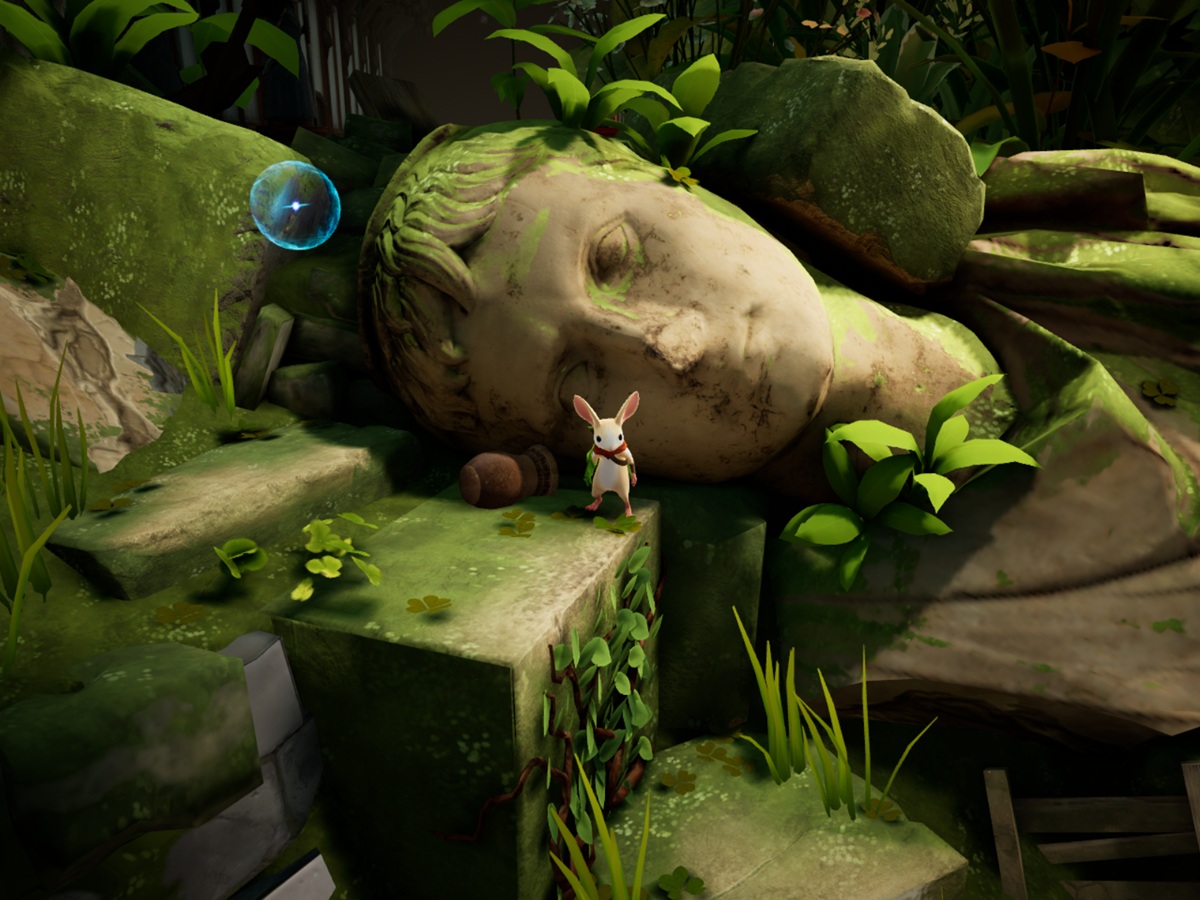
The immediate worry about a flat-screen port is that the environment will lose its sense of scale. In VR, the world feels like a massive, tangible playground surrounding you. On a standard monitor, that presence shifts into something reminiscent of an incredibly detailed, high-fidelity miniature diorama.
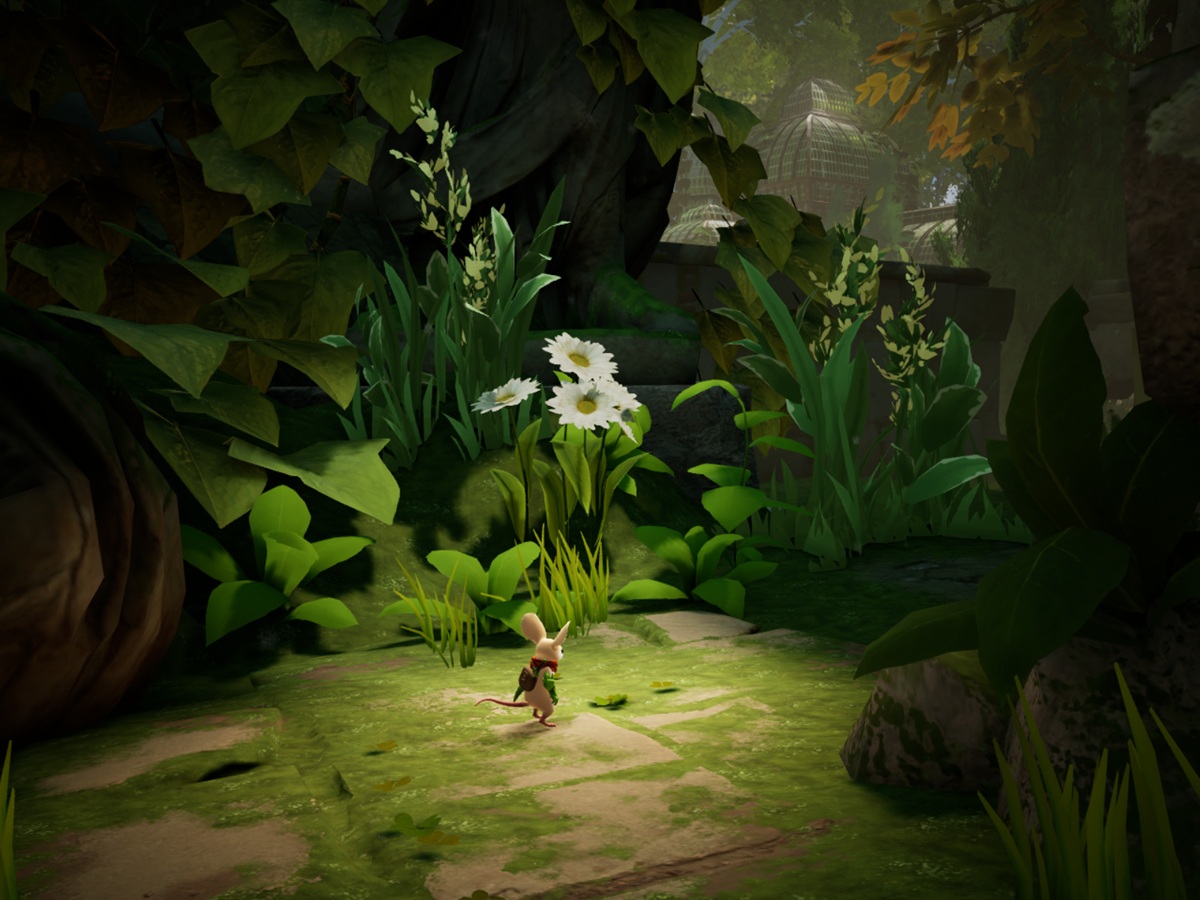
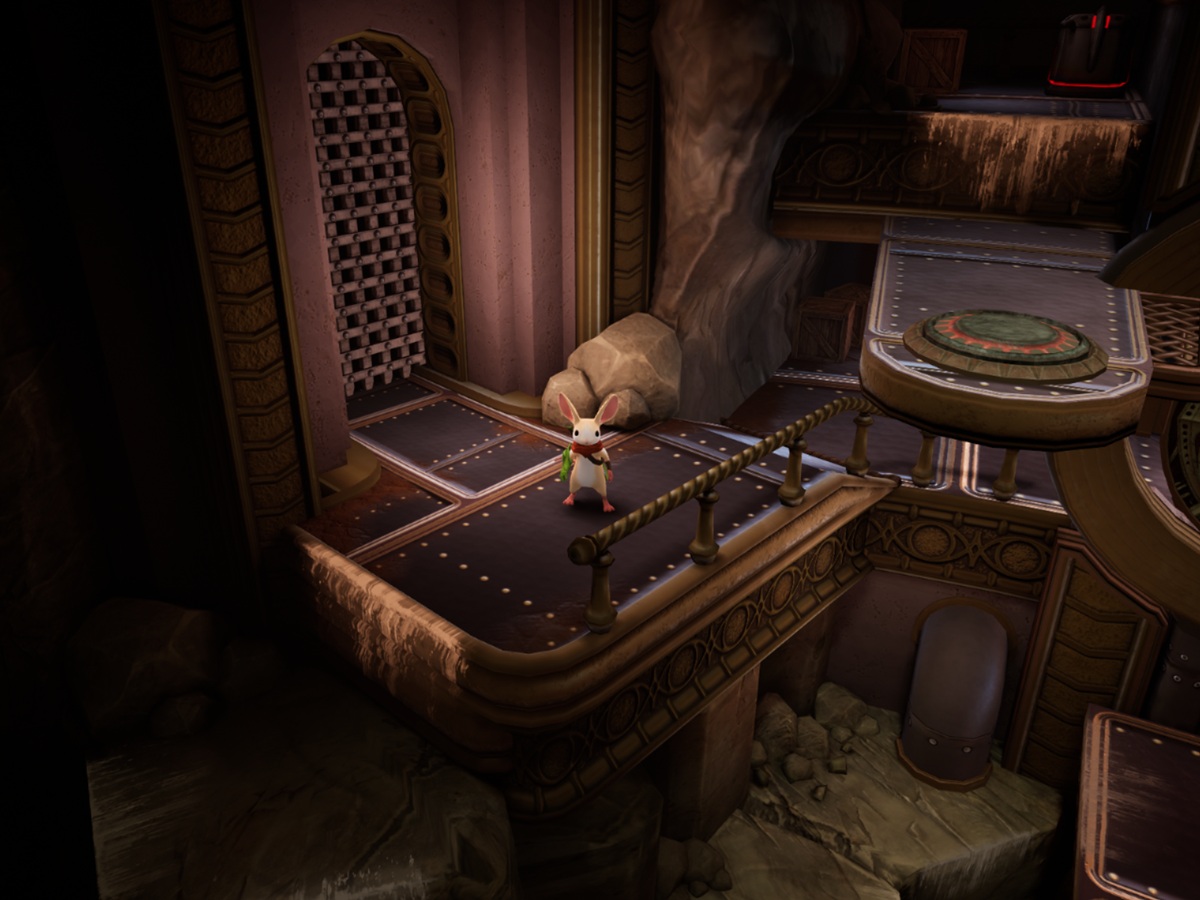
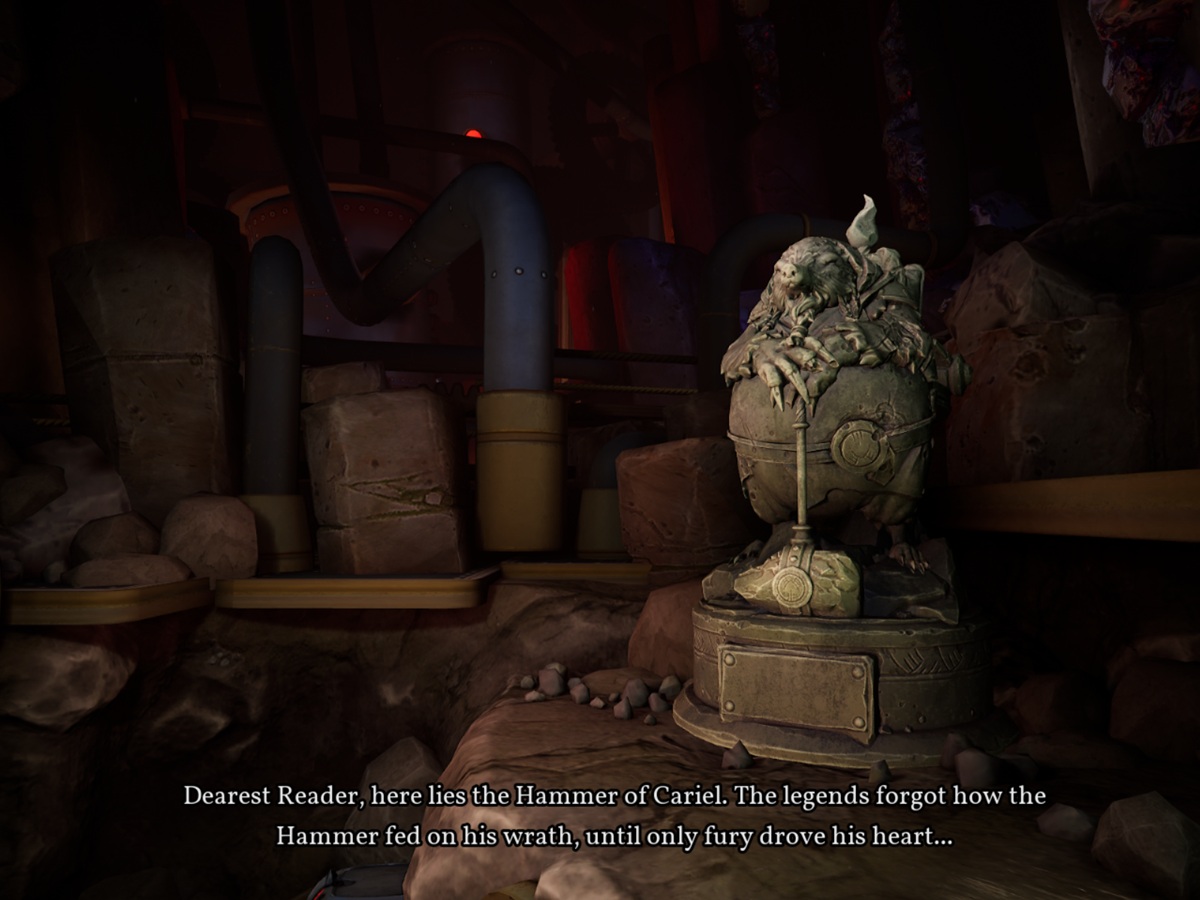
The visual presentation remains stunning. The fixed-camera angles feel intentional, framing each area like a living painting. Tiny details, like the way light filters through the forest canopy, the scale of ancient stone ruins compared to Quill's microscopic size, and the fluid water physics, pop with crisp clarity on a standard display. Because the hardware no longer needs to push dual high-refresh headset displays, the rendering overhead drops significantly. The RTX 4050 easily drives the game at its highest settings, maintaining a locked, butter-smooth frame rate that lets the vibrant art style shine without a hint of performance stutter.
Dual-Layered interaction and breaking the fourth wall
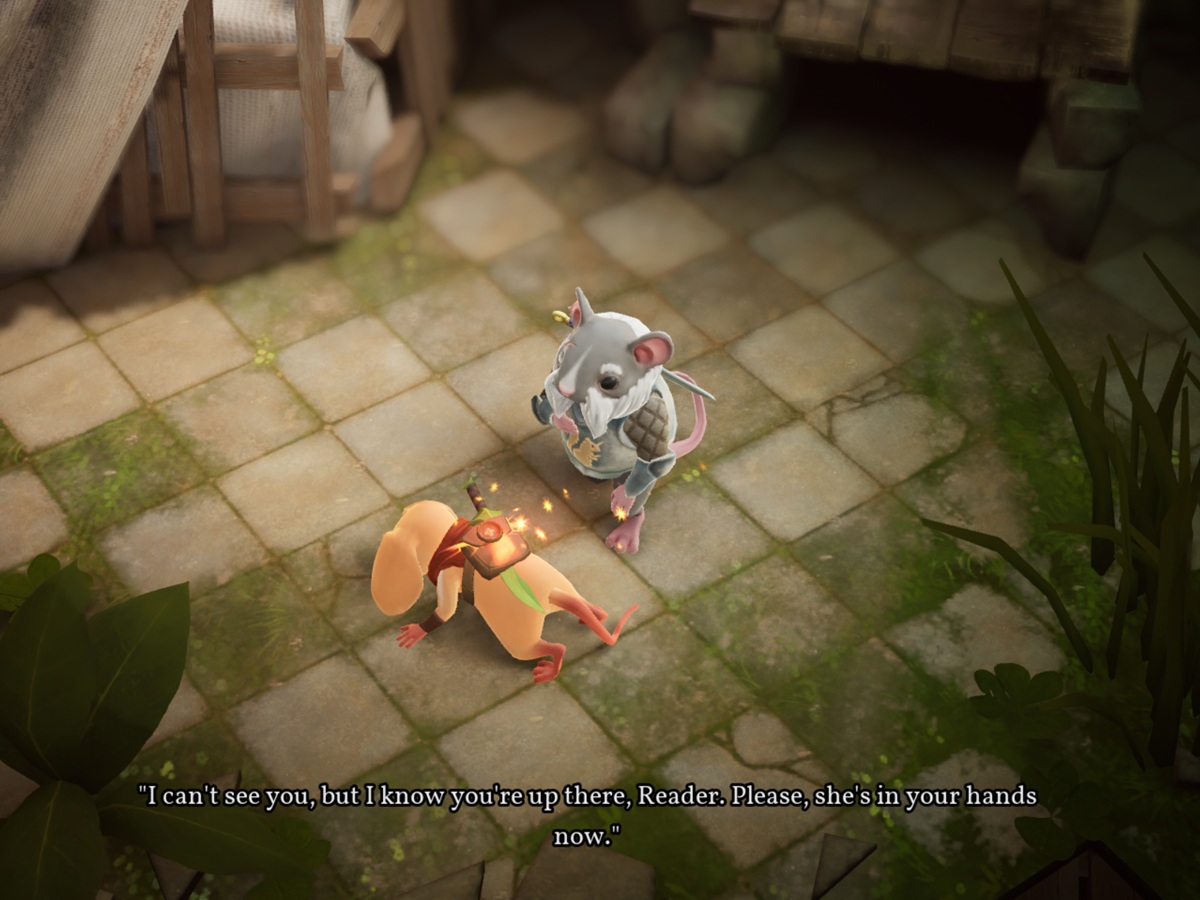
Where The Forgotten Relic truly succeeds is in preserving its unique approach to player interaction. You aren't just controlling Quill; you are playing as "The Reader," a massive mythic presence existing alongside her. On a mouse-and-keyboard or standard controller layout, this creates a fascinating dual-control dynamic that requires you to split your focus seamlessly. Your left hand or thumbstick manages Quill’s direct movement, letting her dodge, swing her sword, and leap across platforms. Meanwhile, your right hand or mouse cursor controls a glowing orb representing the Reader, allowing you to reach directly into the environment to slide massive blocks, freeze enemy combatants, or heal Quill mid-fight.
This mechanical separation feeds directly into the game’s signature fourth-wall-breaking moments. In VR, looking down at Quill meant seeing her stare back up at you, gesturing with sign language or offering a high-five. Remarkably, that emotional connection translates beautifully to a standard monitor. When you solve a difficult environmental puzzle or scrape through a tight combat encounter, Quill will still run to the front of the screen, look directly through the glass at you, and raise her paw for a high-five.
Reaching out with your cursor to tap her hand creates a surprisingly intimate bond. She doesn't just treat the player as an unseen pilot; she acknowledges you as her partner, making the monitor feel like a literal window into her world rather than just a flat screen displaying a game.
Early impressions
By dropping the VR requirement, Polyarc is finally making a great series accessible to a much larger audience. Moss: The Forgotten Relic proves that Quill's journey doesn't actually need a headset to land its emotional and mechanical beats. The transition to a monitor is clean, the controls feel natural, and the puzzles remain just as clever. It is a successful port that shows the game's core design can easily stand on its own.
Source(s)
 Add as a preferred source on Google


