




More and more giant battery storage systems
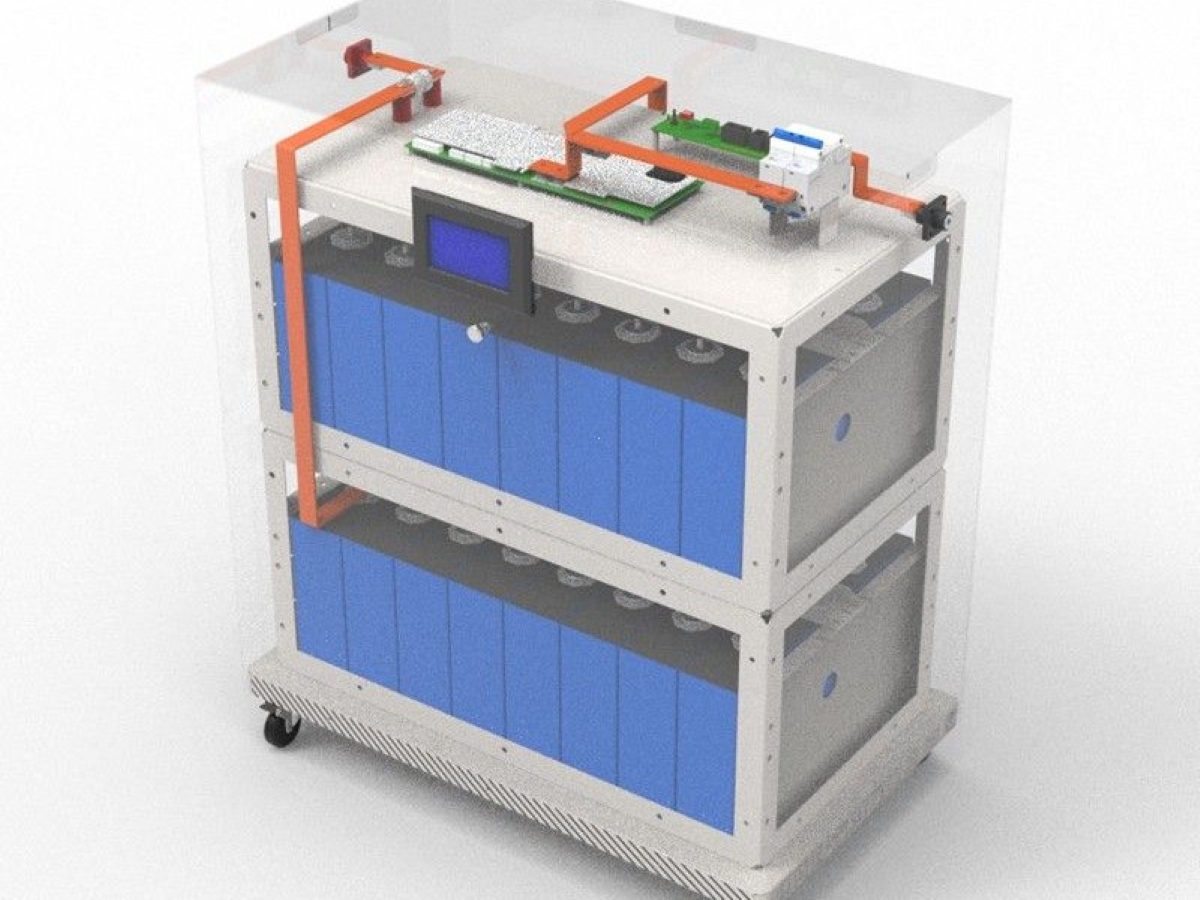
If you have followed our coverage of the Fronius Reserva, the battery storage systems from BYD, or other popular devices, you might be asking yourself at this point: Haven't high-capacity energy storage systems for private use been on the market for quite some time, at least for a few years? You are, of course, entirely correct in this observation. However, this article is not dedicated to modular systems that can be expanded by stacking them on top of each other. Instead, it focuses on battery storage systems that come with a base capacity of at least 32 kWh right out of the box. Anyone observing the battery storage market will quickly notice that these single-unit behemoths are currently on the rise.
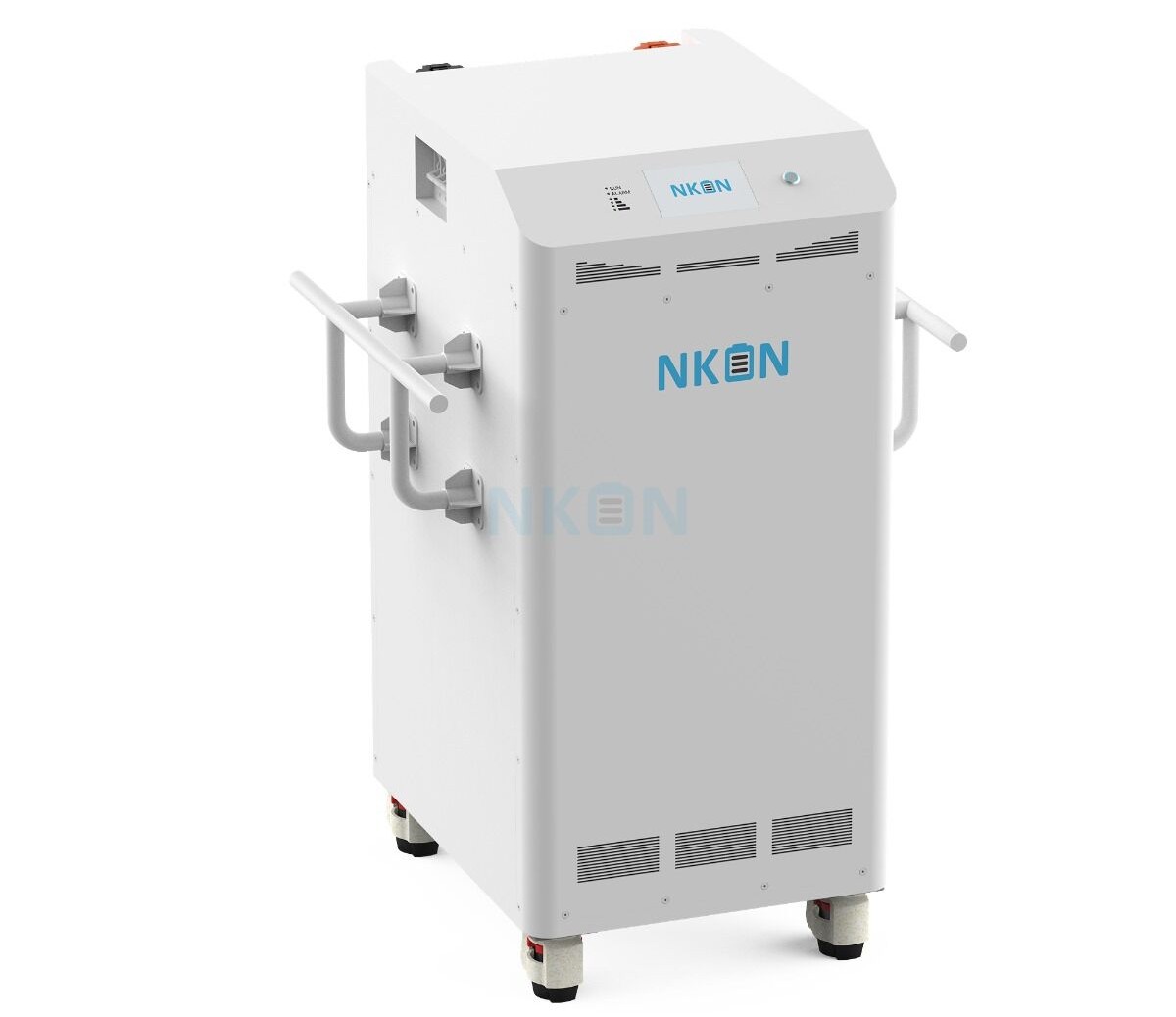
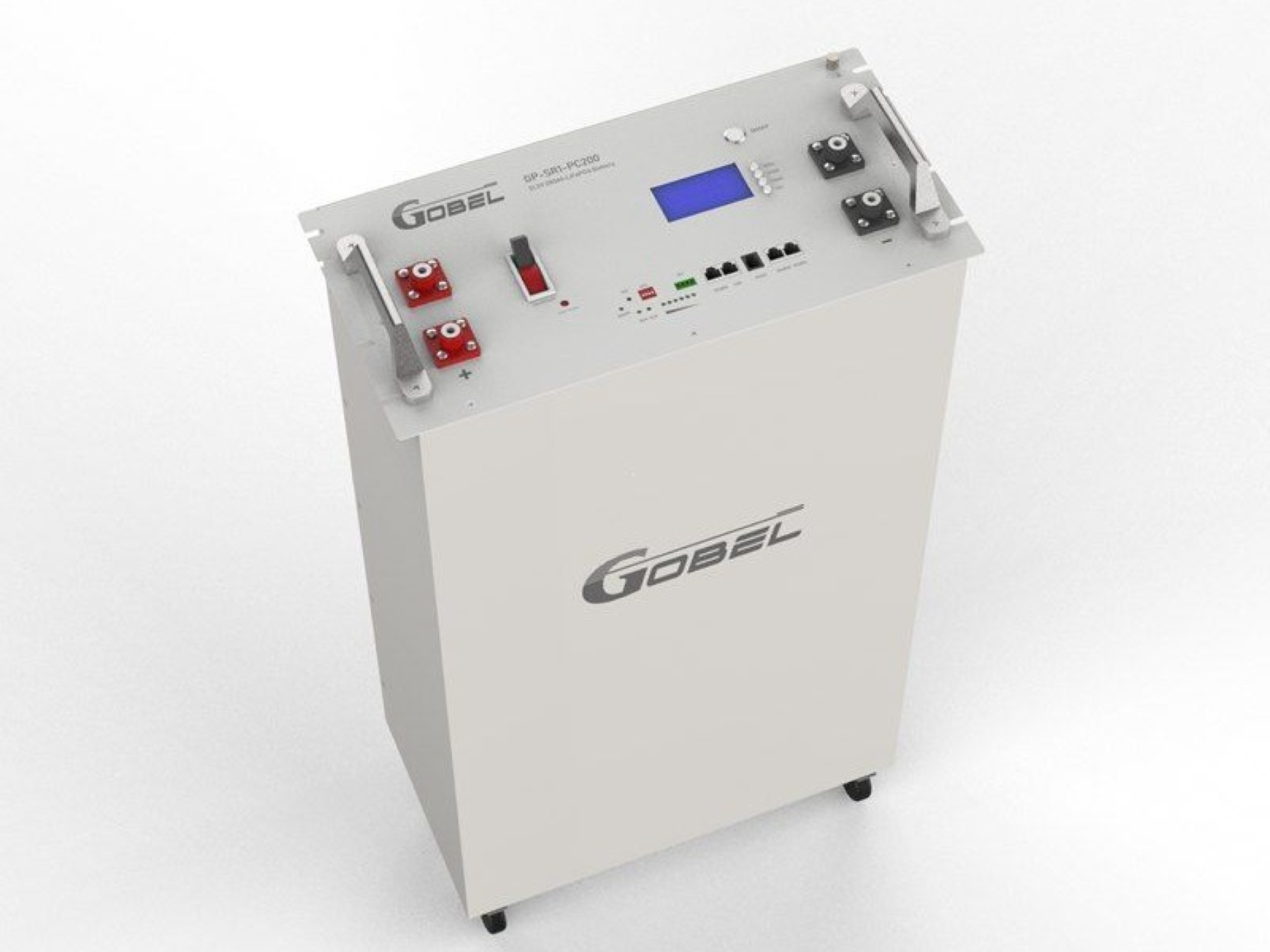
For example, the in-house "NKON ESS Pro 32.15 kWh Home Battery" can now be pre-ordered from NKON, a retailer particularly popular in the DIY sector. Gobel Power also pointed out in a recent newsletter that orders are now being accepted for the first production batch of their own battery with a 32 kWh capacity.
Use Cases and Advantages
Primarily, these newly introduced batteries are intended as energy storage for photovoltaic systems (or potentially electricity from other renewable sources). The benefits are highly practical:
- Extended Power Supply: A single battery stores enough energy to power a traditional single-family home for several days, even during power outages (provided, of course, that the other installed components support this off-grid functionality).
- Cost-Effectiveness: A system utilizing just one high-capacity device is cheaper to purchase upfront than a system that has to be assembled from many smaller batteries.
- Simplified Installation: The effort and complexity required for wiring and connecting the system are significantly reduced.
Disadvantages
However, these "XXL" batteries also come with a few catches:
- Extreme Weight: The storage unit from NKON weighs a hefty 233 kg (approx. 514 lbs). This not only requires significant manpower or a pallet jack during transport, but depending on the installation location, it also raises serious questions about structural load-bearing capacity.
- Single Point of Failure: If the Battery Management System (BMS) fails in a single-block system like this, the entire storage unit goes completely offline. In contrast, with smaller modules connected in parallel, the system can often continue to operate at a reduced capacity.
- Economic Viability: It raises the question of whether such massive systems are genuinely needed or financially sensible for the average consumer.
Conclusion
Which solution is the most suitable largely depends on personal needs and local conditions; making a blanket statement is difficult. However, it is a positive development that these larger batteries might bring some momentum back into the market, providing a new cost-reduction impulse at a time when battery prices are no longer falling quite as rapidly.
And for those who find the idea of simply buying a battery with immense storage capacity a bit too mundane: to appeal to particularly enthusiastic tech lovers, Gobel Power has recently started building energy storage units with transparent casings (the product presentation video is embedded below).
Source
Independent research
 Add as a preferred source on Google


