




Meta Muse Wonder: Developers get it now, the Muse app skips Europe
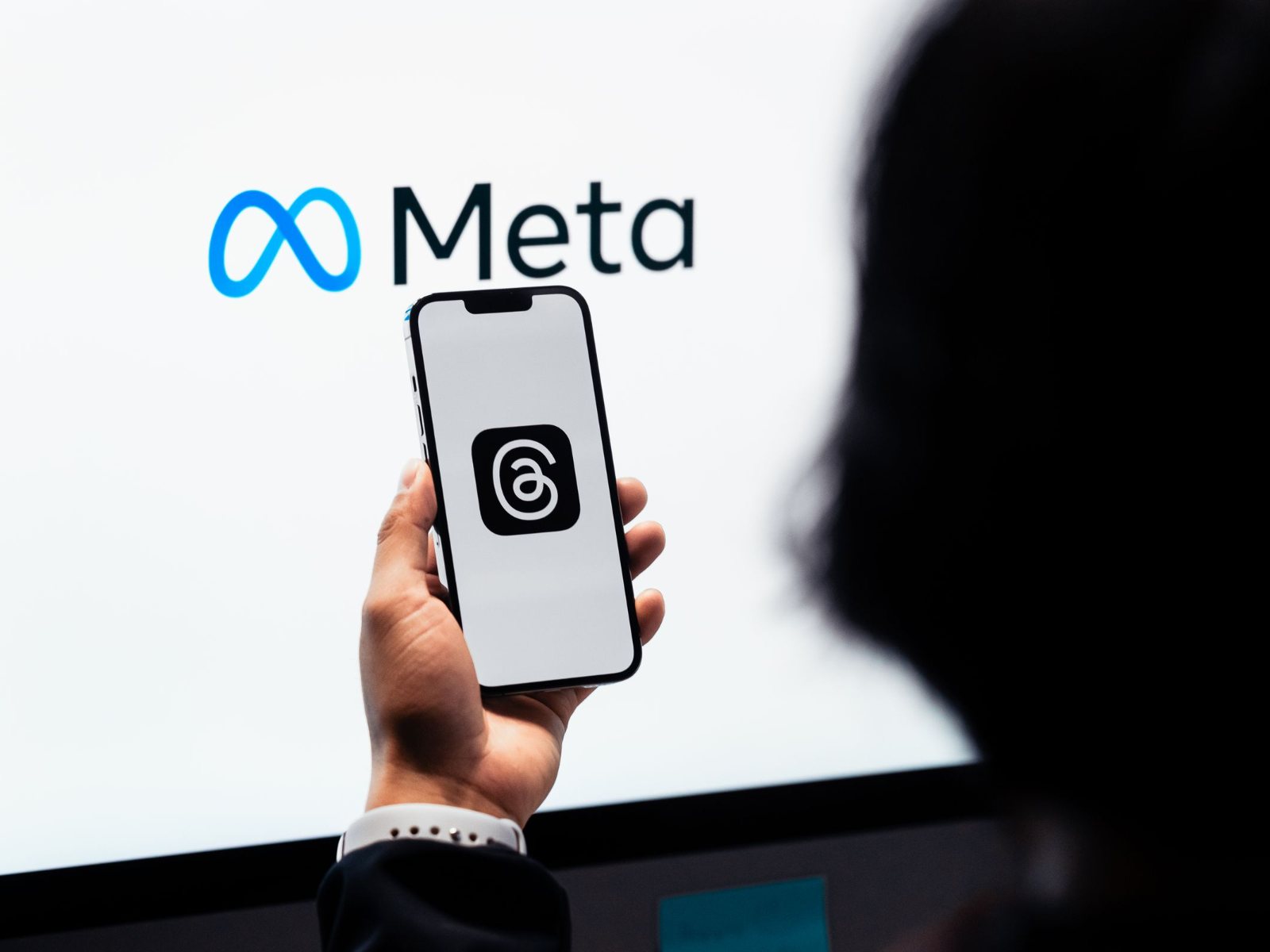
Meta introduced two new language models on Oct. 12. Muse Wonder and the larger Muse Wonder Full build on Muse Spark and are designed for agents, meaning AI that carries out tasks for you. Meta's examples include handling an insurance claim, understanding a lease and building a working app. The company highlights two features. Active Memory is meant to carry relevant information across conversations, and Active Focus keeps the model working toward a goal when a task gets hard, tries other approaches and checks in before important steps. Both models have a context window of 1 million tokens, according to Decrypt.
Who can use Muse Wonder today
Meta says Muse Wonder "is available today for developers and builders through the Meta Model API and Muse Code," its coding agent. Muse Wonder Full is limited to Muse Code subscribers. The Muse app, Meta's personal AI agent, does not have the new model yet. Meta only says that Muse Wonder "will soon power experiences in Muse, and will roll out first to subscribers." There is no date for free users, and the announcement does not list the countries where the API is available.
The app itself is still limited to North America. Muse launched in the U.S. in September and reached Canada in mid-September. Meta has not announced a date for Europe. Meta is not the only company keeping its agent out of Europe. Google moved its Gemini Spark agent into the main Gemini chat as a Task button on Oct. 12. The Gemini Apps Help page excludes the European Economic Area, Switzerland, the United Kingdom and Nigeria from Spark.
What the benchmarks show
Meta mostly points to its own numbers. Muse Wonder Full scores 59.1 on Meta's in-house Personal Superintelligence Index, ahead of Claude Opus 5.5 at 55.2 and GPT-6 Astra at 54.5. Meta has not published how the index is calculated. The company also says its SWE-Marathon coding comparison was not controlled and that its model ran at maximum effort.
Independent testing places the models lower. Claude Opus 5.5 has the top score of 58 on the Artificial Analysis Intelligence Index, a weighted average of 10 evaluations. Muse Wonder Full scores 56, tied with Claude Sonnet 5.5. The standard Muse Wonder that developers can buy scores 52, one point below GPT-6 Astra and Claude Fable 5.1. That puts Meta close to the top score but not at it.
Pricing and privacy
Muse Wonder costs $4 per million input tokens and $20 per million output tokens through the API. That matches Claude Opus 5.5, while OpenAI charges $10 and $50 for GPT-6 Astra, according to Decrypt. People who only want to chat without paying have free options elsewhere. ChatGPT, for example, has just brought GPT-6 Luna to its free tier.
Agents get access to email, calendars and documents, so Meta says it trained the models to avoid sharing private information without permission. A full safety report is promised for later, with no date given. Users in Europe can object to Meta using their public Facebook and Instagram posts for AI training. Our guide to opting out of AI training shows where to do that.
Source(s)
 Add as a preferred source on Google


No comments for this article
