




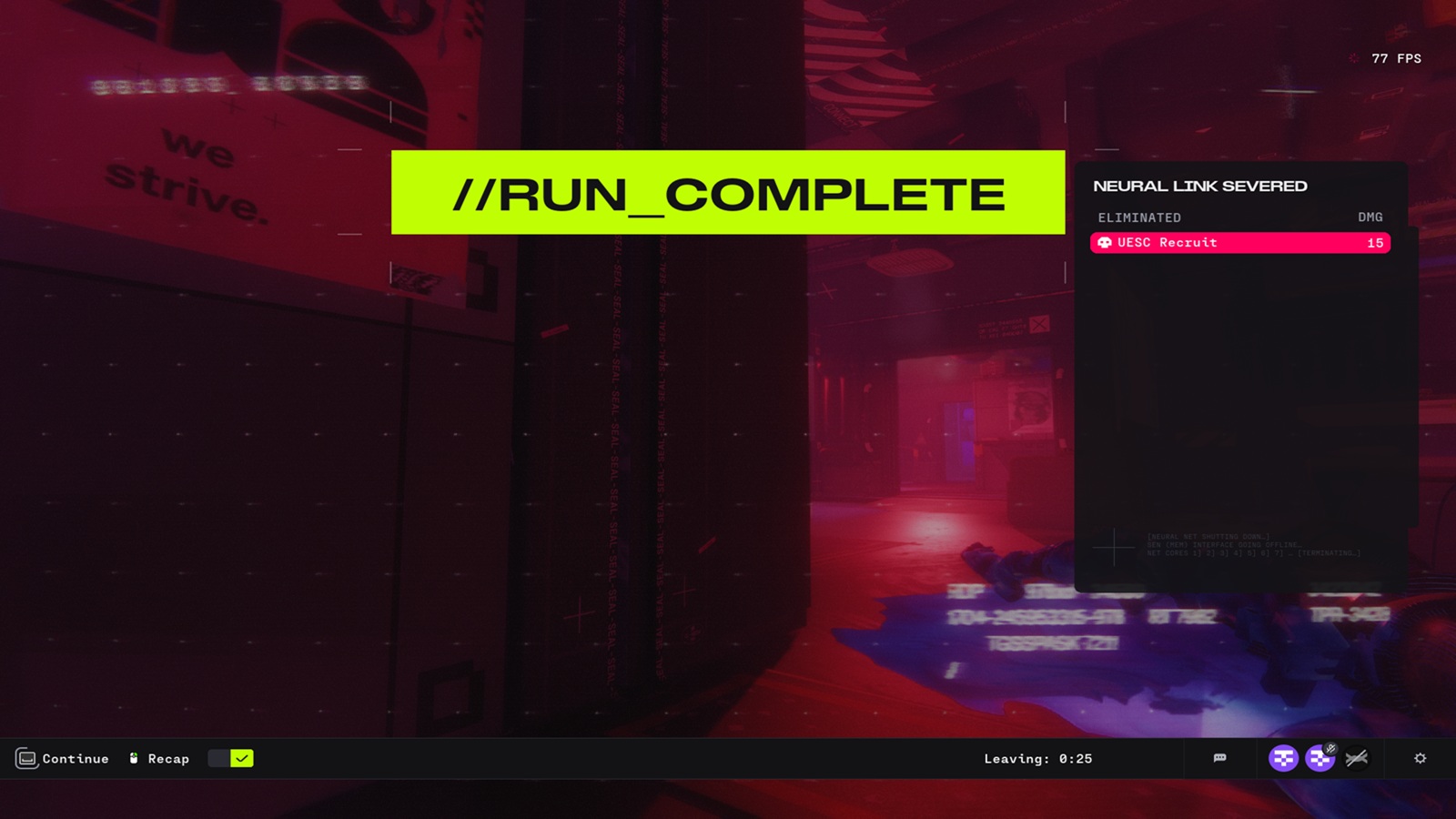
Marathon review: Brilliant extraction tension, brutal onboarding, with a bit of frustration
Darryl Linington 👁 Published 🇪🇸 🇵🇹 ...
Bungie’s Marathon launched on Steam, PlayStation 5, and Xbox Series X|S, putting its tense PvPvE extraction loop in front of PC and console players at the same time. On Tau Ceti IV, players enter dangerous zones as cybernetic Runners, take on contracts, battle AI and human opponents, and try to exfil before a good run turns into a total loss.
The strongest thing Marathon does is create tension that feels earned rather than artificial. A good run is not just about aiming well. It is about route choice, restraint, timing, and knowing when greed has become a liability. Do you chase another objective, or leave while you are ahead? Do you investigate a firefight in the distance, or assume someone else is making a mistake you do not need to share? That constant decision-making is what gives the game its edge, and Bungie’s official tips reinforce how deliberate that design is: noise matters, supplies are limited, and extraction itself can become a problem.
When a run clicks, Marathon feels fantastic. The map starts to make sense, every small success feeds into the next one, and getting out with something valuable feels genuinely earned. That is the part Bungie absolutely nails. The game understands that the thrill of an extraction shooter is not just winning fights. It is surviving long enough for those fights to matter.
Combat is excellent, but it can also be draining
Bungie still knows how to make shooting feel sharp, and Marathon benefits from that immediately. Combat is fast, aggressive, and dangerous enough that even ordinary encounters can spiral quickly. There is very little slack in the system. You are often one bad decision away from losing momentum, or everything.
That intensity is one of the game’s best qualities, but it is also a big part of why Marathon can feel exhausting. In my own time with it, I ended up switching back to an Xbox Series controller just to stay competitive. I would call myself a decent player, but Marathon is operating on another level compared with many online shooters. Its learning curve is steep enough to invite comparison with a Souls-like game in feel, not because the structure is the same, but because it expects you to learn through repeated failure. You die, you lose, you get frustrated, and the game trusts that the eventual success will feel good enough to justify the process.
Sometimes it does. Sometimes it feels incredible. Sometimes it just feels punishing. That split sits at the center of the whole experience. Marathon can annoy you for half an hour and still make you queue again because the last successful extraction was that good.
The shell system gives Marathon a strong identity
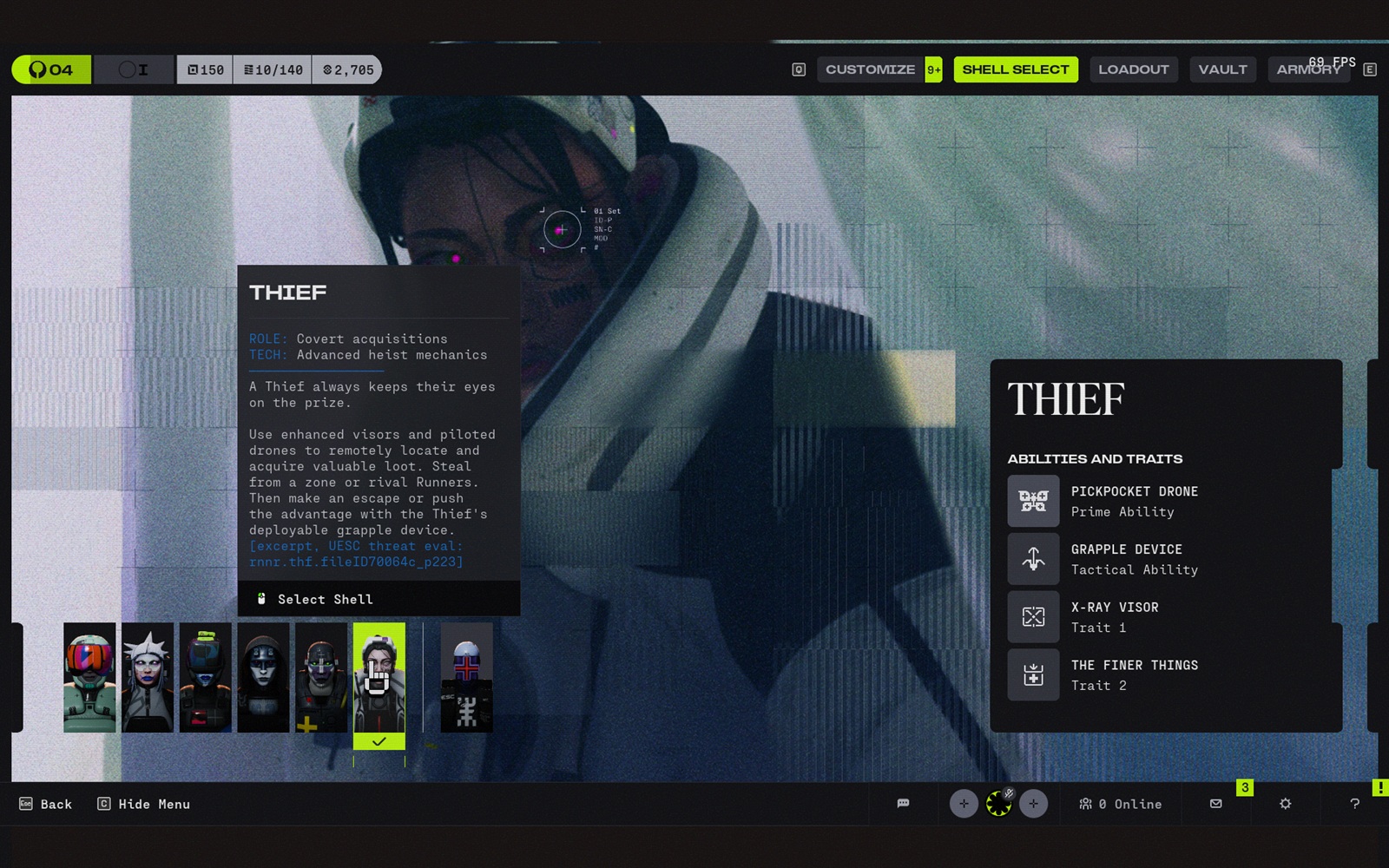
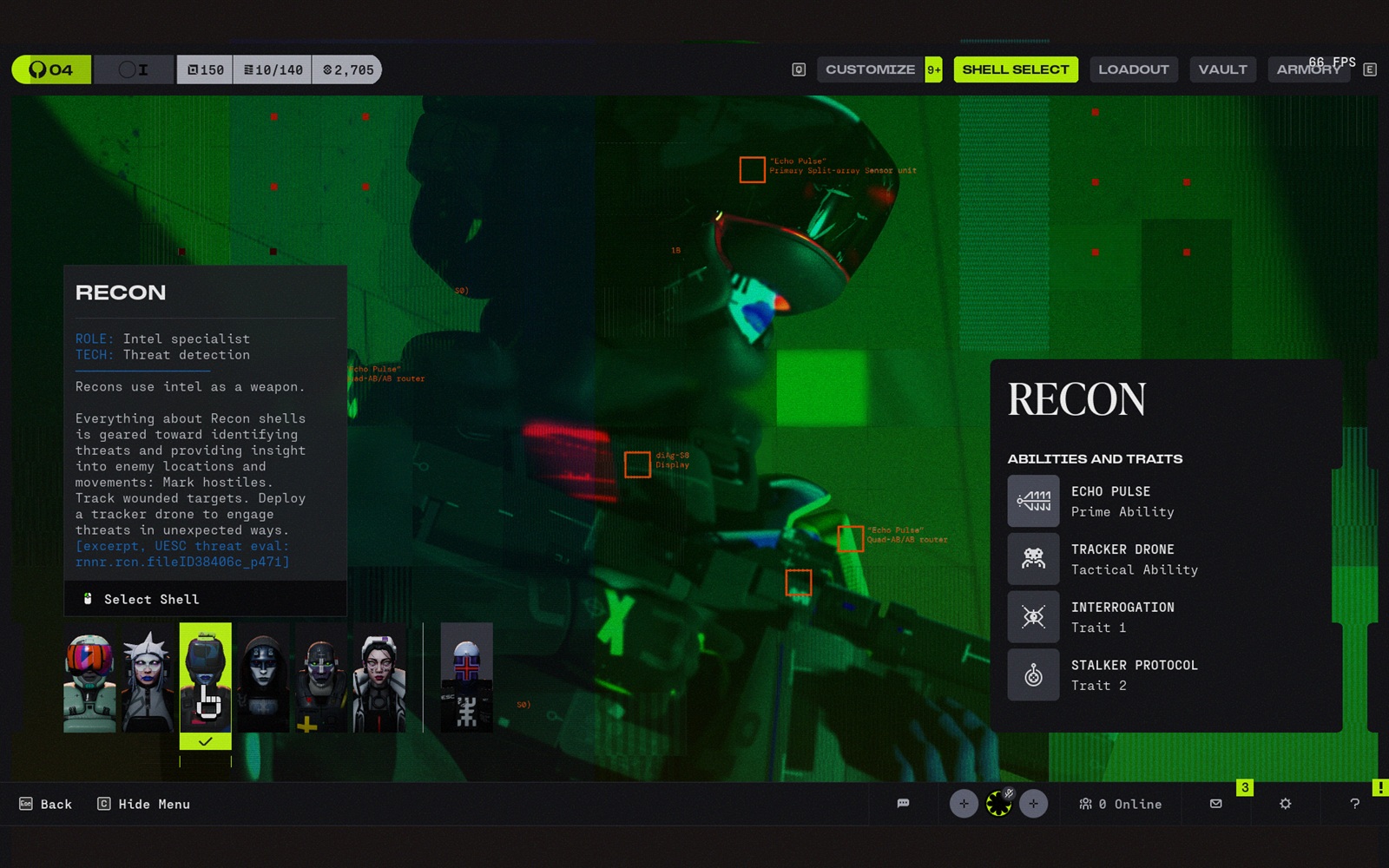
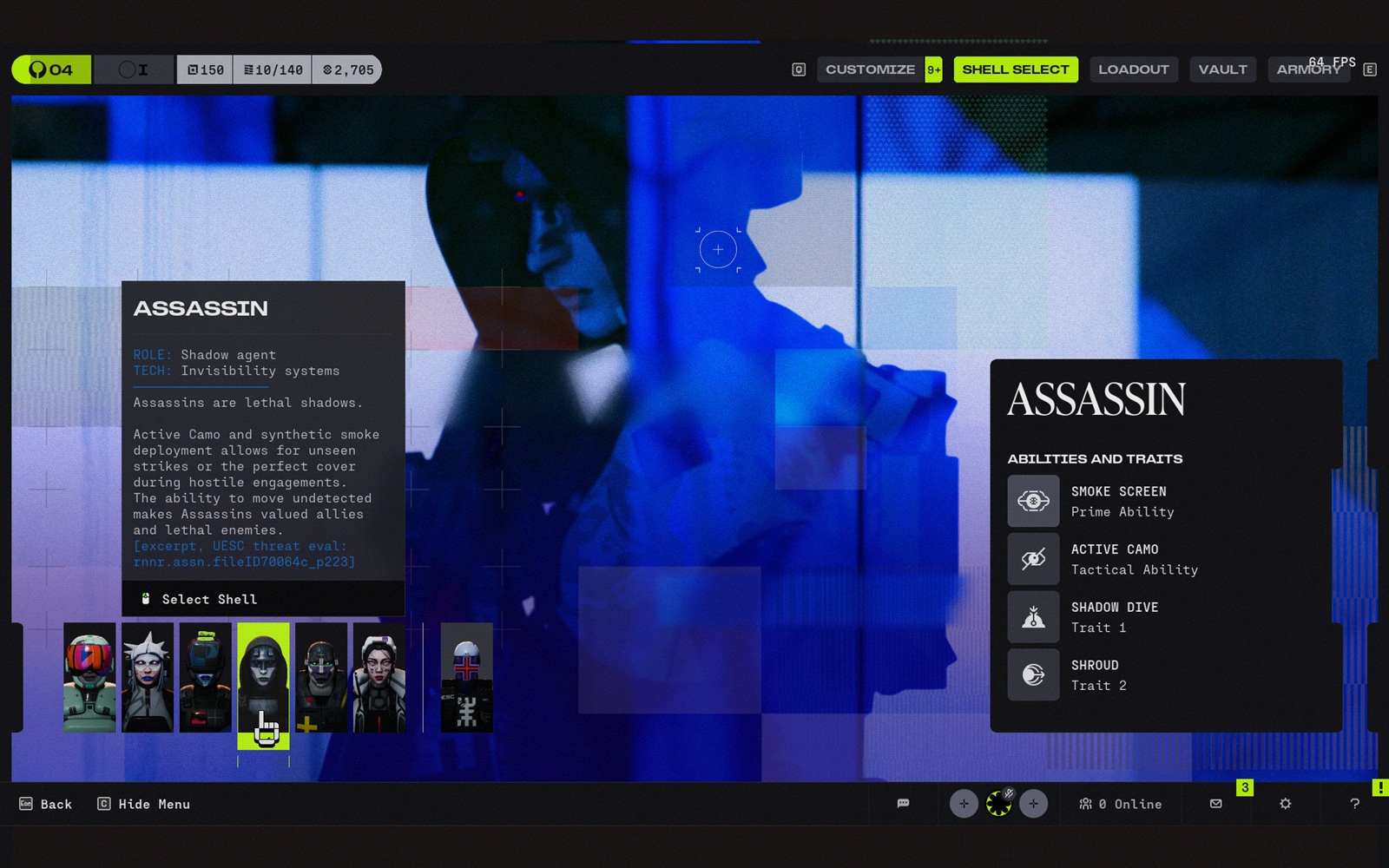
One of Bungie’s smartest decisions was making Runner shells feel like purposeful archetypes instead of interchangeable avatars. In my hands-on preview, the six-shell lineup included Thief, Destroyer, Vandal, Assassin, Recon, and Triage, and that immediately gave the game a stronger class backbone than many live-service shooters manage early on. The same preview also noted how the shell structure pushes players toward distinct rhythms built around stealth, disruption, support, scouting, mobility, and direct aggression.
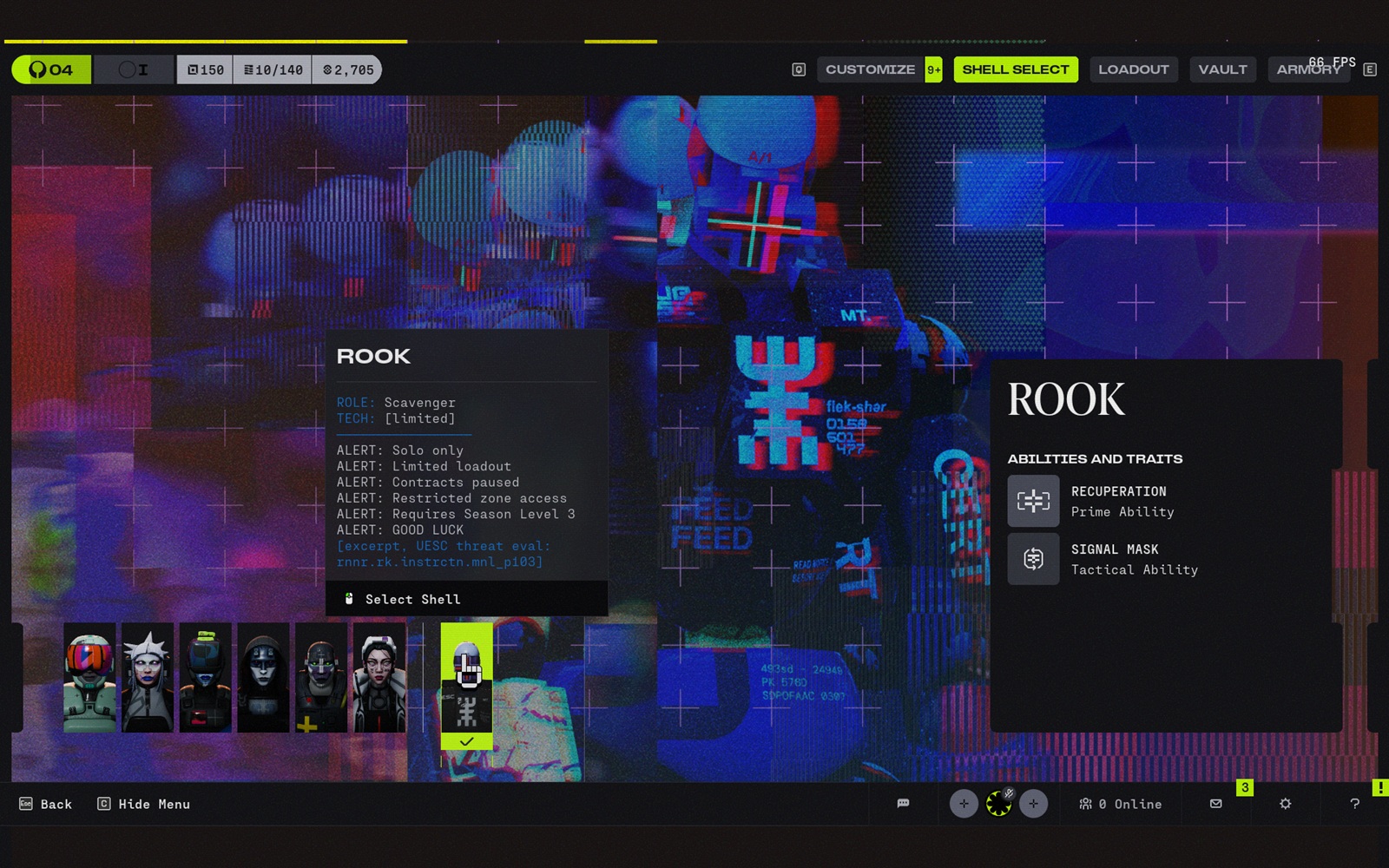
That visual identity comes through outside matches too. The pre-run shell screens look sleek, armored, synthetic, and slightly impersonal, more like specialized bodies manufactured for function than heroic characters built for self-expression. The dark plating, hard silhouettes, visor-heavy designs, and neon-framed menus reinforce the same idea: these are tools being deployed into a hostile system. It suits Marathon’s world far better than a more conventional hero-shooter presentation would have.
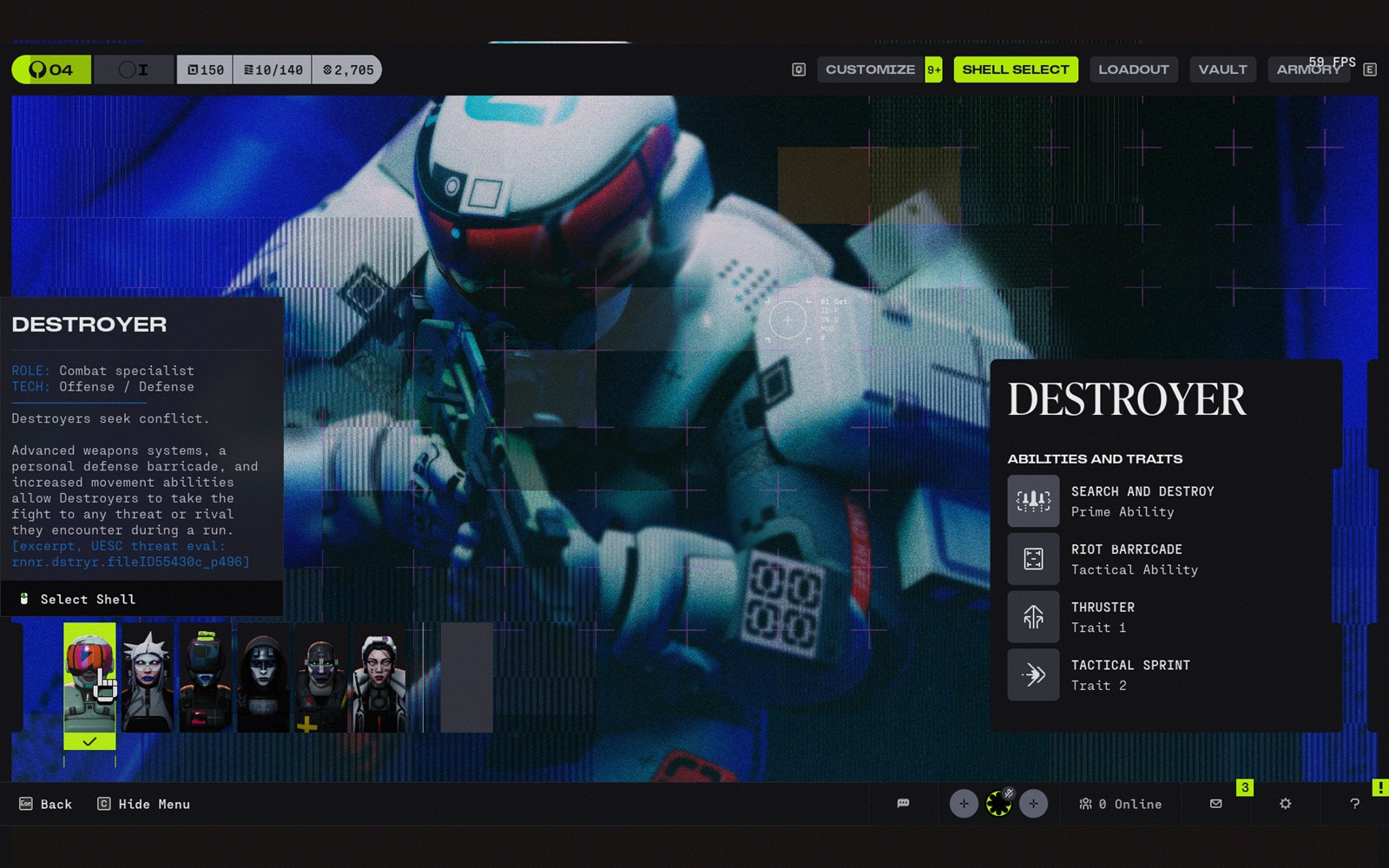
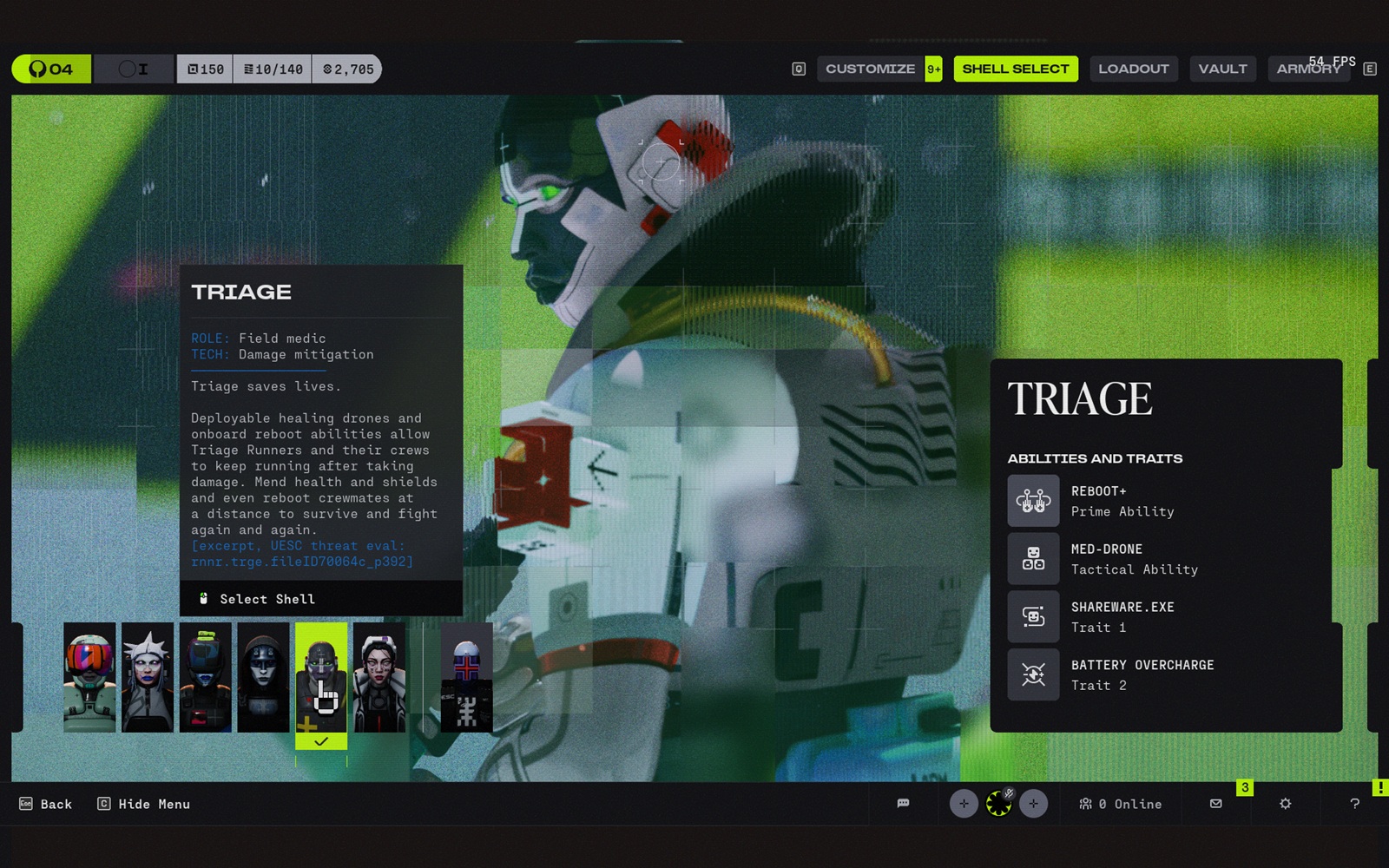
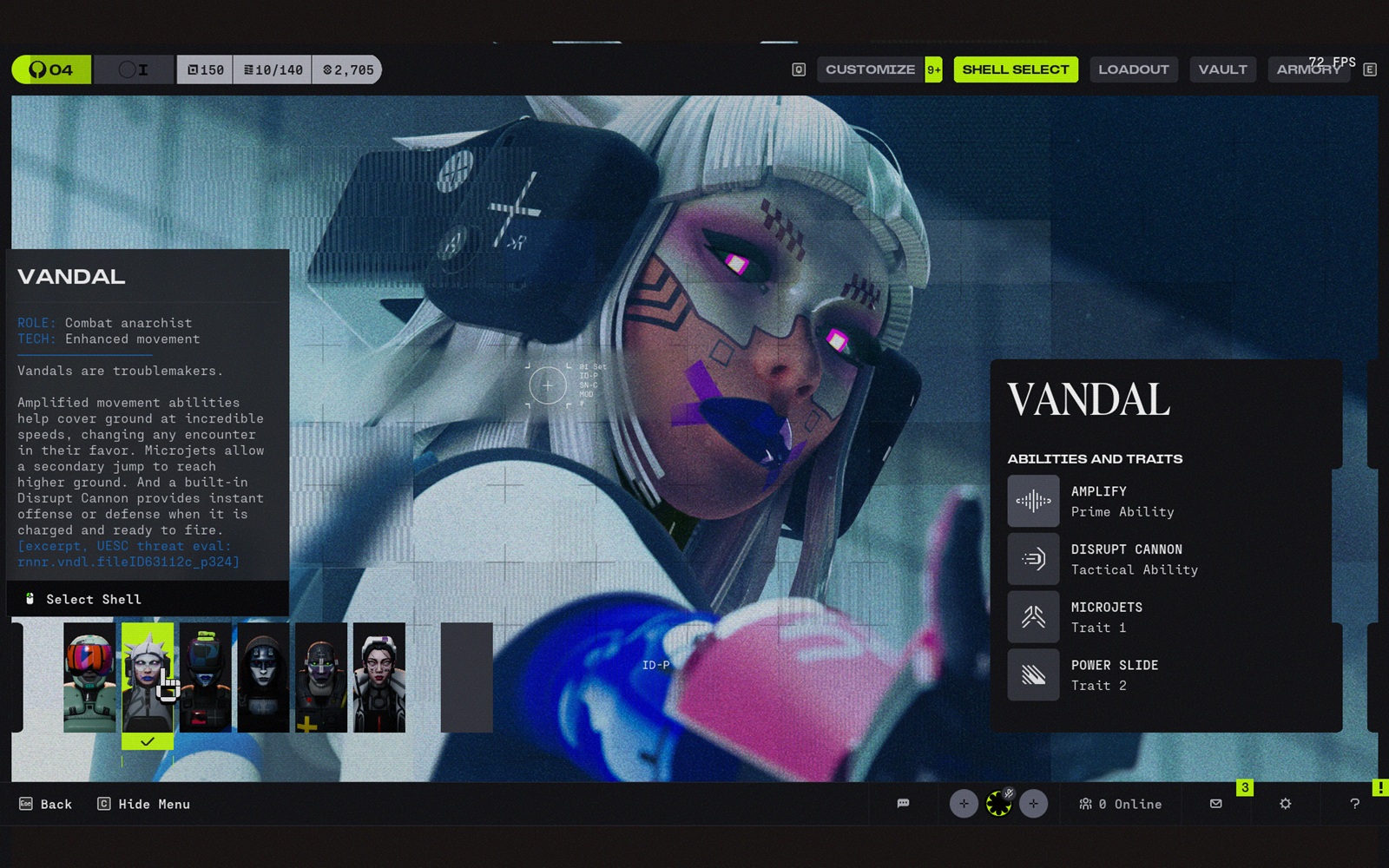
Contracts and progression give each run a reason to exist
Marathon also benefits from having more structure than many extraction shooters do early on. Bungie said before launch that the full release would include six factions, six launch Runner shells, three zones, and 28 weapons, while its seasons plan says the game is being built around regular content drops that add gear, Runner shells, zones, and events over time.
That broader framework helps because extraction tension alone can wear thin. Contracts and progression give runs a larger purpose, and they help losses feel like part of something bigger rather than pure waste. My Marathon preview found that the faction-contract structure was one of Marathon’s strongest ideas, tying runs to Priority and Standard contracts, faction reputation, unlocks, and a larger progression loop rather than simple drop-in scavenging.
Tau Ceti IV has a real atmosphere
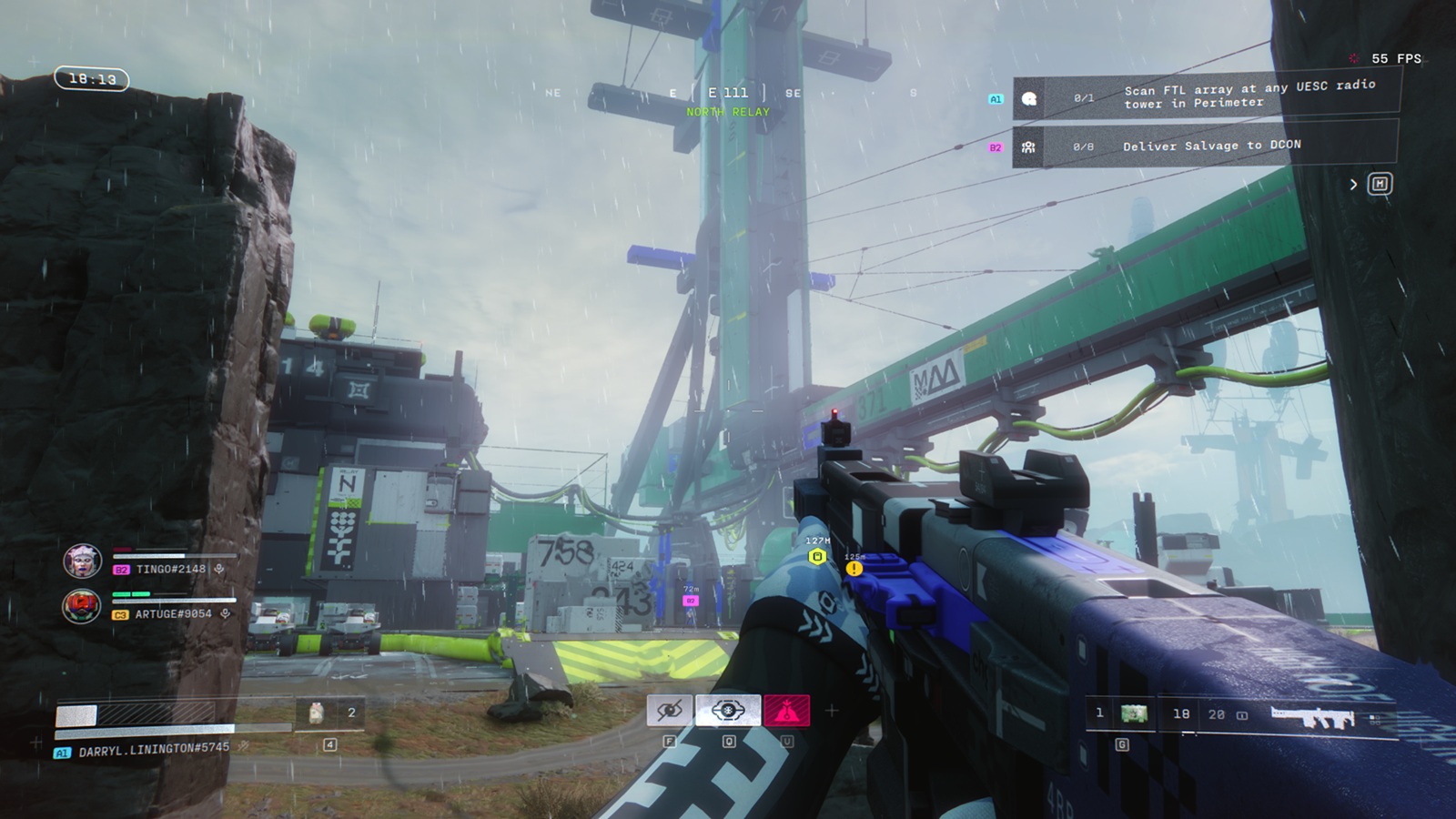
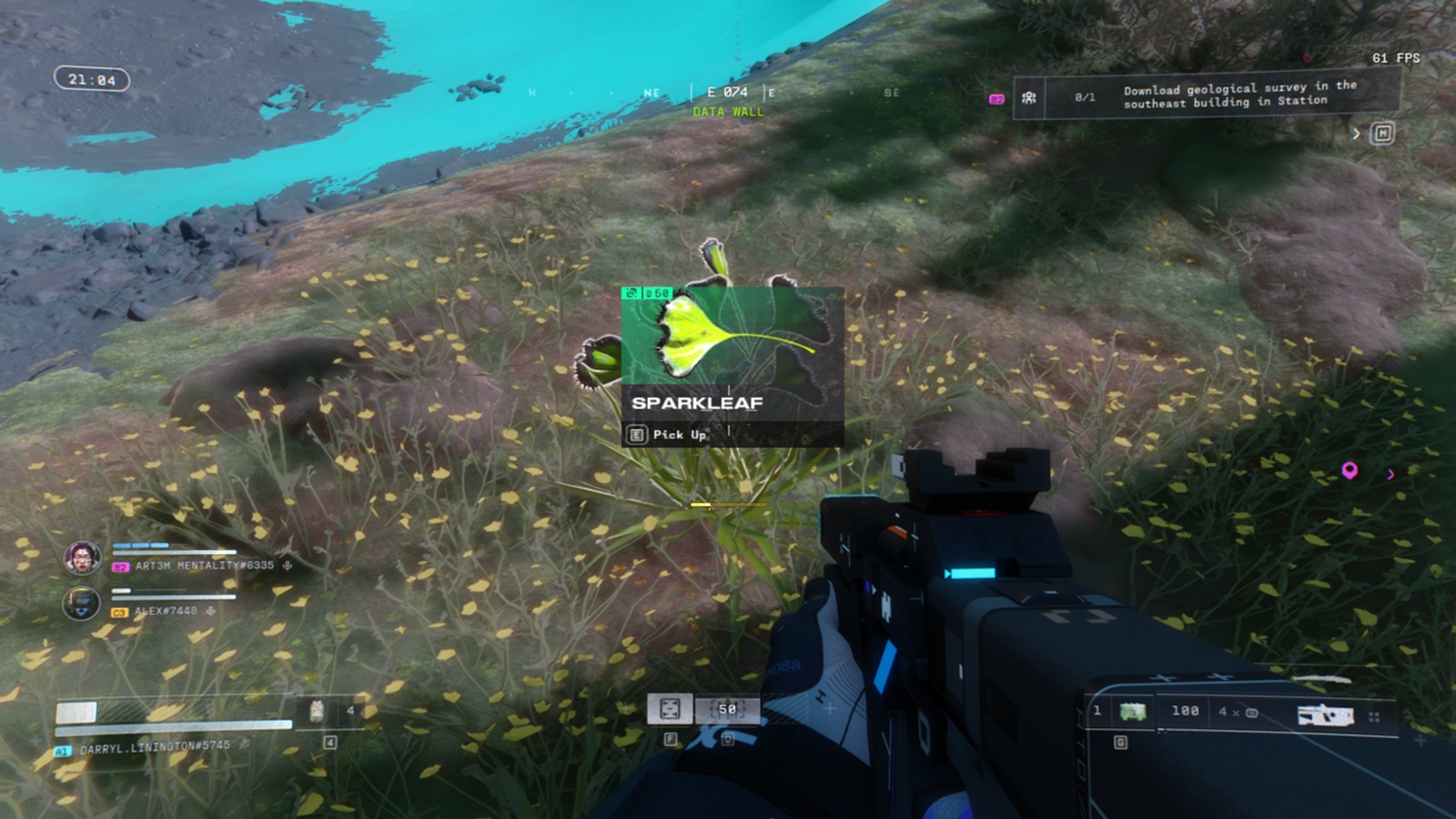
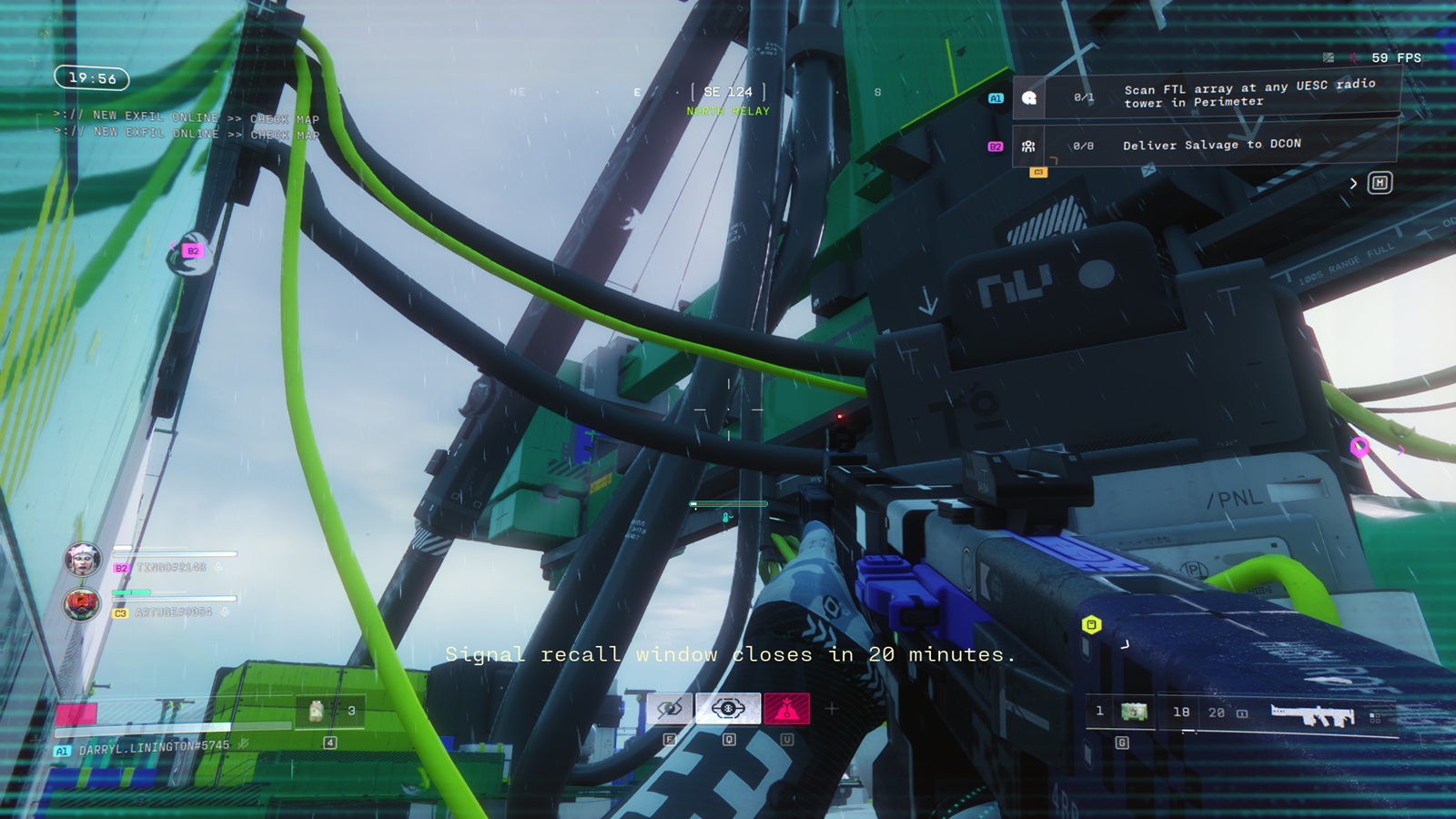
Atmosphere is one of Marathon’s quietest strengths. Tau Ceti IV does not look like a generic sci-fi battleground. The environments in my preview screenshots feel cold, wet, alien, and faintly hostile, with looming industrial structures, rocky terrain, washed-out skies, strange vegetation, and weather that makes the world feel exposed rather than inviting. The hands-on preview described the setting as mixing industrial relay spaces, exposed terrain, fog-heavy sightlines, and surreal transition imagery in a way that gives Tau Ceti IV a stronger sense of place than many genre peers manage early on.
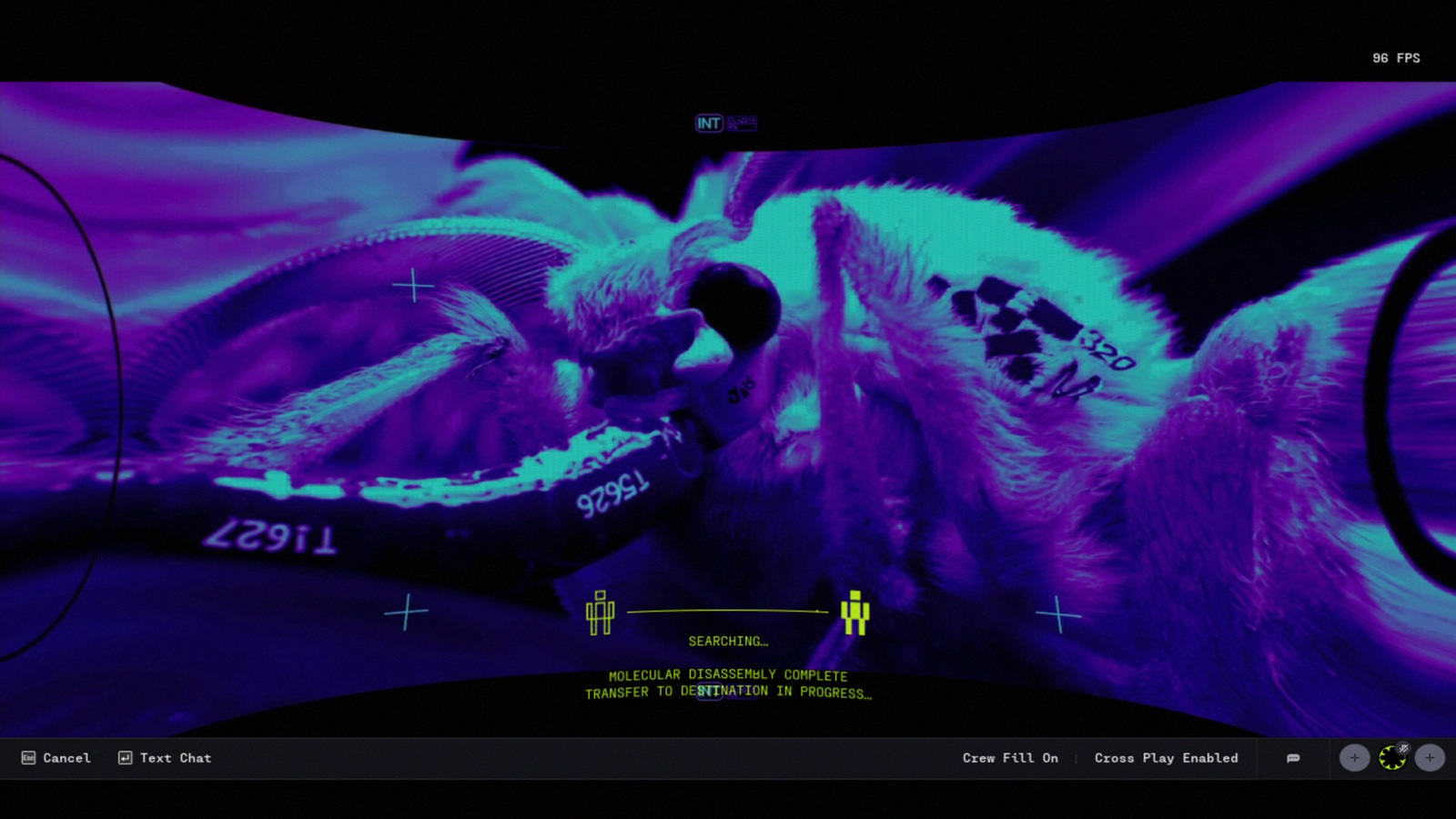
The trippy loading screens help a lot, too. The creativity behind them is extremely eye-catching... The giant moth-like figure and text including “Searching…,” “Molecular disassembly complete,” and “Transfer to destination in progress…,” gave the whole process a surreal, almost psychedelic feel rather than making it purely functional. That kind of presentation does real tonal work. Marathon feels less like a standard multiplayer queue and more like a hostile machine processing bodies into a dangerous place.
One pleasant surprise was matchmaking
One thing I did not have much trouble with was matchmaking. Over roughly 20 hours, I had only one game that failed to matchmake. For a launch-period online shooter built around repeat runs and quick access to high-stakes sessions, that is a meaningful positive. The friction came from the design, not from waiting around or repeatedly failing to get into games.
The real problem is how much Marathon asks of players too early
Marathon’s biggest weakness is onboarding. The issue is not that it has depth. The issue is that it dumps too much of that depth onto players before they have enough context to appreciate it.
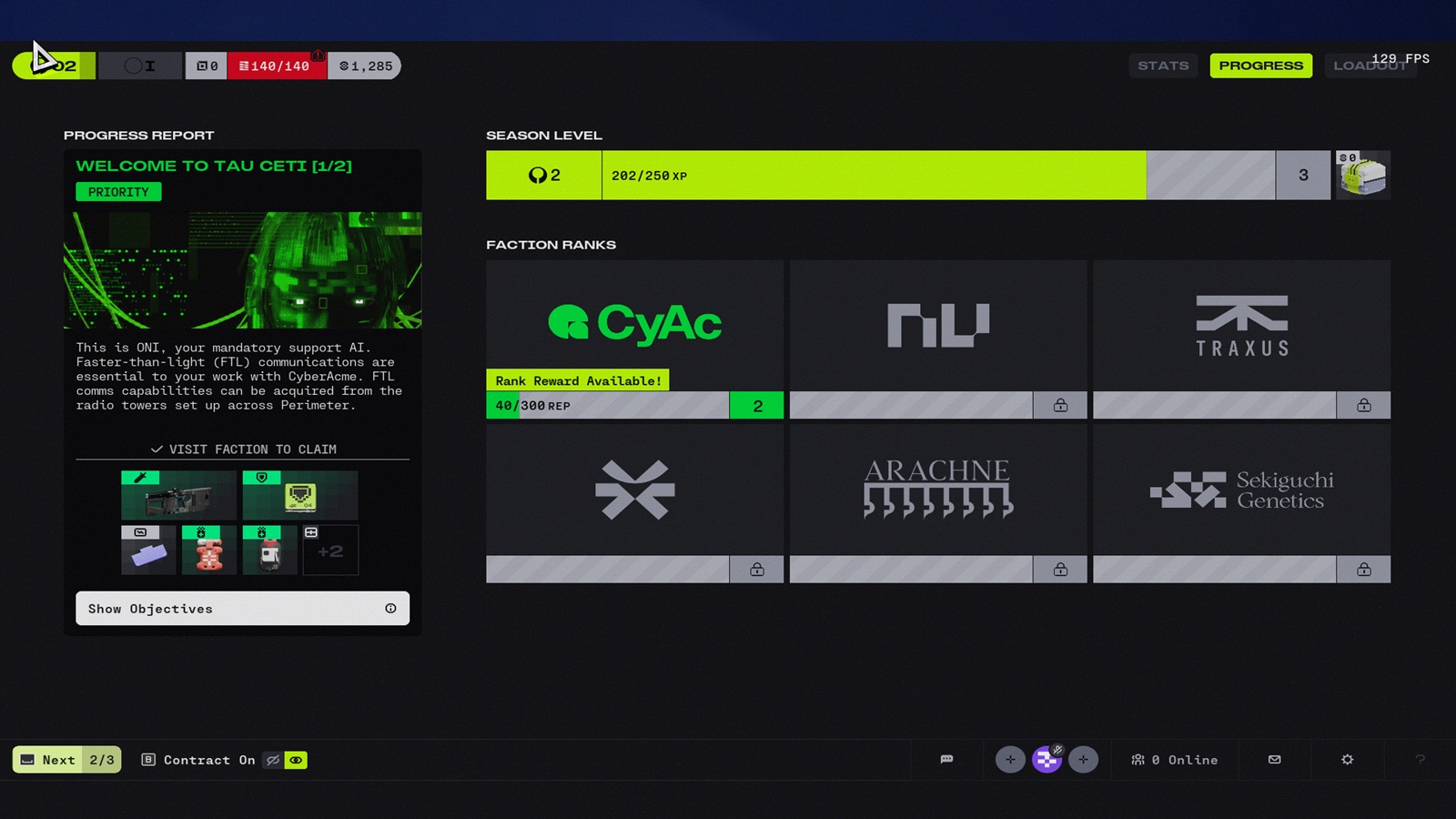
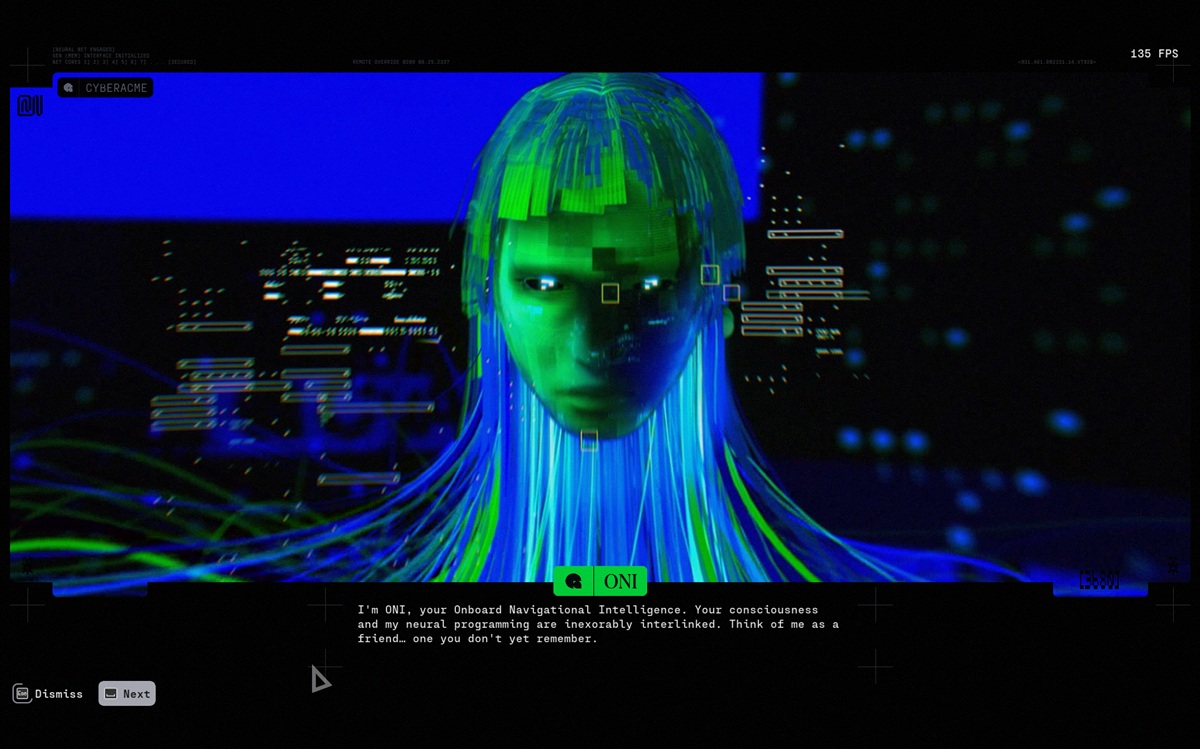
My preview already flagged this. Contracts, shells, abilities, faction ranks, sponsor kits, season levels, multiple queues, Codex entries, timed objectives, and layered progression systems all arrive early, creating real depth but also real friction. It also noted that the interface is highly stylized and information-dense across contracts, faction screens, onboarding notes, and in-match objectives, which fits the game’s identity but takes time to parse.
That is where a lot of the frustration comes from. Marathon has real depth, but its readability lags behind its ambition. You can see the quality long before you feel comfortable with the flow. You can admire the structure while still being irritated by the way the game introduces itself. That is why “frustrating” feels like the right word here. Not because Marathon is bad, and not because the difficulty is fake, but because the game regularly asks players to push through irritation before it reveals its best qualities.
Bungie is already sanding down some of the roughest edges
The good news is that Bungie appears to understand where some of the pain points are. Bungie’s March 11 update, Marathon Update 1.0.0.4, changed several of the areas that most obviously contributed to early friction: more Med Cabinets and Munitions Crates on Perimeter, more starting ammo in several free Sponsored Kits, reduced EMP grenade drops from UESC Grenadiers, reduced thermal-scope clarity and range, lower health for most UESC enemies, lower UESC boss shields, objective nav points visible from 20 meters instead of 10, and a reduced-difficulty UESC Commander encounter in the new Traxus Contract. Bungie also added the NuCaloric Contract, made multiple Rook fixes and reputation adjustments, and shipped crash and stability fixes in the same update.
Those are meaningful changes. They go straight at some of Marathon’s most obvious trouble spots: resource starvation, navigation clarity, AI pressure, and survivability. They do not fix the broader structural issue overnight, but they do show Bungie reacting to real friction instead of pretending it is all part of the intended mystique. Bungie’s seasons post also makes clear that the game is meant to evolve with new gear, Runner shells, zones, and events over time, so ongoing iteration is built into the pitch.
Performance and test system
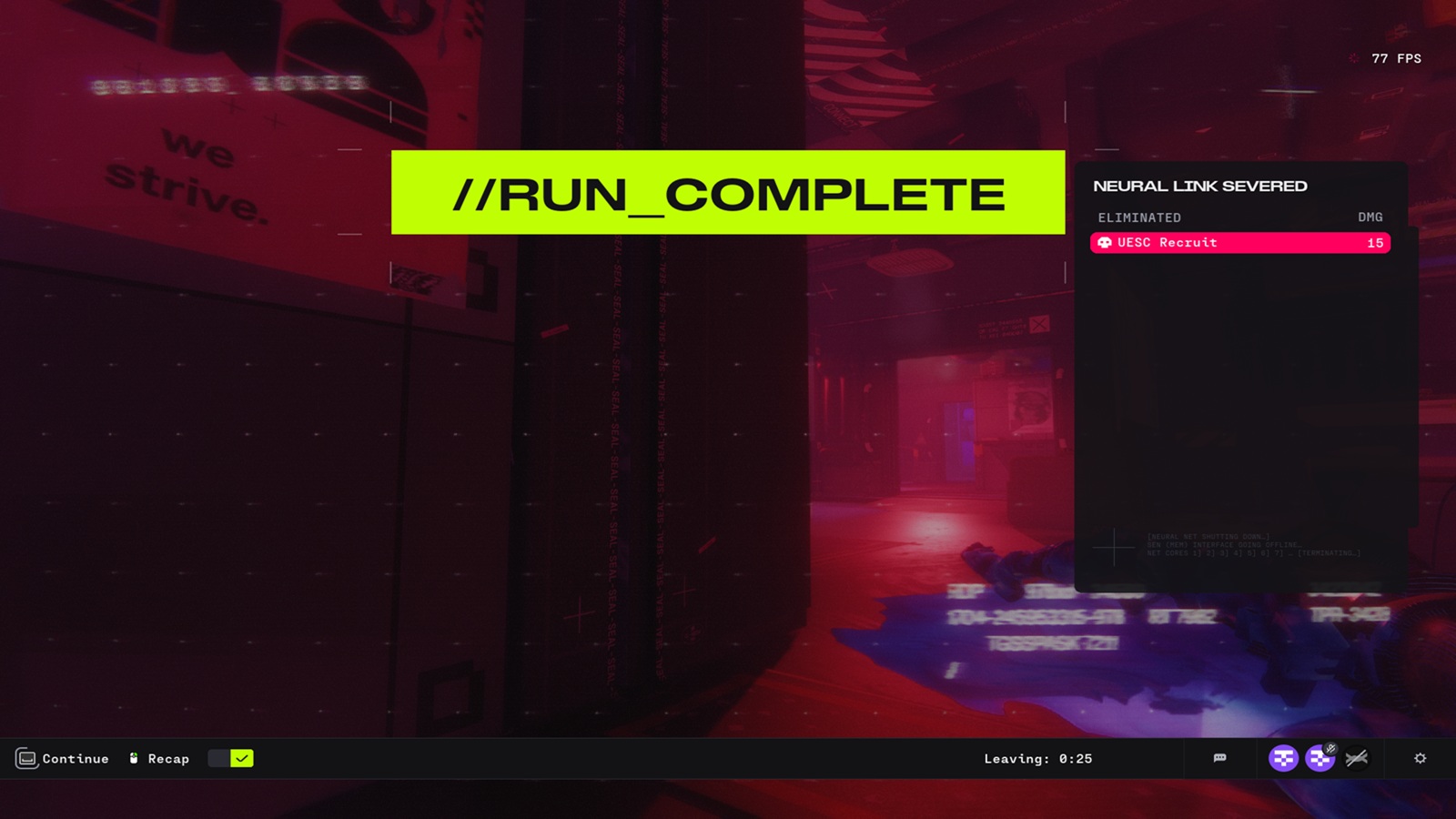
I tested Marathon on a Lenovo LOQ 16IRH8 with an Intel Core i7-13620H, an Nvidia GeForce RTX 4050 Laptop GPU, and 16 GB of RAM. My settings were 1920 x 1200 in full-screen mode, VSync on, frame-rate cap disabled, FOV at 90, Nvidia DLSS on Balanced, SSAO on Highest, anisotropic filtering at 16x, textures and shadows on High, motion blur off, Nvidia Reflex on, and UI refresh rate set to High. In actual gameplay, performance generally sat around 60 to 70 FPS, with higher readings in menus and loading scenes.
Verdict
Marathon is easy to admire and harder to love. Unlike Arc Raiders.
Bungie has built a shooter with real identity, excellent extraction tension, strong combat, memorable atmosphere, and a framework sturdy enough to support a long-term live game. The shell system gives it a clear class backbone. The contracts and progression structure give runs meaning. Tau Ceti IV looks hostile, strange, and genuinely memorable. When a run comes together, Marathon can feel brilliant.
But it is also consistently frustrating. The onboarding is heavy, the UI and systems load are dense, and the punishment curve is steep enough that many players will bounce off before they get to the part where the game really starts to shine. Marathon is not interested in being friendly, and sometimes that gives it an edge. Other times, it just makes the experience harder than necessary.
Right now, Marathon feels like a very good extraction shooter with the potential to become a great one. It already has the hard part: a strong identity and a compelling core loop. What it still needs is a better way of bringing players into that experience without exhausting them first. Until Bungie fully solves that, Marathon will remain thrilling, smart, stylish, and often excellent, but also one of the most persistently frustrating multiplayer games I have played in a while.
TL;DR
Marathon is a smart, stylish, and often excellent extraction shooter that already nails tension, atmosphere, and combat, but it is also one of the most frustrating multiplayer games to learn right now. Bungie has built a world with real identity, a strong shell-based class structure, and a run-to-run loop that makes successful extractions feel fantastic. The problem is that the onboarding is dense, the UI can be hard to parse, and the punishment curve is steep enough that many players may bounce off before the game’s strengths fully click.
If you can tolerate friction, Marathon is easy to recommend. If you want a smoother, more welcoming shooter, it is a much harder sell. Bungie’s early post-launch fixes suggest the studio understands where some of the pain points are, which gives Marathon real room to improve. Right now, it feels like a very good extraction shooter with the potential to become a great one.
Source(s)
Hands-on-experience
 Add as a preferred source on Google


