




Marathon hands-on preview
Darryl Linington 👁 Published 🇪🇸 🇵🇹 ...
Bungie’s Marathon already feels like a very specific kind of game. This is not just another sci-fi shooter with extraction mechanics bolted on. Even in its early hours, it presents itself as a PvPvE extraction game built around shell-based class identity, faction progression, timed objectives, and a deliberately cold, synthetic tone. Bungie and Steam describe Marathon as a team-based survival extraction shooter set on Tau Ceti IV, with six competing factions, seasonal power growth, and a deeper endgame push into Cryo Archive.
I played Marathon on my Lenovo LOQ 16IRH8 with a Core i7-13620H, a GeForce RTX 4050 Laptop GPU, and 16 GB of RAM. My current settings were 1920 x 1200 in full-screen mode, VSync on, frame-rate cap disabled, FOV at 90, Nvidia DLSS on Balanced, SSAO on Highest, anisotropic filtering at 16x, textures and shadows on High, motion blur off, NVIDIA Reflex on, and UI refresh rate set to High. In actual gameplay, performance generally sat around 60 to 70 FPS in my testing, with higher readings in menus and loading scenes.
Marathon sits somewhere between ARC Raiders and Destiny 2
The easiest way to place Marathon is to say that it feels closer to ARC Raiders in structure, but closer to Destiny 2 in presentation and class identity. Like ARC Raiders, it is built around extraction, scavenging, and risky runs through a dangerous sci-fi world. Steam’s official description of ARC Raiders emphasizes scavenging, survival, surface runs, and the unpredictable threat of both machines and other players.
At the same time, Marathon also carries some Bungie DNA that will feel more familiar to Destiny 2 players. Bungie’s Steam developer page describes Destiny 2 as its action MMO and Marathon as its sci-fi extraction shooter. That distinction matters. Destiny 2 is built around a broader shared-world power fantasy, while Marathon is built around shorter, riskier, more punishing runs where surviving and extracting matter as much as winning fights.
The shell system gives Marathon a clear class identity
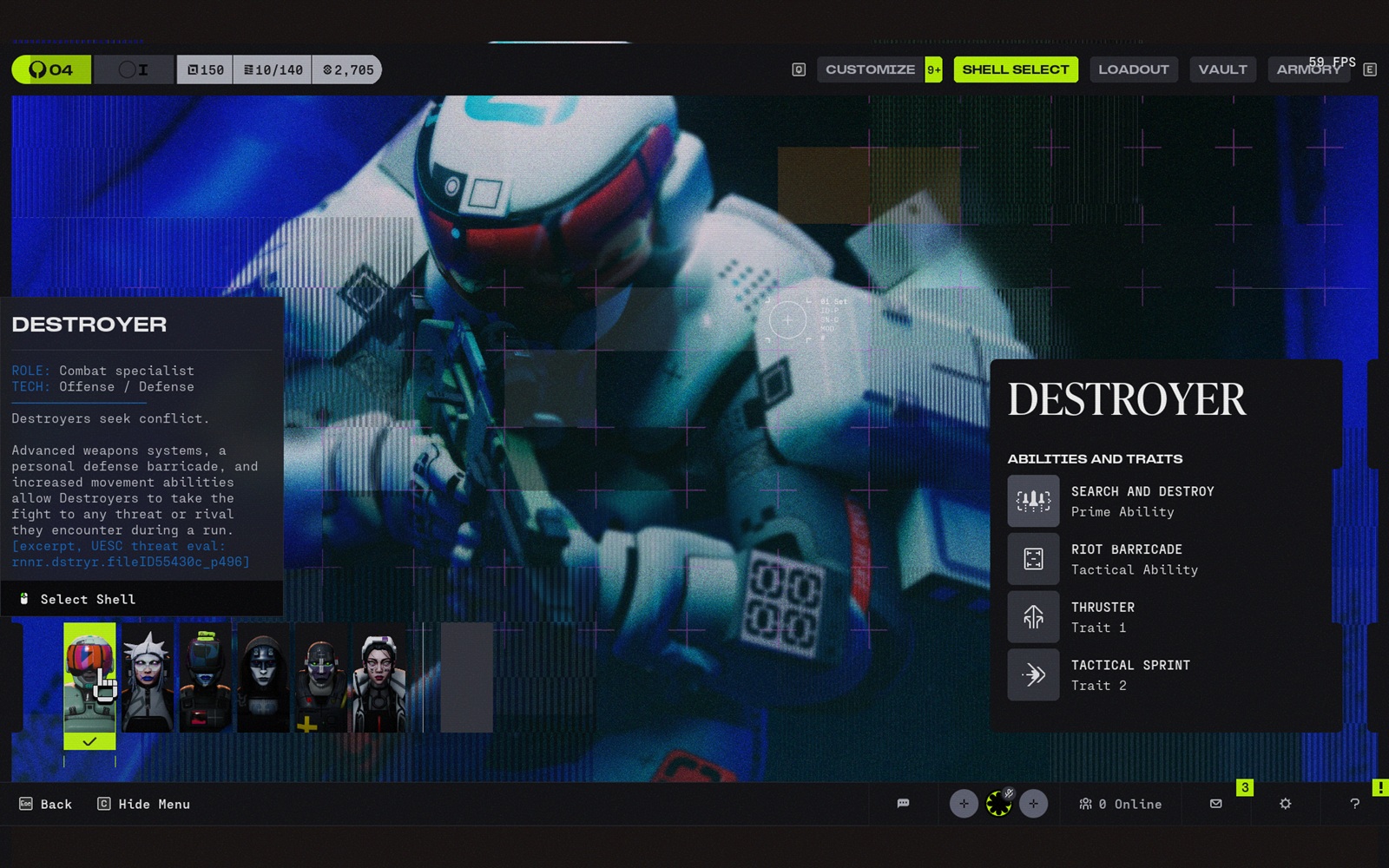
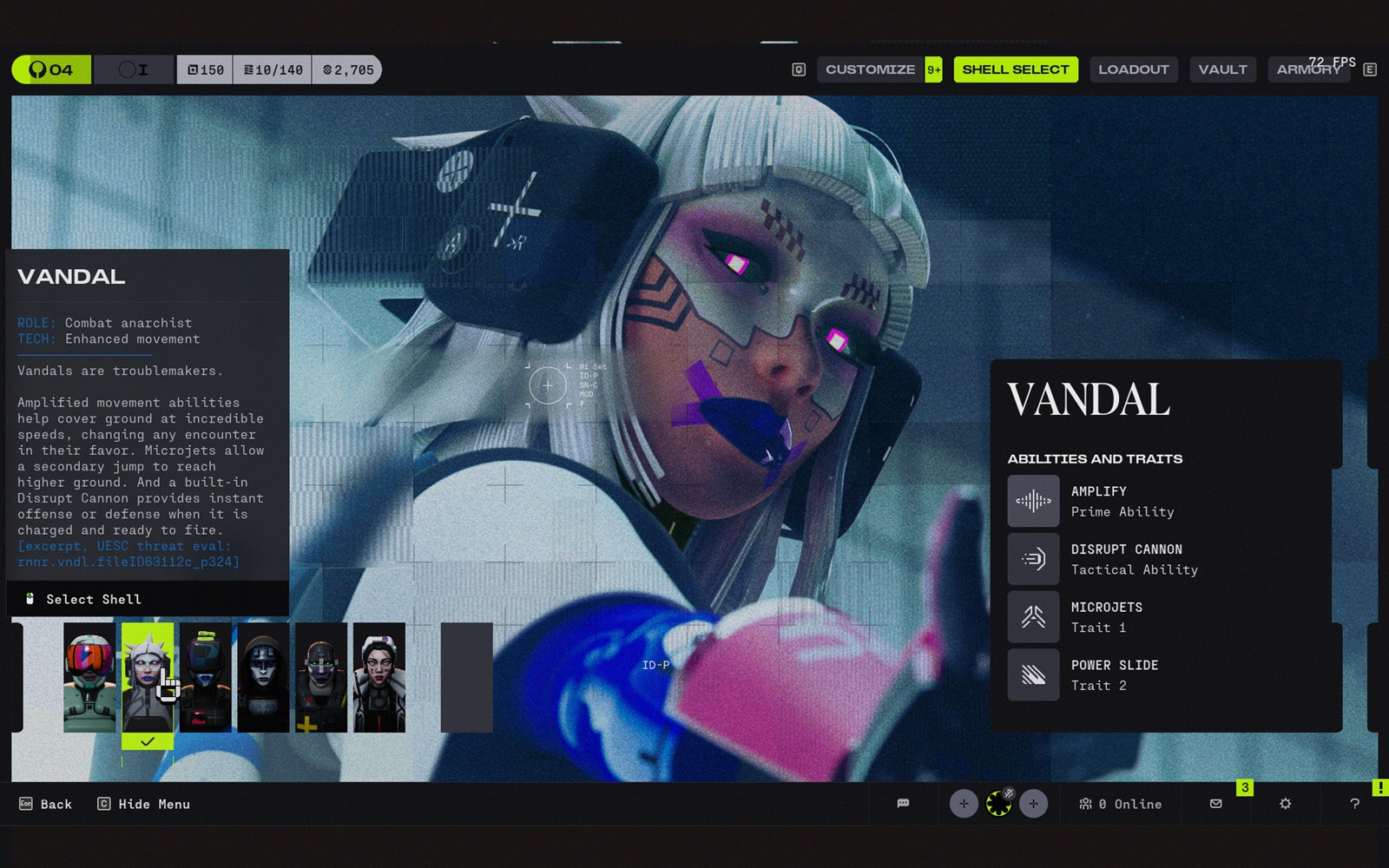
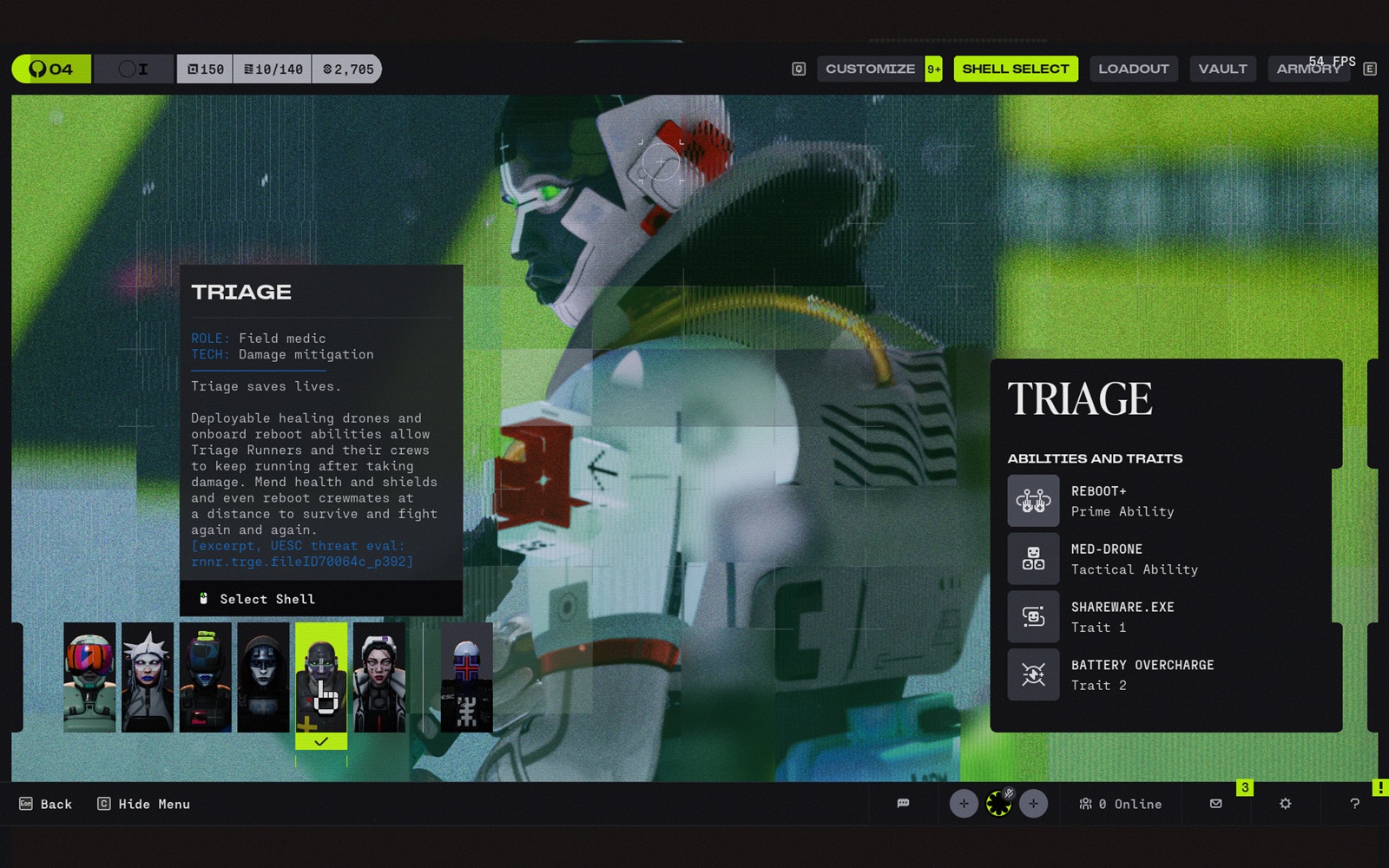
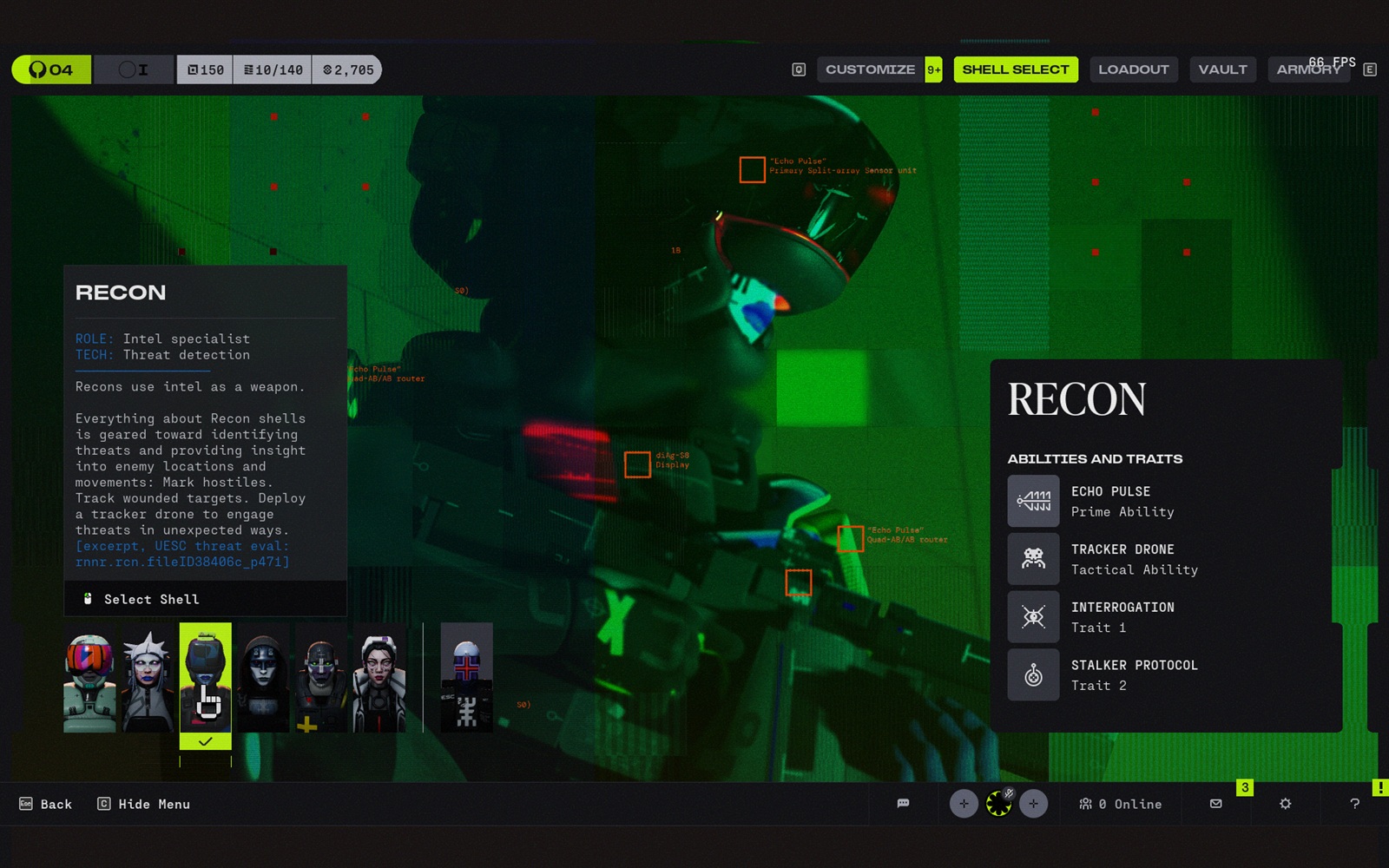
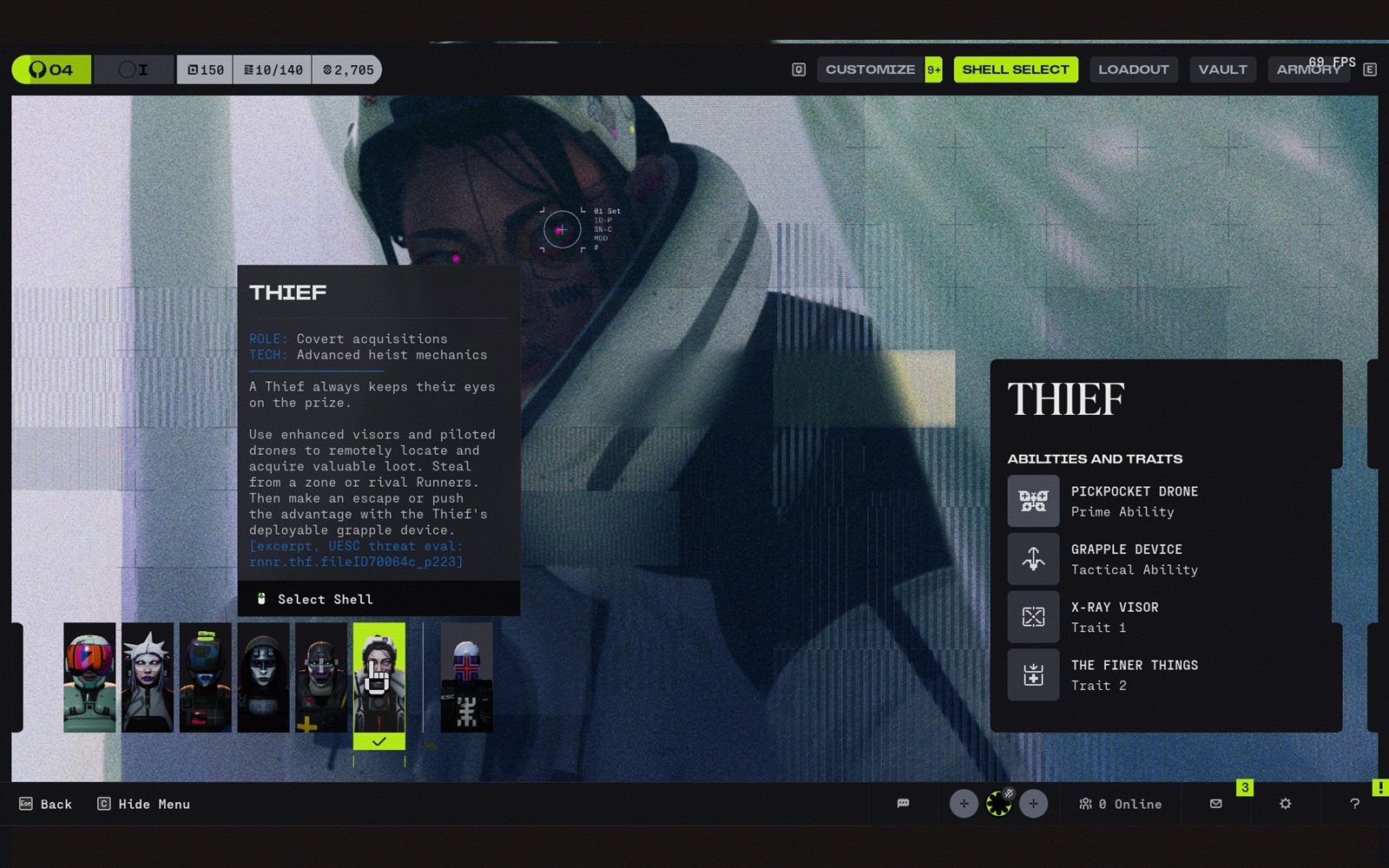
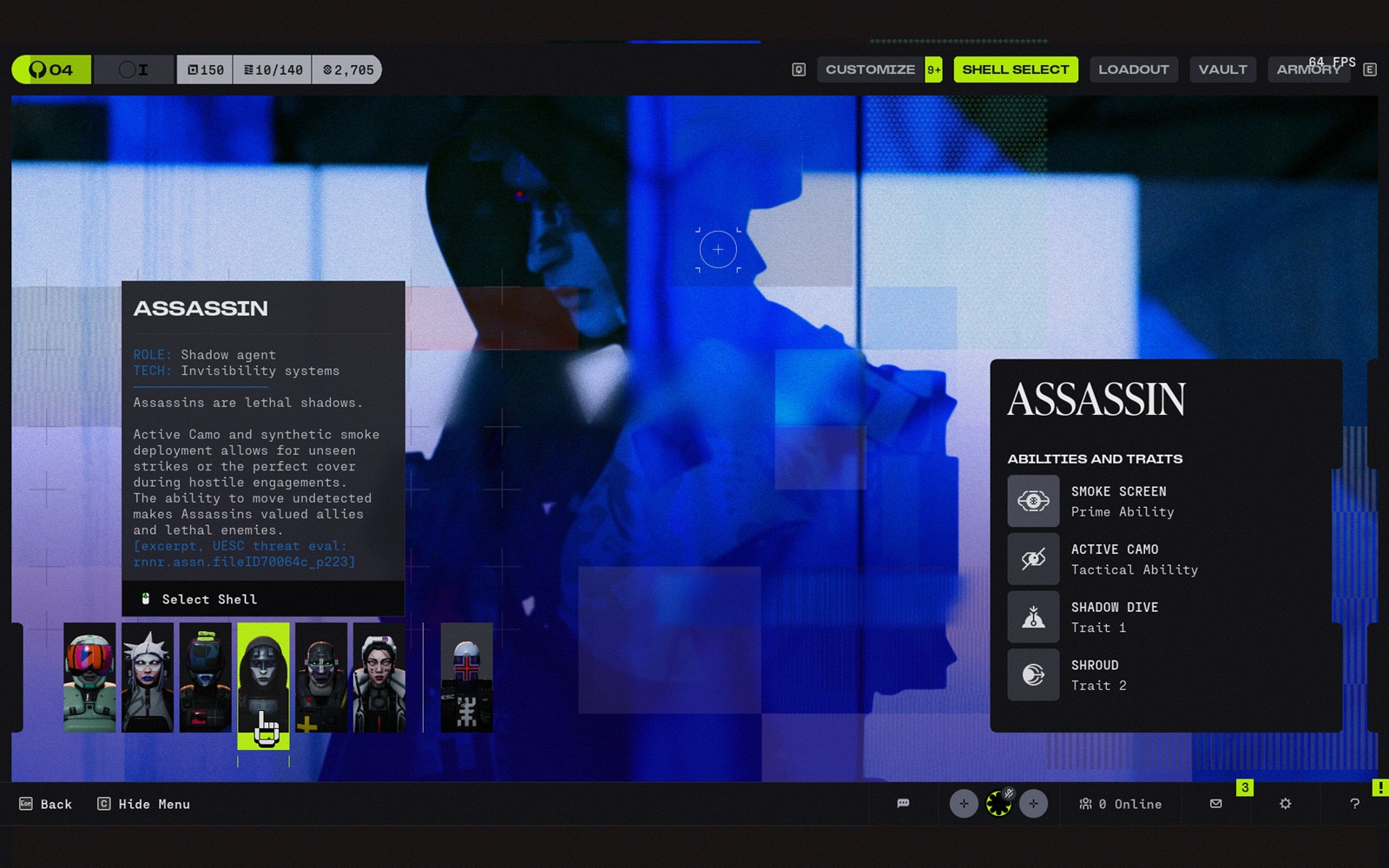
One of the strongest early signs is that Marathon treats its shells as actual gameplay archetypes rather than cosmetic wrappers. The shell roster includes Thief, Destroyer, Vandal, Assassin, Recon, and Triage, with each shell built around its own abilities and traits. In practice, that gives the game an immediate class structure centered on stealth, disruption, support, scouting, mobility, and direct aggression.
That framework matters because it gives Marathon more gameplay identity from the start than many shooters that blur roles together. Bungie has also made clear that Runner shells are part of the game’s longer-term structure, with future gameplay updates planned to add more shells, maps, and events.
Factions and contracts are central to progression
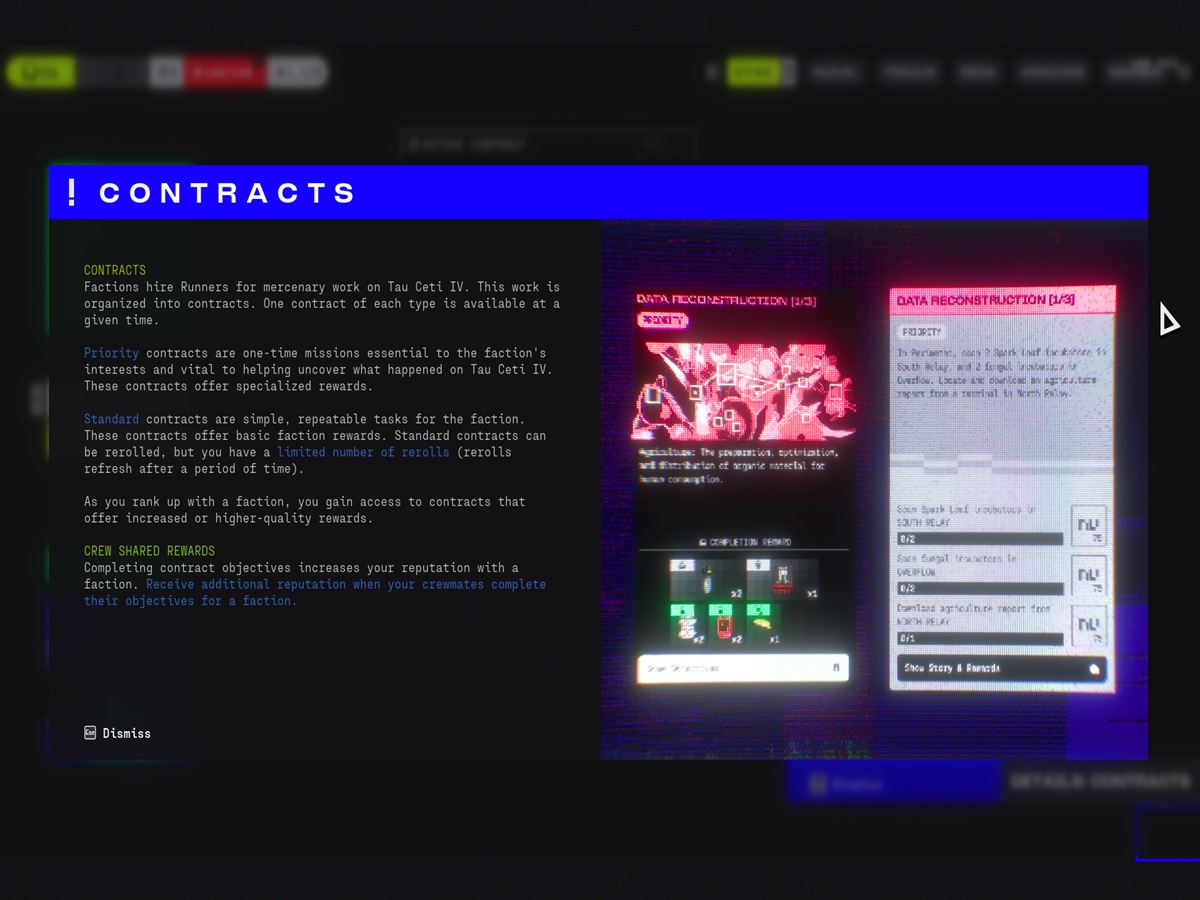
The strongest structural idea in Marathon so far is its faction-driven contract system. Factions hire Runners for work on Tau Ceti IV, and that work is split into Priority and Standard contracts. Priority contracts are one-time jobs tied to faction interests and the mystery of what happened on Tau Ceti IV, while Standard contracts function as repeatable tasks with more routine rewards.
That setup gives Marathon more shape than a simple drop-in loot-and-extract loop. Progression is tied not only to what happens in a single run, but also to faction reputation, unlocks, and seasonal advancement. The six factions currently listed are CyberAcme, NuCaloric, Traxus, MIDA, Sekiguchi Genetics, and Arachne, which reinforces the sense that the world is built around competing corporate powers rather than generic vendors. Steam’s official description also ties faction contracts to shell upgrades, stronger starting loadouts, expanded vault space, and specialized wares.
Onboarding reveals more structure than the main pitch suggests
The onboarding material makes it clear that Marathon already has a fairly defined framework. The current zones listed are Perimeter and Dire Marsh. Outpost is shown as unlocking at Runner level 15, while Cryo Archive is noted as opening later. The same onboarding material also confirms proximity chat, crew fills, solo queue, and the six-shell lineup.
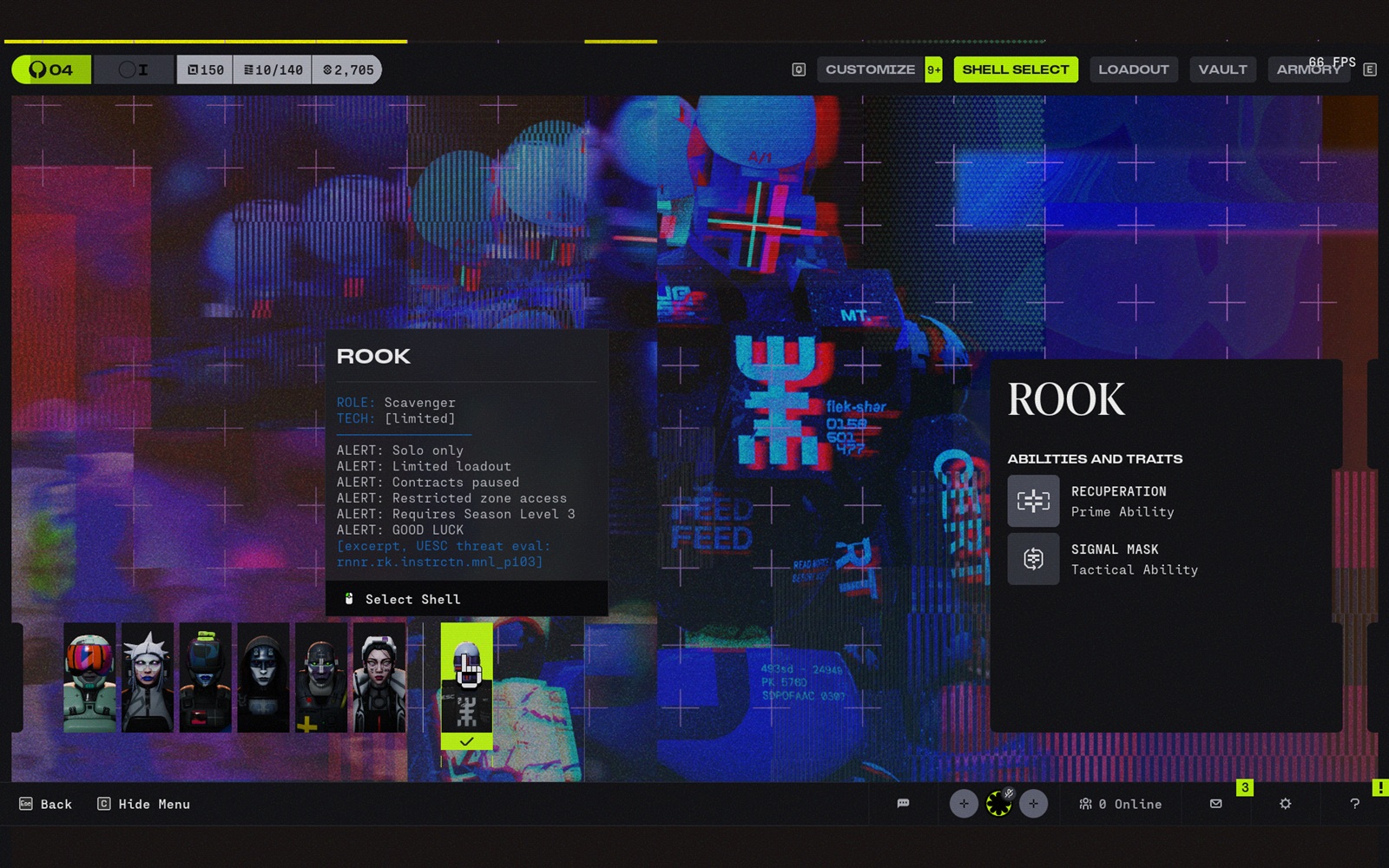
One of the more interesting details is Rook, a unique scavenger shell that can join runs already in progress. Rook can only queue solo, arrives with a basic loadout, and cannot complete faction contracts because factions do not sponsor prototype shells. It is a clever addition because it suggests Bungie is thinking about catch-up and re-entry systems, not just idealized full-kit runs.
ONI and the interface give the game a distinct tone
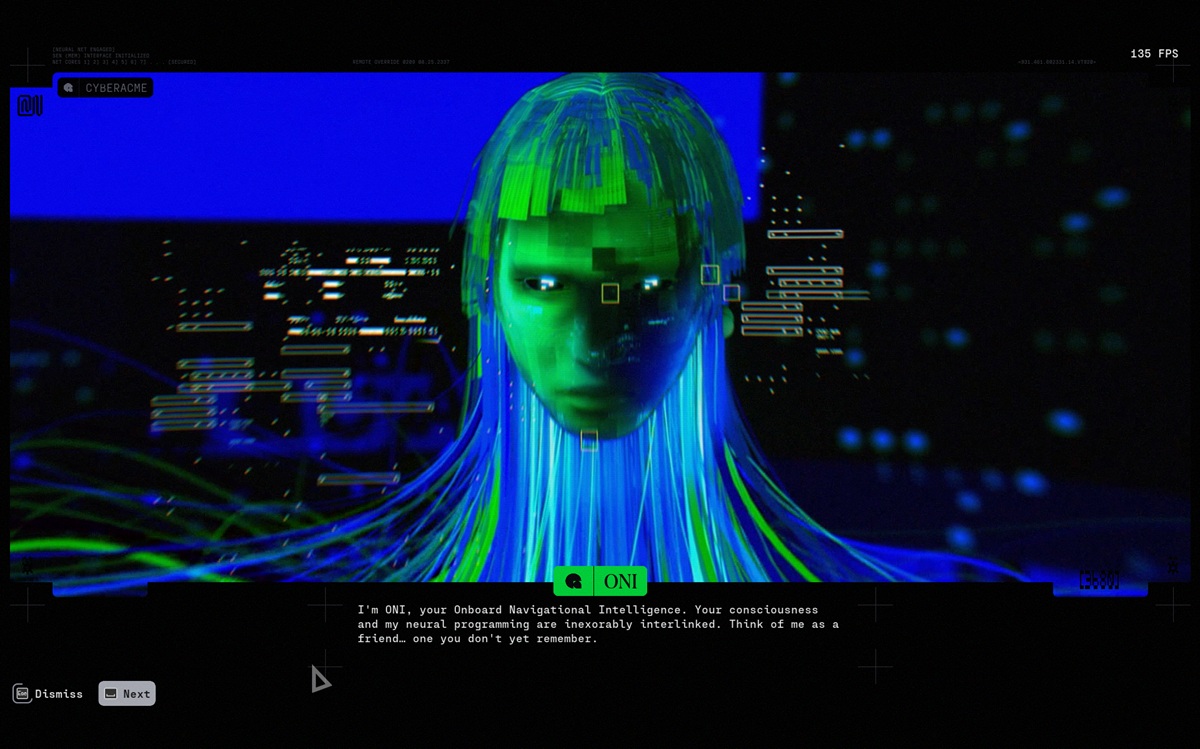
A lot of Marathon’s identity comes from presentation. ONI, the player’s Onboard Navigational Intelligence, is introduced in a way that immediately makes the world feel artificial, eerie, and tightly controlled. Instead of functioning like a generic tutorial guide, ONI helps frame the game’s tone from the outset.
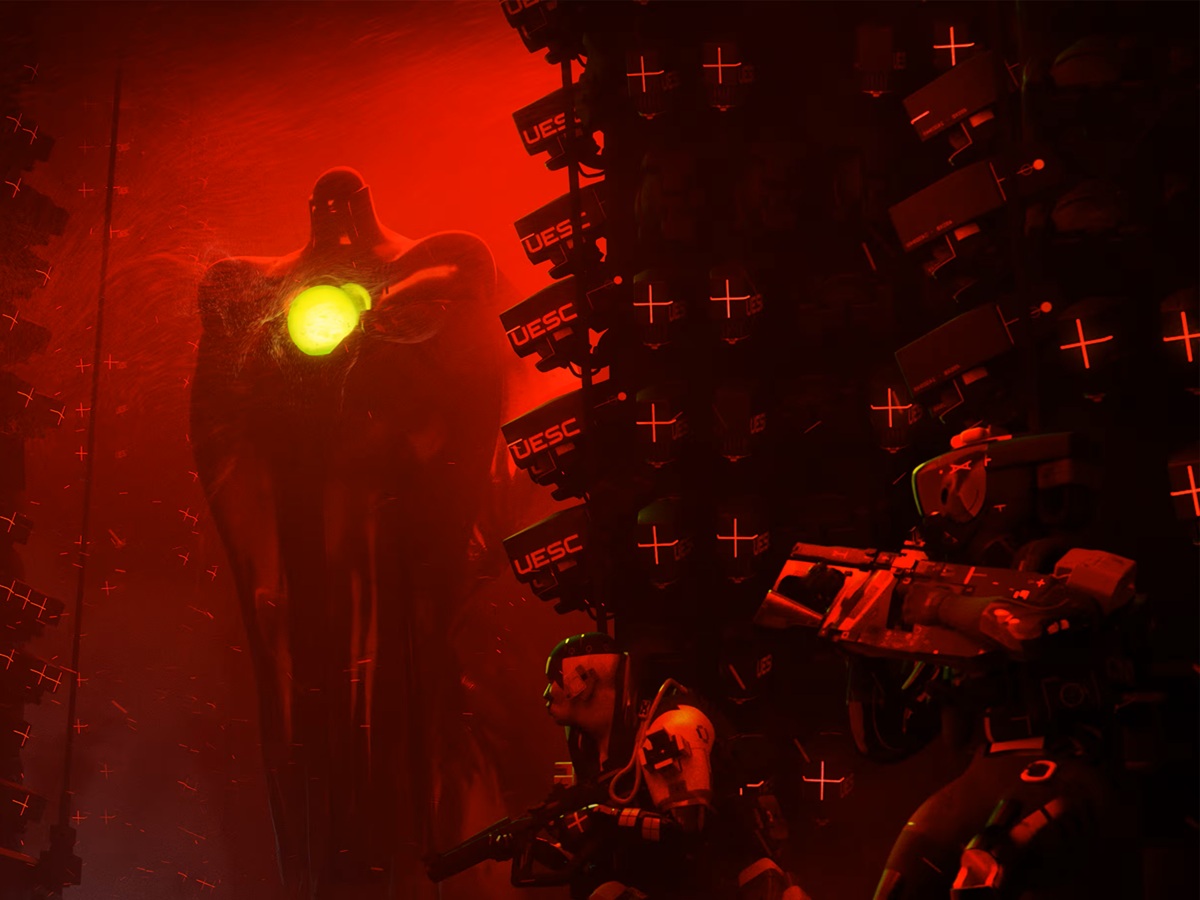
That tone carries through the interface. Menus, contracts, progression screens, and mission overlays all lean into a stylized futuristic look. Even the game’s loading and transfer screens are memorable. One sequence shows a giant moth-like figure alongside text such as “Searching…,” “Molecular disassembly complete,” and “Transfer to destination in progress…,” giving transitions a surreal, almost psychedelic quality rather than making them feel purely functional.
The progression layers already look broad
Beyond contracts and faction ranks, Marathon also builds progression through sponsor kits, an Armory, a Rewards Pass, customization unlocks, and a Codex. The Rewards Pass currency is called SILK, and is used to unlock nodes and claim cosmetics. Customization categories include weapon styles, charms, stickers, and Runner shell styles. The Codex is described as housing achievements, audio logs, data entries, and other narrative discoveries gathered during runs.
Bungie has also said that Rewards Passes will not expire and that players will be able to purchase and unlock prior passes later. That is a meaningful choice for a live-service game because it reduces some of the usual battle-pass pressure. Combined with faction progression and shell upgrades, the overall structure already looks layered rather than linear.
Runs feel structured and purpose-driven
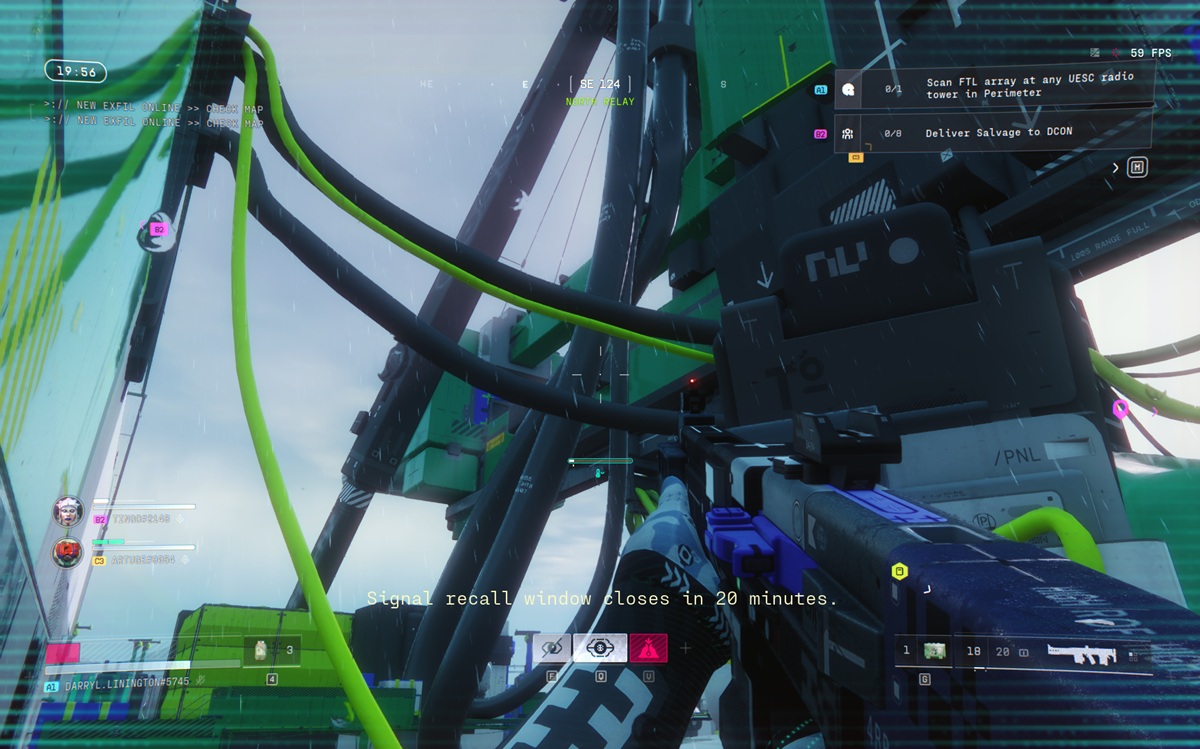
Another positive is that Marathon does not seem to rely on vague momentum alone. Runs are shaped by explicit objectives, location-based tasks, and time pressure. Tasks include things like scanning FTL arrays, delivering salvage, sabotaging UESC communications equipment, and defeating UESC enemies in a region. The recall window adds a clear sense of urgency to each run, which helps make the loop feel more directed than some extraction shooters that lean too hard on freeform looting.
That structure lines up well with Bungie’s own pitch. Steam describes Marathon as a game where contracts, upgrades, loot extraction, and deeper pushes into Cryo Archive all feed into long-term progression.
Tau Ceti IV already feels like more than a backdrop
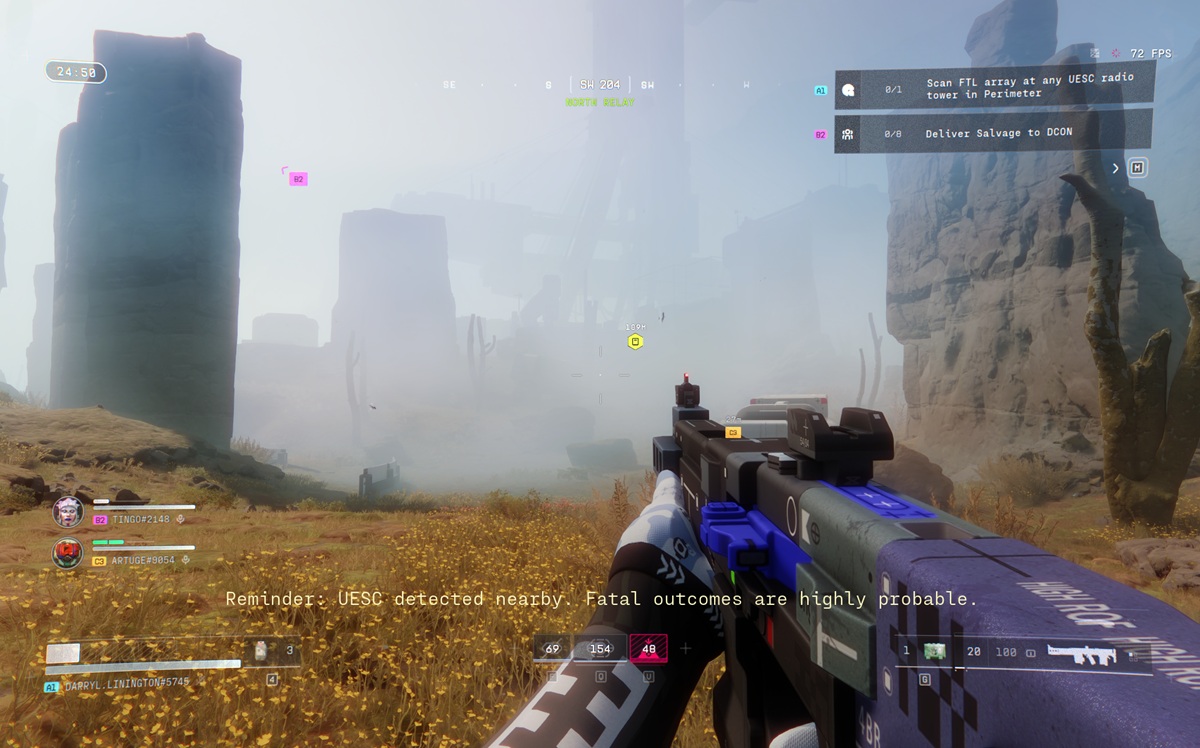
The world design also helps. So far, Marathon mixes industrial relay spaces, exposed terrain, fog-heavy sightlines, desert-like stretches, and strange transition imagery in a way that gives Tau Ceti IV a stronger sense of place than many genre peers manage early on. The setting feels designed to support the fiction of a lost colony shaped by competing factions, buried history, and hostile infrastructure.
That atmosphere is one of the game’s better assets. It gives Marathon a stronger personality than a purely functional extraction sandbox.
The main concern is readability and early friction
The biggest issue at this stage is not a lack of ideas. It is the number of systems Marathon asks the player to absorb at once. Contracts, shells, abilities, faction ranks, sponsor kits, season levels, multiple queues, Codex entries, timed objectives, and layered progression systems all arrive early. That creates depth, but it also creates friction.
The interface is highly stylized and information-dense, especially across contracts, faction screens, onboarding notes, and in-match objectives. That contributes to the game’s identity, but it can also take time to parse during early play. Public feedback during the Server Slam period pointed in the same direction, with UI criticism appearing alongside praise for the gunplay.
There is also still a broader pacing question around the PvPvE balance. A game like Marathon will live or die on how well combat, objectives, AI pressure, and player encounters work together over time. The early foundation looks promising, but that balance will matter more over the weeks than over first impressions.
Early verdict
The best thing about Marathon so far is that it already feels coherent. The shell system, contract structure, faction progression, ONI-driven tone, surreal loading screens, and objective-based runs all point in the same direction. That gives the game a stronger early identity than many live-service shooters manage.
The main caution is that Marathon can sometimes feel like it is presenting too much at once. Some of that density is part of the appeal, but Bungie still has work to do in making the game’s systems easier to read and absorb. Even so, the early hands-on takeaway is positive. Marathon looks promising, stylish, and mechanically structured enough to stand out, even if it is not yet an effortless recommendation.
Source(s)
Hands-on-experience
 Add as a preferred source on Google


