




Leica D-Lux 8 is more expensive than Lumix L10, but is the better choice – for some customers
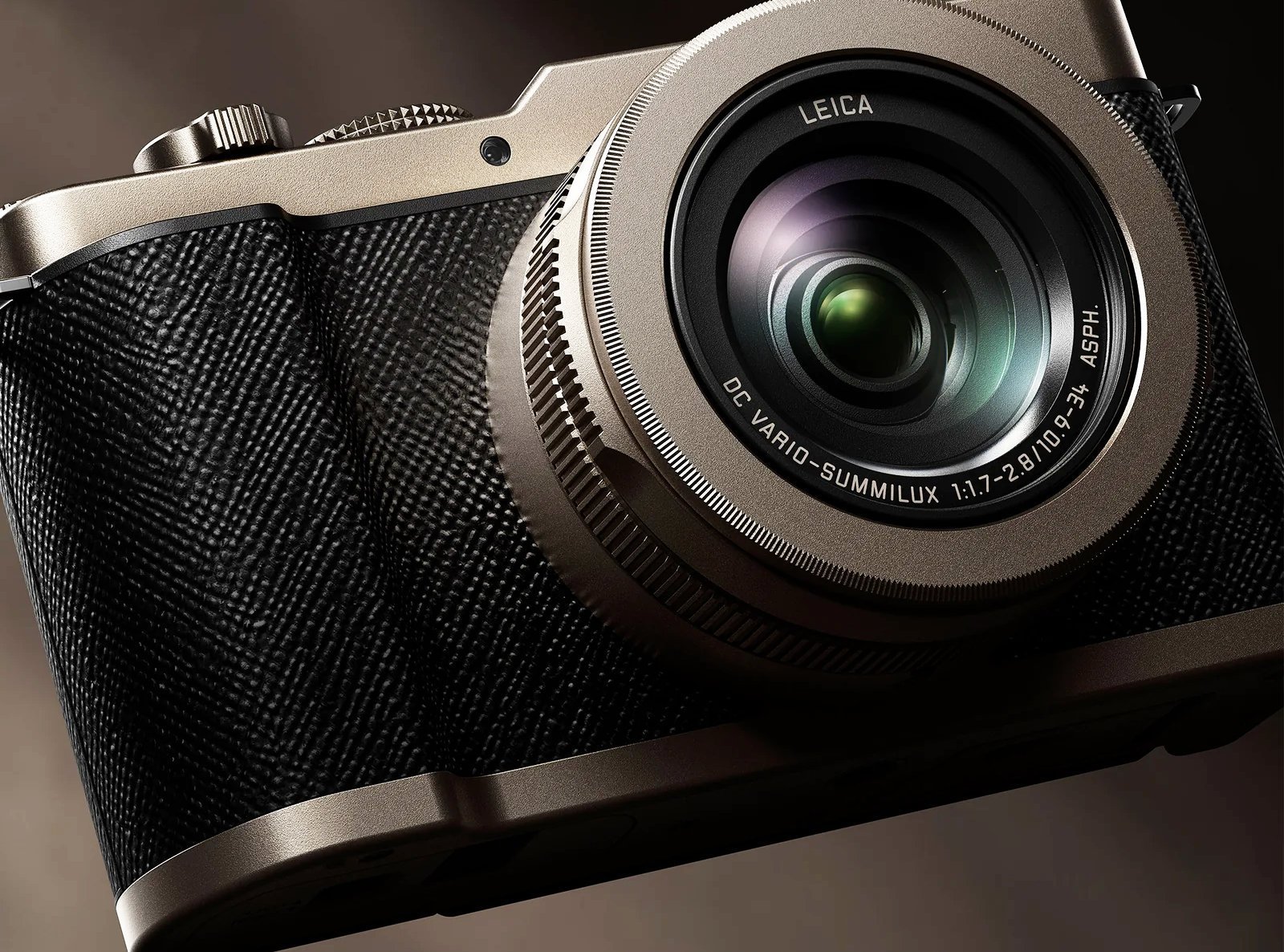
Panasonic has today introduced the Lumix L10. The camera is intended to mark the 25th anniversary of Lumix, with the Lumix L10 also being the successor to the Lumix LX100 II from 2018. With prices starting at $1,499, the Lumix L10 is $416 cheaper than the Leica D-Lux 8, which is technically based on the Lumix LX100 II, but already has the OLED viewfinder and higher-resolution display of the L10.
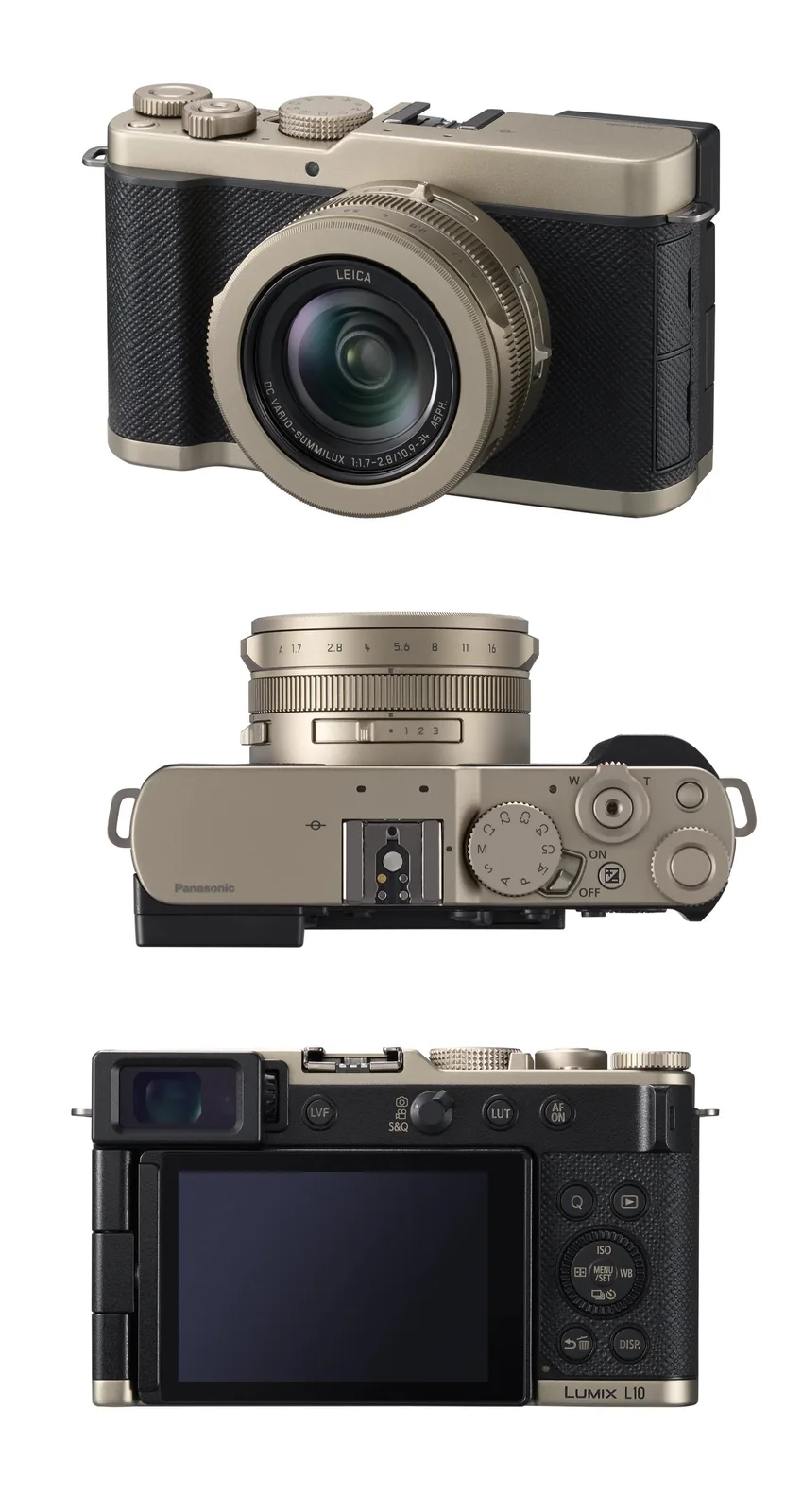
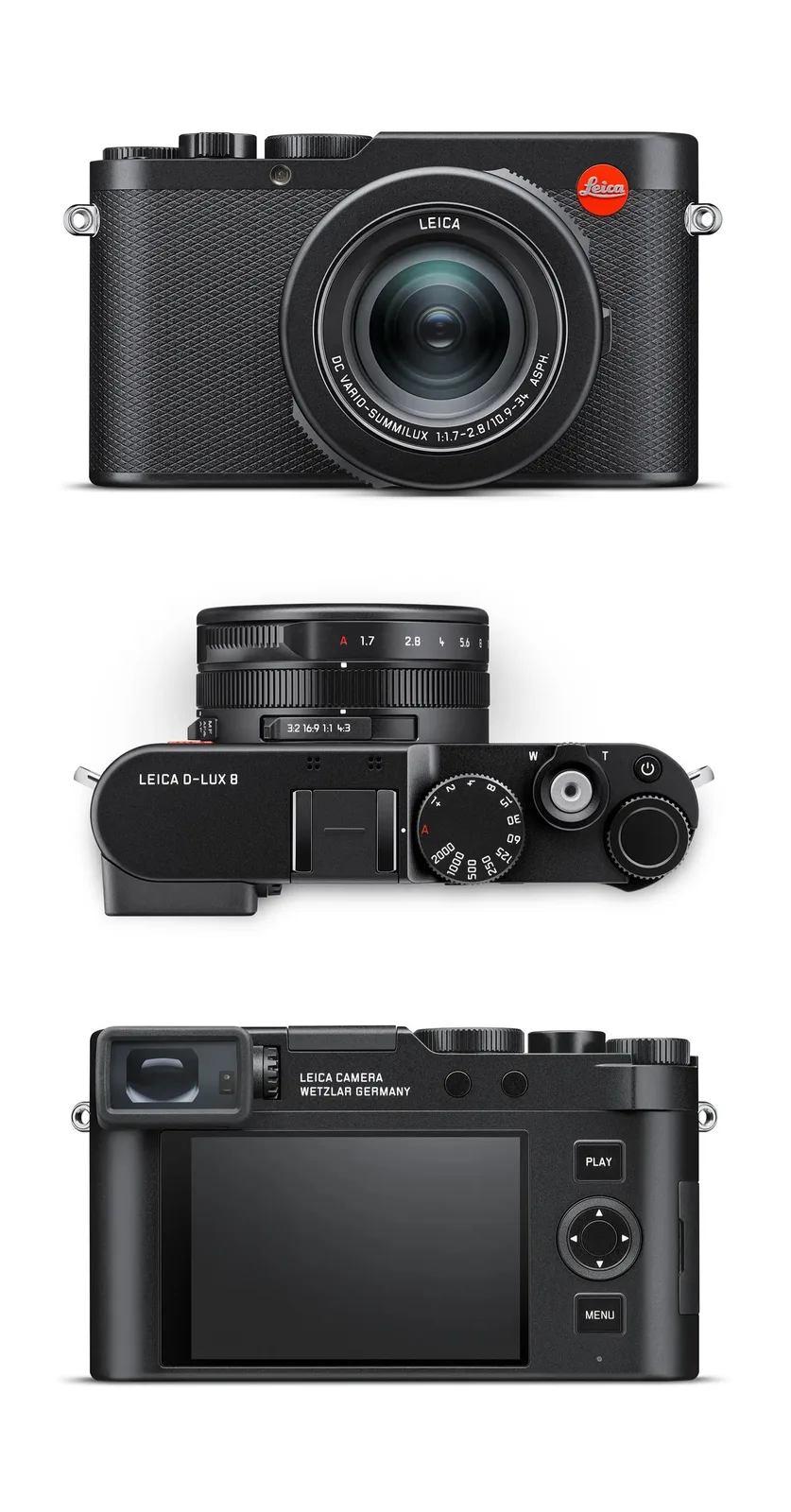
The Lumix L10 and the Leica D-Lux 8 have a lot in common. Not only are the two cameras similar in size, they also both have the same Leica lens with a 35 mm equivalent focal length of 24 - 75 mm and a maximum aperture of f/1.7 - f/2.8. Both cameras use a crop of a FourThirds sensor, either in 3:2, 4:3, 16:9 or 1:1 format, and the macro mode with a minimum focus distance of 3 centimetres and the optical image stabilization are also identical.
Lumix L10 leads in image quality and performance
From a technical point of view, the newer Lumix L10 has two main advantages. Firstly, a newer FourThirds sensor with a higher resolution of 26.5 megapixels, although only 20.4 MP can be used due to the smaller image circle of the lens. This is an upgrade compared to the 17 MP of the Leica D-Lux 8, and as the sensor is newer, it should also benefit from a greater dynamic range and lower image noise, although only independent tests will show how big the advantages are in terms of image quality.
Secondly, Panasonic has installed a more powerful processor. In conjunction with the new sensor, this promises faster autofocus with almost 16 times more autofocus pixels and the ability to record 30 photos per second instead of just 11. With a fold-out display and an ergonomically shaped grip, the Lumix L10 also promises better ergonomics than the Leica D-Lux 8.
Leica remains the better choice - for Leica photographers
The Panasonic Lumix L10 is clearly the better camera in technical terms. However, for those who already shoot with a Leica M11, a Leica Q3 or a Leica SL3, the D-Lux 8 may still be the better choice. This is because Leica has made four adjustments that make it more convenient to use in an existing Leica workflow.
Firstly, Leica is adapting both the controls and the menu structure. With fewer buttons, a dedicated shutter speed dial and unlabeled, programmable function buttons, the D-Lux 8 can be operated in almost exactly the same way as Leica's current full-frame cameras. Secondly, the Leica D-Lux 8 supports Leica flashes. Thirdly, photos are recorded in open DNG format. And fourthly, the D-Lux 8 uses the Leica Photos smartphone app instead of the Lumix Lab app.
Since Panasonic and Leica have already worked together on the development of the D-Lux 7 and D-Lux 8, there is a good chance that Leica will develop a D-Lux 9 that is based on the new Lumix L10. Until then, however, customers will have to choose between the better image quality and performance of the Lumix L10 and the Leica adaptations of the D-Lux 8.
 Add as a preferred source on Google


