




Lego Skylines hands-on: Complex city builder or just a game for kids?
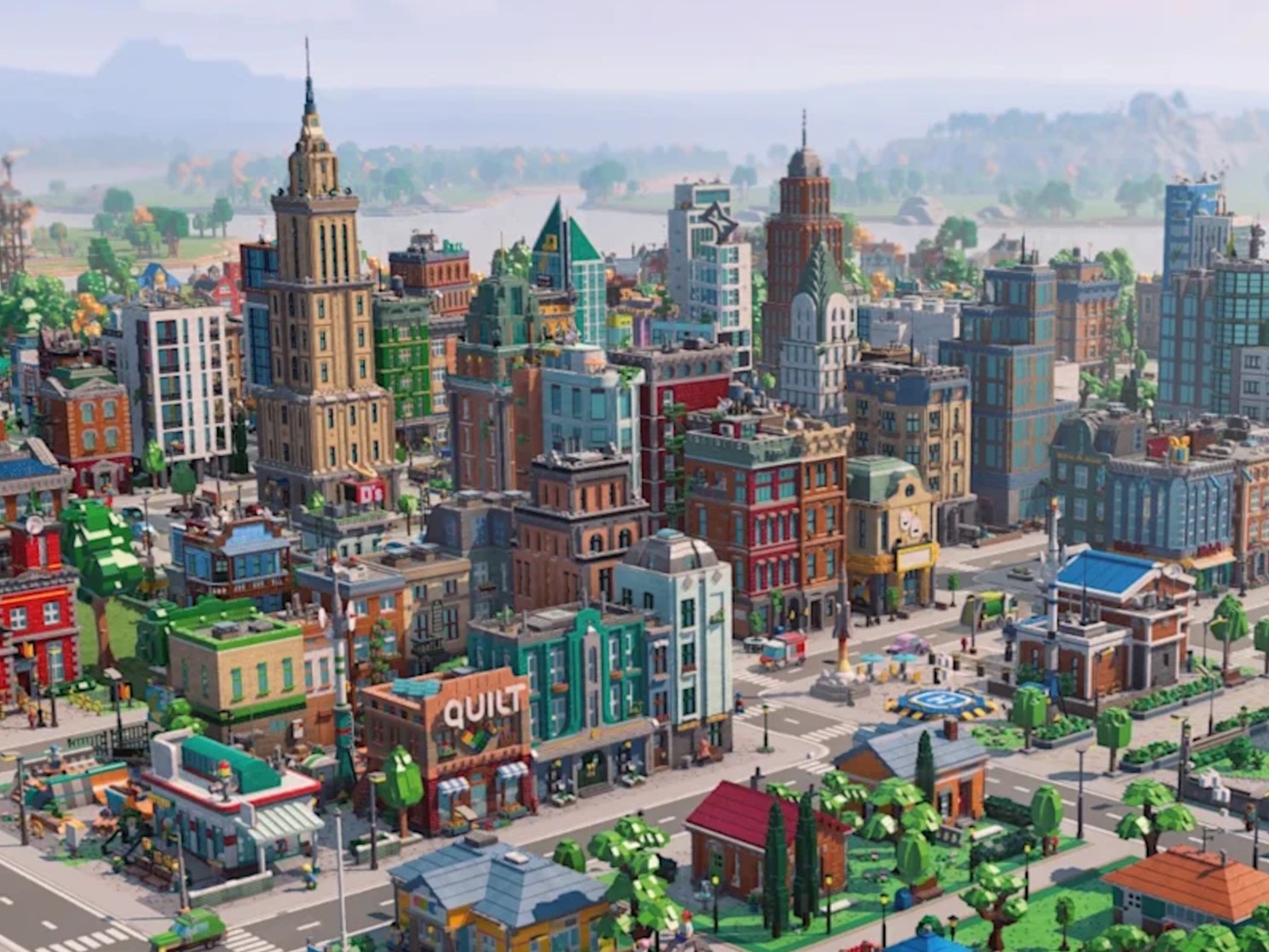
The announcement of Lego Skylines came as a surprise, but the combination makes sense. Cities Skylines and Cities Skylines 2 already feature modular construction systems and offer plenty of room for customization, while Lego bricks are just as well suited to building a city. At the same time, Paradox faces a difficult balancing act. The full complexity of Cities: Skylines would be hard to convey to a younger audience or newcomers to city builders, but Lego Skylines should not become overly simplistic either. During the nearly hour-long hands-on session and conversations with the developers, it became fairly clear how the game could strike that balance: by focusing more on rewarding players than punishing them when they fail to manage certain aspects properly.
Anything goes, little is required
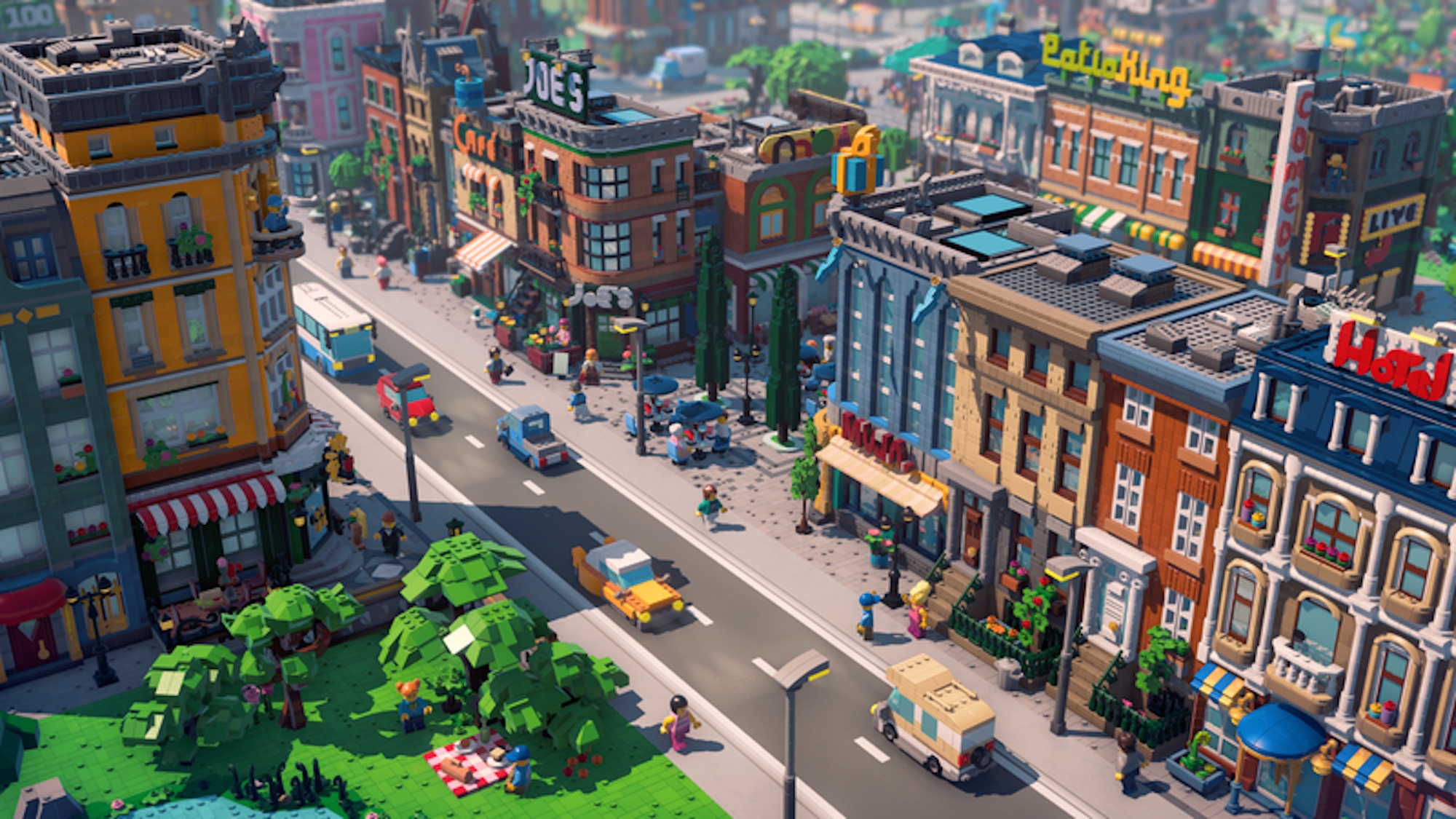
The traffic system is probably the most important factor here. In Cities: Skylines 2, failing to manage traffic reasonably well can effectively prevent any meaningful expansion of the city. Lego Skylines also features traffic management, waste disposal, electricity and gas systems. According to the developers, however, failing to master them should not make further progress impossible. Players can still view and optimize traffic flow, although roads are laid out on a grid rather than managed at the level of individual lanes. The demo included both a tutorial-style scenario and a save file featuring a larger city. I managed to complete the tutorial portion within the first half hour, although I had to rush through it and skip dialogue to do so.
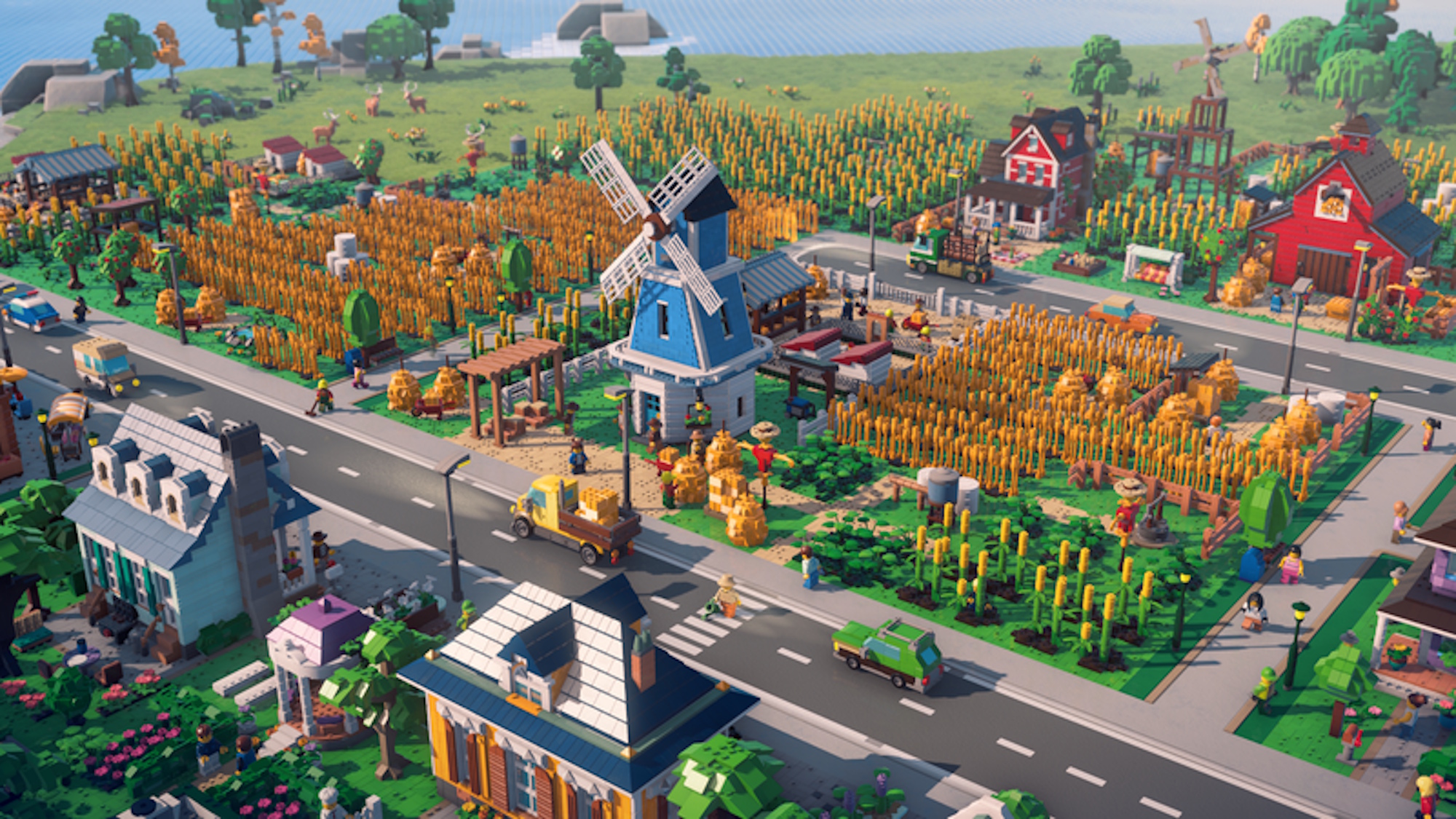
The tutorial provides a solid introduction to the core concepts, including the modular building system. This modularity works on two levels. Buildings can be visually customized directly in the game by placing Lego accessories such as streetlights or handles. Lego Skylines also adopts the functional modularity of Cities: Skylines. A farm serving as the main building can gradually be expanded with additional fields and functional structures, making it easier to respond flexibly to rising resource demand. Like Cities: Skylines, Lego Skylines also features local production chains. Speaking of flexibility, the demo suggested that the placement of individual constructed buildings benefits considerably from leaving some space between them. Residents and businesses may request nearby decorations such as billboards or parks, although these only affect a limited area.
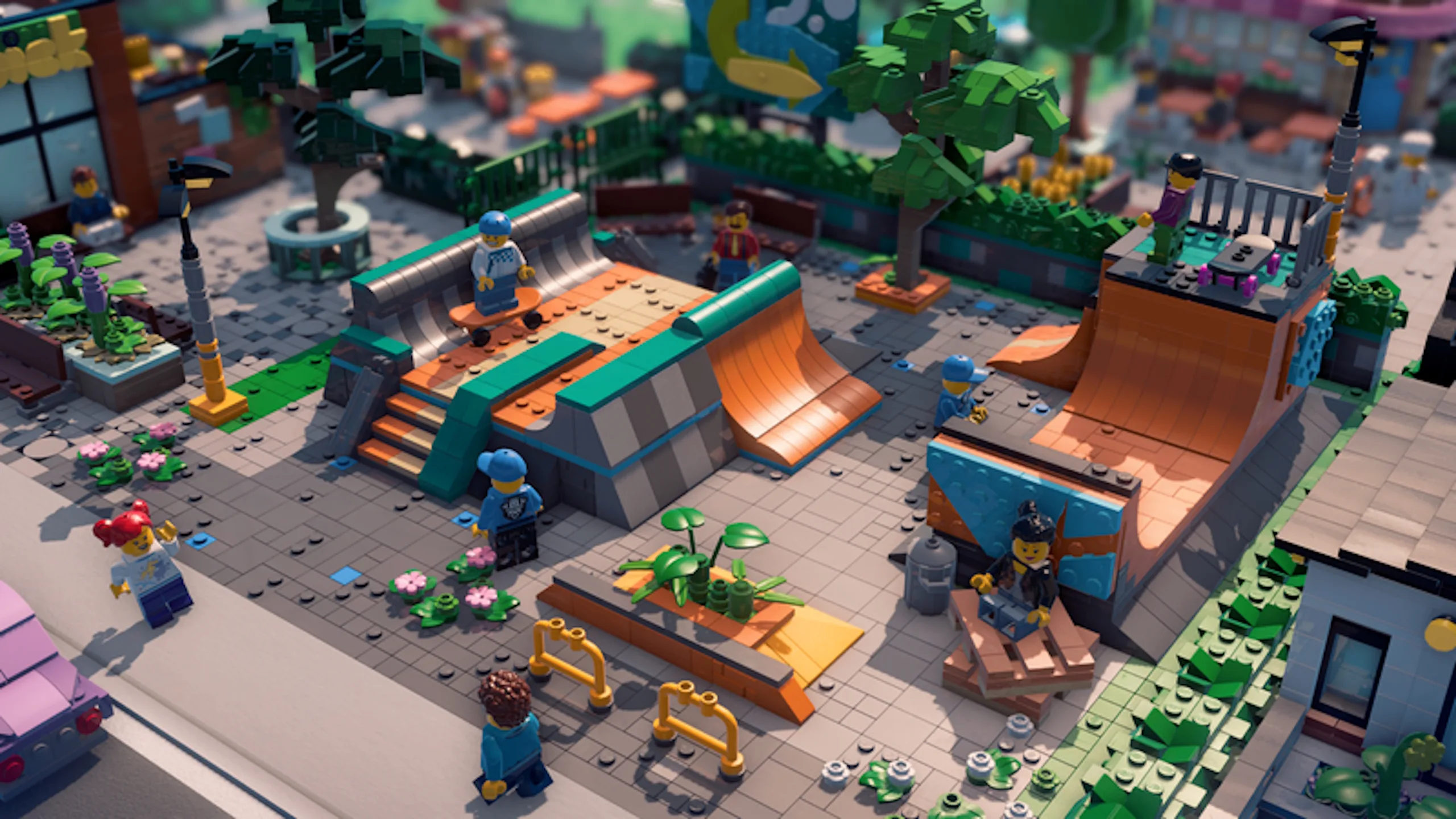
Close enough, nice to look at
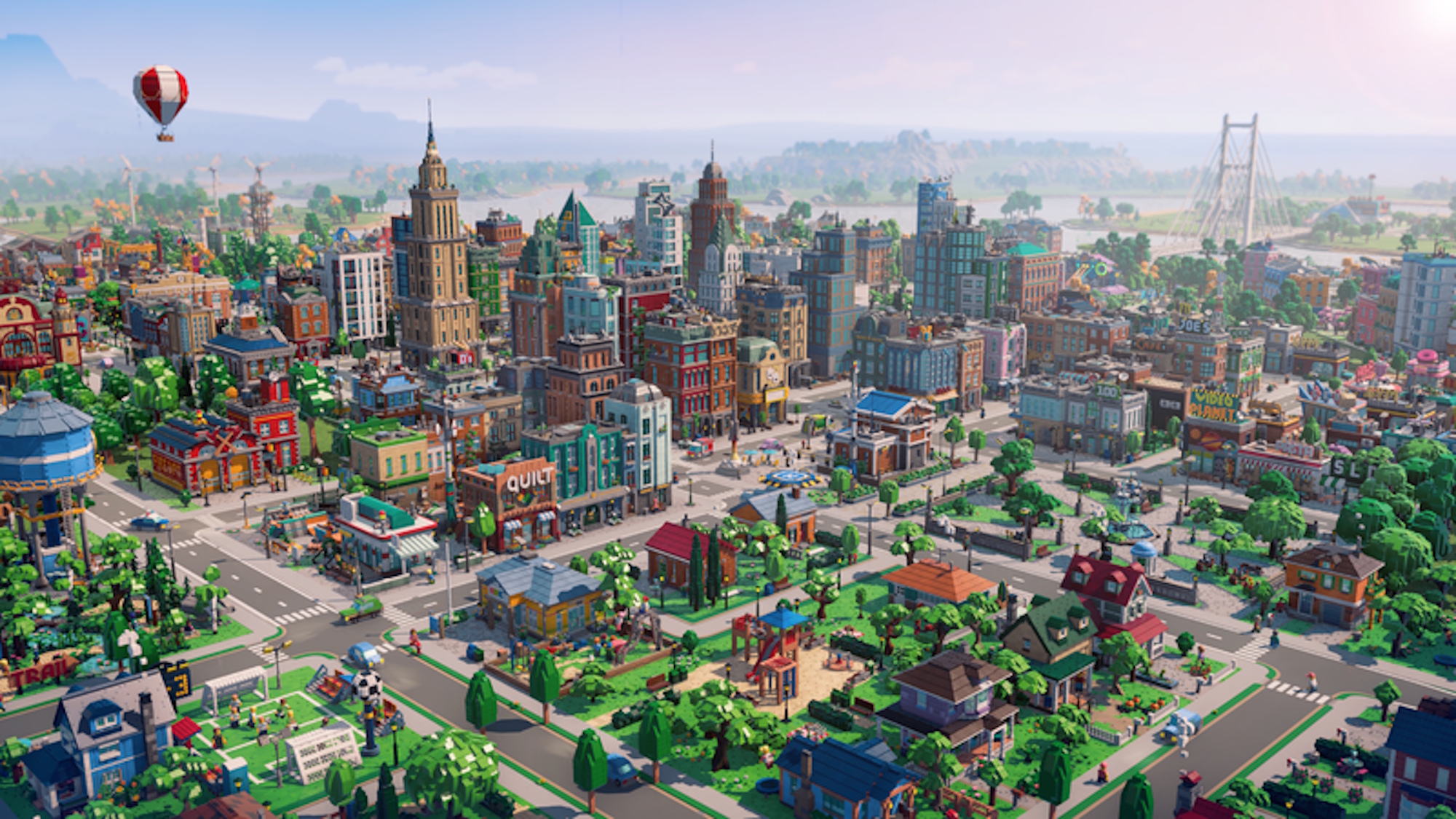
A save file provided by the developer also offered a closer look at a larger city. Unsurprisingly, Lego Skylines will not be quite as expansive as Cities: Skylines, but it still features large buildings and even skyscrapers, along with typical big-city problems such as traffic congestion and difficulties with waste disposal. Paradox Interactive has not yet announced a release date. However, the demo certainly left us wanting more, and the buildings and characters made from Lego bricks look delightful. The main challenge could be balancing the needs of experienced players with those of city-building newcomers. Paradox is open about the fact that experts are not the target audience, as they are probably already playing Cities: Skylines anyway.
Source(s)
Own, Paradox Interactive
 Add as a preferred source on Google


