




Nvidia N1 SoC: Leaked early-stage motherboard confirms new ARM-powered laptops are closer than ever
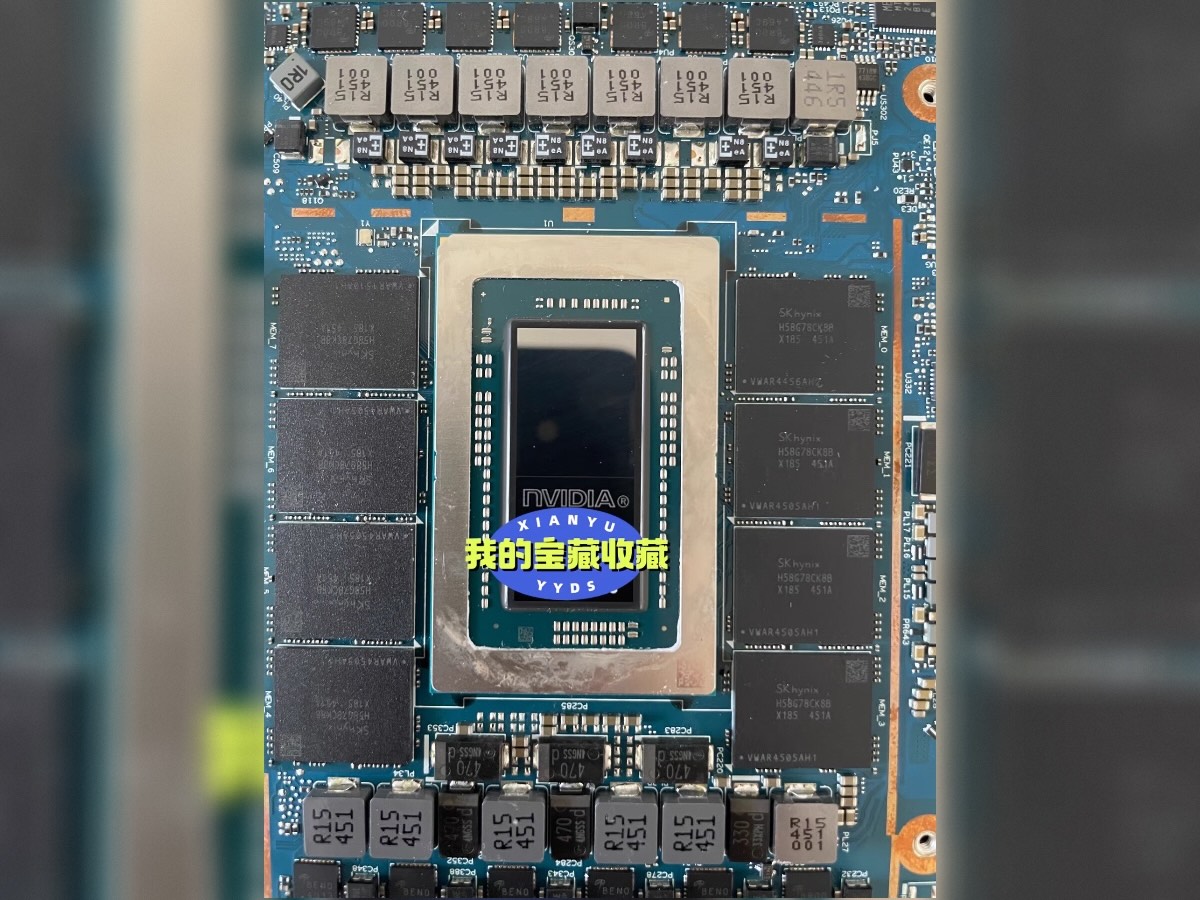
It has been known for quite a while that Nvidia is gearing up to invade the consumer SoC segment. The rumored Nvidia N1X SoC has even appeared in a bunch of benchmark listings, while further reports have indicated that laptops from Dell and Lenovo are expected to boast the SoC later this quarter.
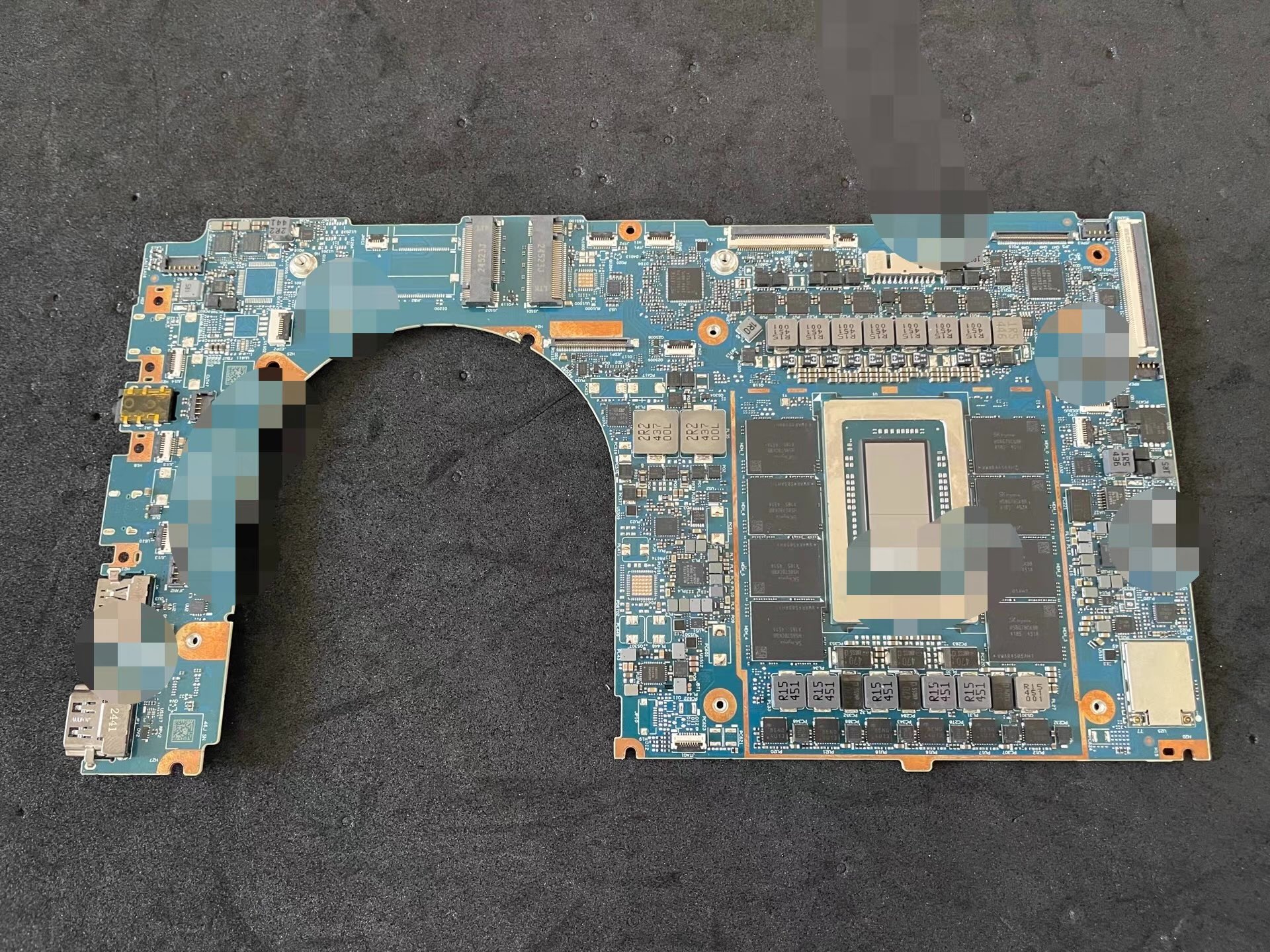
A lower-end N1 SoC is also on the cards, and a leaked listing for what appears to be an engineering sample of an N1-equipped motherboard with a whopping 128 GB of RAM has popped up on Goofish. If the listing is legit, there now remains no doubt that Nvidia-powered laptops are right around the corner.
A few of the images also revealed the motherboard's port configuration, which seems to include an USB-C, USB-A, HDMI, and an audio jack. Considering that this is almost certainly an engineering sample, final products will likely have better I/O layouts.
The Nvidia N1X is all set to be quite the powerhouse of an SoC
A previous Geekbench listing revealed impressive performance for the higher-end Nvidia N1X SoC with a 20-core CPU (10x Cortex-X925, 10x Cortex-A725), outpacing Apple's M5 by a few points (MacBook Pro currently $1,677 on Amazon). The Intel Core Ultra 7 275HX is also left behind, by a notable margin. Considering the optimization and integration issues revealed by YouTuber Moore's Law is Dead, the chip's performance might turn out to be even better as it gets closer to official launch.
Yet another Geekbench listing also shed light on the SoC's onboard Blackwell GPU, which is likely to boast 6,144 CUDA cores - almost identical to the GB10 SoC found in the DGX Spark mini PC. The scores were not exactly impressive, barely managing to squeeze past an RTX 2050 Mobile, most likely due to it being an early-stage sample. For reference, an RTX 5070 Ti Laptop GPU has 5,888 CUDA cores.
The exact core count for the vanilla Nvidia N1 is not clear as of this writing, but more details should leak out eventually, as is industry tradition. Qualcomm, being the sole player, dominates the ARM-powered Windows PC segment right now, but it does appear that Nvidia, teamed up with MediaTek, is all set to snatch a piece of the pie.
Source(s)
Goofish, spotted by VideoCardz


 Add as a preferred