




Injectable mini livers show promise as transplant alternative after successful test
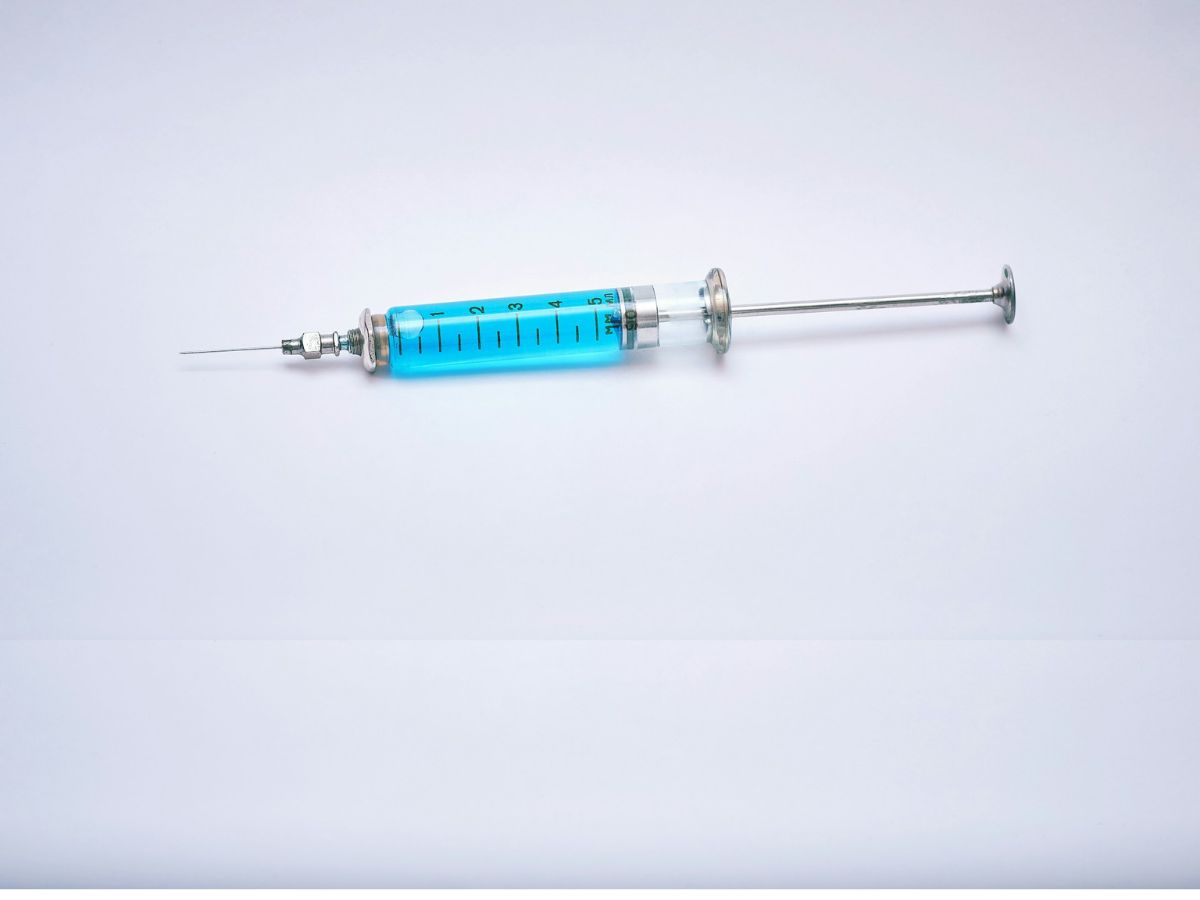
For patients with chronic liver failure, receiving a donor organ is often the only cure. However, severe donor shortages and the extreme physical toll of major surgery leave thousands of people without viable options. While simply injecting healthy replacement cells into a patient offers a less invasive alternative, these loose cells typically scatter and die because they lack a physical structure to anchor them. To overcome this, researchers at the Massachusetts Institute of Technology have developed an injectable system that successfully grows functional "mini livers" directly inside the body.
The team achieved this by mixing essential human liver cells with microscopic, water-based gel spheres. This specialized mixture flows easily like a liquid through a standard syringe but instantly packs tightly together into a stable framework once injected into tissue. Using regular ultrasound equipment to guide the needle, doctors can safely deposit this mixture into easily accessible areas, such as belly fat, leaving the diseased liver entirely untouched. Once settled, the gel spheres create a supportive internal environment that encourages nearby blood vessels to grow into the new cell cluster, providing the oxygen and nutrients the liver cells need to survive.
During laboratory tests on mice, these newly formed satellite livers thrived, successfully producing vital liver proteins and enzymes for the entire two-month study period. Although the current technology still requires medications to prevent the body from rejecting the new cells, this easily repeatable, syringe-based procedure could soon serve as a vital lifeline for patients waiting for a donor organ, potentially transforming how medicine treats end-stage organ failure.
Source(s)
 Add as a preferred source on Google


