




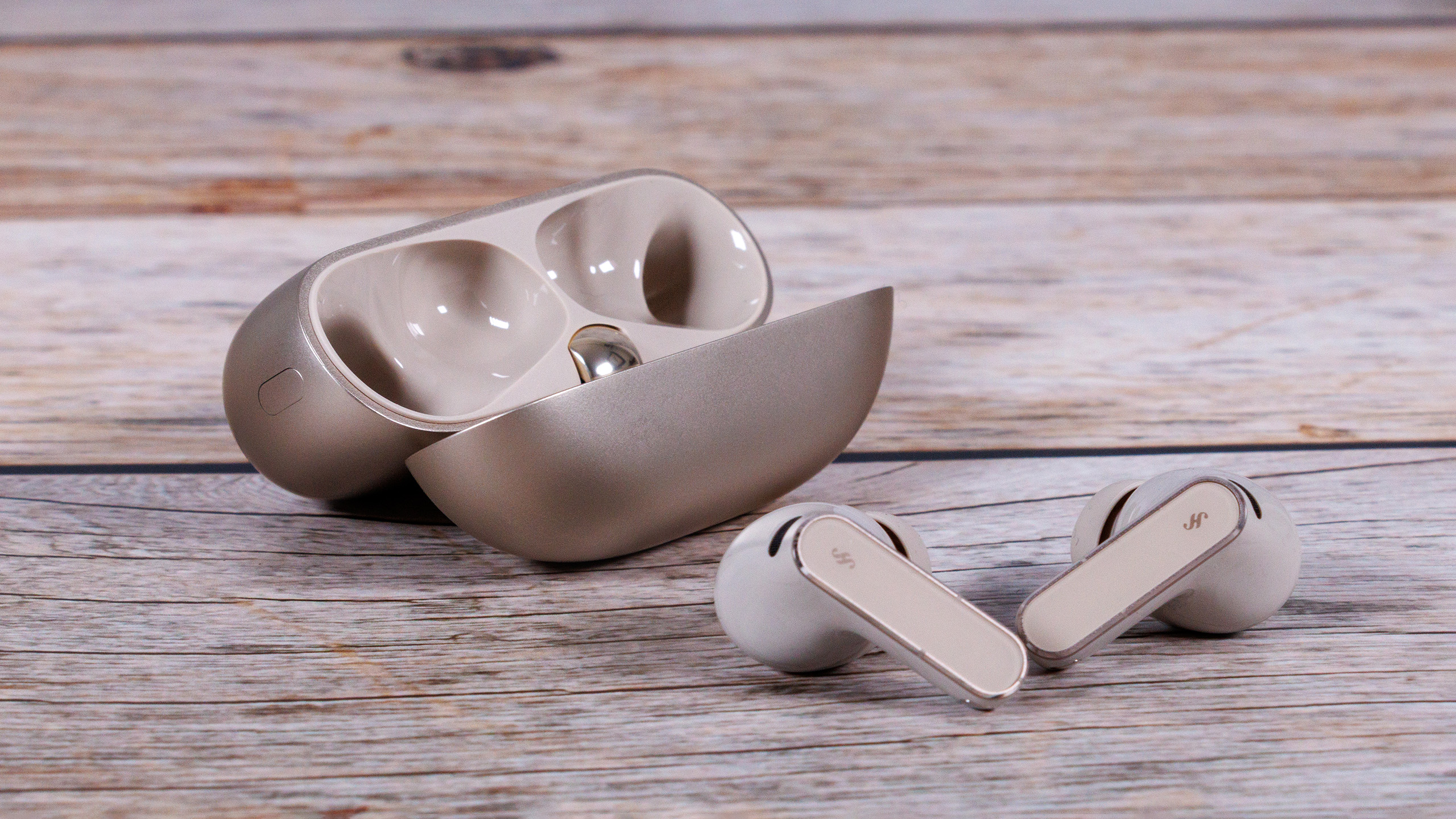
Conclusion of the Huawei FreeBuds Pro 5
The Huawei FreeBuds Pro 5 prove to be remarkably sophisticated in-ear headphones that represent a genuine step forward from their predecessors in many respects. They stand out for their more comfortable, lightweight design, excellent fit, and effective protection against water and dust. In terms of sound, they impress with rich bass, clear mids, and strong ANC that ranks just behind the top tier.
Huawei users in particular benefit from the new L2HC 4.0 codec and its high data rate, though the artificial limitation on older devices has a noticeable negative impact. LDAC, however, also delivers impressive results. Call quality and transparency mode are virtually flawless, while battery life is excellent.
With the FreeBuds Pro 5, Huawei solidifies its place in the premium segment of true wireless earbuds with a well-rounded package suitable for virtually any use case.
Pros
Cons
Table of Contents
- Conclusion of the Huawei FreeBuds Pro 5
- Specifications: Huawei FreeBuds Pro 5
- Design and Ergonomics - The FreeBuds Pro 5 are lighter and more rounded
- Sustainability - FreeBuds Pro 5 come in a cardboard box
- Features and usability - LDAC and L2HC 4.0 for the FreeBuds Pro 5
- Sound - Powerful ANC and rich sound
- Battery life - 60 mAh in each ear
Specifications: Huawei FreeBuds Pro 5
| Wearing Style | In-ear |
| Connectivity | Bluetooth 6.0 |
| Range | 10 m |
| Speakers | 11 mm dual-magnet driver and 6 mm micro-planar diaphragm driver, 10–48,000 Hz |
| Audio Codecs | SBC, AAC, LDAC, L2HC |
| Battery capacity | 60 mAh (earbuds), 537 mAh (charging case) |
| Charging port | USB-C |
| Wireless charging | supported |
| Weight | 5.5 g (per earbud), 43 g (charging case) |
| Firmware version | 6.0.0.240 |
| Package Contents | Earbuds, charging case, 4 pairs of silicone ear tips (XS, S, M, L) |
| Price (RRP) | $240 |
The Huawei FreeBuds Pro 5 are the successors to the FreeBuds Pro 4 and feature numerous improvements. In addition to a state-of-the-art Bluetooth standard, these in-ear headphones also boast a new speaker design, more powerful ANC, and 3D audio.
High-Res Audio support is also included, and there are surprises in store for Huawei smartphone owners, among others.
Design and Ergonomics - The FreeBuds Pro 5 are lighter and more rounded
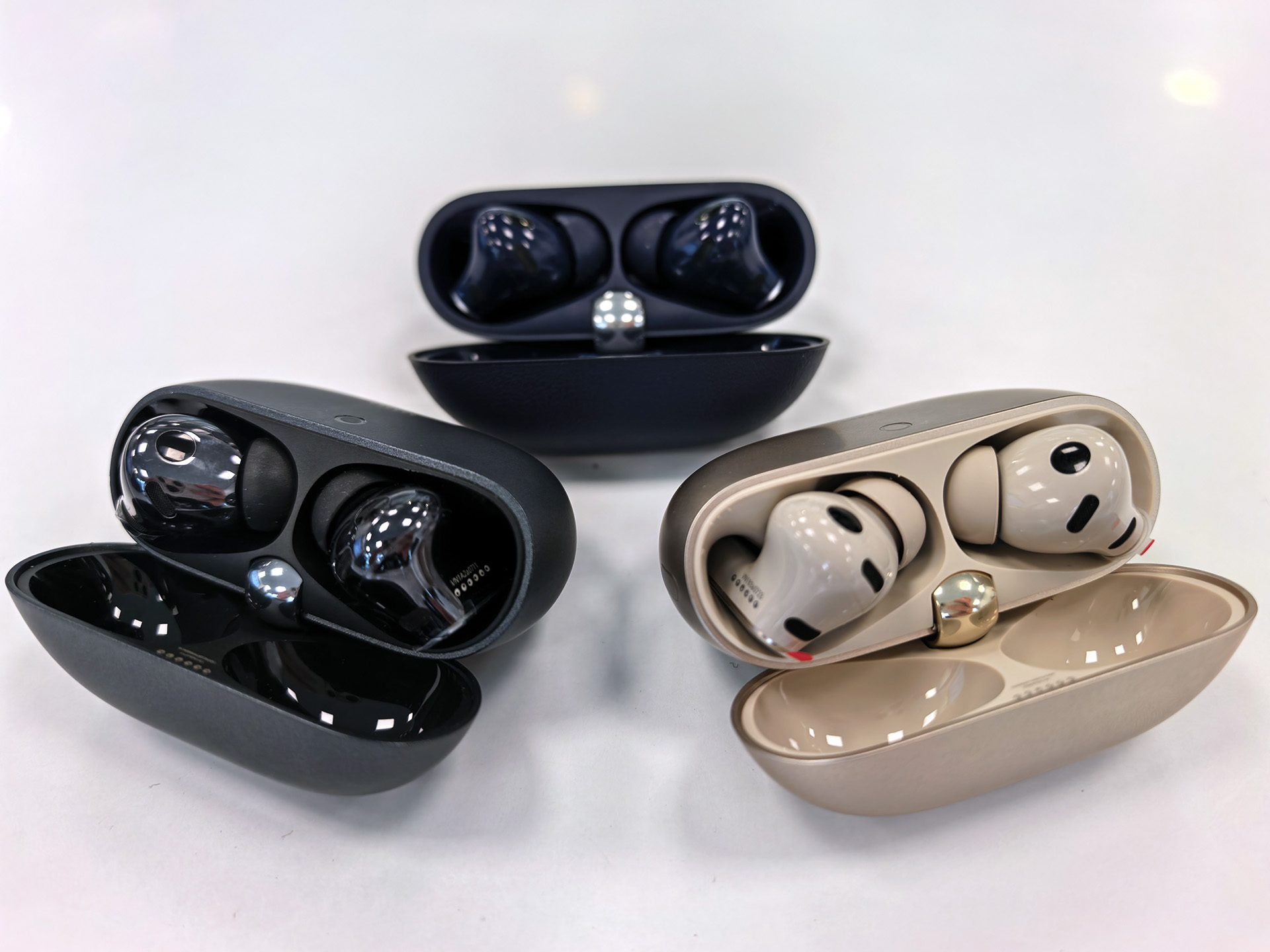
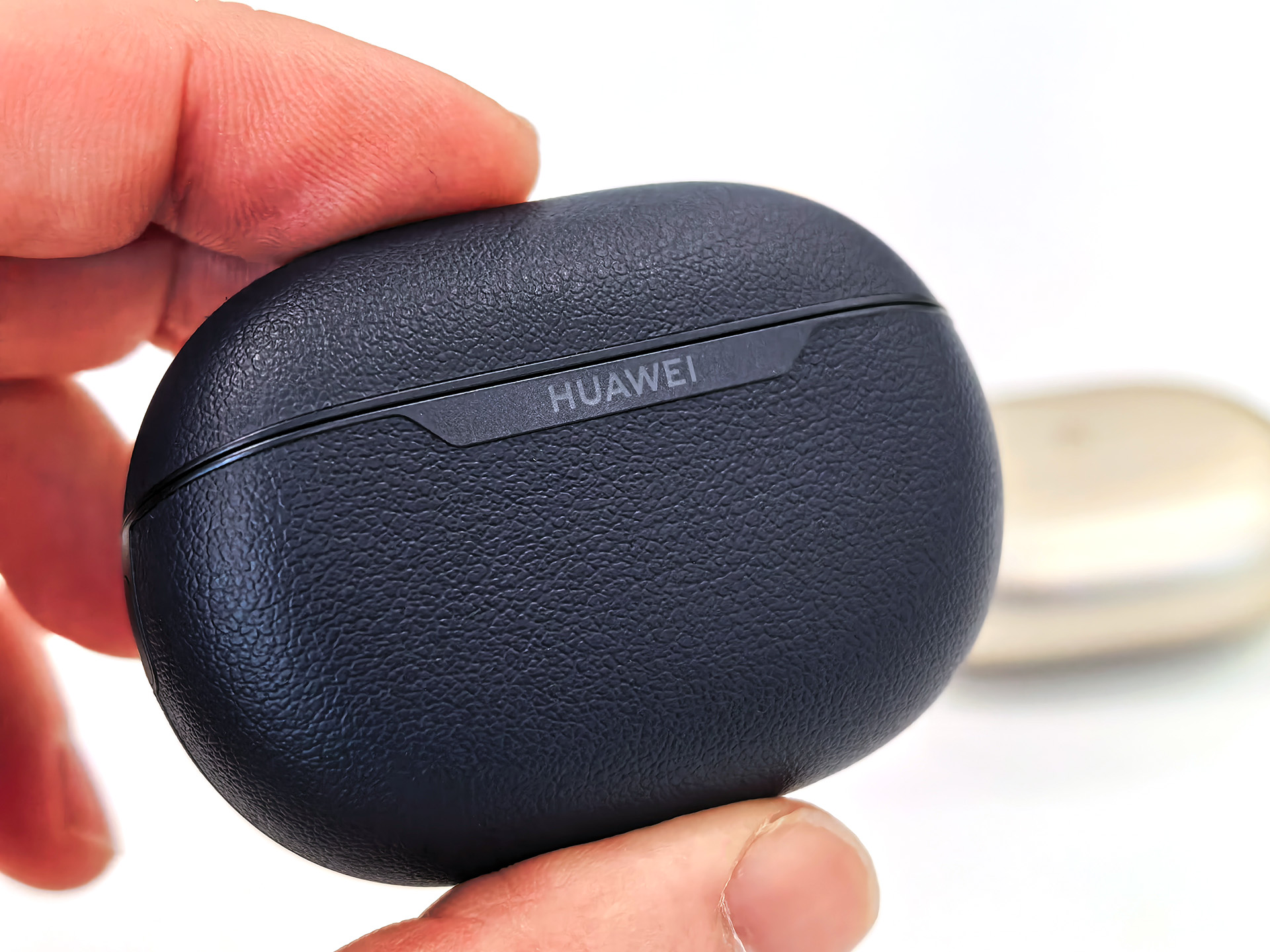
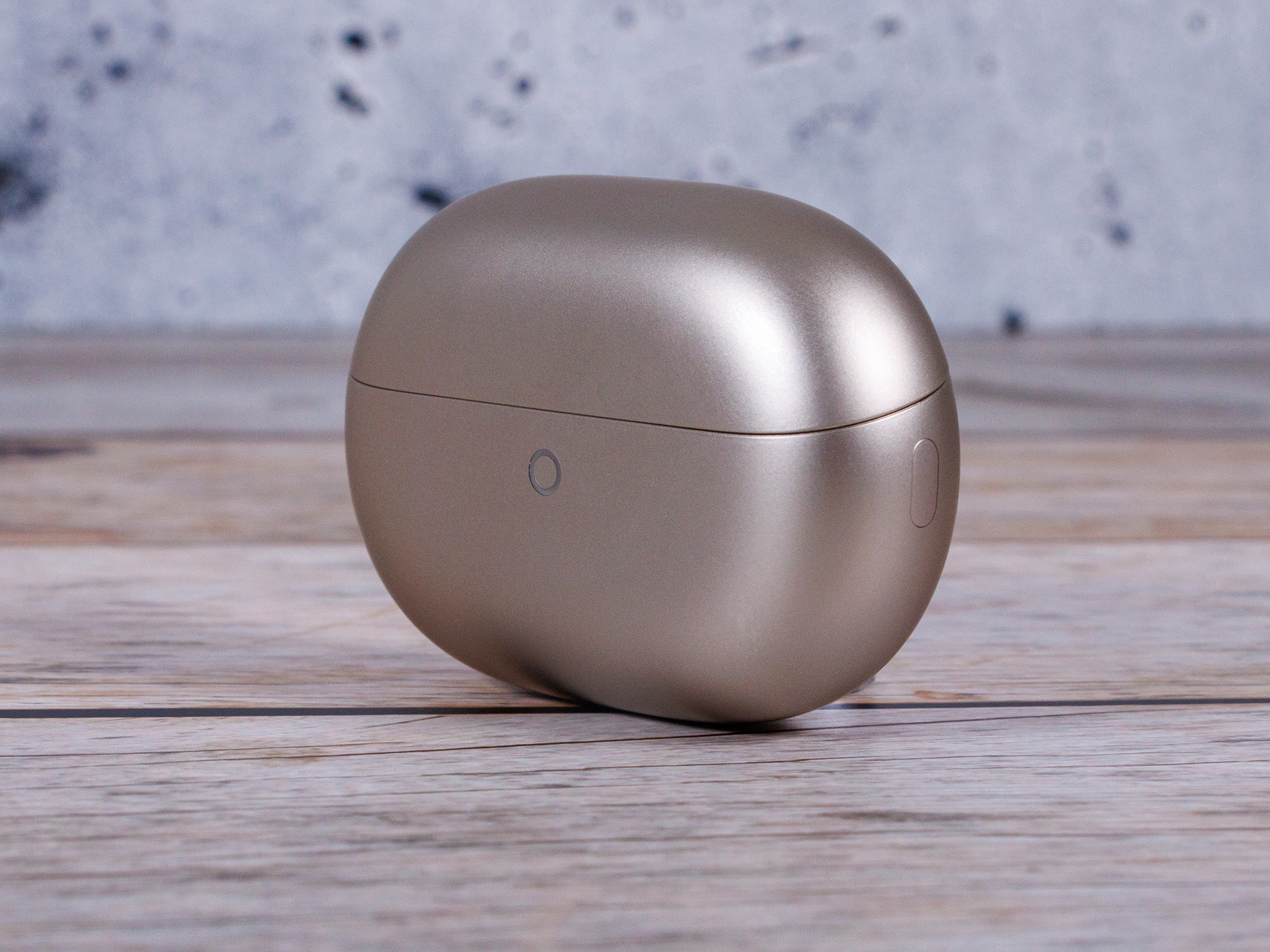
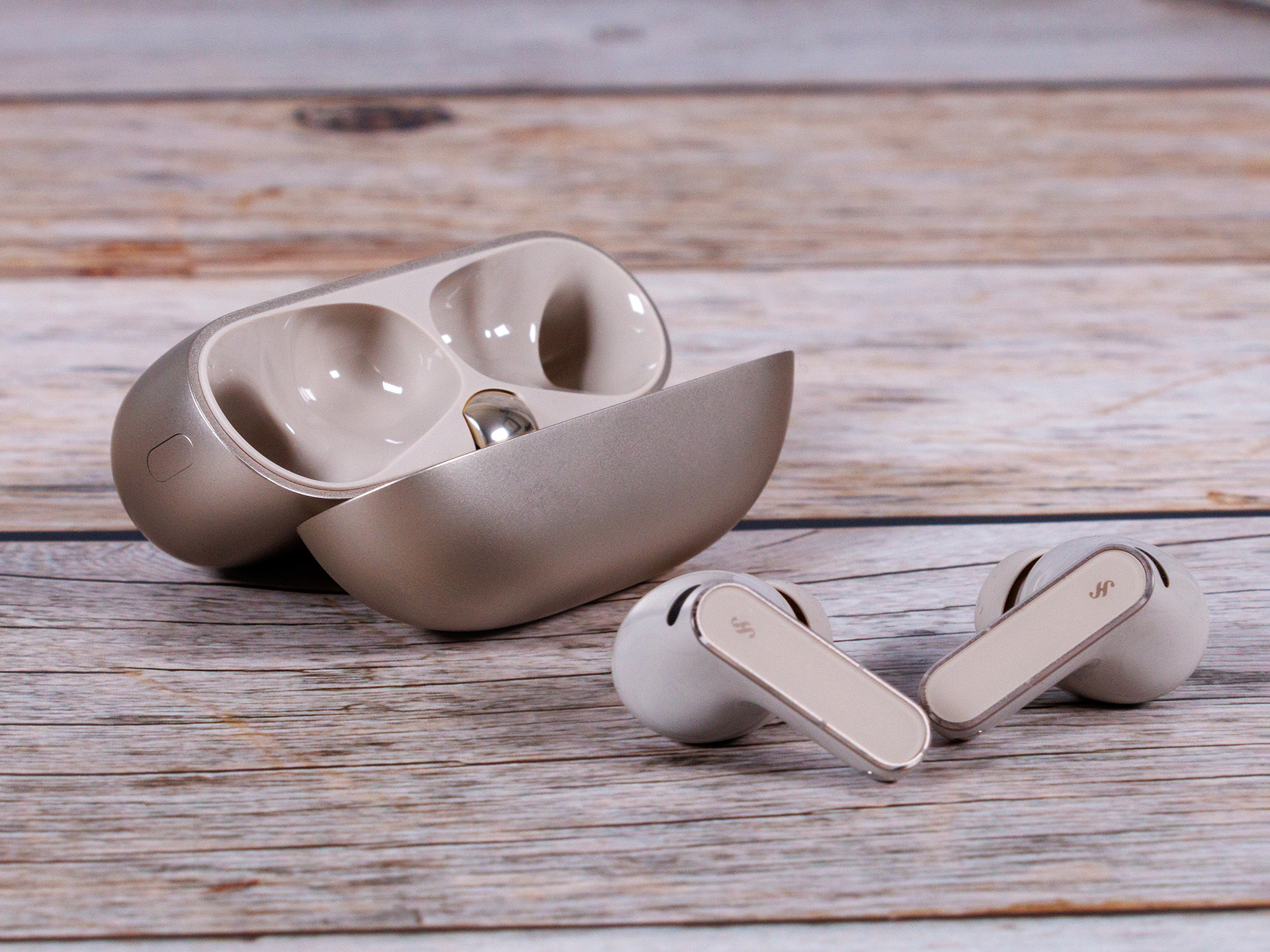
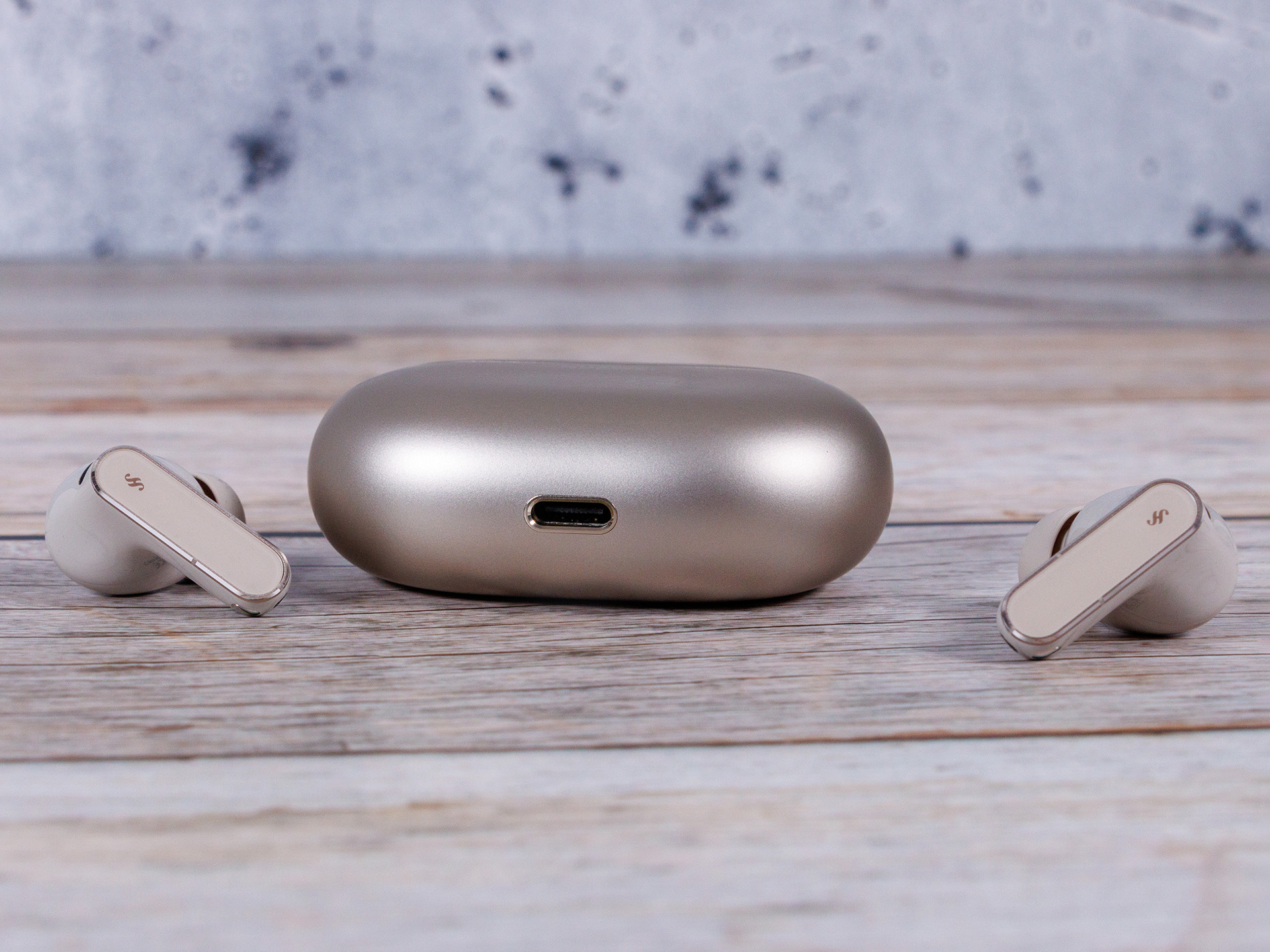
The Huawei FreeBuds Pro 5 are slightly more compact and rounded than their predecessors, and the earbuds weigh 0.3 grams less. The charging case is also 4 grams lighter, unless you opt for the blue version, in which case it’s only 1 gram lighter. Color options include white, black, sand gold (our review unit), and dark blue. In the case of the latter, the case is covered with a textured faux leather layer.
The earbuds are now IP57-certified and thus protected against the ingress of harmful amounts of dust as well as temporary submersion in water. The charging case is also protected against splashes with an IP54 rating.
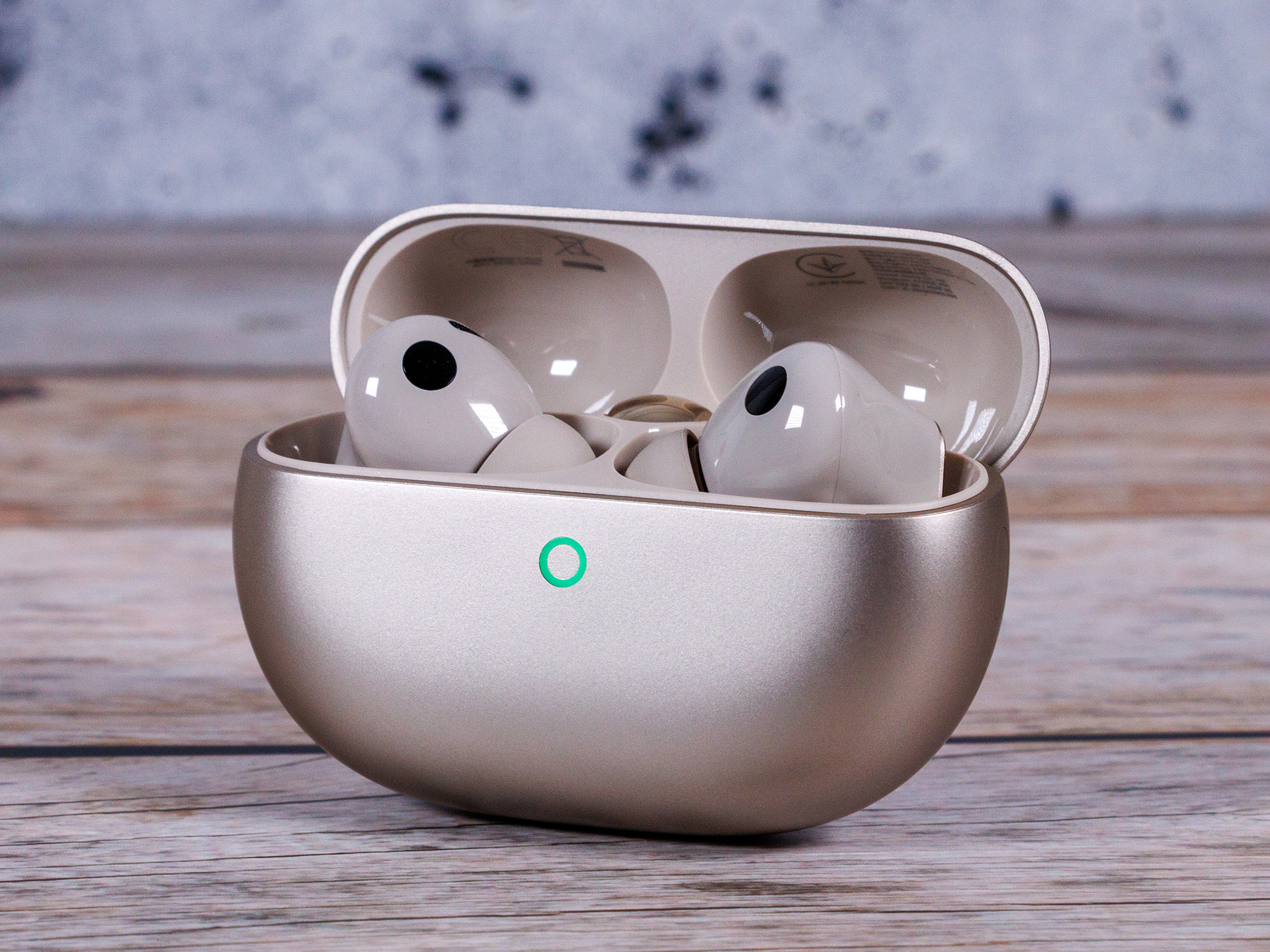
The speaker in the charging case remains in the FreeBuds Pro 5, but is no longer visible from the outside. It can play sounds when the case is opened or be used for finding the earbuds. There is also a status LED that indicates the battery level and a pairing button.
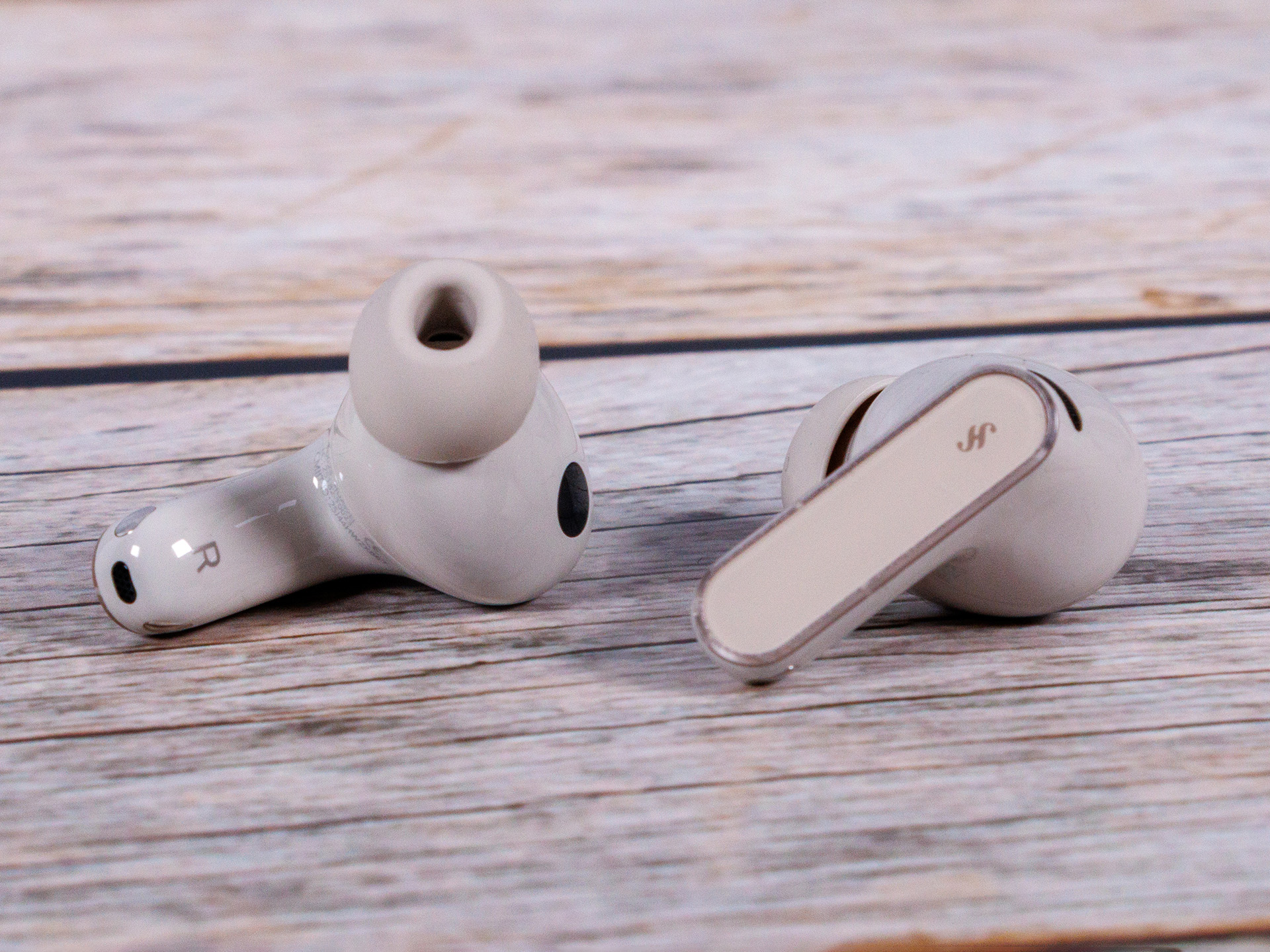
The earbuds are pleasantly lightweight and can be adjusted to fit the size of the ear canal using the silicone tips. Four different sizes are included in the package: XS, S, M, and L. The memory foam tips from the FreeBuds Pro 4 are no longer included. The fit test can be used to determine the right size to ensure an optimal fit. The earbuds then sit quite securely in the ear canal without exerting too much pressure. We still find them comfortable even during extended wear, and the FreeBuds Pro 5 stay in place well even during exercise.
Sustainability - FreeBuds Pro 5 come in a cardboard box
While the FreeBuds Pro 4 came in an oversized box, the packaging for the FreeBuds Pro 5 is once again small and compact. The outer packaging is made of cardboard and is largely free of plastic.
Huawei does not provide any information regarding the sustainability of this product. The device is not designed to be repaired by the user.
Features and usability - LDAC and L2HC 4.0 for the FreeBuds Pro 5
Setting up the Huawei FreeBuds Pro 5 is simple via Bluetooth pairing. Thanks to Microsoft Swift Pair, this happens automatically on PCs as soon as the charging case is opened for the first time; the same applies to Huawei smartphones and tablets. Since Google Fast Pair is not supported, the pairing process must be initiated manually in this case. With multipoint support, two devices can be paired simultaneously, and the pairing list can manage up to eight devices.
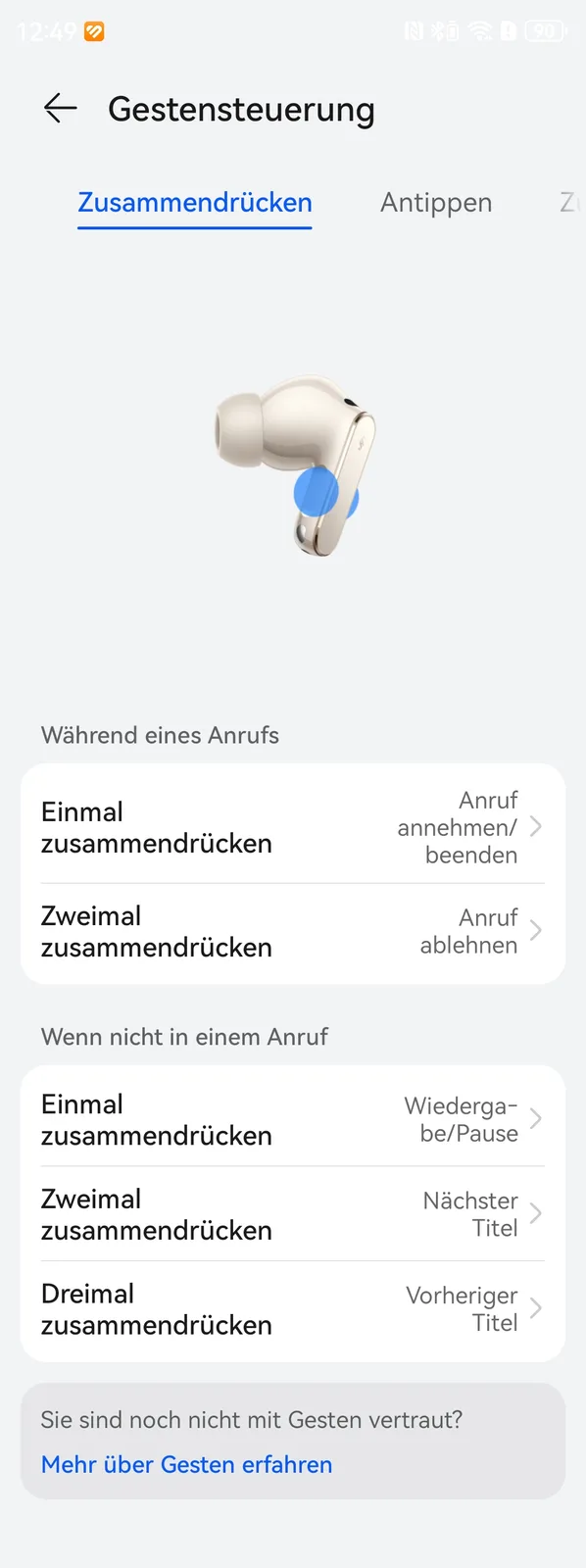
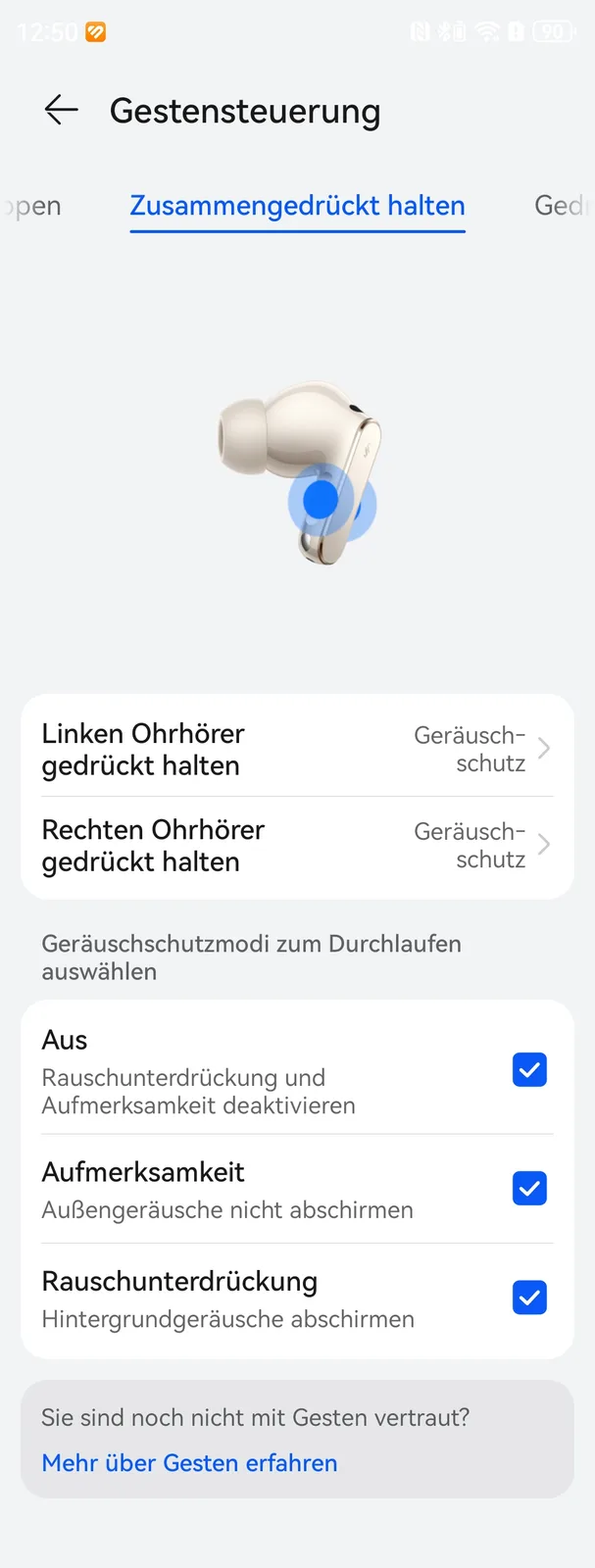
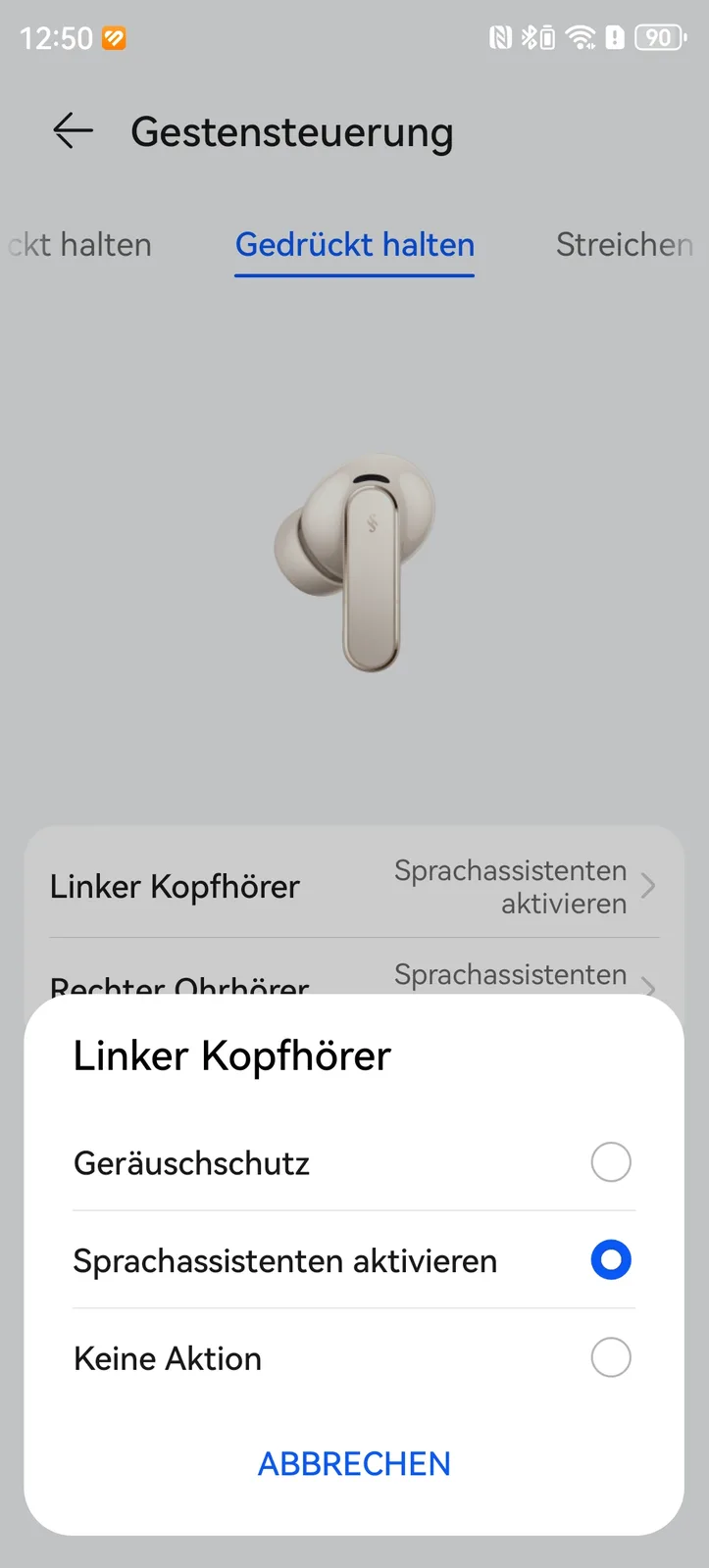
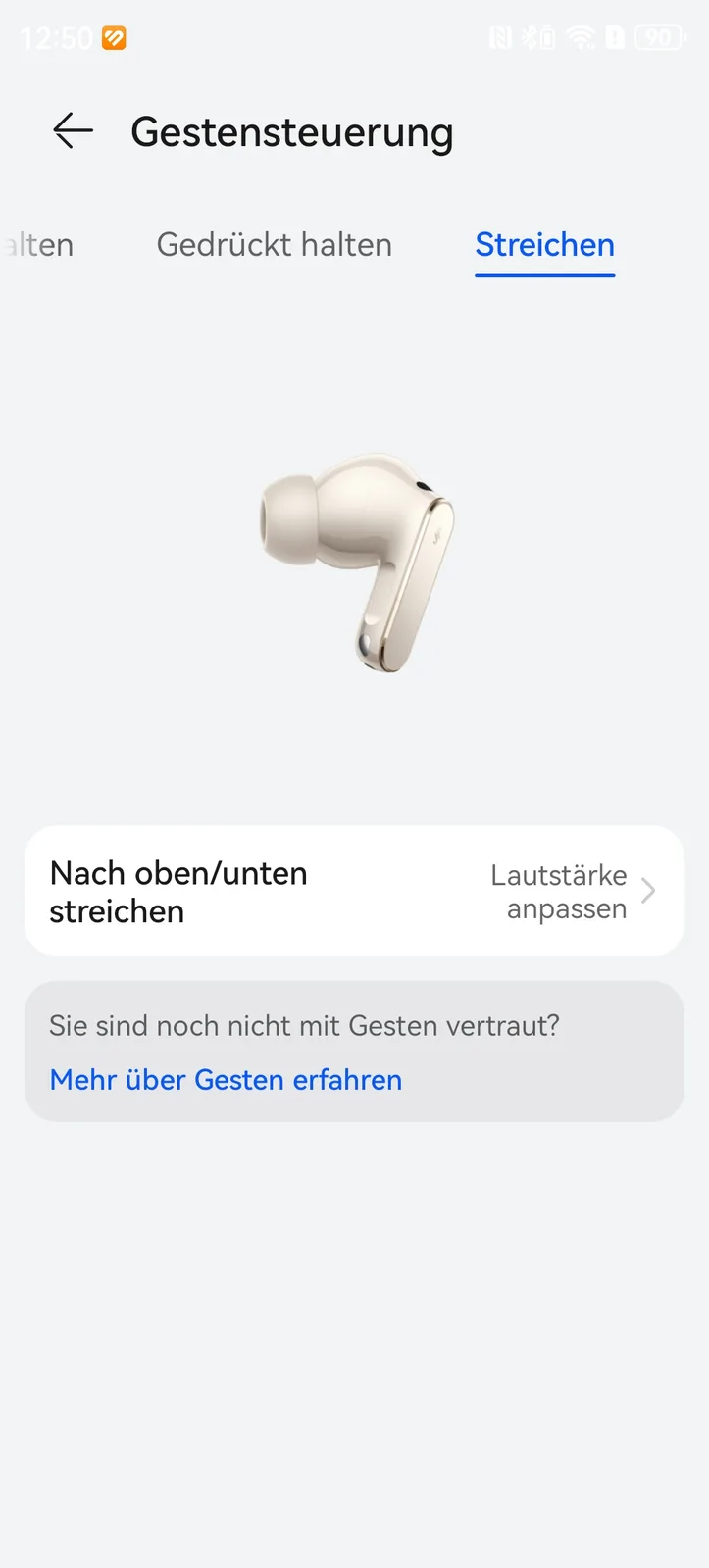
If you own a Huawei smartphone such as the Pura 80 Ultra or Mate X7, you don’t need an additional app to use the FreeBuds Pro 5 to its full potential. Otherwise, you should install the Huawei Audio Connect app to take full advantage of the headphones. However, this is not strictly necessary. It is available in all app stores, including the Apple App Store; the only exception is the Google Play Store.
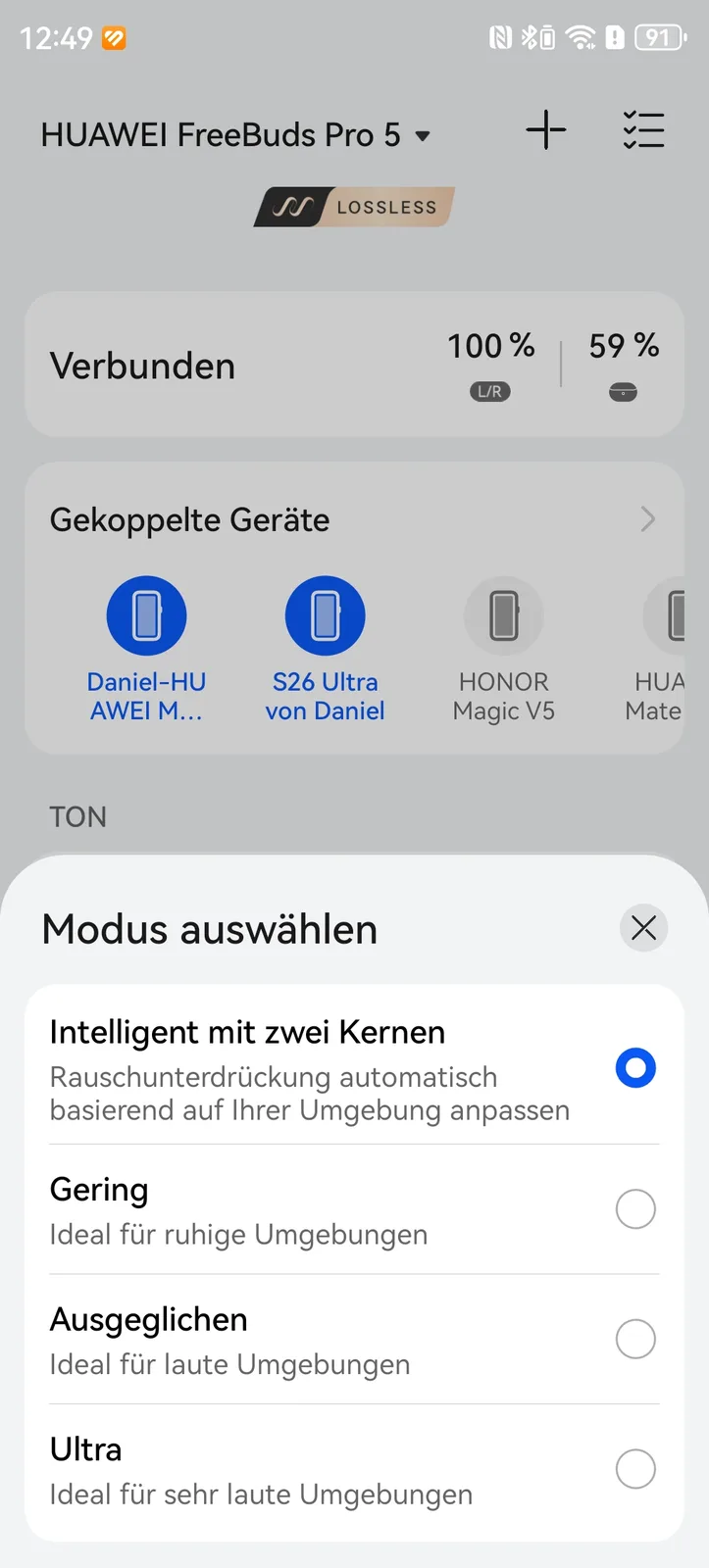
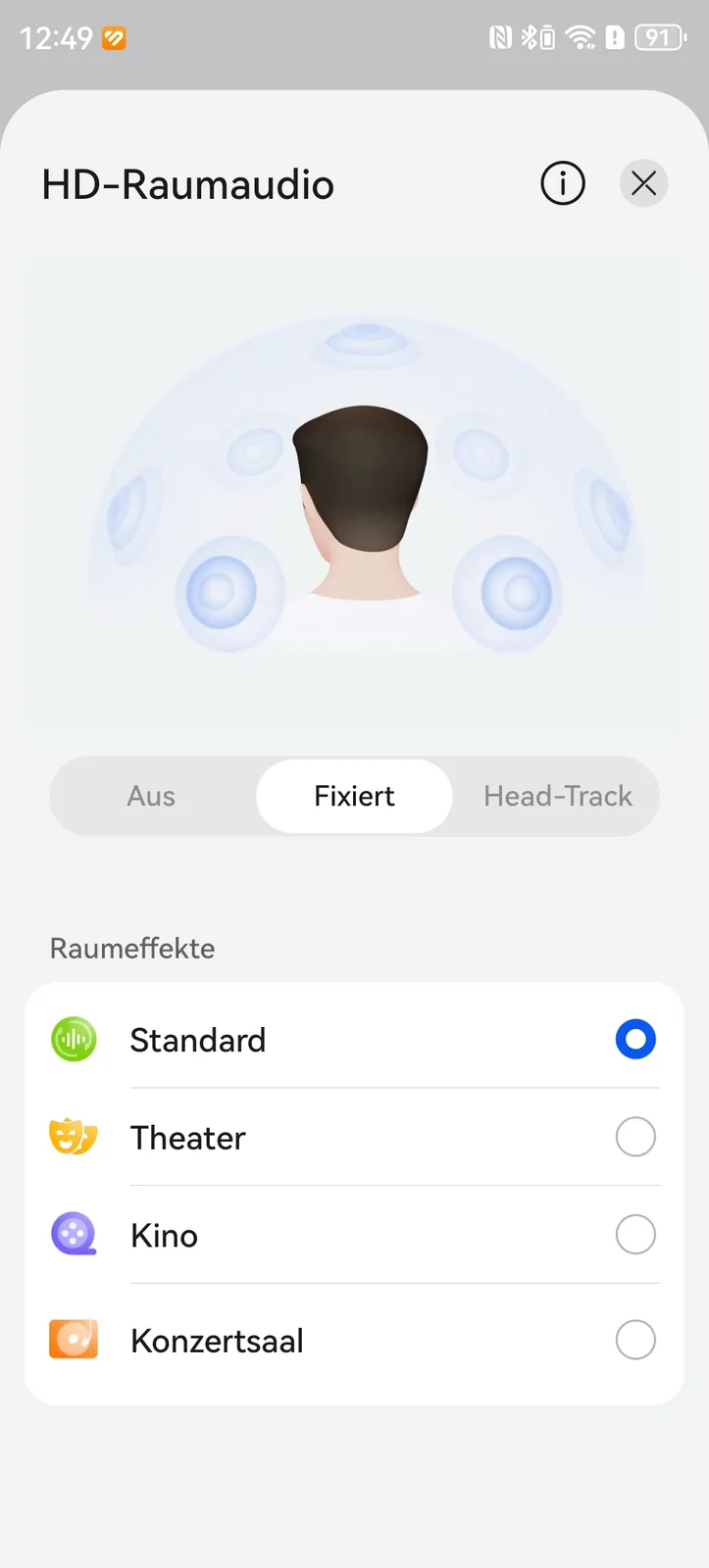
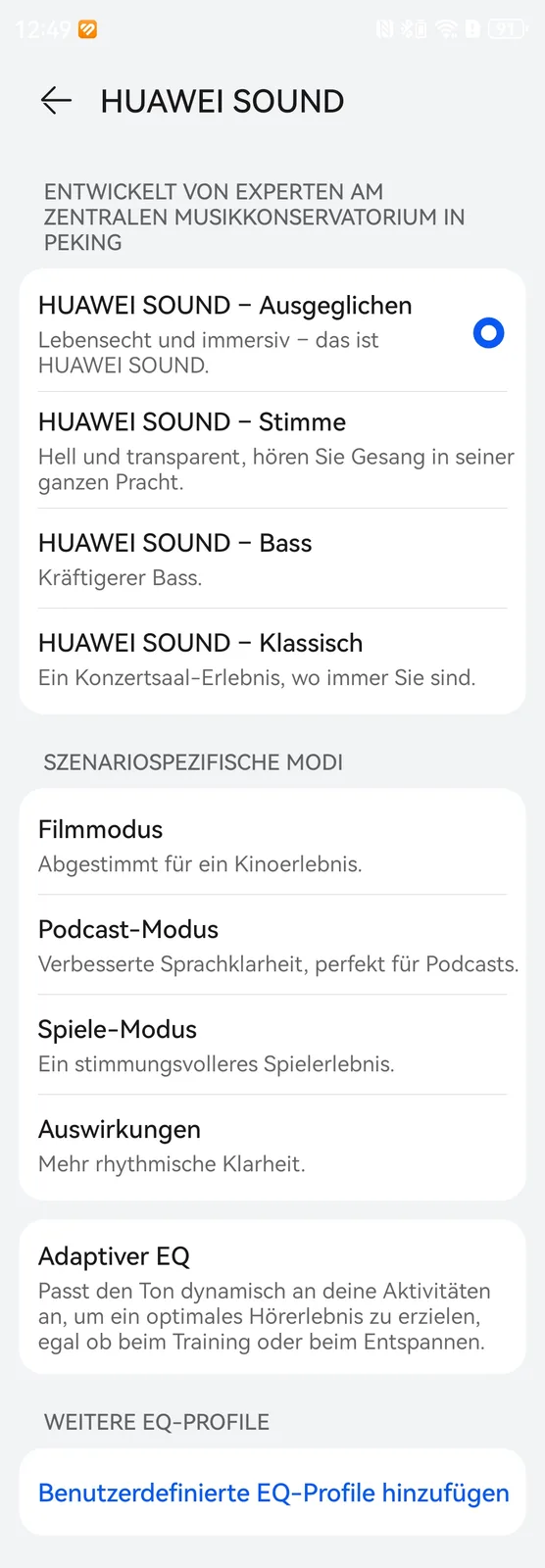
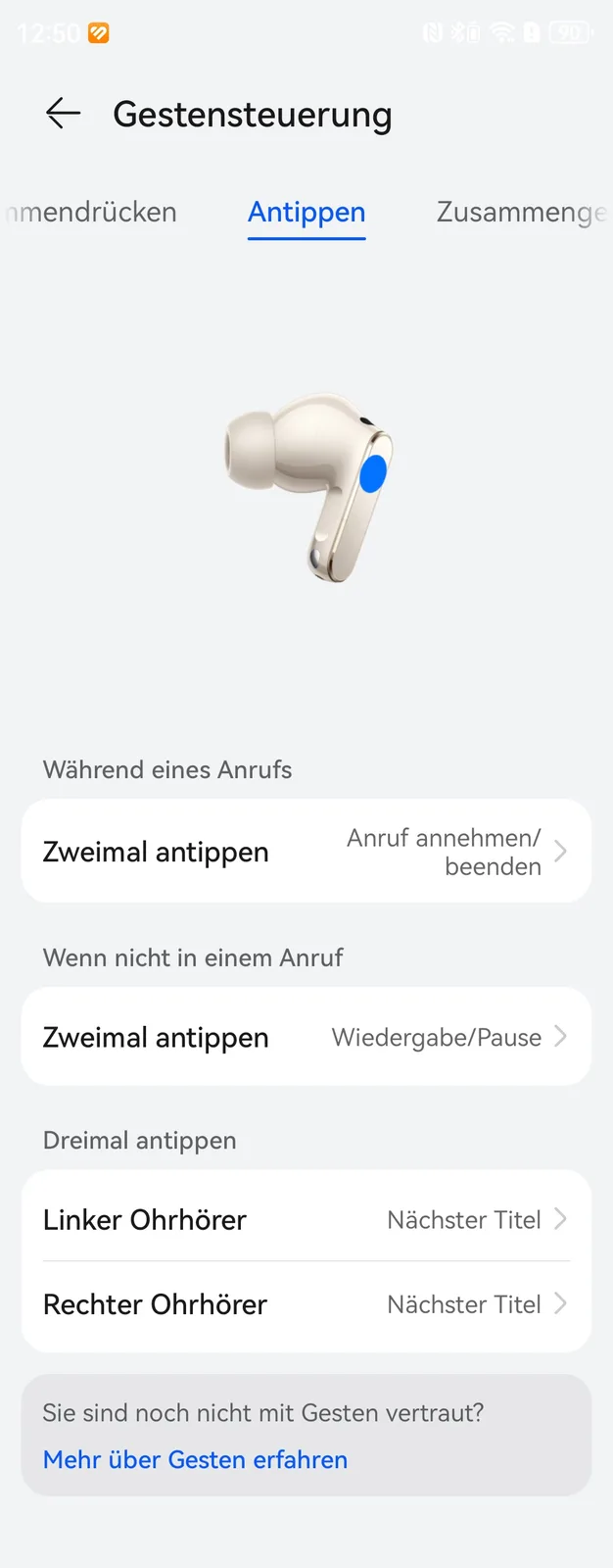
In the app, you can manage paired devices, install updates, configure the equalizer, set up spatial audio, and much more. The AAC codec is available for Apple devices, while Android devices can use LDAC. Owners of Huawei smartphones or tablets also have access to lossless streaming, which currently supports up to 2.3 Mbps on the latest models. However, owners of last year’s models must suddenly make do with L2HC 3.0 or 1.5 Mbps. This applies, among others, to the Pura 70 Ultra and the Mate XT, which were previously able to use the FreeBuds Pro 4 at 2.3 Mbps. Why Huawei is artificially degrading its own products in this way remains a mystery to us.


Sound - Powerful ANC and rich sound
The Huawei FreeBuds Pro 5 once again utilize the powerful L2HC 4.0 audio codec, which achieves a bandwidth of 2.3 Mbps and supports high-resolution audio at up to 48 kHz and 24-bit—provided you have a compatible Huawei smartphone. Otherwise, LDAC (for Android) or AAC (for Apple) is available.
However, the sound quality is also excellent with LDAC and has been noticeably improved, particularly in the bass and midrange. Huawei has also made improvements to active noise cancellation (ANC), which now suppresses ambient noise even better, though it doesn’t quite match the level of Apple’s AirPods Pro 3. The transparency mode is both clear and low-noise and is also activated when an earbud is removed.
One of the FreeBuds Pro 5’s standout features is phone calls. Call quality is consistently excellent, even in very loud environments. Ambient noise is filtered out so it’s inaudible to the other party, and thanks to the earbuds’ effective isolation, we can hear everything clearly as well. The only time the Huawei earbuds show a few weaknesses is in windy conditions.
| Loudspeakers | |
| THD | |
| Huawei FreeBuds Pro 5 (RMS: -1.8 dBFS) | |
| Nothing Ear 3 (RMS: -2.0 dBFS) | |
| Teufel Real Blue TWS 3 (RMS: -0.9 dBFS) | |
| THD+N | |
| Teufel Real Blue TWS 3 (RMS: -0.9 dBFS) | |
| Nothing Ear 3 (RMS: -2.0 dBFS) | |
| Huawei FreeBuds Pro 5 (RMS: -1.8 dBFS) | |
* ... smaller is better
THD (Total Harmonic Distortion): Harmonic distortion quantifies the magnitude of the components that arise from non-linear distortion (harmonic content) in relation to the original signal. THD refers only to the fundamental harmonic content. The distortion factor is often mentioned in the same breath, but refers to the overall signal.
THD+N (Total Harmonic Distortion + Noise): This value is comparable to THD, but in addition to the interference from harmonics, the interference from noise is also recorded as an effective value.
For the measurement, a low-harmonic sine wave signal (1 kHz, > 0 dB) is played through the headphones to be tested and recorded by a linear measuring microphone (measuring distance: approx. 1 cm) in an artificial head.
Huawei FreeBuds Pro 5 audio analysis
(+) | speakers can play relatively loud (90.6 dB)
Bass 100 - 315 Hz
(+) | good bass - only 3.4% away from median
(+) | bass is linear (2.8% delta to prev. frequency)
Mids 400 - 2000 Hz
(+) | balanced mids - only 4.7% away from median
(+) | mids are linear (5% delta to prev. frequency)
Highs 2 - 16 kHz
(±) | higher highs - on average 7.1% higher than median
(+) | highs are linear (4.4% delta to prev. frequency)
Overall 100 - 16.000 Hz
(+) | overall sound is linear (10.7% difference to median)
Compared to same class
» 6% of all tested devices in this class were better, 2% similar, 92% worse
» The best had a delta of 4%, average was 23%, worst was 136%
Compared to all devices tested
» 6% of all tested devices were better, 2% similar, 92% worse
» The best had a delta of 4%, average was 23%, worst was 136%
Nothing Ear 3 audio analysis
(+) | speakers can play relatively loud (93.6 dB)
Bass 100 - 315 Hz
(-) | nearly no bass - on average 16.1% lower than median
(+) | bass is linear (3.6% delta to prev. frequency)
Mids 400 - 2000 Hz
(±) | reduced mids - on average 8.8% lower than median
(±) | linearity of mids is average (7% delta to prev. frequency)
Highs 2 - 16 kHz
(±) | higher highs - on average 12.2% higher than median
(+) | highs are linear (6% delta to prev. frequency)
Overall 100 - 16.000 Hz
(±) | linearity of overall sound is average (22.1% difference to median)
Compared to same class
» 64% of all tested devices in this class were better, 6% similar, 30% worse
» The best had a delta of 4%, average was 23%, worst was 136%
Compared to all devices tested
» 64% of all tested devices were better, 6% similar, 30% worse
» The best had a delta of 4%, average was 23%, worst was 136%
Battery life - 60 mAh in each ear
Huawei claims that the FreeBuds Pro 5 offer up to nine hours of battery life (music playback) when connected to an Apple device and with ANC turned off. With ANC enabled, playback time drops to six hours. Android smartphone users can expect one hour less of playback time when using high-resolution Bluetooth codecs.
We tested this on a flight to Barcelona with ANC and LDAC enabled and, after 2 hours and 10 minutes, still had 71% battery life remaining in the earbuds. With linear battery discharge, up to ten hours would even be possible.
Transparency
The selection of devices to be reviewed is made by our editorial team. The test sample was provided to the author as a loan by the manufacturer or retailer for the purpose of this review. The lender had no influence on this review, nor did the manufacturer receive a copy of this review before publication. There was no obligation to publish this review. As an independent media company, Notebookcheck is not subjected to the authority of manufacturers, retailers or publishers.
This is how Notebookcheck is testing
Every year, Notebookcheck independently reviews hundreds of laptops and smartphones using standardized procedures to ensure that all results are comparable. We have continuously developed our test methods for around 20 years and set industry standards in the process. In our test labs, high-quality measuring equipment is utilized by experienced technicians and editors. These tests involve a multi-stage validation process. Our complex rating system is based on hundreds of well-founded measurements and benchmarks, which maintains objectivity. Further information on our test methods can be found here.
 Add as a preferred source on Google


