




Huawei FreeBuds Pro 5 get a global version, but they are missing key features from the Chinese version
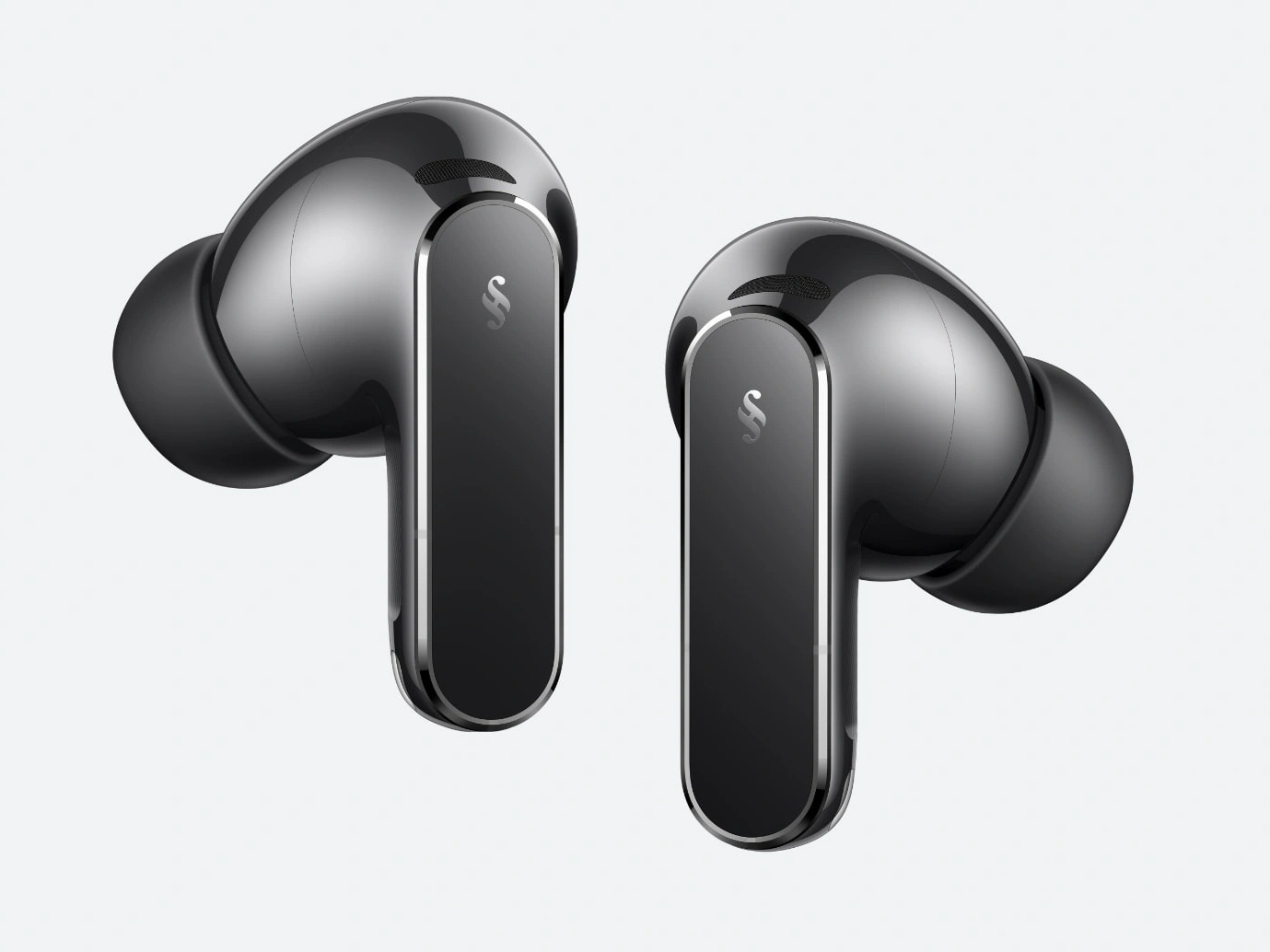
Huawei has announced the global version of its premium pair of earbuds, the FreeBuds Pro 5, following an initial release in China last November. The new premium earbuds arrive as a challenger to the recently launched Galaxy Buds 4 Pro. However, just like Samsung's earbuds, certain features are limited to Huawei devices. In addition, there are also some features of the Chinese version that are missing or toned-down in the global version.
The FreeBuds Pro 5 have a closed ear design with flat oval stems that Huawei says doubles interference resistance per earbud and extends range by up to 38%. Rated IP57 for dust and water resistance (IP54 for the charging case), the FreeBuds Pro 5 can be purchased in Sand, White, Grey, and a Blue that has a vegan leather case instead of the soft, smooth finish of the first three colors.
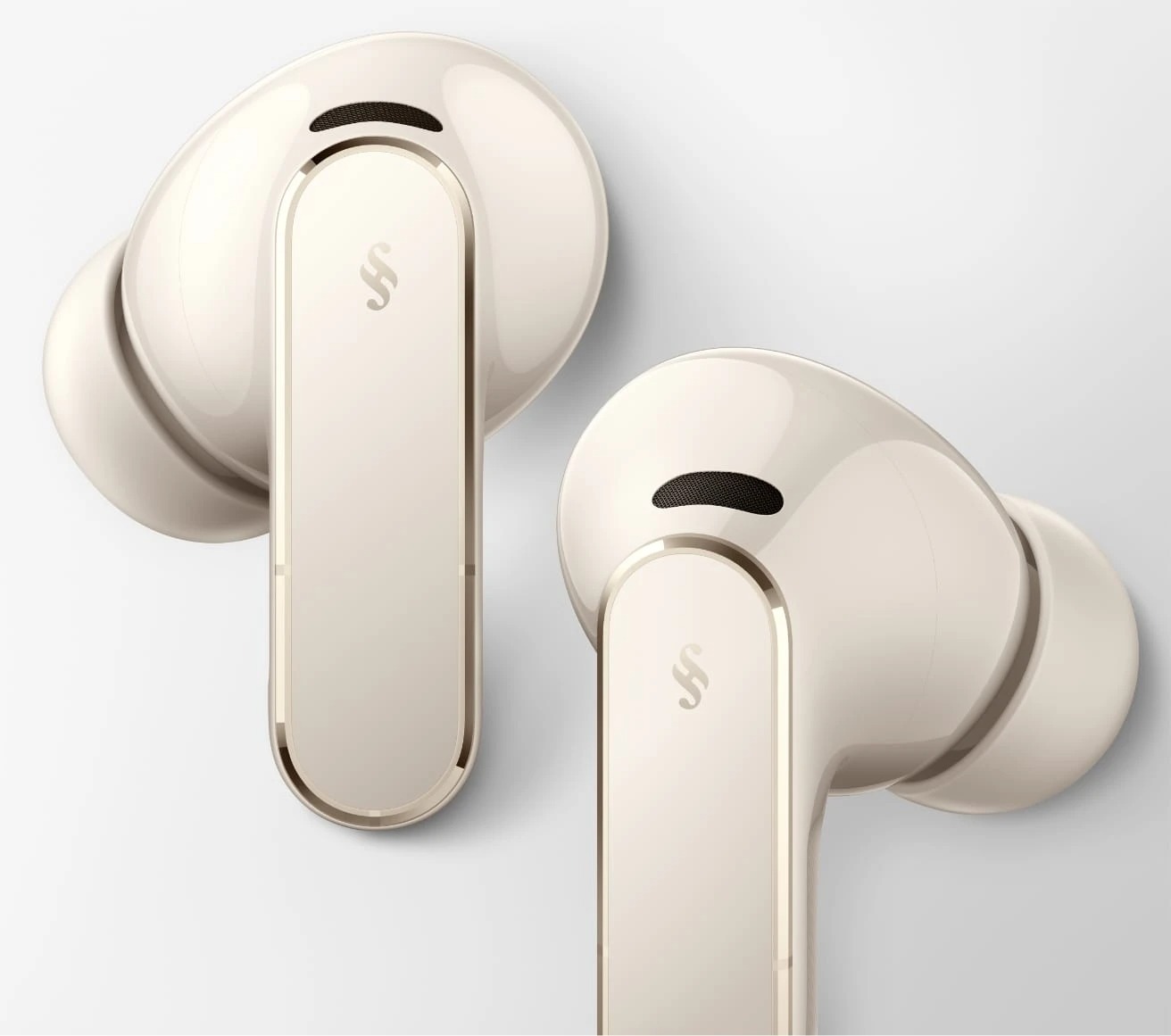
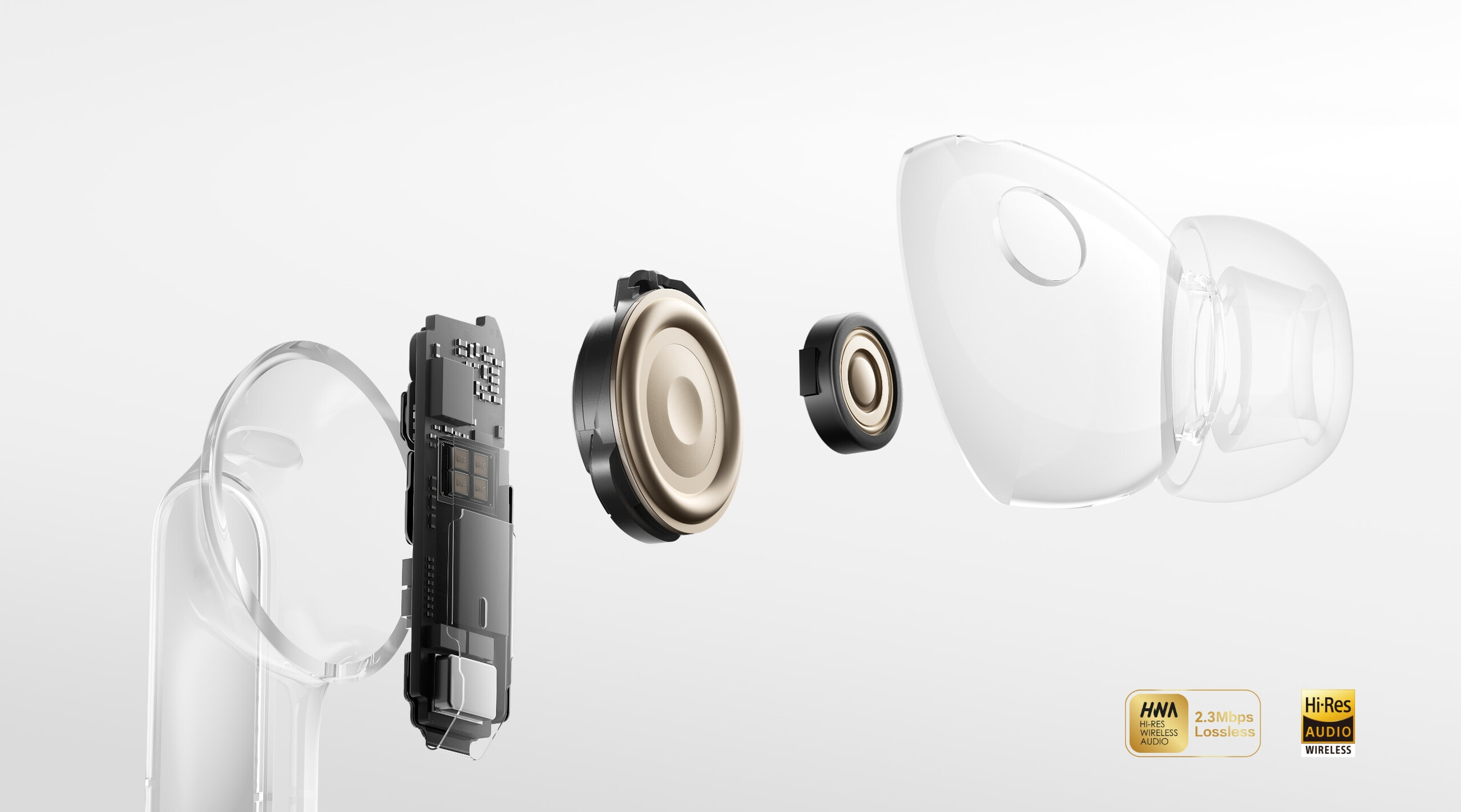
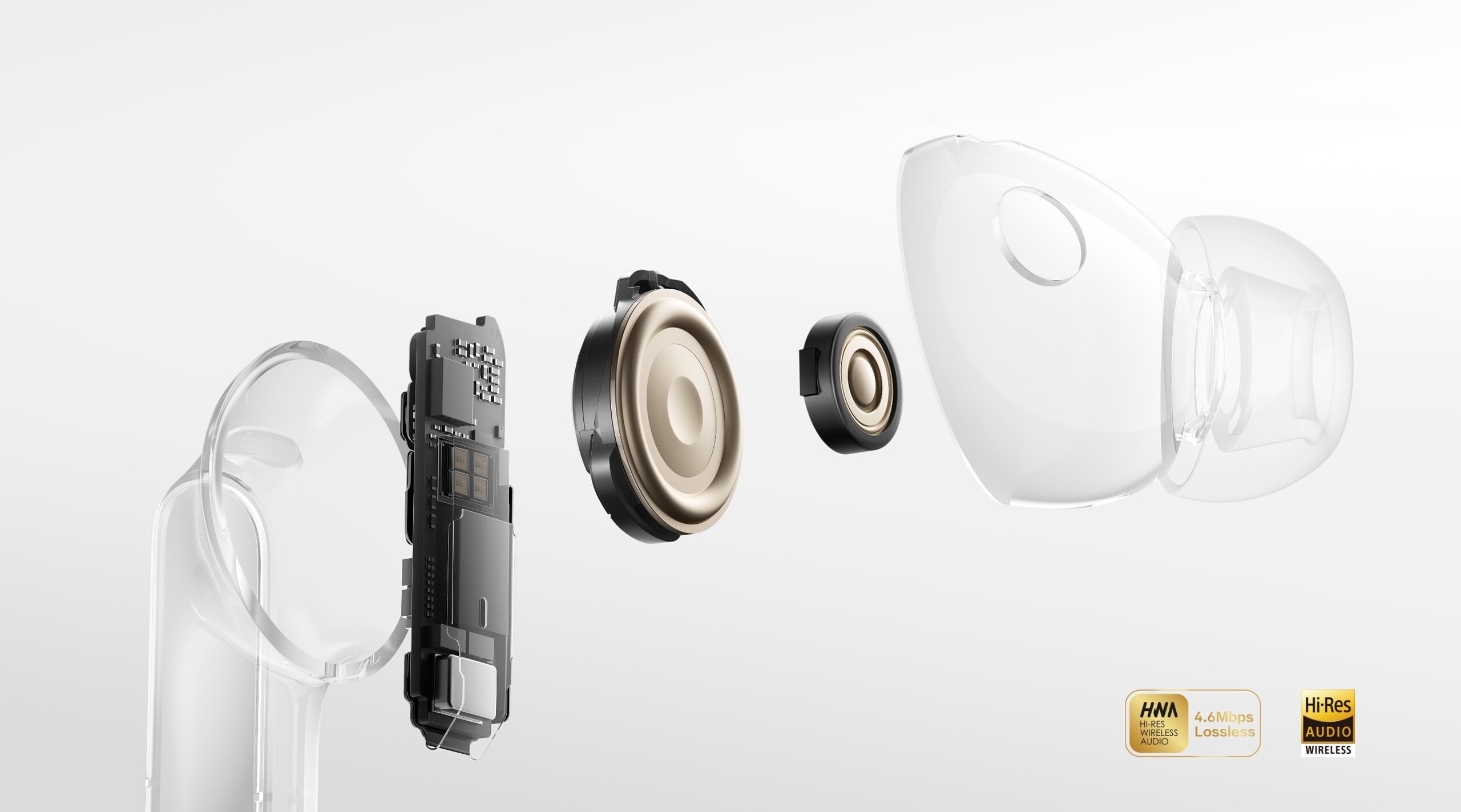
Each earbud weighs 5.5 grams and features dual DSP (Digital Signal Processing) and dual DACs (Digital-Analog Converter) that work in sync with dedicated bass and treble drivers for a highly-detailed listening experience. The FreeBuds Pro 5 also feature dual drivers that can deliver bass as low as 10Hz and an ultra-thin micro planar diaphragm driver that delivers treble as high as 48kHz. The earbuds have Huawei Sound technology which has four listening modes — balanced, voice, classical, and bass — that can be adjusted using the Huawei Audio Connect app.
Unfortunately, the global version of the FreeBuds Pro 5 don't have the Kirin A3 chip of the Chinese version. They also don't have the proprietary NearLink technology, which is superior to Bluetooth technology in transmission speed, coverage distance, and signal strength. The lack of the Kirin A3 chip and NearLink technology means that the global version can only stream audio at 2.3 Mbps, unlike the Chinese version that support 4.6Mbps Hi-Res wireless audio.
The global version is also missing AI features such as AI summary, real-time audio transcription, and the ability to double as a voice recorder.
As expected for a premium pair of earbuds, the FreeBuds Pro 5 have support for spatial audio with head tracking. They also feature dual-engine AI noise cancellation which Huawei says is up to 220% better than the noise cancellation on the FreeBuds Pro 4 (available on Amazon.de for €149). The earbuds have an awareness/transparency mode, conversation mode, and adaptive volume.
With respect to battery life, the Huawei FreeBuds Pro 5 will provide up to 6 hours (5 hours for L2HC/LDAC) of listening time with ANC turned on, and up to 9 hours (8 hours for L2HC/LDAC) with ANC turned off. The total battery life with the charging case is stated as 25 hours (22 hours for L2HC/LDAC) and 38 hours (33 hours for L2HC/LDAC) respectively.
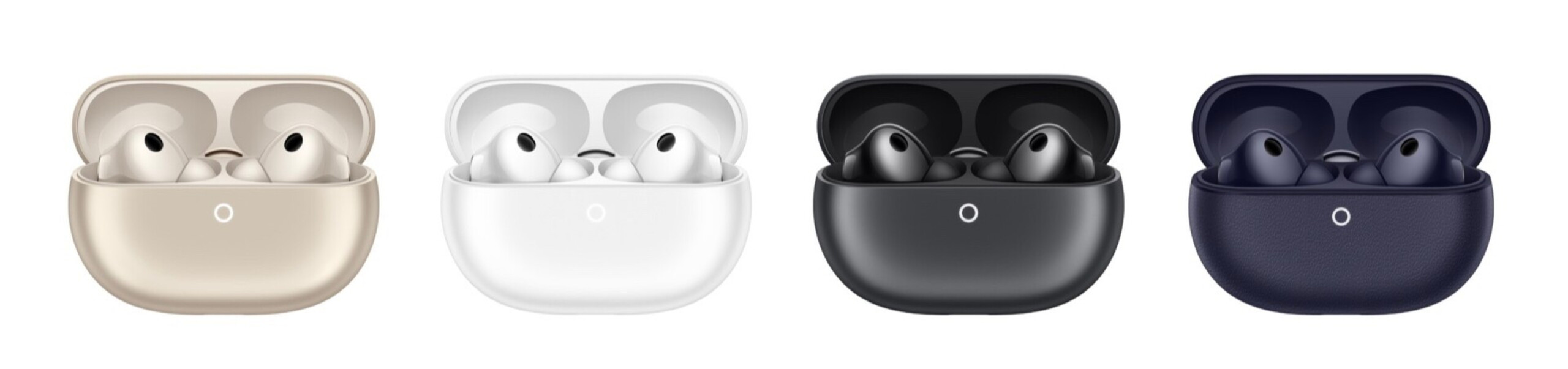
The Huawei FreeBuds Pro 5 have Bluetooth 6.0, support for Bluetooth Multipoint, and come with four pairs of silicone ear tips. The earbuds are available to order now in the UK for £149.99 and in the rest of Europe for €169.99, £30/€30 off its MSRP until April 4.
Source(s)
 Add as a preferred source on Google


