




Conclusion on the Nothing Ear (3a)
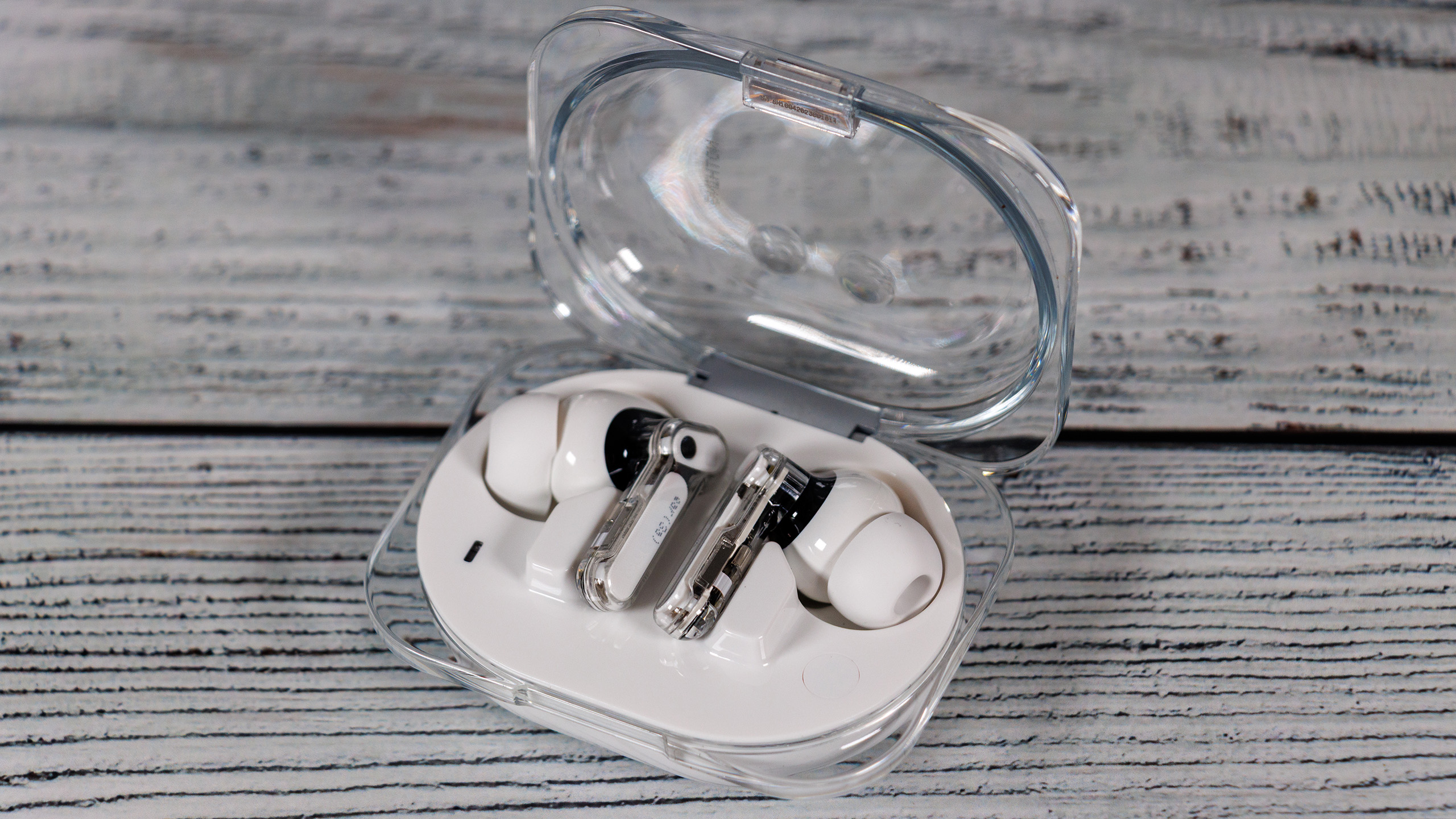
The Nothing Ear (3a) are all-around excellent in-ear headphones that offer great comfort, clean build quality, and a wide range of features. The Nothing X app, in particular, impresses with its many customization options, a powerful equalizer, and extras like call recording and transcription. ANC and call quality also leave a good impression.
In terms of sound, the Ear (3a) impress with a balanced, detailed sound signature and minimal distortion. Bass enthusiasts, however, might find the low end lacking in depth and foundation. While the bass remains precise, it lacks a bit of body when it comes to deep notes and long resonances.
Battery life is solid but not outstanding. Around 4.5 hours is fairly average, especially when using LDAC and ANC. The Ear (3a) thus offer a compelling overall package, with features, comfort, and sound quality being the standout strengths.
Pros
Cons
Price and availability

Table of Contents
- Conclusion on the Nothing Ear (3a)
- Specifications: Nothing Ear (3a)
- Design and ergonomics - In-ear headphones with the signature Nothing design
- Features and controls - Everything under control with the Nothing X app
- Sound - Good sound, but not much depth
- Battery life - Average, but suitable for everyday use
Specifications: Nothing Ear (3a)
| Wearing Style | In-Ear |
| Connectivity | Bluetooth 6.0 (Multipoint) |
| Range | 10 m |
| Speaker | 12 mm dynamic driver, 20–40,000 Hz, 32 ohms, Spatial Audio |
| Audio Codecs | SBC, AAC, LDAC |
| Battery Capacity | 55 mAh (per earbud), 500 mAh (charging case) |
| Charging Port | USB-C |
| Weight | 4.53 g (per earbud), 41 g (charging case) |
| Firmware version | 1.0.1.65 |
| Package contents | Earbuds, charging case, silicone tips (four pairs) |
| Price (MSRP) | $99 |
Design and ergonomics - In-ear headphones with the signature Nothing design
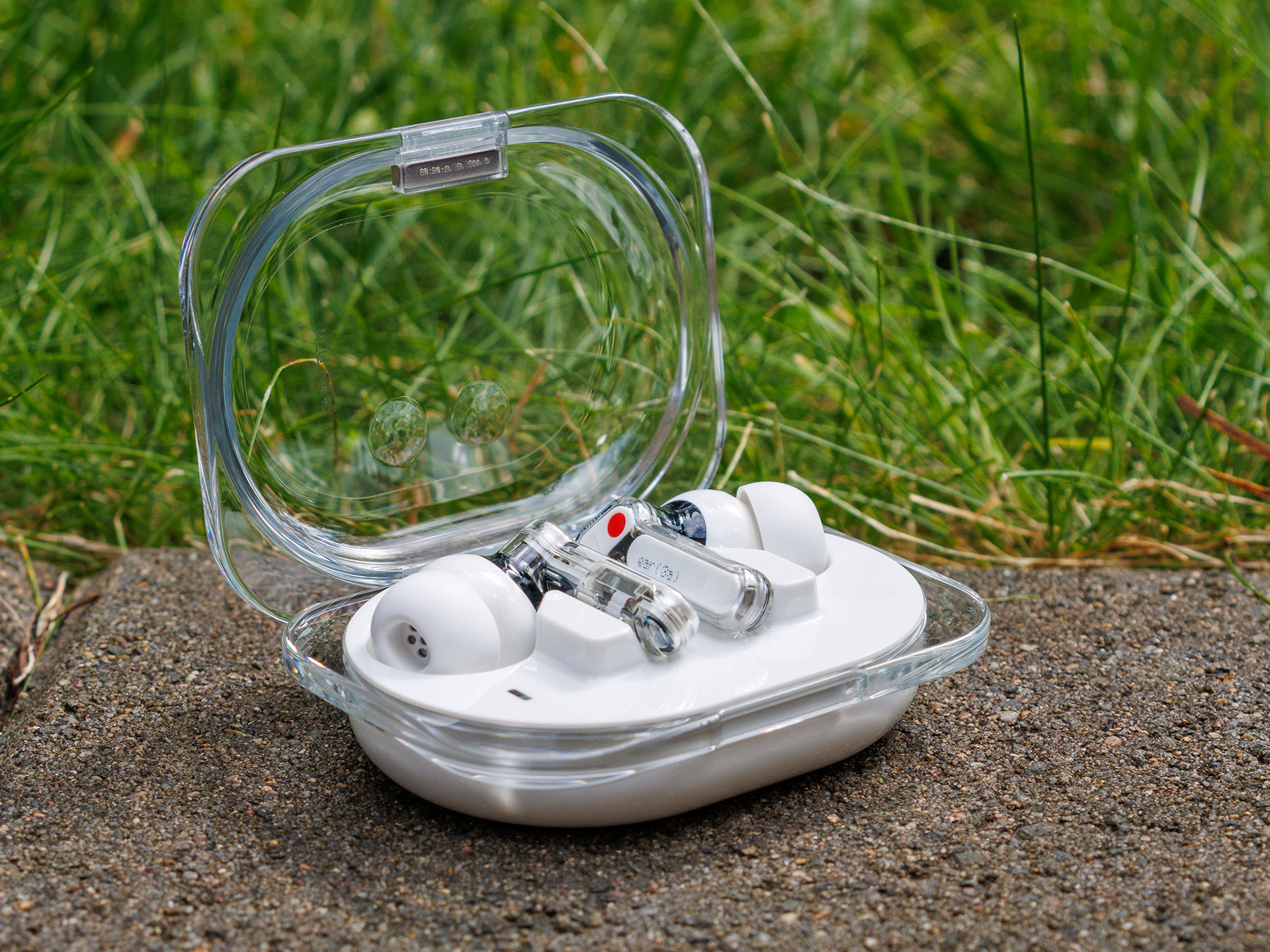
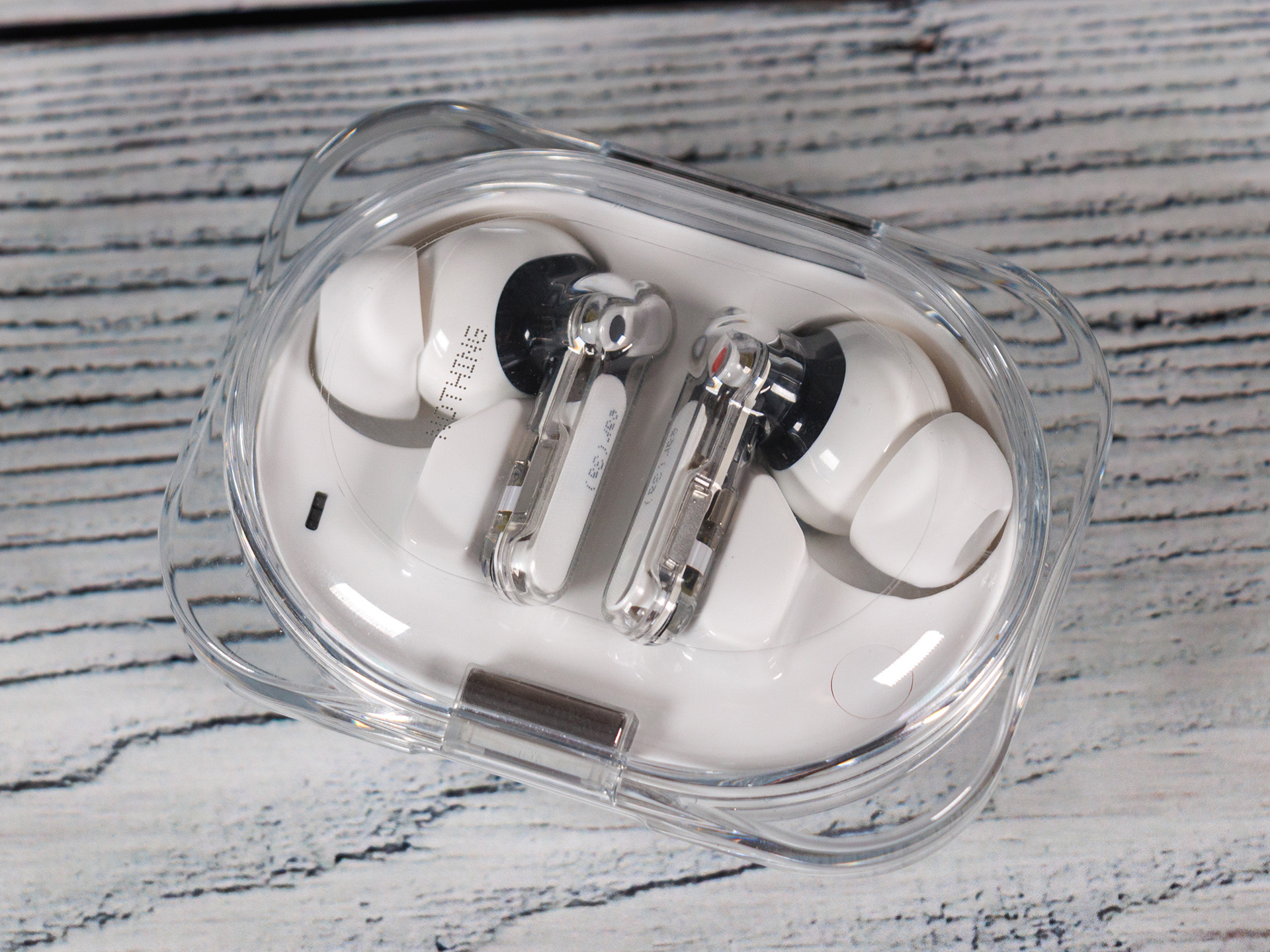
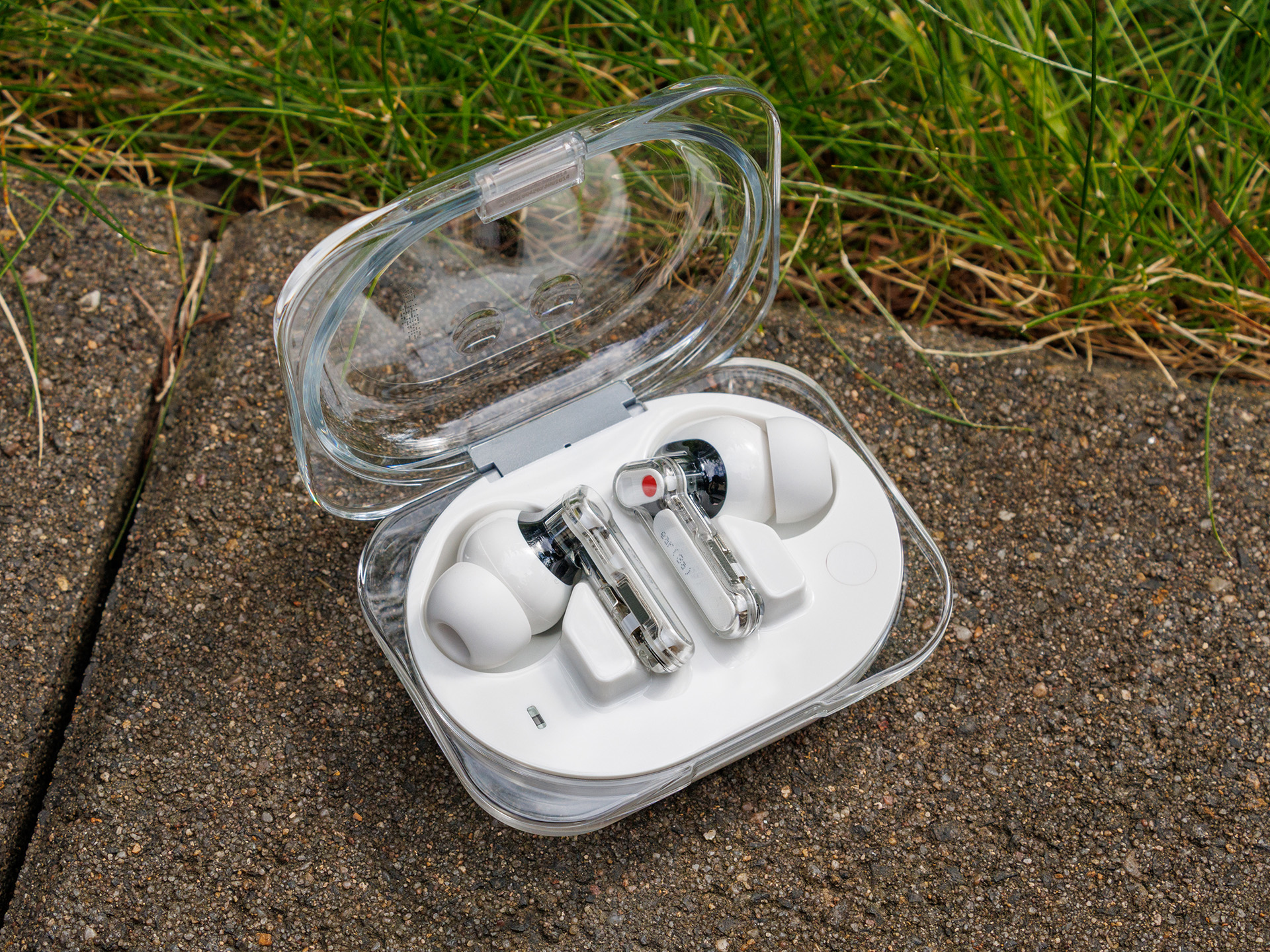
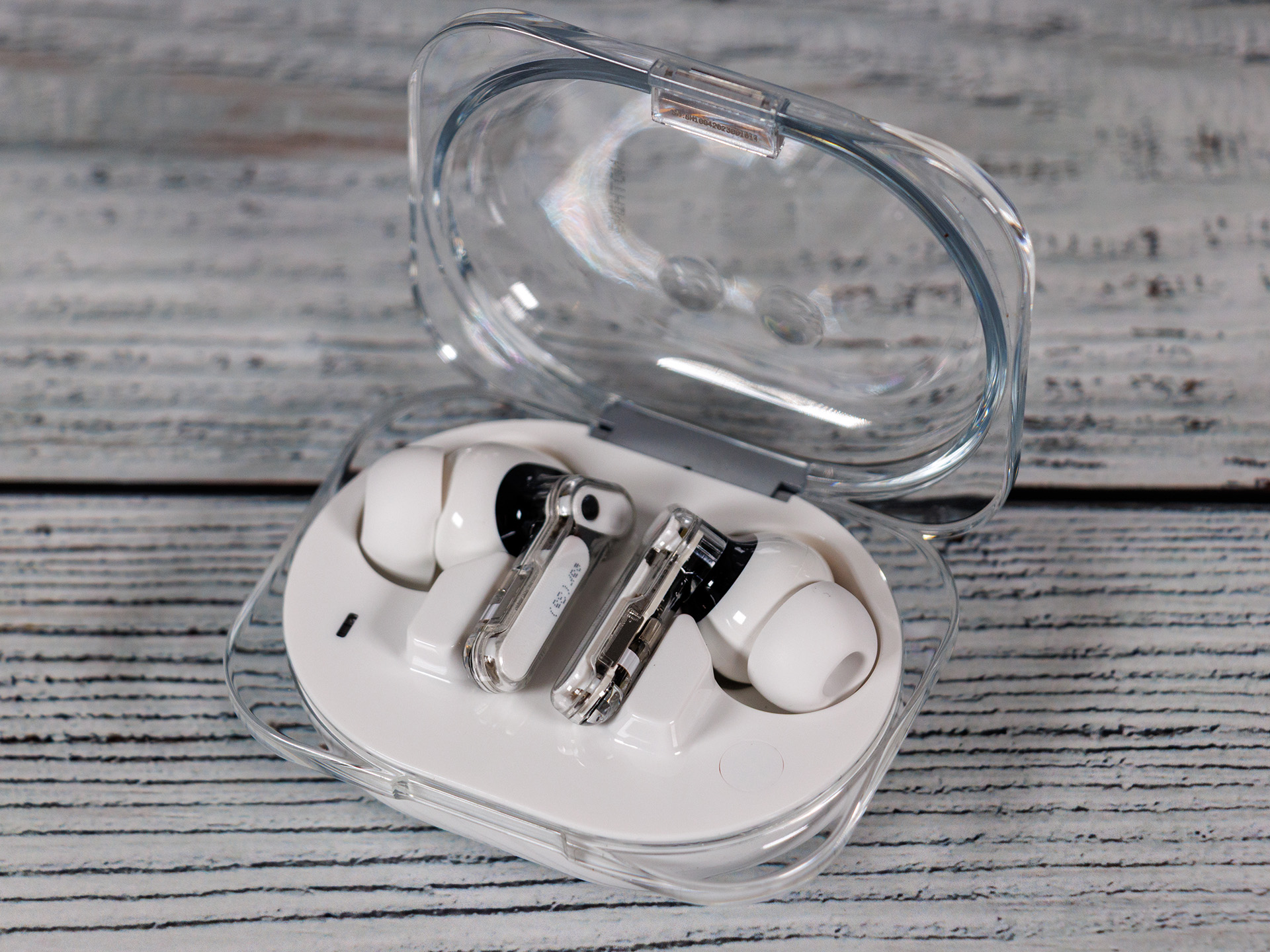
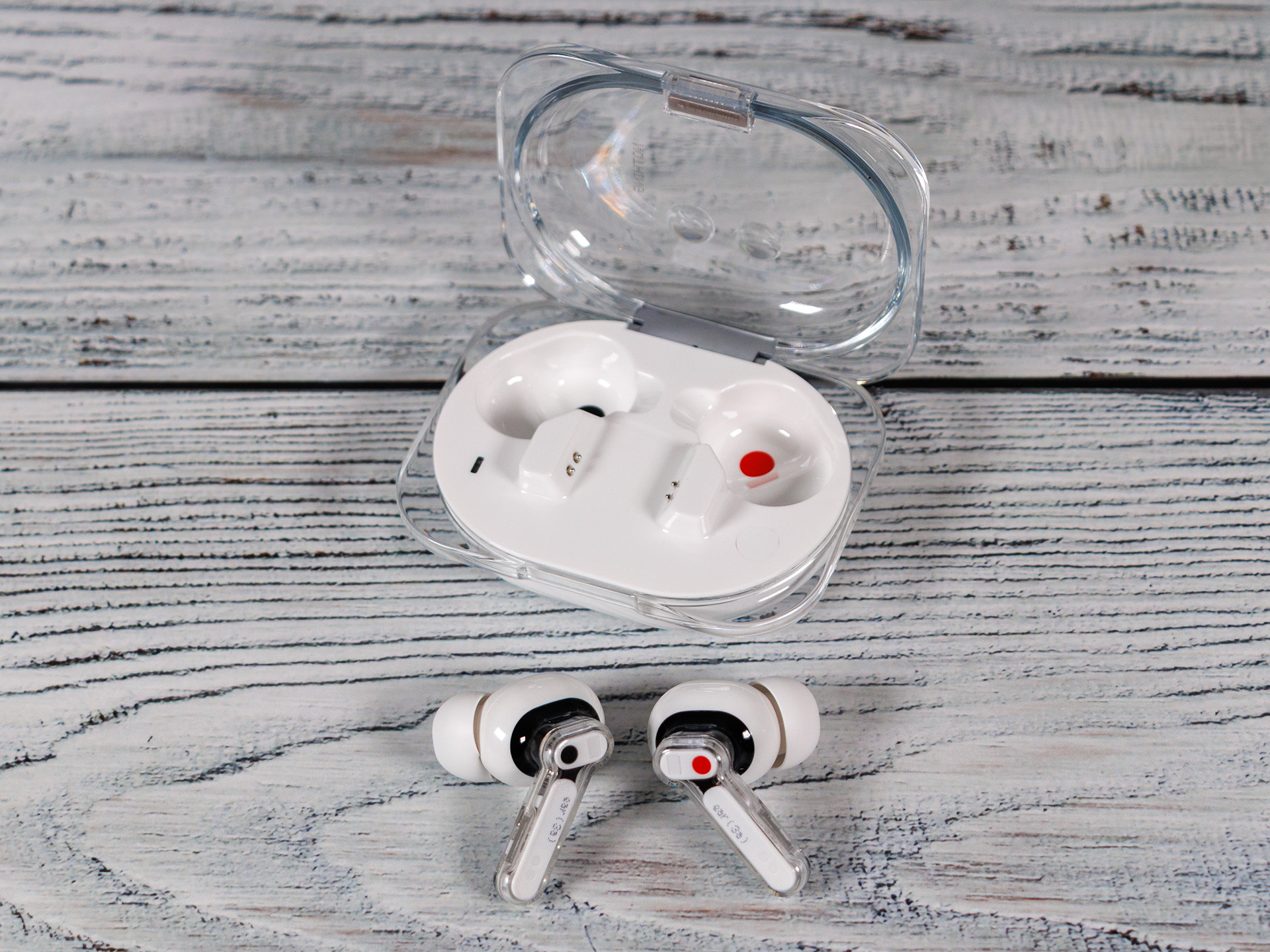
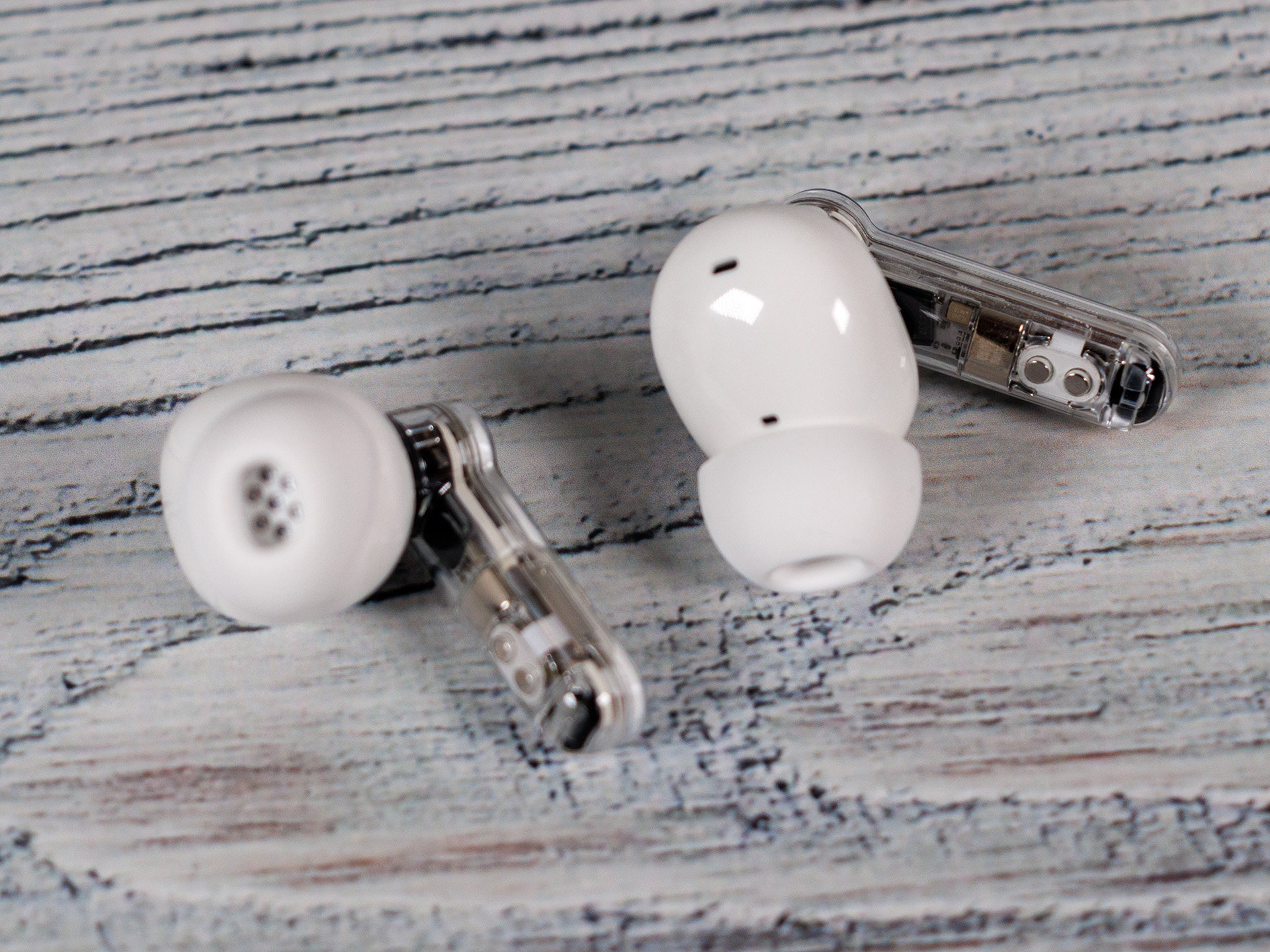
In terms of design, the Ear (3a) stays true to the typical Nothing aesthetic. The partially transparent stems reveal technical details and ensure high brand recognition. The housing is made primarily of plastic but doesn’t look cheap at all. The build quality is clean; the gaps and seams leave nothing to be desired. The charging case also feels sturdy and fits easily in a pants pocket.
Thanks to their light weight, the Ear (3a) sit comfortably in the ear. The silicone tips are available in several sizes, so a good fit should be found for most ears. Once inserted, the in-ear headphones stay securely in place without causing uncomfortable pressure. They remain comfortable to wear even during longer listening sessions.
The Ear (3a) is controlled via pressure-sensitive areas on the stems. This reduces accidental inputs compared to traditional touch surfaces and works reliably in everyday use. The gesture functions can be customized via the Nothing X app. The earbuds are protected against dust and splashes (IP54), so even exercise or a rain shower shouldn’t be a problem.
Sustainability
When it comes to sustainability, the Ear (3a) stands out primarily for its compact packaging and efficient use of materials. The earbuds themselves, however, are virtually impossible to repair; in particular, the built-in batteries limit their long-term lifespan.
Nothing is increasingly relying on recycled materials for its products and discloses its carbon footprint. A real plus, however, would be better repairability; in this regard, the Ear (3a) hardly differs from the competition.
Features and controls - Everything under control with the Nothing X app
In terms of features, the Ear (3a) offers a lot for the price. In addition to active noise cancellation (ANC) and transparency mode, they support Multipoint for simultaneous connection to two devices, as well as LDAC for higher-resolution Bluetooth transmission. Nothing bundles many settings into the user-friendly Nothing X app, where you can customize ANC, gestures, and sound settings. The equalizer is particularly comprehensive.
A standout feature is the call recording function. Before recording begins, an announcement plays to inform the call participants that the call is being recorded. You can select the language of this announcement before the call begins. The recording is then saved in the Nothing X app, where it can be listened to or exported as an audio file.
If desired, the app can transcribe the conversation. A basic local transcription service is available for free. The more powerful Pro transcription service processes recordings in the cloud and includes 120 minutes per month. It’s free for three months. How Nothing plans to continue the Pro offering after that - and what costs, if any, may apply - has not yet been clearly communicated.
The Ear (3a) is controlled via pressure-sensitive areas on the stems. The gestures work reliably and can be largely customized to your preferences through the app.


Sound - Good sound, but not much depth
In terms of sound, the Nothing Ear (3a) make a good overall impression. The sound signature feels balanced and pleasant; voices and instruments are clearly separated, and details are rendered with clarity. The highs are also sufficiently present without becoming unpleasantly sharp.
However, we can’t say the same for pronounced bass emphasis. The low end remains clean and controlled, but could use more depth in the lowest frequency range. This is particularly noticeable in music that thrives on low frequencies and long resonances. In piano pieces, for example, the low notes lack a bit of body, and the characteristic resonance doesn’t fill the room as much. Bass-heavy productions could also extend a bit lower, in our opinion. On the other hand, the bass does not intrude on the midrange. Our measurements also confirm that the Ear (3a) exhibits low distortion. With a 1-kHz test signal, we measured a total harmonic distortion (THD) of just 0.025 percent. THD+N, including the background noise, is 0.41 percent.
If you want to adjust the sound profile, the Nothing X app offers a wide range of options. In addition to presets, there’s a detailed equalizer that lets you fine-tune the sound. The ANC also performs impressively. In particular, steady low-frequency noises like engines, fans, or the rumble on buses and trains are significantly reduced. Voices and sudden noises come through more clearly. Transparency mode makes the surroundings clearly audible, but doesn’t quite match the natural sound of open-ear listening.
During phone calls, voices come through clearly and are easy to understand. The Ear (3a) also effectively blocks out distracting ambient noise. In louder environments, the signal processing audibly kicks in, but speech intelligibility remains good.
| Loudspeakers | |
| THD | |
| Samsung Galaxy Buds4 Pro (RMS: -1.7 dBFS) | |
| Huawei FreeBuds 7i (RMS: -2.7 dBFS) | |
| Nothing Ear (3a) (RMS: -3.0 dBFS) | |
| THD+N | |
| Samsung Galaxy Buds4 Pro (RMS: -1.7 dBFS) | |
| Nothing Ear (3a) (RMS: -3.0 dBFS) | |
| Huawei FreeBuds 7i (RMS: -2.7 dBFS) | |
* ... smaller is better
THD (Total Harmonic Distortion): Harmonic distortion quantifies the magnitude of the components that arise from non-linear distortion (harmonic content) in relation to the original signal. THD refers only to the fundamental harmonic content. The distortion factor is often mentioned in the same breath, but refers to the overall signal.
THD+N (Total Harmonic Distortion + Noise): This value is comparable to THD, but in addition to the interference from harmonics, the interference from noise is also recorded as an effective value.
For the measurement, a low-harmonic sine wave signal (1 kHz, > 0 dB) is played through the headphones to be tested and recorded by a linear measuring microphone (measuring distance: approx. 1 cm) in an artificial head.
Nothing Ear (3a) audio analysis
(+) | speakers can play relatively loud (88.9 dB)
Bass 100 - 315 Hz
(-) | nearly no bass - on average 17.4% lower than median
(+) | bass is linear (3.2% delta to prev. frequency)
Mids 400 - 2000 Hz
(±) | higher mids - on average 9.7% higher than median
(±) | linearity of mids is average (8.2% delta to prev. frequency)
Highs 2 - 16 kHz
(-) | very high highs - on average 15.7% higher than median
(±) | linearity of highs is average (8.8% delta to prev. frequency)
Overall 100 - 16.000 Hz
(±) | linearity of overall sound is average (26.9% difference to median)
Compared to same class
» 82% of all tested devices in this class were better, 4% similar, 14% worse
» The best had a delta of 4%, average was 23%, worst was 136%
Compared to all devices tested
» 82% of all tested devices were better, 4% similar, 14% worse
» The best had a delta of 4%, average was 23%, worst was 136%
Samsung Galaxy Buds3 FE audio analysis
(+) | speakers can play relatively loud (92.8 dB)
Bass 100 - 315 Hz
(+) | good bass - only 1.7% away from median
(+) | bass is linear (2.5% delta to prev. frequency)
Mids 400 - 2000 Hz
(+) | balanced mids - only 4.1% away from median
(+) | mids are linear (3.4% delta to prev. frequency)
Highs 2 - 16 kHz
(±) | higher highs - on average 9.7% higher than median
(+) | highs are linear (5.4% delta to prev. frequency)
Overall 100 - 16.000 Hz
(+) | overall sound is linear (11.2% difference to median)
Compared to same class
» 7% of all tested devices in this class were better, 2% similar, 91% worse
» The best had a delta of 4%, average was 23%, worst was 136%
Compared to all devices tested
» 7% of all tested devices were better, 2% similar, 91% worse
» The best had a delta of 4%, average was 23%, worst was 136%
Battery life - Average, but suitable for everyday use
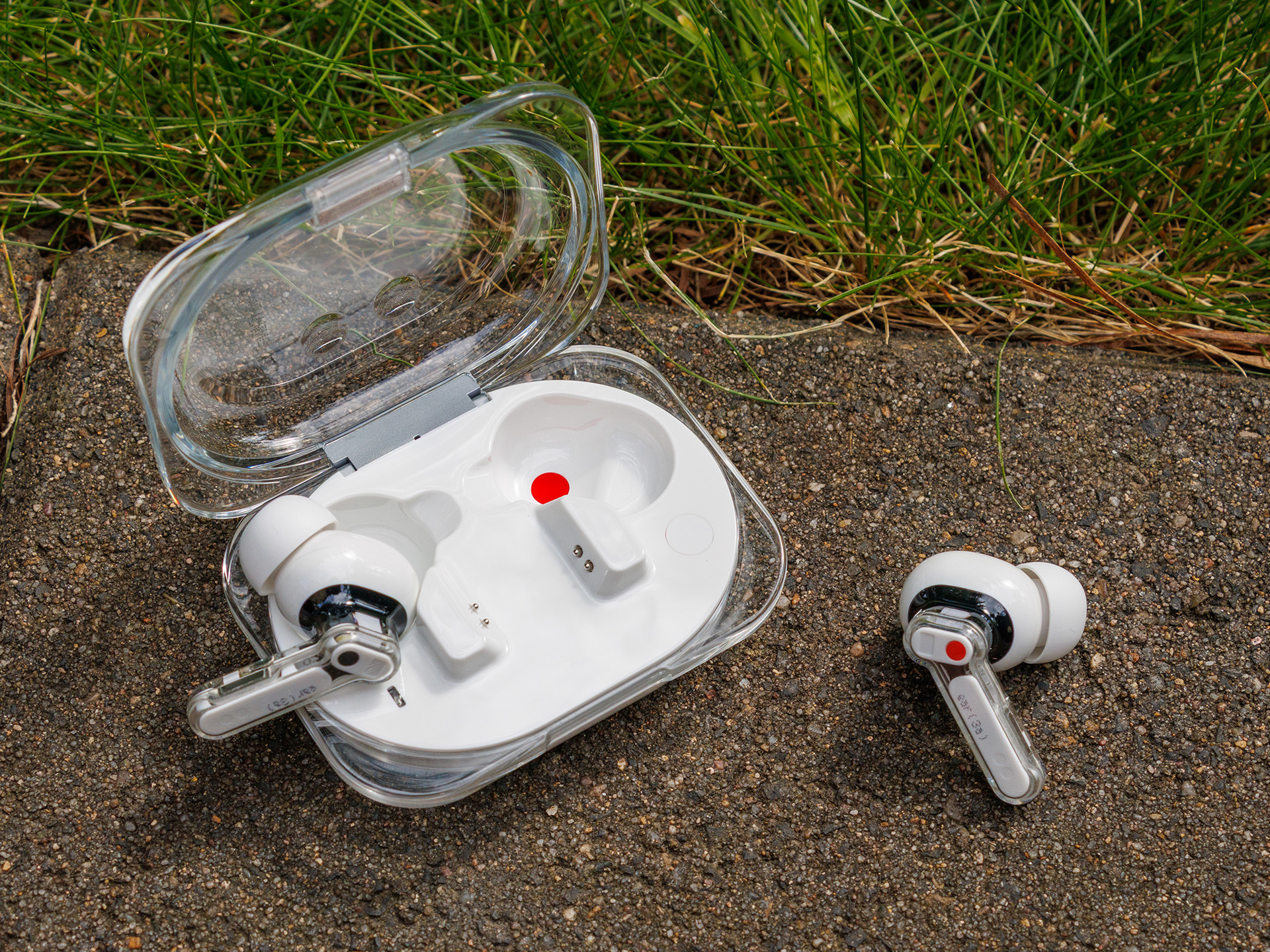
In terms of battery life, Nothing promises up to ten hours of music playback with AAC without ANC and six hours with active noise cancellation. Combined with the charging case, this should provide up to 42 and 25 hours, respectively. Those who, like us, prefer to use the higher-quality LDAC codec should expect shorter battery life: Nothing cites six hours without ANC and 4.5 hours with ANC.
This figure seems realistic to us. On a long train ride, we used the Ear (3a) continuously with LDAC and active noise cancellation and came close to the stated 4.5 hours. That’s more than enough for longer trips, especially since the earbuds can be recharged in the case along the way. If you need maximum battery life, you can switch to AAC, which allows for significantly longer listening time, especially with ANC enabled.
Transparency
The selection of devices to be reviewed is made by our editorial team. The test sample was given to the author by the manufacturer free of charge for the purposes of review. There was no third-party influence on this review, nor did the manufacturer receive a copy of this review before publication. There was no obligation to publish this review. As an independent media company, Notebookcheck is not subjected to the authority of manufacturers, retailers or publishers.
This is how Notebookcheck is testing
Every year, Notebookcheck independently reviews hundreds of laptops and smartphones using standardized procedures to ensure that all results are comparable. We have continuously developed our test methods for around 20 years and set industry standards in the process. In our test labs, high-quality measuring equipment is utilized by experienced technicians and editors. These tests involve a multi-stage validation process. Our complex rating system is based on hundreds of well-founded measurements and benchmarks, which maintains objectivity. Further information on our test methods can be found here.
No comments for this article
 Add as a preferred source on Google


