




Conclusion on the Nothing Headphone (1) Pro
With the Headphone (1) Pro, Nothing delivers an all-around excellent pair of over-ear headphones. The detailed, dynamic sound is particularly impressive, and the various sound profiles offer plenty of flexibility to suit personal preferences. The intuitive operation via physical controls, the extensive features, and the exceptionally natural transparency mode also leave a very good impression.
The active noise cancellation works effectively, though it doesn’t quite reach the level of the best in class. Spatial Audio offers audible added value thanks to reliable head tracking, but it overdoes the bass in some places. Added to this is a noticeable clamping force that, despite the overall high level of comfort, may not appeal to everyone. It’s also a shame that passive use via the 3.5 mm jack didn’t work during testing. The Headphone (1) Pro earns bonus points for its long battery life and replaceable ear cushions.
Pros
Cons
Price and availability

Table of Contents
- Conclusion on the Nothing Headphone (1) Pro
- Specifications: Nothing Headphone (1) Pro
- Body and ergonomics - A distinctive look meets exceptional comfort
- Features and usability - Physical controls instead of touch gestures
- Sound - Impressive sound with versatile tuning
- Battery life - Up to 68 hours of music playback
Specifications: Nothing Headphone (1) Pro
| Wearing Style | Over-Ear |
| Connectivity | Bluetooth 6.1 (Multipoint), USB-C, 3.5 mm jack |
| Range | 10 m |
| Speakers | 40 mm dynamic drivers |
| Audio Codecs | SBC, AAC, LDAC |
| Battery Capacity | 1,060 mAh |
| Charging Port | USB-C |
| Wireless Charging | Not supported |
| Weight | 327 g |
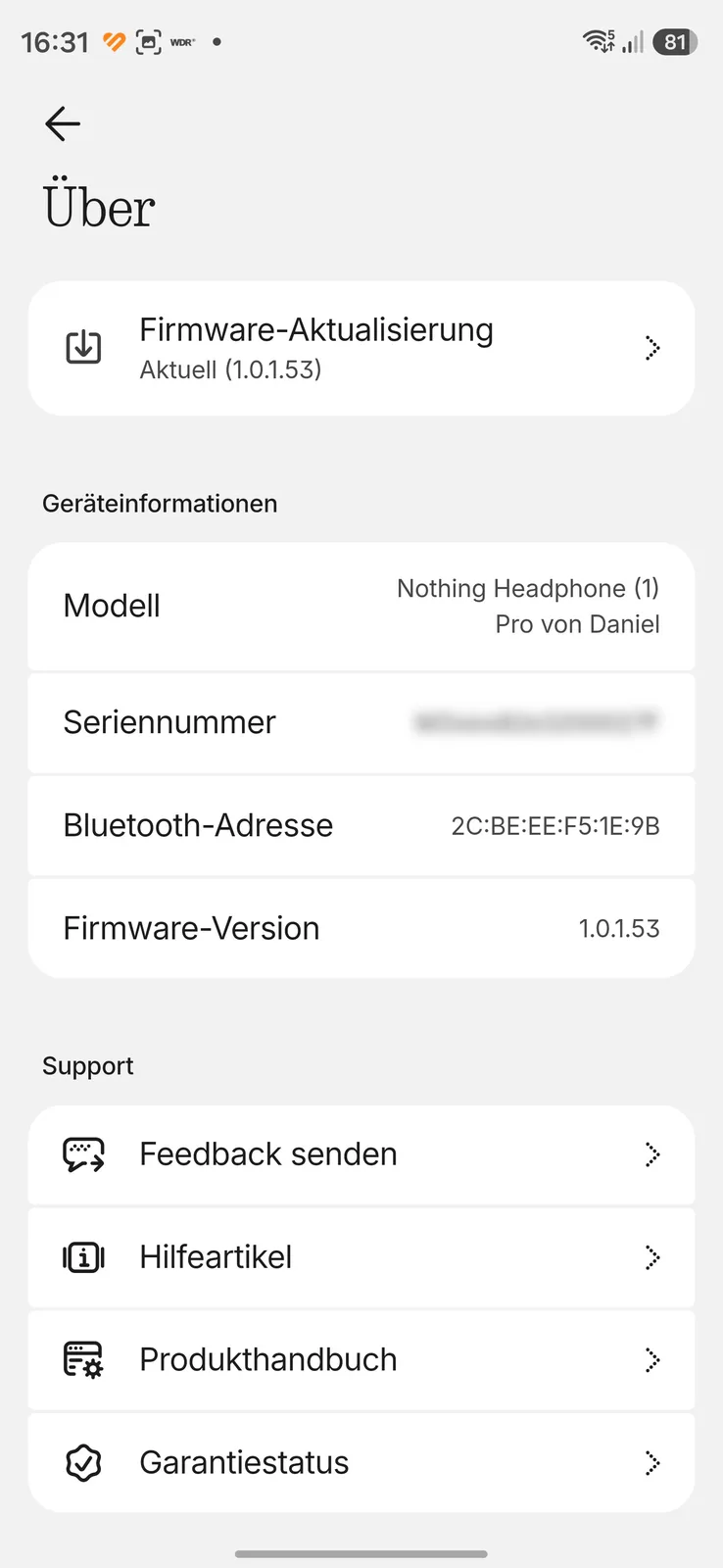
| Firmware Version | 1.0.1.53 |
| Package Contents | Headphones, charging case, 3.5 mm audio cable, USB-C cable |
| Price (MSRP) | $399 |
With the Headphone (1), Nothing ventured into the over-ear headphone market and drew attention primarily with its striking design and unusual controls. The more affordable Headphone (a) followed as a budget-friendly alternative. The new Headphone (1) Pro is now set to take things to the next level with a sophisticated three-driver system, improved noise cancellation, and enhanced sound quality.
In our review, we’ll determine whether Nothing can win over audiophiles or if it primarily stands out for its design. In addition to sound quality, ANC, and comfort, we’ll also take a closer look at the different sound profiles.
Body and ergonomics - A distinctive look meets exceptional comfort
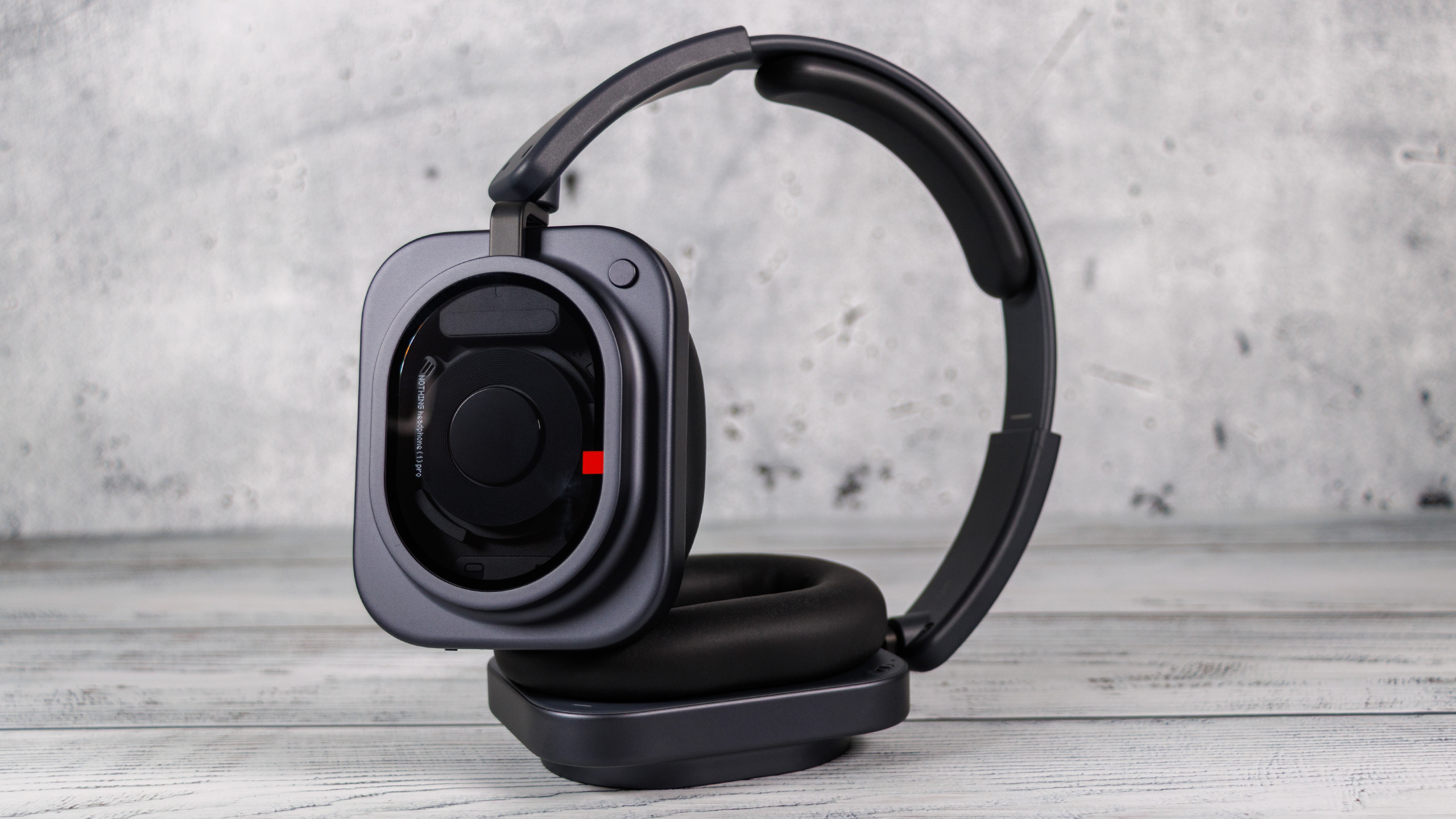
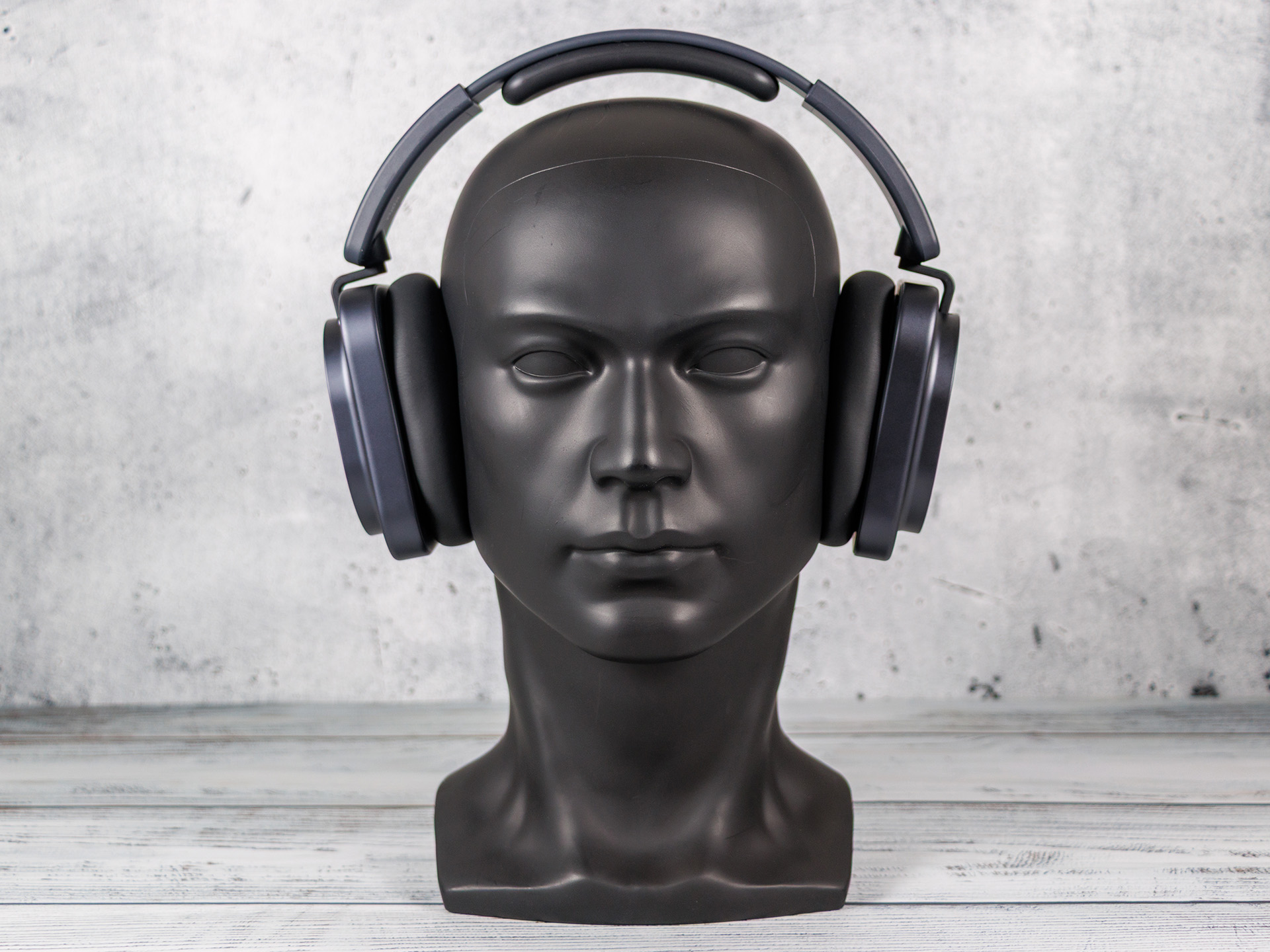
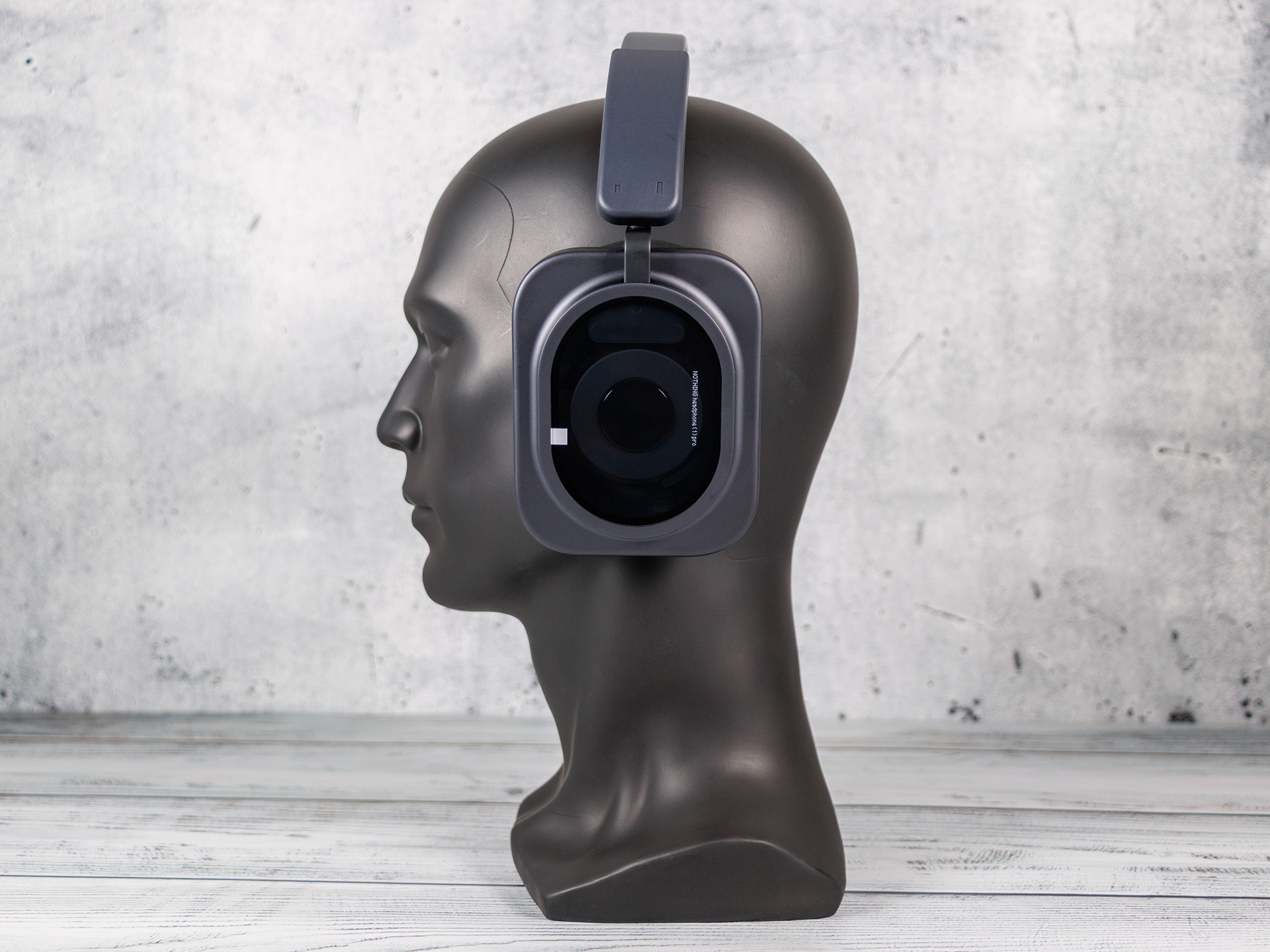
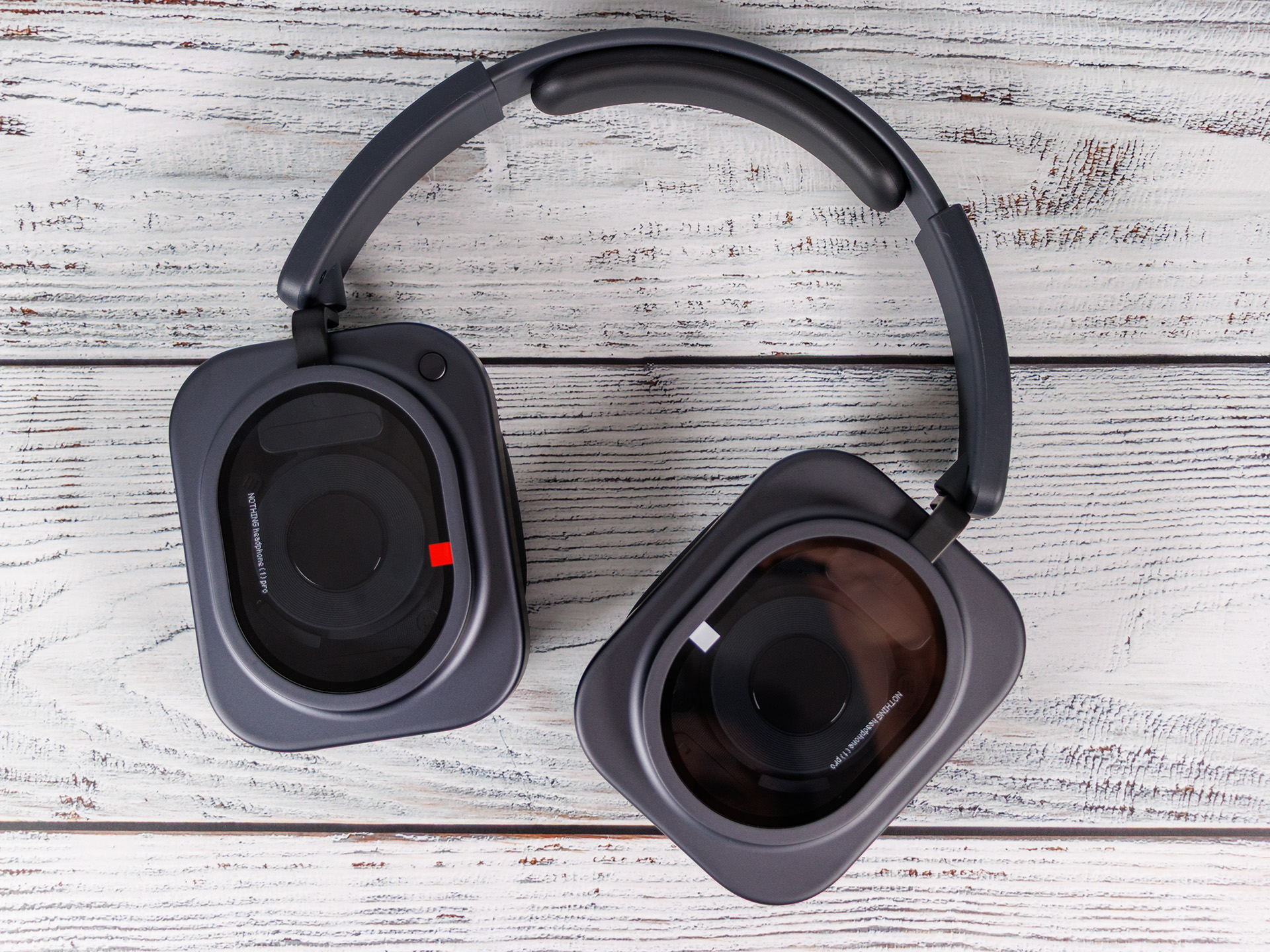
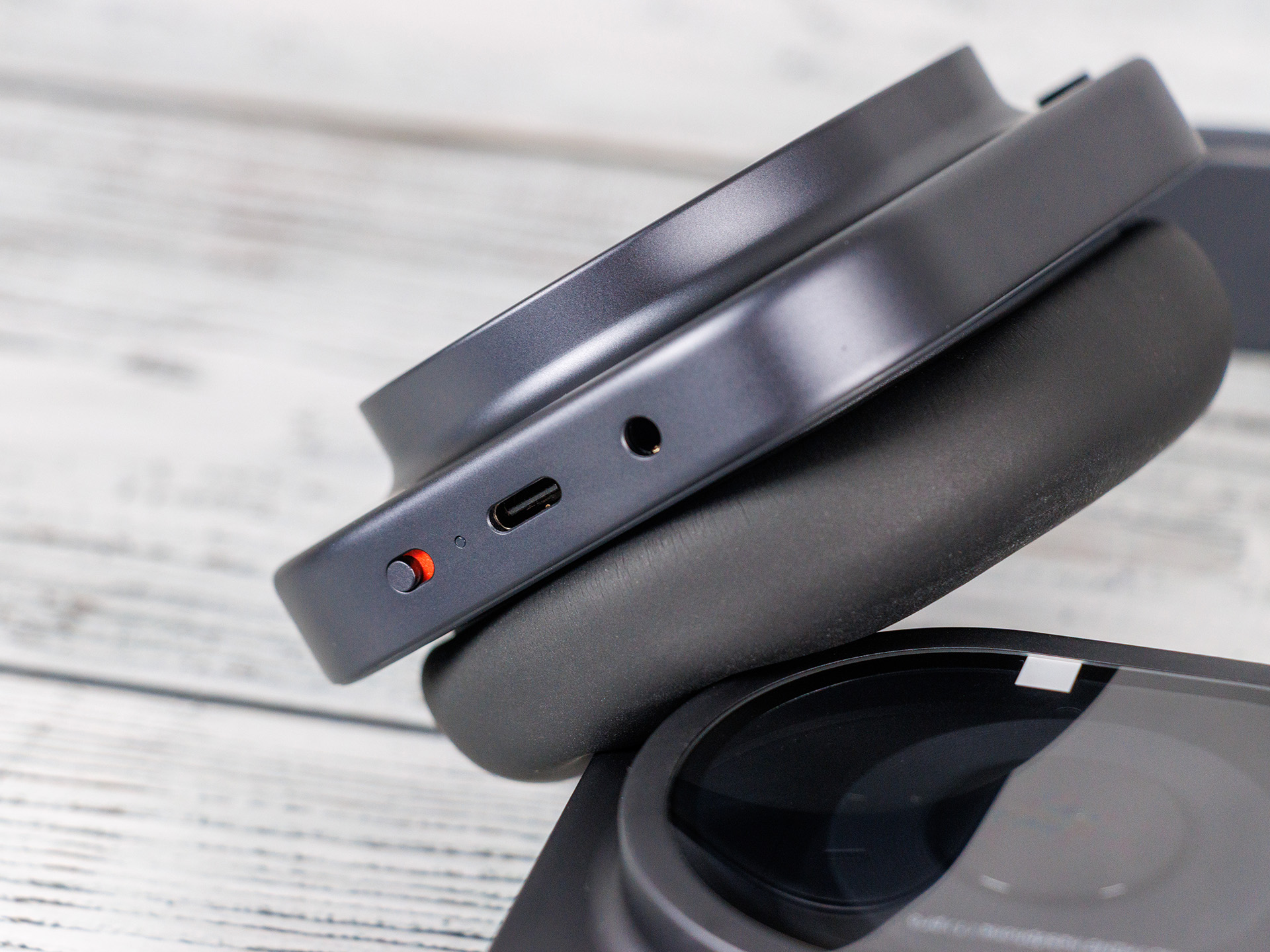
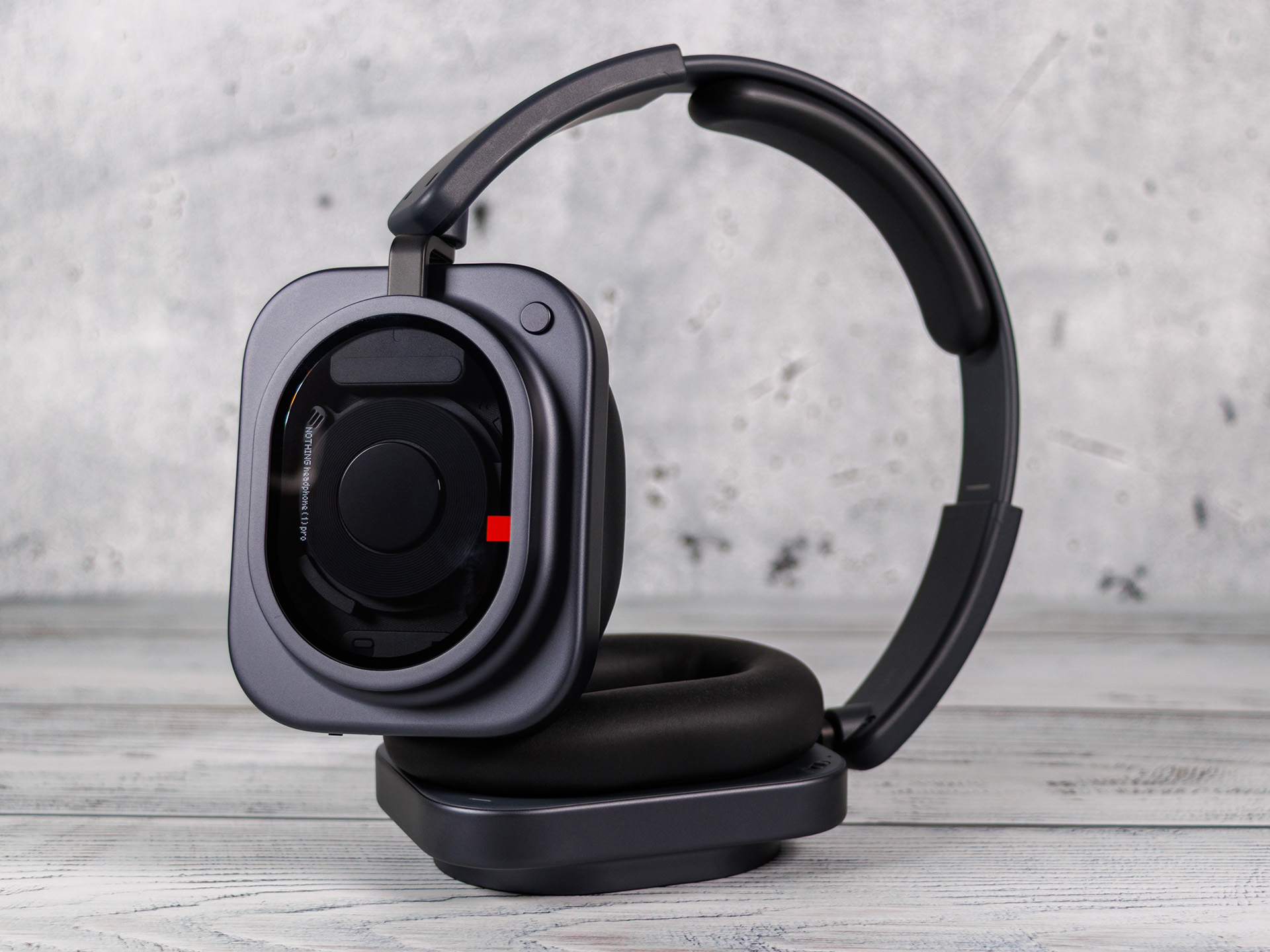
Nothing remains true to its distinctive design language with the Headphone (1) Pro as well. The angular ear cups, with their transparent elements, give the headphones a futuristic, almost industrial look. The manufacturer uses a mix of materials, including aluminum, plastic, and soft padding. The metallic components lend a high-quality feel, while the transparent plastic covers emphasize the technical character. Overall, the construction appears to be carefully crafted and visually stands out clearly from the mostly rather plain-looking competing models.
The headband combines a sturdy construction with a padded surface that distributes the weight across the head. It’s great that the ear cushions on the Pro model are now replaceable. This isn’t just practical from a hygiene standpoint, but also improves the headphones’ durability. In testing, the Nothing Headphone (1) Pro proved to be exceptionally comfortable to wear despite its rather solid build. The ear cushions fit snugly and ensure a secure fit. However, the pressure is clearly noticeable. While this supports passive noise isolation and prevents the headphones from slipping, it could be bothersome during longer listening sessions or for users sensitive to pressure.
Sustainability
Nothing is also making strides in sustainability with the Headphone (1) Pro. The manufacturer estimates the carbon footprint at 18.3 kg CO₂e, a figure that is said to have been verified by an independent third party. The packaging is 99 percent plastic-free. In addition, final assembly is powered entirely by renewable energy, which is intended to reduce emissions.
A positive feature is the now-replaceable ear cushions, which can be swapped out when worn, thereby extending the product’s lifespan. The built-in battery, however, cannot be easily replaced by the user. Questions also remain regarding the long-term availability of replacement parts and the repairability of other components.
Features and usability - Physical controls instead of touch gestures
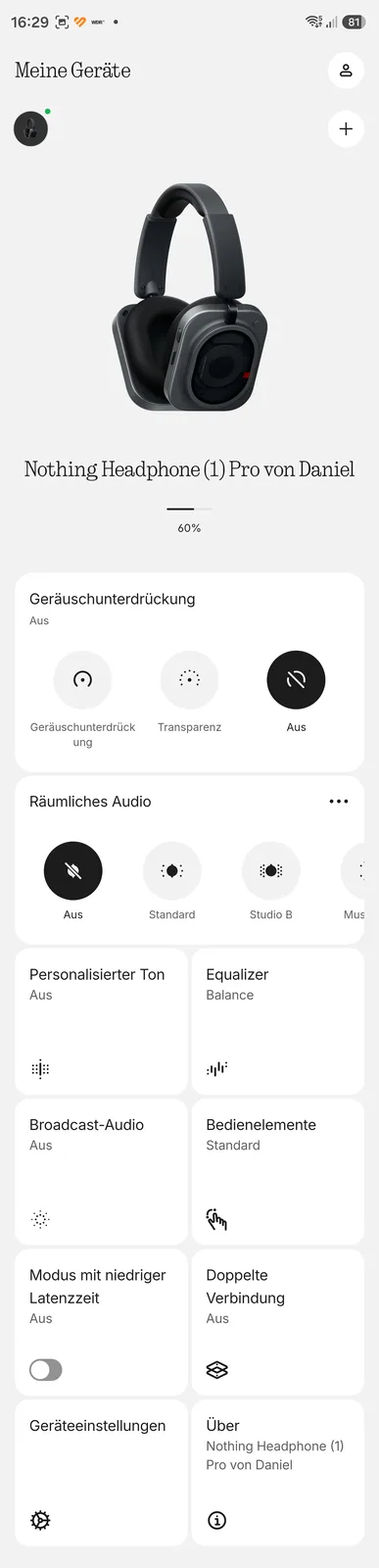
The Nothing Headphone (1) Pro offers a wide range of features. In addition to adaptive active noise cancellation (ANC) and a transparency mode, these over-ear headphones support Bluetooth 6.1 with the SBC, AAC, and LDAC codecs. They also feature multipoint connectivity, Auracast, wear detection, and spatial audio with head tracking. Google Fast Pair and Microsoft Swift Pair make it easy to pair with compatible devices. The headphones are IP52-rated for protection against dust and splashes.
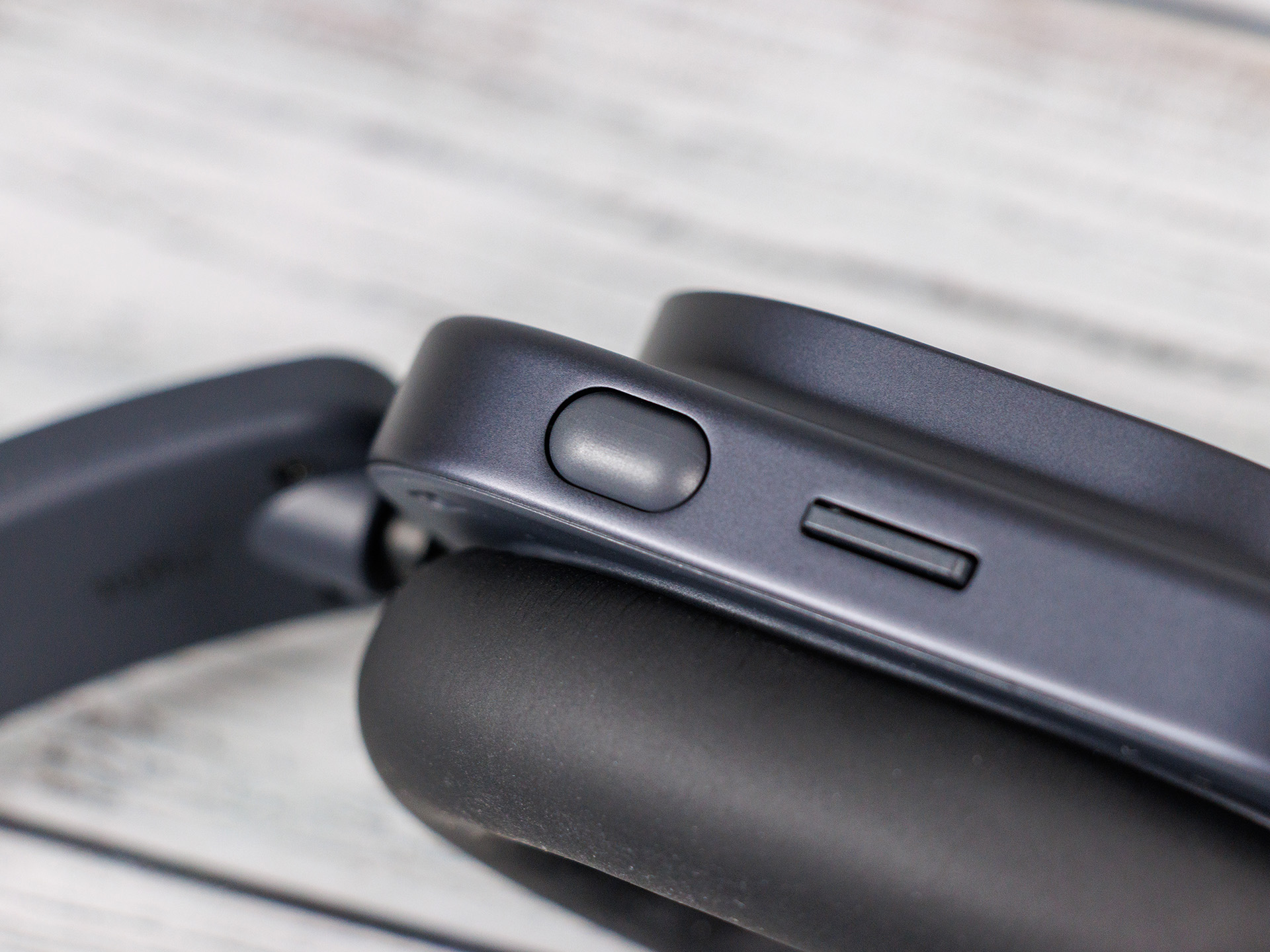
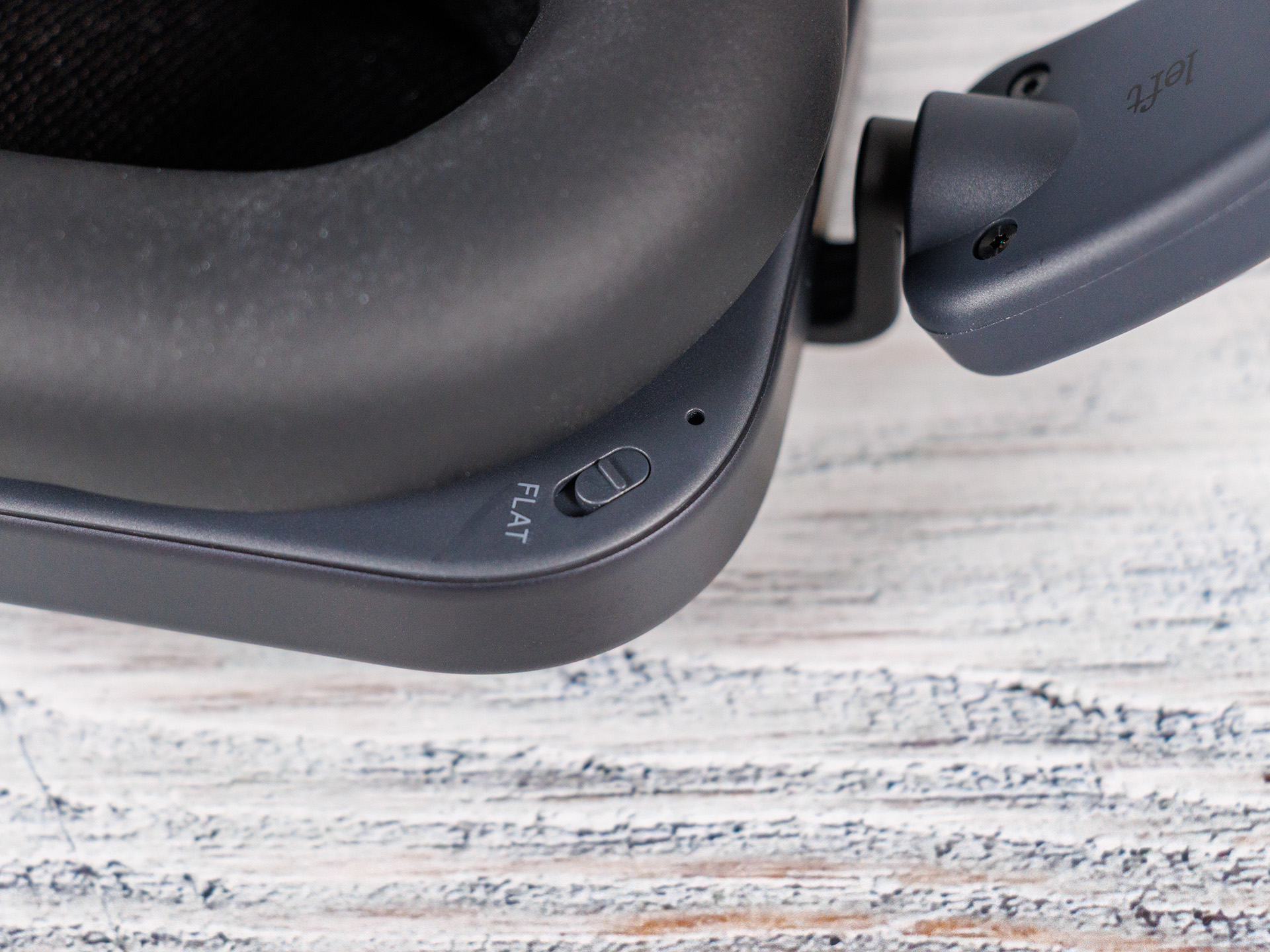
For operation, Nothing continues to rely on mechanical controls instead of touch-sensitive surfaces. The rotatable and pressable roller allows you to control volume, playback, and noise cancellation. The paddle switch is used to skip and rewind tracks, as well as for call control. An additional button can be assigned various functions. A new feature is a separate slide switch on the left earcup that allows you to instantly activate the Flat EQ mode, developed in collaboration with Metropolis Studios. You don’t need to reach for your smartphone to do this. However, when Flat mode is active, Transparency mode, Spatial Audio, and the other equalizer settings are deactivated.
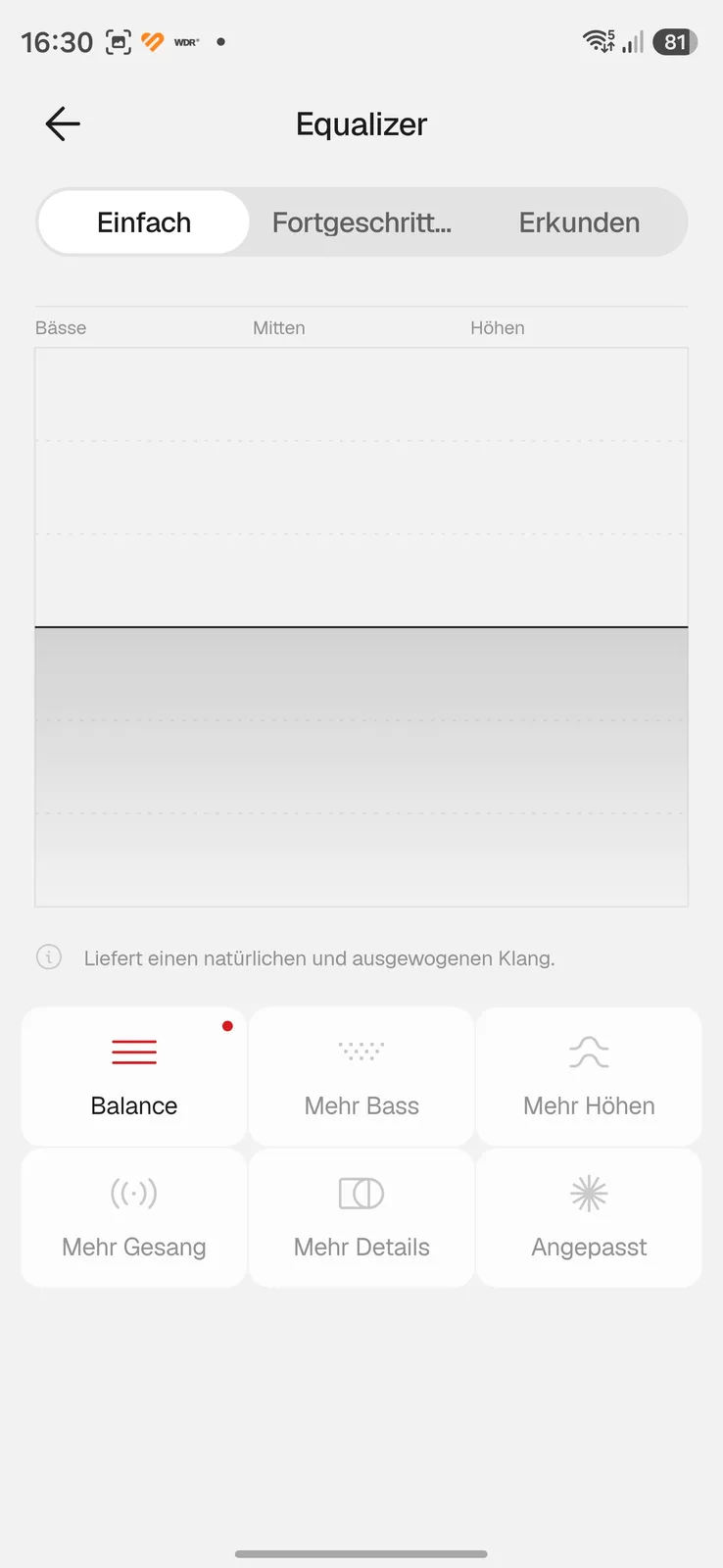
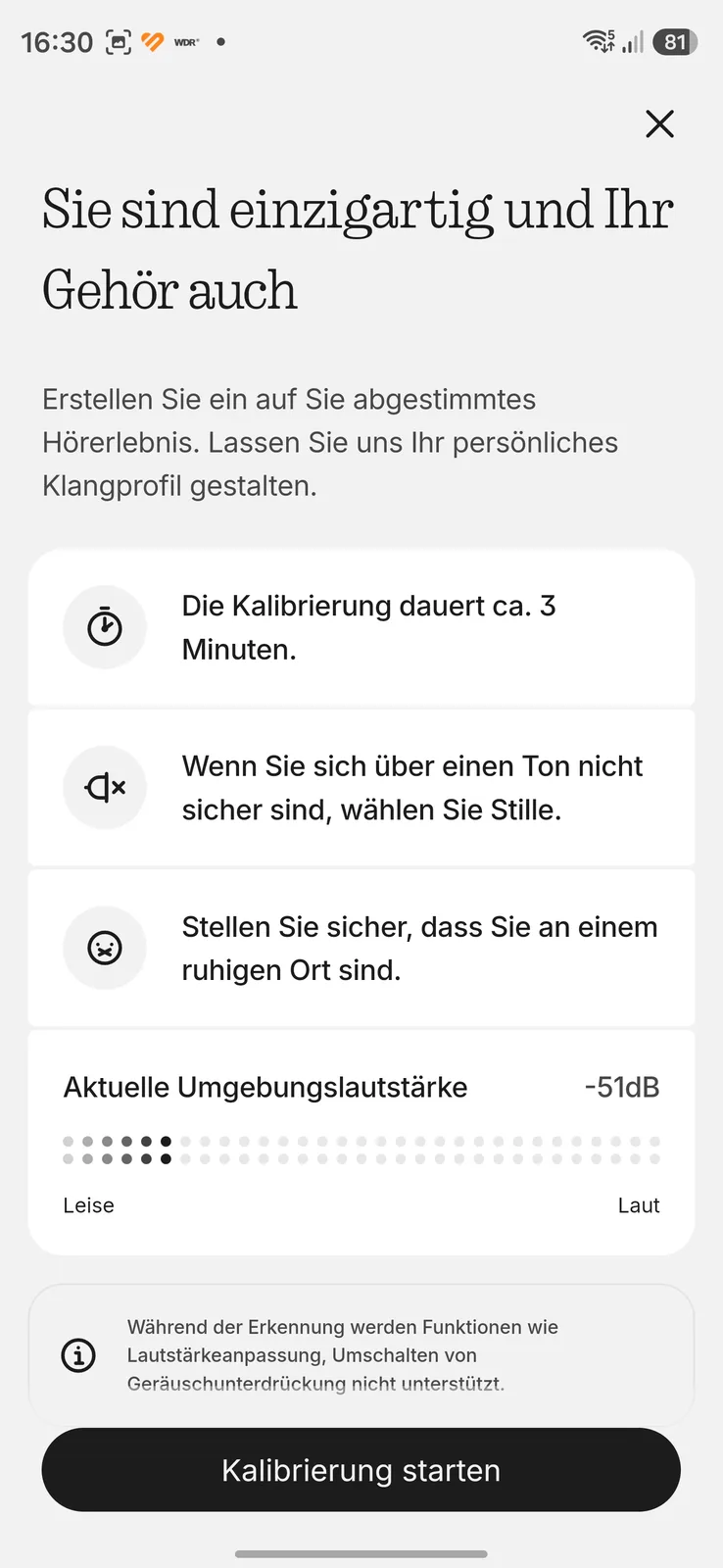
The Nothing X app offers additional customization options. Among other things, you can configure the controls, select sound profiles, and adjust the equalizer settings to your liking. The multipoint feature must also be enabled via the app first.
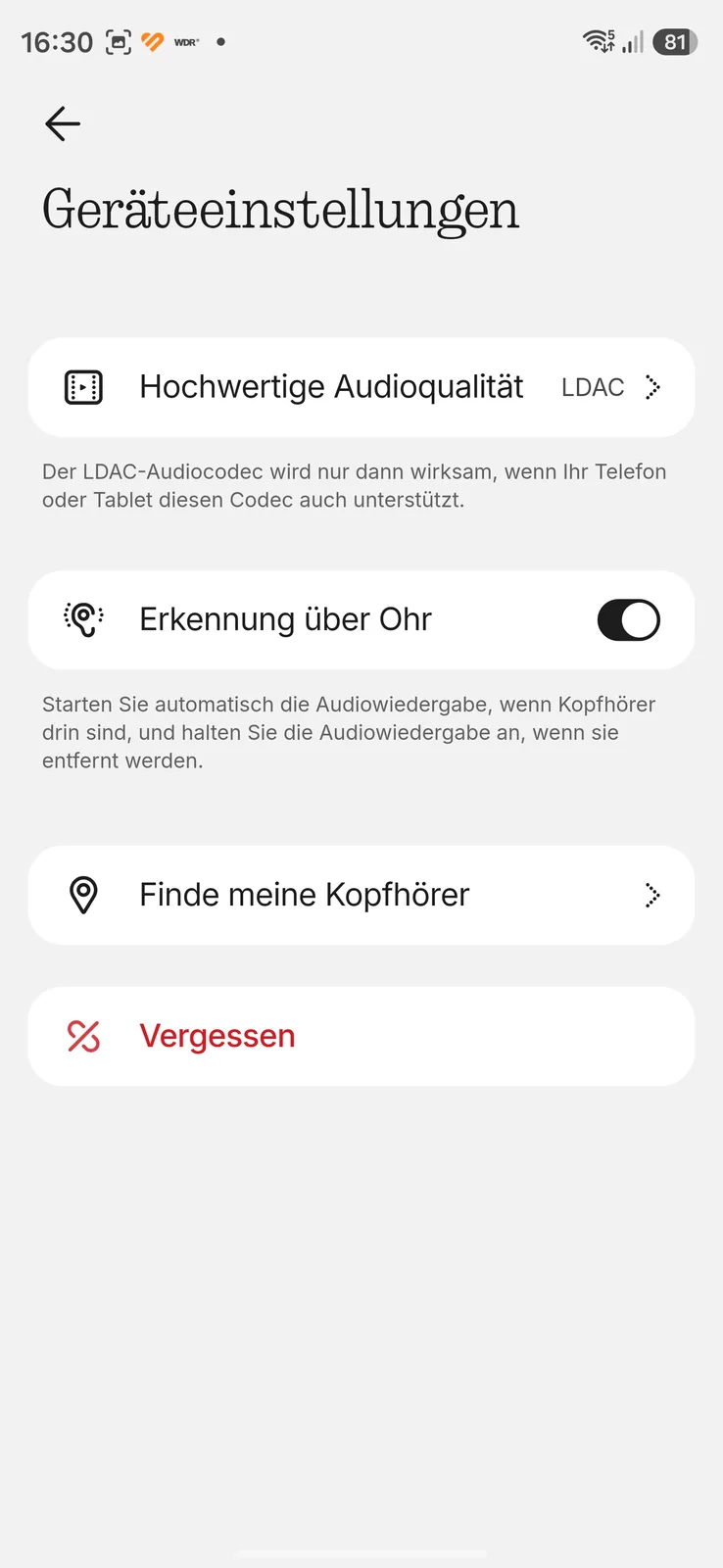
In addition to wireless playback, the Headphone (1) Pro supports audio via USB-C at up to 24-bit and 192 kHz, as well as via the analog 3.5-mm jack. In practical testing, however, passive playback via the 3.5-mm jack did not work when the headphones were turned off. This suggests that wired operation also depends on the internal electronics and a sufficient battery charge.
Sound - Impressive sound with versatile tuning
The Nothing Headphone (1) Pro impresses with its lively, detailed sound, powerful bass, and well-balanced overall tuning. However, the sound profiles differ considerably: Our measurements reveal a more pronounced emphasis on the presence region between 2 and 4 kHz in Standard mode, while Flat mode delivers more sub-bass. The level differences reach approximately 8.7 dB at 3.15 kHz and 9.3 dB at 100 Hz. Total harmonic distortion (THD) is also pleasingly low, measuring just 0.035 percent at 1 kHz. The THD+N figure of 2.22 percent additionally includes noise components and should therefore be interpreted accordingly.
Spatial Audio expands the soundstage, and head tracking works reliably. However, the bass can occasionally sound overemphasized in this mode, making conventional stereo playback seem more balanced at times.
The Nothing Headphone (1) Pro's active noise cancellation performs very effectively in everyday use. Unwanted ambient noise is significantly reduced, allowing users to enjoy music comfortably even in louder environments. While the noise cancellation does not quite match the performance of the best ANC headphones on the market in our subjective assessment, Nothing still delivers a convincing overall performance.
One particularly pleasant surprise is the transparency mode. Ambient sounds are reproduced with exceptional clarity and naturalness, without making the surroundings sound noticeably artificial or excessively electronically amplified. Voices remain easy to understand, and the perception of the surrounding environment feels remarkably authentic. This makes the transparency mode one of the headphones' most impressive features.
The Headphone (1) Pro also performs well when it comes to phone calls. During our real-world testing, conversations were clear and easy to understand, with no issues conducting calls.
| Loudspeakers | |
| THD | |
| Fairbuds XL (RMS: -0.4 dBFS) | |
| Nothing Headphone (1) Pro (RMS: -1.5 dBFS) | |
| Teufel Real Blue TWS 3 (RMS: -0.9 dBFS) | |
| THD+N | |
| Nothing Headphone (1) Pro (RMS: -1.5 dBFS) | |
| Fairbuds XL (RMS: -0.4 dBFS) | |
| Teufel Real Blue TWS 3 (RMS: -0.9 dBFS) | |
* ... smaller is better
THD (Total Harmonic Distortion): Harmonic distortion quantifies the magnitude of the components that arise from non-linear distortion (harmonic content) in relation to the original signal. THD refers only to the fundamental harmonic content. The distortion factor is often mentioned in the same breath, but refers to the overall signal.
THD+N (Total Harmonic Distortion + Noise): This value is comparable to THD, but in addition to the interference from harmonics, the interference from noise is also recorded as an effective value.
For the measurement, a low-harmonic sine wave signal (1 kHz, > 0 dB) is played through the headphones to be tested and recorded by a linear measuring microphone (measuring distance: approx. 1 cm) in an artificial head.
Both values are given as a percentage. The lower the value, the better the signal fidelity.
Nothing Headphone (1) Pro audio analysis
(+) | speakers can play relatively loud (94.5 dB)
Bass 100 - 315 Hz
(±) | reduced bass - on average 6.3% lower than median
(+) | bass is linear (5% delta to prev. frequency)
Mids 400 - 2000 Hz
(+) | balanced mids - only 1.5% away from median
(+) | mids are linear (2.1% delta to prev. frequency)
Highs 2 - 16 kHz
(+) | balanced highs - only 4.8% away from median
(+) | highs are linear (4.1% delta to prev. frequency)
Overall 100 - 16.000 Hz
(+) | overall sound is linear (8.8% difference to median)
Compared to same class
» 3% of all tested devices in this class were better, 1% similar, 96% worse
» The best had a delta of 4%, average was 23%, worst was 136%
Compared to all devices tested
» 3% of all tested devices were better, 1% similar, 96% worse
» The best had a delta of 4%, average was 23%, worst was 136%
Fairbuds XL audio analysis
(+) | speakers can play relatively loud (85.4 dB)
Bass 100 - 315 Hz
(+) | good bass - only 3.2% away from median
(+) | bass is linear (4.9% delta to prev. frequency)
Mids 400 - 2000 Hz
(±) | higher mids - on average 7% higher than median
(+) | mids are linear (4.3% delta to prev. frequency)
Highs 2 - 16 kHz
(+) | balanced highs - only 4.3% away from median
(+) | highs are linear (4.4% delta to prev. frequency)
Overall 100 - 16.000 Hz
(+) | overall sound is linear (10.4% difference to median)
Compared to same class
» 5% of all tested devices in this class were better, 1% similar, 93% worse
» The best had a delta of 4%, average was 23%, worst was 136%
Compared to all devices tested
» 5% of all tested devices were better, 1% similar, 93% worse
» The best had a delta of 4%, average was 23%, worst was 136%
Battery life - Up to 68 hours of music playback
With up to 68 hours of music playback without ANC and 30 hours with active noise cancellation enabled, Nothing promises impressive battery life. These figures apply when using the AAC codec. With LDAC, the manufacturer's stated battery life drops to 53 and 28 hours, respectively. Actual battery life therefore depends heavily on how the headphones are used.
The 1,060 mAh battery is said to fully recharge via USB-C in approximately two hours. Thanks to fast charging, Nothing claims that just five minutes of charging provides up to four hours of playback without ANC or two hours with ANC enabled.
Transparency
The selection of devices to be reviewed is made by our editorial team. The test sample was given to the author by the manufacturer free of charge for the purposes of review. There was no third-party influence on this review, nor did the manufacturer receive a copy of this review before publication. There was no obligation to publish this review. As an independent media company, Notebookcheck is not subjected to the authority of manufacturers, retailers or publishers.
This is how Notebookcheck is testing
Every year, Notebookcheck independently reviews hundreds of laptops and smartphones using standardized procedures to ensure that all results are comparable. We have continuously developed our test methods for around 20 years and set industry standards in the process. In our test labs, high-quality measuring equipment is utilized by experienced technicians and editors. These tests involve a multi-stage validation process. Our complex rating system is based on hundreds of well-founded measurements and benchmarks, which maintains objectivity. Further information on our test methods can be found here.
No comments for this article
 Add as a preferred source on Google


