




HP OmniBook 3 AI 16-bz0000wu - Reviews and Specs
Pros
Cons
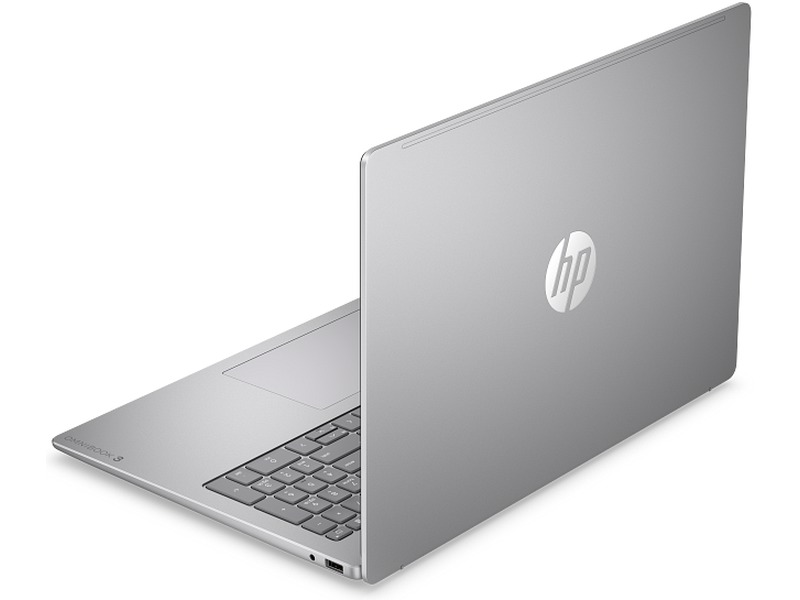
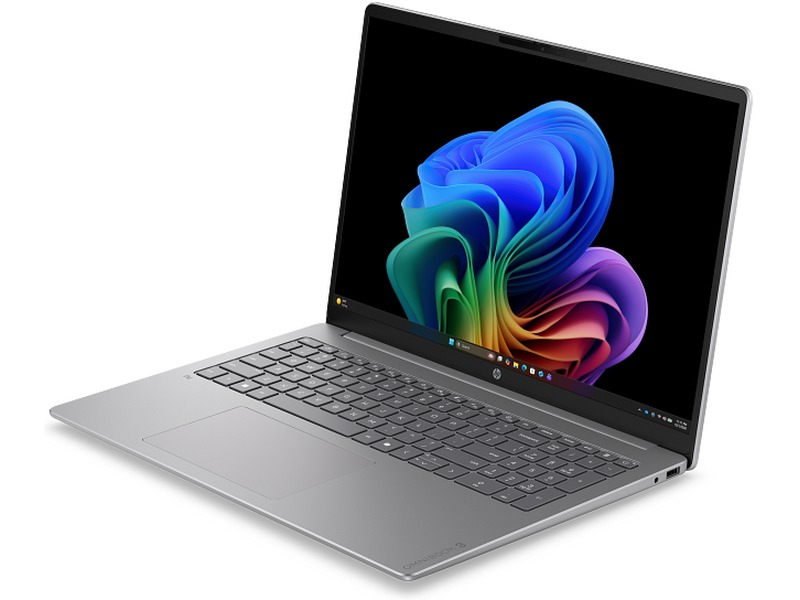
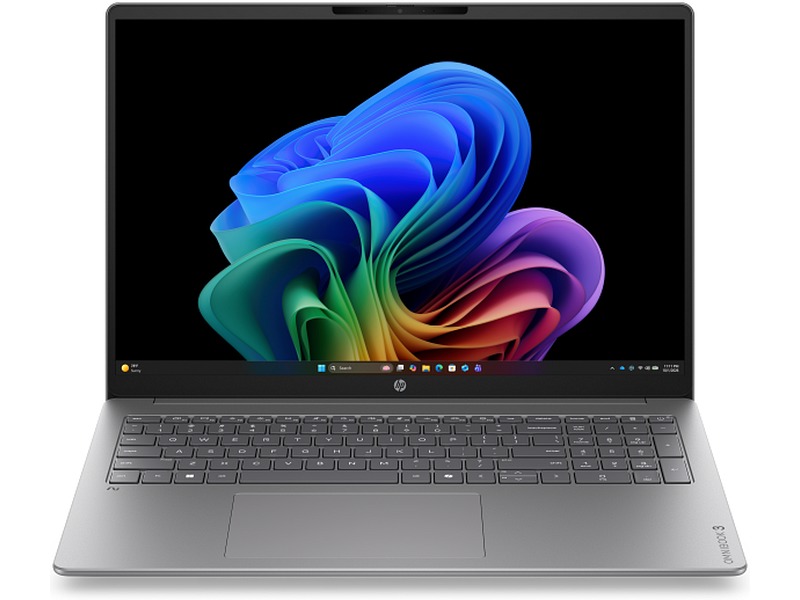
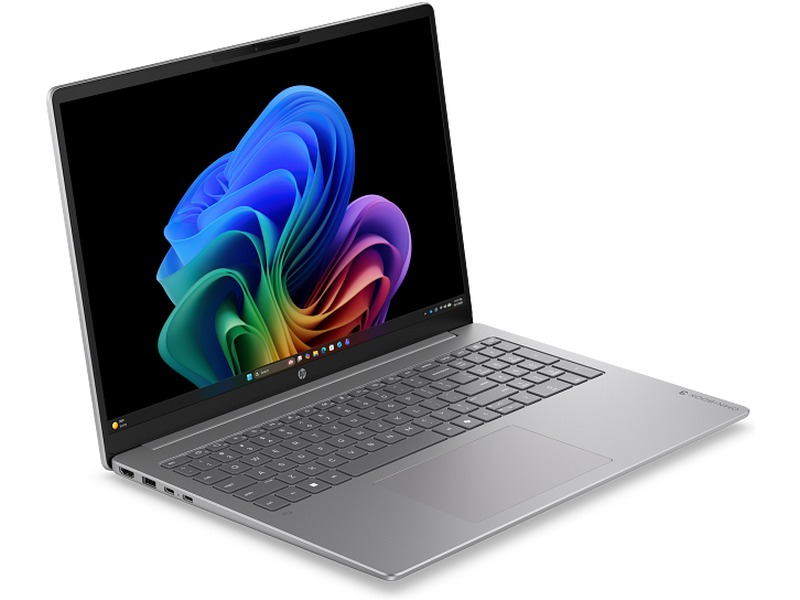
The HP OmniBook 3 AI 16-bz0000wu is a 16-inch Windows 11 laptop designed primarily for productivity and everyday work. It combines an eight-core Qualcomm Snapdragon X processor with 16 GB of memory and integrated Adreno X1-45 graphics. Its 1920 x 1200 matte IPS display provides a spacious 16:10 workspace, while the 68 Wh battery delivers standout endurance. Reviews commend its multicore performance, portability, and value when purchased at a discount. However, limited graphics performance makes it unsuitable for modern gaming, color-critical work, and demanding creative applications. With an average review score of about 74 percent, it is a capable budget workhorse whose appeal depends heavily on pricing.
Specifications
Price comparison
Average of 8 scores (from 8 reviews)
Reviews for the HP OmniBook 3 AI 16-bz0000wu
Source: CNet

I recommend the Omnibook 3 16 for anyone wanting a big-screen productivity laptop who’d like the luxury of not needing to charge it for days at a time. I’d wait for HP’s rotating discounts before buying because oftentimes HP’s sales pricing can save you hundreds.
Single Review, online available, Very Short, Date: 07/27/2026
Rating: Total score: 80%
Source: How to Geek
I think that the HP OmniBook 3 is a fantastic computer, especially for the price. With pricing starting at $530, and the only two things really affecting the price being the RAM and storage, this laptop definitely is a solid contender in its range. Really, if you just need a good all-around laptop that can handle your day-to-day tasks, and even some more medium-weight tasks, then the OmniBook 3 is a great choice.
Single Review, online available, Medium, Date: 07/15/2026
Rating: Total score: 90%
Source: CNet
I recommend the Omnibook 3 16 for anyone wanting a big-screen productivity laptop who'd like the luxury of not needing to charge it for days at a time. I'd wait for HP's rotating discounts before buying because oftentimes HP's sales pricing can save you hundreds. Because if it's only $50 less than the OmniBook 5 16, then it makes sense to spend the extra for the OLED and added storage.
Single Review, online available, Very Short, Date: 07/08/2026
Rating: Total score: 80%
Source: 91mobiles
The HP OmniBook 13 delivers a fair bit for its asking price. It’s not meant for gamers or tasks which involve graphics or colour grading etc, but it shines as a workhorse that can be ridden hard without any slowdowns. The Apple MacBook Neo emerges as a strong rival in this price range, though its recent price hike doesn’t help its cause. Still, it makes for a worthy purchase if you’re in the Apple ecosystem.
Single Review, online available, Short, Date: 07/03/2026
Rating: Total score: 77% performance: 77% display: 73% mobility: 87% workmanship: 77%
Source: Windows Central
HP's OmniBook lineup includes a wide range of laptops targeting a wide range of users, and the OmniBook 3 16" is one of the most affordable of the bunch. Assuming you aren't maxing it out with RAM and storage, you can get a Snapdragon X chip and a large 16-inch screen for around $500, often less with the right discount.
Single Review, online available, Medium, Date: 07/01/2026
Rating: Total score: 80%
Source: PC World
The HP OmniBook 3 16-inch has two main perks: multi-core CPU performance and battery life. While you can find a similarly priced laptop with better CPU performance if you opt for a thicker, heavier machine, the OmniBook 3 performs well for its category. These perks are diminished by the OmniBook 3 16-inch’s integrated GPU performance, which isn’t great for the price, and several other disappointments that are individually minor but add up. These include the lack of Thunderbolt 4 or USB-C 4, the lack of Wi-Fi 7, a dim OLED display, and weak speakers. Pricing isn’t in HP’s favor, either. While I didn’t get to test it, I suspect the entry-level configuration would have scored better, as disappointments like a lack of high-speed wired connectivity and weak speakers are easier to overlook at $520 than at $1,140.
Single Review, online available, Medium, Date: 06/08/2026
Rating: Total score: 60%
Source: CNet
I recommend the Omnibook 3 16 for anyone wanting a big-screen productivity laptop who'd like the luxury of not needing to charge it for days at a time. I'd wait for HP's rotating discounts before buying because oftentimes HP's sales pricing can save you hundreds. Because if it's only $50 less than the OmniBook 5 16, then it makes sense to spend the extra for the OLED and added storage. And if you can't find a good deal on an OmniBook and are determined to spend less than $1,000 on a basic, 16-inch laptop, then the Acer Aspire 16 AI is a great alternative at $700.
Single Review, online available, Short, Date: 05/31/2026
Rating: Total score: 80%
Foreign Reviews
Source: Computerbild
 DE→EN
DE→ENSingle Review, online available, Short, Date: 09/12/2026
Rating: Total score: 87%
Comment
Qualcomm Adreno X1-45 1.7 TFLOPS: An integrated graphics adapter that the Snapdragon X Plus 8-core X1P-42-100 SoC features. Compared to the faster 3.8 TFLOPS and 4.6 TFLOPS X1-85 iGPUs, this one does not just run at lower clock speeds but also has fewer unified shaders at its disposal, with 768 being the most likely number. The underlying architecture is reportedly not much different from what was used in the Adreno 730. As for its gaming performance, it's only just sufficient for pre-2020 games at resolutions such as HD 720p on low graphics settings.
Modern games should be playable with these graphics cards at low settings and resolutions. Casual gamers may be happy with these cards.
» Further information can be found in our Comparison of Mobile Graphics Cards and the corresponding Benchmark List.
SD X1-26-100: An affordable ARM architecture processor (SoC) for use in Windows laptops. The 8-core Snapdragon X chip features 8 Oryon CPU cores running at up to 2.98 GHz, along with the 1.7 TFLOPS X1-45 Adreno iGPU and the 45 TOPS Hexagon NPU. The super-fast LPDDR5x-8448 memory controller known to us from other Snapdragon X chips, USB 4.0 support, TB 4 support and PCIe 4 support are all onboard as well.» Further information can be found in our Comparison of Mobile Processsors.
Similar devices with the Same Specs
Devices with the same GPU
Devices with Same Screen Size and/or Weight
Devices from the same Manufacturer
 Add as a preferred source on Google


