




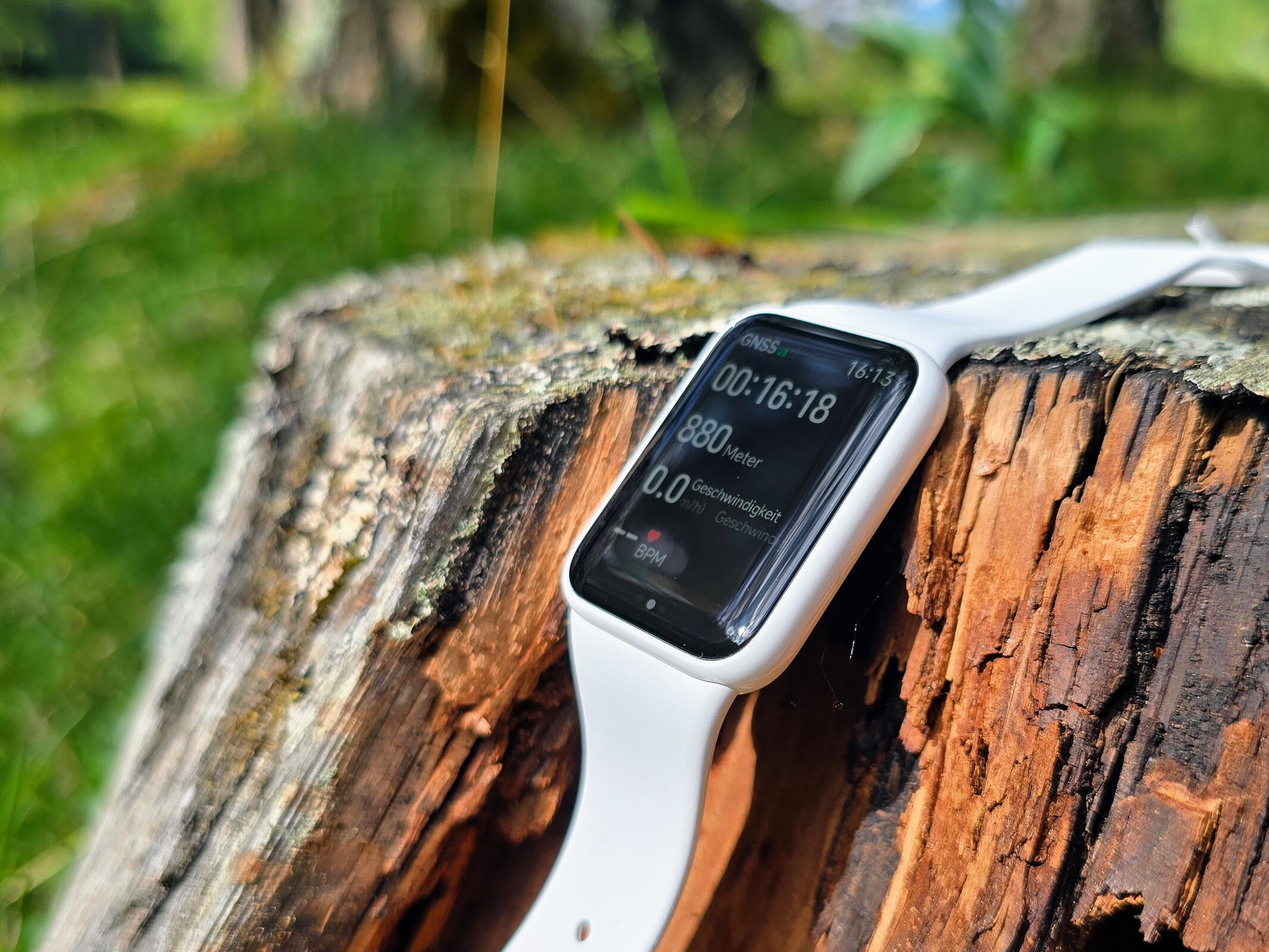
Conclusion - Xiaomi offers great fitness tracker
With the Smart Band 10 Pro, Xiaomi has put together a very successful overall package. Compared to basic fitness trackers, the Smart Band 10 Pro stands out with a large and very bright display, built-in GNSS, and NFC.
Our test shows that the built-in sensors work with exceptional precision and deliver reliable measurements. Especially in this price range, Xiaomi really stands out. The materials and build quality are also impressive.
For a full-fledged smartwatch experience, the main thing missing is the ability to reply to notifications. Not even quick replies are possible with the Smart Band 10 Pro. A speaker and an app store would also be nice additions to the device—though that would certainly change the price.
Xiaomi still needs to work on individual notifications. The band often prompts you to get up right after you’ve already done so just seconds earlier.
Pros
Cons
Price and Availability
Xiaomi offers the 10th-generation Smart Band in various versions. The manufacturer sells it on its own website, but the wearable is also available through major retailers such as Amazon. The MSRP for the Smart Band 10 Pro is 80 euros. The Ceramic Edition costs 100 euros.
The Pro version is available in three colors: black, silver, and pink. The Ceramic Edition is available only in white. If NFC is important to you, be sure to check the selection carefully at your chosen store. Some models are offered with or without NFC, regardless of color.

Table of Contents
- Conclusion - Xiaomi offers great fitness tracker
- Design and Features – Xiaomi Smart Band 10 Pro Without Buttons
- Setup and Operation - Smart Band 10 Pro for iOS and Android
- Health and Fitness - Xiaomi Focuses on the Vitality Score
- Display - Incredible Brightness on the Smart Band 10 Pro
- Performance and Battery Life - The Smart Band 10 Pro runs smoothly
- Comparison of Possible Alternatives
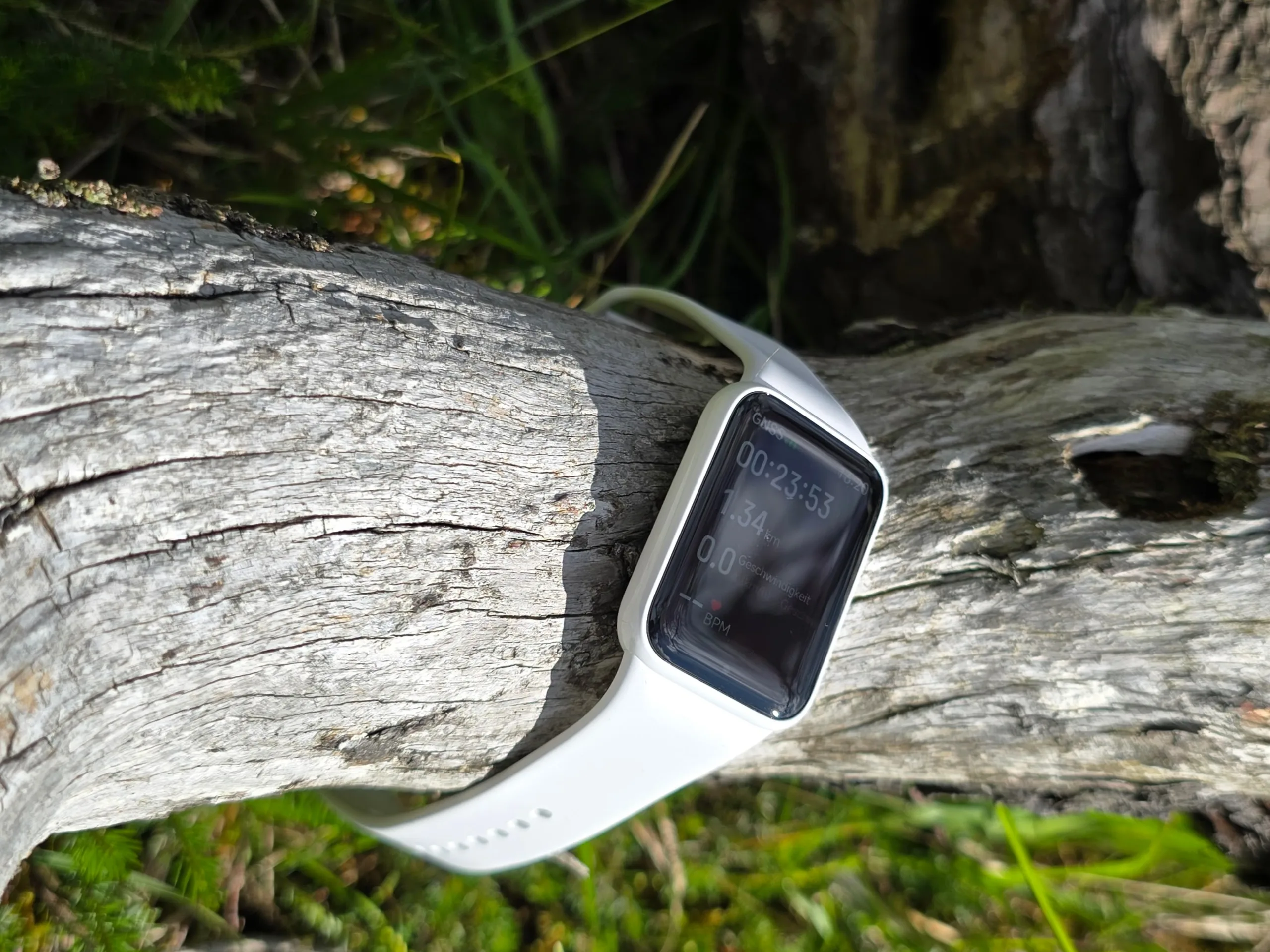
Xiaomi’s Smart Band is already in its 10th generation. The Pro version has been available in Germany since the 7th generation. The Pro version is designed to impress with a larger display and contactless payment functionality thanks to NFC. Xiaomi highlights the thin display bezels, the integrated GNSS, and the maximum brightness of up to 2,000 nits.
With the standard Smart Band 10 Pro, we criticized the sometimes inaccurate sleep tracking.
Design and Features – Xiaomi Smart Band 10 Pro Without Buttons
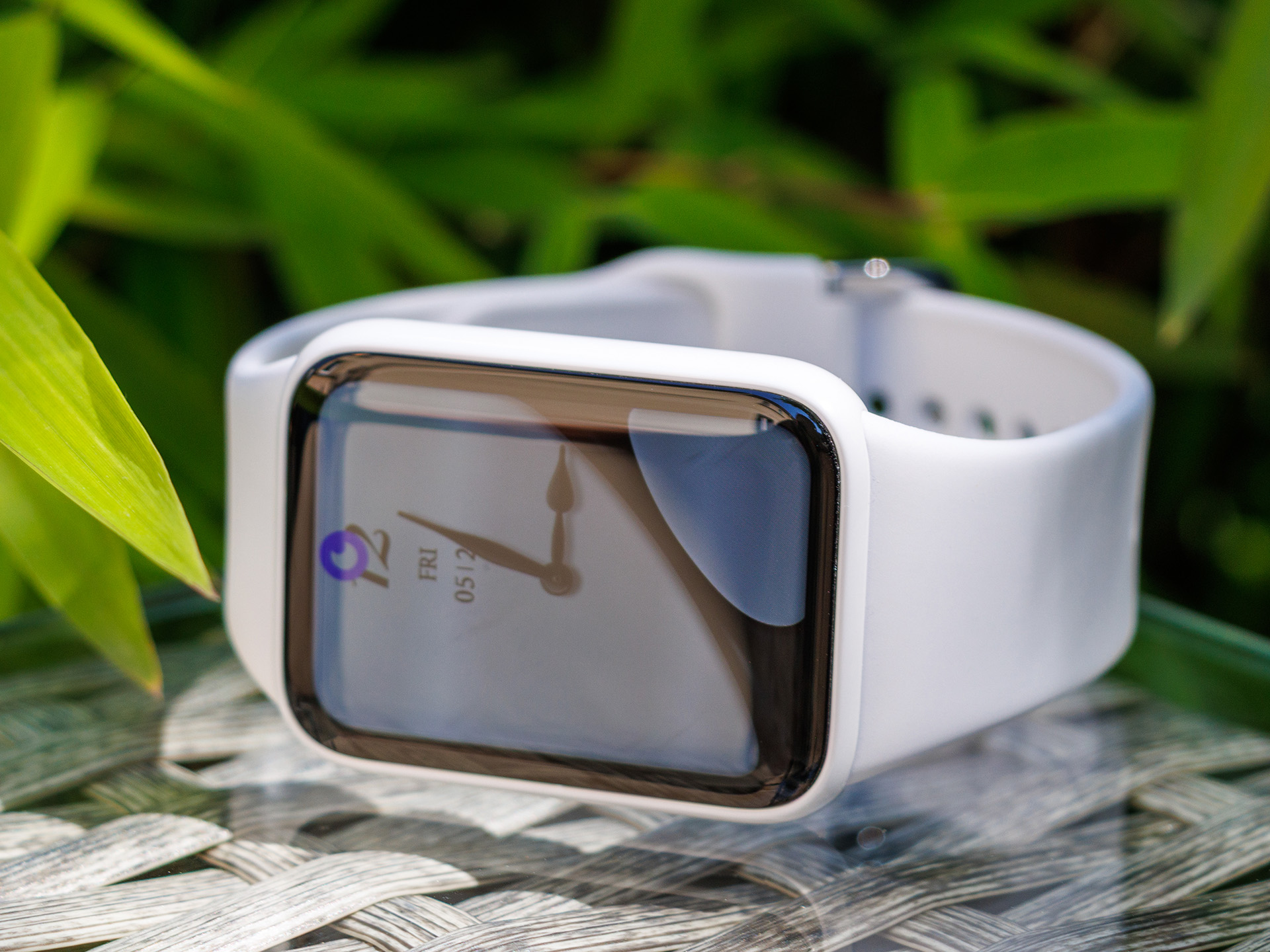
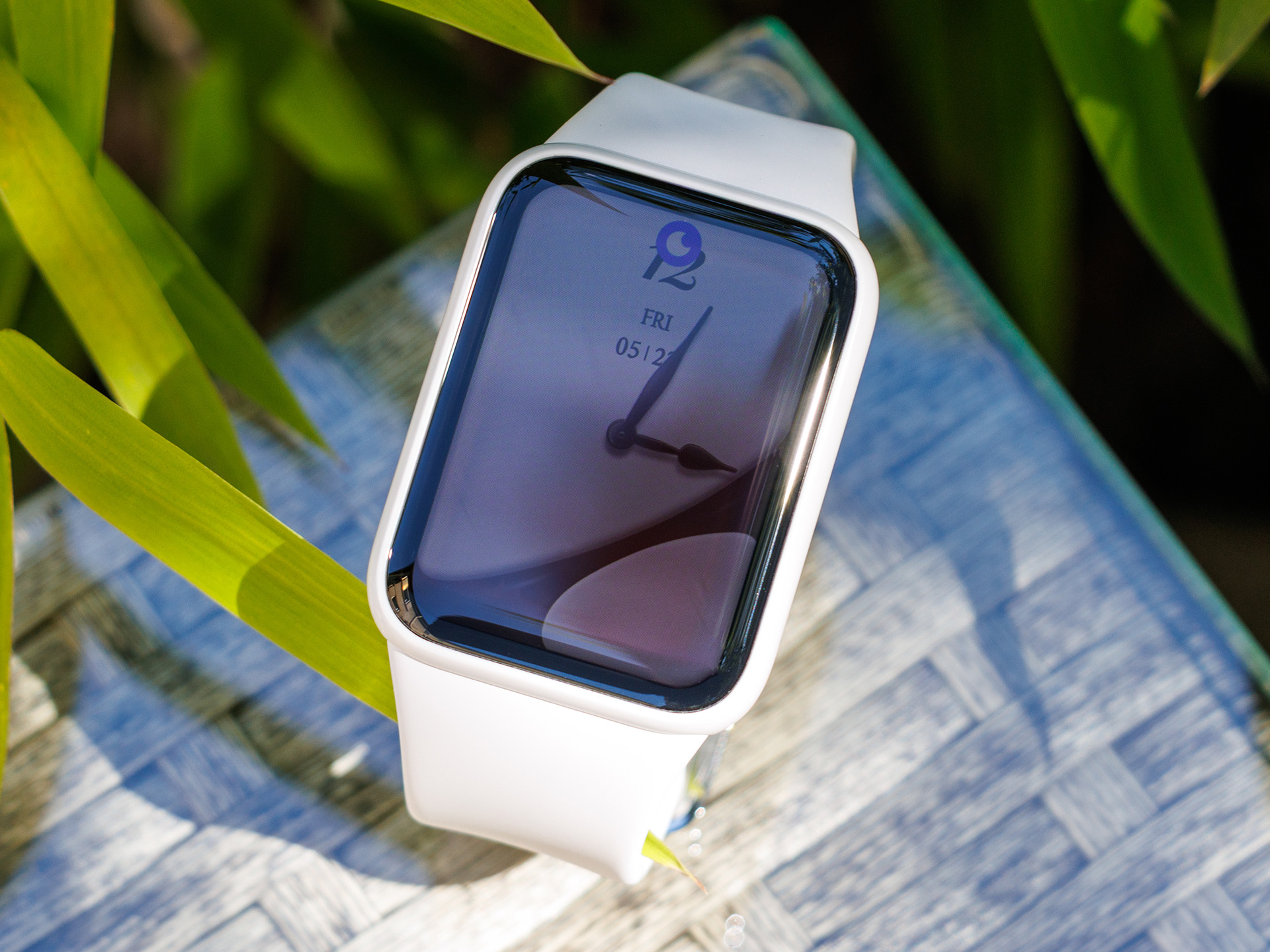
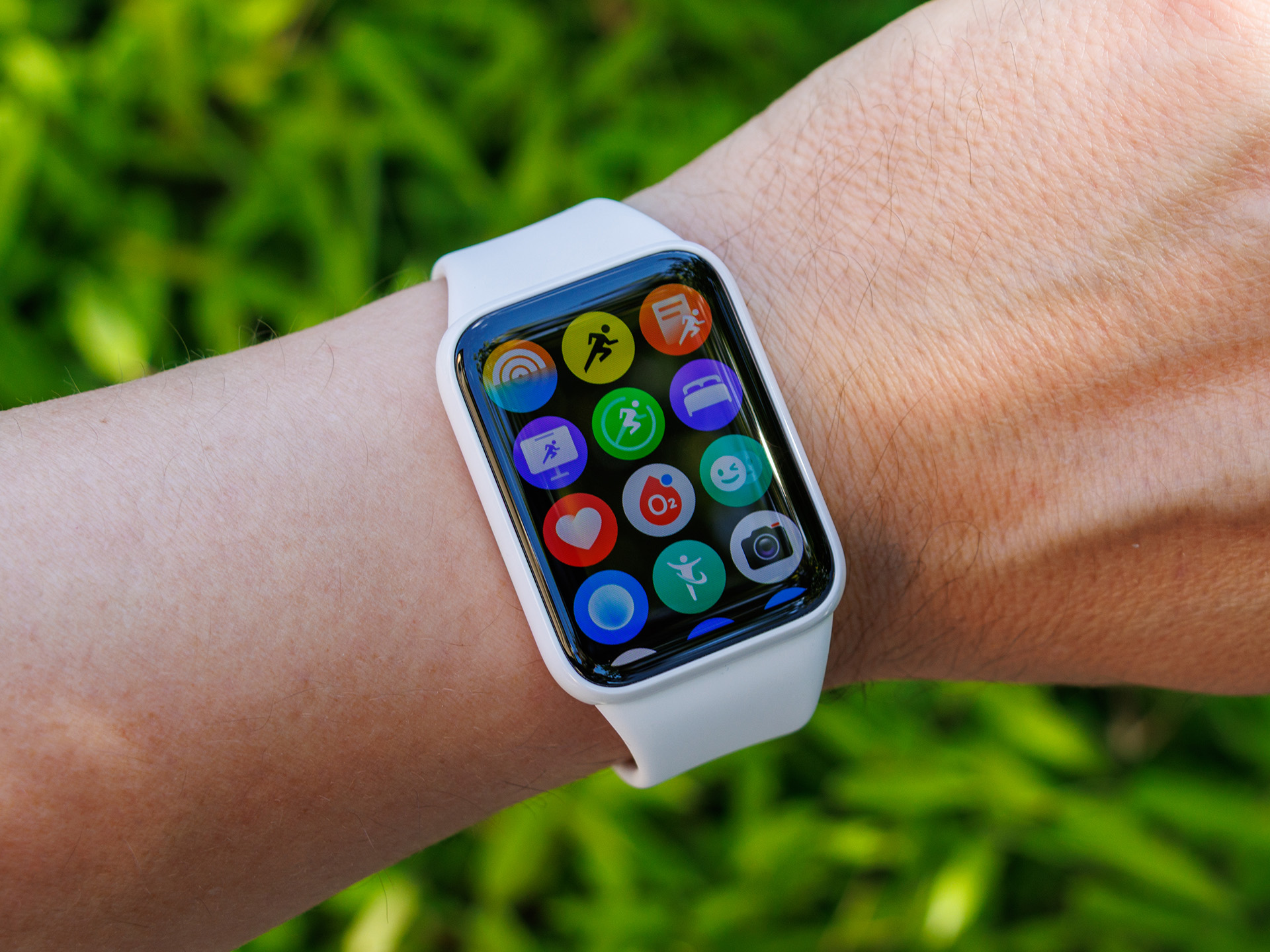
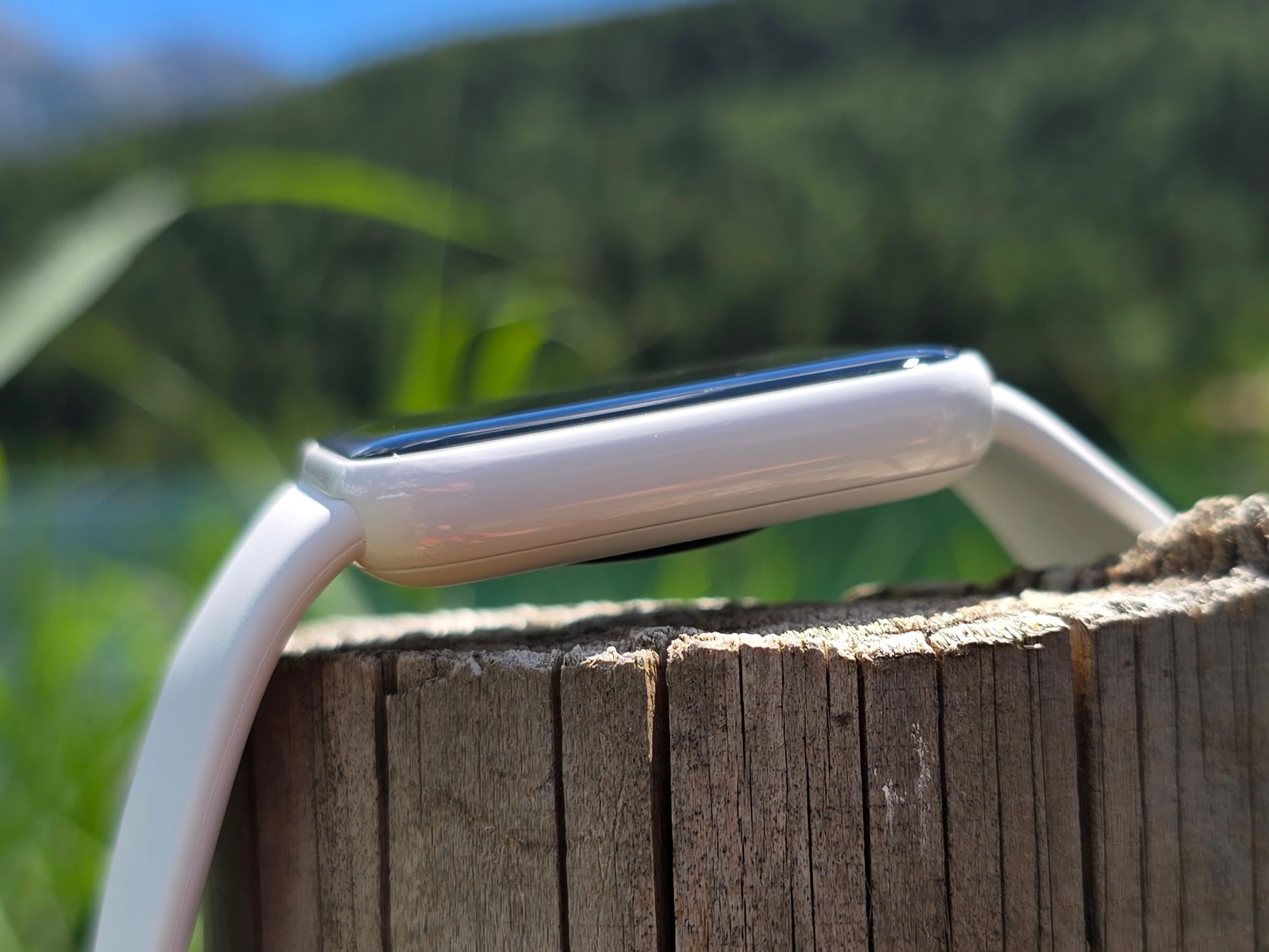
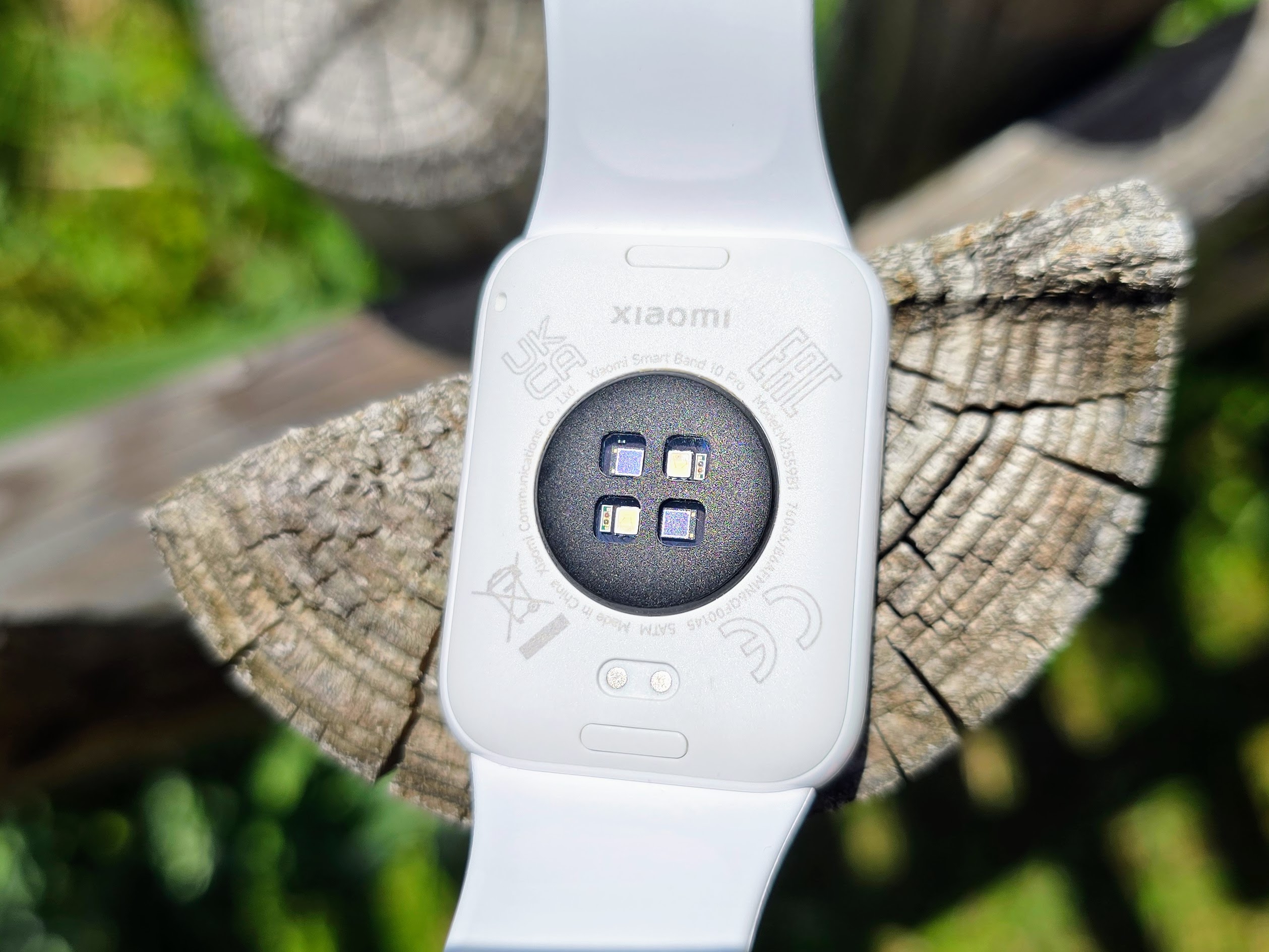
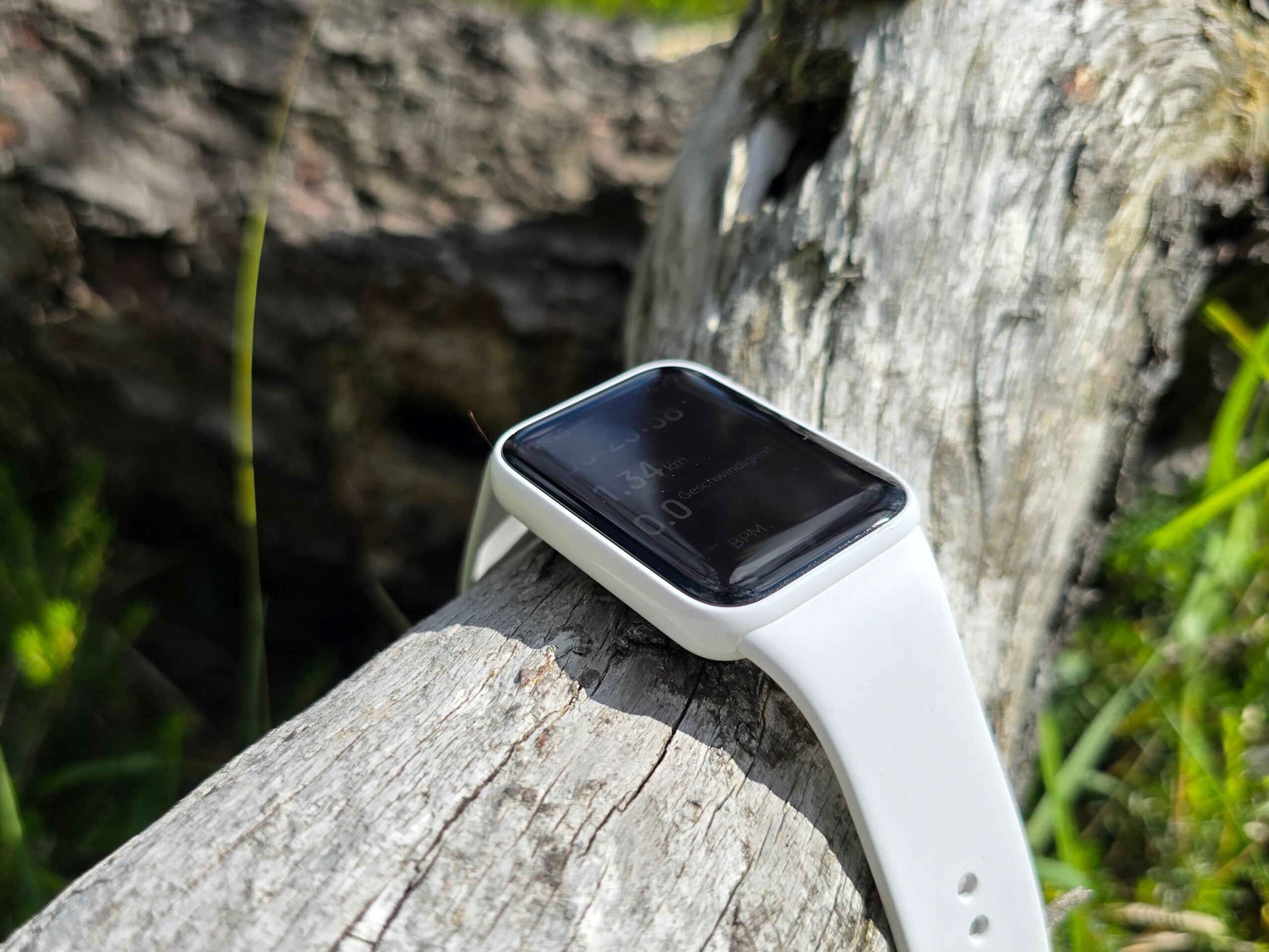
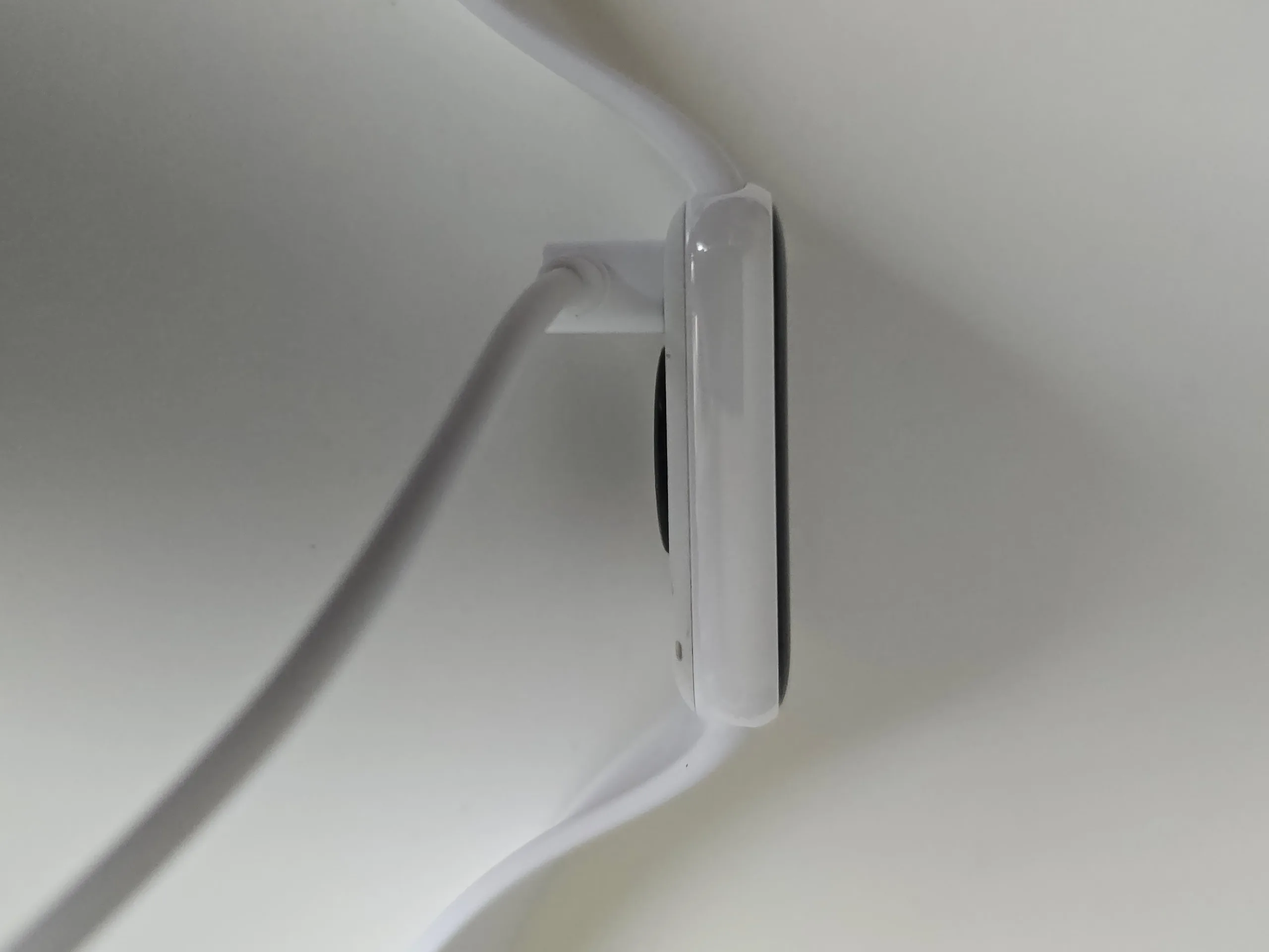
The Xiaomi Smart Band 10’s case is made of aluminum and has no buttons. The Smart Band weighs 52.5 grams with the wristband and 28.7 grams without it. The wristband on the Ceramic Edition is made of fluororubber and is 20 millimeters wide. The bands can be changed without tools using a button on the bottom of the case. The charging connector also attaches magnetically to the bottom.
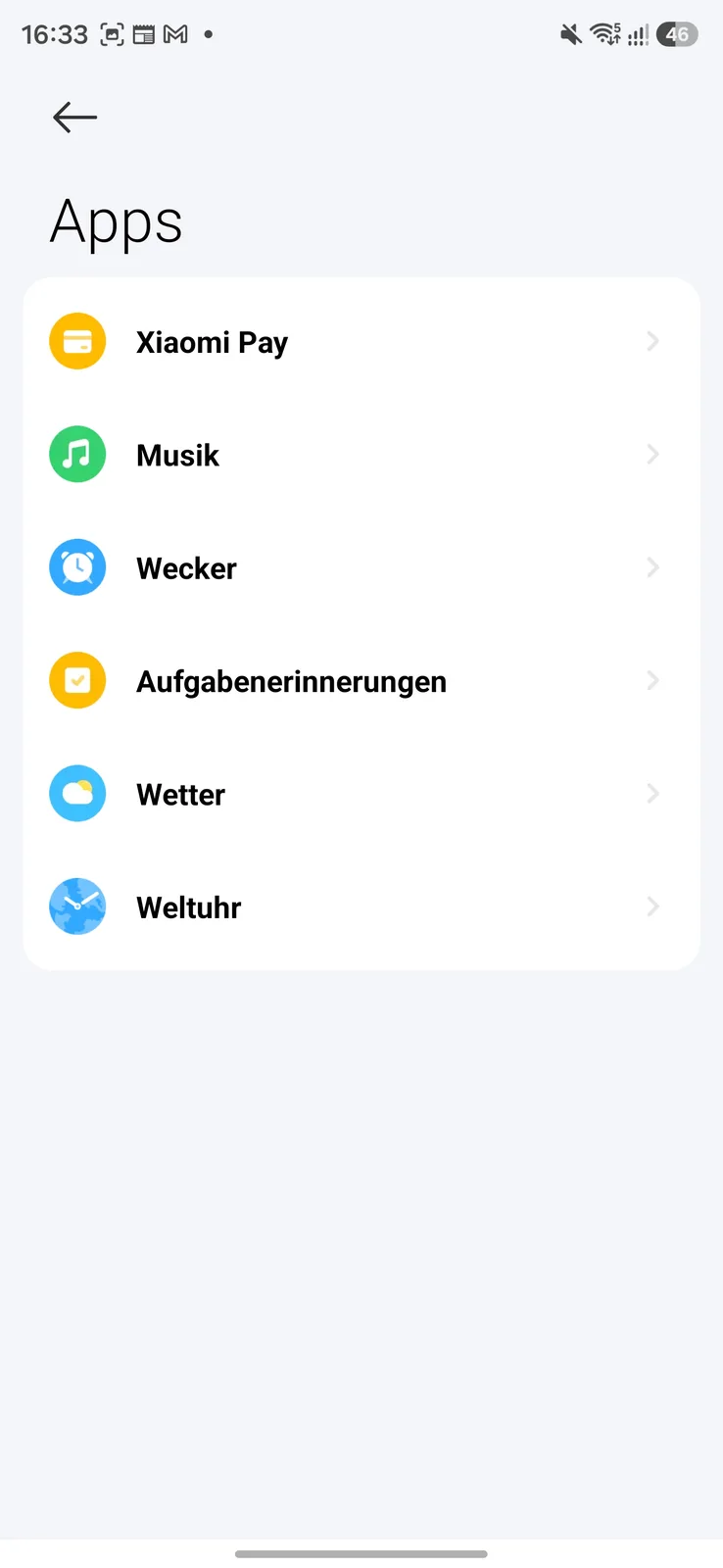
The Smart Band 10 Pro does not feature a speaker, but it does have a built-in microphone. A unique feature for a fitness tracker is the built-in NFC. However, due to the lack of an app store, users must rely on the pre-installed Xiaomi Pay. At the time of testing, only three smaller banks, each offering MasterCard, were available in Germany.
Users of the Smart Band 10 Pro do not have access to an eSIM or a voice assistant. Xiaomi uses ceramic as the top layer of the case. The bottom, on the other hand, is made of plastic, while the top is made of glass.
Sustainability - Xiaomi is stingy with information
Xiaomi does not provide any information on the Smart Band 10 Pro’s carbon footprint. The packaging largely avoids the use of plastic, and the bands are interchangeable, though only via a proprietary connector.
Setup and Operation - Smart Band 10 Pro for iOS and Android
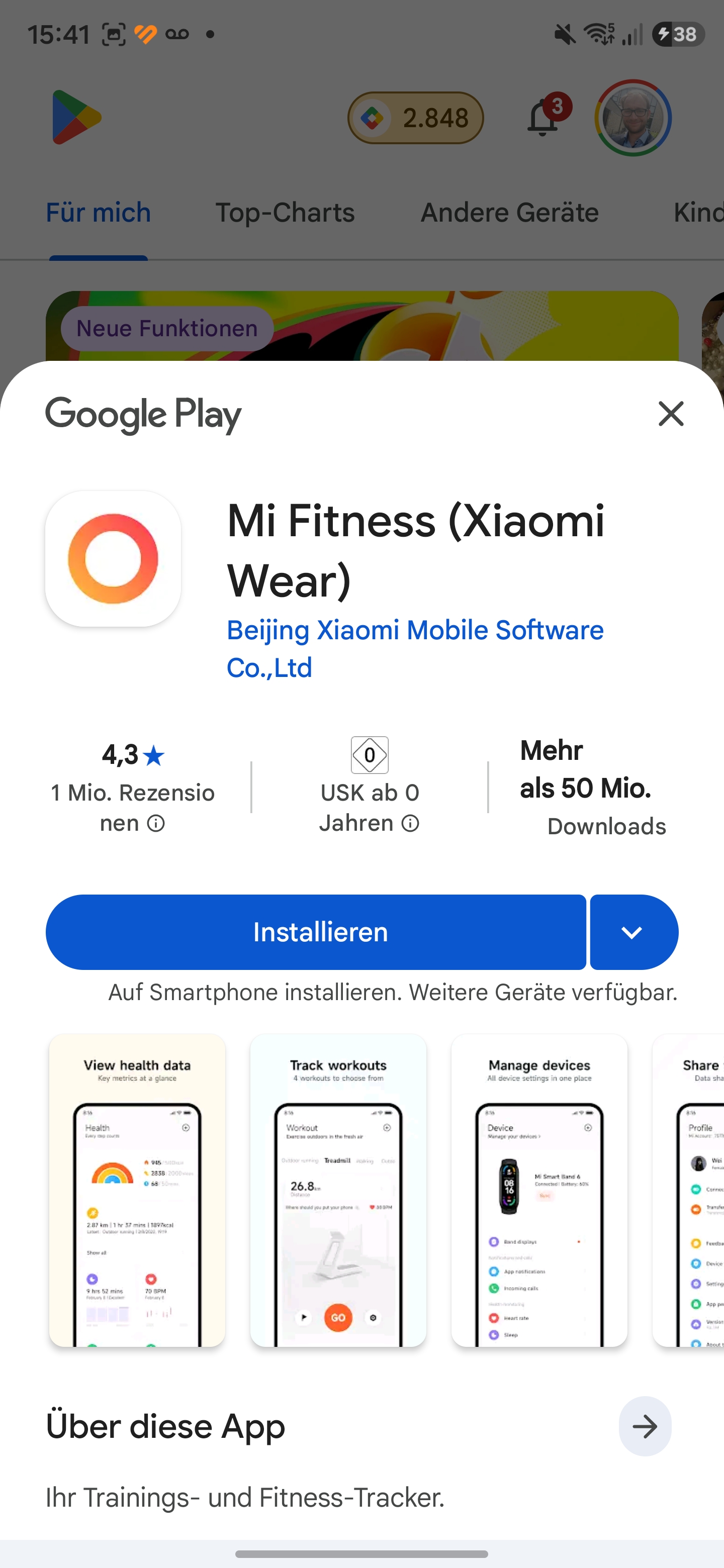
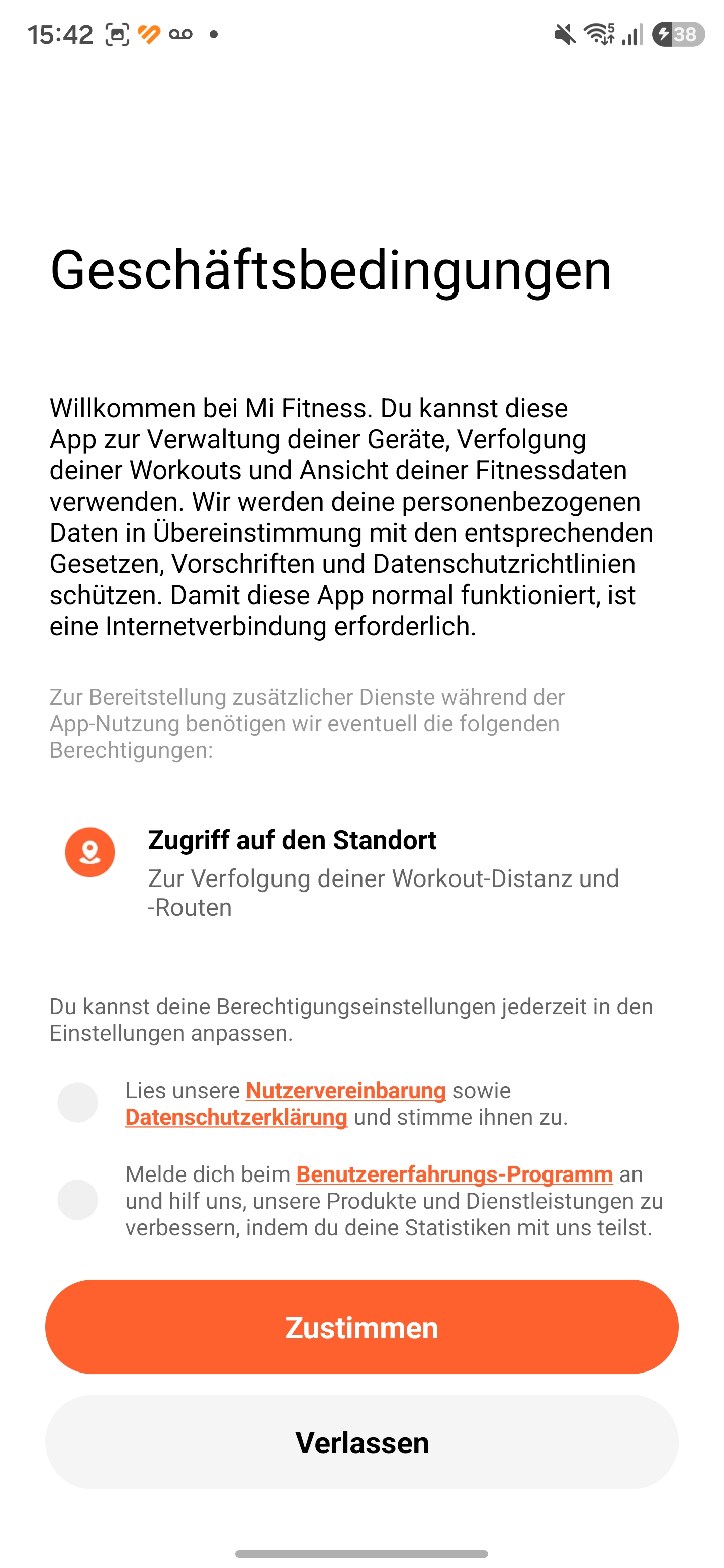
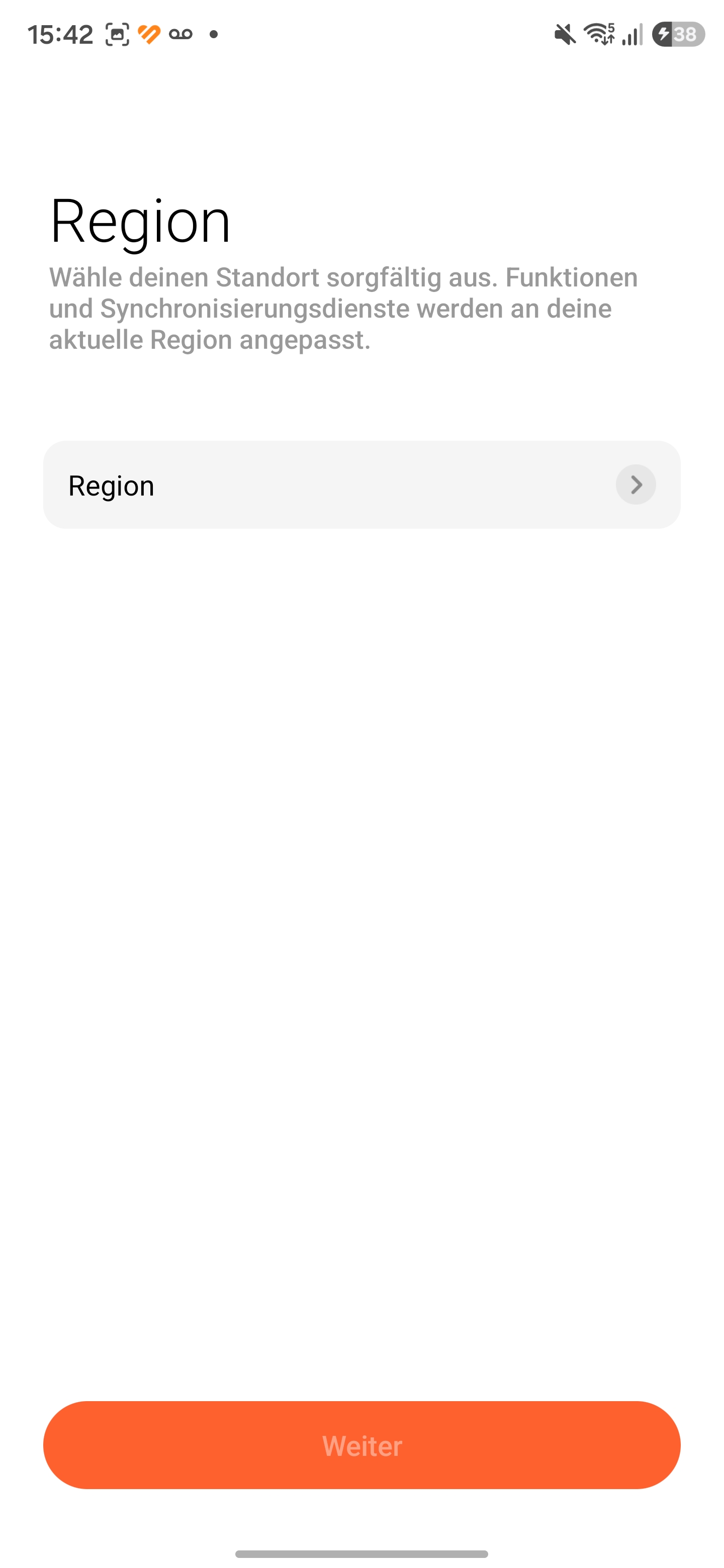
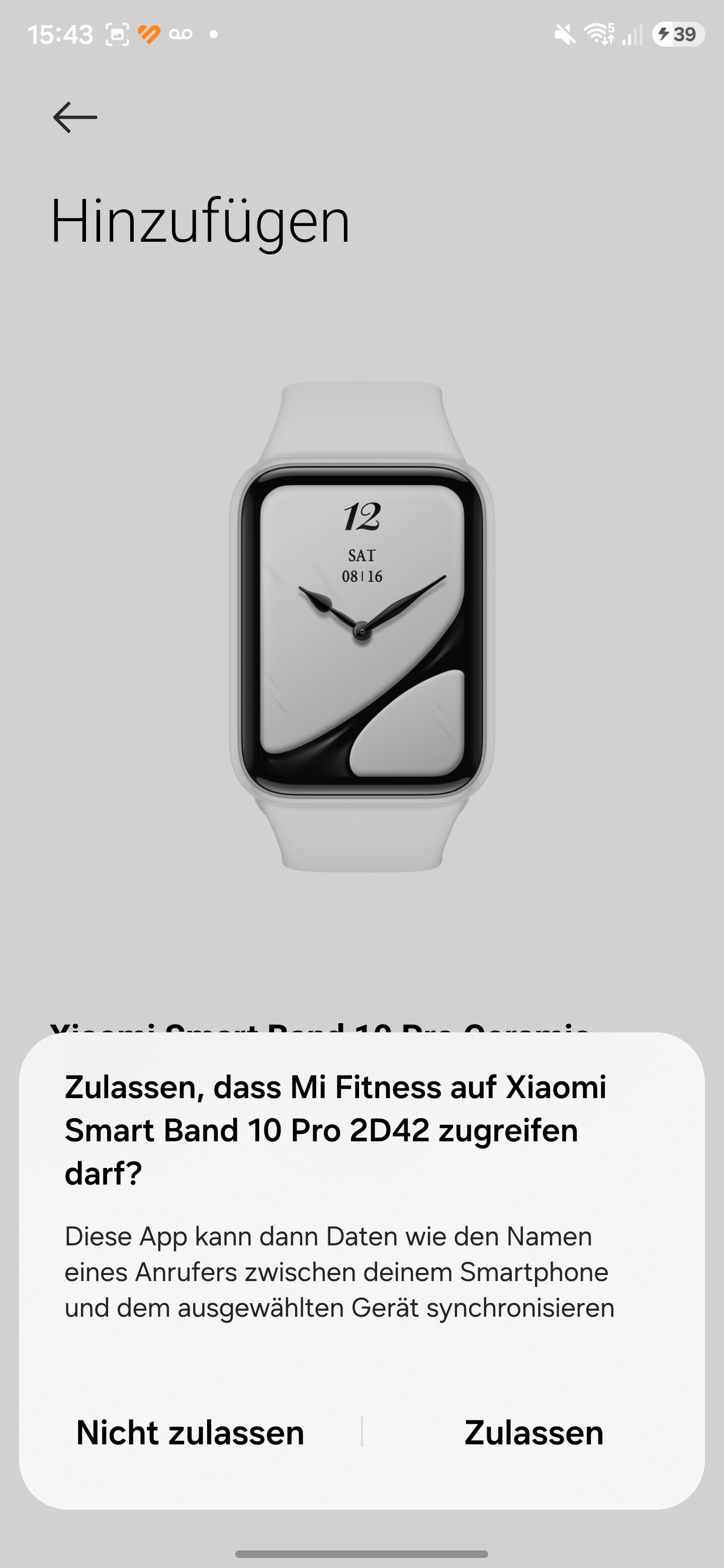
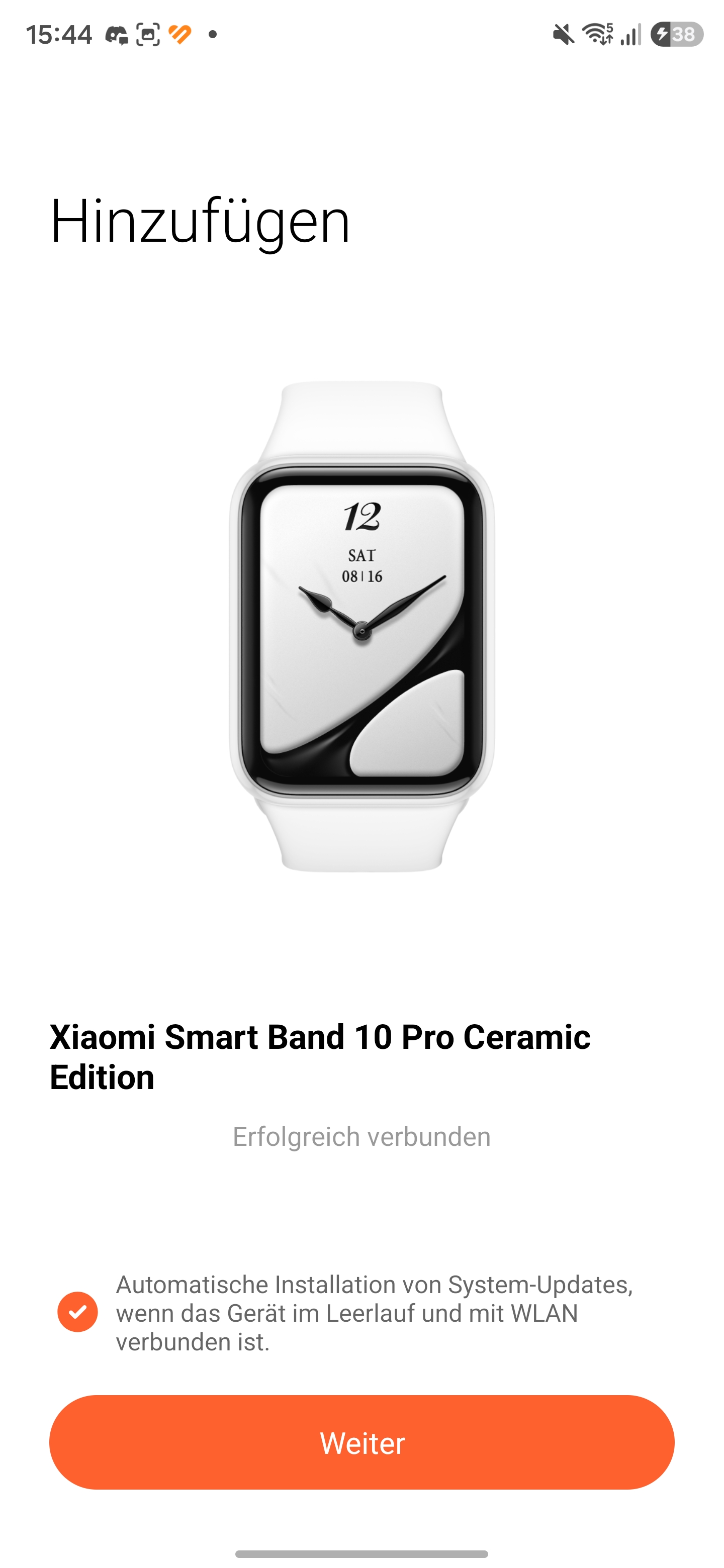
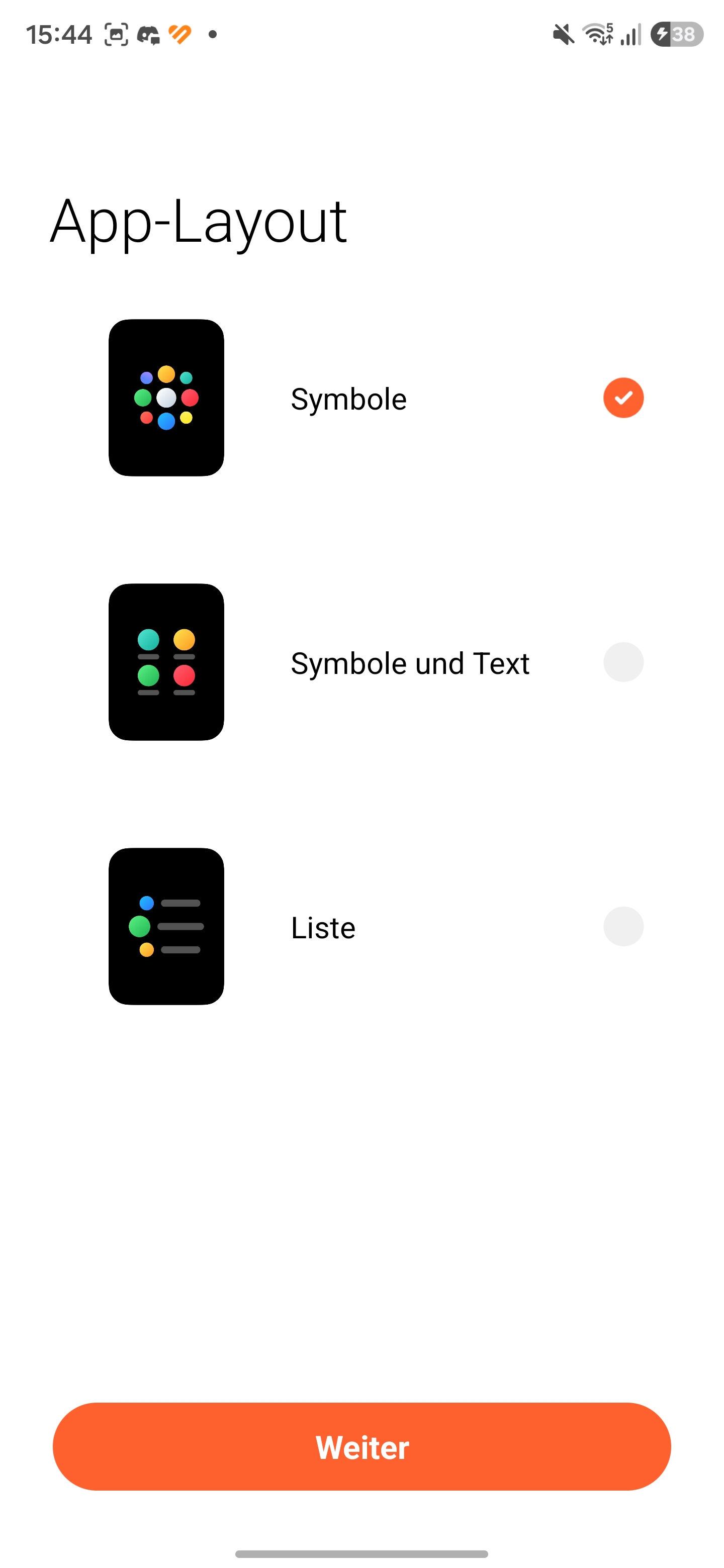
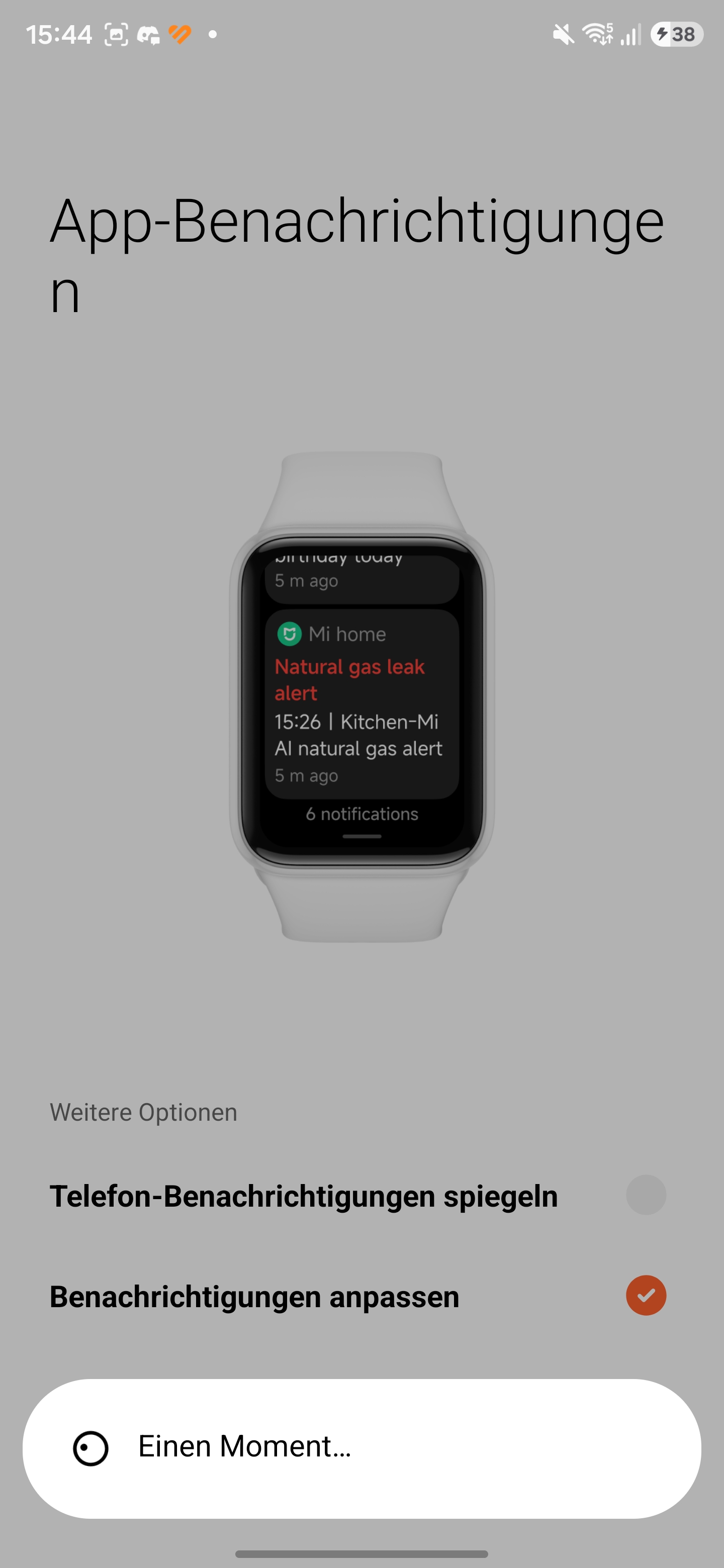
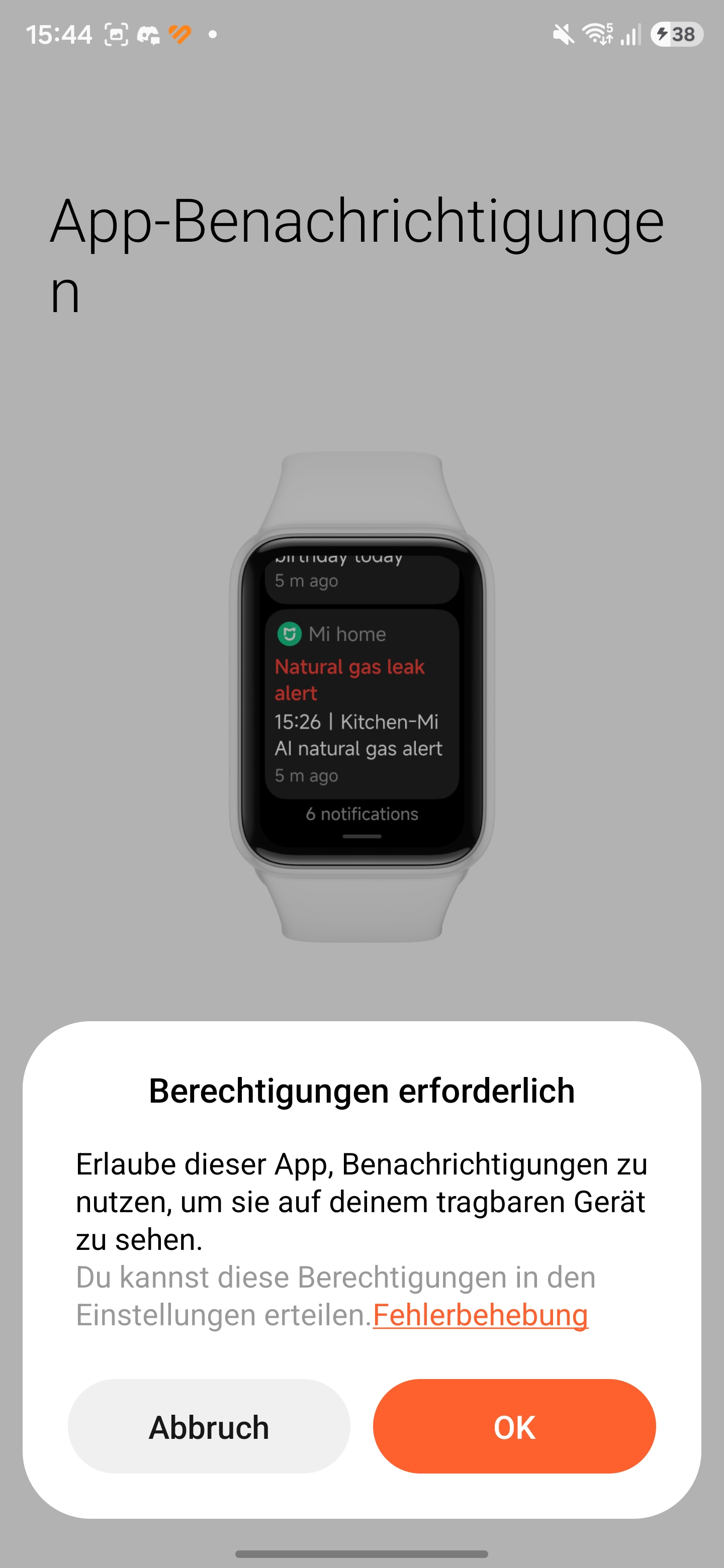
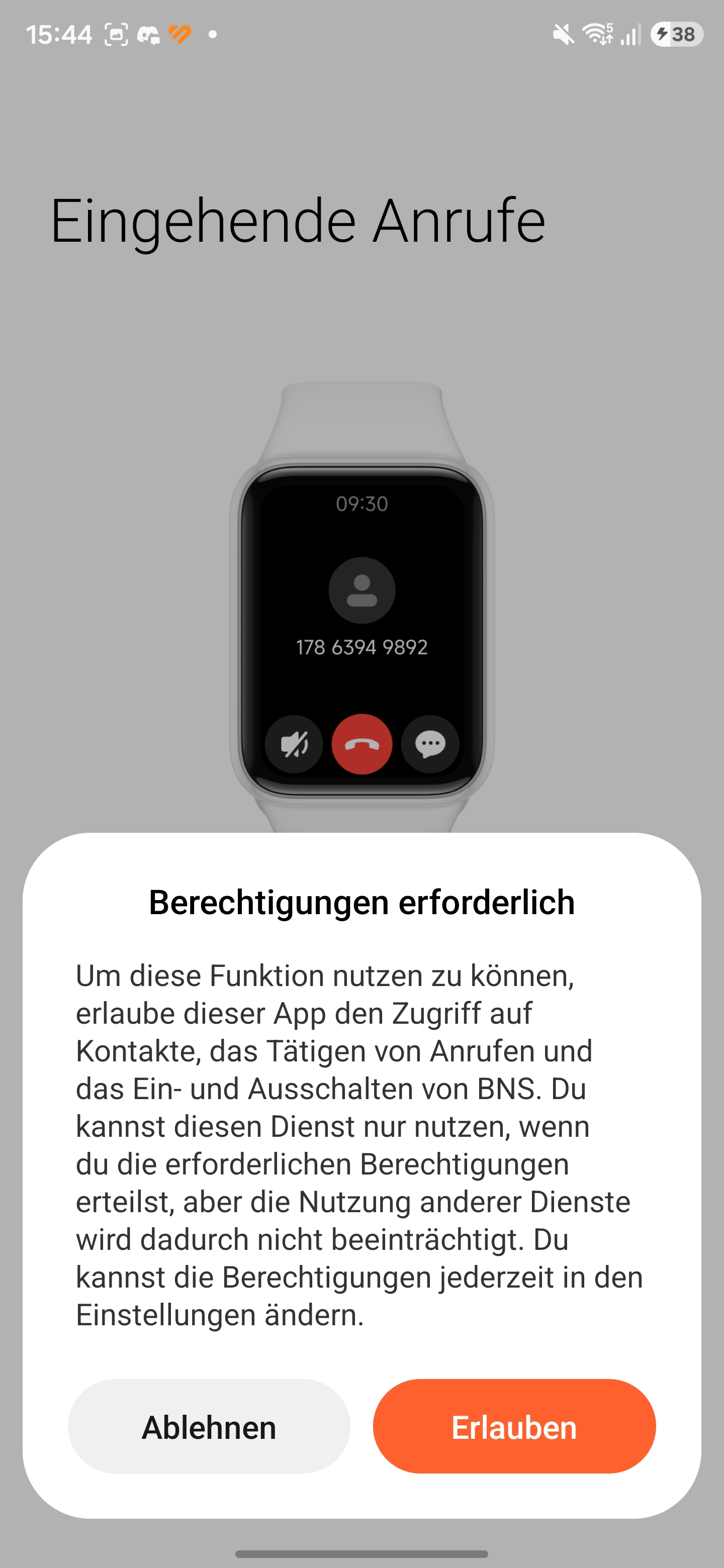
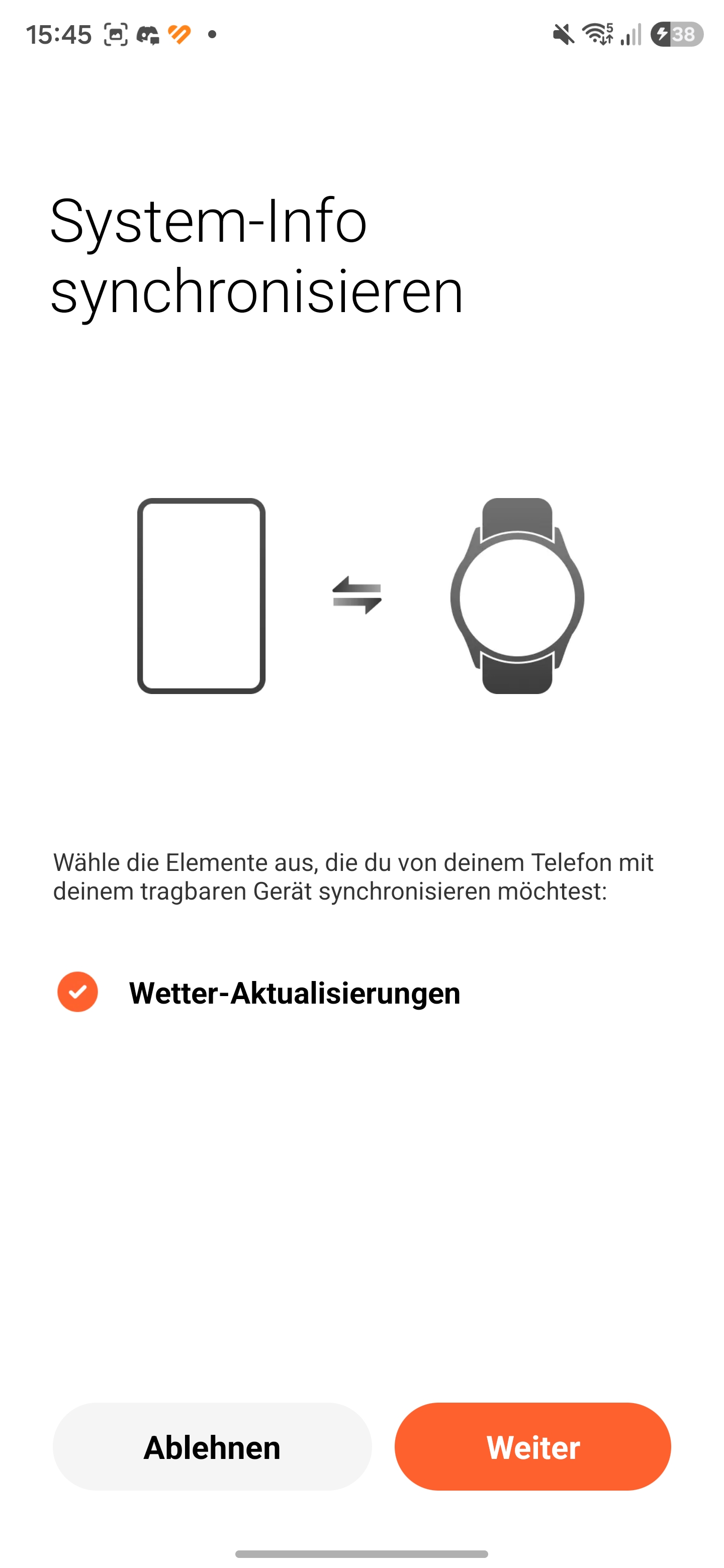
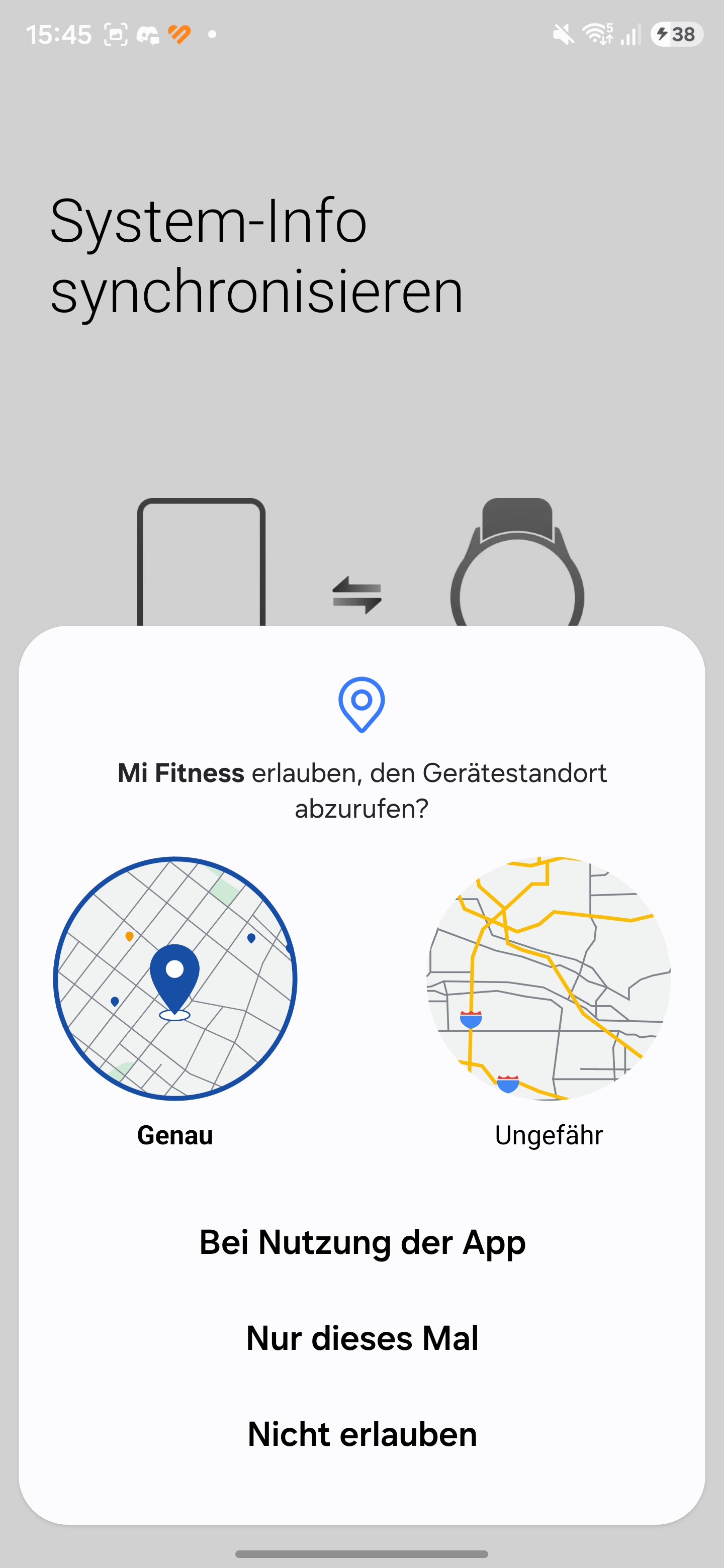
The Mi Fitness app is required for setup and operation—it’s available for iOS and Android devices. The setup is self-explanatory, and the software guides you through the process well. You’ll need to grant a few permissions, such as for displaying notifications.
During the setup process, you must create a Xiaomi account. Once setup is complete, a tutorial is available both in the app and on the fitness tracker.
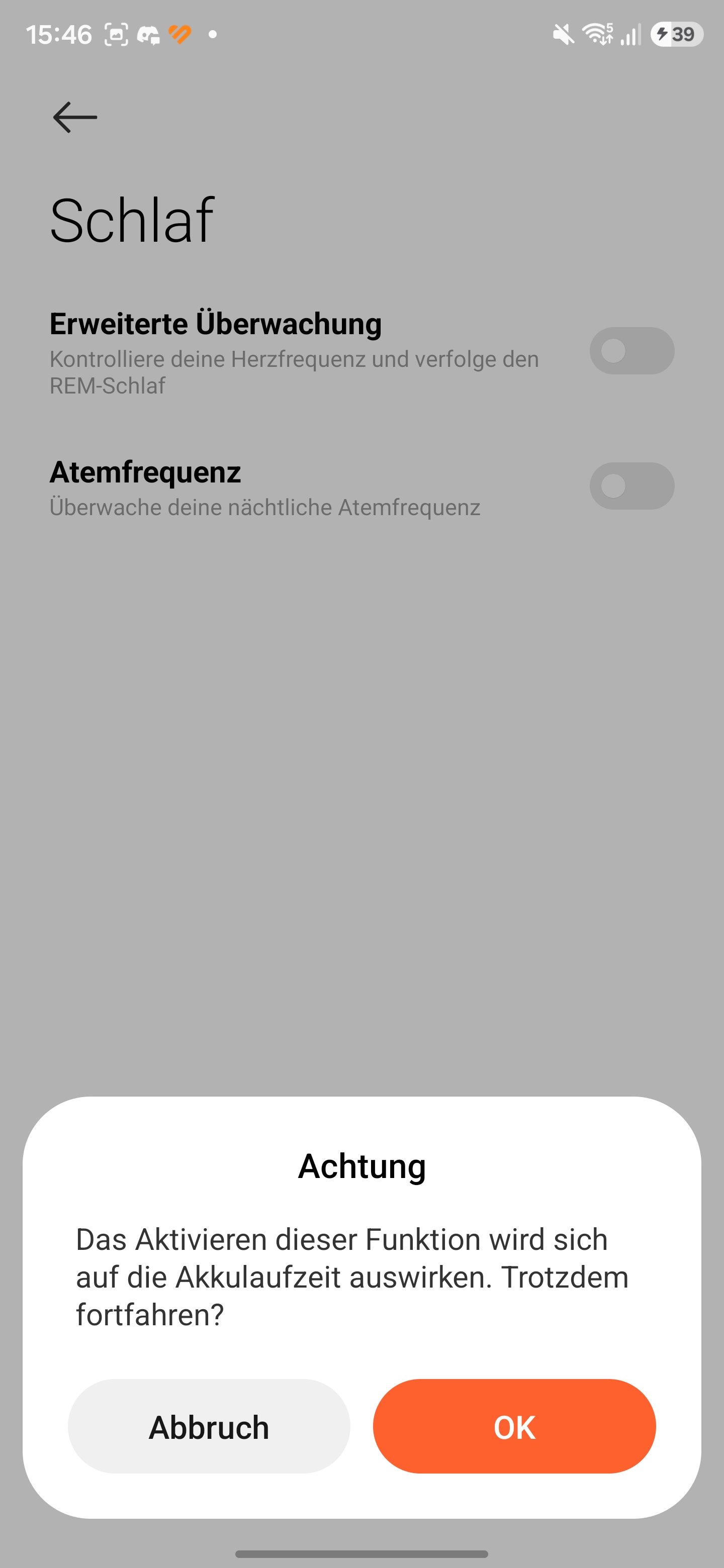
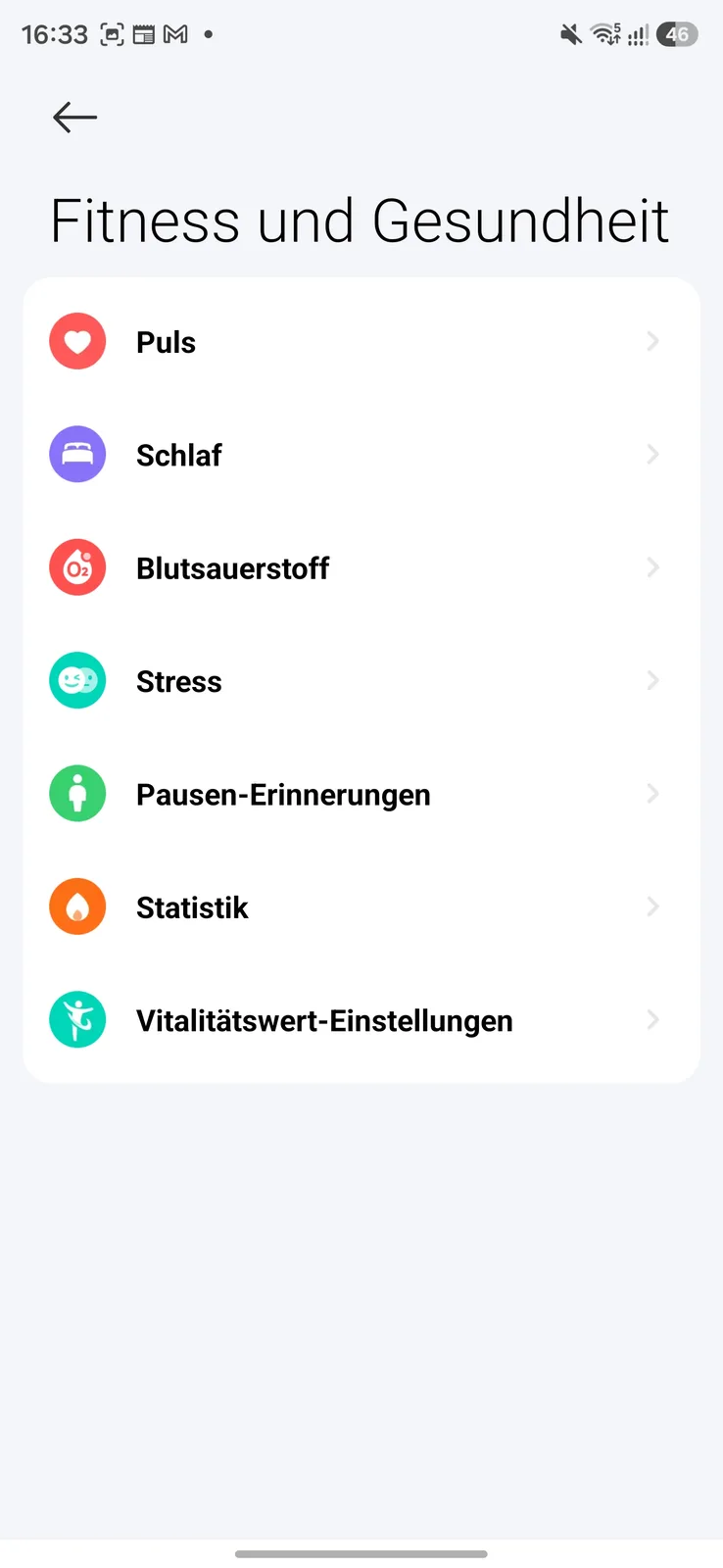
Some health features are not enabled by default, such as regular stress monitoring, advanced sleep analysis, or blood oxygen level monitoring. When you enable these features, the software warns you that battery life may be reduced.
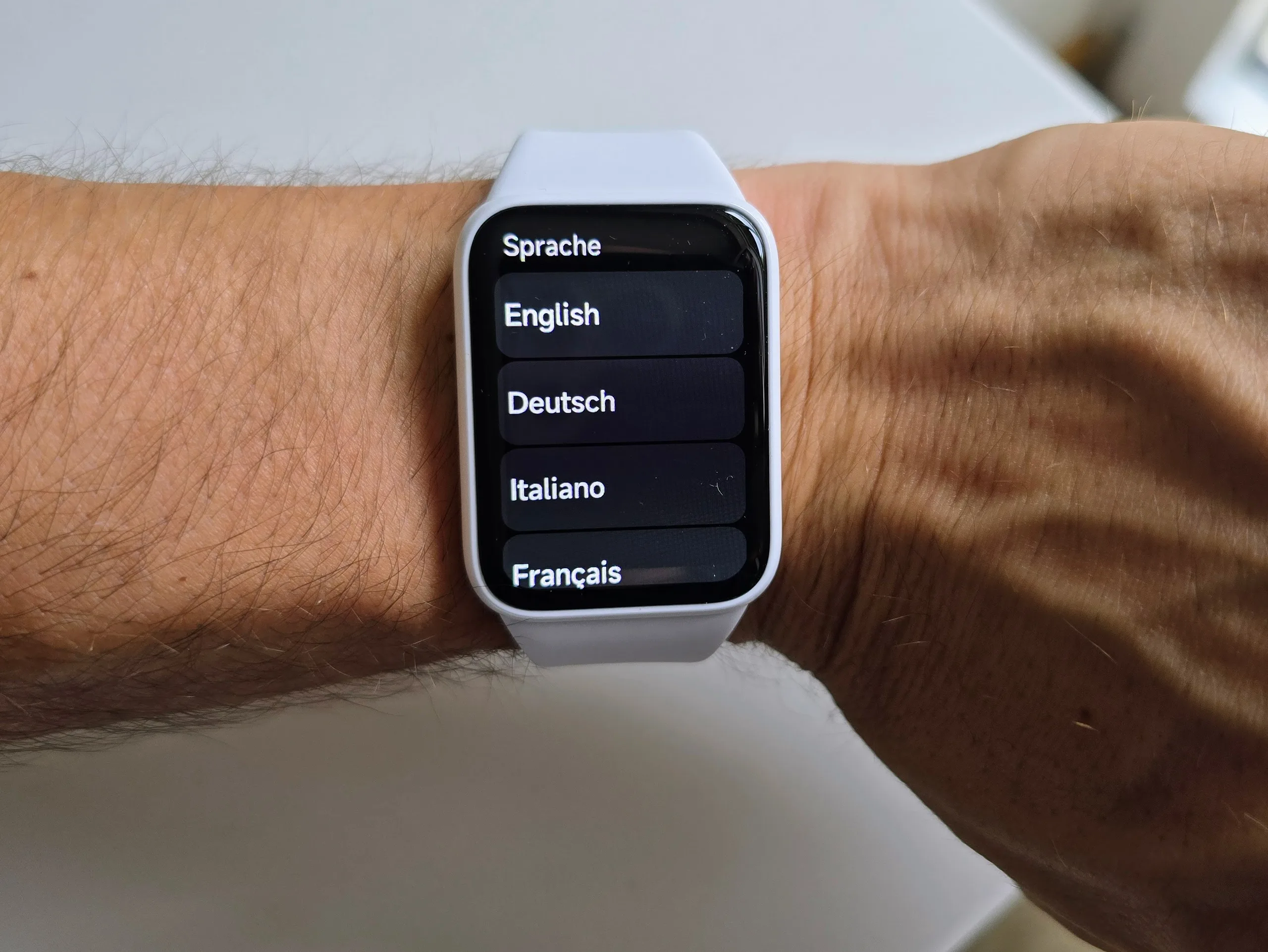
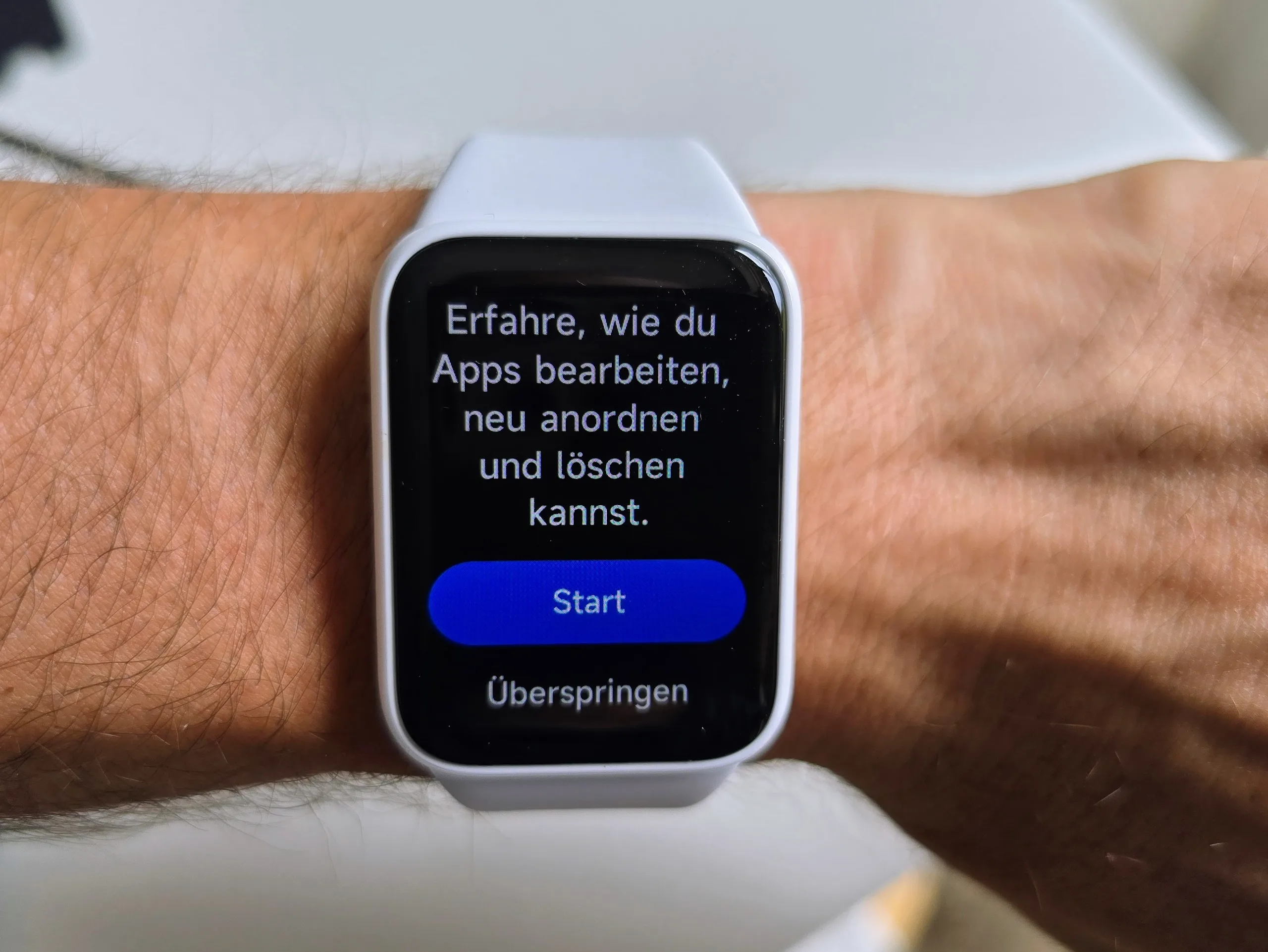
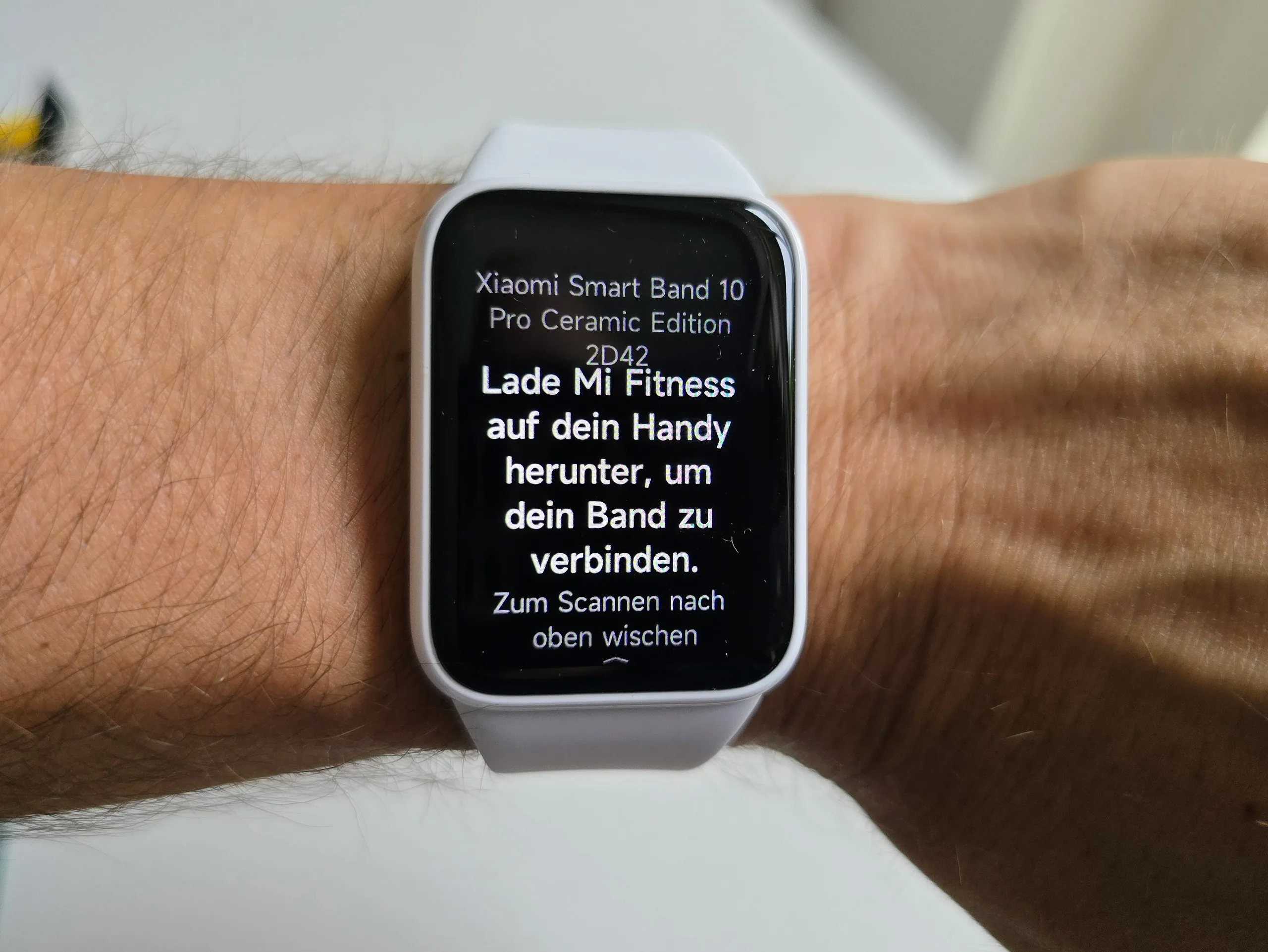
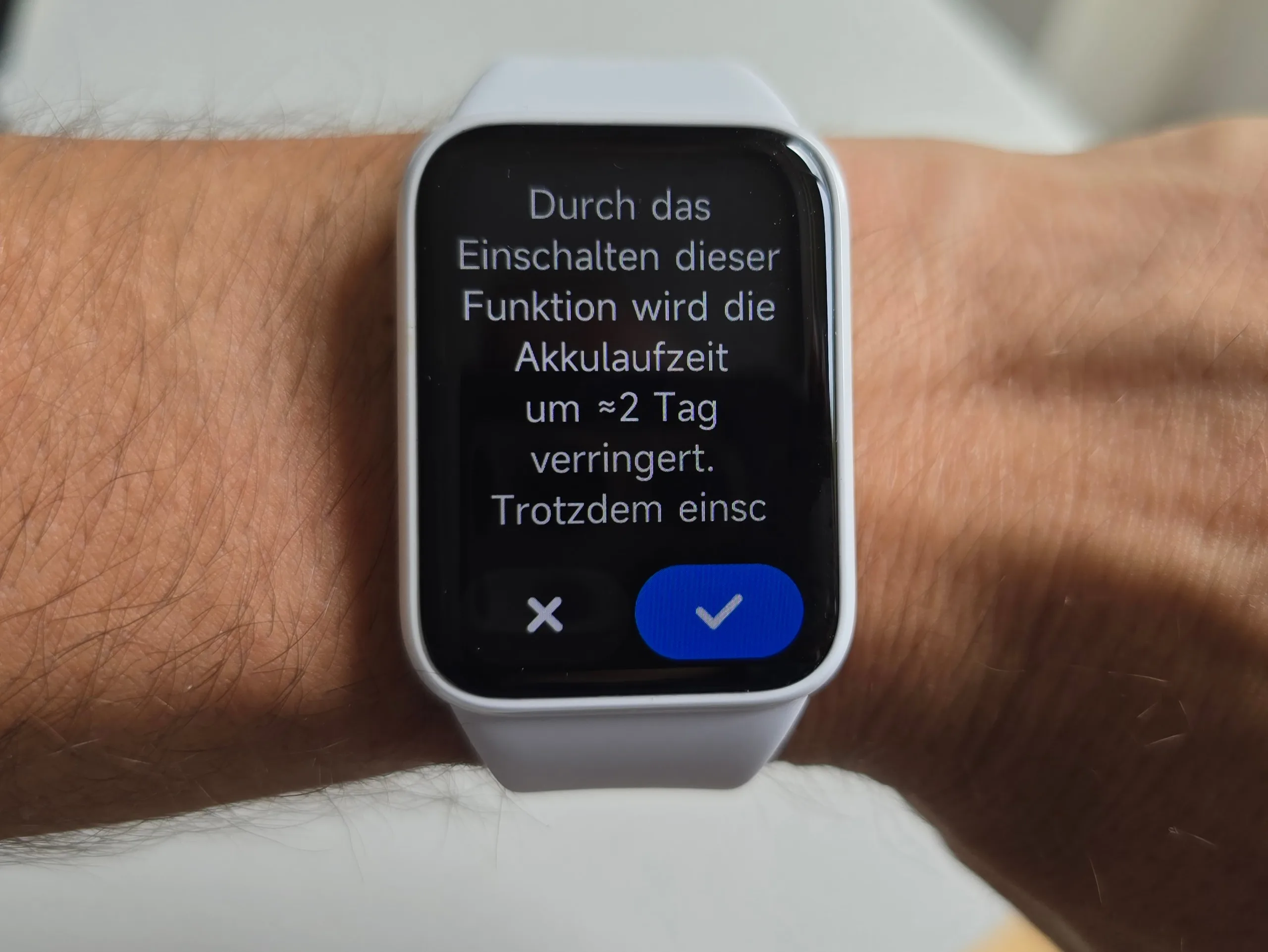
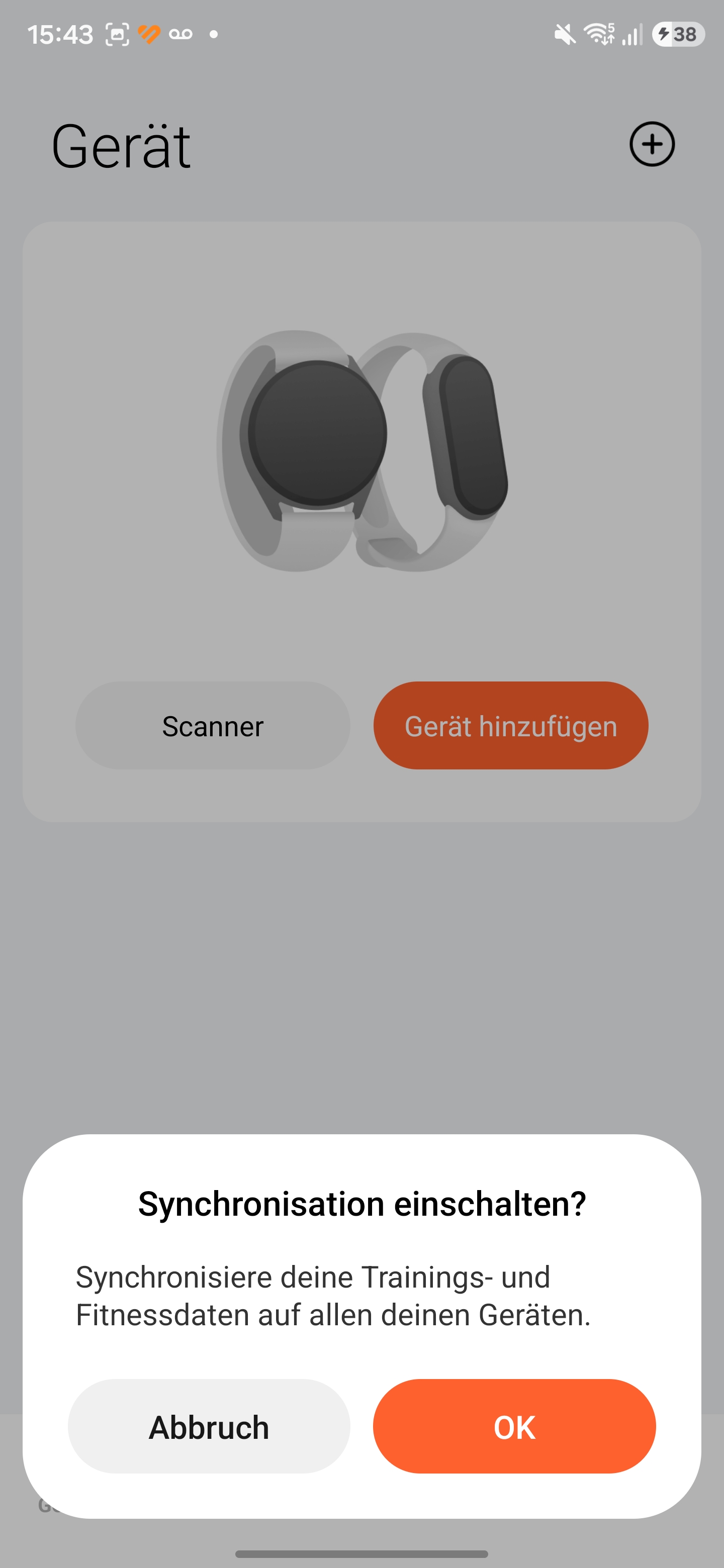
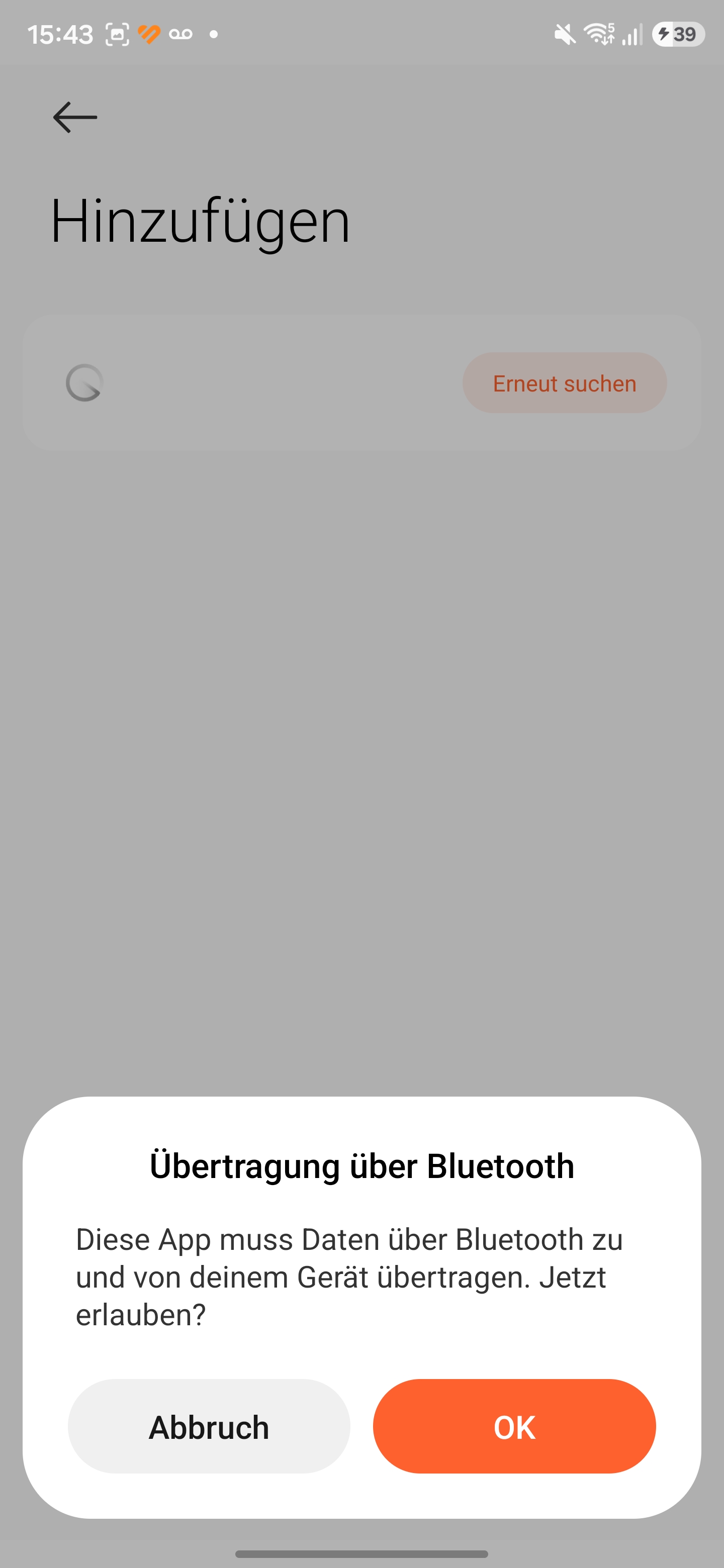
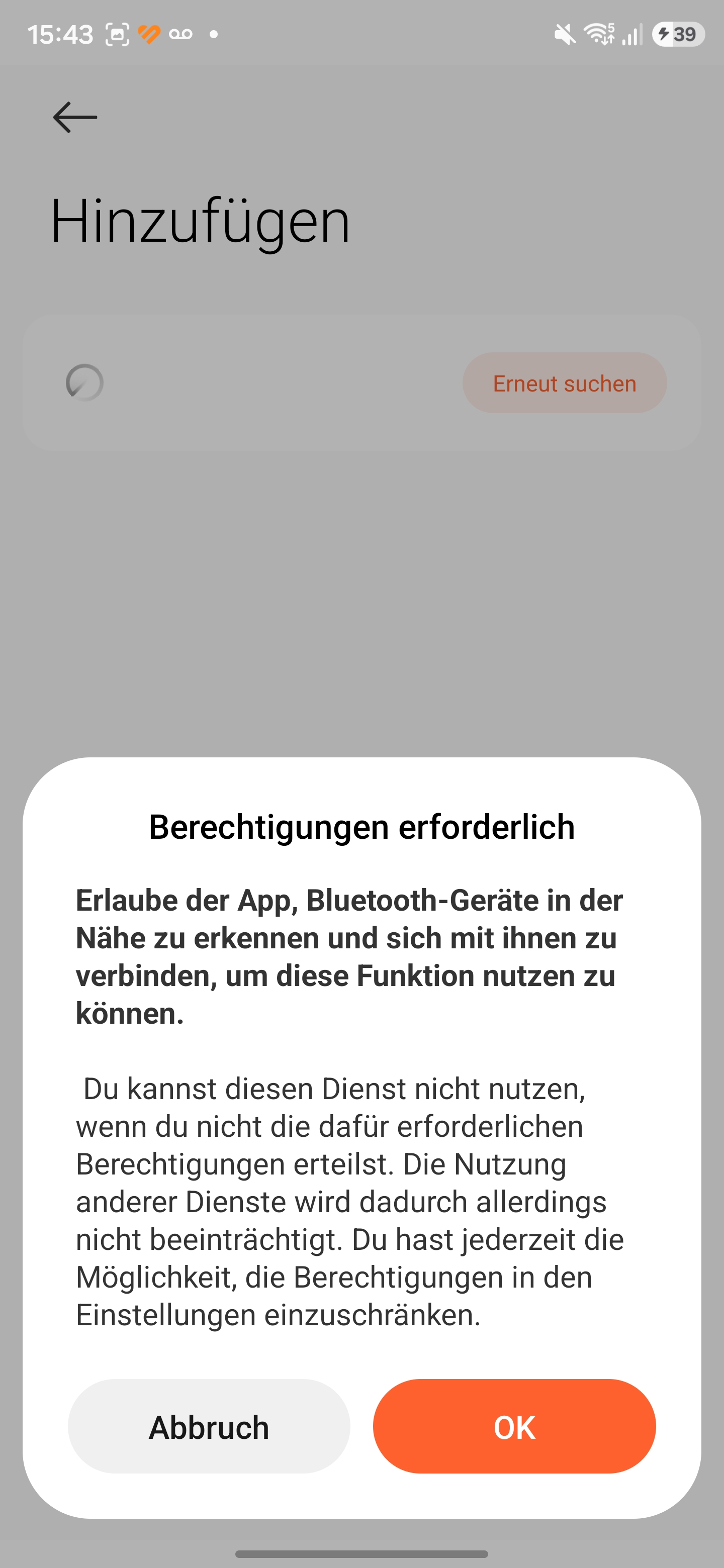
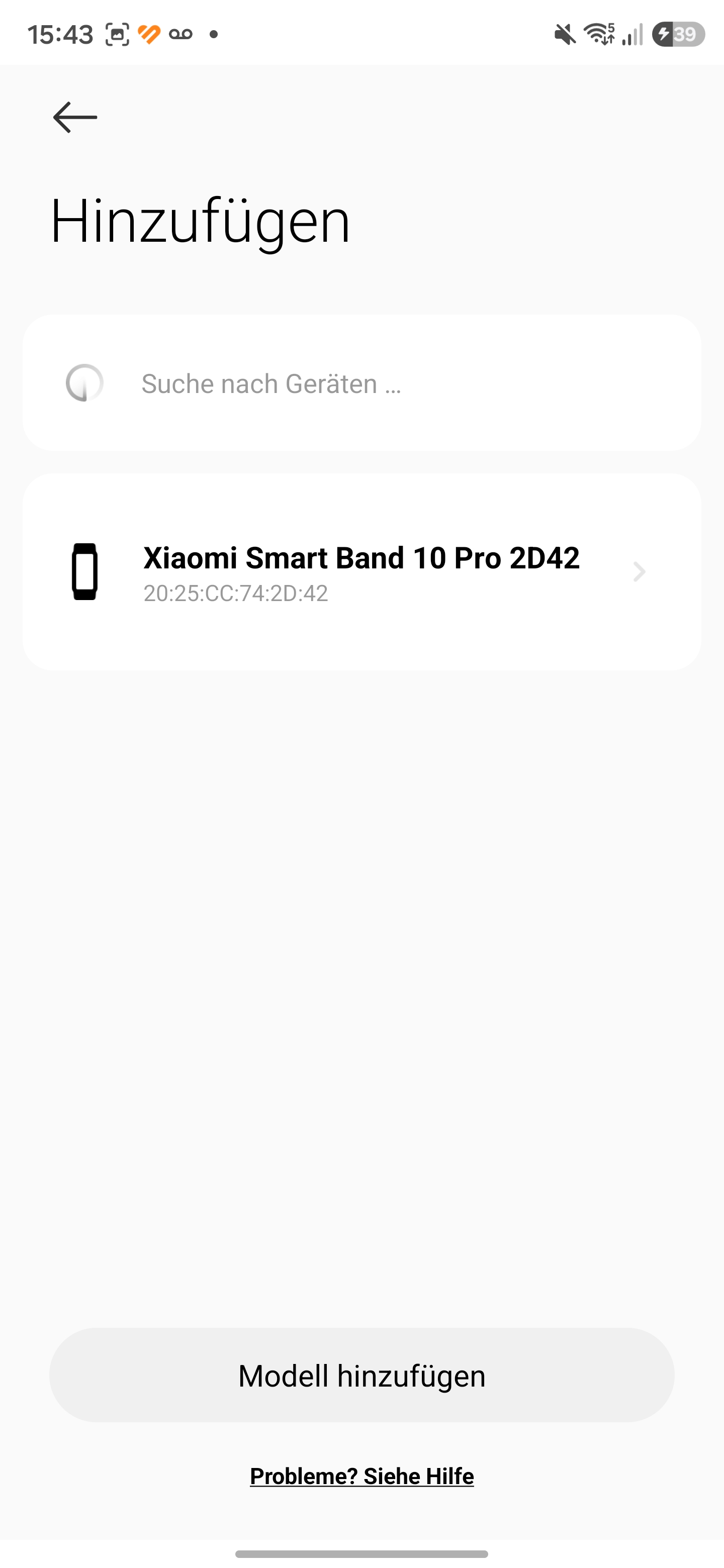
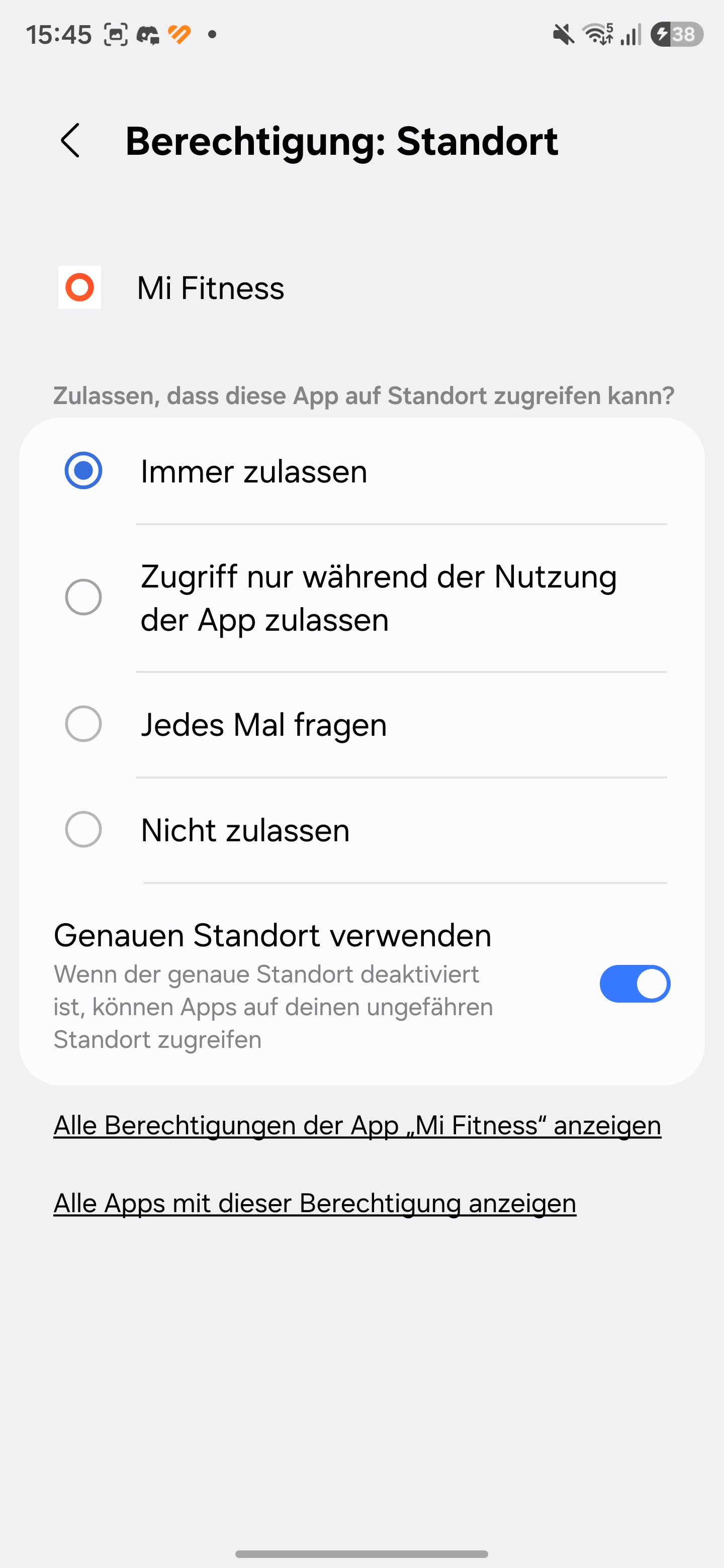
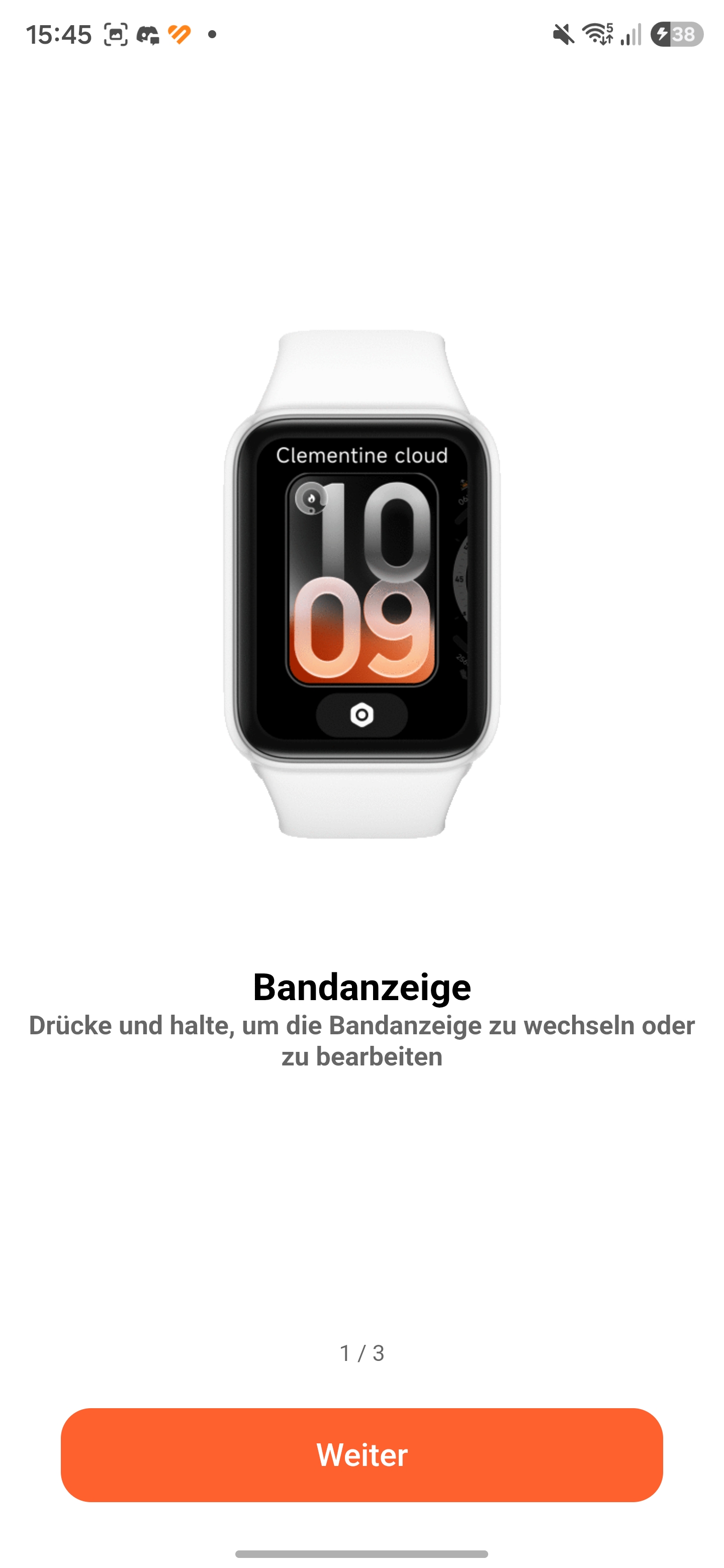
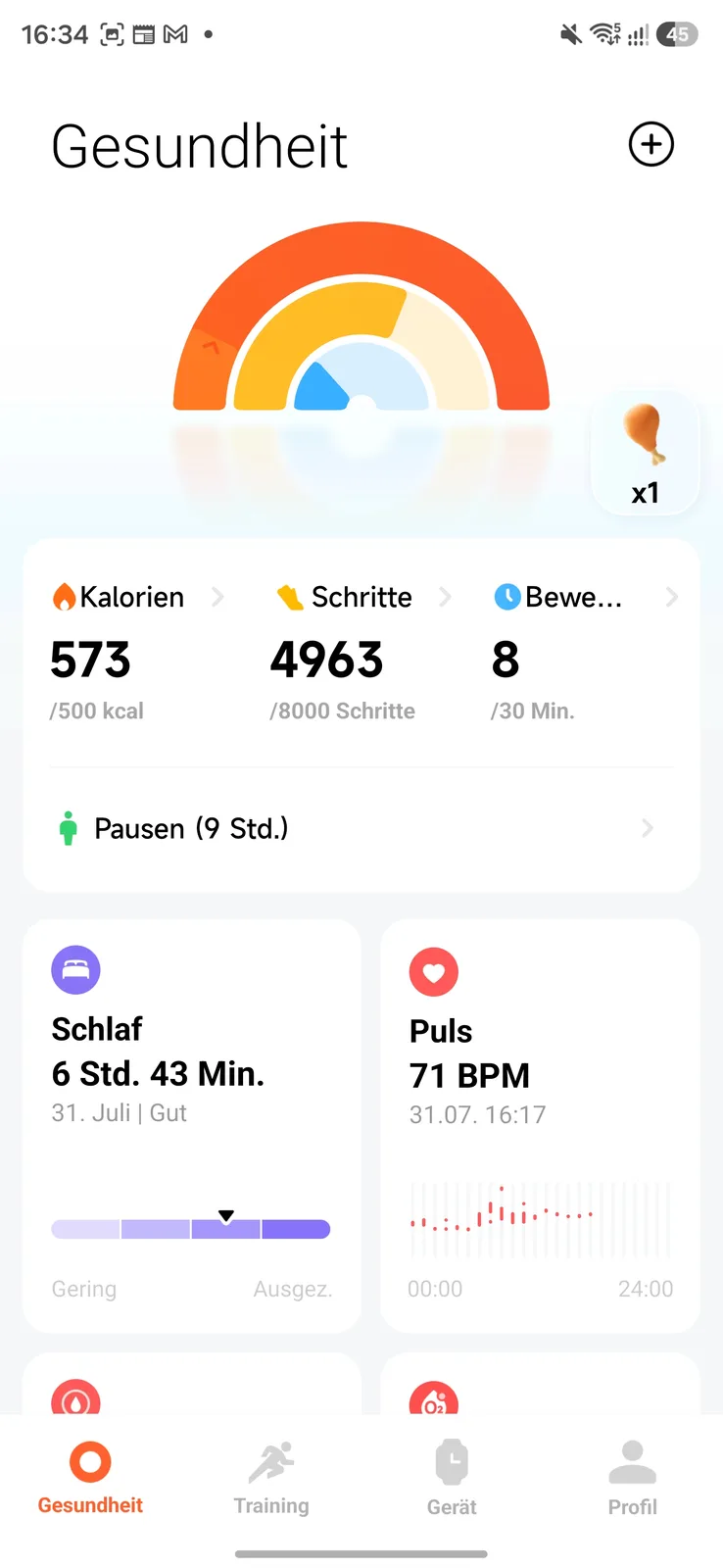
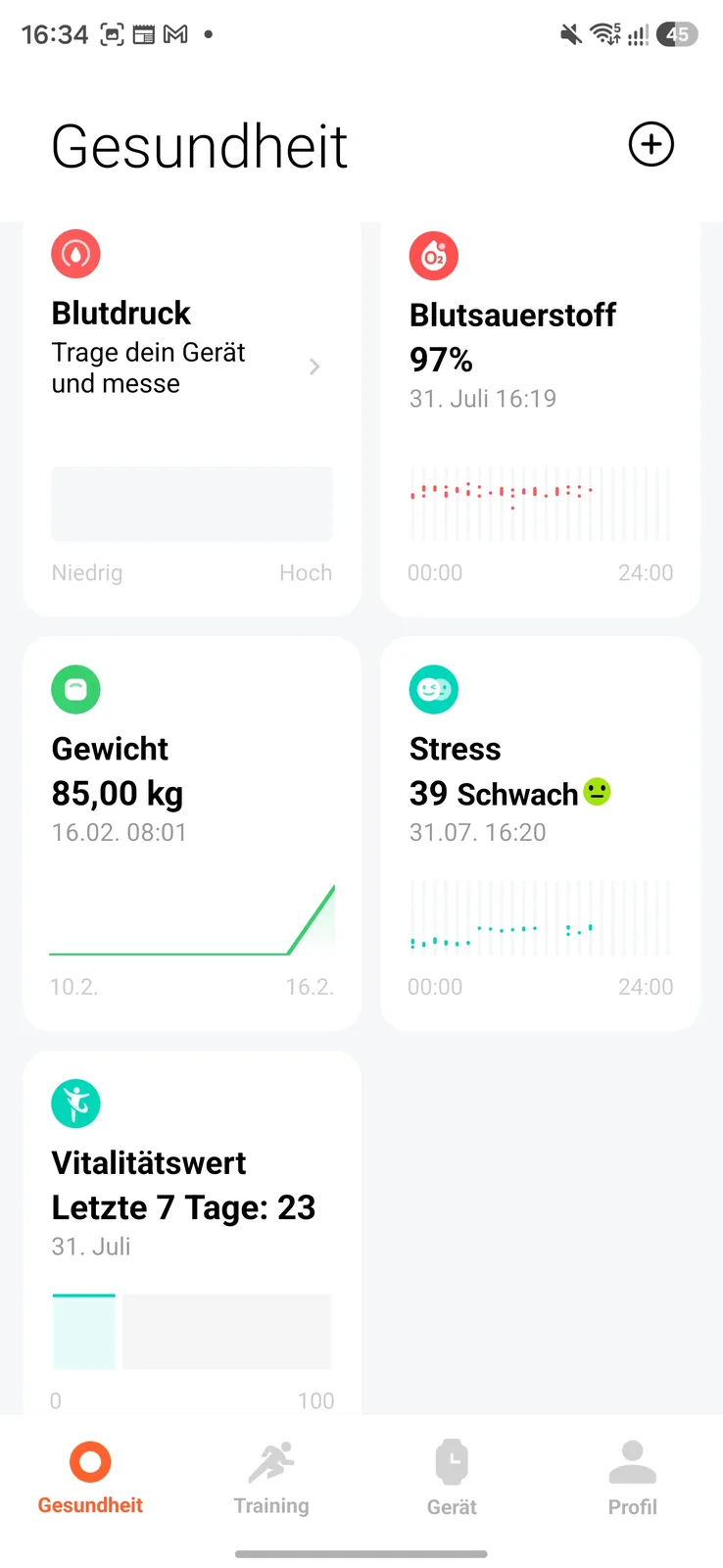
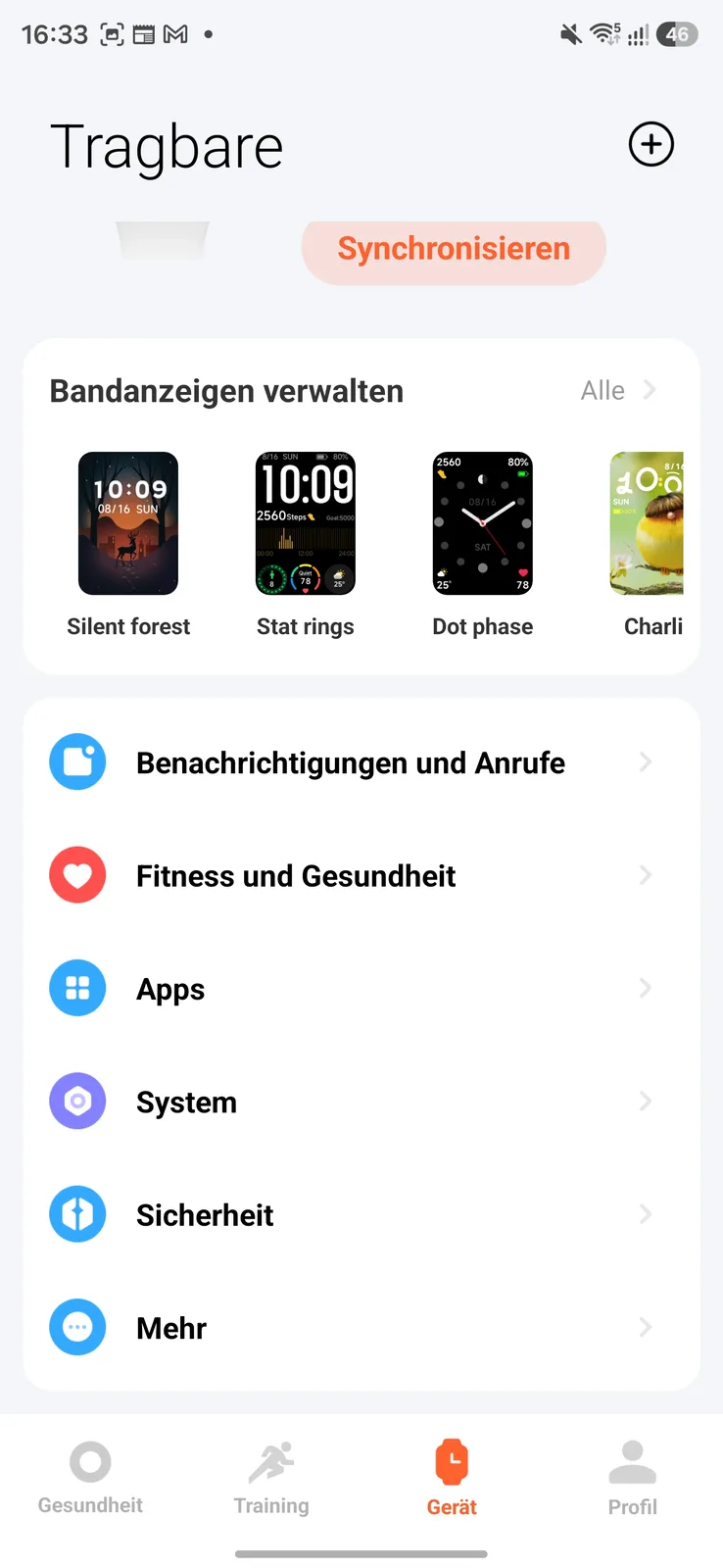
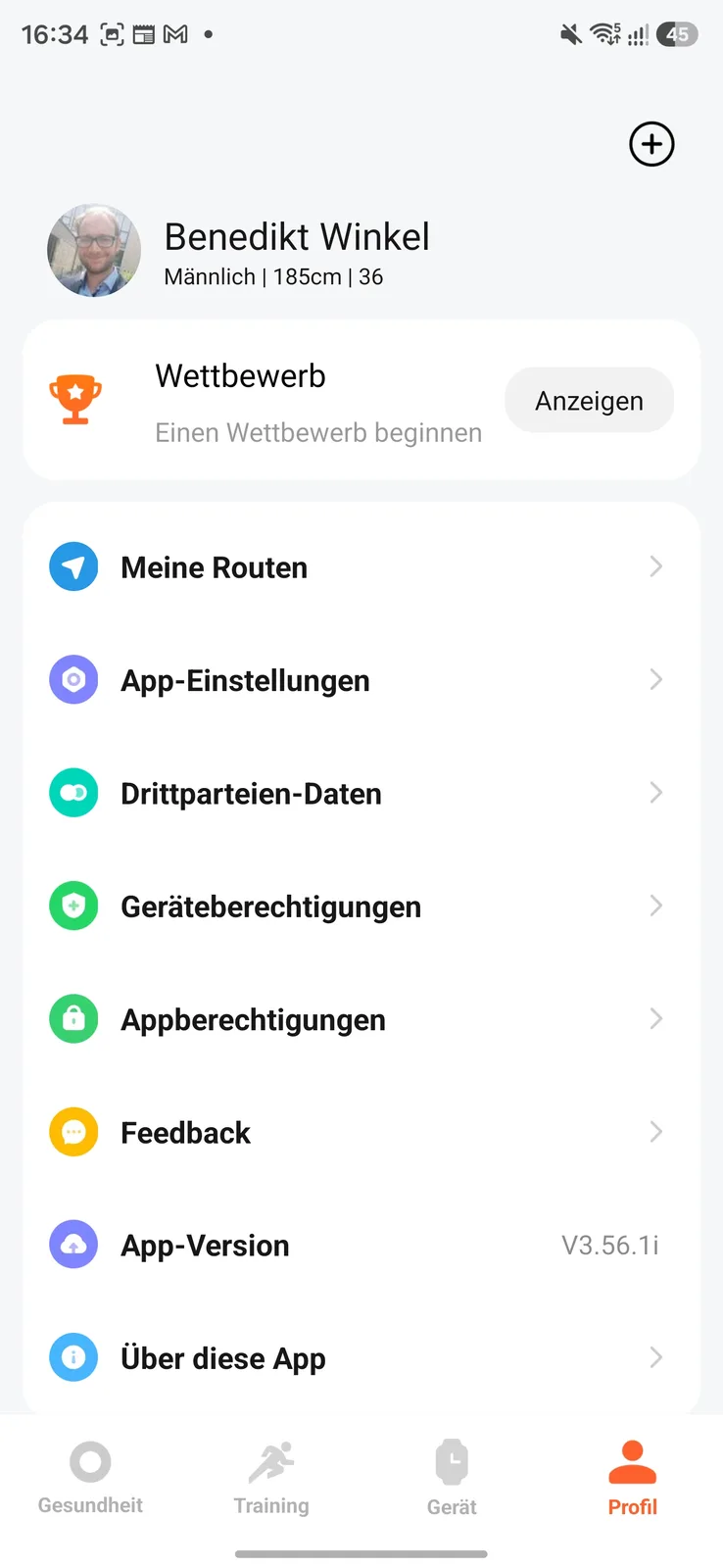
The Mi Fitness app has a clear layout. It features four main sections: “Health,” “Workout,” “Device,” and “Profile.” “Health” is a customizable dashboard with tiles for bodily functions such as heart rate, stress, and activity. Tapping a tile opens the corresponding submenu.
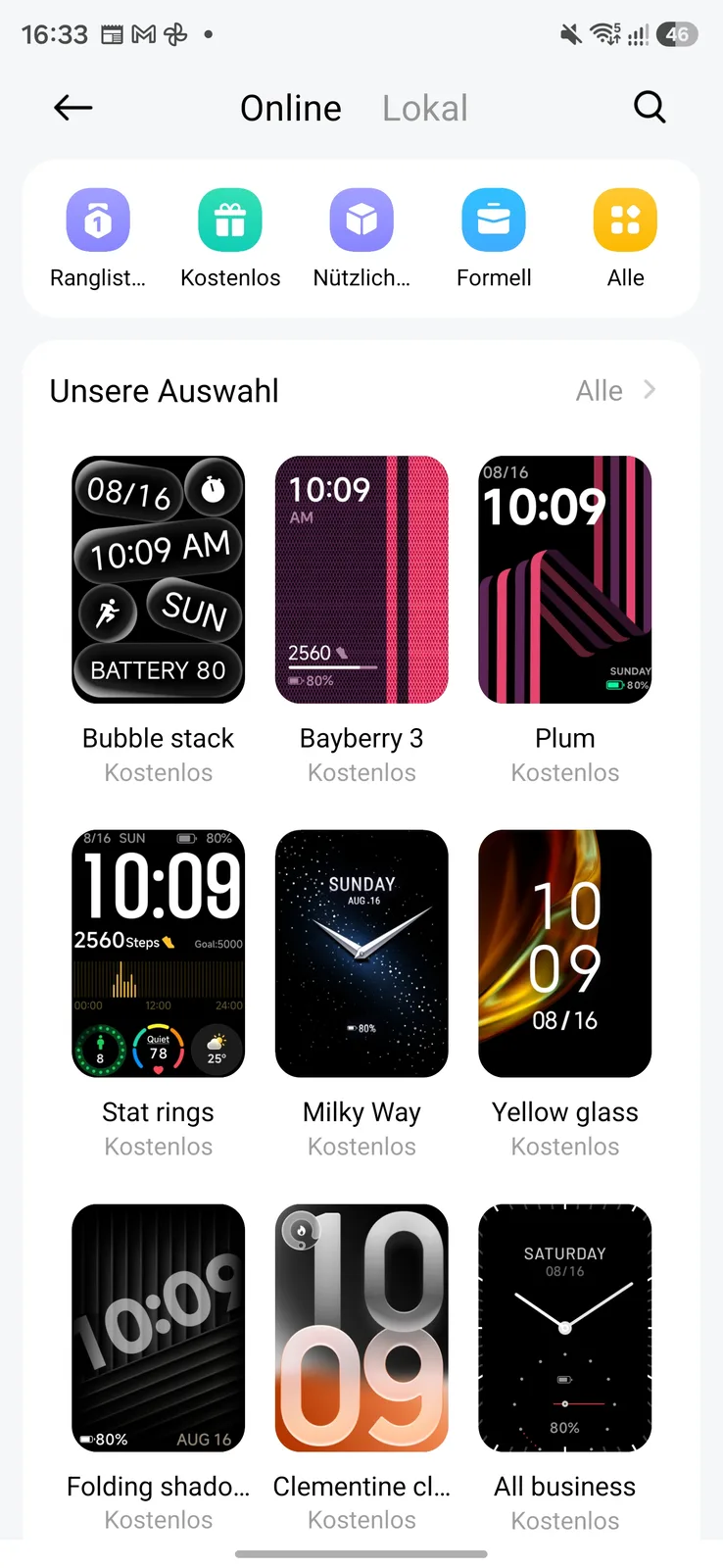
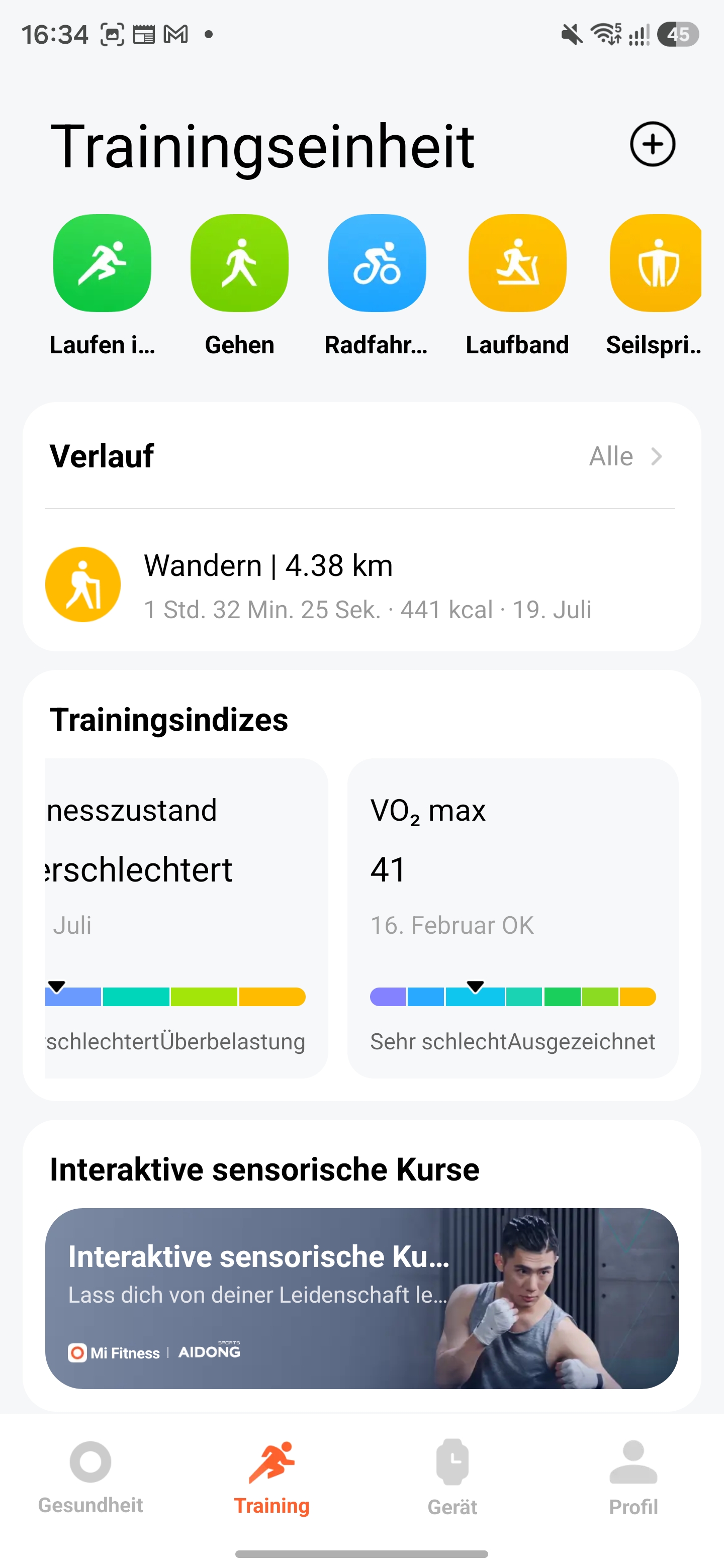
The “Workout” section lists completed workouts. The app also provides information on your fitness level and VO2 max. “Device” displays connected devices and settings. There is a wide variety of watch faces, many of which are free. However, there is no app store.
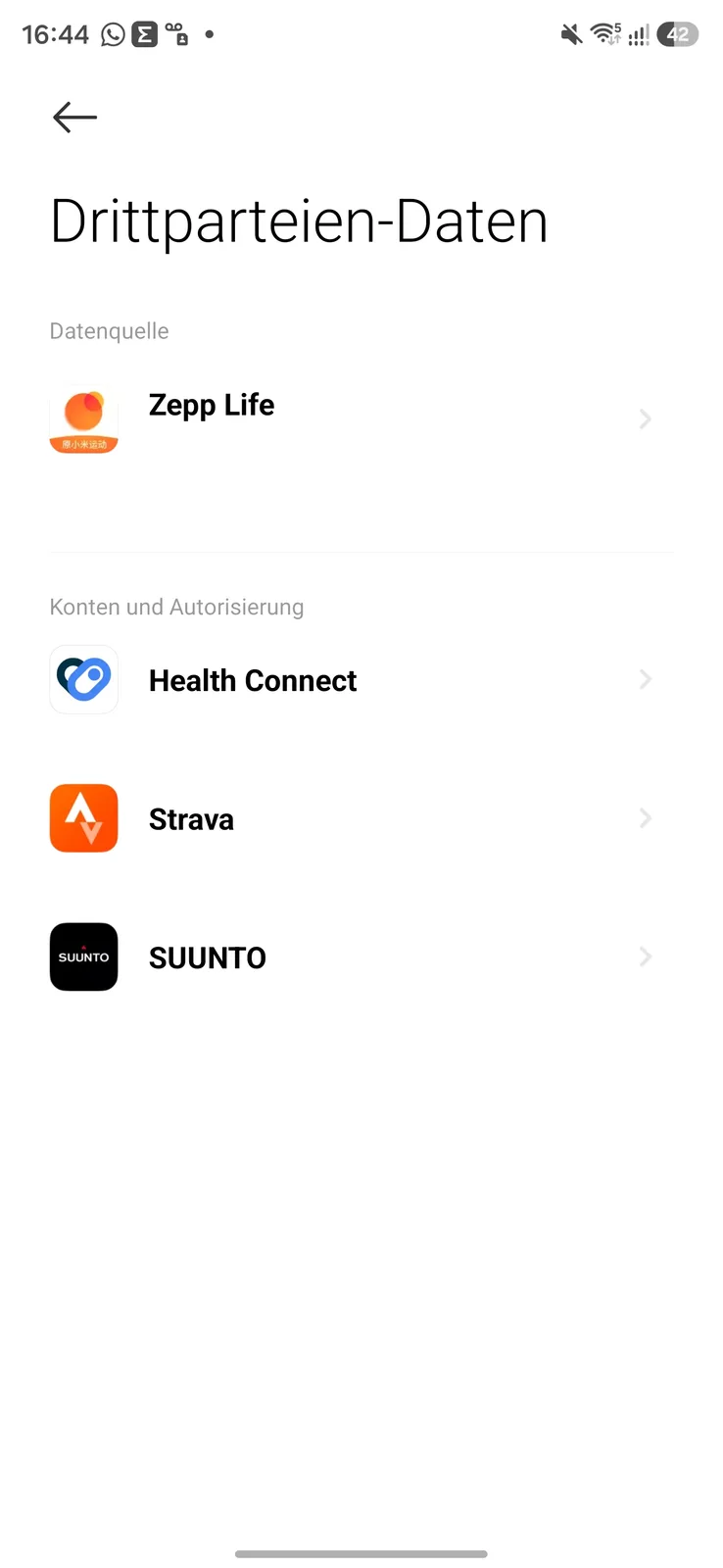
"Profile" displays personal data and settings. You can also connect third-party accounts such as Strava, Suunto, or Health Connect there.
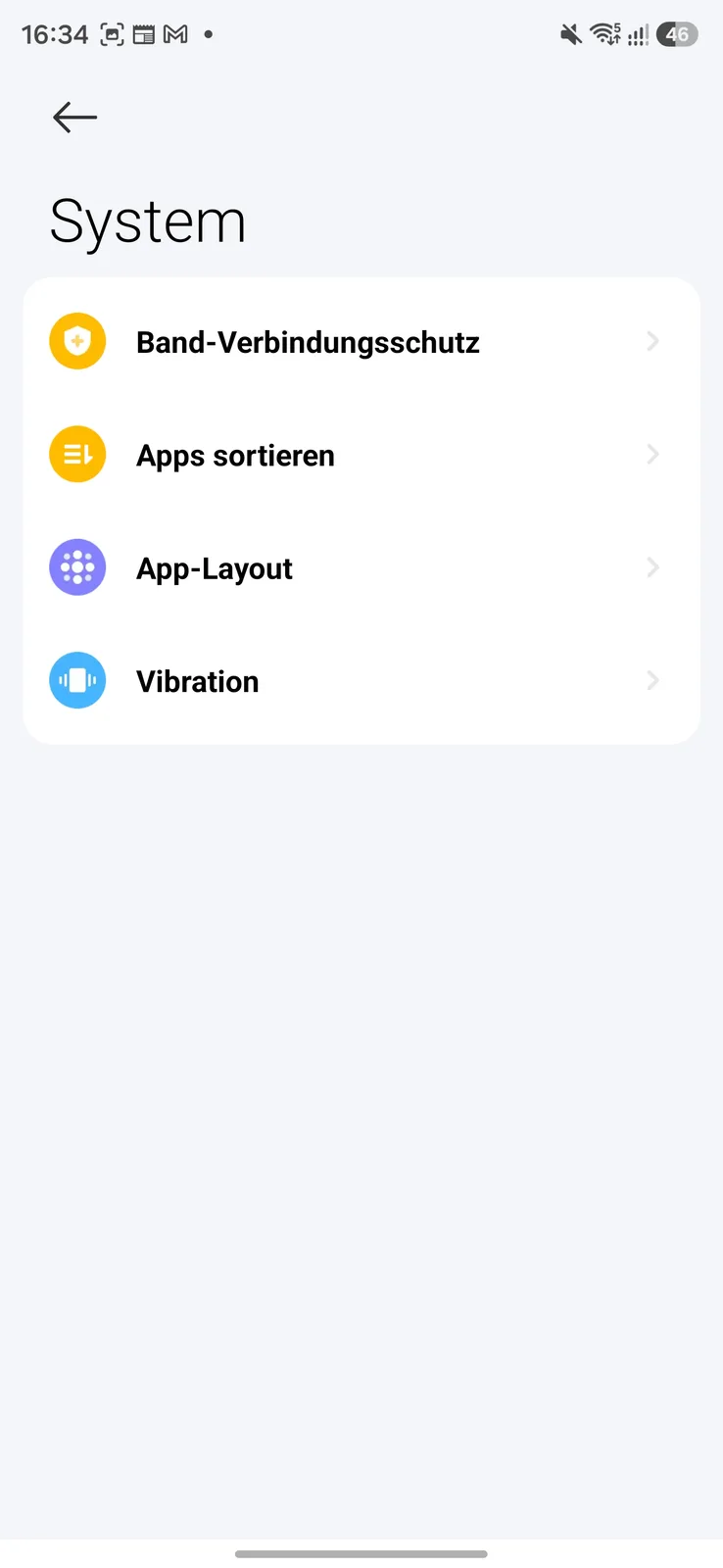
The Smart Band 10 Pro is operated exclusively via touchscreen. Inputs are reliably recognized. The built-in vibration motor is on the gentler side. The vibration can be customized in the software. The motor operates pleasantly quietly.
Phone Calls and Notifications—No Response Options on the Smart Band 10 Pro
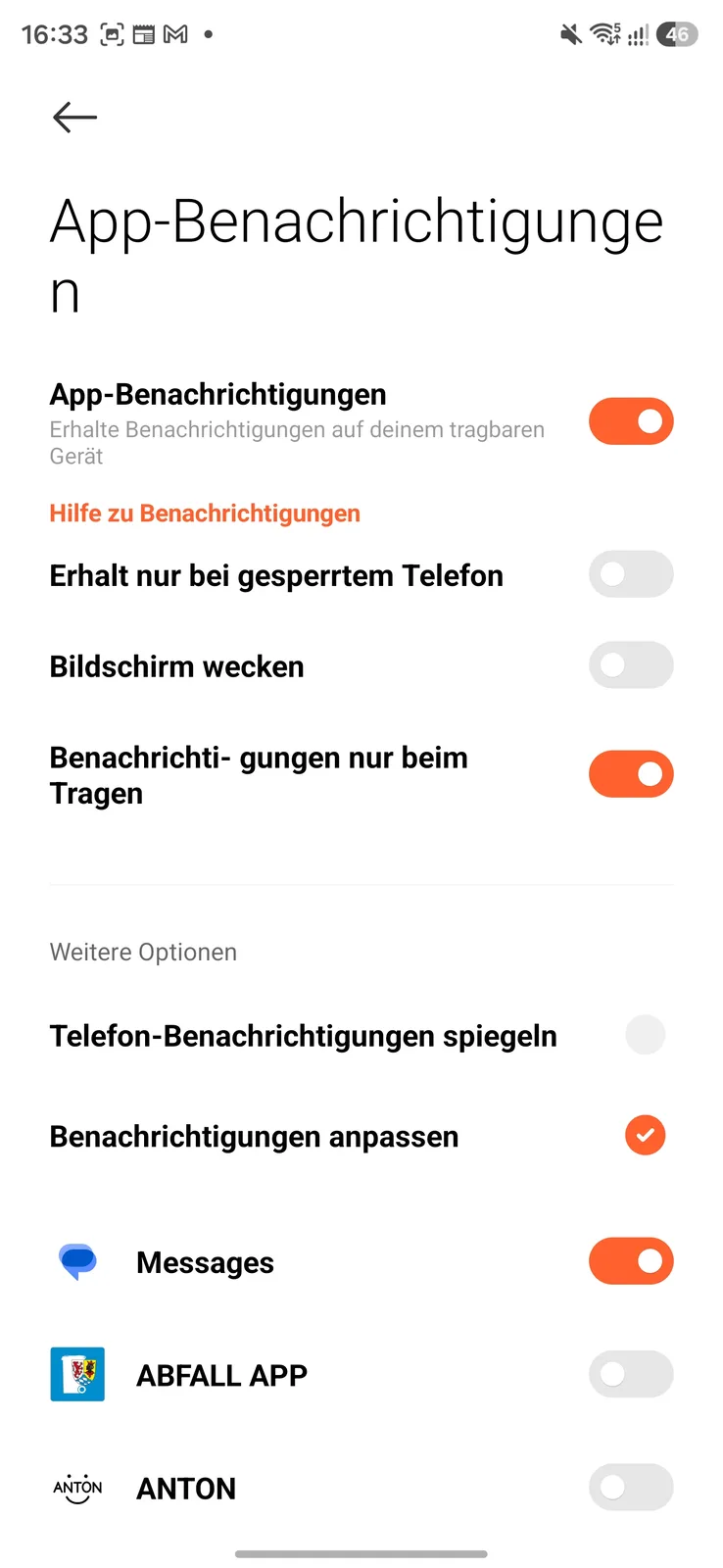
Since it lacks a speaker, the Smart Band 10 Pro cannot be used to make phone calls. However, incoming calls are reliably displayed and can be answered on the fitness band.
In the Mi Fitness app, notifications can be turned on or off globally. However, this can also be configured on a per-app basis. The Smart Band 10 Pro reliably displays text notifications for incoming messages.
All incoming messages are listed in a notification menu, sorted by app. For emails, only the sender and subject line are displayed.
The Smart Band can display emojis only to a limited extent and cannot display images at all. Replying is not possible at all, not even in the form of quick replies.
Health and Fitness - Xiaomi Focuses on the Vitality Score
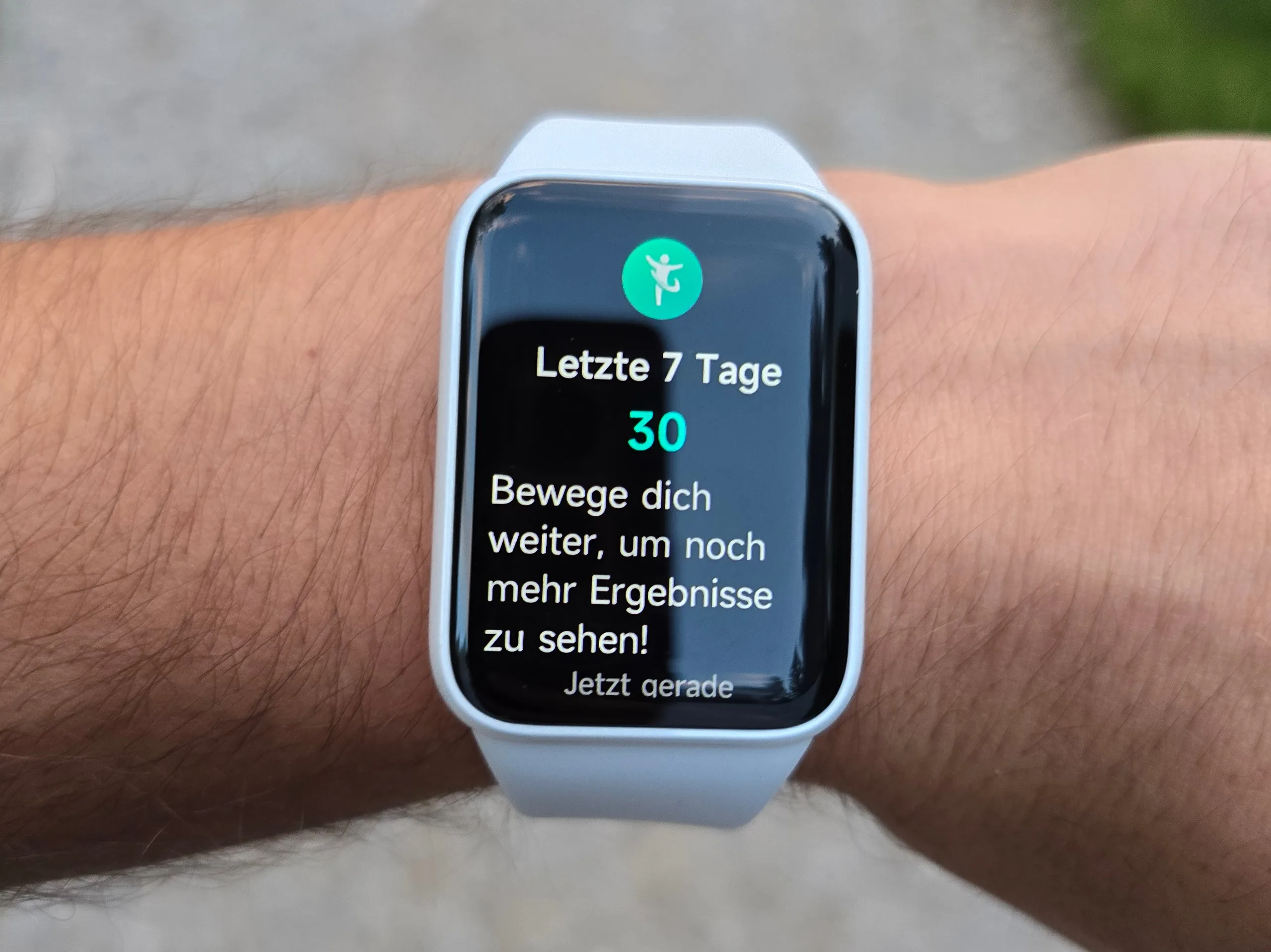
Health and fitness data are displayed in the Mi Fitness app and on the smart band itself. The software not only displays values for individual body parameters but also combines them into a vitality score.
The vitality score takes into account age, resting heart rate, and maximum heart rate from the training data of the last 7 days. A maximum of 80 points can be achieved per day. According to Xiaomi, the vitality score is based on WHO guidelines.
The manufacturer recommends a vitality score of over 100.
Activity Goals - Smart Band 10 Pro Has Weaknesses in Standing Detection
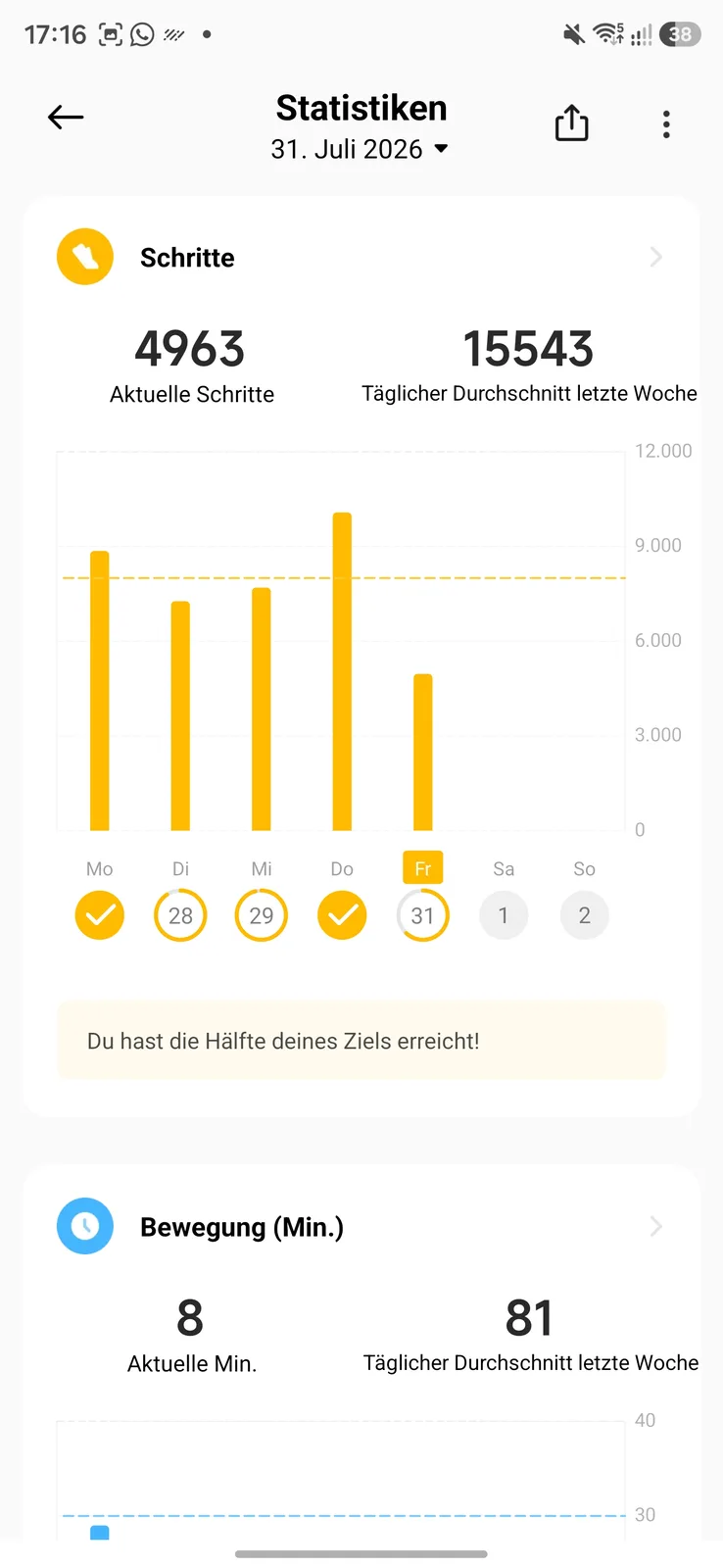
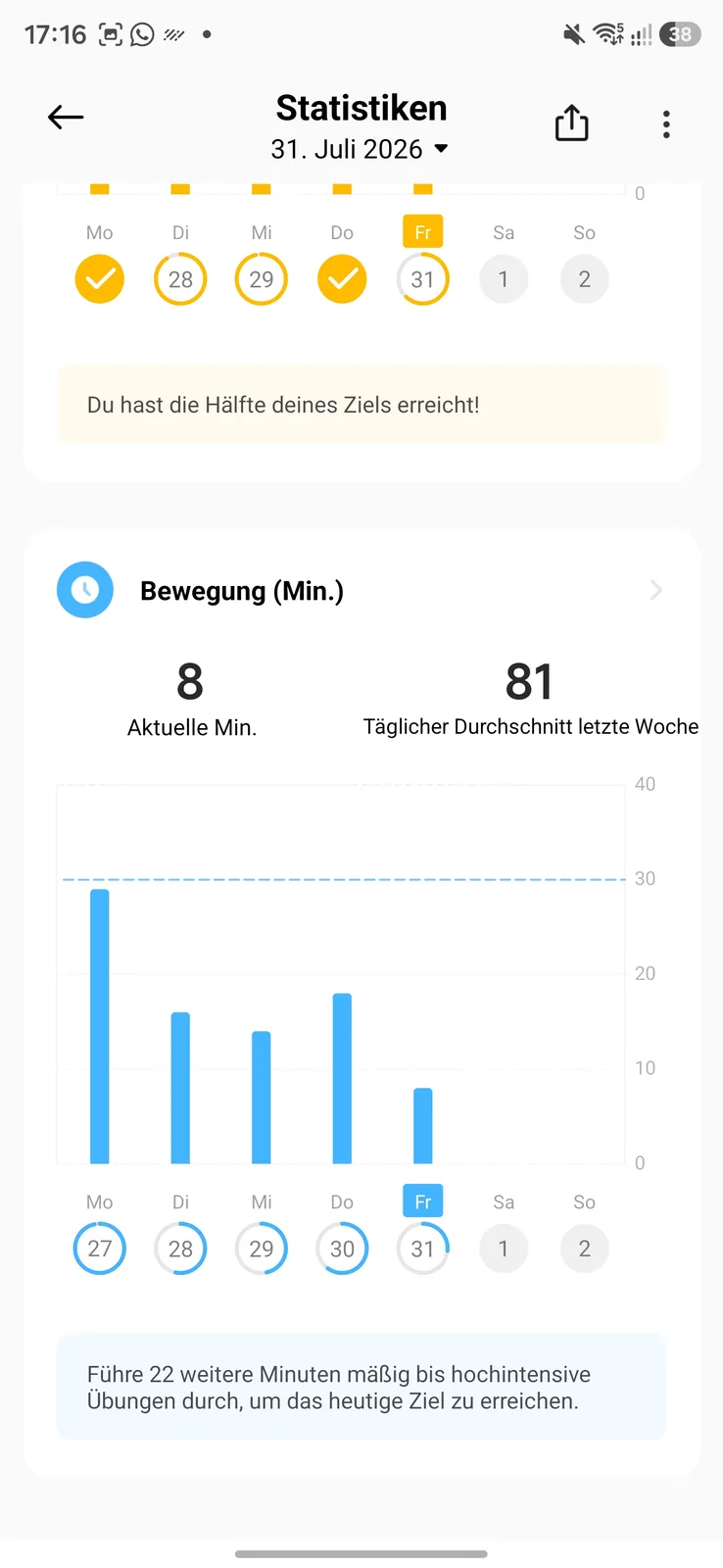
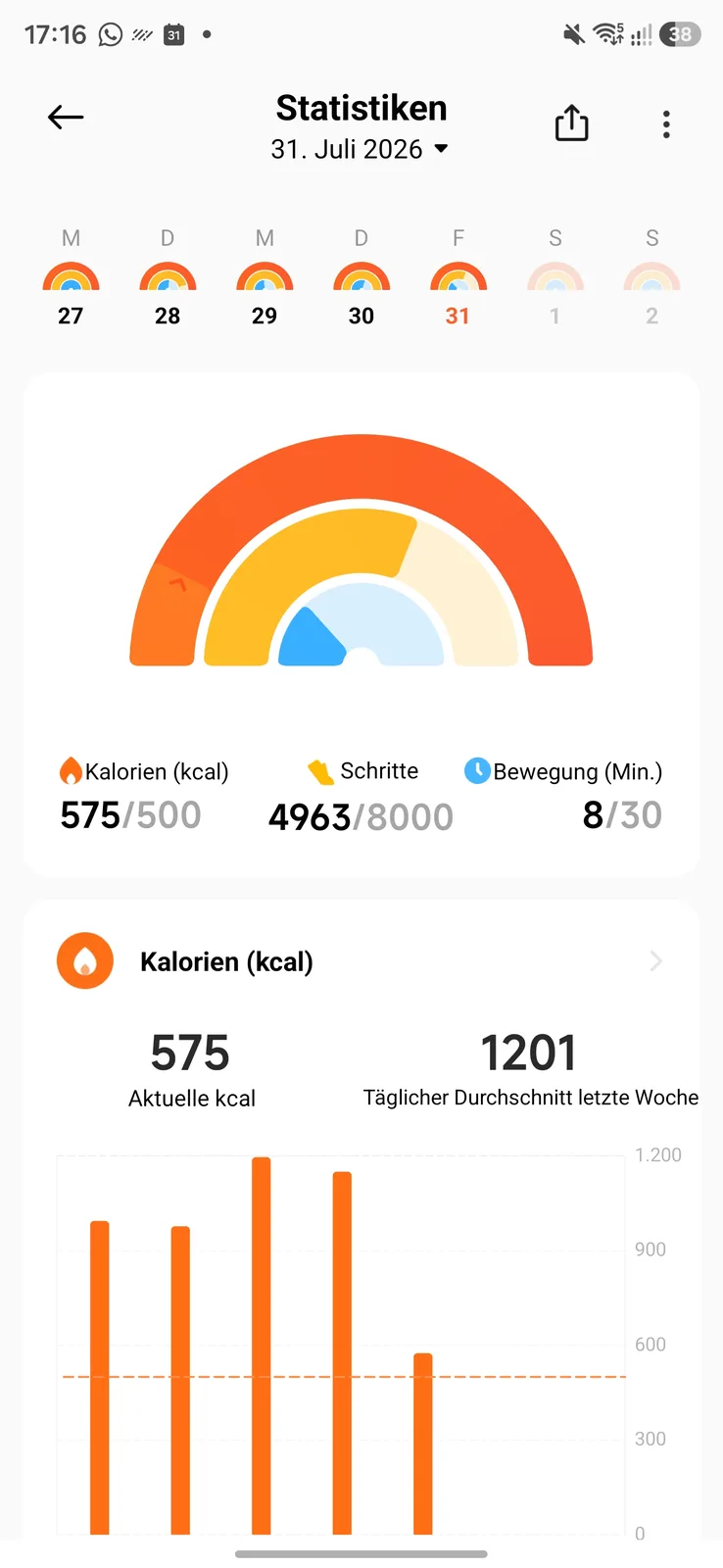
The Xiaomi Smart Band 10 Pro uses the familiar rings to track daily activity. The rings visualize calories burned, steps taken, and hours spent standing. The app also provides information on the respective average values for the past week.
The statistics can be displayed for individual days, weeks, or months. For a single day, performance is visualized on a timeline. The submenu for steps also displays the daily distance traveled. There is no information on floors climbed.
If desired, the Smart Band 10 Pro can remind you to stand up—for example, after sitting for an extended period. However, as has been the case recently with some Xiaomi devices, this reminder usually pops up right after the wearer has just stood up. This does little to inspire confidence in the detection feature.
Heart Rate, Heart Rhythm, and Blood Oxygen Saturation
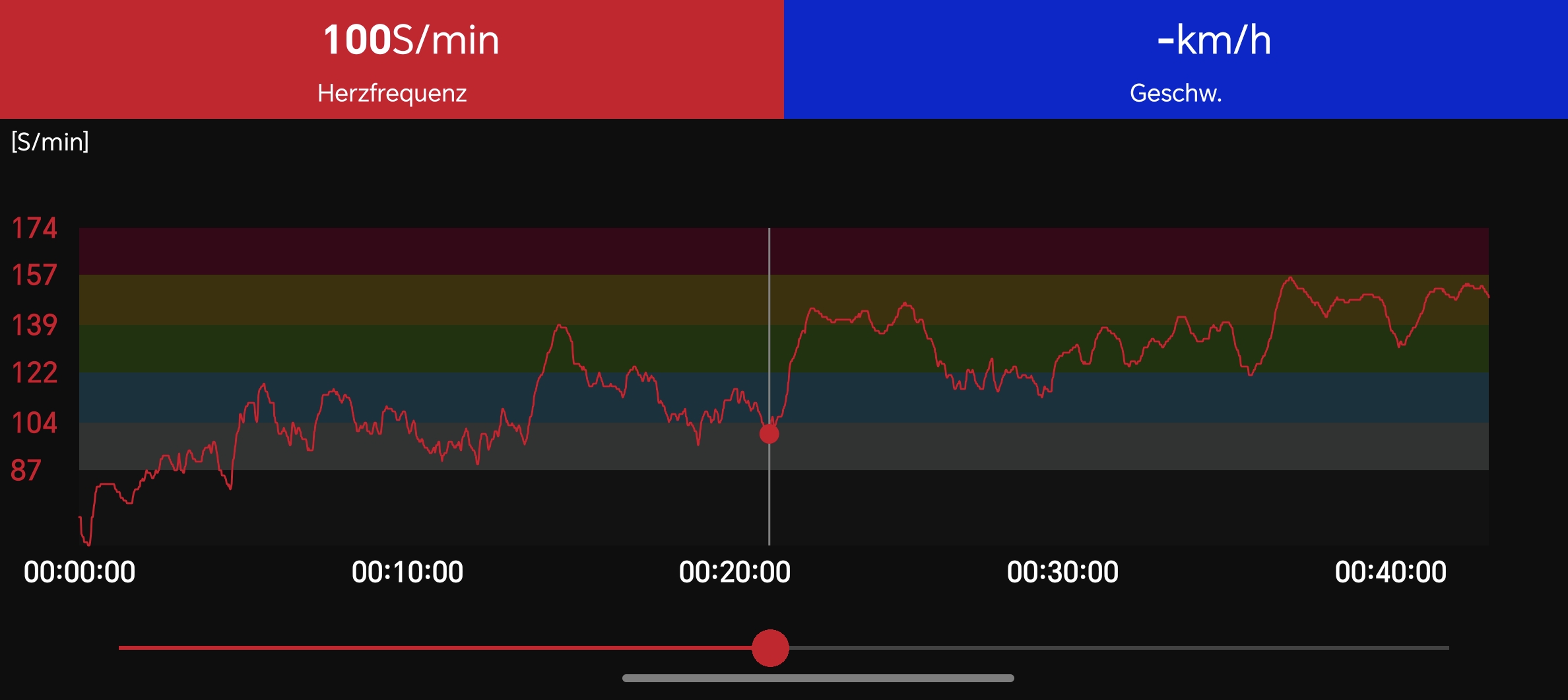
The Xiaomi Smart Band 10 Pro can measure heart rate and blood oxygen saturation. As is typical for this class of devices, the band does not support ECG or blood pressure measurement. To better evaluate the readings, we compare them with those from reference devices.
We’ve compiled here what you generally need to keep in mind regarding readings from wearables.
For heart rate monitoring, we use a Polar H10 chest strap as the reference device. When measuring resting heart rate, both devices display the same value.
We measure the exercise heart rate at three different times. On average, the deviation is only 0.12 percent. The maximum deviation is one beat per minute.
To measure blood oxygen saturation, we use a Braun Pulse Oximeter 1 as our reference device. Based on the average of three measurements, the difference is 1.39 percent. The maximum deviation is two percentage points.
Overall, the Xiaomi Smart Band 10 Pro demonstrates impressive accuracy in measuring health metrics. The device is therefore suitable for monitoring bodily functions and as a workout companion.

Sleep Tracking—Smart Band 10 Pro with smart alarms
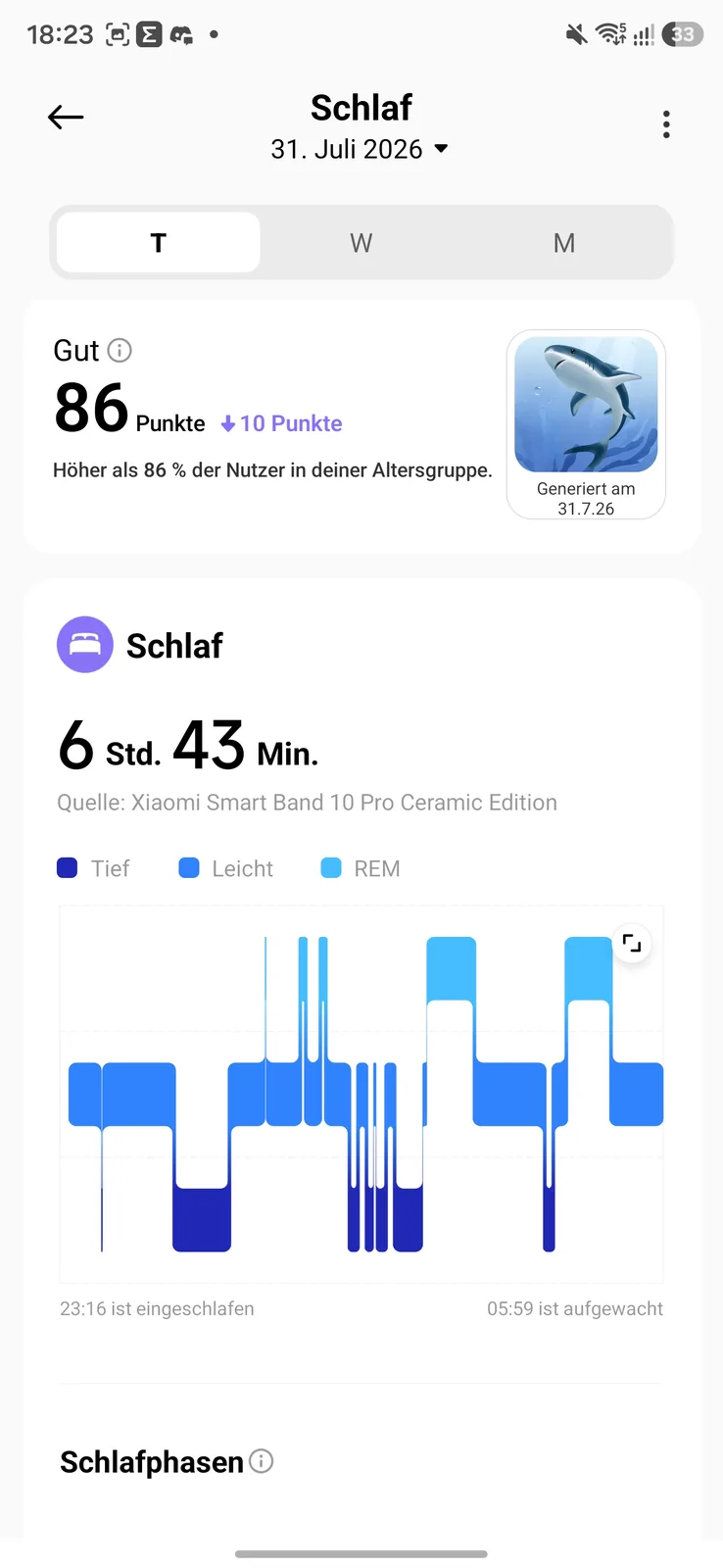
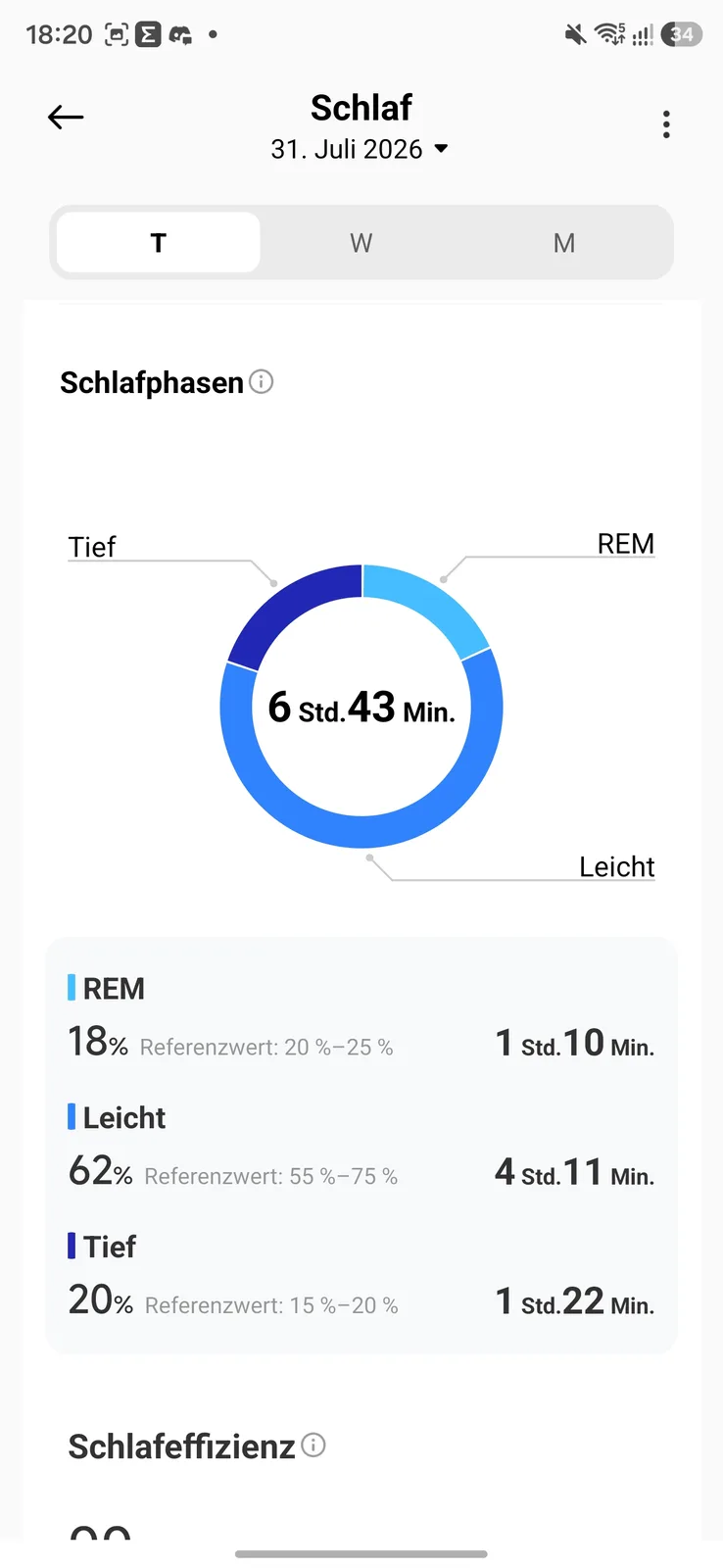
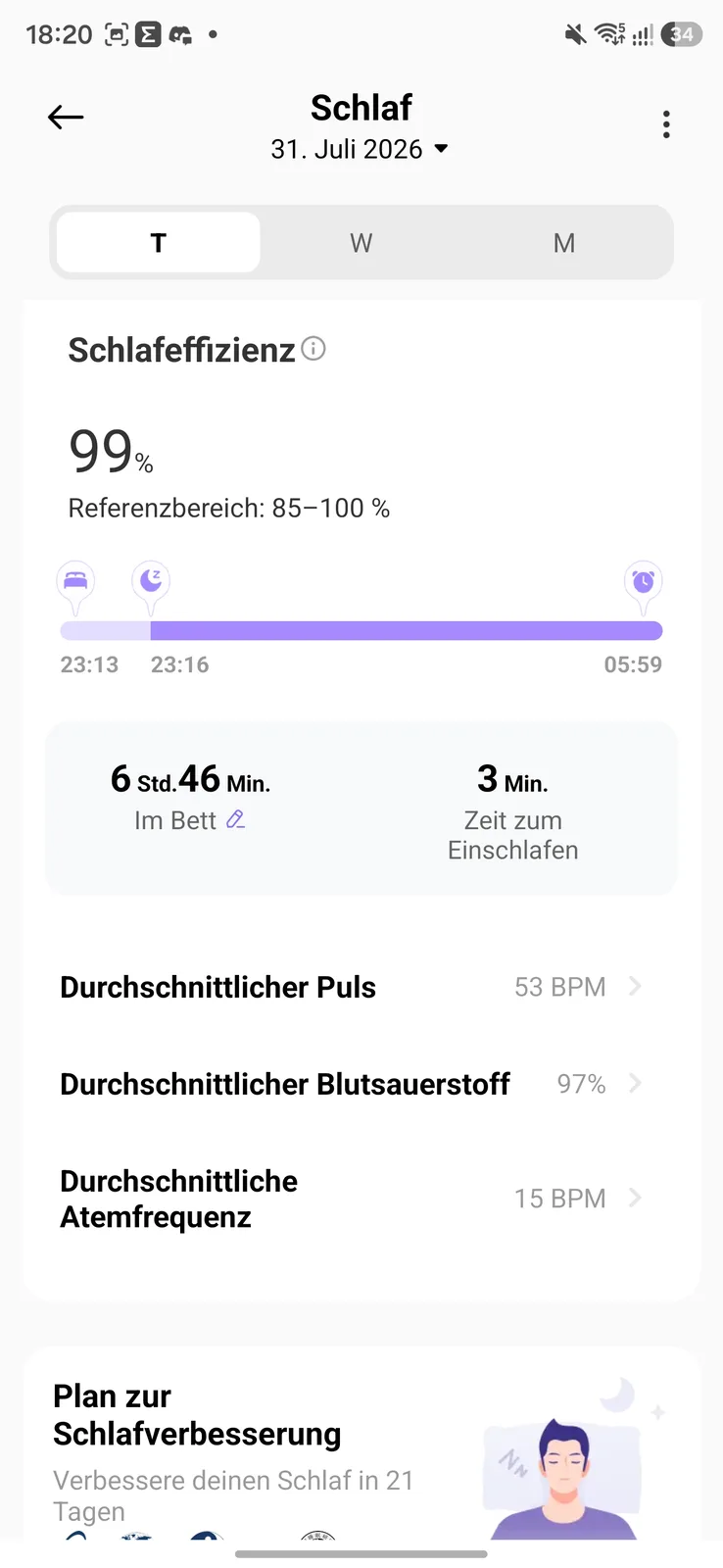
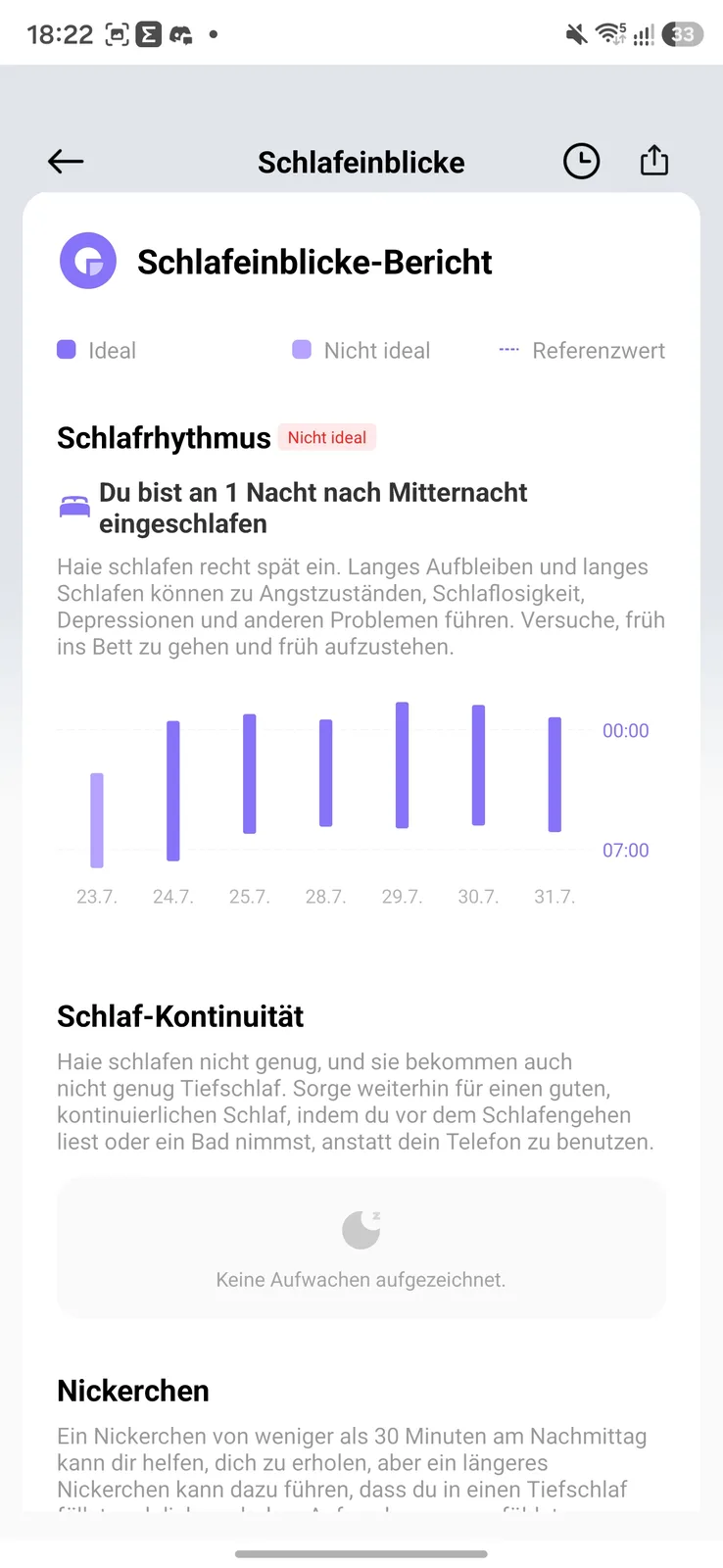
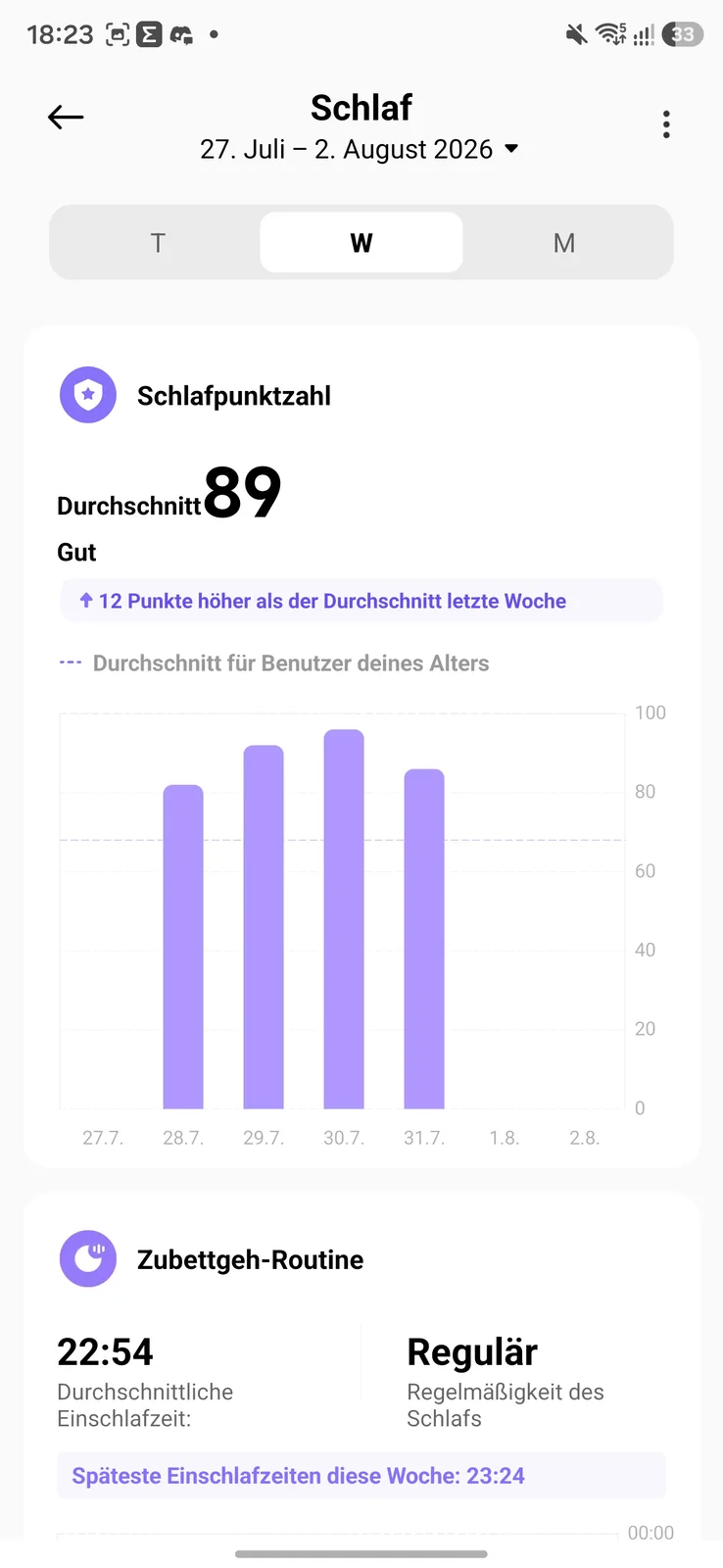
The comprehensive sleep analysis feature on the Xiaomi Smart Band 10 Pro is disabled by default. The Smart Band and app display total sleep duration, the distribution across sleep stages, sleep efficiency, average heart rate, blood oxygen saturation, and respiratory rate.
Sleep efficiency is intended to indicate how much time was spent in bed and the difference from actual sleep—that is, how long it took the wearer to fall asleep. However, this metric is not always reliable in testing.
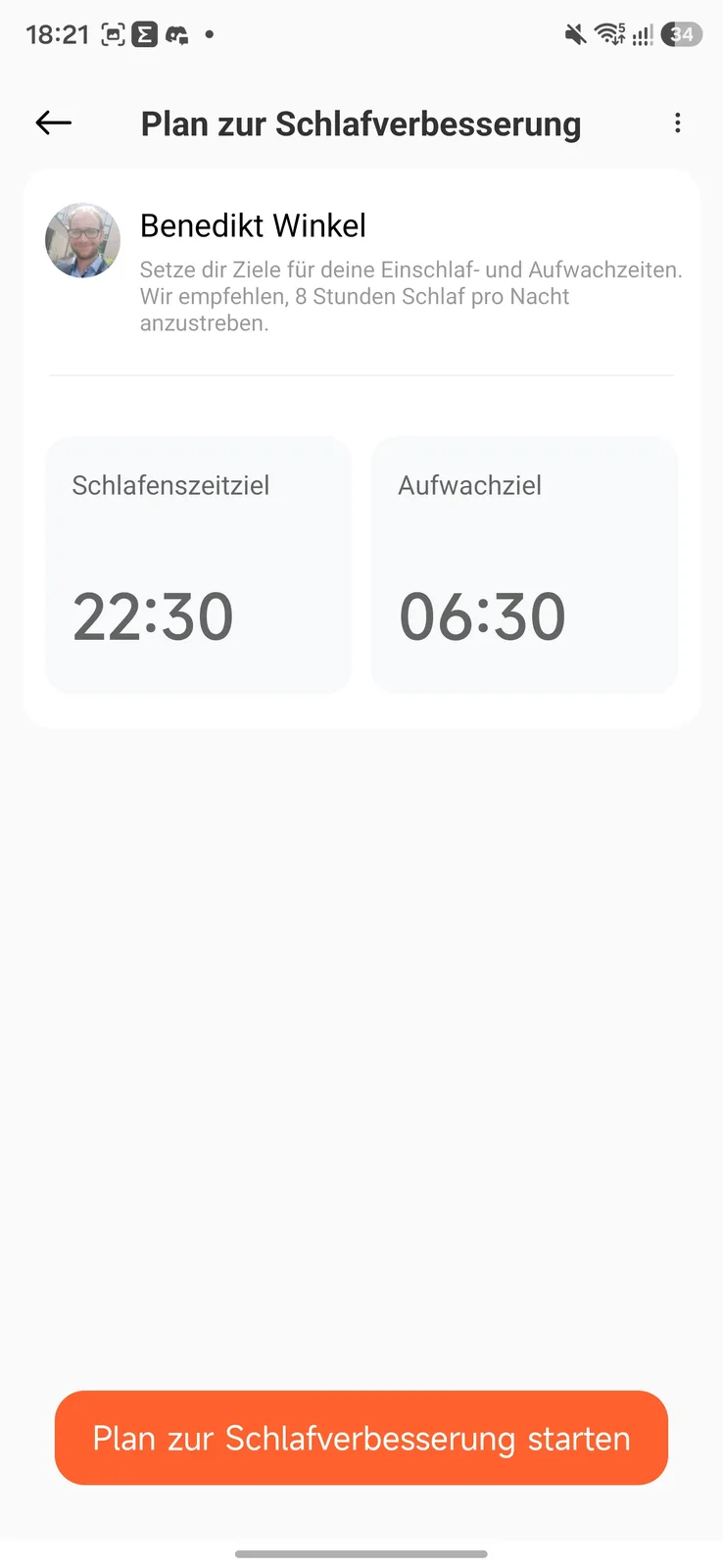
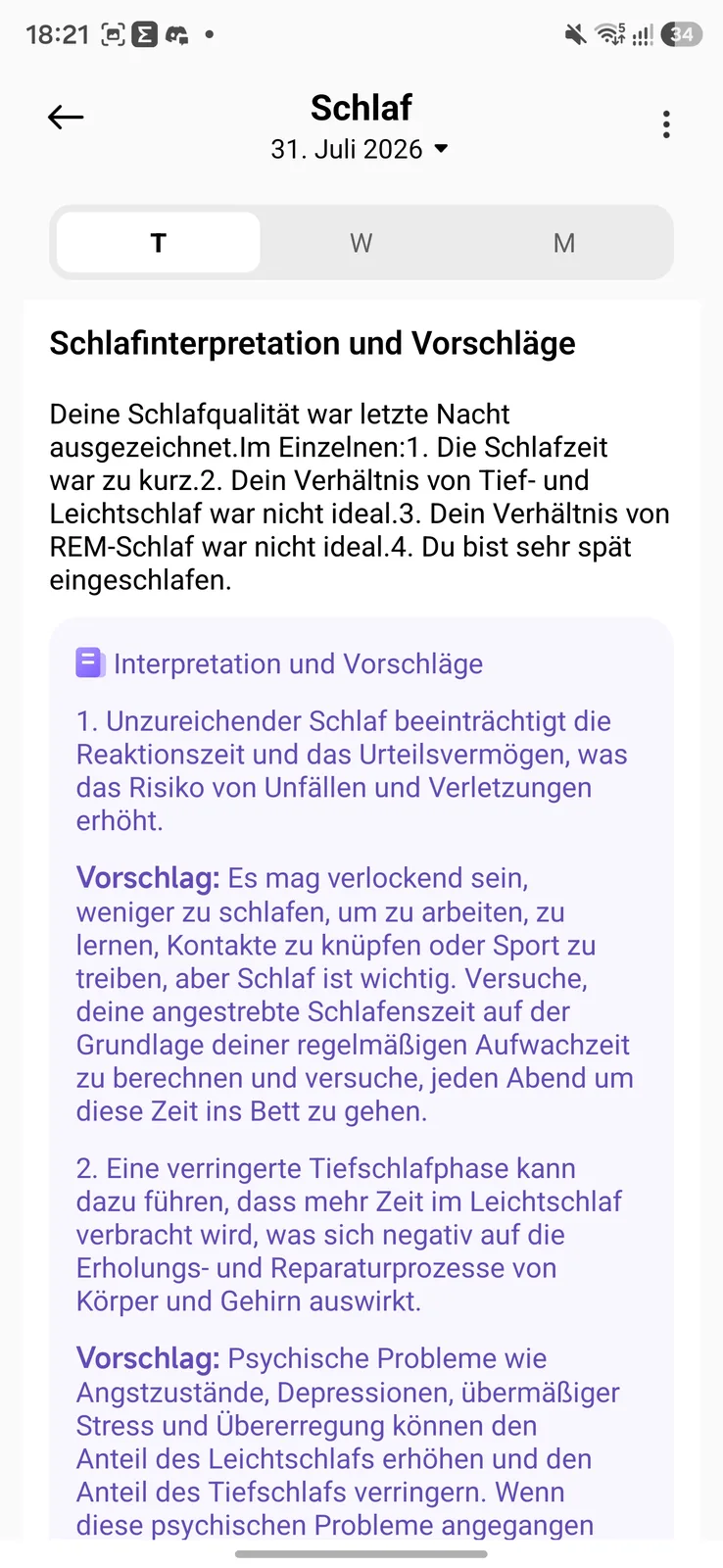
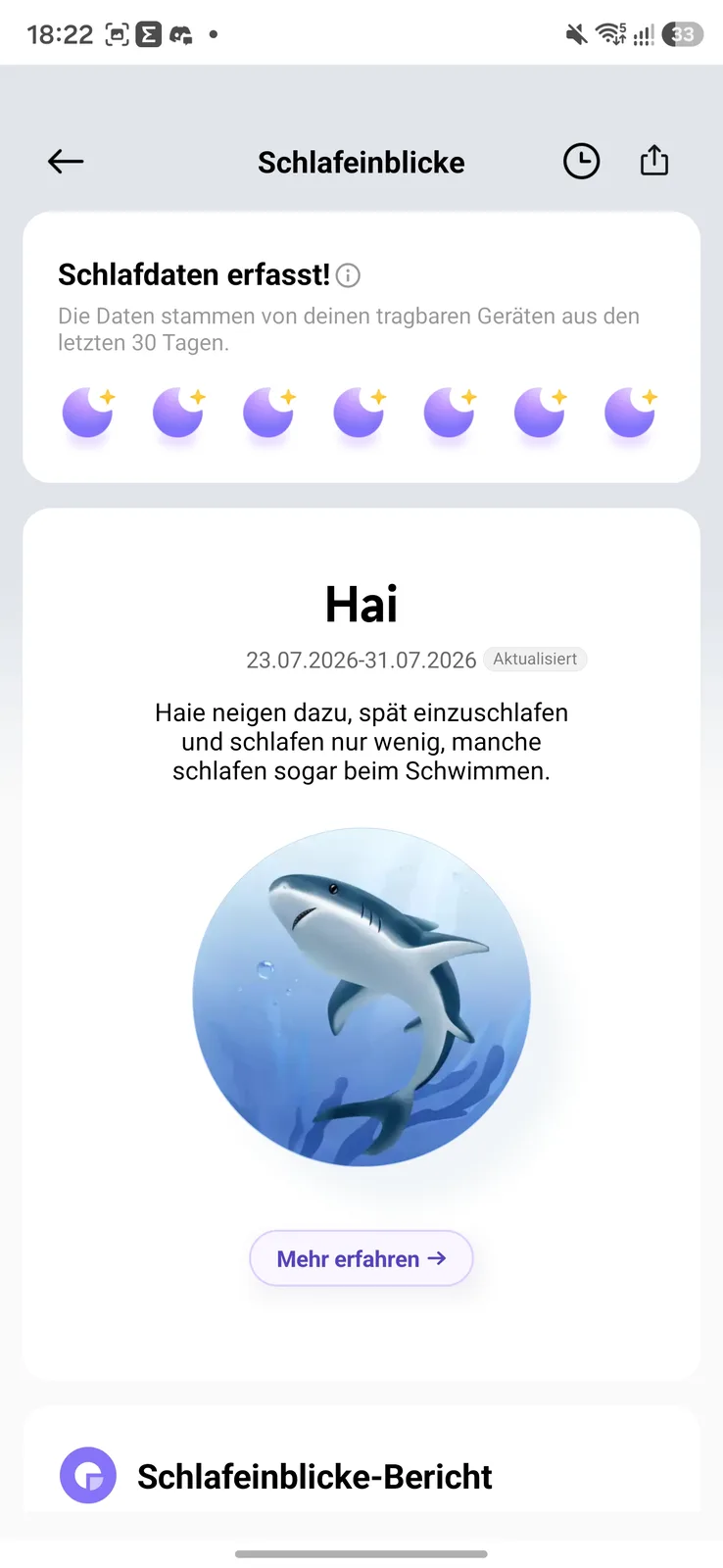
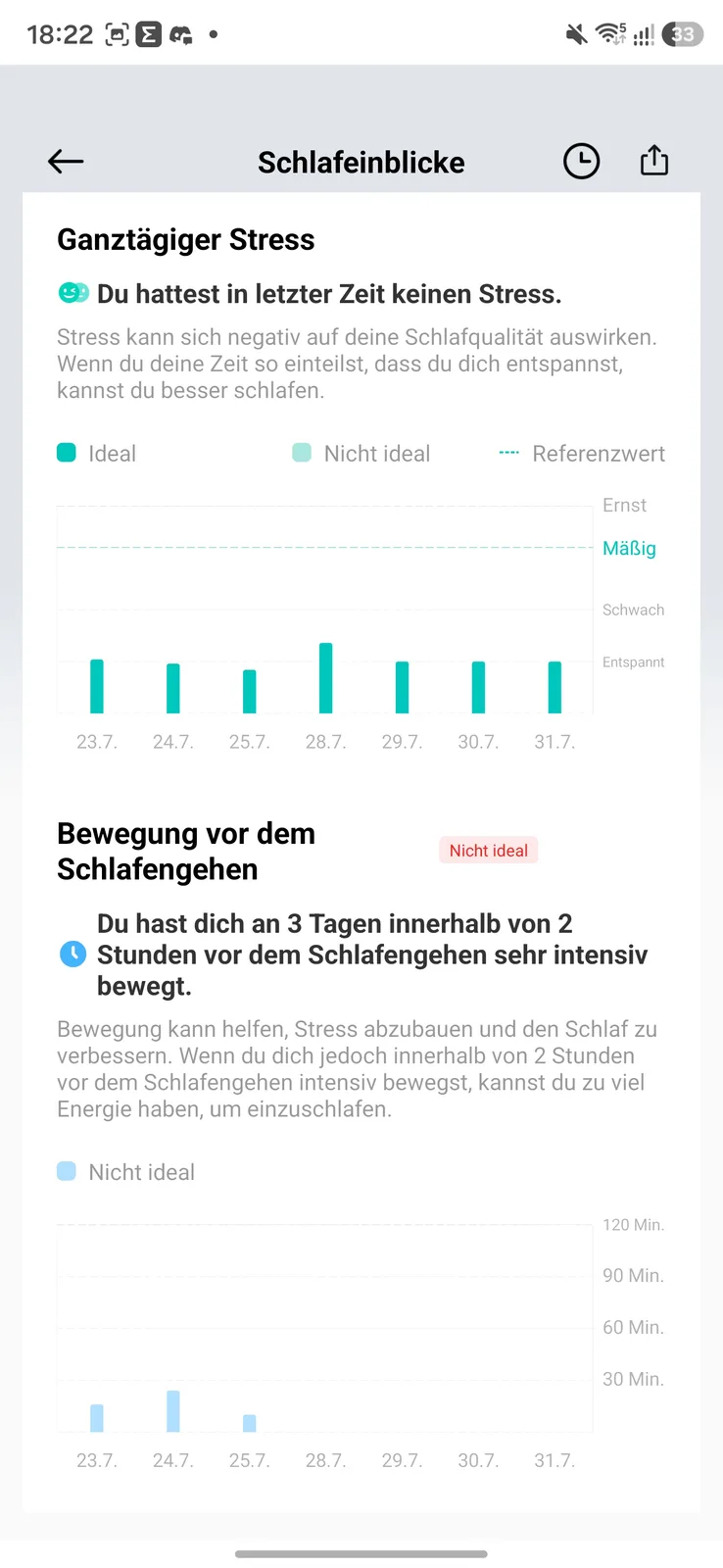
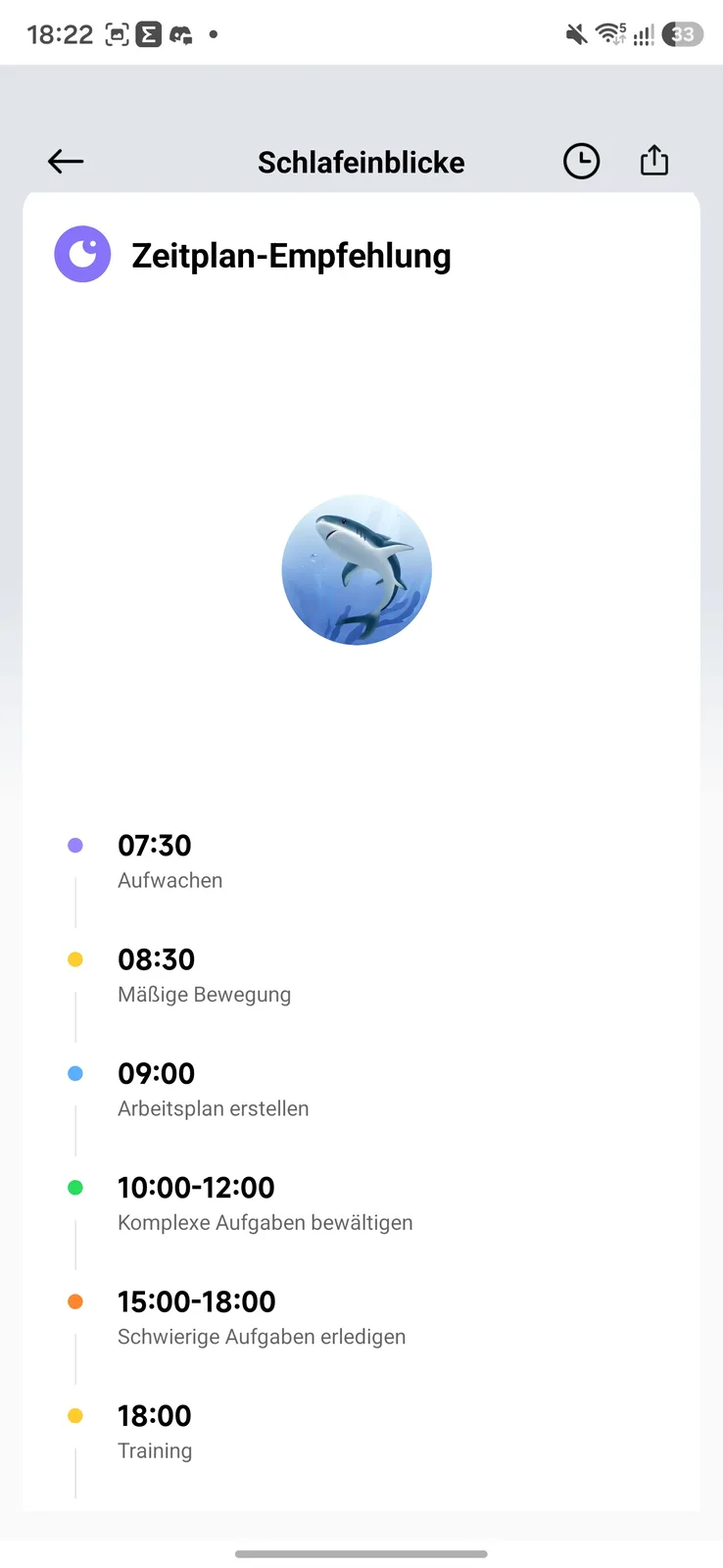
In addition to the usual information on sleep stages, the software provides tips for healthy sleep and suggests daily routines. The primary focus is on the regularity of sleep. Sleep records are analyzed, and typical sleep patterns are compared to a “sleep animal.”
Sleep data can be displayed for days, weeks, and months. The software provides a comparison with data from the previous period. The Smart Band 10 Pro features a smart alarm clock designed to avoid waking the user from deep sleep whenever possible. However, the ten-minute window for this is very short.
Workout Recording - Personal Goals, Warm-Up, and AI Pacer
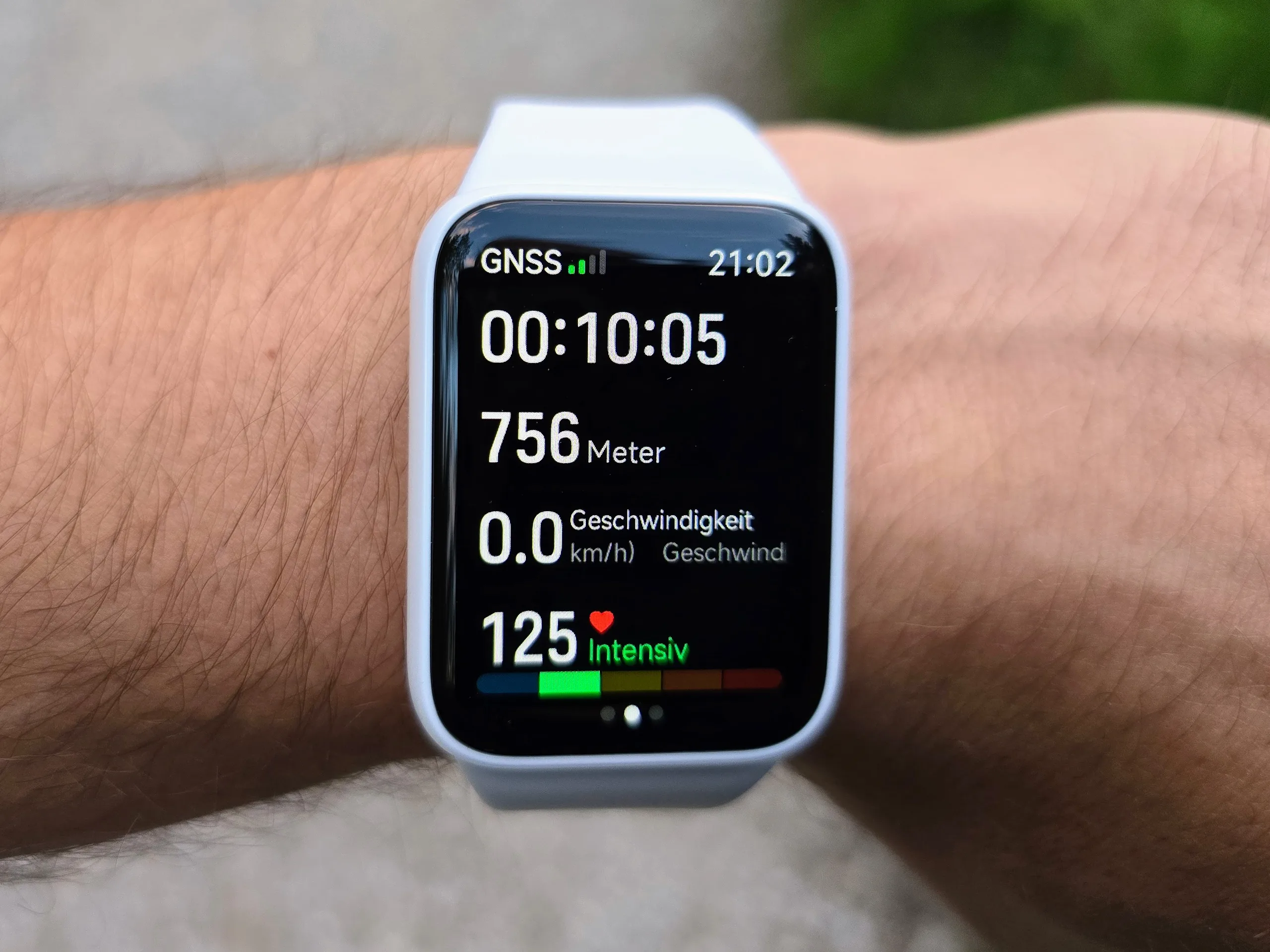
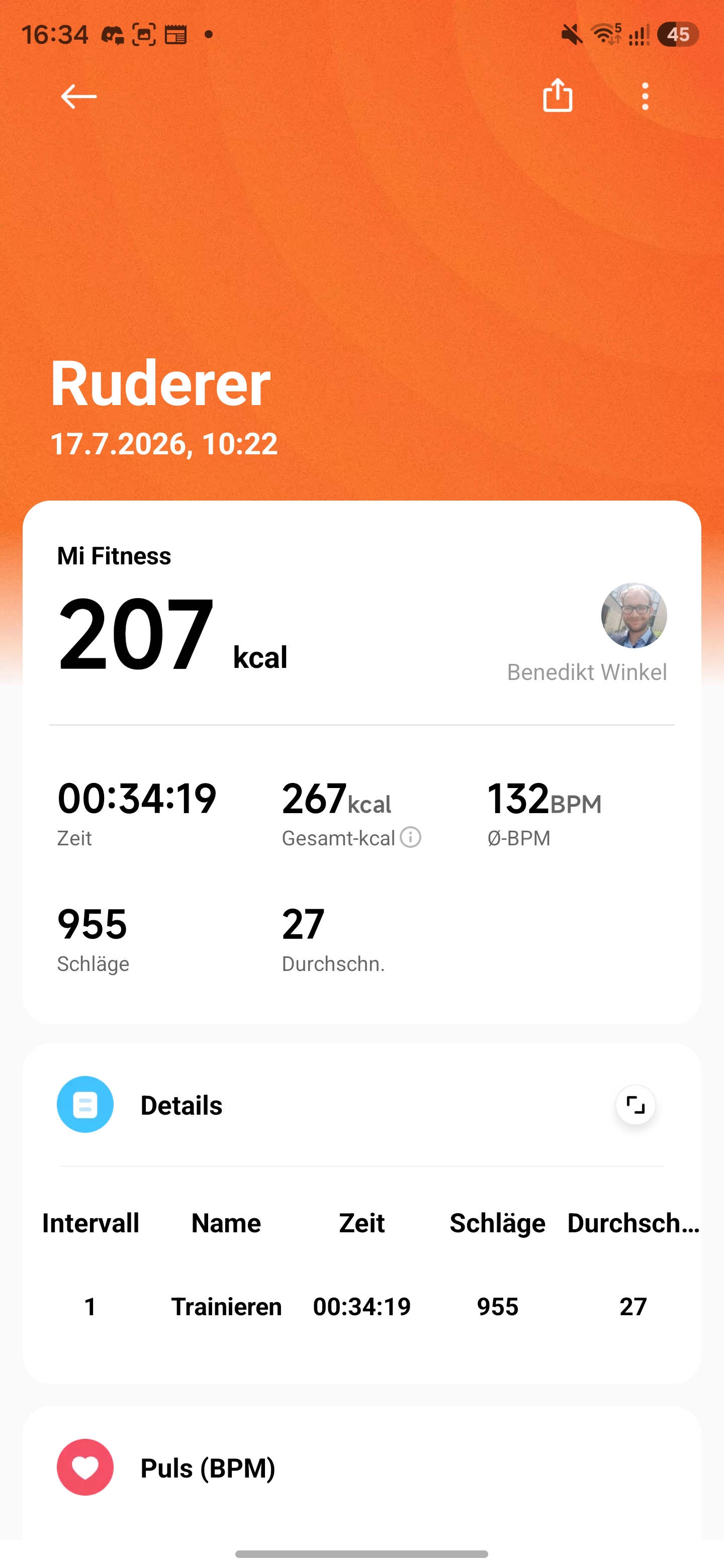
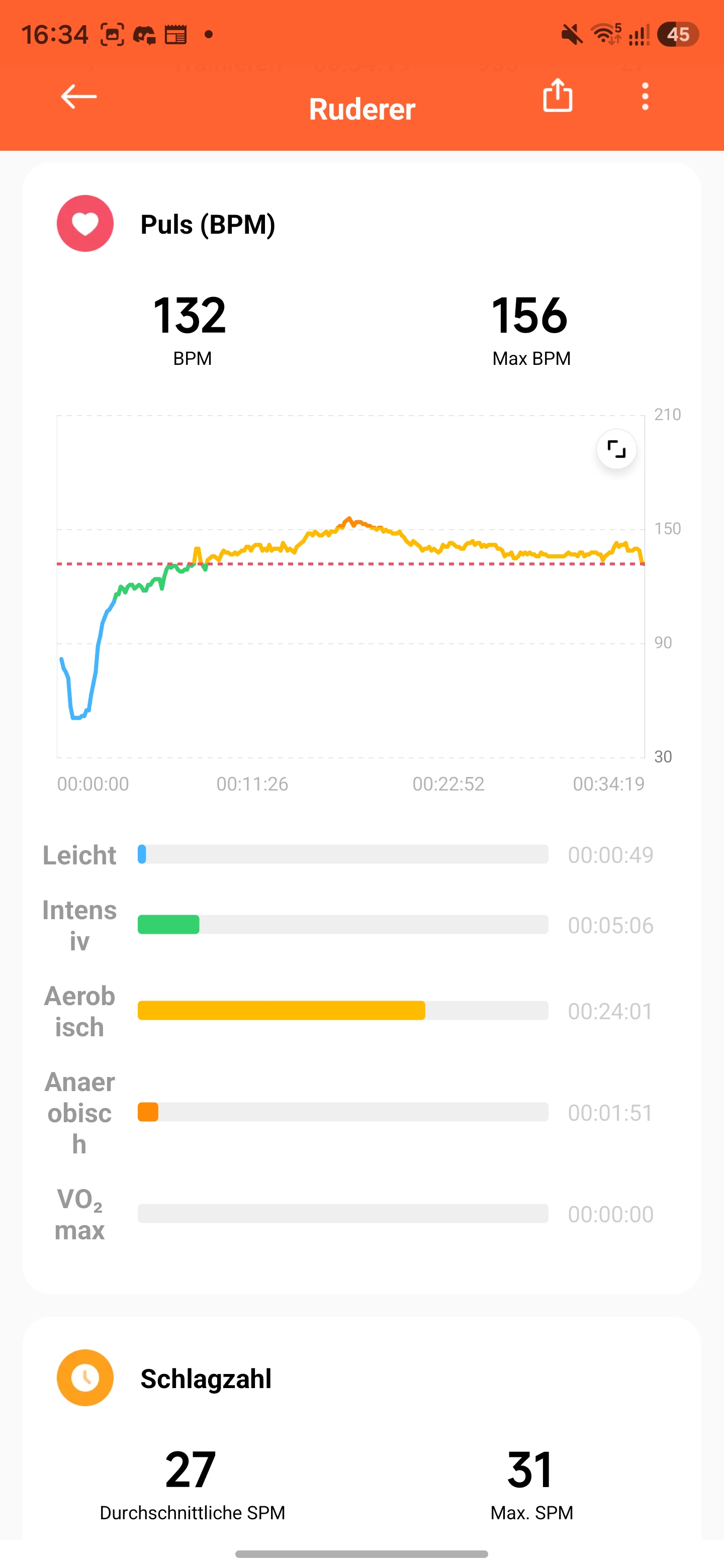
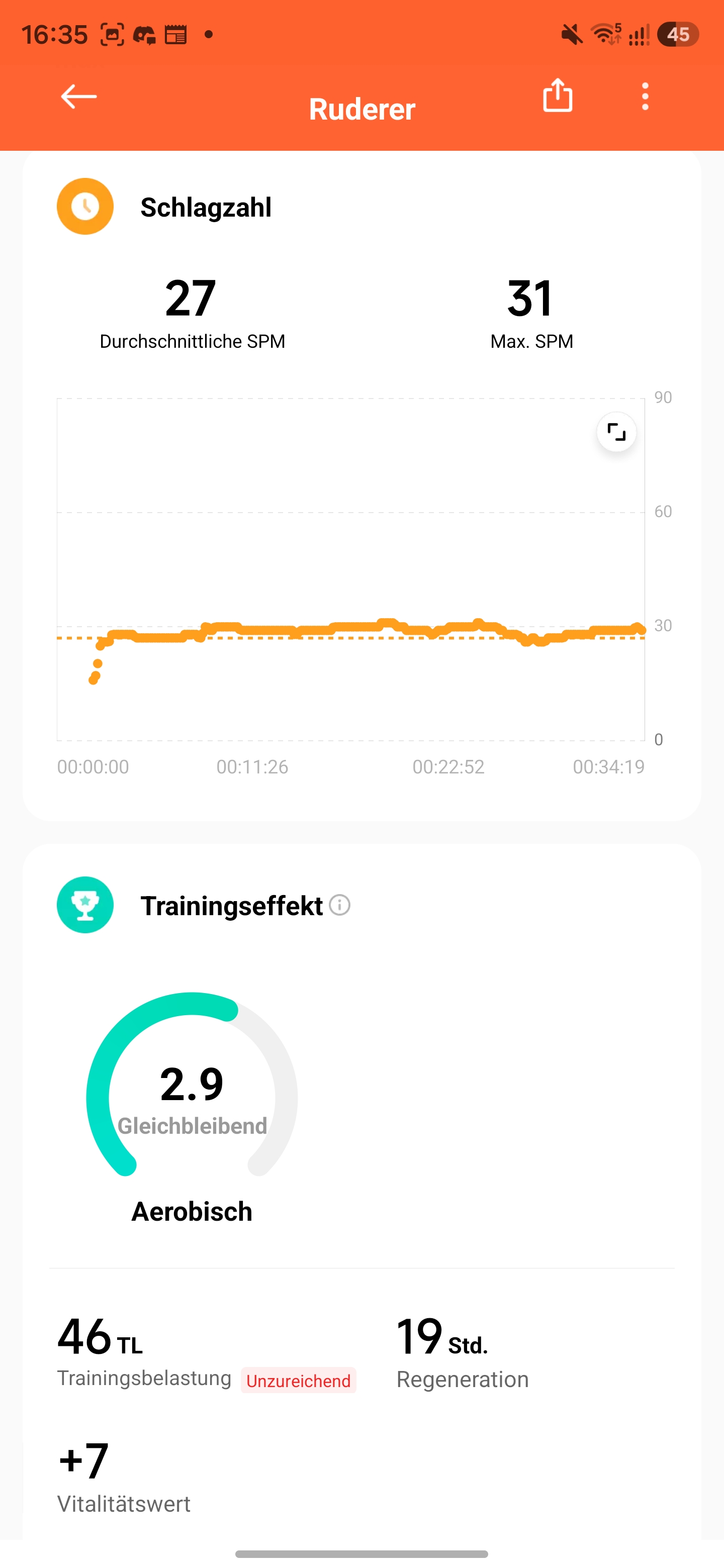
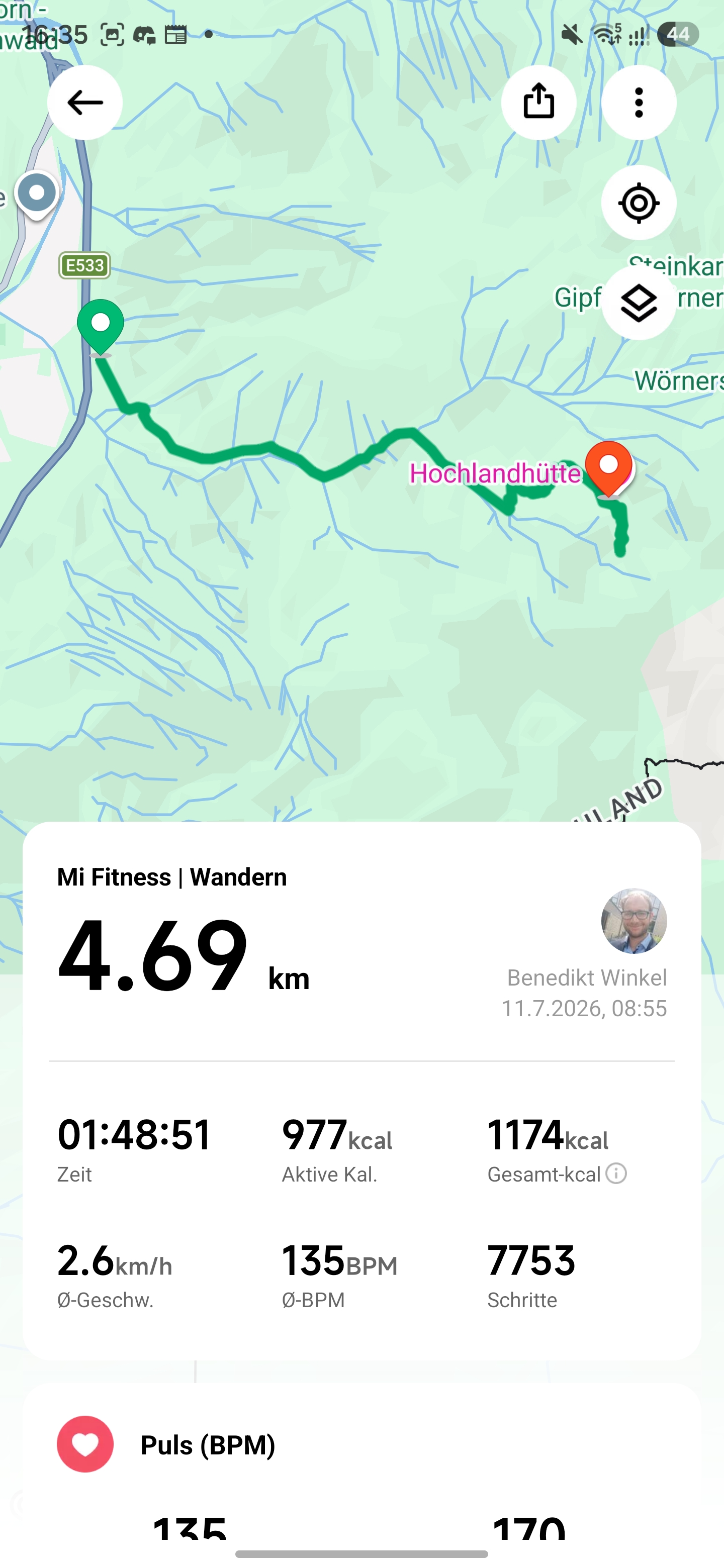
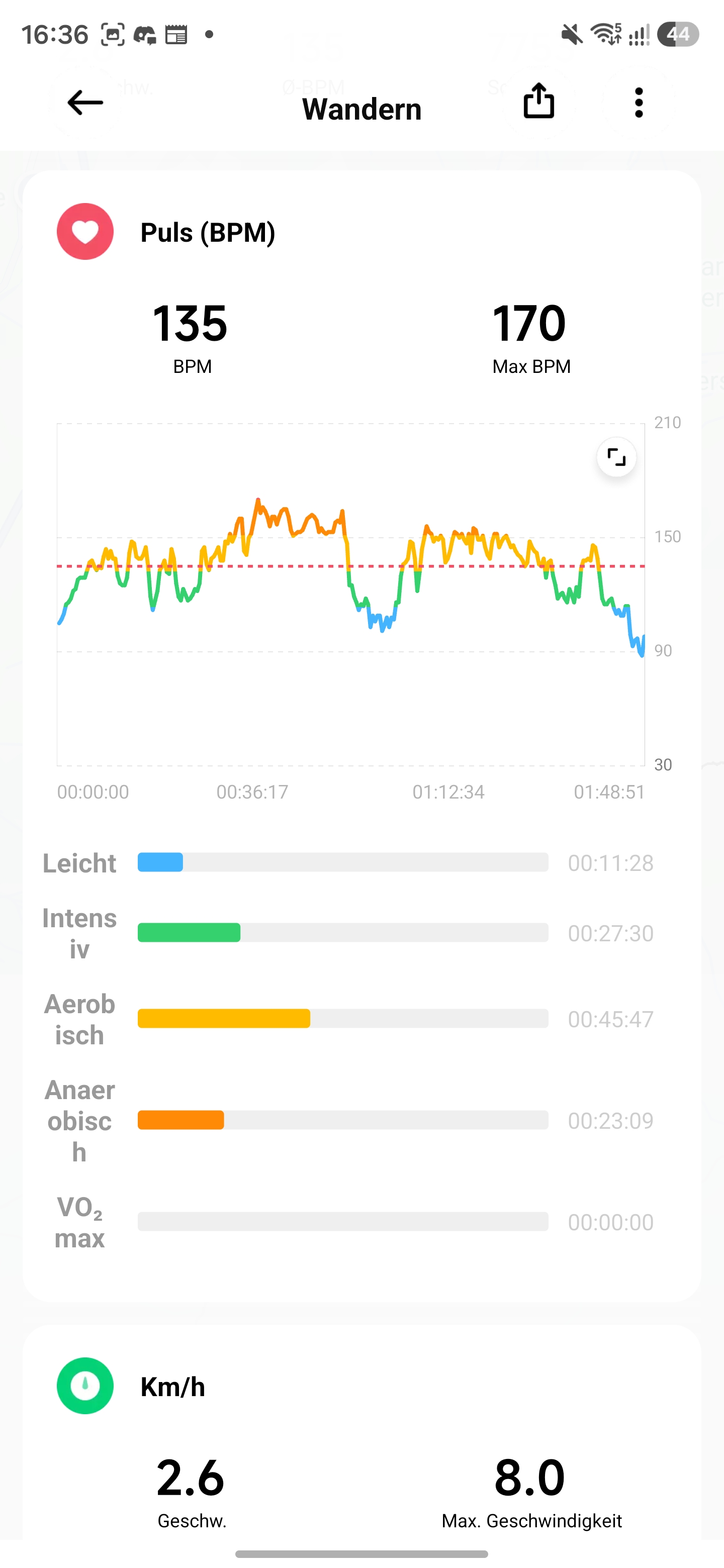
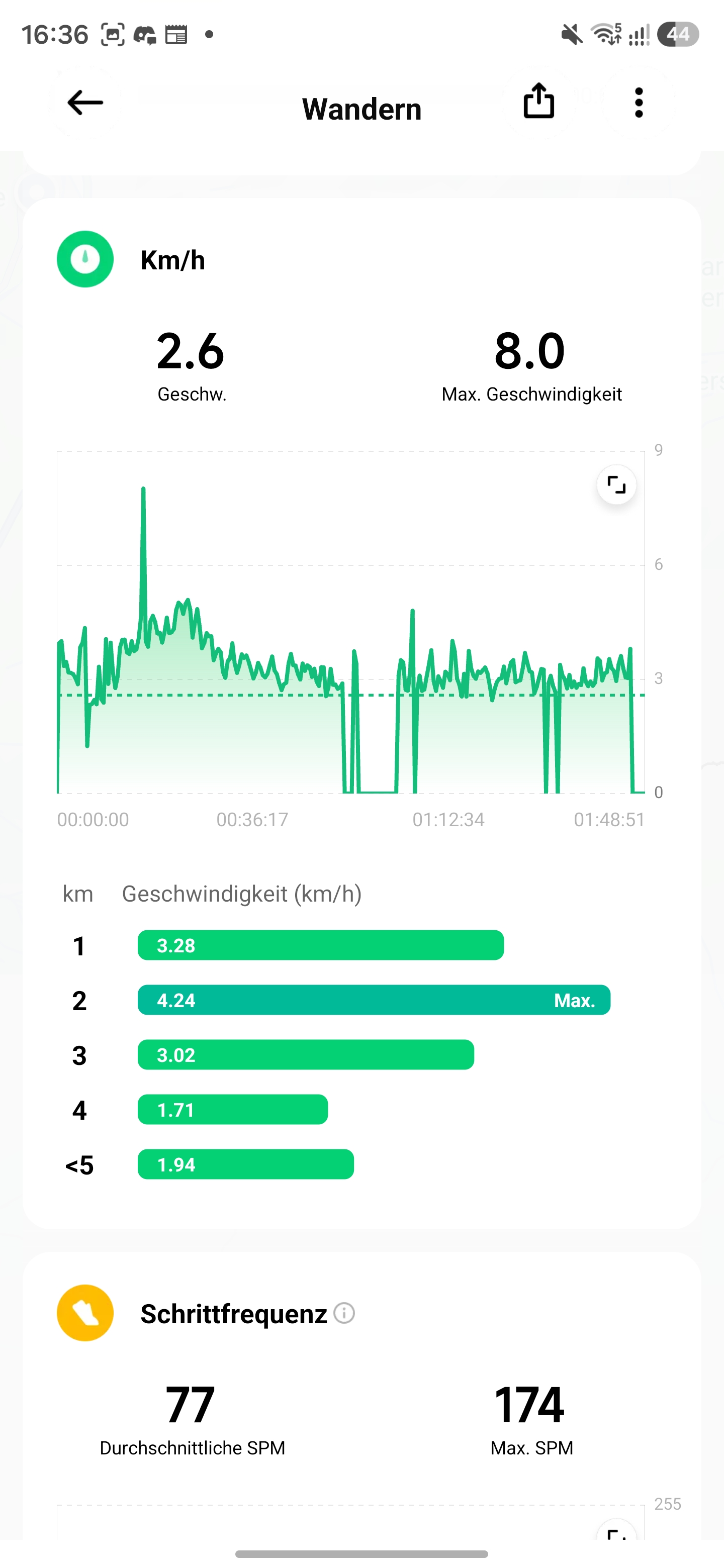
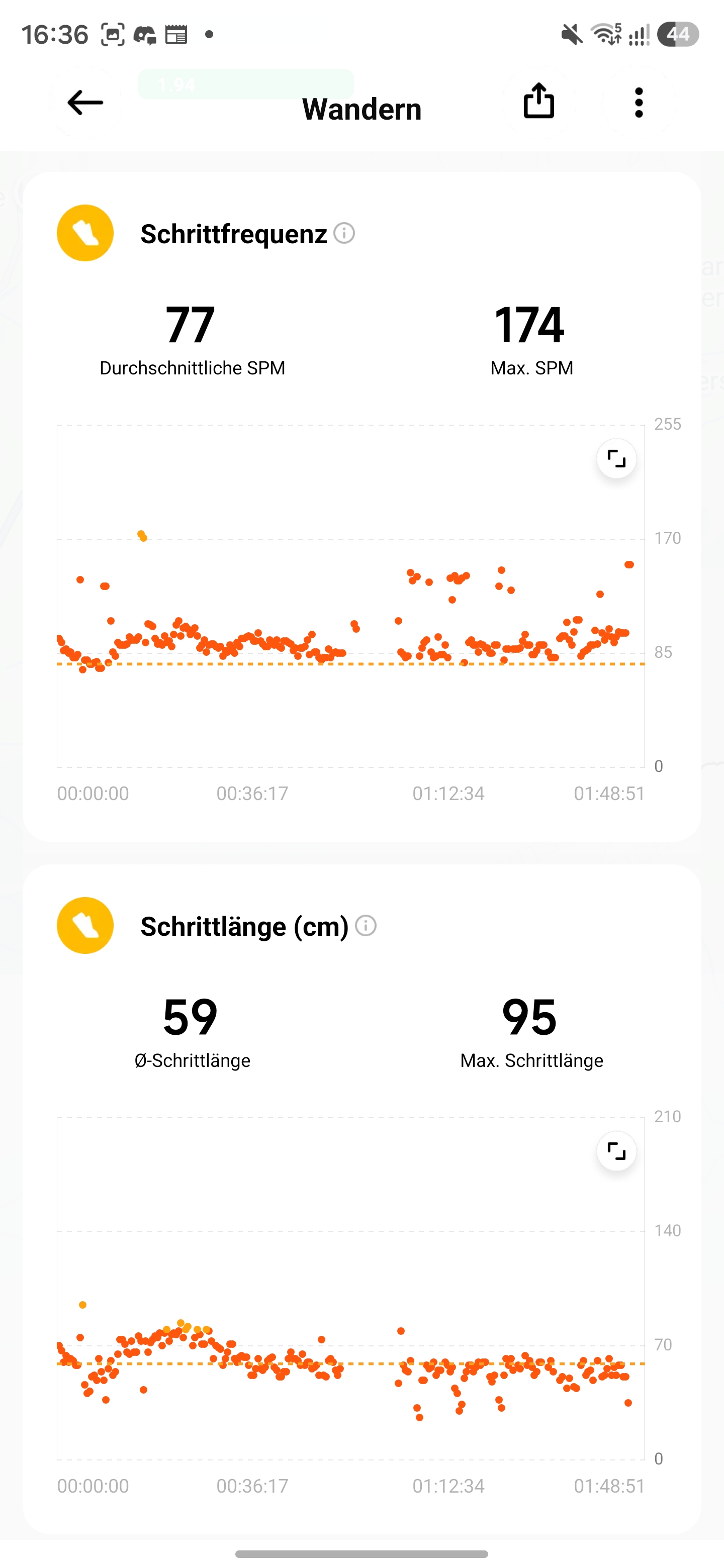
According to Xiaomi, the Smart Band 10 Pro can track over 150 sports. We wore the fitness tracker while cycling, hiking, swimming, and rowing. The band stays securely in place, and thanks to its light weight, it doesn’t get in the way.
The band can automatically detect workouts on demand; in our testing, this worked reliably for running and cycling. You can set goals for each workout, such as duration, distance, or calories burned. Depending on the sport, the band also suggests a warm-up routine.
The range of features varies by sport. For running, for example, there are interval workouts and an AI pacer. The Smart Band also comes preloaded with running routes of various difficulty levels, lengths, and speeds.
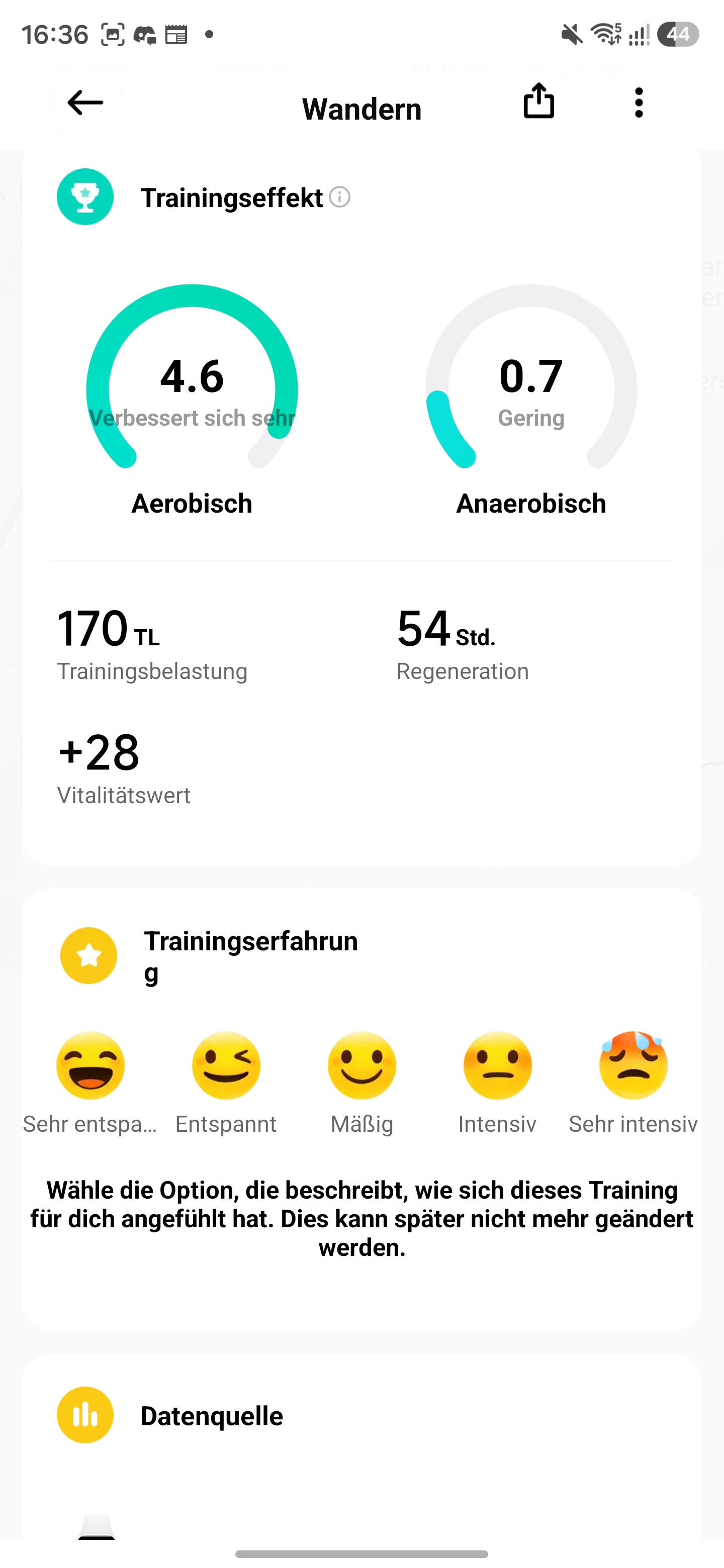
The software calculates the training load and suggests appropriate rest periods. The Smart Band 10 Pro is designed to measure “running ability” and VO2 max. However, this requires completing a test run lasting 15 or 21 minutes, respectively.
GNSS and Navigation - Smart Band 10 Pro with Built-in GNSS
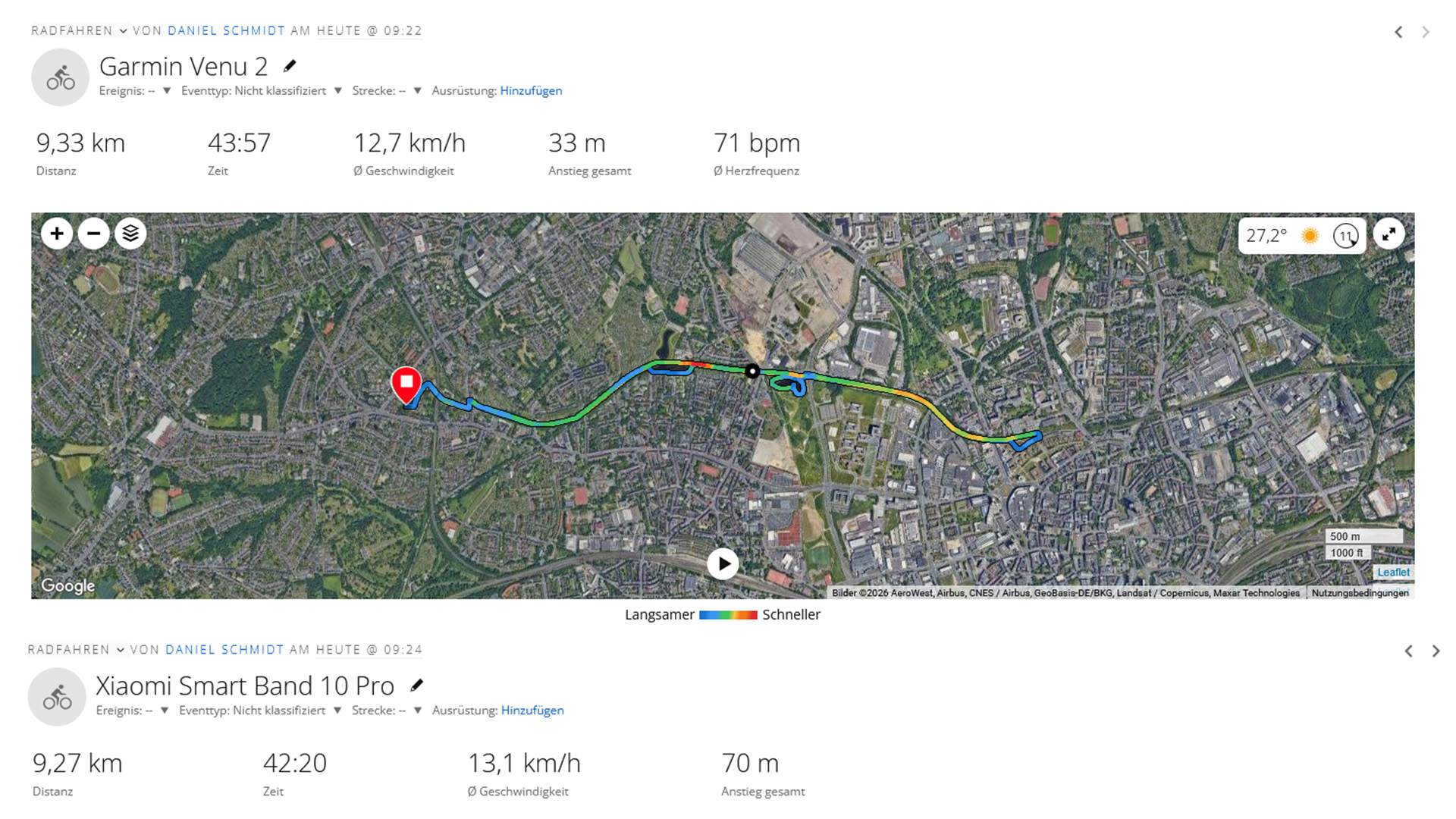
The Smart Band 10 Pro features built-in GNSS. All relevant systems are supported in dual-band mode. During testing, the connection was consistently established quickly and remained stable. Regarding the satellite images, it is noticeable that they lack some accuracy; the route and the plotted paths do not always match exactly.
Completed routes can be exported as GPX, KML, and TCX files. Although routes can be imported into the Mi Fitness app, they cannot be loaded onto the Smart Band or used in workouts. There is no navigation software available for the Smart Band 10 Pro.


Display - Incredible Brightness on the Smart Band 10 Pro
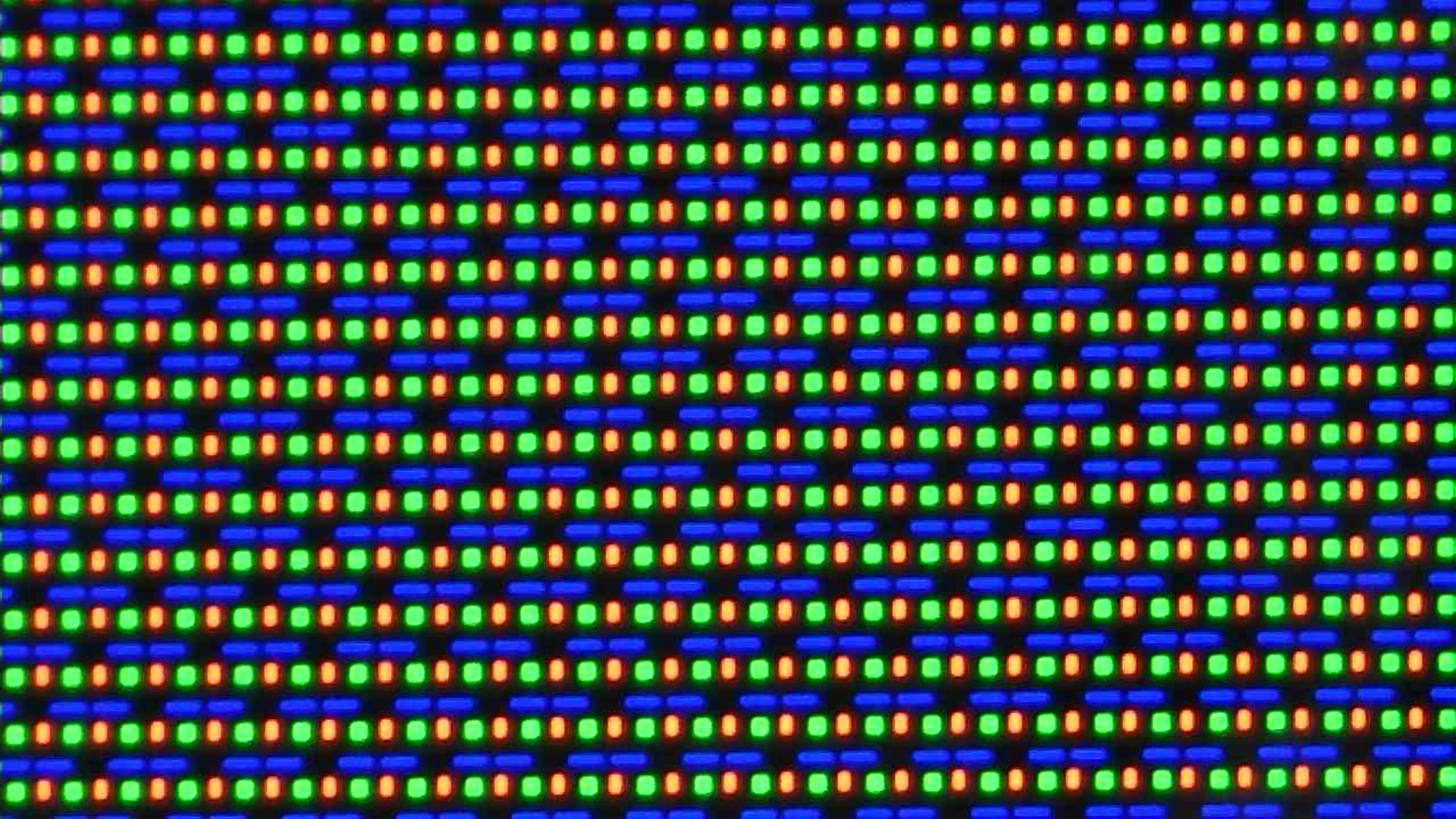
The 1.74-inch AMOLED display is a standout feature of the Xiaomi Smart Band 10 Pro. The panel impresses with excellent sharpness and an astonishing maximum brightness. With the ambient light sensor active, we measured 1,866 cd/m².
Even without the sensor, it still reaches 594 nits. These are impressive figures, especially in this price range. With its display size and maximum brightness, the Smart Band Pro clearly stands out from the standard Smart Band.
During our measurements, we also detected screen flicker at a frequency of 60 Hz. The Smart Band 10 Pro features an always-on display. This feature can be enabled permanently or via a timer. The style can also be customized.
| Xiaomi Smart Band 10 Pro | Xiaomi Smart Band 10 | Xiaomi Smart Band 8 Pro | Amazfit Active 2 | Huawei Watch Fit 5 Pro | |
|---|---|---|---|---|---|
| Response Times | |||||
| PWM Frequency (Hz) | 60 | 60 | 60 | 60 | 60 |
| Screen | -47% | -66% | -1% | 66% | |
| Brightness middle (cd/m²) | 1866 | 980 -47% | 643 -66% | 1842 -1% | 3103 66% |
| Black Level * (cd/m²) | |||||
| Total Average (Program / Settings) | -47% /
-47% | -66% /
-66% | -1% /
-1% | 66% /
66% |
* ... smaller is better
Screen Flickering / PWM (Pulse-Width Modulation)
| Screen flickering / PWM detected | 60 Hz | 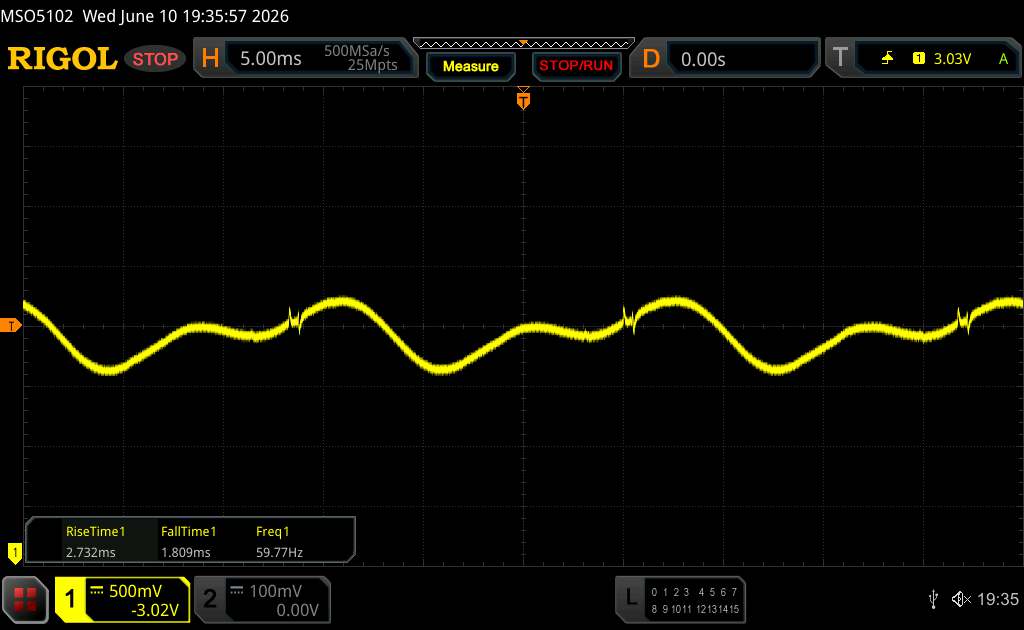 | |
The display backlight flickers at 60 Hz (worst case, e.g., utilizing PWM) . The frequency of 60 Hz is very low, so the flickering may cause eyestrain and headaches after extended use. In comparison: 52 % of all tested devices do not use PWM to dim the display. If PWM was detected, an average of 7659 (minimum: 5 - maximum: 343500) Hz was measured. | |||
Performance and Battery Life - The Smart Band 10 Pro runs smoothly
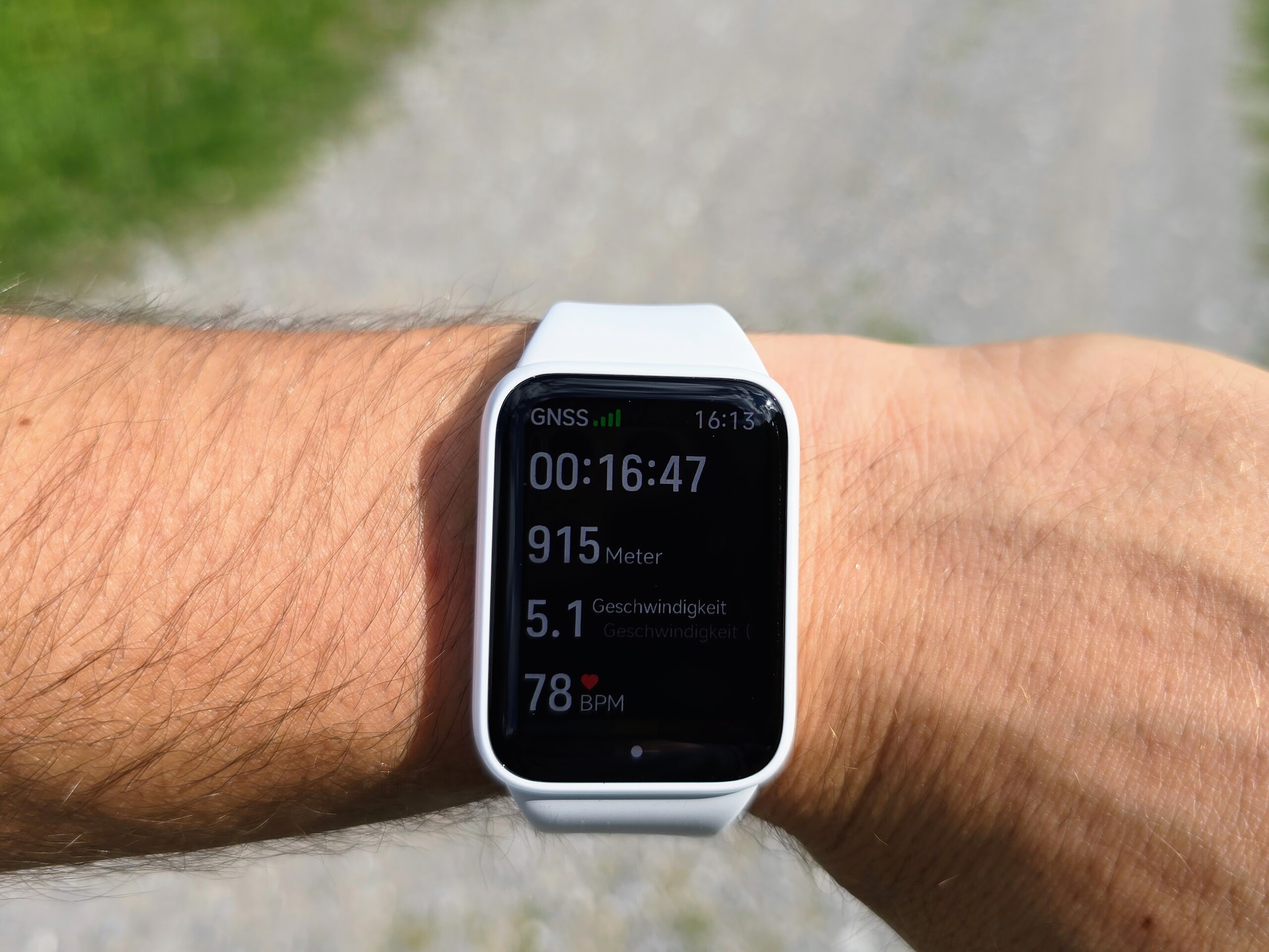
Xiaomi does not provide any information about the built-in SiP or memory. In everyday use, the system impresses with smooth, glitch-free operation and seamless transitions between apps. Scrolling is also largely smooth.
With the exception of watch faces and routes, no data is stored on the fitness tracker, so you shouldn’t run into any issues with insufficient storage space.
Battery Life—A week without a power outlet is always possible
Xiaomi advertises a battery life of up to 21 days. We didn’t come close to achieving that figure in our test. However, we enabled the always-on display, used all tracking features, automatic workout detection, and advanced sleep analysis—despite all the warnings about reduced battery life.
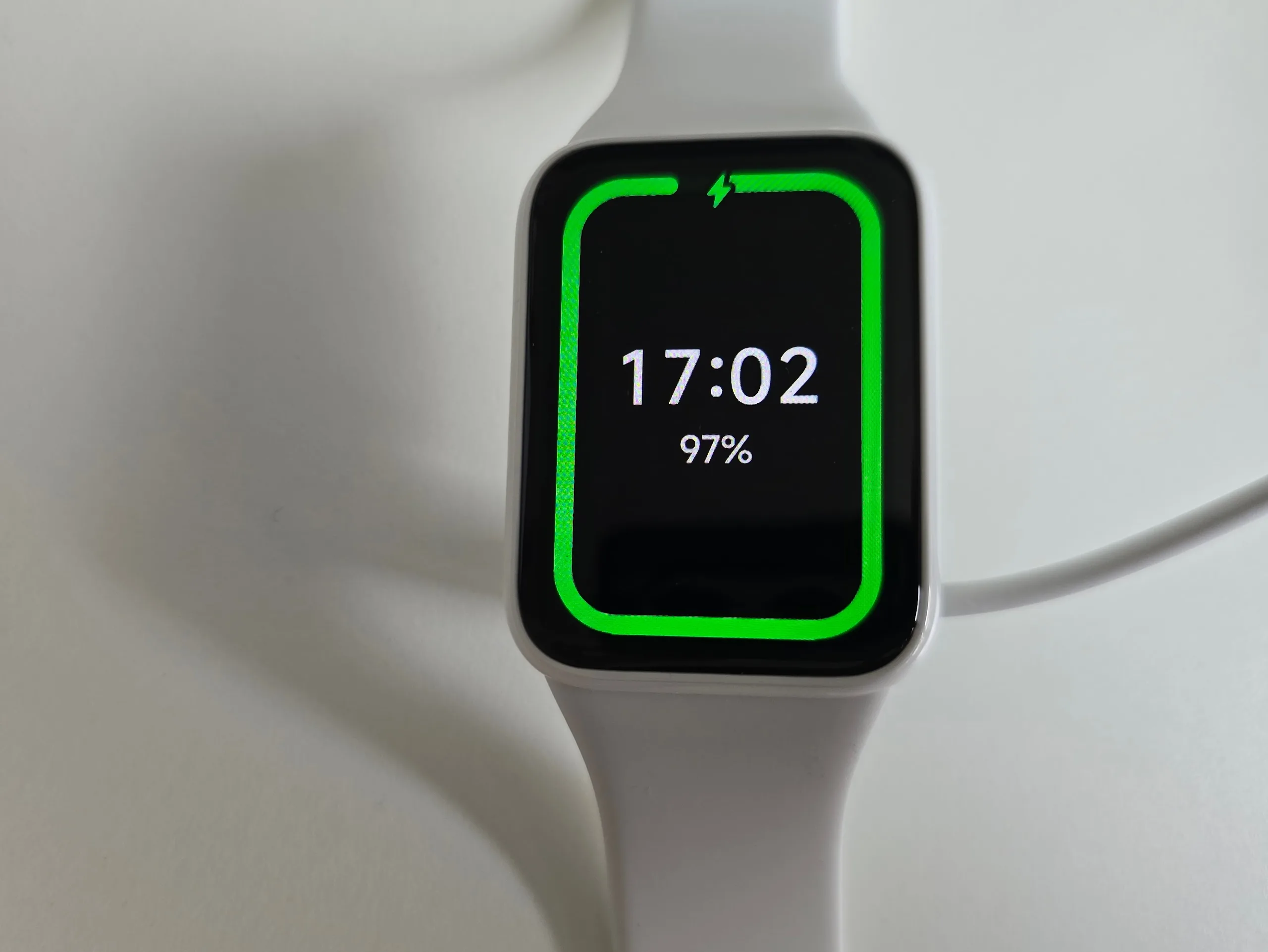
With some workouts, the minimum battery life was one week when using all features. Charging is done via a proprietary magnetic connector. In 30 minutes, the Smart Band 10 Pro charges from 10 to 48 percent. After 60 minutes, it reaches 79 percent, and after 80 minutes, 94 percent. We used an Anker 335 power adapter.
Comparison of Possible Alternatives
Image | Model | Price | Size | Weight | Battery Capacity | Display |
|---|---|---|---|---|---|---|
1.  | Xiaomi Smart Band 10 Pro | List Price: 99.99€ | 1.74" | 52.5 g | 350 mAh | 1.74" 480x336 AMOLED |
2.  | Xiaomi Smart Band 10 | Amazon: $53.99 List Price: 50€ | 1.72" | 27 g | 233 mAh | 1.72" 520x212 326 PPI AMOLED |
3.  | Xiaomi Smart Band 8 Pro | Amazon: 1. $94.99 XIAOMI Smart Band 9 Pro Smar... 2. $52.99 XIAOMI Mi Smart Band 10 (202... 3. $11.98 Chofit Compatible with Xiaom... List Price: 70€ | 1.74" | 37 g | 289 mAh | 1.74" 336x480 336 PPI AMOLED |
4.  | Amazfit Active 2 | List Price: 99€ | 1.32" | 29.5 g | 270 mAh | 1.32" 466x466 353 PPI AMOLED |
5.  | Huawei Watch Fit 5 Pro | List Price: 299€ | 1.92" | 30.4 g | 471 mAh | 1.92" 480x408 328 PPI AMOLED |
Transparency
The selection of devices to be reviewed is made by our editorial team. The test sample was given to the author by the manufacturer free of charge for the purposes of review. There was no third-party influence on this review, nor did the manufacturer receive a copy of this review before publication. There was no obligation to publish this review. As an independent media company, Notebookcheck is not subjected to the authority of manufacturers, retailers or publishers.
This is how Notebookcheck is testing
Every year, Notebookcheck independently reviews hundreds of laptops and smartphones using standardized procedures to ensure that all results are comparable. We have continuously developed our test methods for around 20 years and set industry standards in the process. In our test labs, high-quality measuring equipment is utilized by experienced technicians and editors. These tests involve a multi-stage validation process. Our complex rating system is based on hundreds of well-founded measurements and benchmarks, which maintains objectivity. Further information on our test methods can be found here.
 Add as a preferred source on Google


