




Eco-friendly aqueous battery could last for centuries
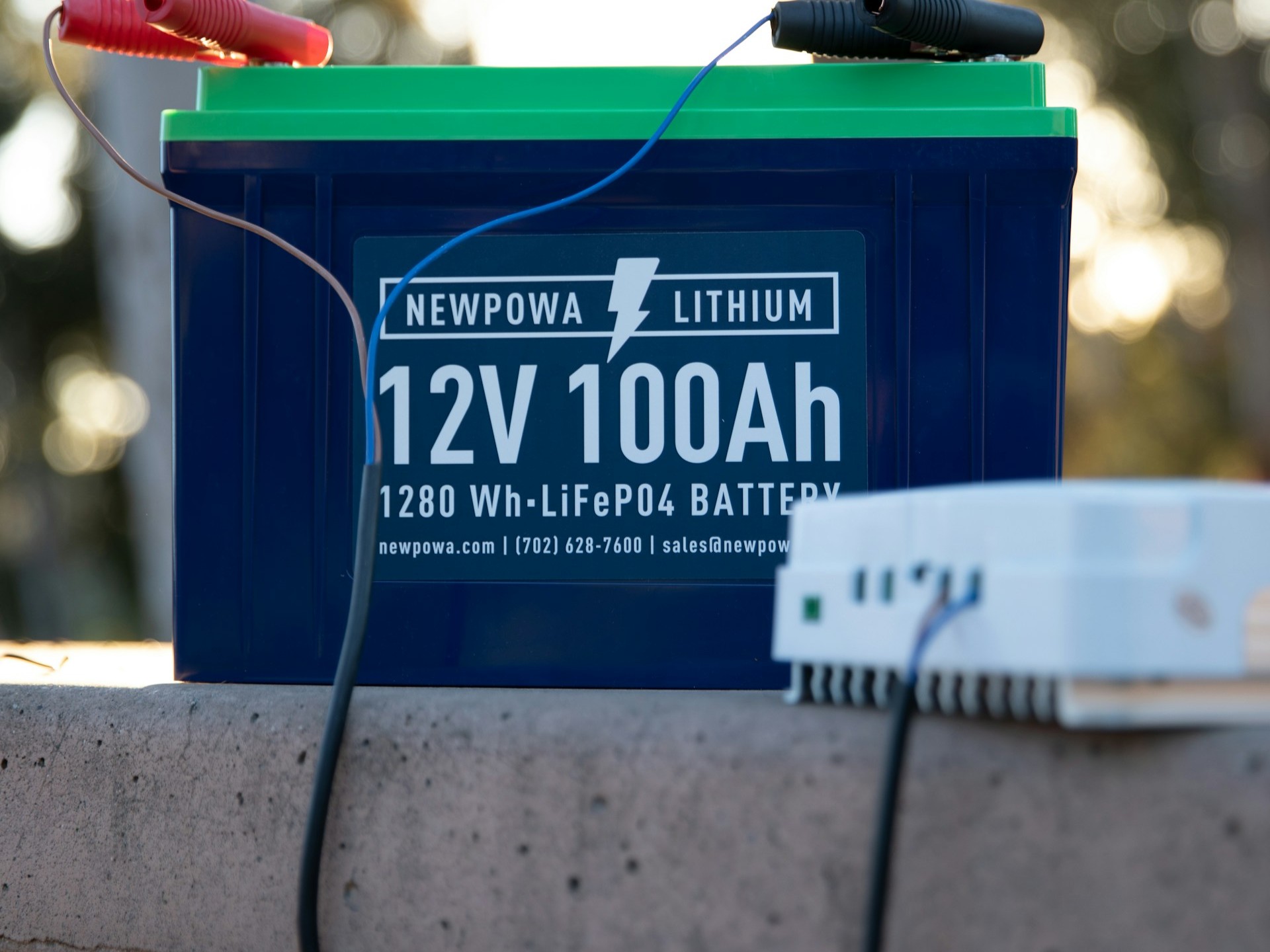
Traditional batteries heavily rely on harsh, corrosive acids and alkalis that degrade internal components and pose severe environmental contamination risks upon disposal. To address this, researchers from the City University of Hong Kong and the Southern University of Science and Technology have engineered a benign, aqueous battery alternative.
The novel design replaces toxic liquids with an electrolyte composed of neutral magnesium and calcium salts — minerals commonly utilized in tofu brine. Maintained at a neutral pH of 7.0, this solution effectively eliminates internal corrosion. For the negative electrode, scientists synthesized Hexaketone-tetraaminodibenzo-p-dioxin, a covalent organic polymer. This plastic-like structure features electron-donating chemical links that ensure high conductivity and rapid kinetics for divalent ion storage. The system is completed with a positive electrode formulated from a Prussian blue analog.
Testing revealed that the full cell delivers a voltage interval of 2.2 volts and a specific energy of 48.3 watt-hours per kilogram based on the total mass of the electrodes and electrolyte. Most notably, the battery maintains stability across 120,000 charge cycles at a specific current of 20 amperes per gram. Translated to a daily charging routine, the unit could theoretically function for over 300 years, vastly outperforming standard batteries that degrade after a few thousand cycles.
The system reaches a specific capacity of 112.8 milliampere-hours per gram. Because the internal materials are environmentally non-toxic, the battery can be directly discarded according to strict international safety frameworks, including the United States Resource Conservation and Recovery Act and ISO 14001. However, to commercialize this new battery, developers must overcome remaining challenges related to scaling the organic polymer manufacturing process and increasing the overall energy capacity within confined spaces.
Source(s)
Nature via Tech Xplore
 Add as a preferred source on Google


