




Next-generation smartwatches might be powered by body heat, thanks to new material
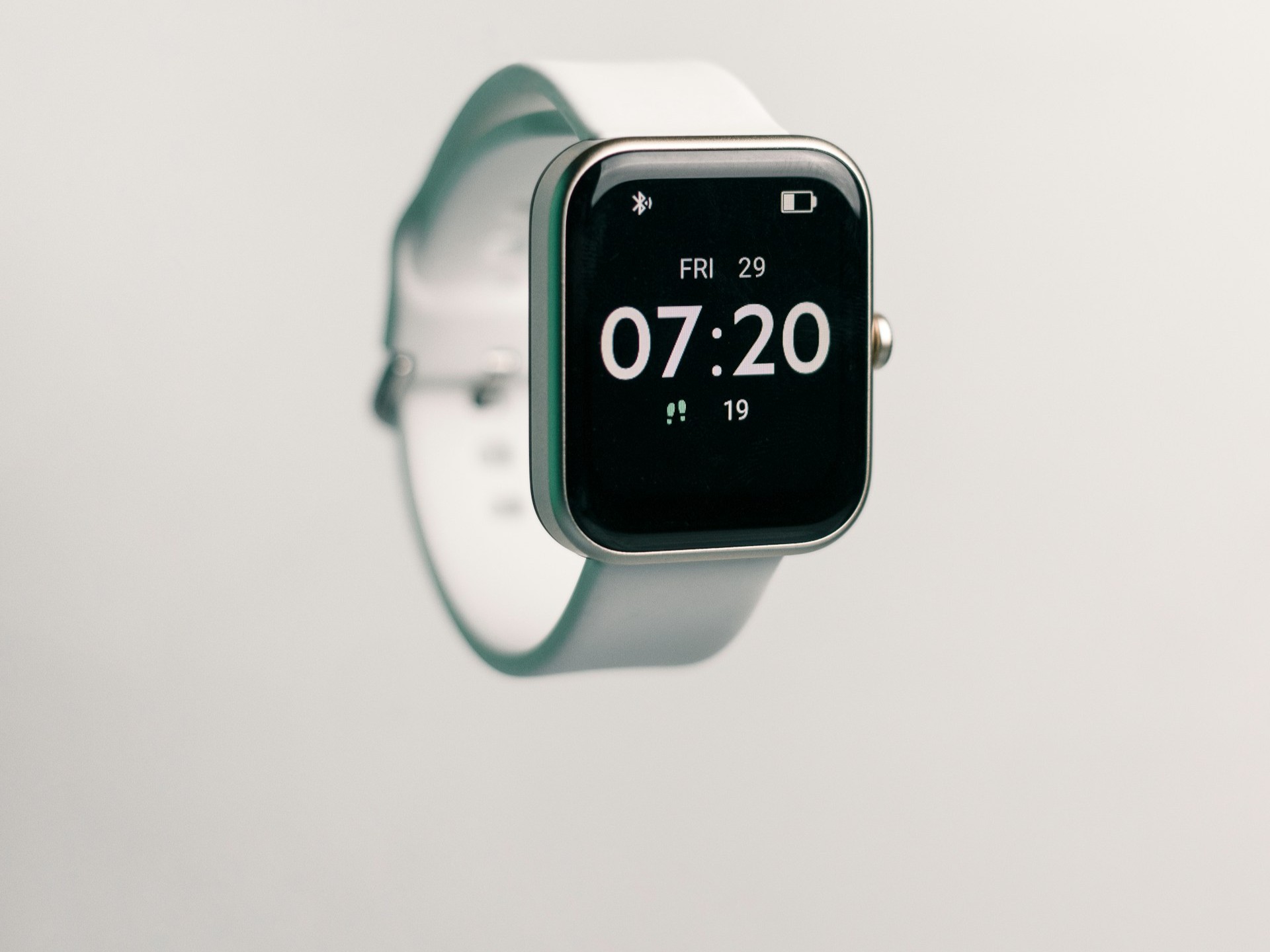
Over 60% of the global energy is lost as waste heat. To capture this lost energy, a research team from the Institute of Chemistry under the Chinese Academy of Sciences has created a highly flexible material that converts heat directly into electricity without producing pollution. Published in the journal Science, the new irregular hierarchical-porous thermoelectric polymer offers a continuous power supply solution for wearable devices like smartwatches by leveraging ambient temperature differences, such as body heat.
For these materials to work efficiently, they must conduct electricity well while preventing heat from escaping. Traditionally, flexible plastics struggle with this balance. The researchers solved this by blending a polymer with a separating agent, which was later removed to create a network of randomly shaped, microscopic, and nanoscale holes. This sponge-like structure physically blocks the microscopic vibrations that normally carry heat through a solid, effectively reducing heat loss by 72%.
Simultaneously, the confined spaces within the porous structure force the polymer molecules to pack together much more tightly and neatly than usual. This improved structural alignment creates highly efficient channels for electrical charges to travel through, boosting electrical mobility by at least 25%.
By successfully untangling heat flow from electrical flow, the optimized film achieved a record efficiency score — known as a thermoelectric figure-of-merit — of 1.64 at roughly 70 degrees Celsius. This establishes a new benchmark, surpassing the previous polymer record of 1.28 and even outperforming flexible inorganic materials. Unlike traditional high-performance materials that require complex preparation, the researchers say this new film can be manufactured at a large scale and low cost using simple spray-coating techniques akin to printing a newspaper.
Source(s)
 Add as a preferred source on Google


